




EL ANATSUI
b. 1944, GhanaGhana-born El Anatsui is an artist who employs simple materials to create complex and often large-scale installations.
Early Years
El Anatsui was born in 1944 in Anyako, a coastal town in Ghana’s Volta Region. He studied sculpture at the College of Art, University of Science and Technology in Kumasi, where he was influenced by African philosophies, indigenous art forms, and European modernism. In 1975, he moved to Nigeria, where he became a lecturer at the University of Nigeria, Nsukka. It was there that he joined the Nsukka group of artists and began developing a uniquely African idiom within the context of contemporary art.
Living and working in Nigeria for most of his career, Anatsui’s artistic practice draws deeply from West African cultural heritage, particularly its visual languages and oral traditions, while also engaging with themes of colonial history, environmental transformation, and the global circulation of materials.
Artworks
El Anatsui’s artworks span across sculpture, installation, and contemporary textile, using unexpected materials such as wood, clay, metal, and liquor bottle tops to create mesmerising abstract forms. His distinctive practice has become synonymous with large-scale assemblages that combine aesthetic grandeur with layered political meaning.
Broken Pots and Burning Histories
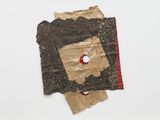
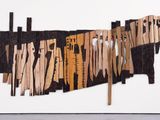
In his early practice, El Anatsui explored the spiritual and linguistic traditions of West Africa through wood and ceramic sculptures. Pieces like Chambers of Memory (1990) use carved reliefs and symbols drawn from adinkra and uli iconography, creating visual narratives that reflect on colonialism, cultural erasure, and the fragility of memory. These early artworks often resemble fragmented manuscripts—burnished, incised, and darkened—as though unearthed from archaeological ruins. They marked a decisive turn away from Eurocentric modernism, establishing Anatsui’s commitment to embedding contemporary art within indigenous knowledge systems. These works laid the conceptual and material groundwork for his later, large-scale installations.
Metal Tapestries and Material Reclamation
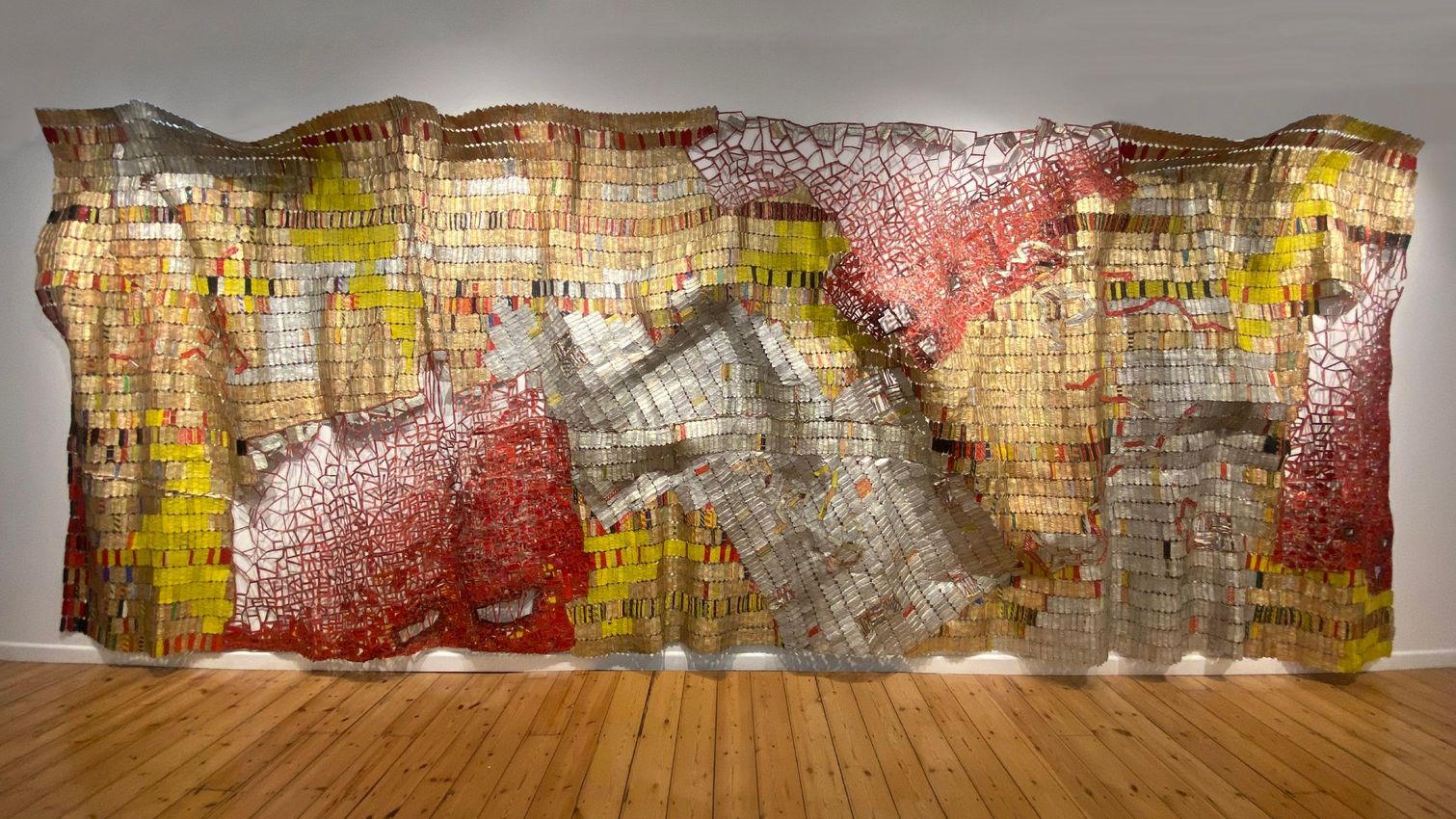
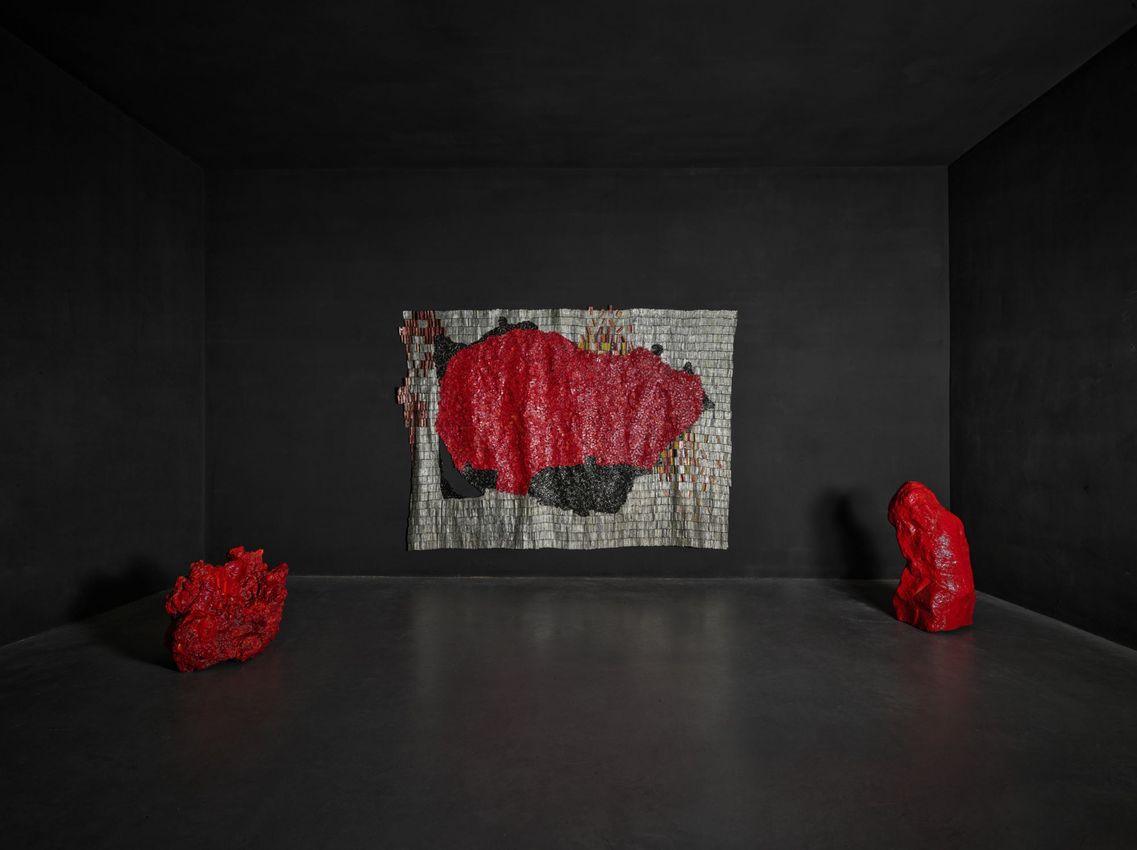
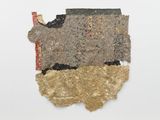
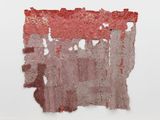
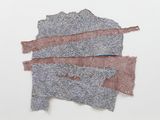
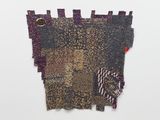
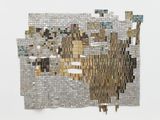
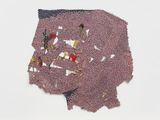
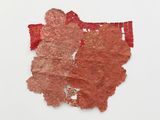
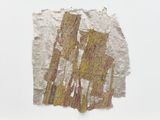
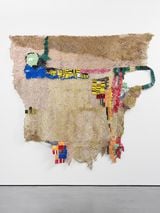
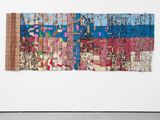
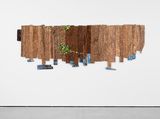
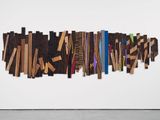
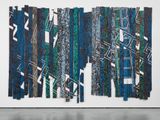
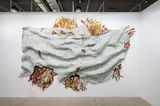
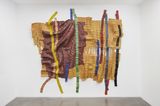
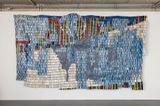
El Anatsui rose to global prominence in the early 2000s with his dazzling assemblages of aluminium bottle tops and copper wire. These monumental wall hangings—such as Fresh and Fading Memories (2007) and Dusasa I (2007), shown at the Venice Biennale—reference kente cloth, mosaic, and chainmail, blurring distinctions between sculpture and textile. Sourced from discarded alcohol packaging, the materials evoke histories of trade, exploitation, and globalisation—particularly the role of alcohol in colonial exchange. The works are flexible and reconfigurable, reflecting the artist’s belief in impermanence and transformation. Despite their scale and grandeur, they remain deeply rooted in ecological consciousness and African craft traditions.
Earth, Metal, and Memory
In later works like Rain Has No Father (2008), Gli (2010), and Black Block (2010), Anatsui further develops his language of repurposed metal, exploring memory, migration, and the porousness of history. These pieces often appear as architectural interventions—sprawling across walls, ceilings, or façades—suggesting fluid borders and collapsing structures. By recycling industrial waste into shimmering veils, Anatsui reframes detritus as both historical residue and raw beauty. The title Rain Has No Father alludes to the untraceable origins of collective trauma and environmental change. These works cement Anatsui’s status as a contemporary artist whose material choices are inseparable from urgent socio-political and environmental narratives.
Public Commissions
- Hyundai Commission: Behind the Red Moon, Turbine Hall, Tate Modern, London (2023)
- TSIATSIA – Searching for Connection, Royal Academy of Arts, London (2013)
Awards and Accolades
- Skowhegan Medal for Sculpture, Skowhegan School of Painting and Sculpture, Maine (2020)
- Praemium Imperiale for Sculpture, Japan Art Association (2017)
- Honorary Doctor of Arts, 365th Commencement Ceremony, Harvard University, Cambridge, MA (2016)
- Golden Lion for Lifetime Achievement, 56th Venice Biennale (2015)
- Prince Claus Award (2009)
Exhibitions
El Anatsui has been the subject of both solo and group exhibitions at important institutions. A selection of important exhibitions are provided below.
Solo Exhibitions
- El Anatsui: Triumphant Scale, Haus Der Kunst, Munich (2019)
- Ofrendas, Detroit Institute of Arts, Detroit (2018)
- El Anatsui: Benchmarks, Royal Academy of Arts, Mayfair, London (2017)
- _Gravity and Grace: Monumental Works by El Anatsu_i, Museum of Contemporary Art San Diego, San Diego (2012). Travelled to Bass Museum of Art, Miami; Brooklyn Museum, Brooklyn.
- El Anatsui: Gawu, Smithsonian National Museum of African Art, Washington, D.C.(2003)
Group Exhibitions
- What’s Going On, Rubell Museum, DC (2022)
- The Slipstream: Reflection, Resilience, and Resistance in the Art of Our Time, Brooklyn Museum, New York (2021)
- Making the Met, The Metropolitan Museum of Art, New York (2020)
- Small World Real World, Stedelijk Museum, Amsterdam (2020)
- May You Live in Interesting Times (58th Venice Biennale), Venice (2019)
- Making Africa: A Continent of Contemporary Design, Guggenheim Museum Bilbao, Spain (2015)
Critical Reception
El Anatsui’s practice has been widely covered in leading publications such as ArtReview, Ocula, and The New Yorker.
El Anatsui FAQs
What materials does El Anatsui use in his artworks?
El Anatsui is renowned for his inventive use of everyday, discarded materials, including aluminium bottle caps, liquor bottle seals, tin can lids, copper wire, driftwood, cassava graters, and old printing plates. These humble materials are painstakingly transformed into monumental, intricate compositions that resemble tapestries or sculptures. Their reuse not only addresses environmental concerns around waste and recycling but also speaks to layered histories of consumption, trade, colonialism, and cultural resilience in both Africa and the global contemporary art landscape.
What themes does El Anatsui explore in his art?
Anatsui’s art explores a constellation of interwoven themes: memory, transformation, migration, postcolonial identity, and the passage of time. His works frequently comment on Africa’s complex histories of colonisation and global trade, particularly through the symbolic use of materials like bottle caps and metal seals. He is fascinated by the way objects can serve as vessels of memory and meaning—how they move, change form, and accumulate narrative. His installations embody this conceptual richness through constantly shifting, mutable forms.
Has El Anatsui represented Ghana at the Venice Biennale?
Although El Anatsui is one of Ghana’s most celebrated contemporary artists, he has not formally represented the country at the Venice Biennale. He was prominently featured in the International Exhibitions of both the 2007 and 2015 editions, where his works garnered significant acclaim. His inclusion helped bring broader visibility to African contemporary art within major international frameworks, paving the way for Ghana’s official national pavilion debut in 2019. Anatsui’s participation remains a pivotal moment in the Biennale’s global reorientation.
Ocula | 2025


View El Anatsui's Artworks























El Anatsui in Ocula Magazine








Explore and Follow Artists Shaping Contemporary Art
A respected voice in contemporary art discourse.
Focusing on ambitious storytelling and insightful art-world commentary. Ocula Magazine publishes in-depth interviews, critical essays and timely analysis on the artists, exhibitions and ideas driving the global art world.
Learn more about Ocula Magazine
Showcasing the best of the art world.
Ocula partners with galleries from around the world to highlight their artists, artworks and exhibitions. Gallery membership is by application and invitation, with each member vetted by an independent panel.
Learn more about Ocula Membership
Specialises in the sale of major artworks.
Led by a team with deep ties to the world’s leading auction houses, galleries and collectors. Ocula’s advisory team offers bespoke services to high-net-worth clients from around the world who are looking to acquire the best of contemporary and modern art.
Learn more about our team and services