





PAUL THEK
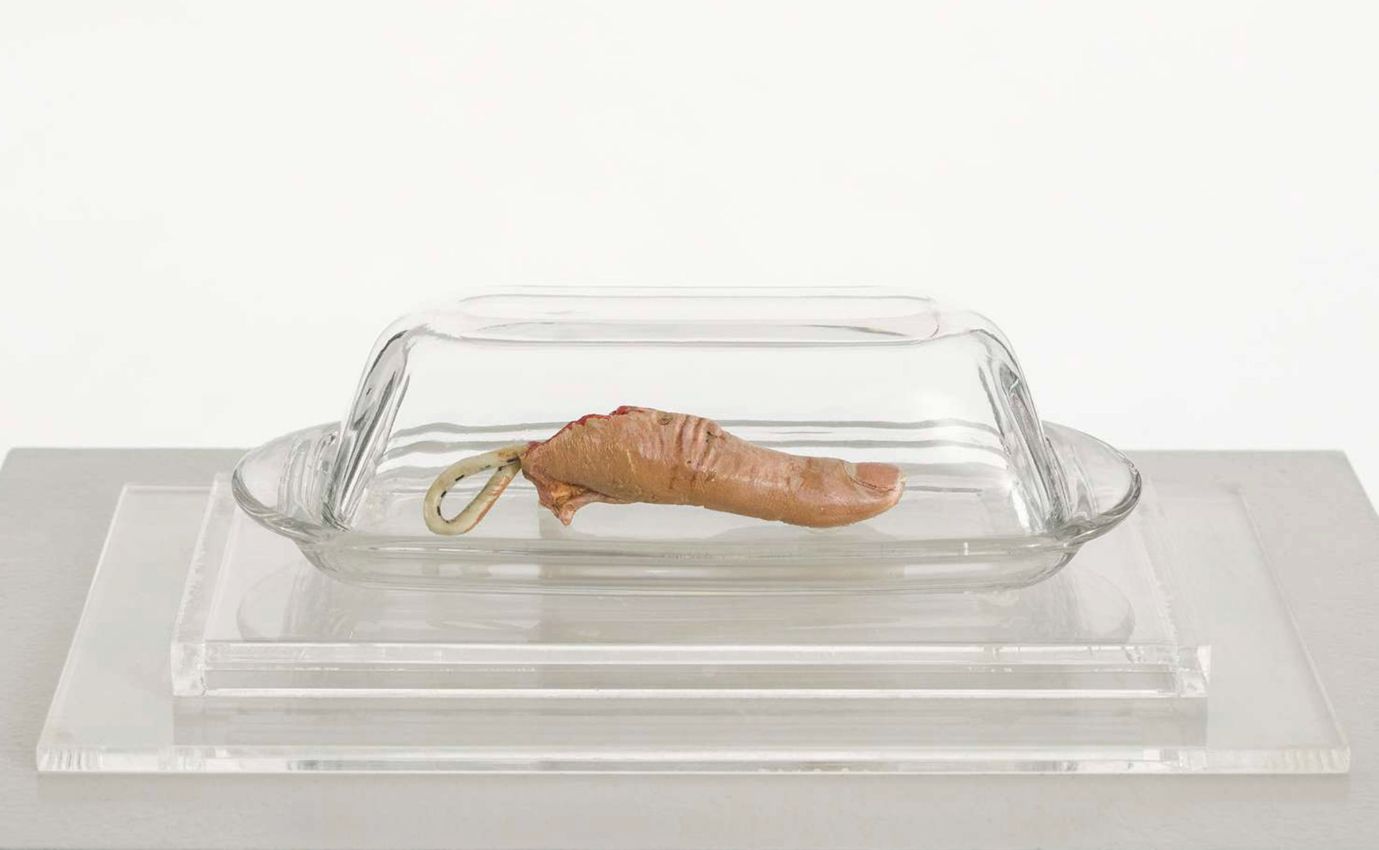
1933-1988, United StatesPaul Thek was a groundbreaking American artist whose haunting sculptures, installations, and paintings have had a profound influence on contemporary art. Known for his visceral Technological Reliquaries—wax sculptures of flesh and body parts encased in Plexiglas—and immersive environments such as The Tomb (1967), Thek’s work challenged the boundaries of Pop, Minimalism, and Conceptual art, infusing his practice with existential and spiritual depth. As curator Kenny Schachter remarked in a recent Ocula interview, ‘Some artists are just born whole—Paul Thek’s work arrived fully formed, and its influence continues to ripple through the art world.’
Early Years
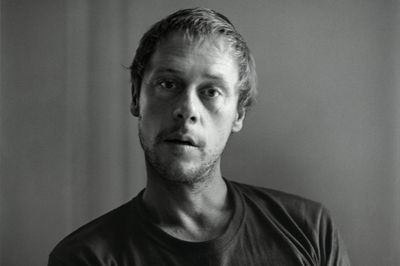
Born George Joseph Thek in Brooklyn to a family of German and Irish ancestry, Thek was the second of four children. He studied at the Art Students League of New York and Pratt Institute before enrolling at Cooper Union, graduating in 1954. After moving to Miami, Thek began exhibiting his early drawings and paintings, and it was there that he met photographer Peter Hujar, who would become his partner and lifelong collaborator. Their relationship, documented in letters and photographs, was marked by deep intimacy and creative exchange, with Hujar’s portraits of Thek capturing both their playful and contemplative moments.
By 1959, Thek and Hujar were living together in New York, moving in circles that included artists and writers such as Eva Hesse, Joseph Raffaele, and Gene Swenson. Thek also developed a close friendship with writer Susan Sontag, who dedicated her landmark 1966 essay collection Against Interpretation to him. Sontag’s biographer credits Thek with inspiring the title and central argument of her essay, recalling how Thek once interrupted her during an art discussion: ‘Susan, stop, stop. I’m against interpretation. We don’t look at art when we interpret it. That’s not the way to look at art.’
In 1962, Thek and Hujar traveled to Europe, visiting the Catacombs of the Capuchins in Palermo, Sicily—an experience that deeply impacted Thek’s later work, especially his meditations on mortality and the body. Thek’s striking appearance and charisma also attracted the attention of Andy Warhol, who filmed him for a ‘Screen Test’ in 1964. That same year, Thek began creating the works that would define his reputation—wax sculptures mimicking raw meat and human limbs, often displayed in clear vitrines.
Paul Thek Artworks
Thek’s art is marked by a radical materiality and a refusal to conform to a single movement. He explored themes of mortality, spirituality, and the body through sculpture, painting, drawing, and installation.
Technological Reliquaries and The Tomb
Between 1964 and 1967, Thek created his famed Technological Reliquaries—wax ‘meat pieces’ and body fragments encased in Plexiglas. These works, exhibited at Stable Gallery and Pace Gallery, offered a visceral counterpoint to the ‘cool’ detachment of Pop and Minimalism. In 1965, he made Meat Piece with Warhol Brillo Box, placing his wax flesh inside one of Andy Warhol‘s iconic boxes, creating a powerful contrast between consumer culture and the rawness of the body. In 1967, Thek constructed The Tomb (also known as ‘Dead Hippie’), an installation featuring a pink ziggurat and an effigy of the artist, shown at the Whitney Museum of American Art. This work, widely interpreted as a meditation on death and the Vietnam War, cemented his reputation as a fearless and original artist.
Immersive Environments and European Years
Disenchanted with the American art scene, Thek moved to Europe in the late 1960s, where he produced large-scale collaborative installations such as The Procession/The Artist’s Co-op (1969, Stedelijk Museum, Amsterdam), Pyramid/A Work in Progress (1971–72, Moderna Museet, Stockholm), and Ark, Pyramid, Easter (1973, Kunstmuseum Luzern). These ephemeral environments, built with sand, candles, newspapers, and found objects, blurred the lines between art and life, sacred and banal. Thek’s collaborative approach and use of humble materials anticipated the development of installation art.
Paintings, Drawings, and Late Work
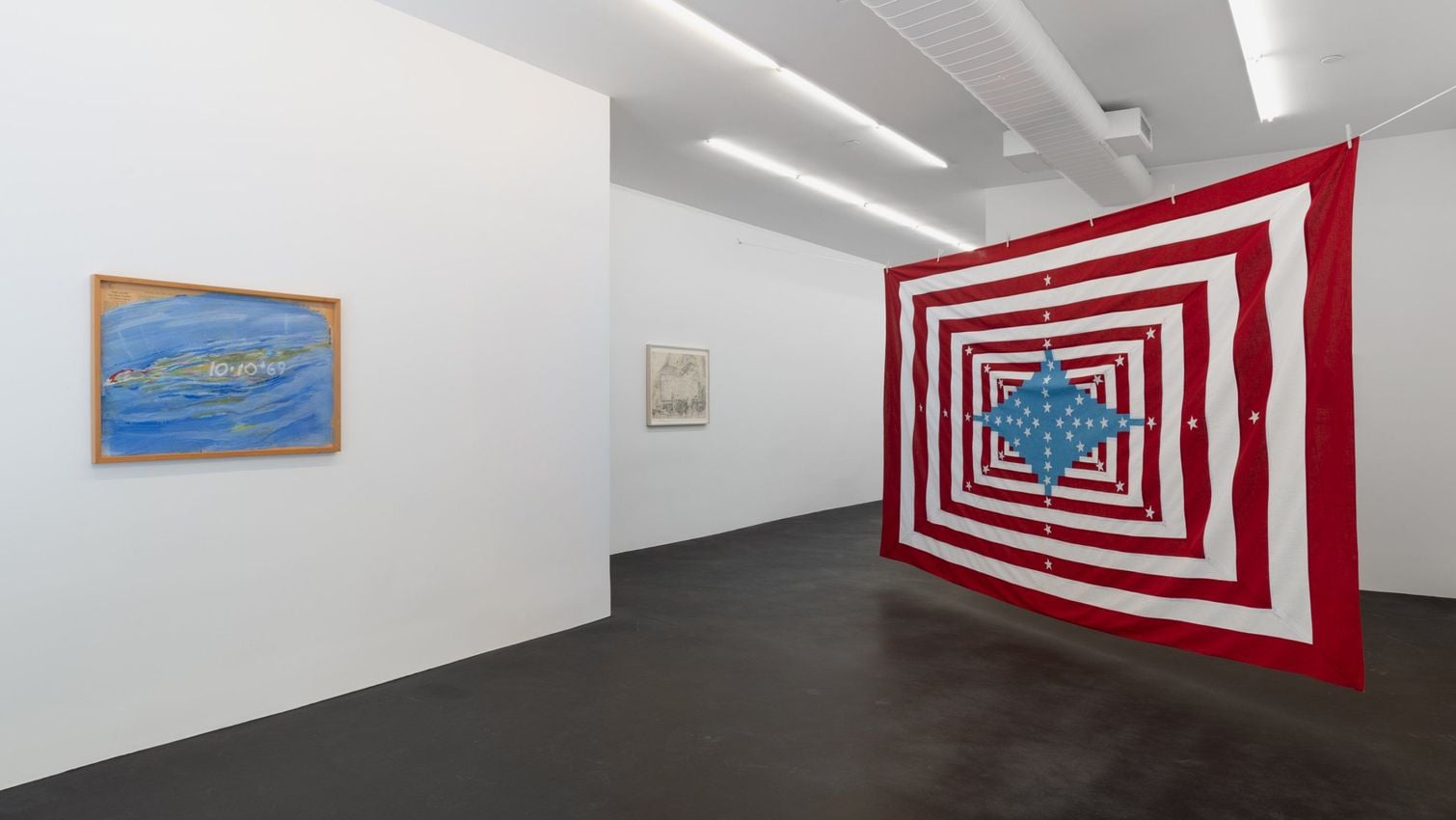
Returning to New York in the late 1970s, Thek focused on painting and drawing, often on newspaper and other ephemeral supports. These works, suffused with spiritual longing and impermanence, reflect his persistent interest in time, the body, and the cycles of life and death. His later years were marked by financial hardship and declining health, but his influence has only grown, culminating in major retrospectives at institutions such as the Whitney Museum of American Art and MAMCO Geneva.
Awards and Accolades
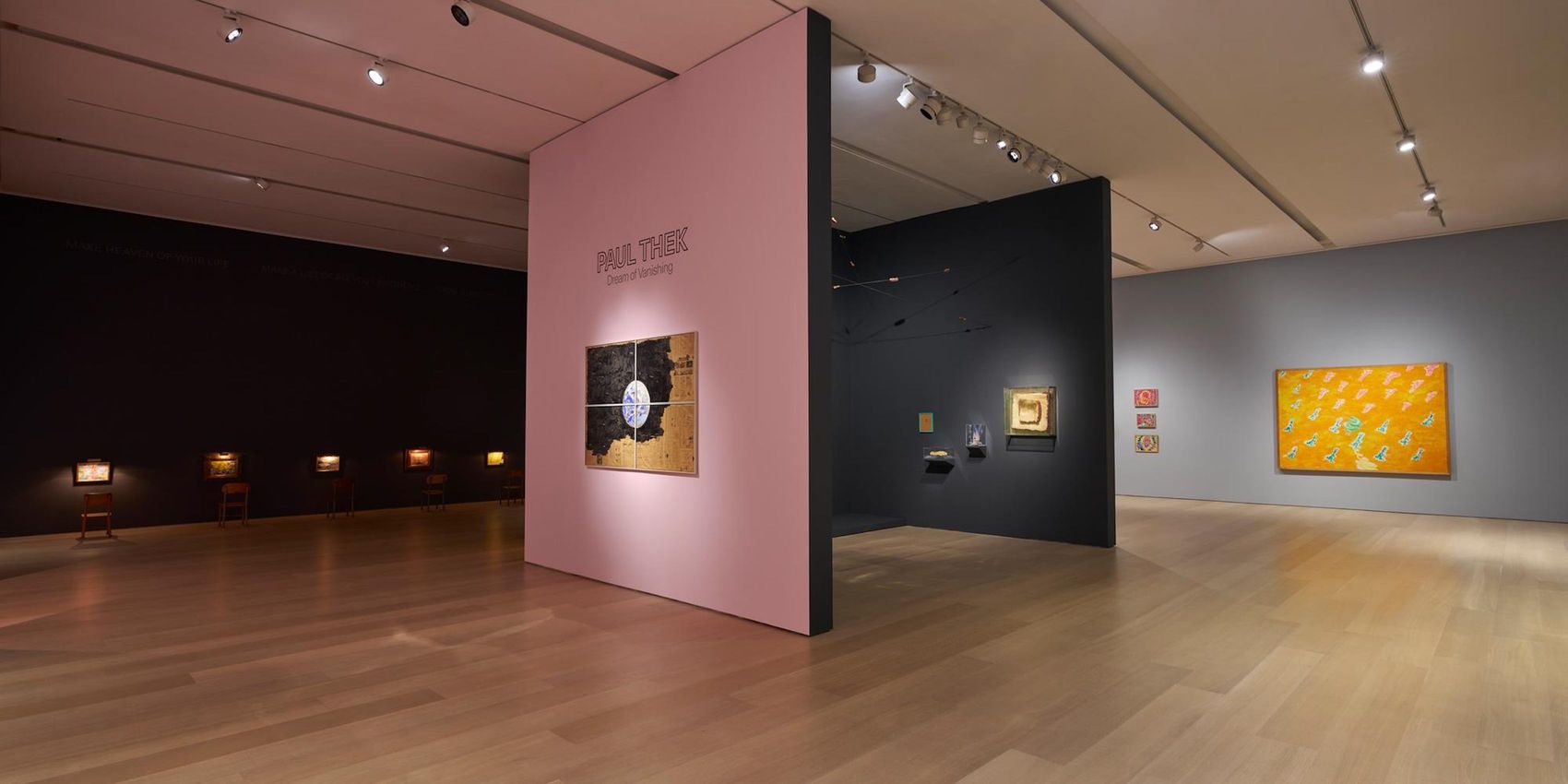
Thek’s work has been celebrated in major retrospectives, including Paul Thek: Diver at the Whitney Museum of American Art, New York (2010–2011), and MAMCO Geneva (2024). His art is held in the collections of the Hirshhorn Museum and Sculpture Garden, Centre Pompidou, Kolumba Museum, and many others.
Exhibitions
Paul Thek has been the subject of both solo and group exhibitions at important institutions. Below is a selection.
Solo Exhibitions
- Paul Thek: Seized by Joy, Thomas Dane Gallery, London (2025)
- Paul Thek, MAMCO, Geneva (2024)
- Paul Thek: Diver, Whitney Museum of American Art, New York (2010–2011), Carnegie Museum of Art, Pittsburgh (2011), Hammer Museum, Los Angeles (2011)
- Paul Thek: Works in the Context of Contemporary Art, ZKM, Karlsruhe (2007–2008), Sammlung Falckenberg, Hamburg (2008), Museo Reina Sofía, Madrid (2009)
Group Exhibitions
- Documenta 5, Kassel (1972)
- Venice Biennale, Italy (multiple years)
- Major group shows at Centre Pompidou, Paris; Hirshhorn Museum, Washington, D.C.; Moderna Museet, Stockholm; and others
Paul Thek FAQs
Where can I see Paul Thek’s art?
Paul Thek’s works are in the collections of the Whitney Museum of American Art (New York), Hirshhorn Museum (Washington, D.C.), Centre Pompidou (Paris), Kolumba Museum (Cologne), and Moderna Museet (Stockholm), among others. His art is regularly exhibited in major museums and galleries in Europe and the United States.
What is Paul Thek best known for?
Thek is best known for his Technological Reliquaries (wax ‘meat pieces’ in Plexiglas), The Tomb (1967), and his immersive, ephemeral installations in Europe during the 1970s.
What themes did Paul Thek explore?
His art explored mortality, spirituality, the passage of time, the body, and the tension between the sacred and the everyday.
How do you pronounce Paul Thek?
It is pronounced ‘Paul Tek’.
What is an interesting fact about Paul Thek?
Thek’s profound relationships with Peter Hujar and Susan Sontag shaped both his personal life and his art. He was filmed by Andy Warhol for a ‘Screen Test’ in 1964, and his influence continues to grow posthumously.
Ocula | 2025










Explore and Follow Artists Shaping Contemporary Art
A respected voice in contemporary art discourse.
Focusing on ambitious storytelling and insightful art-world commentary. Ocula Magazine publishes in-depth interviews, critical essays and timely analysis on the artists, exhibitions and ideas driving the global art world.
Learn more about Ocula Magazine
Showcasing the best of the art world.
Ocula partners with galleries from around the world to highlight their artists, artworks and exhibitions. Gallery membership is by application and invitation, with each member vetted by an independent panel.
Learn more about Ocula Membership
Specialises in the sale of major artworks.
Led by a team with deep ties to the world’s leading auction houses, galleries and collectors. Ocula’s advisory team offers bespoke services to high-net-worth clients from around the world who are looking to acquire the best of contemporary and modern art.
Learn more about our team and services