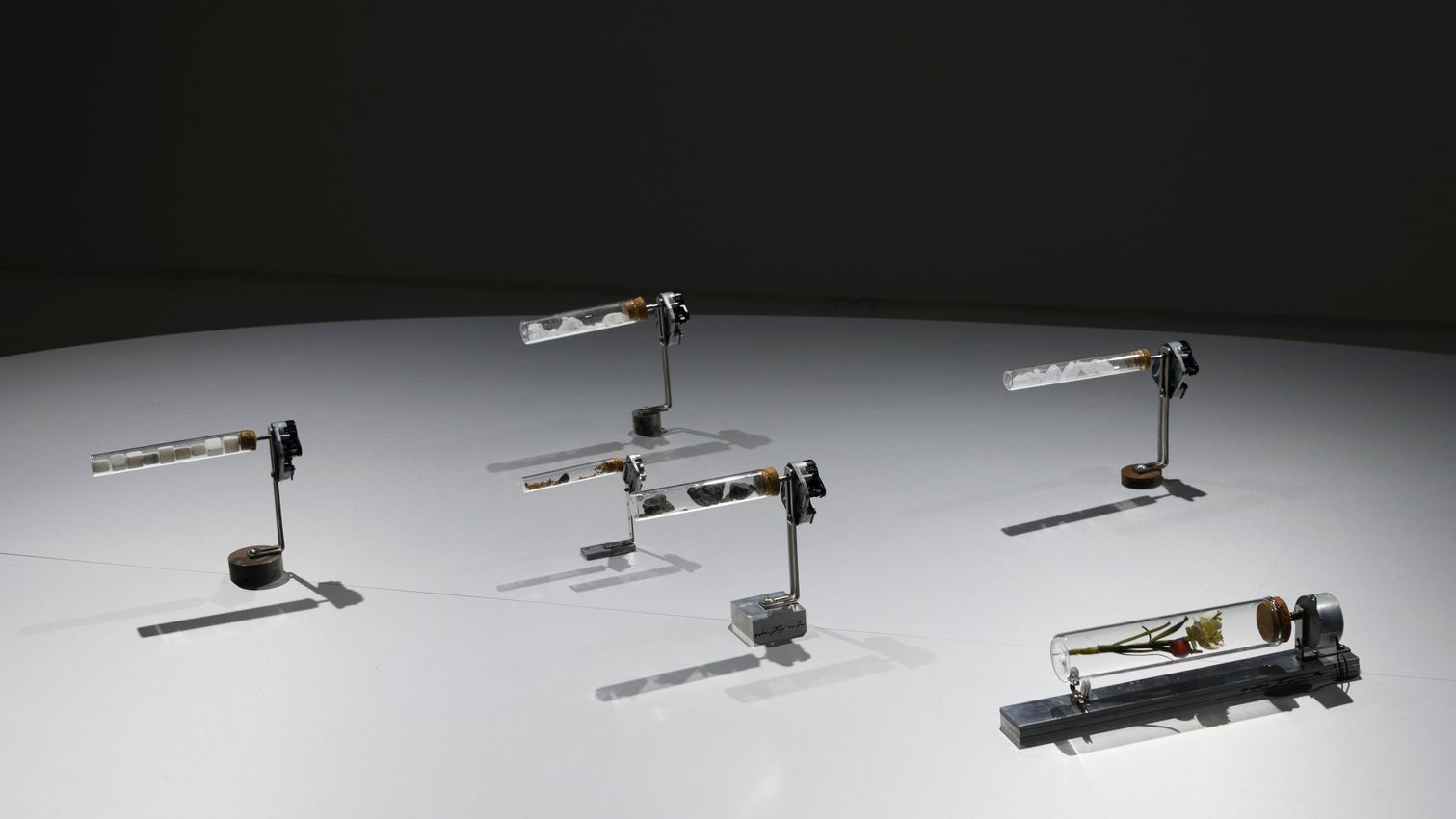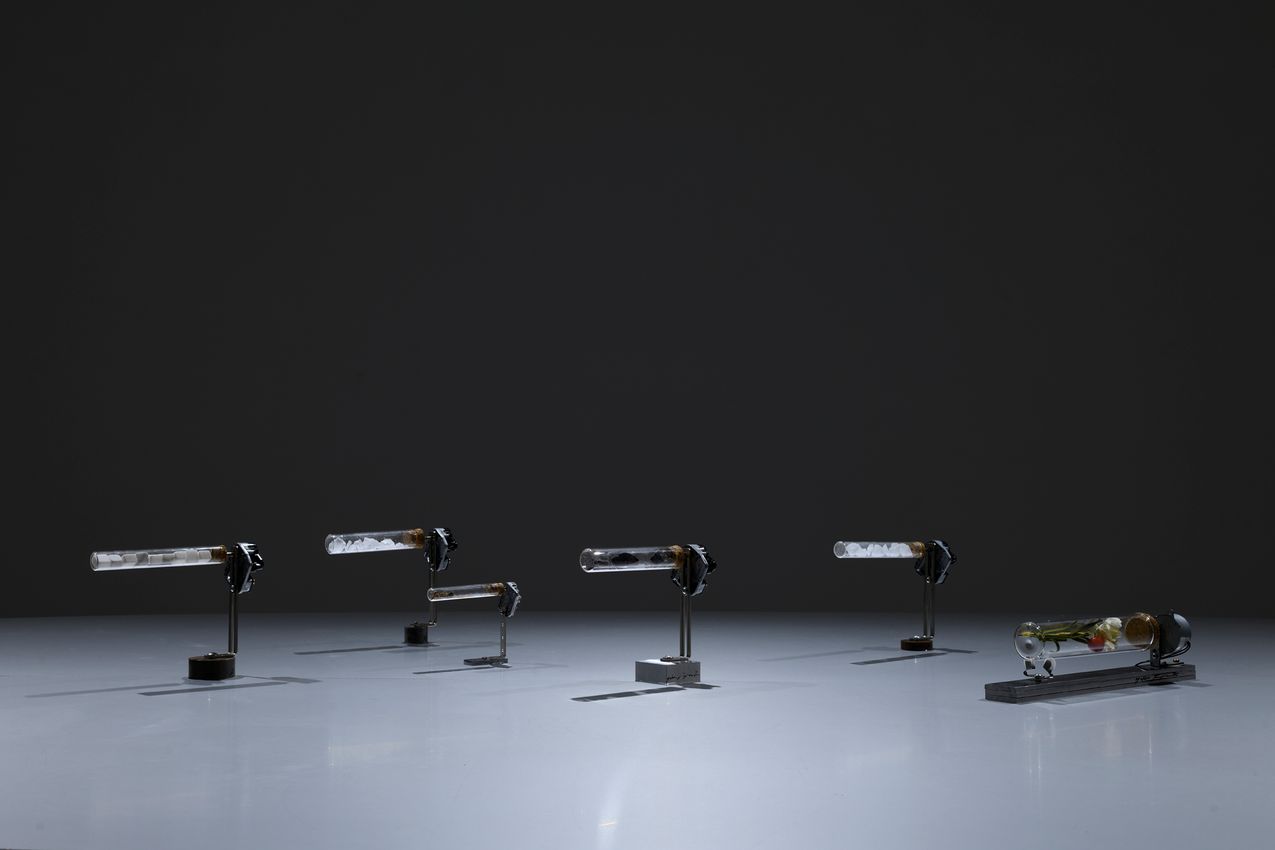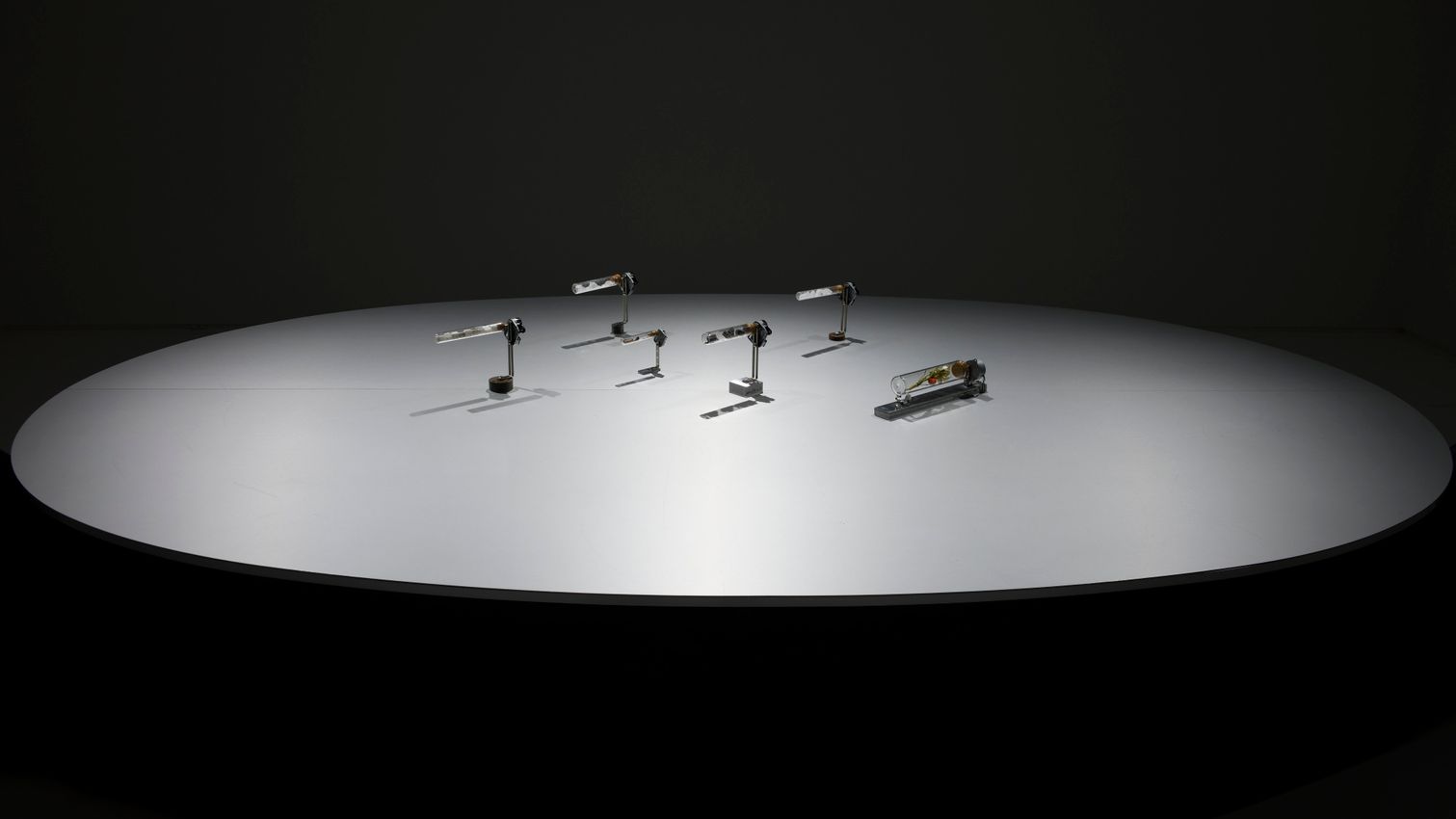
In the 1970s, as I continued to create works of art in which I fused various electric sounds to generate louder sounds, I started to realise two things. The first thing I realised was that no matter how complicated the waveforms were, everything would end up making similar sounds when I put them together. The other was that the first time experiencing the sound would be the most interesting. As I listened to a certain sound two or three times, my body would grow accustomed to the sound and rapidly become less stimulated.
Because of these unsatisfactory findings, I abandoned using a synthesiser in the 1980s. After that, however, mundane sounds in which I had no interest until that point began to captivate my attention. The sounds of turning a page, placing a cup on the table, clothes getting rubbed, and coins discharged from a vending machine... These were never simple ‘insignificant’ sounds, which cannot be artificially generated by putting together waveforms, but flush with extremely high density content. In addition, although almost all of them were small sounds, they retained their own idiosyncrasies and sounded mettlesome in their specific environments.
–Yukio Fujimoto, First appeared in Biohistory Vol. 11, a quarterly journal published by JT Biohistory Research Hall, January, 1996. pp14-15.
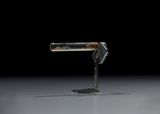
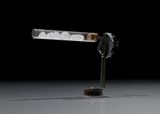
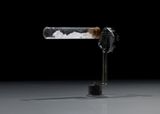
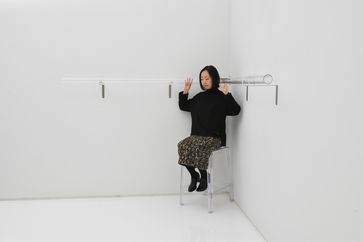
Yukio Fujimoto started developing his art practice through his own realisation of an aspect of the human cognitive capacity in which we put together ‘music’ by listening to various mundane ‘sounds’ and recognising their sequential compositions. Ever since the early 1980s, the artist has reconfigured the relationship between readymade objects, space and humans and has altered his way of artmaking from ‘making sounds’ to ‘listening to sounds.’
In ShugoArtsʼ third online exhibition titled Yukio Fujimoto Sound Album, we put together his forty-year-long art practice from 1980 to 2020 into a single ‘album’ in which the readers can probe into the source of the artistʼs ‘sound.’ In SIDE A “music boxes”, the viewers can watch a series of videos of Fujimotoʼs artworks, which were recorded for this very occasion. This section is centered around his artworks created with music boxes, which gave Fujimoto an opportunity to alter his cognisance of space and sound. The viewers can examine these artworks with both video and sound. SIDE B “fragments 1980-2020” contains rare videos, in which the artist himself recorded in different media such as VHS, 8mm, Digital Video and iPhone from the 1980s to the 2000s, and digitised and edited for this exhibition. This group of videos also function as an important archive since they capture his diverse practices such as Normal Brain, Fujimotoʼs one-man band, from the early 1980s when he was active in the music scene, and his site-specific performances in museums. All of this content is available online.
ShugoArts, established by Shugo Satani in 2000, values its locality, selects its artists regardless of their time and place, and sends out its activities from Tokyo.
Today, it has gotten much easier to appreciate various artworks of all times and places and their meanings, as well as spaces exhibiting artworks, need to be redefined, including contemporary art galleries. ShugoArts prioritises how to realise artists’ own growth as artists or make the most of their accomplishments. In order to nurture their abilities and possibilities, we provide our space for artists to express themselves freely and follow their artistic journeys side by side. Under any circumstances, our mission is to work and grow together with artists who ceaselessly create artworks, which shine a light on life and give it validation.
ShugoArts holds about 7 exhibitions a year and participates in national and international art fairs while simultaneously managing commissions for public spaces and organising performance and talk events. In addition, we also would like to be a part of art histories at large by creating invaluable archives and assisting art institutions.

A respected voice in contemporary art discourse.
Focusing on ambitious storytelling and insightful art-world commentary. Ocula Magazine publishes in-depth interviews, critical essays and timely analysis on the artists, exhibitions and ideas driving the global art world.
Learn more about Ocula Magazine
Showcasing the best of the art world.
Ocula partners with galleries from around the world to highlight their artists, artworks and exhibitions. Gallery membership is by application and invitation, with each member vetted by an independent panel.
Learn more about Ocula Membership

Specialises in the sale of major artworks.
Led by a team with deep ties to the world’s leading auction houses, galleries and collectors. Ocula’s advisory team offers bespoke services to high-net-worth clients from around the world who are looking to acquire the best of contemporary and modern art.
Learn more about our team and services