



Press Release

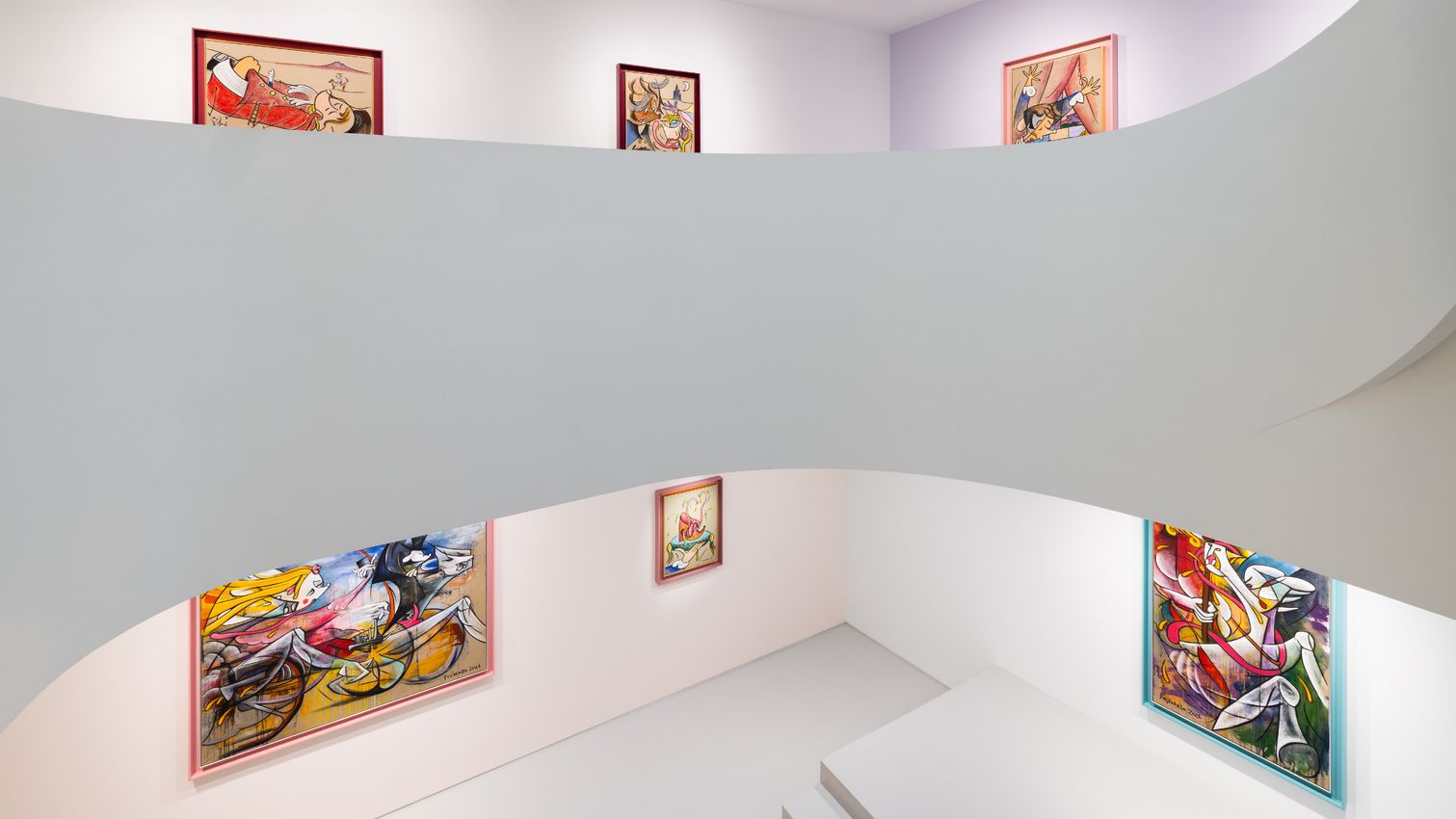
Esther Schipper is pleased to announce Dui Jip Ki, a two-part exhibition of contemporary Korean artpresented this summer at our Berlin and Seoul galleries.

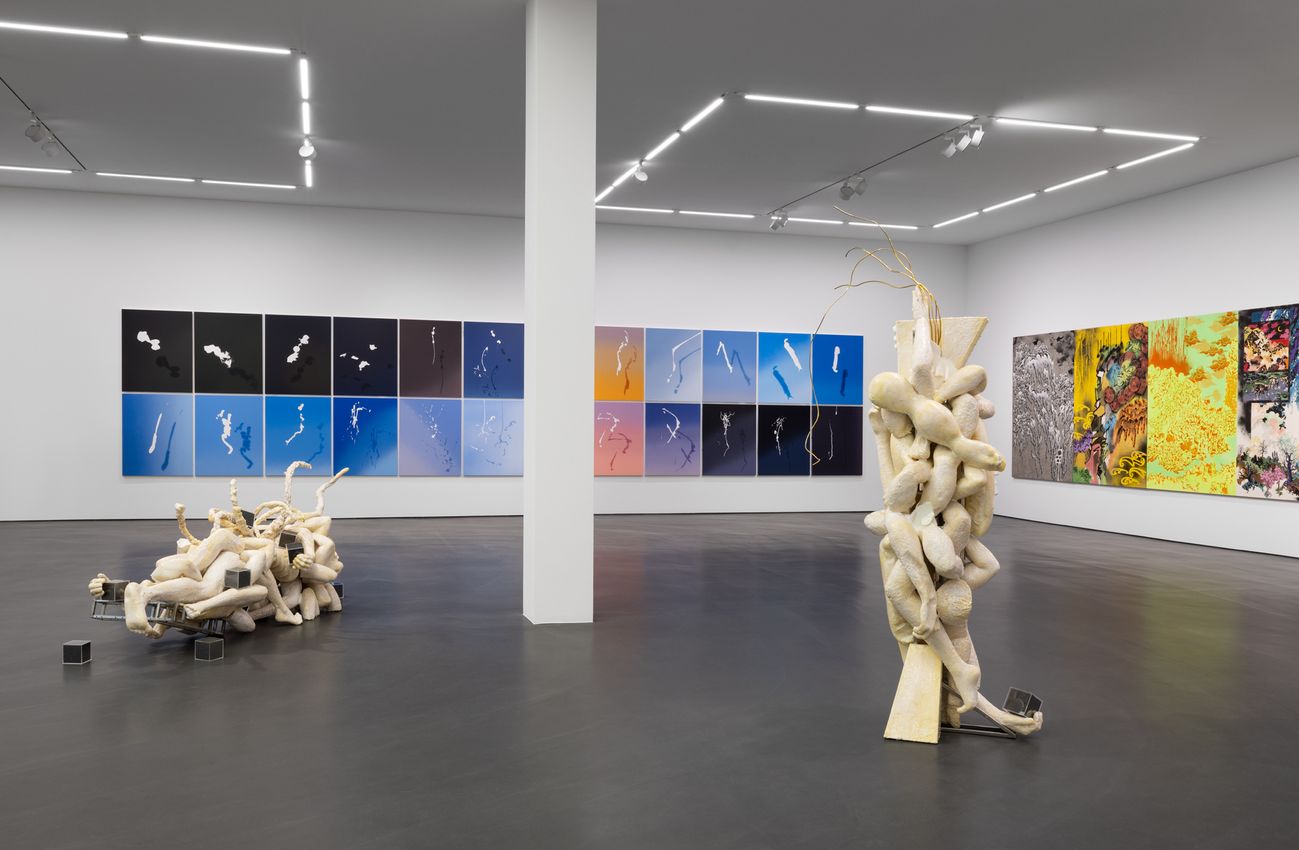
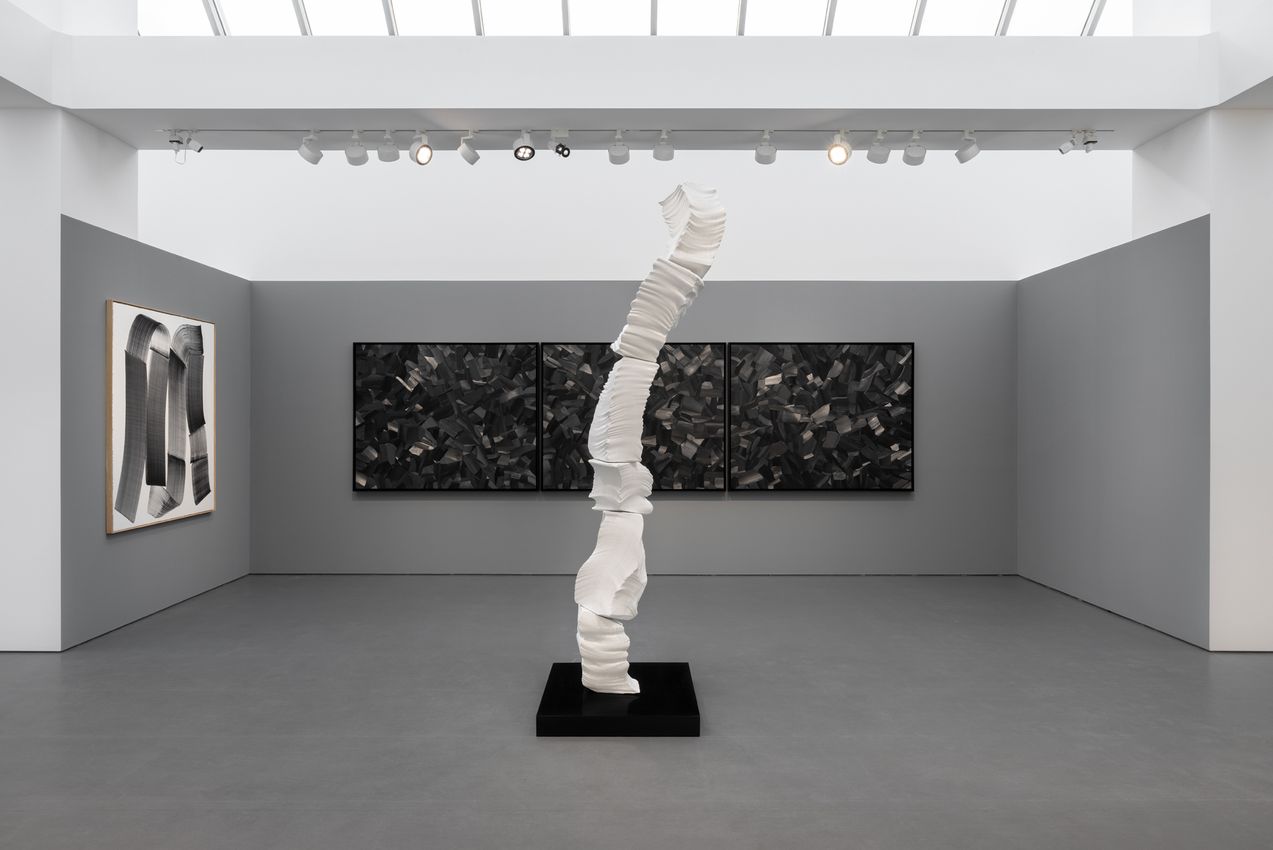
Curated in close cooperation with Esther Schipper, Seoul, Dui Jip Ki brings together artists across fivegenerations who work in a variety of media. The exhibition is a celebration of the gallery’s long-standingrelationship with Korea, coming just shy of the first anniversary of the opening of our location in Seoul.

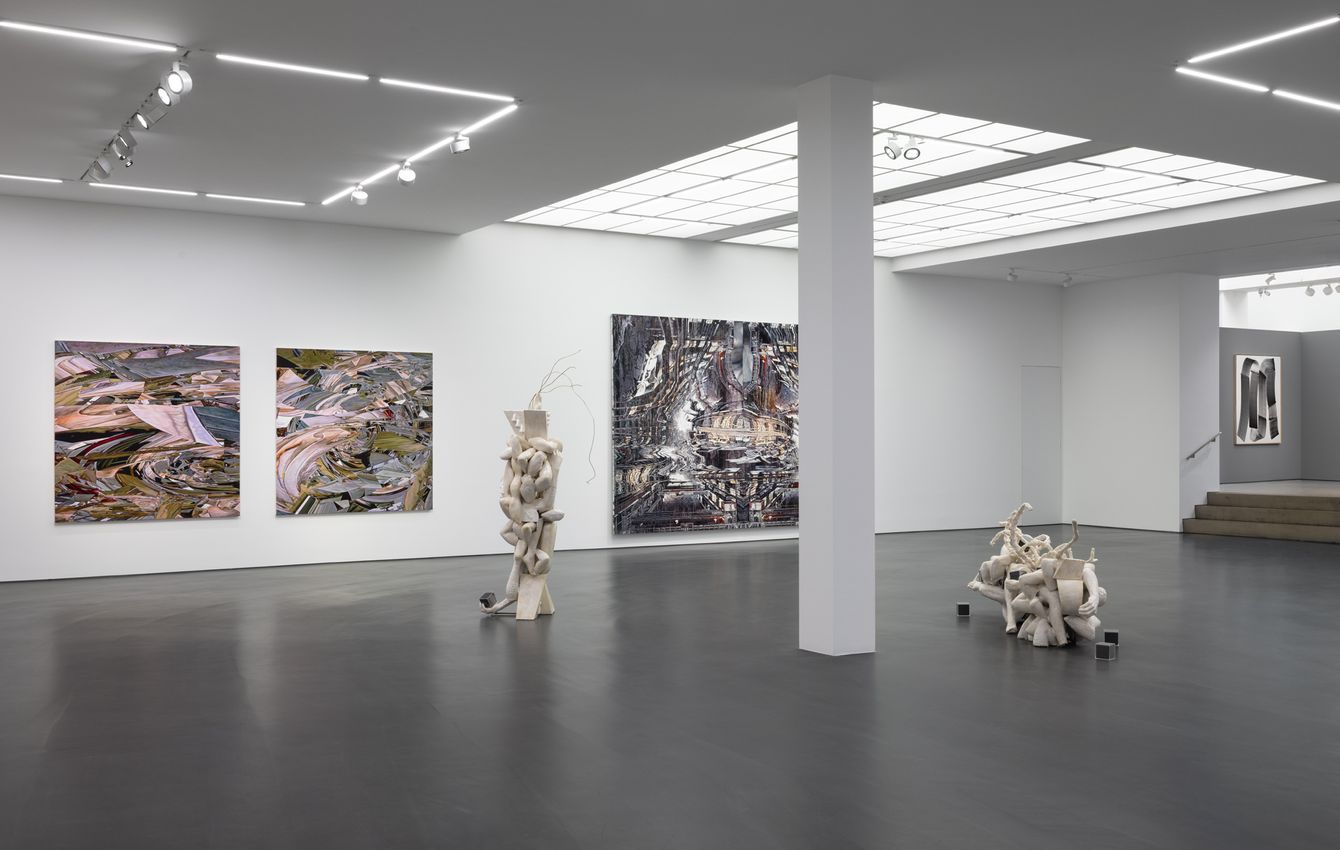
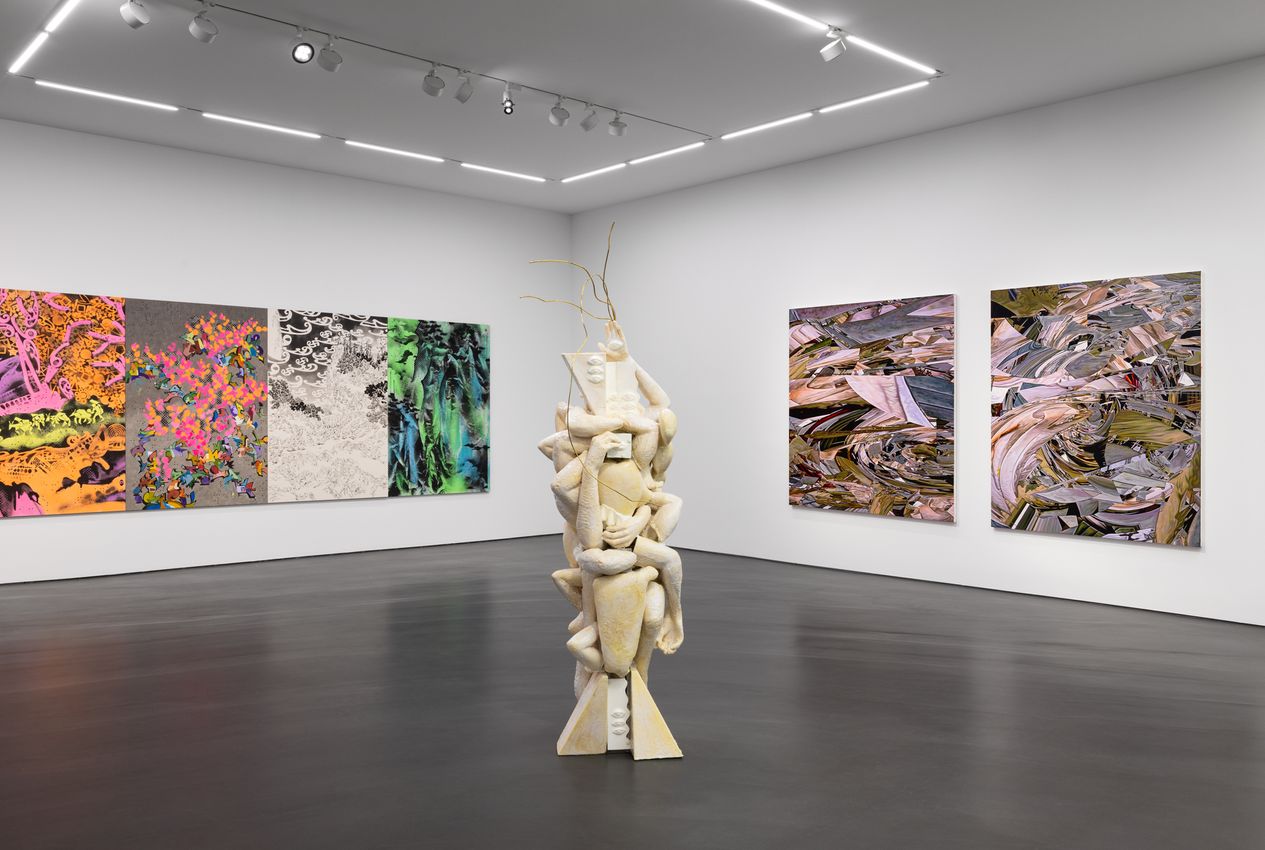
The work of all eight artists (seven in Seoul) connects in specific ways to the rich history of Koreancontemporary art. Engaging critically with social and political ideas, employing alternative conceptualstrategies, addressing subverted identities and parallel histories, or renewing traditional techniques andmateriality, the works in Dui Jip Ki can be taken as an aesthetic journey of origin, development, andemergence.

The exhibition’s title, Dui Jip Ki, a term taken from an action and its corresponding associations, relates tothe heterogeneity of artistic practices on view. In Korean the act of flipping something over to the other side isreferred to as 뒤집기, Dui Jip Ki, and has multiple applications; it can be said of something domestic, such asturning over a pancake, but may also refer to a change of mind, an opening to alternative ideas. It is also theterm used in traditional Korean wrestling for turning and pinning down an opponent through back-breakingstrength to claim victory.

The established narrative of the development of Korean culture during the last fifty years has beencharacterized by dichotomies. The social-political origin of contemporary Korea and contemporary art withinKorea is formed by oppositional contrasts such as North vs. South and Abstraction (Dansaekhwa) vs. SocialRealism (Minjung).

The artists exhibited in Dui Jip Ki have found ways to work within long established media of painting andsculpture in highly original and alternative ways. Four conceptual groupings structure the exhibition:1. Alternative origins, artists that found ways to work outside of the two established schools of Minjung andDansaekwha: Hong Joo Kim. 2. Transformative materiality, artists that allow nature and natural processesto create work: Lee Bae and Taek Sang Kim. 3. Subverted Histories, artists whose personal histories and

identities have been purposefully lost or hidden: Jin Meyerson and Haneyl Choi. 4. Young artists who are usingthe Korean Idea of New Tro or New Retro to create innovative work with traditional methods: Donghyun Son,Hyunsun Jeon, and Suyeon Kim.

Born in 1945, Hong Joo Kim remained outside of the two dominant postwar art movements. His practice isexperimental and varied and has gone through physical and conceptual explorations that include performance,assemblage, sculpture, installation, eventually returning to painting. On view will be works from his seriesof meditative paintings of abstract and plant forms that are both a conceptual gesture and a celebration ofcraftsmanship.

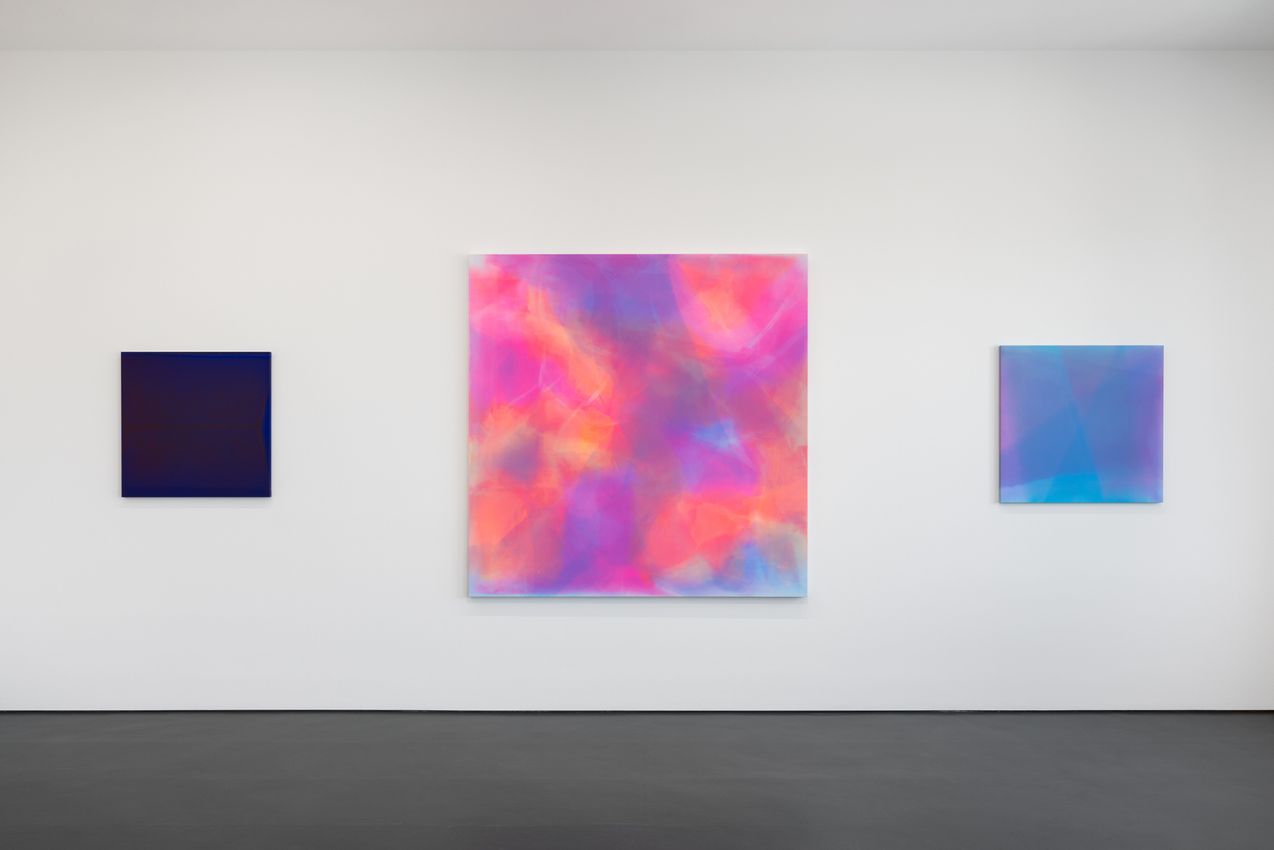
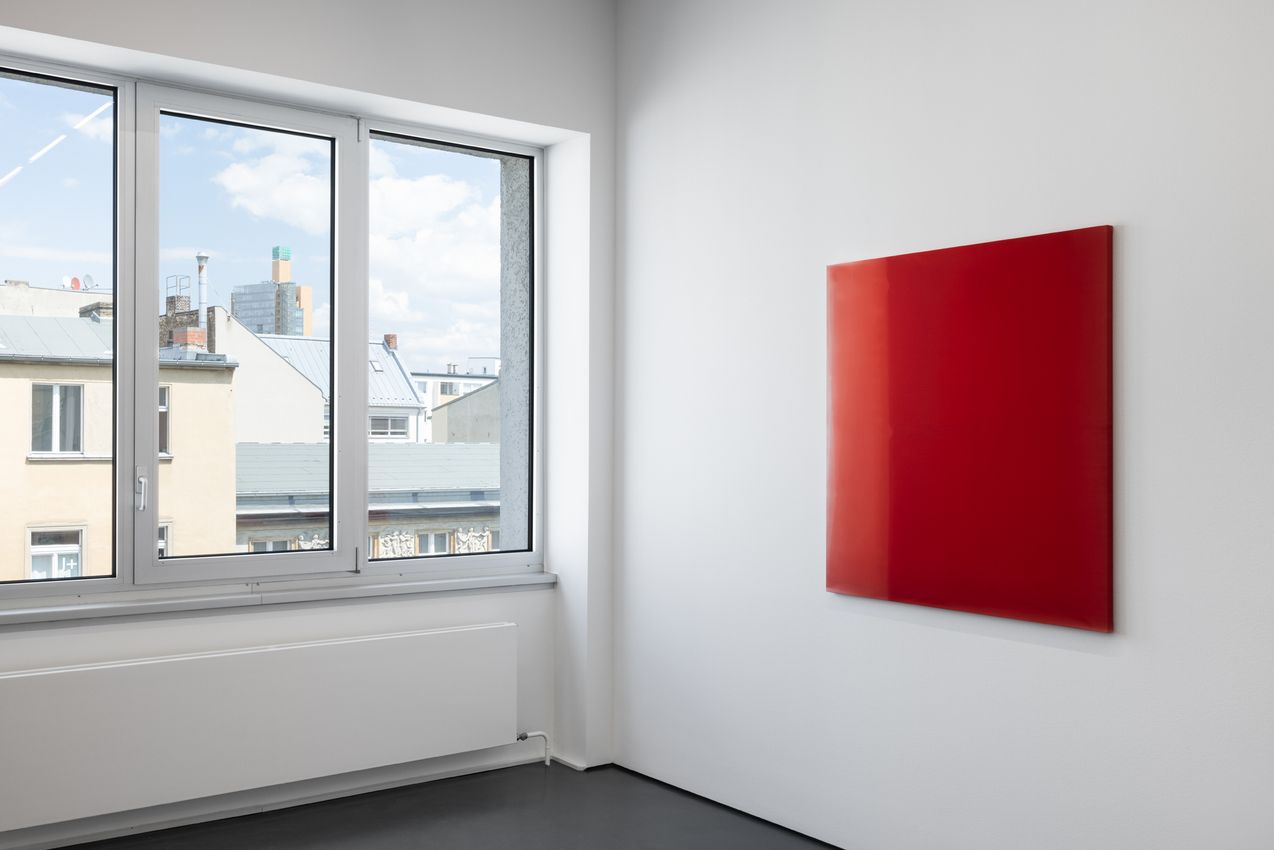
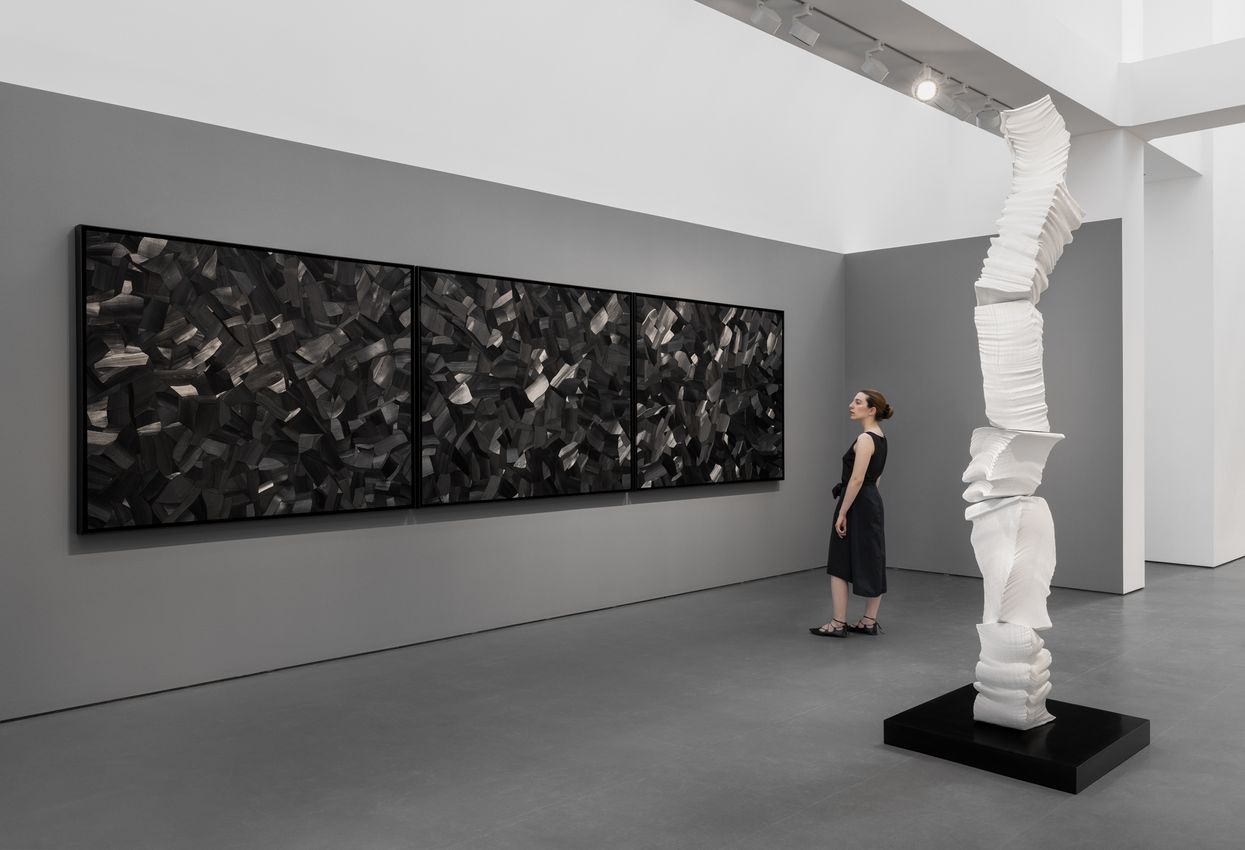
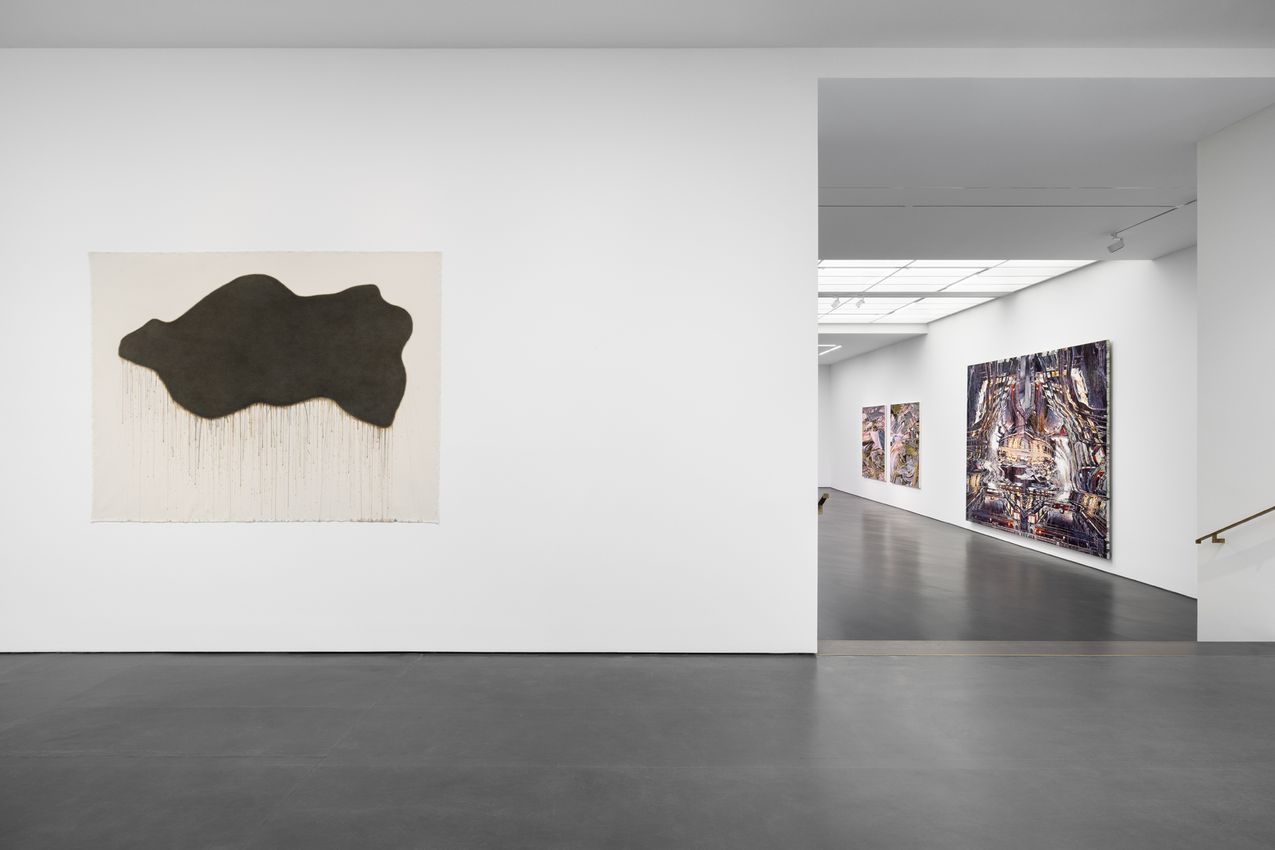
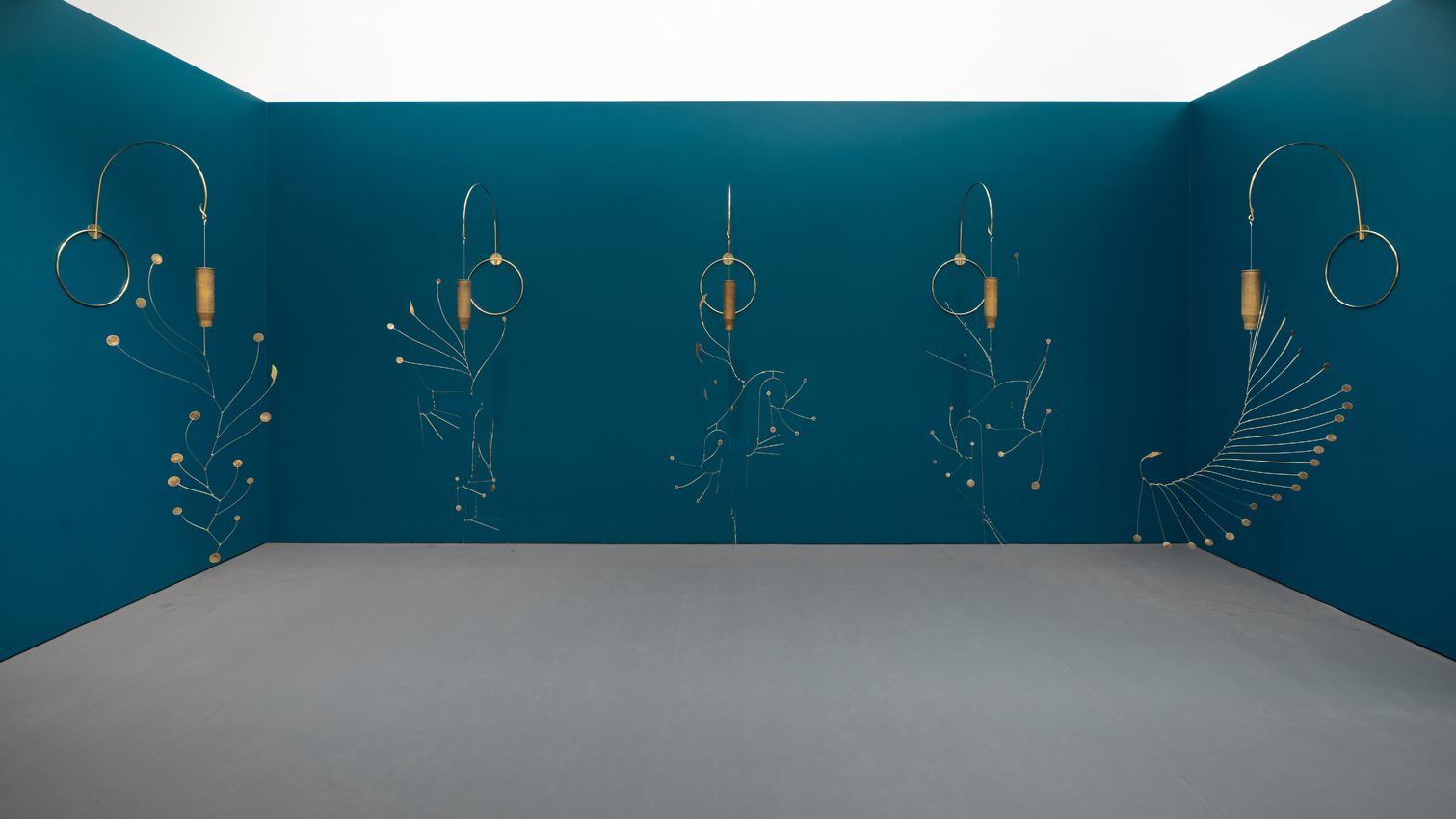
Both Taek Sang Kim (b.1958) and Lee Bae (b. 1956) represent a second generation of evolution withinKorean contemporary art. Both artists employ elemental and alternative conceptual transformational strategieswithin their artistic processes, creating a bridge between post-war monochrome painting and contemporaryart. Taek Sang Kim engages with a transformational process of water, air, fabric, and paint to create richlysaturated paintings that don’t give away their sophisticated conceptual environmental process, eventuallyarriving at a pure and simple autonomous form. Lee Bae’s work honors the rituals and traditions of Koreanfolk culture and craft. Using wood, fire, and Hanji (Korean Mulberry paper) to produce sculpture, installation,drawing, and assemblage, charcoal represents a central transformational material in his practice.

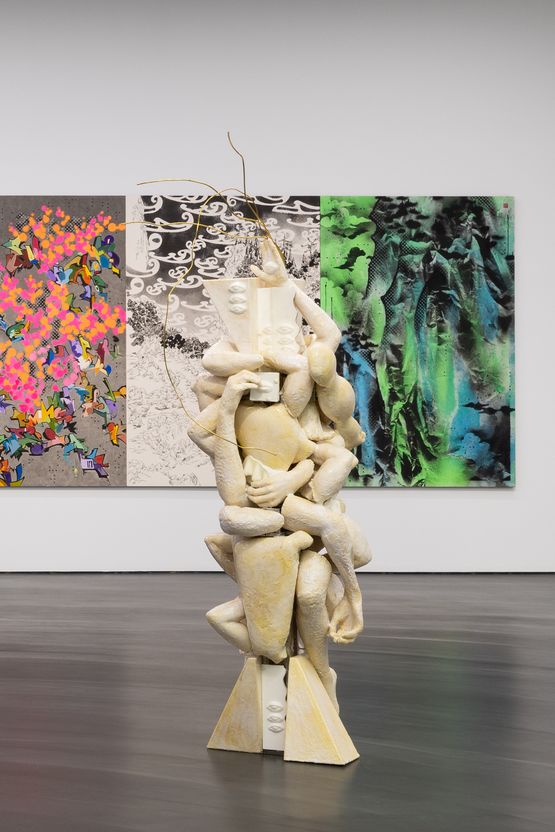
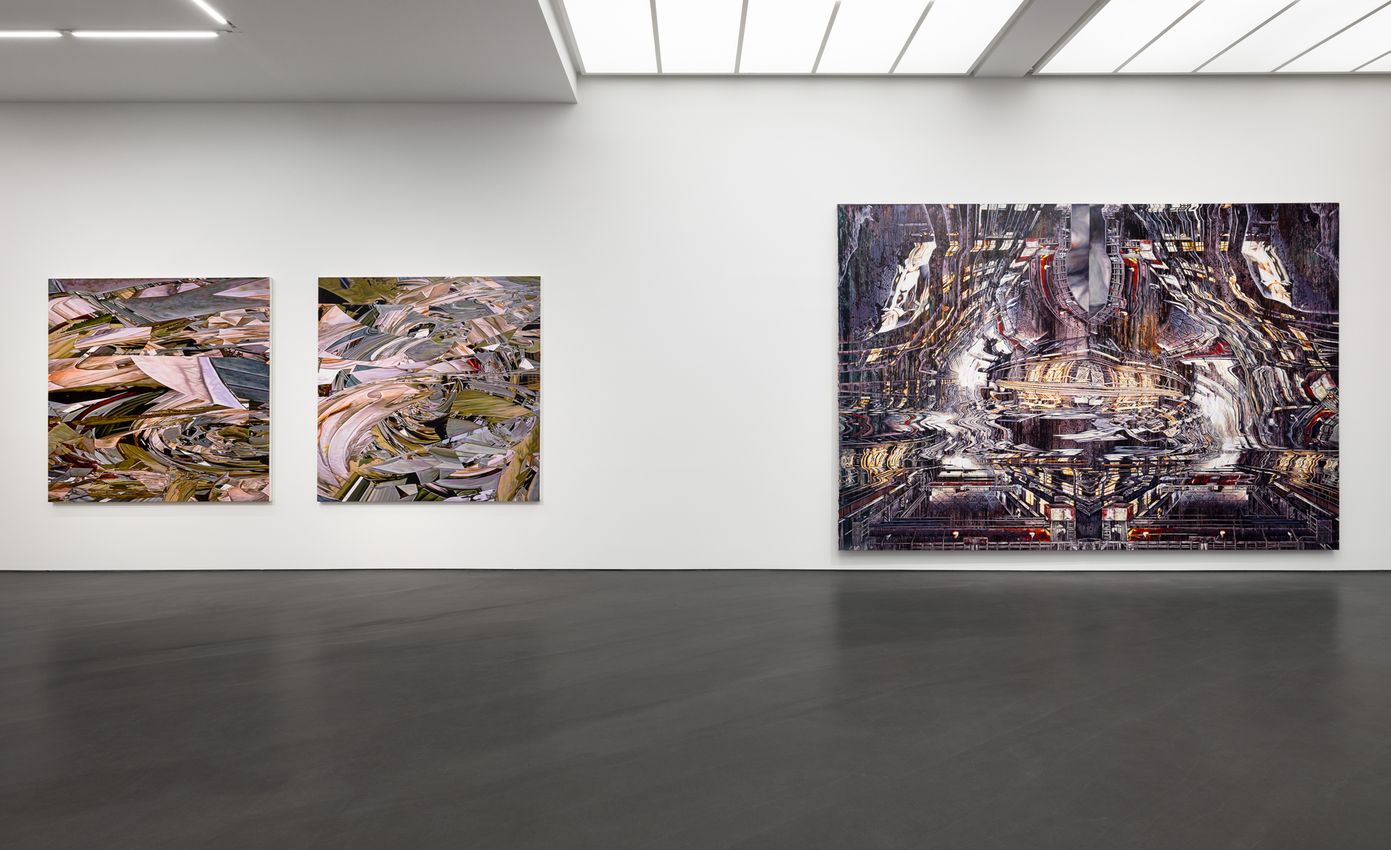
Jin Meyerson’s (b. 1972) experience as a displaced Korean adoptee to the US is at the core of his artisticpractice. Meyerson’s paintings bridge the established languages of abstraction and figuration, drawing fromcritical conversations about crisis, recovery, and renewal. Haneyl Choi (b.1991) is a pioneer of sculptureand Queer identity as one of the first openly gay artists in Korean contemporary art history. Constructed fromready-made found objects, printed plastics, coded symbols, digital and video elements, Choi’s work constantlytranscends the boundaries of what it means to be a sculptor.

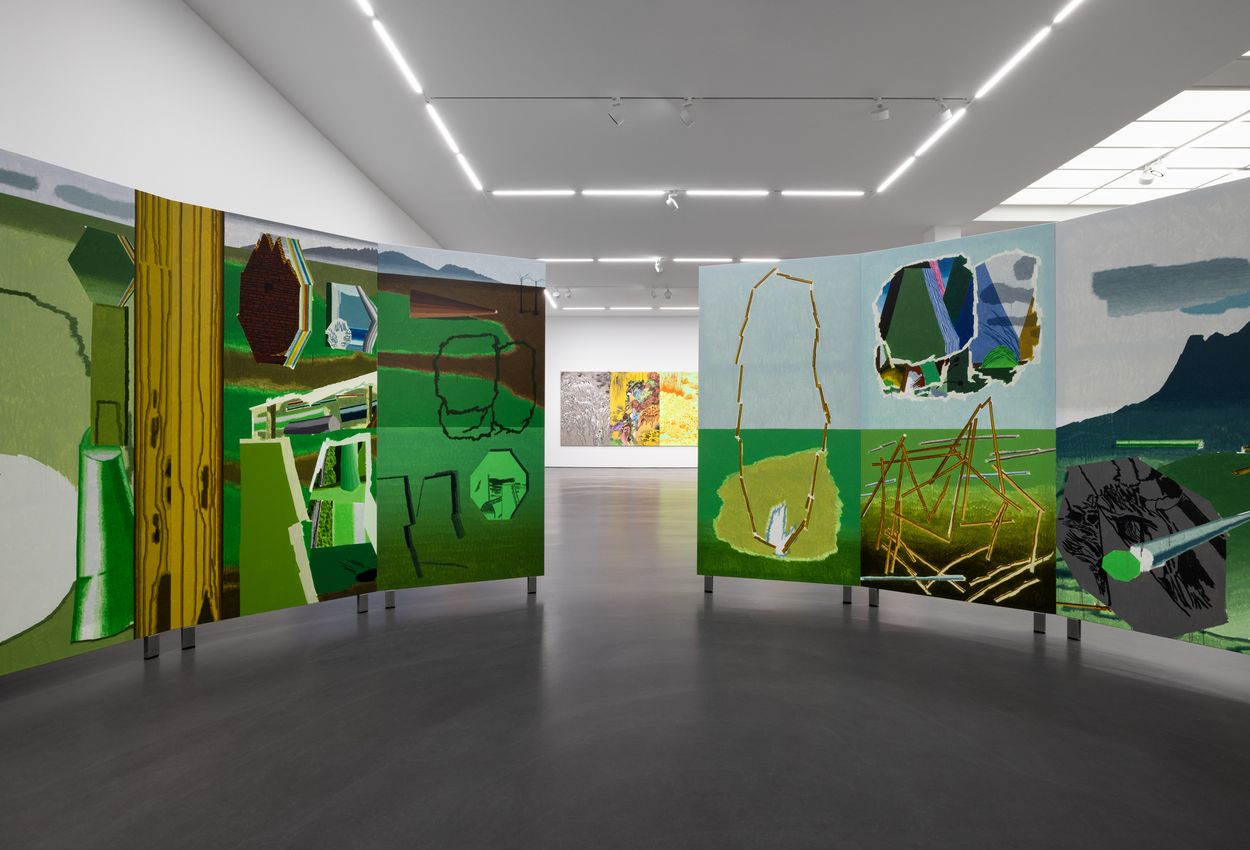
In the generations born in the 1980-90’s, many women have achieved critical and commercial recognition.Hyunsun Jeon and Suyeon Kim have led the way in establishing the rise of female artists in a traditionallymale-dominated society. Along with Donghyun Son, these artists are linked by alternative approaches totraditional materials and concepts. Hyunsun Jeon (b. 1989) has invented a unique pictorial language thatemploys a distinct chromatic palette. Drawing on varied scales of representations, her formal vocabulary issuspended between symbolic geometry and suggestive landscape. The geometric forms in her paintingsare often echoed in the three-dimensional structures in which she stages her works. Suyeon Kim (b. 1986)employs a wide range of layered conceptual strategies to create her paintings, most recently conceiving of anenvironmental intervention to produce paintings by suspending a brush and letting the wind move it acrossthe canvas. Donghyun Son (b. 1980) employs a deliberately eclectic combination of formal and conceptualthemes in his work. His practice veers imaginatively between Eastern and Western aesthetic sensibilities, attimes using the basics of oriental landscape painting to deconstruct it.

We thank Jaeho Jung and Gallery 2 for their generous collaboration on this project.

Read More

Installation Views

Also Exhibiting at Esther Schipper

About the Gallery

Esther Schipper founded the gallery in 1989 in Cologne. In 1997 the gallery relocated to Berlin. Through more than three decades of continuous exhibition practice, the gallery has established itself as a major force not only in Germany but in an international context, with offices in Paris and Seoul and representatives in France, Spain, the United States, Latin America, South Korea, Taiwan and China. The gallery holds up to ten gallery exhibitions as well as multiple off-site projects each year and participates in leading art fairs across the globe.

View Gallery Profile
Address
Potsdamer Strasse 81E
Berlin
Germany
Opening Hours
Tues - Sat, 11am - 6pm
And by appointment
(1)
Berlin Potsdamer Strasse 81E
Esther Schipper
Potsdamer Strasse 81E, Berlin, Germany
+49 303 744 331 33
http://www.estherschipper.com

Opening hours
Tues - Sat, 11am - 6pm
And by appointment
The art world in focus
