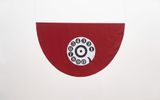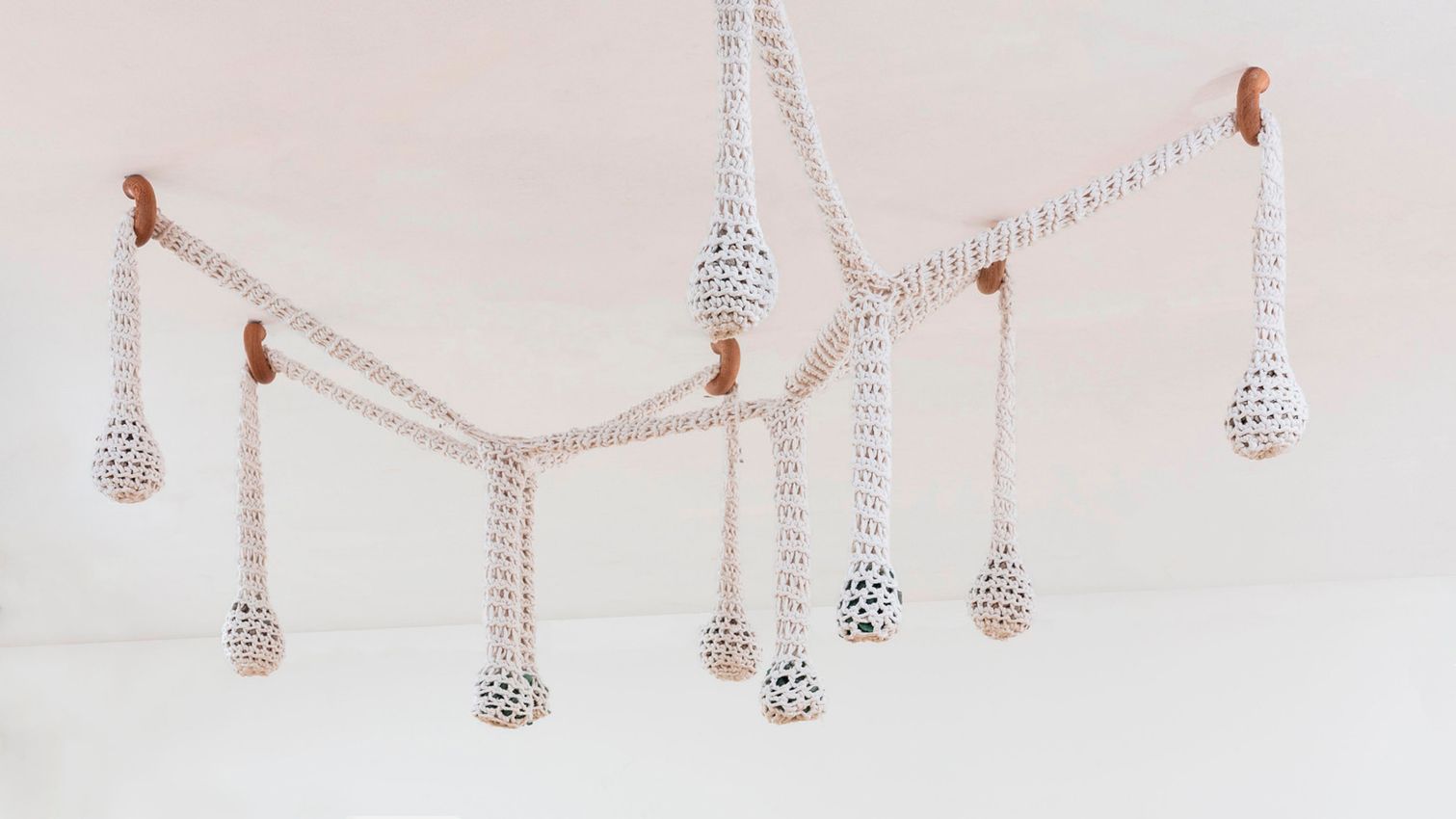
In her new exhibition at Fortes D’Aloia & Gabriel, O fardo, a farda, a fresta [the burden, the uniform, the crack], Rivane Neuenschwander addresses the contemporary persistence of structures inherited from the years of military dictatorship in Brazil (1964–1985). In translating the memories of people who lived their childhood during the period, her works reconstruct the past and produce resonance with the current day. Through recollections culled from her interlocutors, the artist deals with censorship, corporate complicity with the repressive state apparatus, militaristic ideology and torture, but singles out experiences in which the control exerted by these institutions fails, opening cracks in the curtailed horizon of one of the most violent periods in Brazilian history. Through singular, personal chronicles, Neuenschwander evidences the importance of transmitting experiences while tracing a subjective portrait of Brazil at the time, which, if left unelaborated, periodically comes back to haunt us.
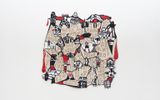
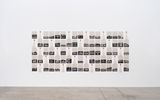
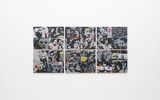
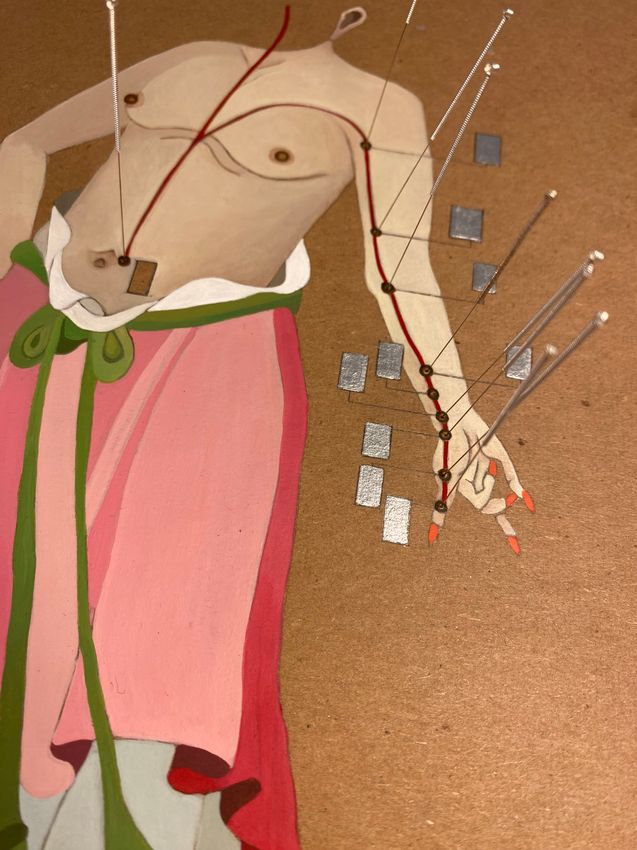
M.C. (Agulhas Conspiratórias) (2023) is a group of nine watercolours that cite historical medical illustrations. Through the artist’s interventions, these archival materials now represent the nine members of a Chinese delegation that came to Brazil in 1961 and were arrested and tortured by the DOPS, a Brazilian political police corps responsible for persecuting perceived communist threats. The figures illustrate acupuncture points in which needles are placed, a reference to those found in the possession of the Chinese, considered subversive instruments by the military. In the tapestry A.E. (Nunca Mais Brasil) (2023), figures related to a childhood imagination are interspersed with the names of places that served as torture sites for opponents of the dictatorship. Written with garbled letters, these names elicit archival deciphering, an exercise that eventually led to uncovering the dictatorial government’s criminal activities.
The film Eu sou uma arara (2023), co-authored by Neuenschwander and Mariana Lacerda, occupies a central position in the exhibition, establishing correspondences with statements of resistance to the dictatorship and transposing the issue to the current Brazilian and worldwide context. The short film records demonstrations by the Floresta de Cristal [Crystal Forest] collective, who, over the course of a year, infiltrated public protests, wearing animal masks and vegetable ornaments, giving rise to Reviravolta de Gaia [Gaia’s Overturn]. They denounced the destruction of the environment and the genocide of indigenous peoples, an extermination project accelerated and institutionalised by the military government. From works that trigger the collective experience of the second half of the 20th century in Brazil through the film that closely follows the Brazil of today, O fardo, a farda, a fresta traces a path between dissident narratives, efforts at contestation, closure and possibility, in a plastic mapping of terror and its opposite: remembrance as a political tool.
The book Reviravolta de Gaia, dedicated to the visual records of the production process of_Eu Sou Uma Arara_, will be released in parallel with the opening.
Since 2013, Rivane Neuenschwander has developed a broad research on children’s fears through workshops held in London, Dresden, Bogotá, among other cities. Her interest in the theme is twofold; on the one hand are the psychoanalytic investigations on fear and its variants (phobia, angst and panic), on the other fear as an instrumental affection to be manipulated in the political arena.


Fortes D’Aloia & Gabriel, formerly Galeria Fortes Vilaça, presents a diverse and dynamic programme of exhibitions featuring Brazilian and international artists, alongside screenings, book launches, talks, and kids’ workshops. The gallery was founded in 2001 by Márcia Fortes and Alessandra D’Aloia, and took on its current name in 2016 when Alexandre Gabriel transitioned from Art Director to partner.

A respected voice in contemporary art discourse.
Focusing on ambitious storytelling and insightful art-world commentary. Ocula Magazine publishes in-depth interviews, critical essays and timely analysis on the artists, exhibitions and ideas driving the global art world.
Learn more about Ocula Magazine
Showcasing the best of the art world.
Ocula partners with galleries from around the world to highlight their artists, artworks and exhibitions. Gallery membership is by application and invitation, with each member vetted by an independent panel.
Learn more about Ocula Membership

Specialises in the sale of major artworks.
Led by a team with deep ties to the world’s leading auction houses, galleries and collectors. Ocula’s advisory team offers bespoke services to high-net-worth clients from around the world who are looking to acquire the best of contemporary and modern art.
Learn more about our team and services