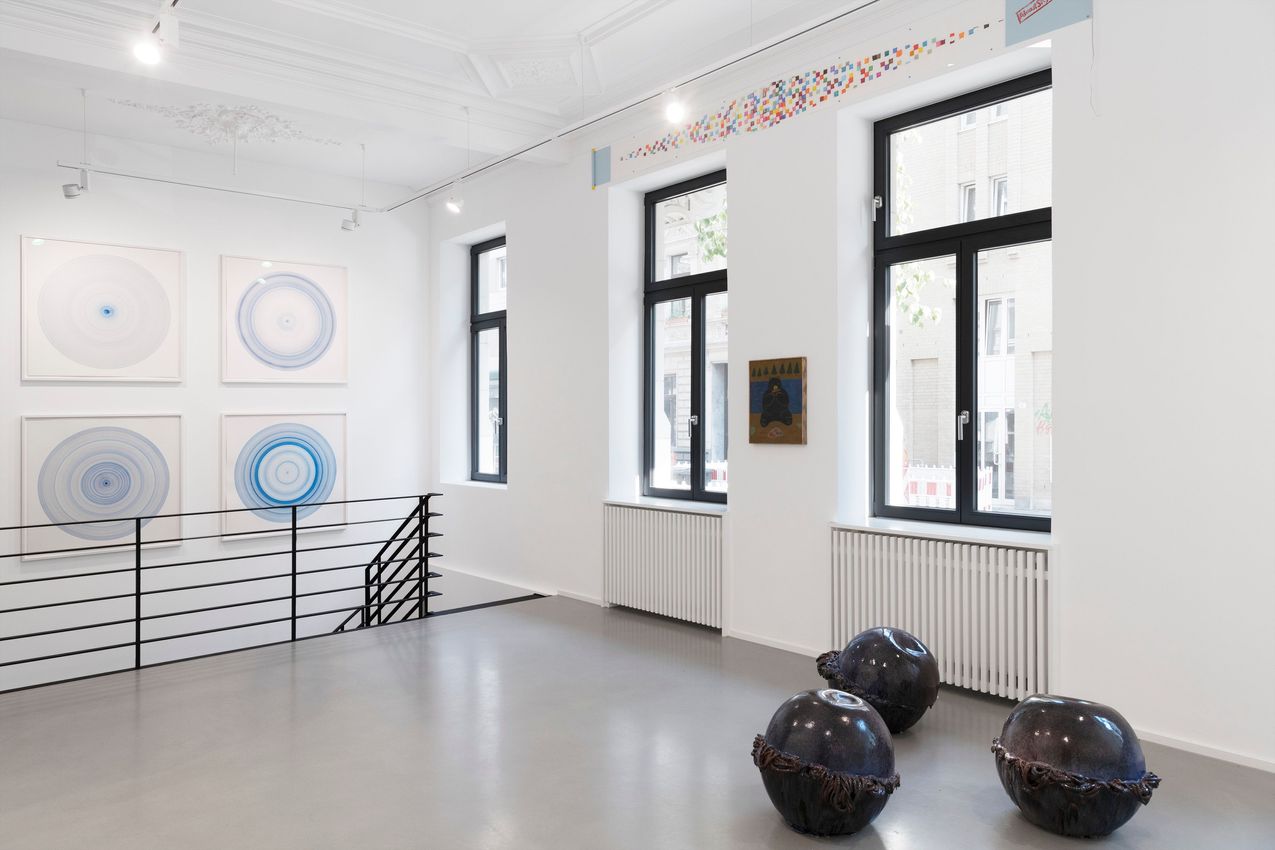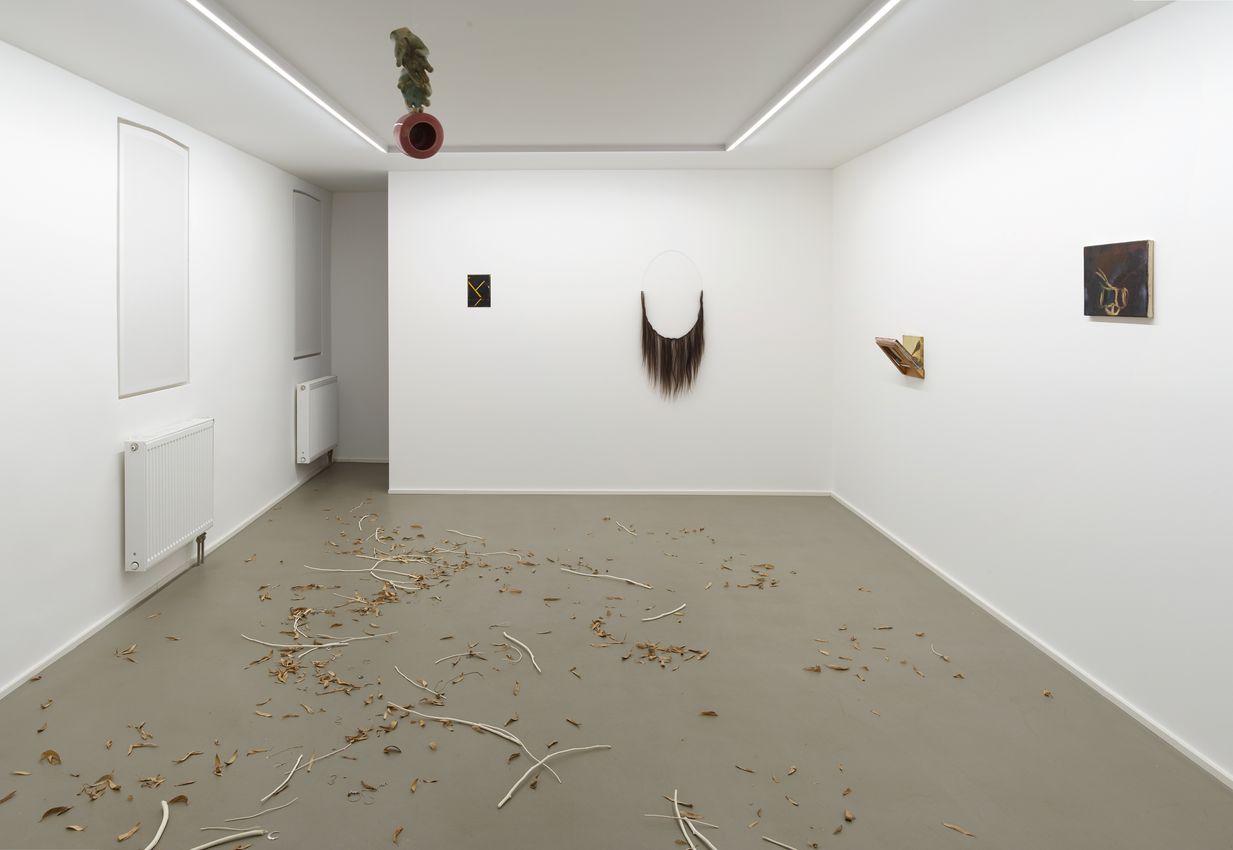
Some things can never be seen or known, but this unknowability is itself a sort of conjecture. We cannot be sure of this.
Sunlight takes 8 minutes to reach the earth, the light on the trees or the pavement outside is from the past. Some people believe that remembering also involves a certain deletion of the memory itself, a gentle erasure, in the way that sunlight gradually effects pigments, making them evermore faint, in the way that a shirt will bleach if left too long in sunlight.
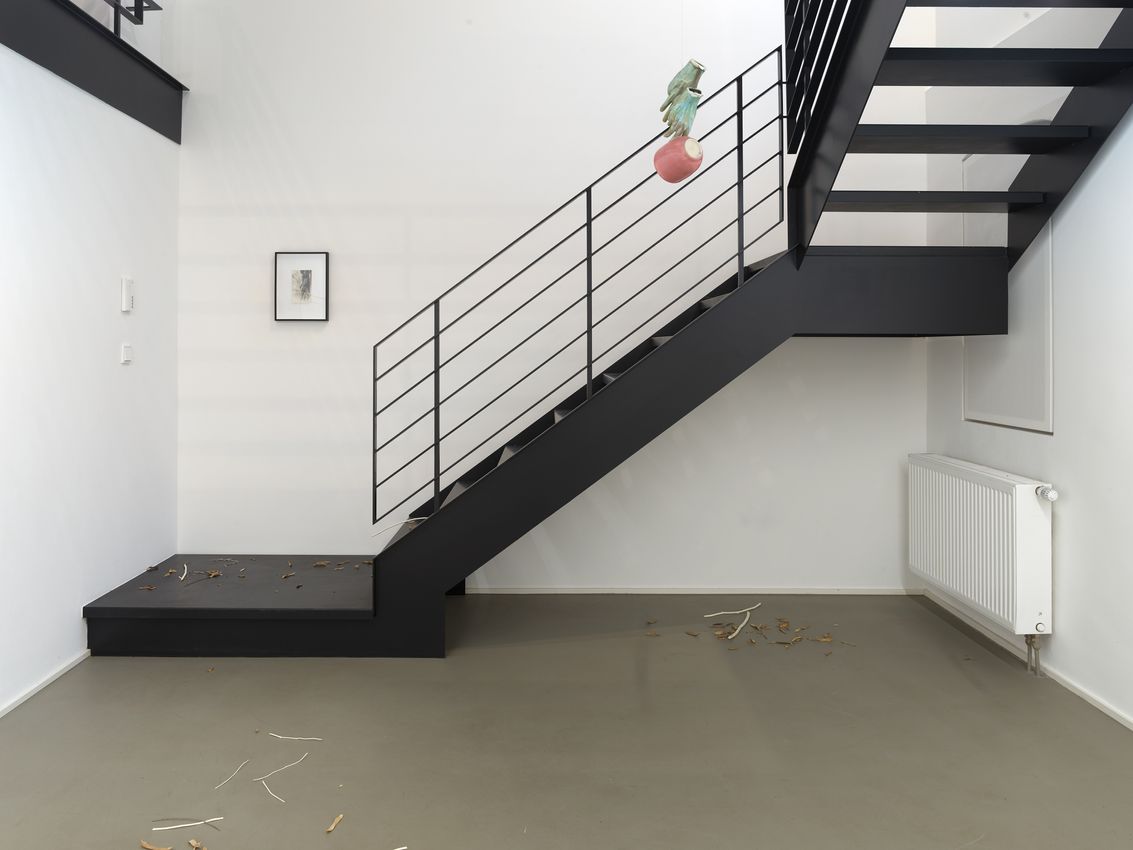
A basement space, underneath, one without windows, seemingly isolated, nevertheless makes us think vividly of the outside world. What is absent becomes present. Extended periods of darkness conjure extravagant images and hallucinations in those that have been subjected to this darkness, almost as if the visual vacuum must be filled. What is in our unconscious mind fills this void.
There are many problems for our understanding of the world, including the so-called hard problem. The philosopher David Chalmers speaks of ‘The hard problem of consciousness’ as being ‘how physical processes in the brain give rise to the subjective experience of the mind and of the world.’ ‘It is one of the most familiar facts in the world that we have this subjective experience but is also one of the most mysterious, why is it that these physical processes in the brain should produce subjective experience, why doesn’t it go on in the dark...’1
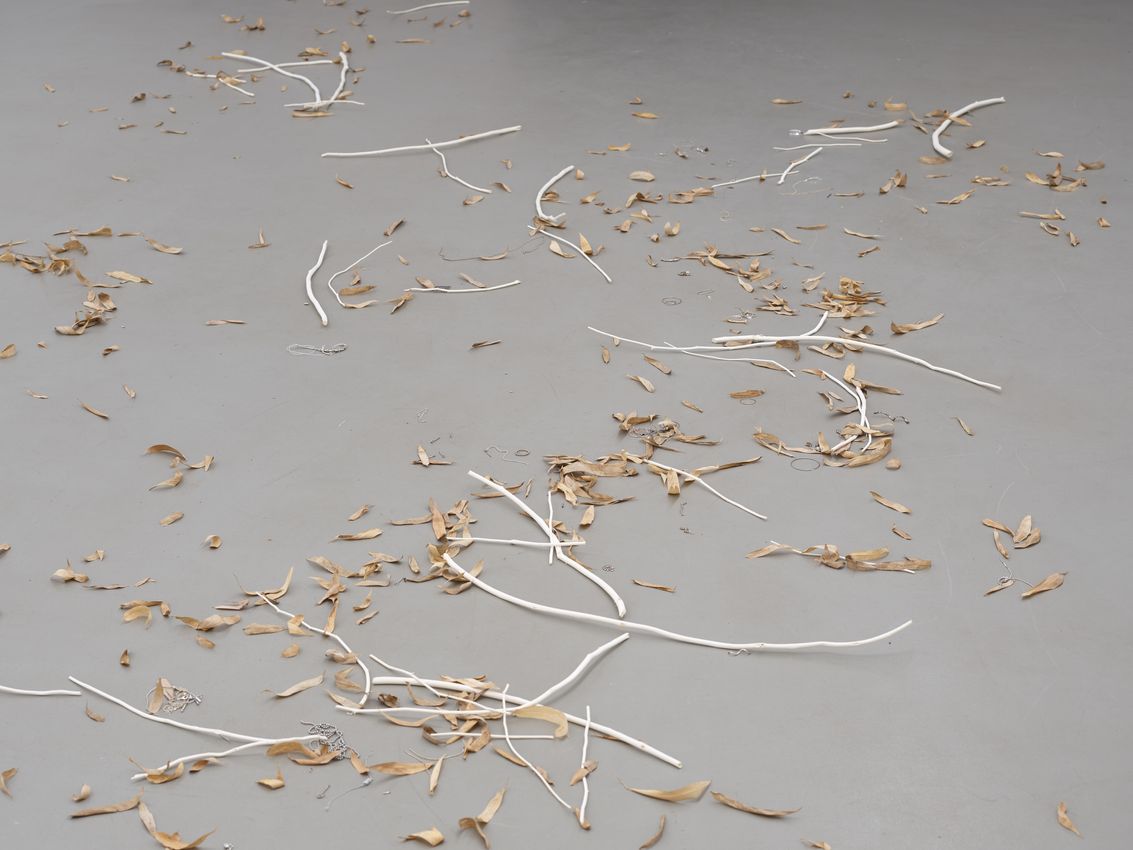
Artworks can be seen as a physical manifestation of thought, thought in all its richness, analytical, conscious and unconscious, making ‘real’ those ‘images’ from the darkness.
Sometimes the artist is seeing or observing others, unconscious of this watching, as in the case of Miroslav Tichý. The subjects are caught unawares, in reflection and in their own other than conscious minds, in the unknowability of thought.
Galerie Christian Lethert would like to thank Fergus Feehily and Daniel Lergon for organising this exhibition, the artists Julia Dubsky, Sophie Erlund, Pius Fox, Roman Gysin, Kathrin Sonntag, Mark Swords and the galleries Å+, Berlin; Conrads, Düsseldorf; Delmes & Zander, Köln; Kadel Willborn, Düsseldorf; Kevin Kavanagh, Dublin; Pablo’s Birthday, New York; PSM, Berlin.
1 Hard Problem of Consciousness-David Chalmers, Serious Science. Published on YouTube, July 5, 2016. David Chalmers is Professor of Philosophy and Neural Science at NYU.
The gallery was founded by Christian Lethert in August 2006 in Cologne and focuses on a contemporary abstract-minimalist program.

A respected voice in contemporary art discourse.
Focusing on ambitious storytelling and insightful art-world commentary. Ocula Magazine publishes in-depth interviews, critical essays and timely analysis on the artists, exhibitions and ideas driving the global art world.
Learn more about Ocula Magazine
Showcasing the best of the art world.
Ocula partners with galleries from around the world to highlight their artists, artworks and exhibitions. Gallery membership is by application and invitation, with each member vetted by an independent panel.
Learn more about Ocula Membership

Specialises in the sale of major artworks.
Led by a team with deep ties to the world’s leading auction houses, galleries and collectors. Ocula’s advisory team offers bespoke services to high-net-worth clients from around the world who are looking to acquire the best of contemporary and modern art.
Learn more about our team and services