Press Release

At the end of the 1970s, we watched ‘Micro Macro’ on Belgian television every day. In this game show, a number of candidates were shown an extreme close-up of an object. While the image zoomed out very slowly, they had to guess which item it was. Whoever recognized it first won the corresponding object. Usually, it was a trivial thing like an ashtray, a padlock, a bucket or a mixer.

The program was mostly watched in black and white because colour televisions were few and far between. This made the close-ups even more abstract and mysterious. The prolonged viewing of an object by the candidates and the TV viewers, with the tension increased by the excruciatingly slow zooming out of the image, made the game very popular, but at the same time gave it an enormous sadness. Winning a worthless bucket, lighter or candlestick gave a feeling of joy and euphoria for a very short moment. This was soon followed by an indefinable feeling of sadness and depression because the prize had no value whatsoever. However, its presence on prime-time television gave the won object a soul. It became an animistic fetish and took on a life of its own.

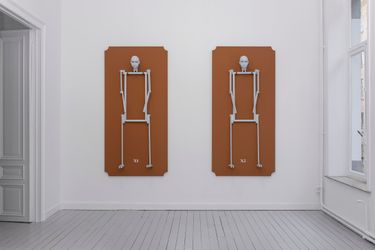
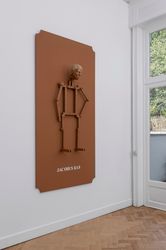
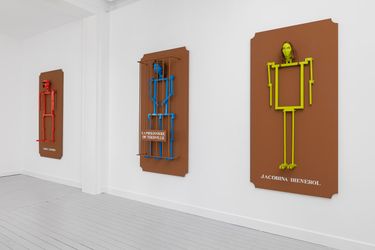
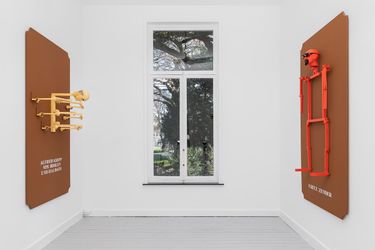
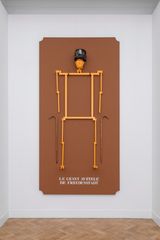
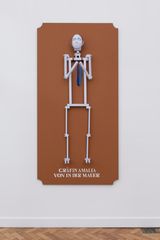
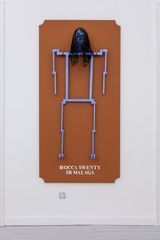
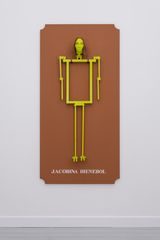
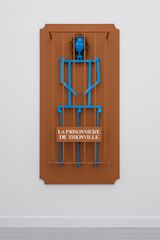
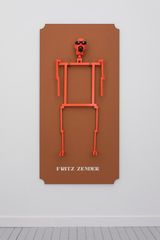
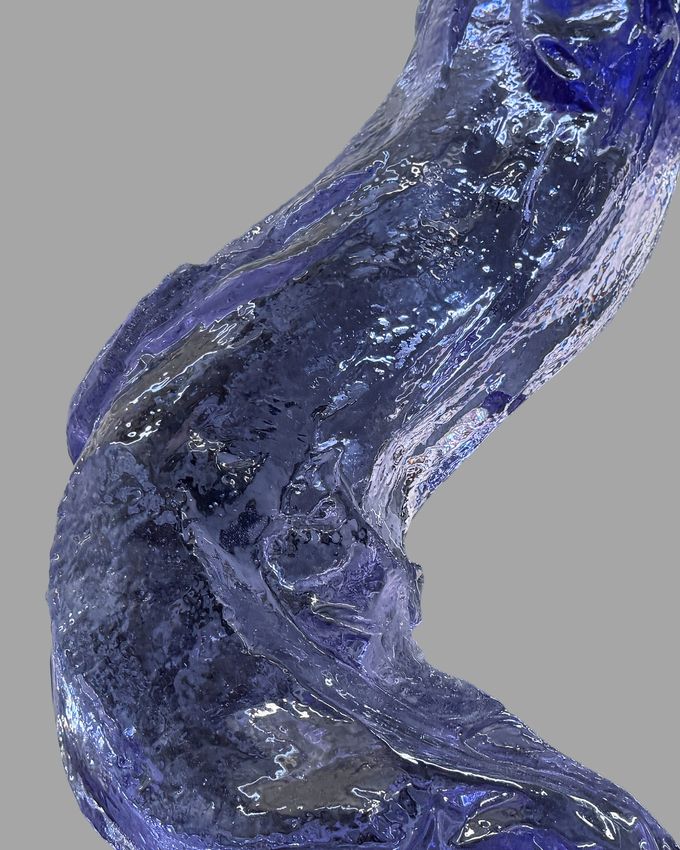
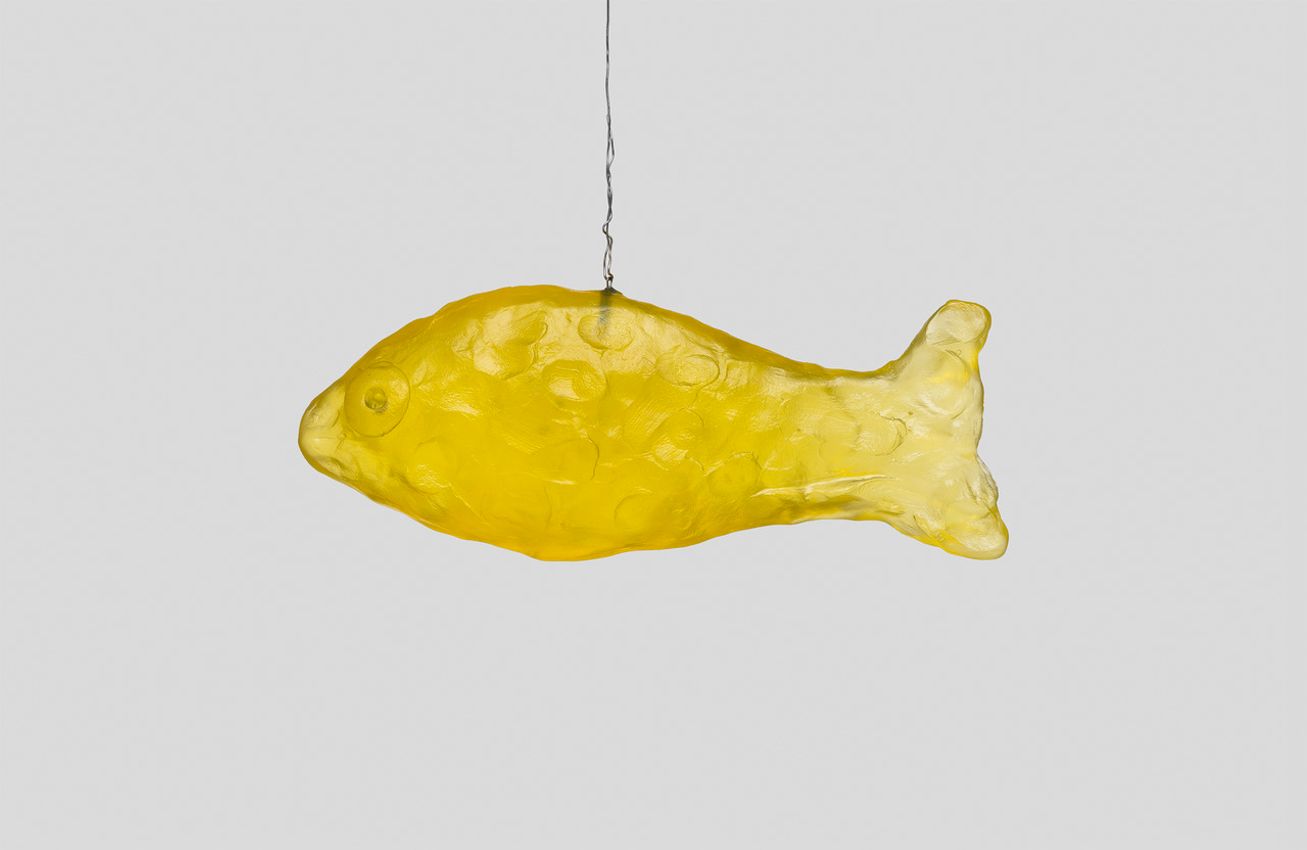
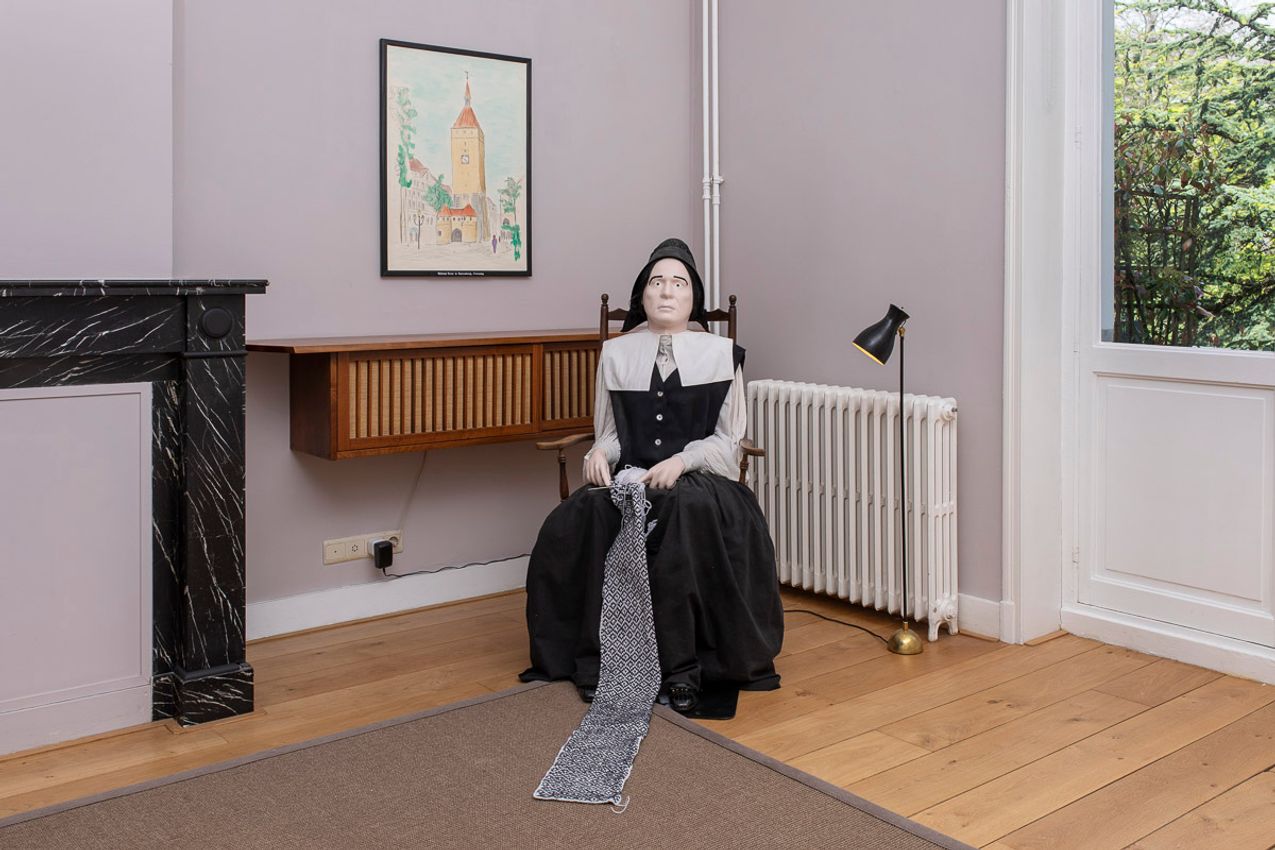
This ‘animating’ of dead matter is a recurring theme in the works of Jos De Gruyter & Harald Thys. Photographing an endless series of useless objects (Objects as Friends, 2011), a video in which immobile puppets act out a tragic story (Das Loch, 2010) or a collection of mechanical figures of dubious character (Mondo Cane, 2019), are always attempts to give inanimate matter a soul and to bring it to life.

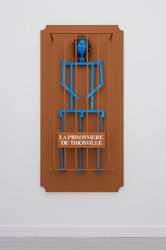
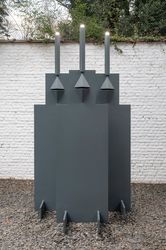
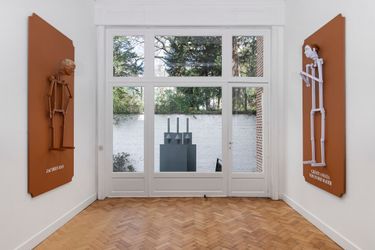
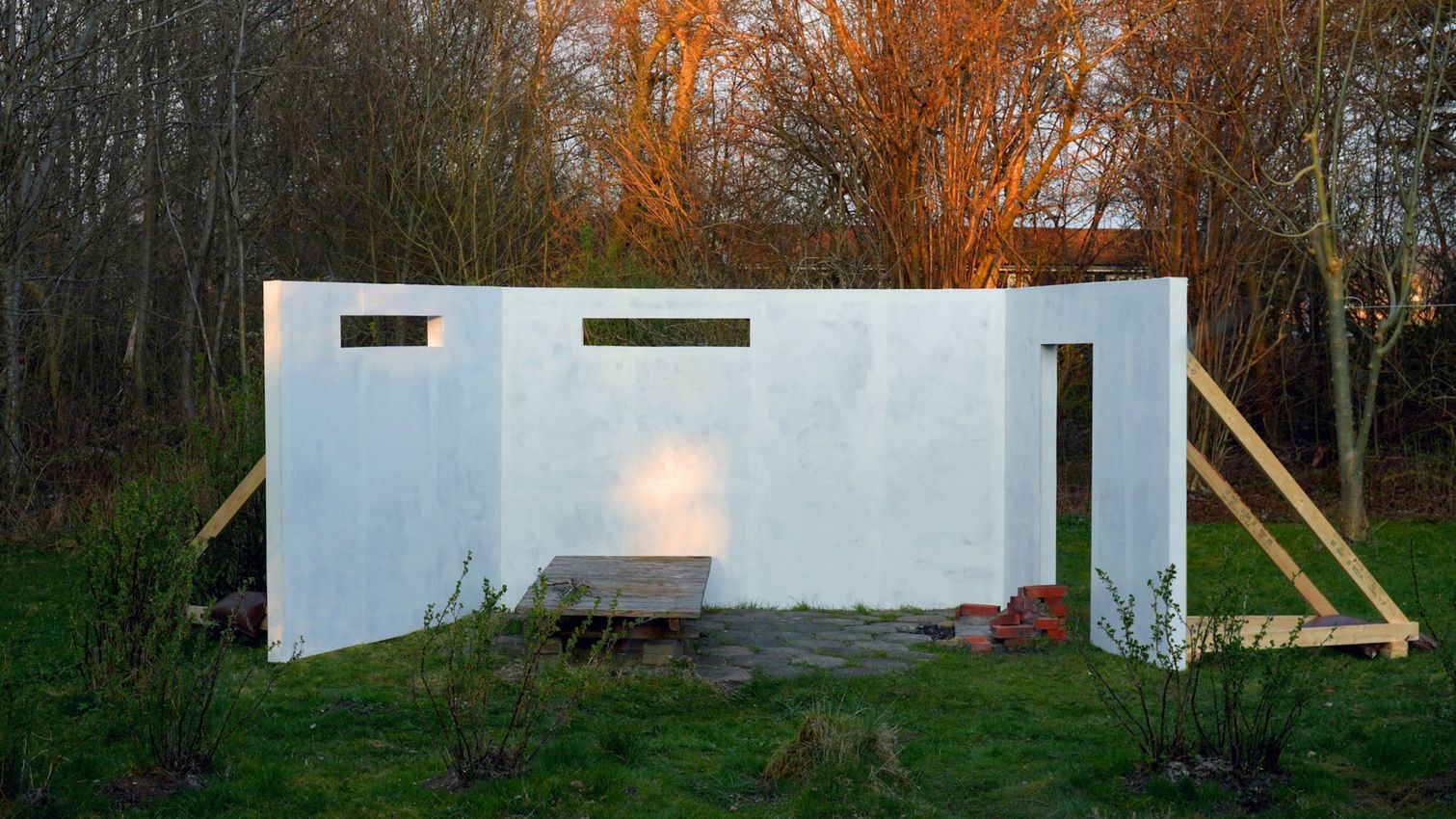
For their simultaneous exhibition at KIN & Gladstone, the artists create both a Microworld that refers to a kind of earthly garden of Eden and a Macroworld that refers to a kind of purgatory or hell on Earth.

In the Microworld, the viewer is invited to closely observe haunting creatures imprisoned in a terrarium. Self-contained ecosystems inhabited by altered beings. Mutated snakes and rats with human heads live in enclosed spaces reminiscent of an illegal laboratory experimenting with new life forms. New life forms that have the potential to replace humanity.

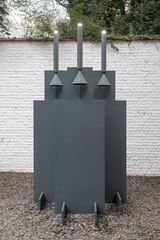
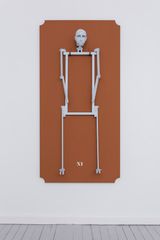
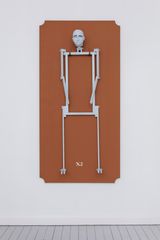
In the Macroworld, it is the viewer who is observed by the sculptures.

We are beings populating a weary society, in which people attempt, with the courage of desperation, to create a cozy contentment from a, maybe, failed existence. But, once they escape from their biosphere, we cannot withstand the emergence of the new organisms from the Microworld.

Read More

Installation Views

Selected Works

Loading...

Also Exhibiting at Gladstone

About the Gallery
Gladstone is known for its commitment to artists whose prescient approaches and experimental practices have defined the contours of contemporary art. The gallery has long been an active partner in the cultivation of iconoclastic careers, fostering a roster of artists recognized for their ground-breaking contributions. Headquartered in New York and including outposts in both Brussels and Seoul, Gladstone’s impact extends globally, enabling both the presentation of new bodies of work, and an amplification of the international reach of its artists. Alongside its work with contemporary artists, the gallery is steward to the legacies of pivotal historical artists and serves as an advocate for the enduring power of art. Gladstone is led by a team of partners who spearhead its long-term vision and program, building on the values of its founder Barbara Gladstone.

View Gallery Profile
Address
Grote Hertstraat 12 Rue du Grand Cerf
Brussels
Belgium
Opening Hours
Tuesday – Friday
10am – 6pm

Saturday
12pm – 6pm
(1)
Brussels Grote Hertstraat 12 Rue du Grand Cerf
Gladstone
Grote Hertstraat 12 Rue du Grand Cerf, Brussels, Belgium
+32 2 513 35 31
http://gladstonegallery.com

Opening hours
Tuesday – Friday
10am – 6pm

Saturday
12pm – 6pm
The art world in focus