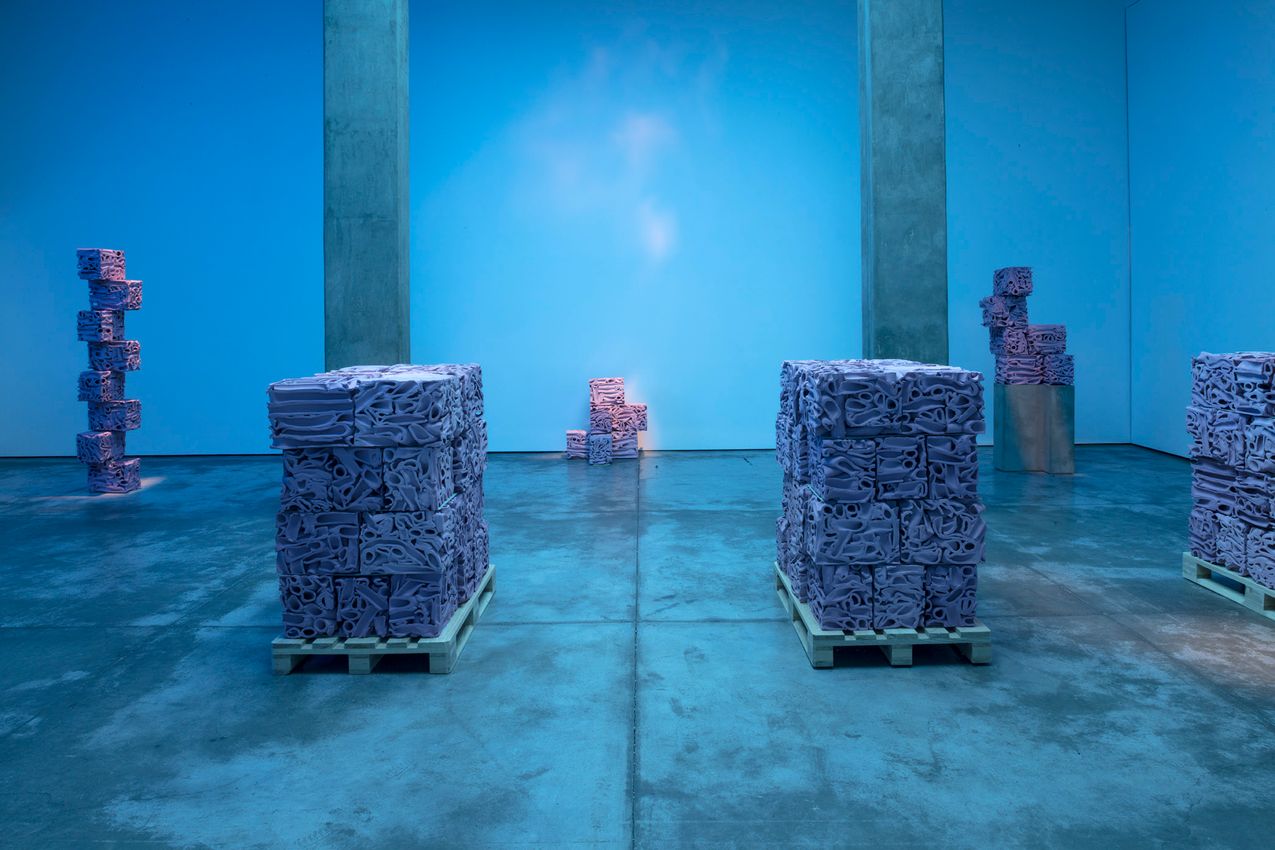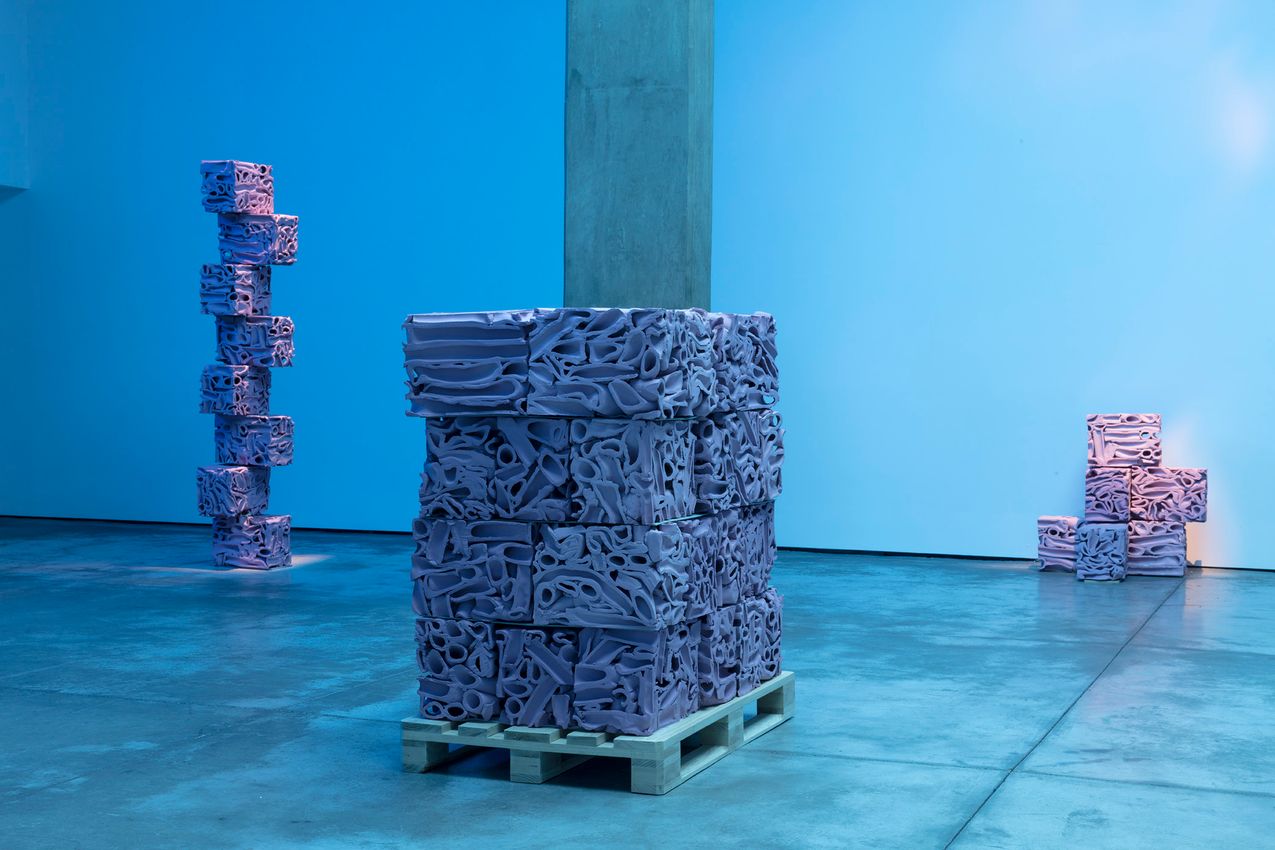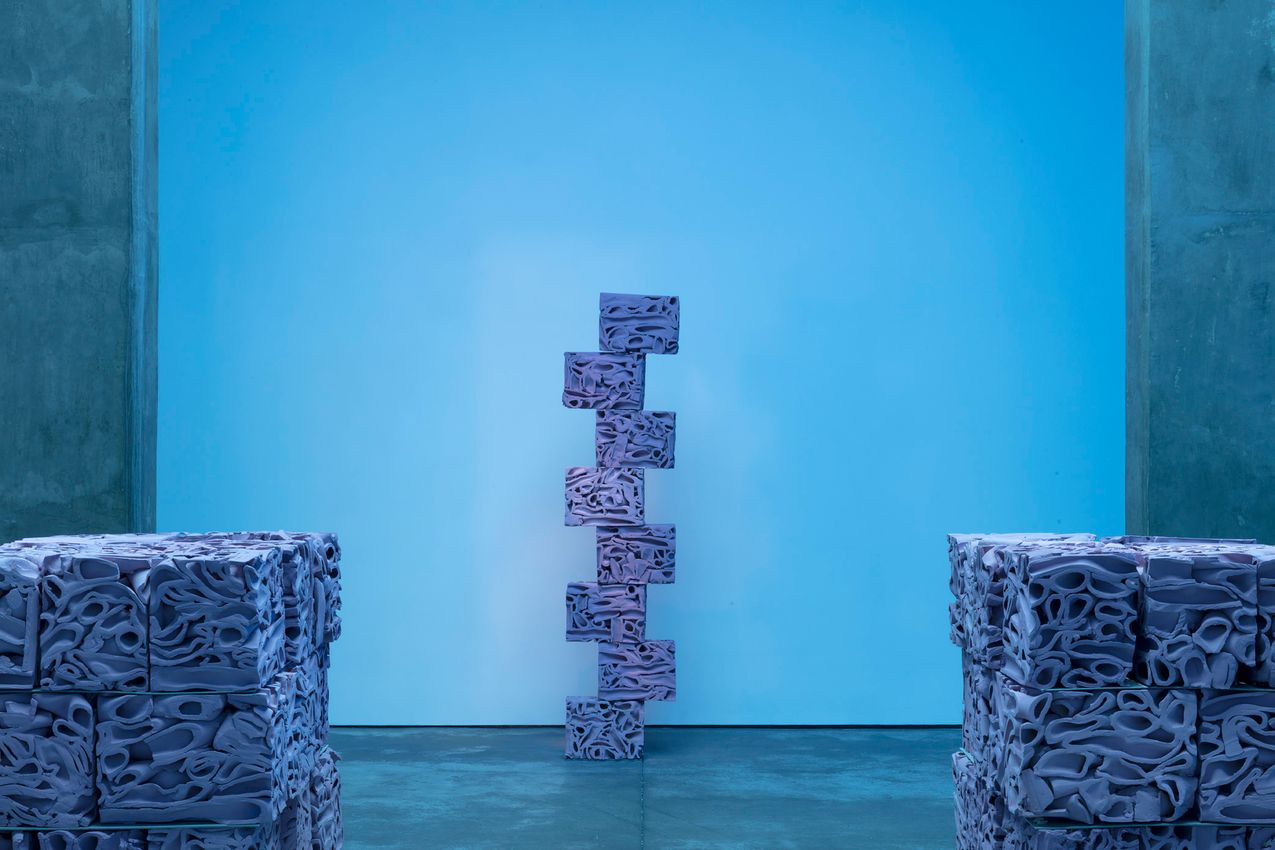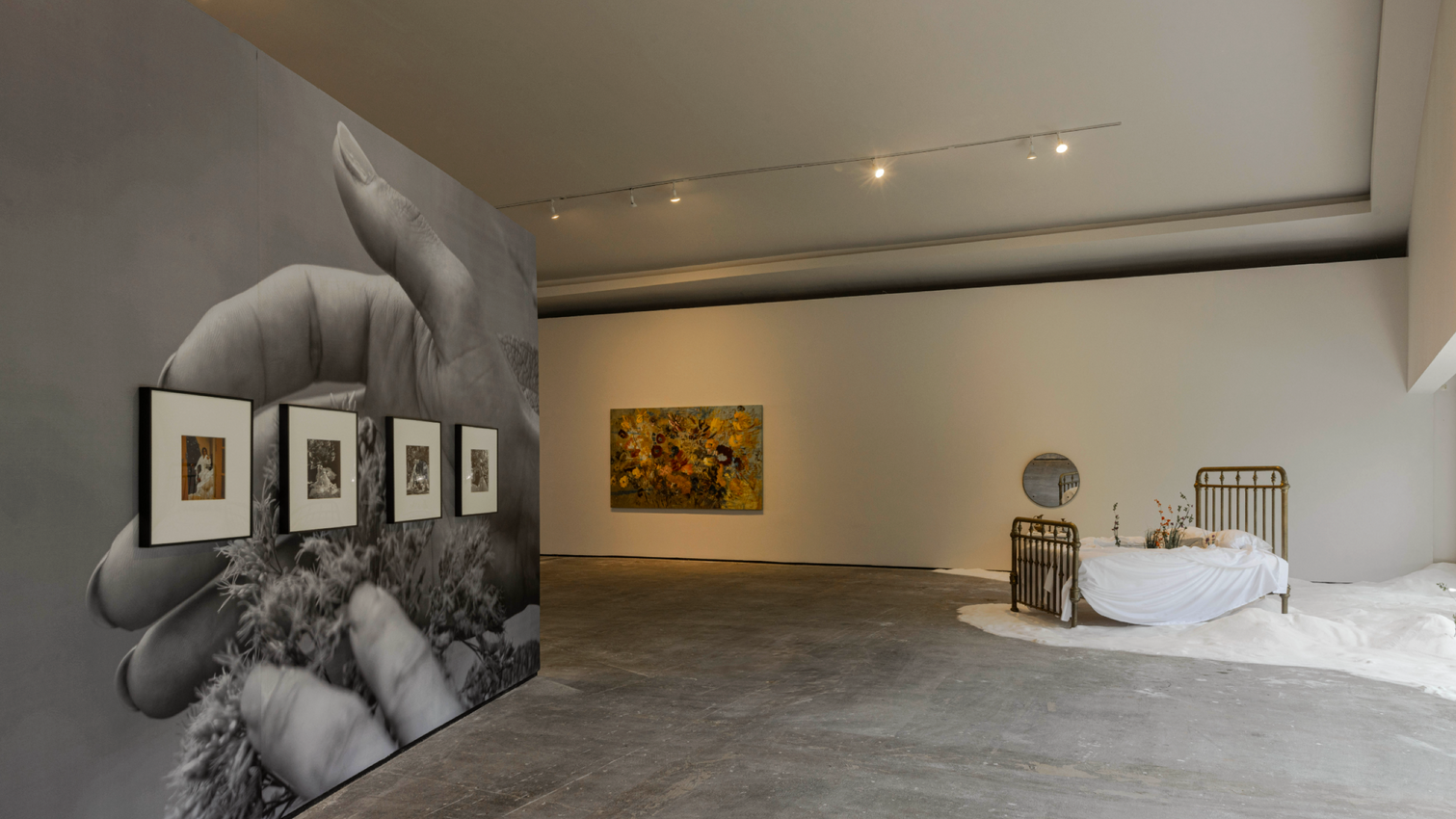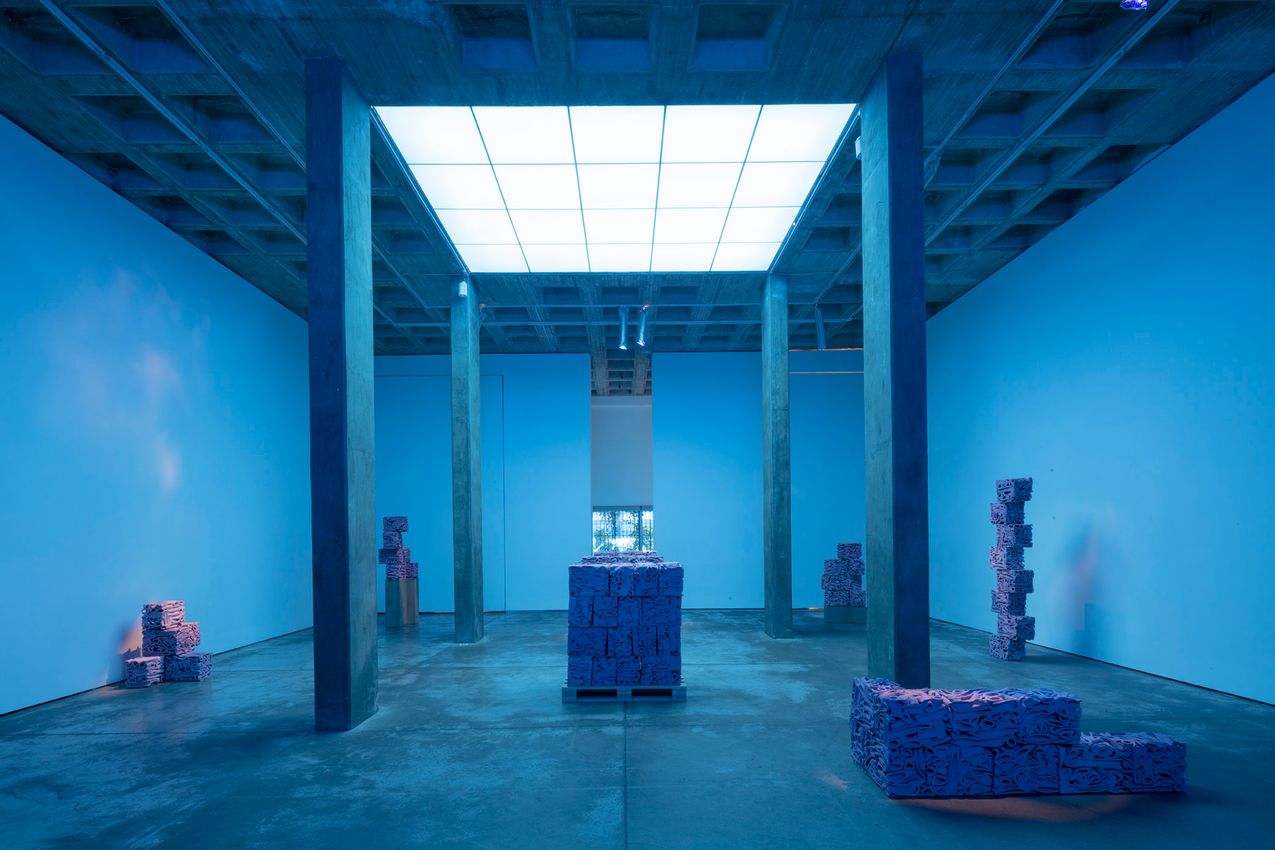
Humans tend to gather value and, once accumulated, to protect this wealth. We place value in land, buildings, gold, and in immaterial entities such as knowledge, culture and relations. We invest in schemes of exploring and exploiting new ways of furthering our accumulated wealth. We seem to fall in love with our possessions.
To protect this amassing of resources, we build borders around them: physical walls as well as virtual boundaries. Exclusive by nature, walls are erected to keep the outside separated from the inside. At the same time, they create divisions inside ourselves. Distinctions between ‘us’ and ‘them’ defined by these borders, as much as we believe them to be protective, appear to equally divide and alienate.
Whether naturally occurring or human-created, the lifespans of walls are limited. It is as if when a border is created, a parallel deconstructive process begins. Pressure simultaneously builds up from both the inside and the outside. The desire to fence in is as strong as the need to transgress, to reach the other, to seek and merge with what is not here and now. Whether they disintegrate sooner or later, the outcome is the same for any fortification. Empires, castles and even our human bodies will eventually give in to this decay, giving way to new generations.
Our relationship with this planet has had an enormous impact on its ecosystem, to the extent that we may soon reach the end of our journey. But this also means growth, new exchanges, and, with rising sea levels, the vertical migration of different and new life forms.
Perhaps we should see this as an opportunity to reimagine one end as a new beginning.
Conceived as an expanded collective, SUPERFLEX has consistently worked with a wide variety of collaborators, from gardeners to engineers to audience members. Engaging with alternative models for the creation of social and economic organization, works have taken the form of energy systems, beverages, sculptures, copies, hypnosis sessions, infrastructure, paintings, plant nurseries, contracts, and public spaces.

OMR is a contemporary art gallery in Mexico City, founded by Patricia Ortiz Monasterio and Jaime Riestra in 1983. Over the past four decades, the gallery has fostered and developed the careers of numerous emerging and established artists throughout Latin America and globally; OMR has established itself as a pioneering Mexican contemporary art space, presenting over 400 exhibitions across all media and genres, and participating in art fairs around the world.

A respected voice in contemporary art discourse.
Focusing on ambitious storytelling and insightful art-world commentary. Ocula Magazine publishes in-depth interviews, critical essays and timely analysis on the artists, exhibitions and ideas driving the global art world.
Learn more about Ocula Magazine
Showcasing the best of the art world.
Ocula partners with galleries from around the world to highlight their artists, artworks and exhibitions. Gallery membership is by application and invitation, with each member vetted by an independent panel.
Learn more about Ocula Membership

Specialises in the sale of major artworks.
Led by a team with deep ties to the world’s leading auction houses, galleries and collectors. Ocula’s advisory team offers bespoke services to high-net-worth clients from around the world who are looking to acquire the best of contemporary and modern art.
Learn more about our team and services