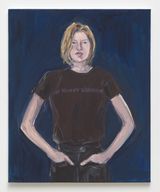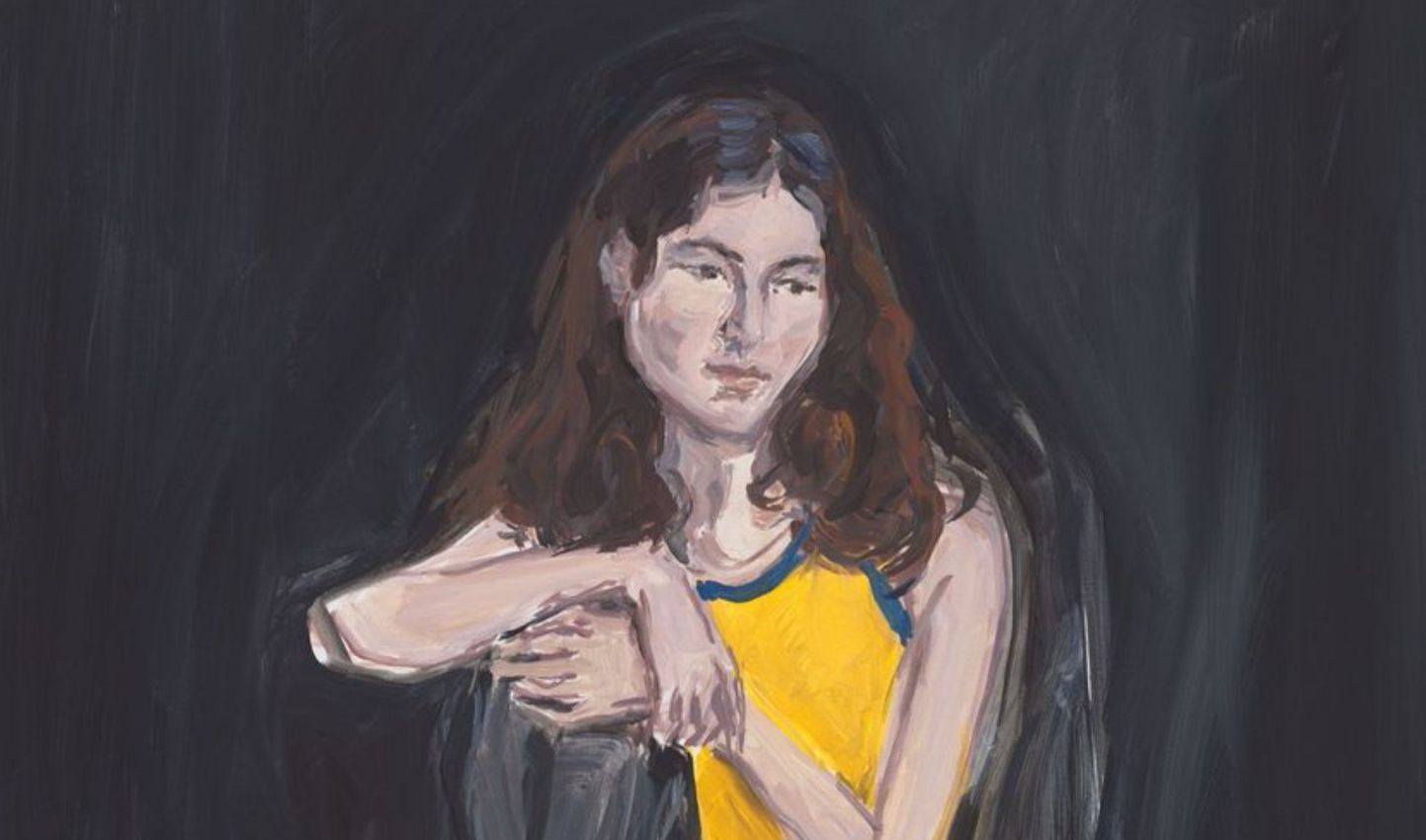
For his first solo exhibition at Perrotin Tokyo, Jean-Philippe Delhommewill present a series of new portraits produced in his Paris studioduring traditional model posing sessions. Delhomme’s portraits arecreated through direct observation and, unlike much contemporary”figurative” painting, not mediated by photography. His work couldbe characterized as a painting of representation, “re-presentation”in the etymological sense as a “bringing before one” of an image orfigure that substitutes reality. Each portrait records the presence ofthe model in the controlled situation of the studio. The artist is lessinterested in likeness than the exchange of gazes between painterand model, continuing a long tradition of portraiture predatingphotography. The exhibition title visage(s) suggests that thepaintings’ focus is on the face rather than the body. For the artist,“The face is the place of vulnerability, fragility, and change; just as alandscape changes with the light, the face changes from one day toanother, and very often during a sitting.” Delhomme likes to paint the same models in an ongoing process that creates new impressionseach time.
The malleable studio space allows the painter to create changingmoods and atmospheres through basic props and colour backgroundstaped to the walls. The compositional setup is simple: minimalstaging and instructions regarding the postures of the models, whowear their own clothes. The latter exhibit a sense of neutrality,similar to the subjects of Warhol’s screen tests, the famous shortfilms of near-motionless individuals in front of simple backdrops thatWarhol initially called film portraits. In a similar vein, Delhomme’sfocus on the reciprocal gaze undercuts the typical male painter-model dynamic. The models are usually painted looking directly intothe painter’s eyes, creating a sense of distance and mutualquestioning where no answer is expected, a situation RolandBarthes would describe as a suspended moment of ‘the neutral.’
For the series at Perrotin, Delhomme relies on a dark, almost blackbackground as the only decor. It has a greater depth of field thanthe brighter colors used in other portraits, which are more surfacethan depth. Delhomme selected this specific ambiance for theTokyo show as a homage to 17th-century Dutch portraiture, wherethe models also appear against dark-toned backgrounds. It is alsoa reference to Junichiro Tanizaki’s In Praise of Shadows, a bookDelhomme encountered when he first visited Japan in the early1990s. This seminal text explores the differences in how light isperceived in Western and Japanese aesthetics. As Tanizaki argues,the concept of beauty in Japan “depends upon shadows and isinseparable from darkness.” On the occasion of the exhibition, abook of poems and black ink drawings will be published, payingtribute to Tanizaki’s aesthetic principles: “Western paper turns awaythe light, while our paper seems to take it in, to envelop it gently, likethe soft surface of a first snowfall.”
As a counterpoint to visage(s) at Perrotin, Delhomme will presentThe Studio, a selection of works displayed in the exhibition space
and windows of the Isetan department store from September 1 toSeptember 15. Exhibited alongside still-life paintings, these portraitsfeature brighter backdrops, giving the viewers a glimpse into theartist’s studio.
Press release courtesy Perrotin. Text: Lucien Terras, Paris, July 2023.
Jean-Philippe Delhomme (born 1959) is a French artist, illustrator and writer. He has been painting for many years, but kept this side of his work private until his first exhibition in New York in 2015. Delhomme’s still lifes or landscapes are not just painted, but authored; the thread between his different forms of expression: drawing, writing and painting. Jean-Philippe Delhomme also portrays immense expression through portraiture, conveying an authorly perspective which serves as the common thread throughout his practice.


A respected voice in contemporary art discourse.
Focusing on ambitious storytelling and insightful art-world commentary. Ocula Magazine publishes in-depth interviews, critical essays and timely analysis on the artists, exhibitions and ideas driving the global art world.
Learn more about Ocula Magazine
Showcasing the best of the art world.
Ocula partners with galleries from around the world to highlight their artists, artworks and exhibitions. Gallery membership is by application and invitation, with each member vetted by an independent panel.
Learn more about Ocula Membership

Specialises in the sale of major artworks.
Led by a team with deep ties to the world’s leading auction houses, galleries and collectors. Ocula’s advisory team offers bespoke services to high-net-worth clients from around the world who are looking to acquire the best of contemporary and modern art.
Learn more about our team and services