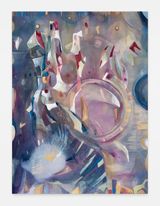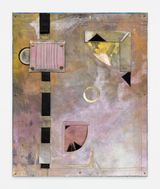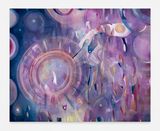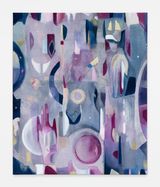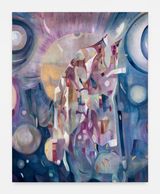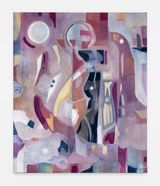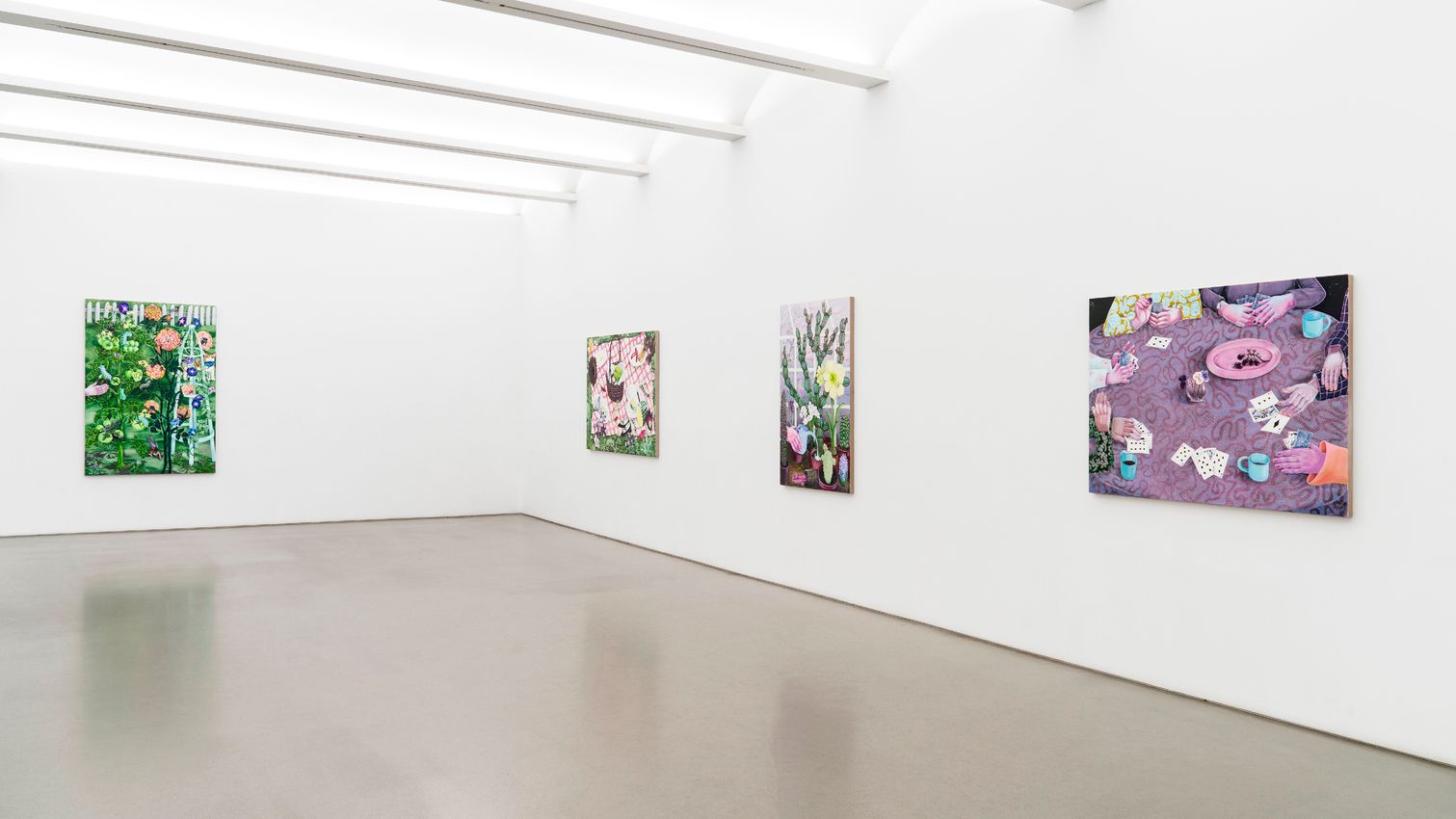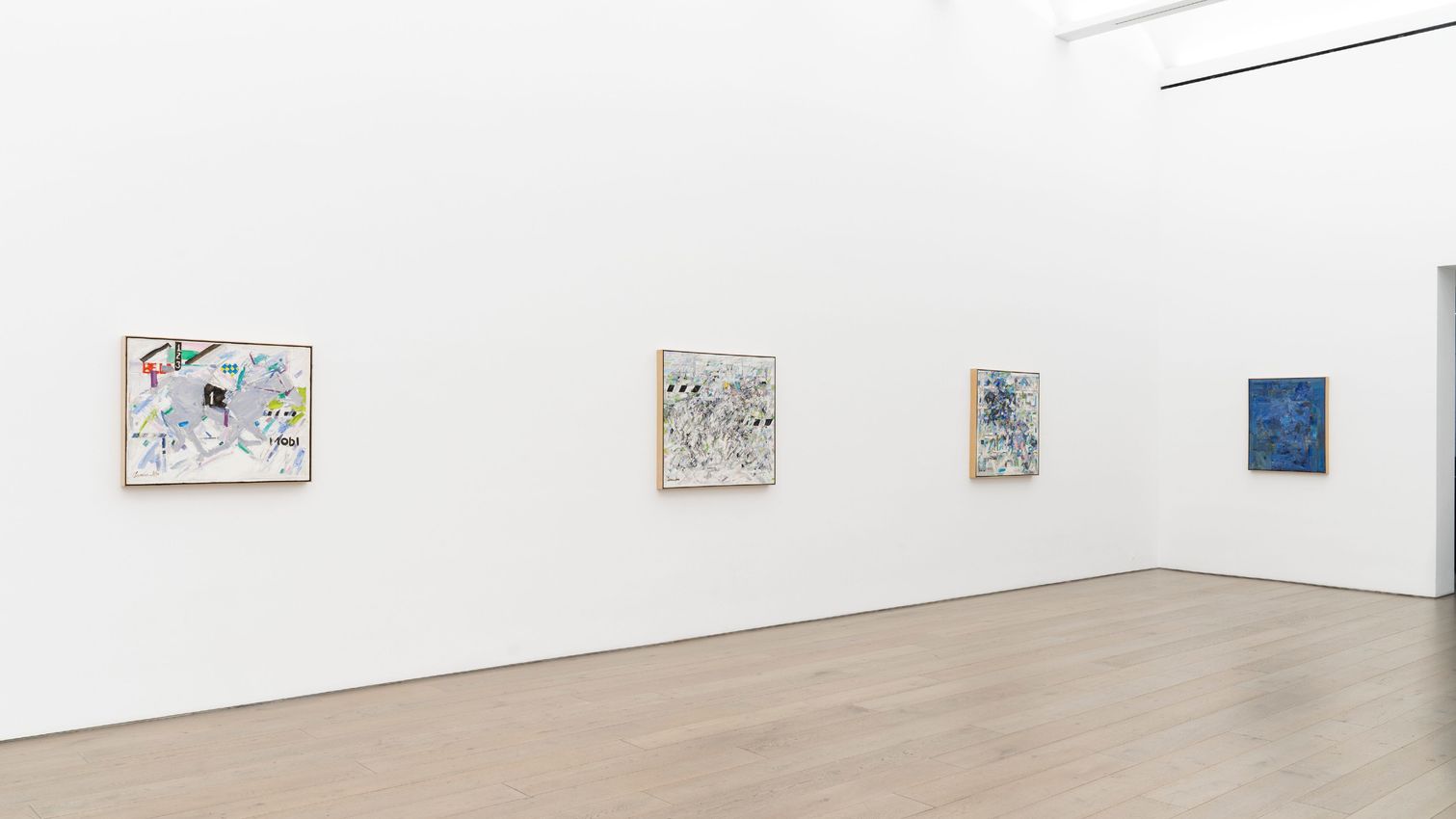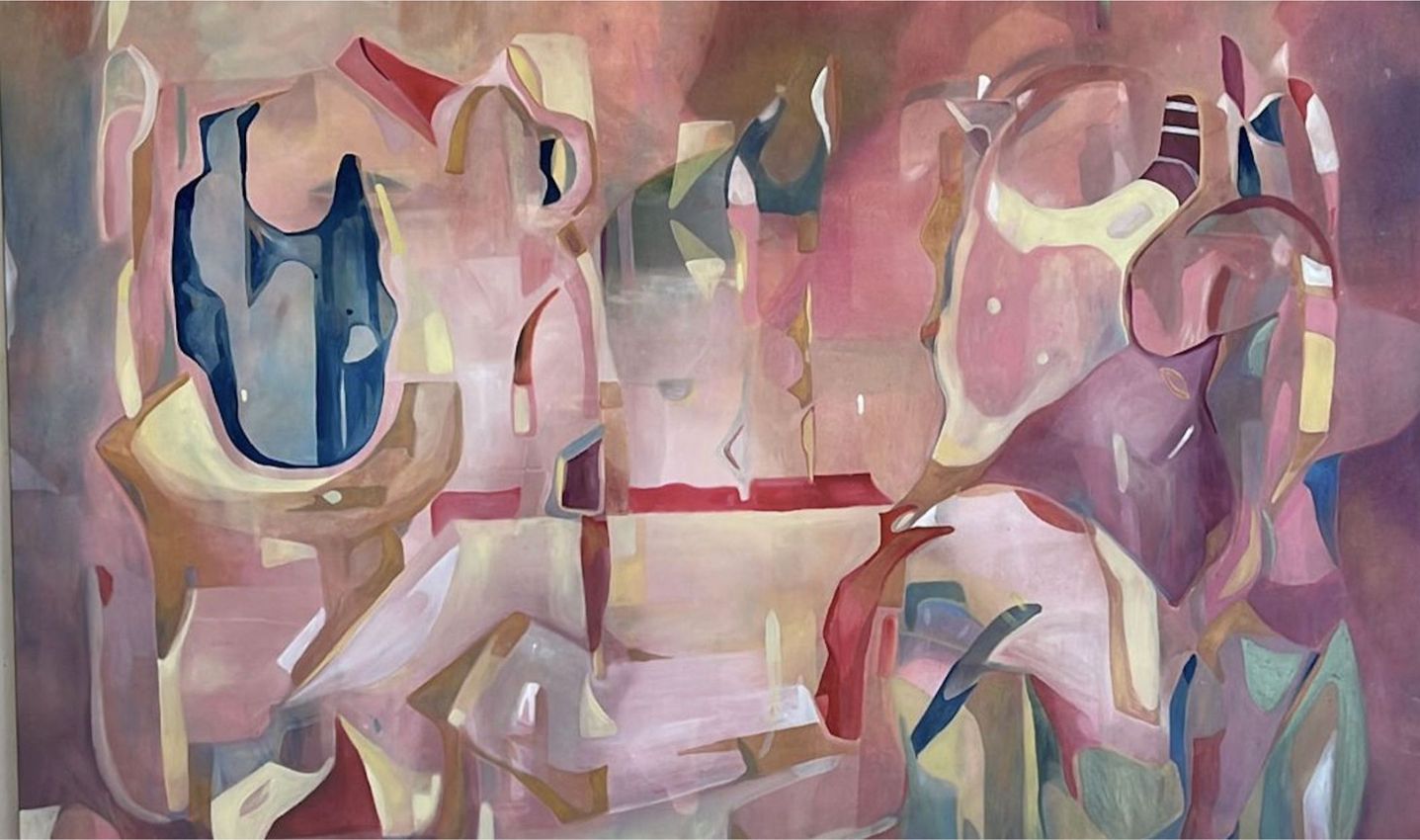
Perrotin Shanghai is pleased to present These are the Days, the first soloshow by French artist Mathilde Denize in China. The exhibition showcases anew cohesive body of work created in 2023, including canvas works, recentdrawings, and costume-paintings.
Scraped to the bone and extra lean, Mathilde Denize’s pastel paintings arestrangely reminiscent of carcasses with bare flanks. On frameless canvases,flesh-coloured shreds rise to the surface, silhouettes in diluted hues and othertorn shapes that, from a distance, give the illusion of anthropomorphic forms.In contrast to the current appetite for figurative painting, eagerly servedup by a new generation uninhibited after many meagre years, MathildeDenize adheres to an allusive abstraction in which bodies dissolve in milkytransparency, revealing different layers and softening the whole, removingany carnivorous temptation.
In Denize’s work, appetite comes with eating. Of course, it does. But it feedson little, on a well-honed, nourishing cuisine that never quite satisfies her sothat she returns to it time and again. This obsession is played out in a studionear the Porte de Clignancourt flea market, which the artist–a compulsivecollector and former film set designer–no longer frequents because it hasbecome too institutionalised. She now collects everyday objects found onthe streets and in the south of Paris, arranging them into charming little setsthat fill her studio like miniature cabinets of curiosity. Unfortunately, thesecompositions are rarely exhibited. They offer interesting counterpoints to thepaintings, which, though they don’t feature bodies as such, act as sheltersor cloaks for these absent bodies. They are like shrines or carcasses... We’llcome back to that.
More soberly, the non-binary rapper and poet Kae Tempest declares ‘TheseAre the Days,’ which Denize borrows for her exhibition title. As the days goby, they fade away. The artist is gripped by the idea of returning to them, inthe engine room with her head in the clouds, cultivating a certain lightness,reworking, producing, sequencing, undoing, repeating, recycling, erasing,tweaking, and re-stacking.
Mathilde Denize has often recounted the story of her “original sin”: studyingat the Beaux-Arts de Paris in the early 2010s, she was determined to createa more realistic art, which none of her teachers encouraged. She wasweighed down by the hundreds of canvases she had accumulated over theyears until she had an epiphany: she realised that she needed to tear themapart, without any regard for the time she had invested in them, in a joyousorgy, a sort of _auto-da-fé _of her own work, cutting out little pieces that shereassembled, sewed together and literally reanimated in the costume-paintings that made her famous.
Since then, Mathilde Denize has been reconciled with painting, which sheno longer does ‘with the tip of her brush.’ She has turned it into the theatre of her own concord: tender swirls of paint from discarded paint cans foundon film sets, whose colors she doesn’t choose, small pots of iridescentpaint from an Istanbul market, and a certain taste for mise-en-scène, butalso for the mystical, DIY cinema of Soviet director Sergei Paradjanov orthe deceptively naive floral paintings of American painter Georgia O’Keeffe. ‘I never ask myself what the subject is,’ says Mathilde Denize, ‘I createcontrasts vertically, waiting for the surprise.’
Mathilde Denize was born in 1986 in Sarcelles, France, now lives andworks in Paris, France. Mathilde Denize’s practice is oriented towardspainting, installation work, sculptural composition, performance, andvideo. Denize’s work is born from a desire to make meaning emergefrom a fragmented present. A collector of discarded objects, she oftencuts up her older paintings and then weaves them into new forms withfound materials. Thus, new artworks are born from remnants of the past,a metaphor for the complicated existence of human beings. Inspiredby great experimental artists, like Carolee Scheemann, she utilises thebody as much as the painting. Her garments, which often resemble asexualised female form, act as both armour and camouflage. Her paintingsare an open diary, punctuating and dialoguing with her sculptures. Withsubtle gestures, Denize constitutes a set of forgotten and anonymousforms, witnesses of a contemporary archeology.

A respected voice in contemporary art discourse.
Focusing on ambitious storytelling and insightful art-world commentary. Ocula Magazine publishes in-depth interviews, critical essays and timely analysis on the artists, exhibitions and ideas driving the global art world.
Learn more about Ocula Magazine
Showcasing the best of the art world.
Ocula partners with galleries from around the world to highlight their artists, artworks and exhibitions. Gallery membership is by application and invitation, with each member vetted by an independent panel.
Learn more about Ocula Membership

Specialises in the sale of major artworks.
Led by a team with deep ties to the world’s leading auction houses, galleries and collectors. Ocula’s advisory team offers bespoke services to high-net-worth clients from around the world who are looking to acquire the best of contemporary and modern art.
Learn more about our team and services