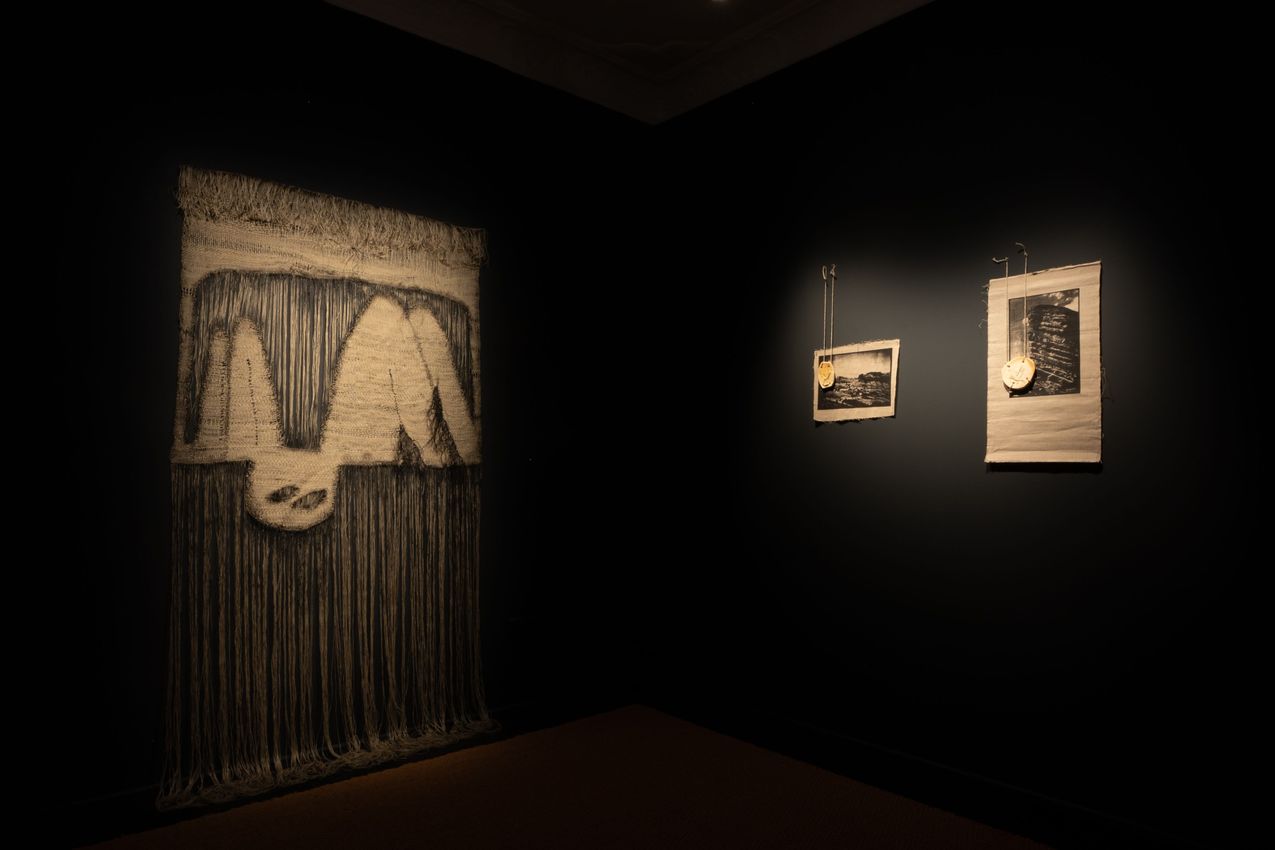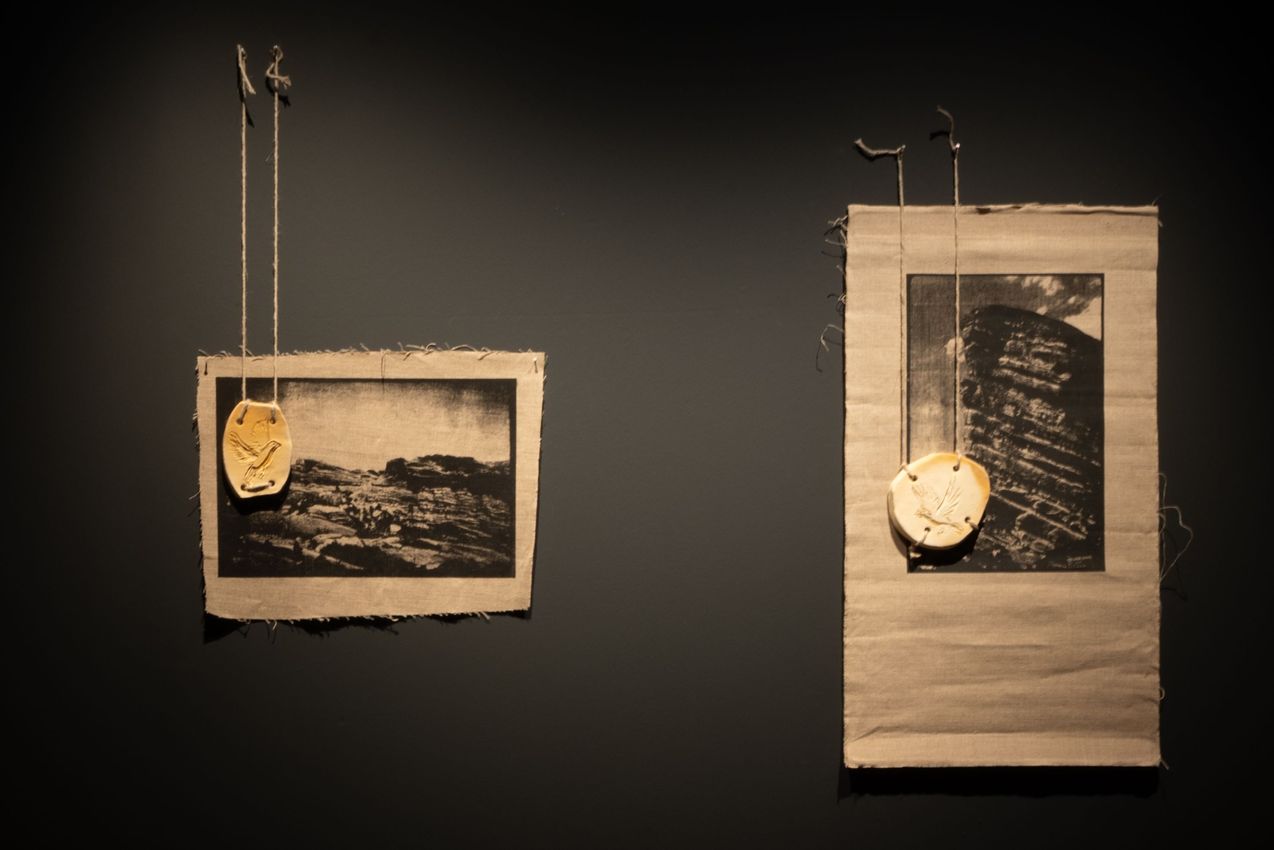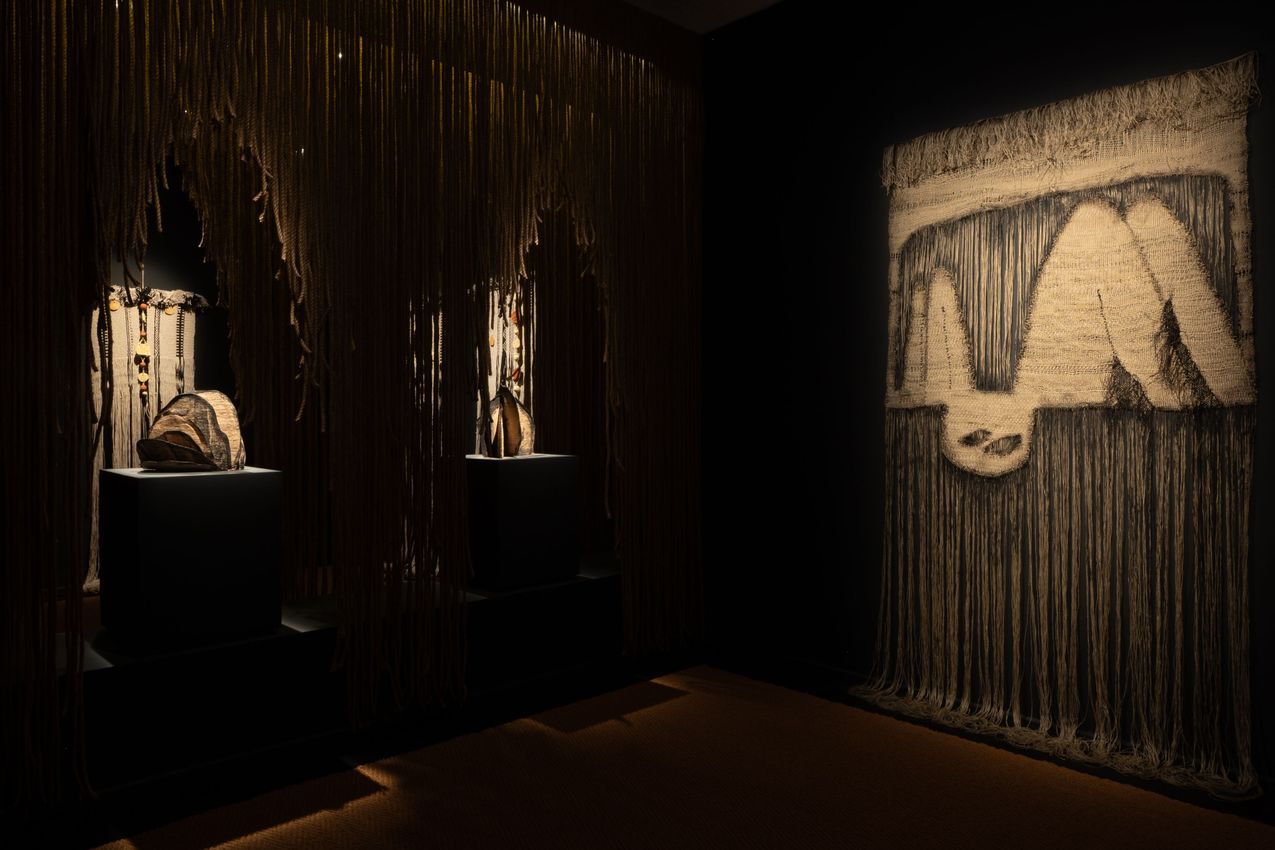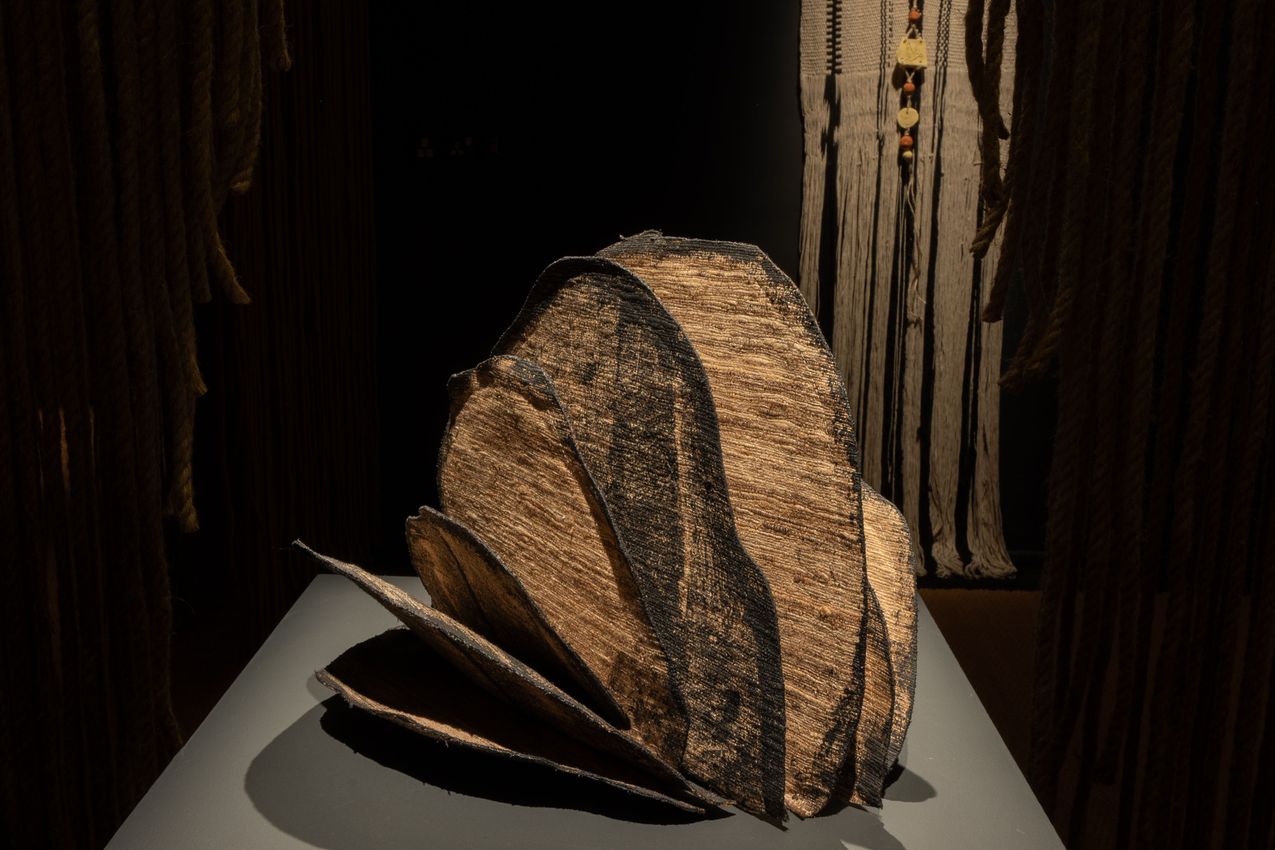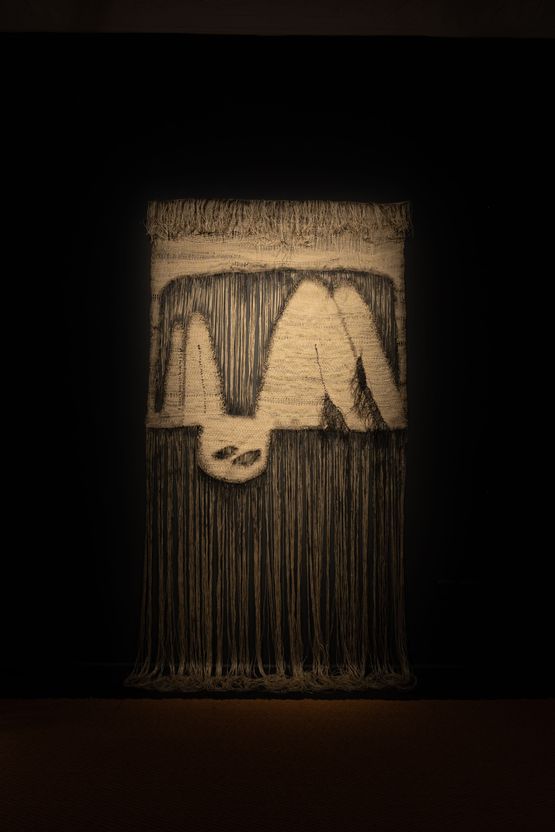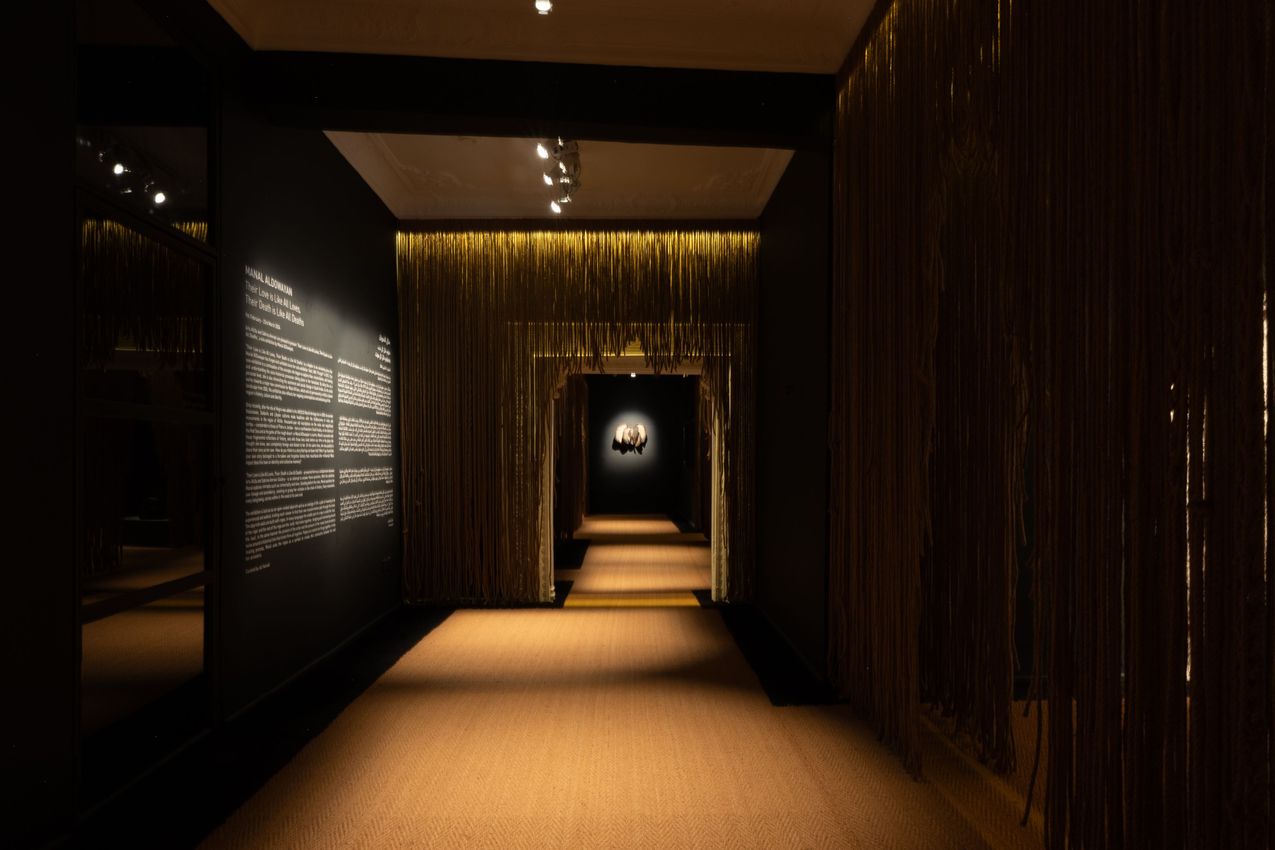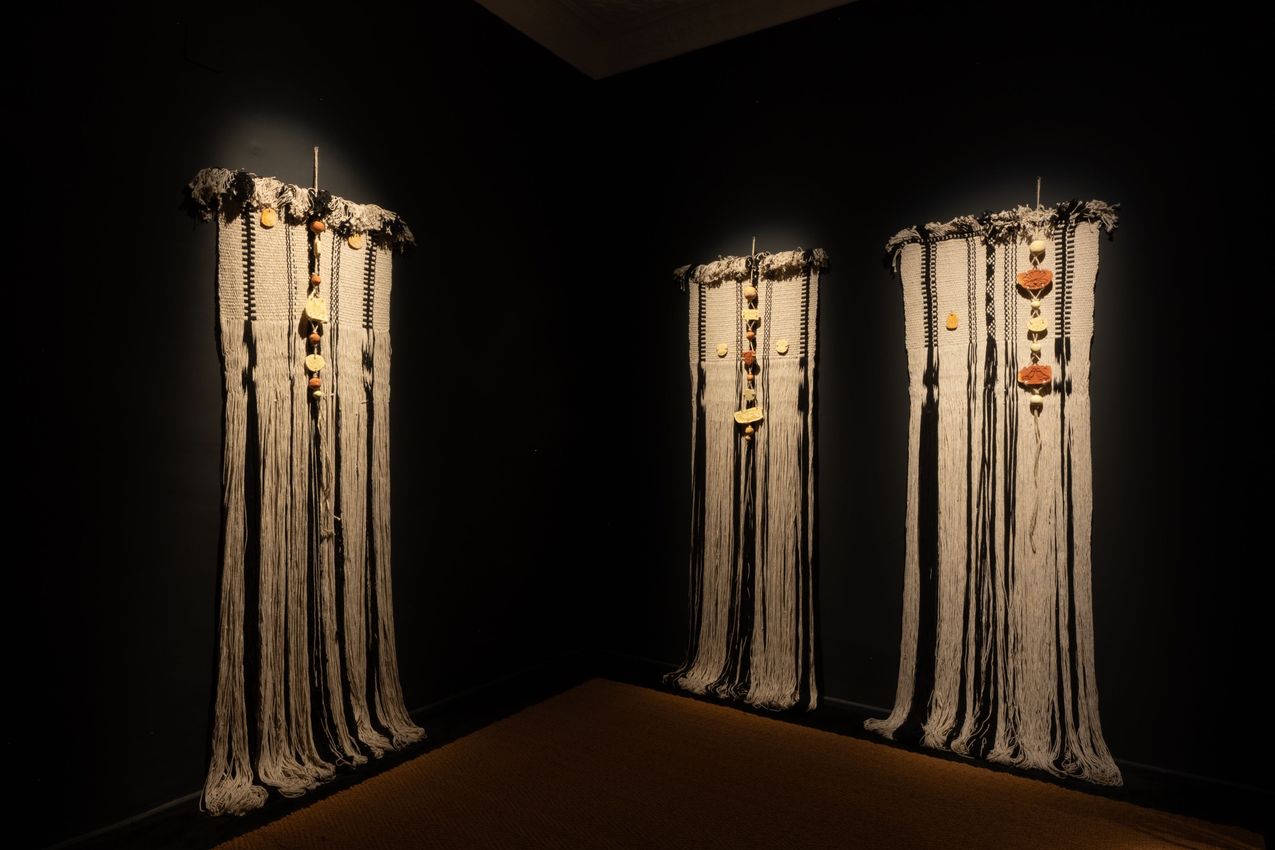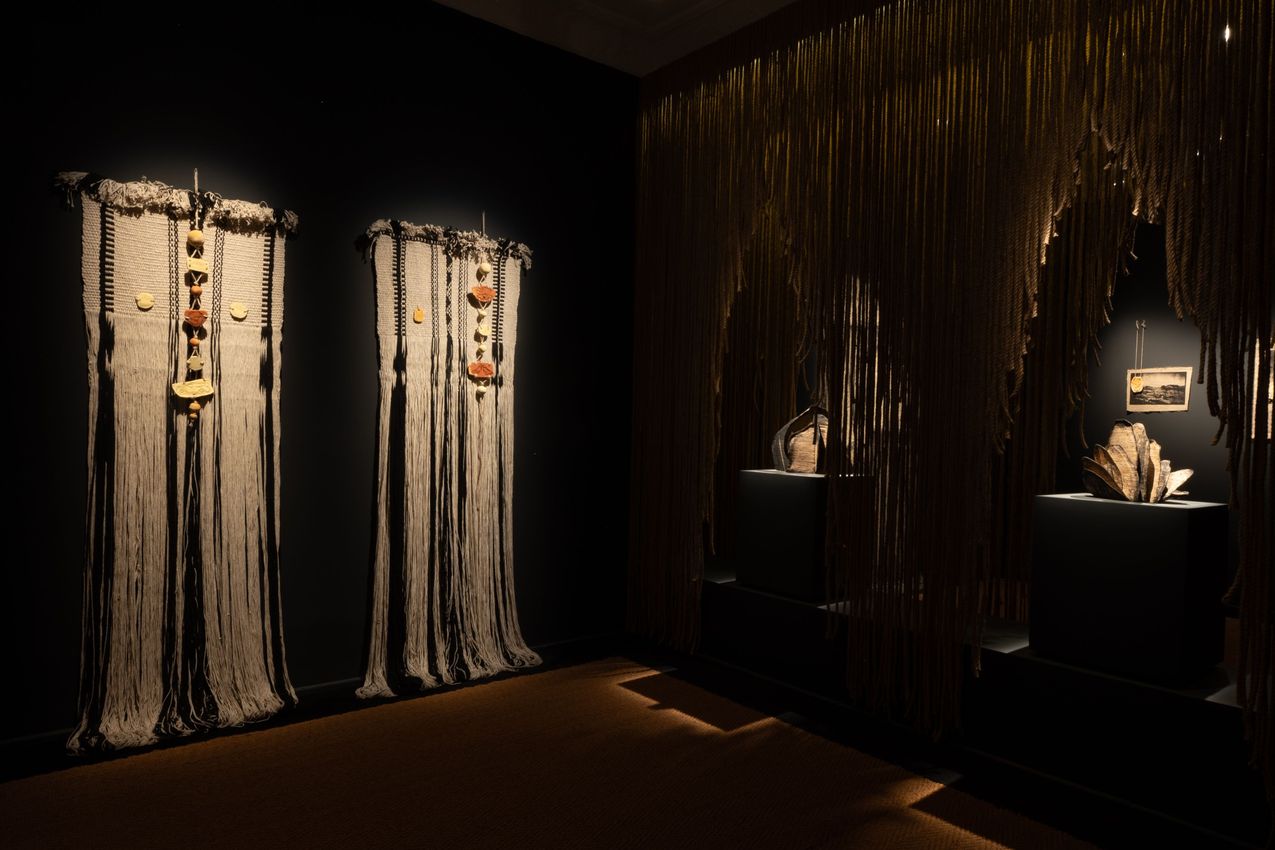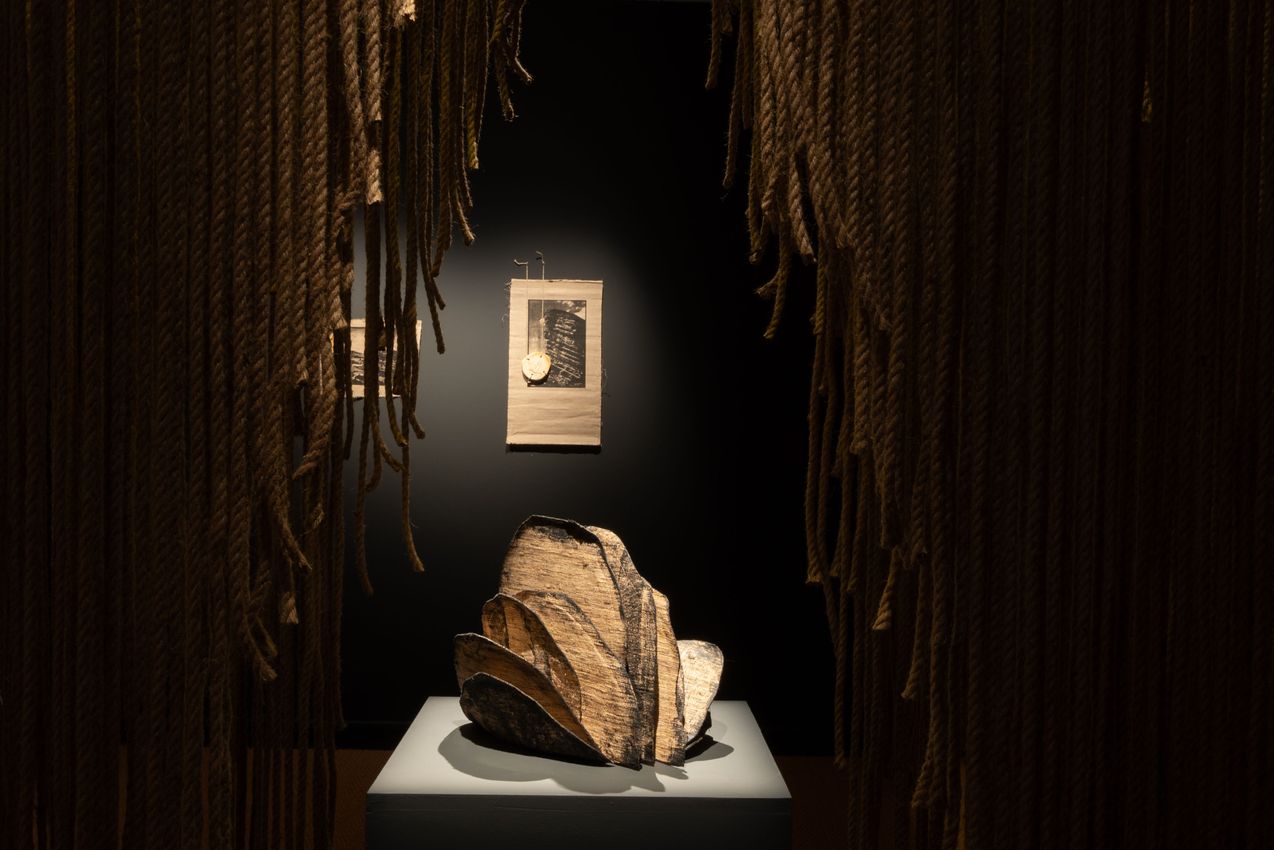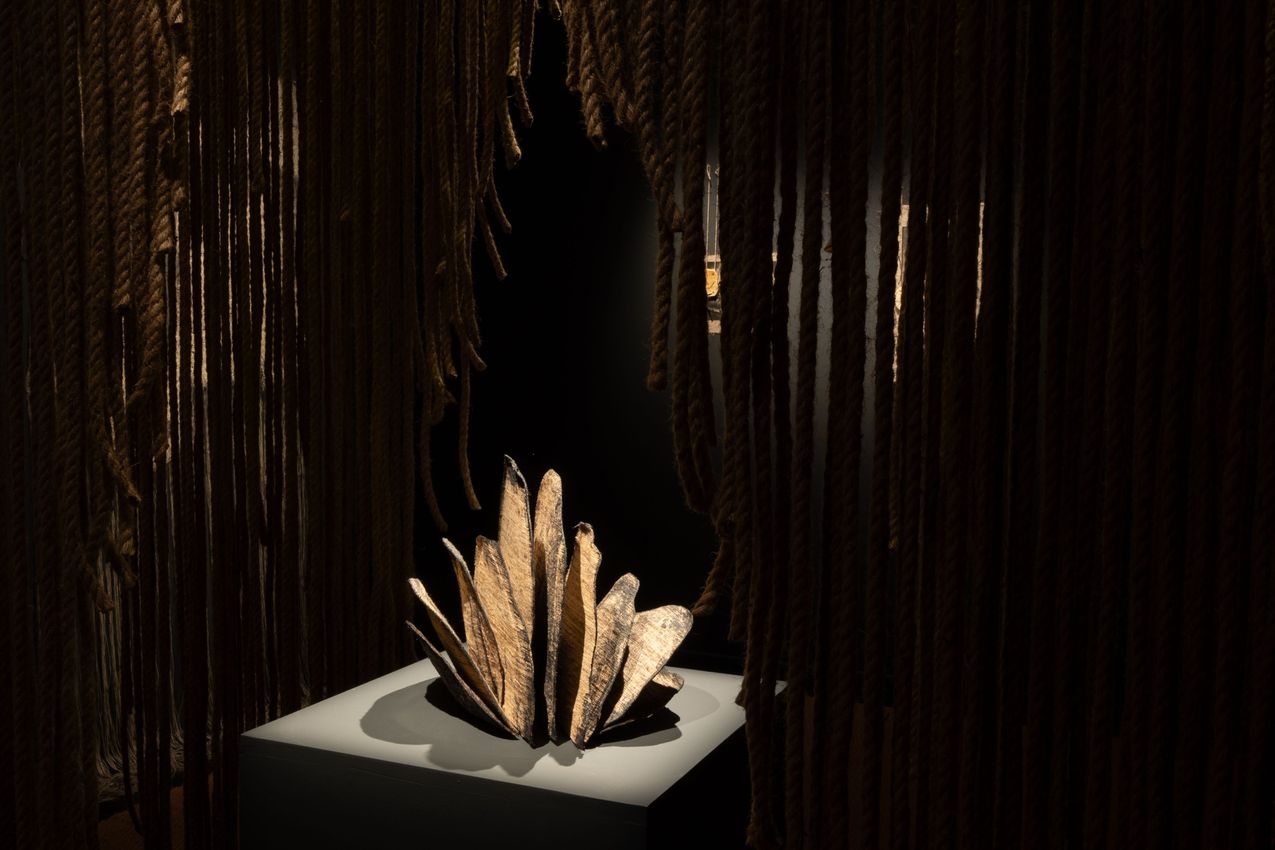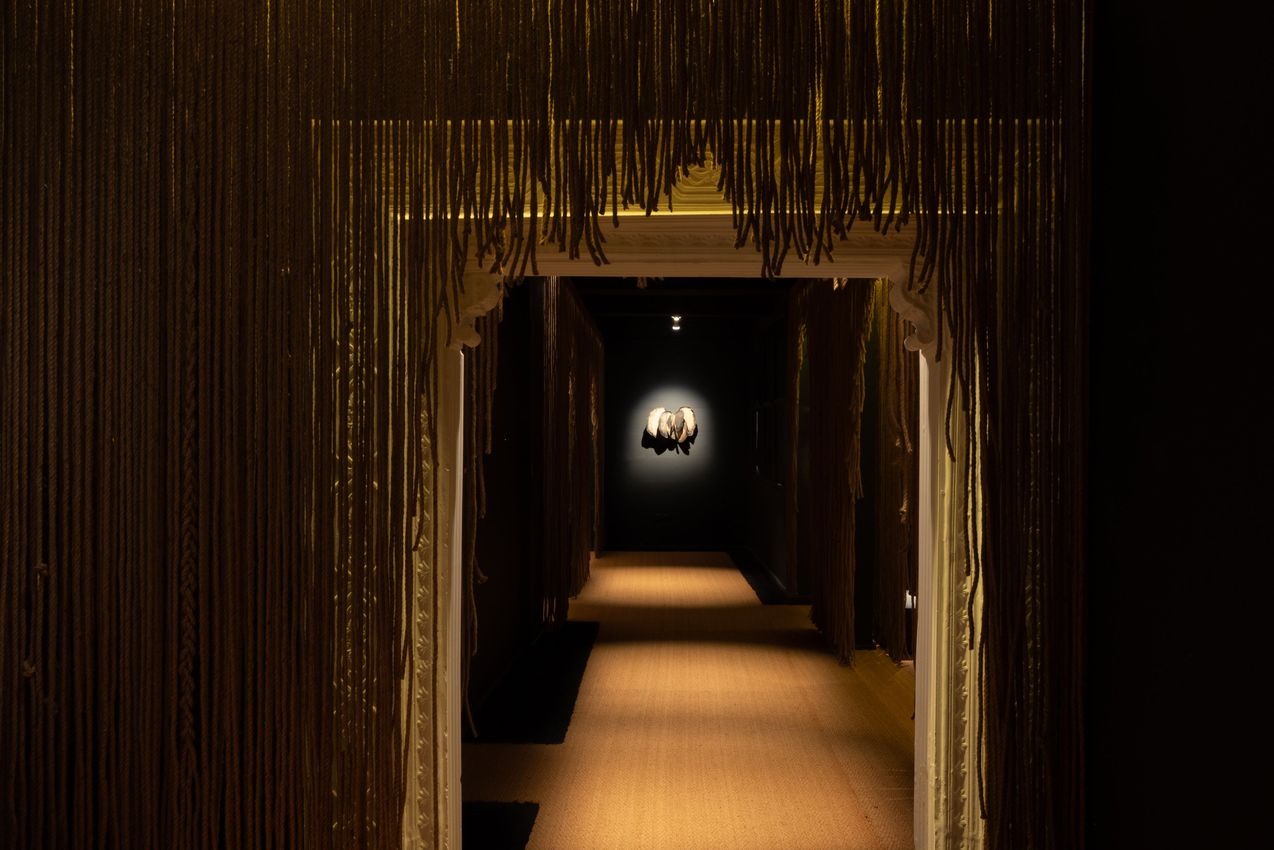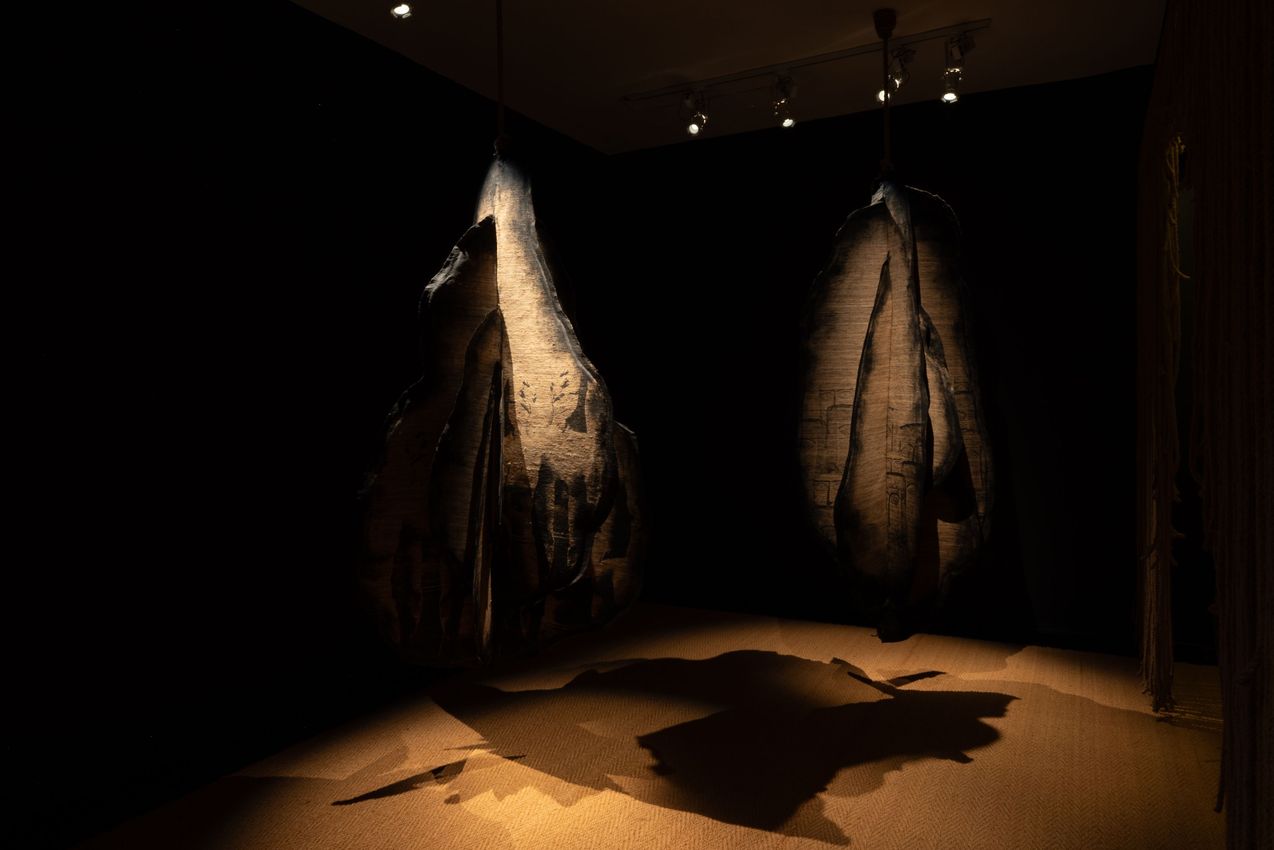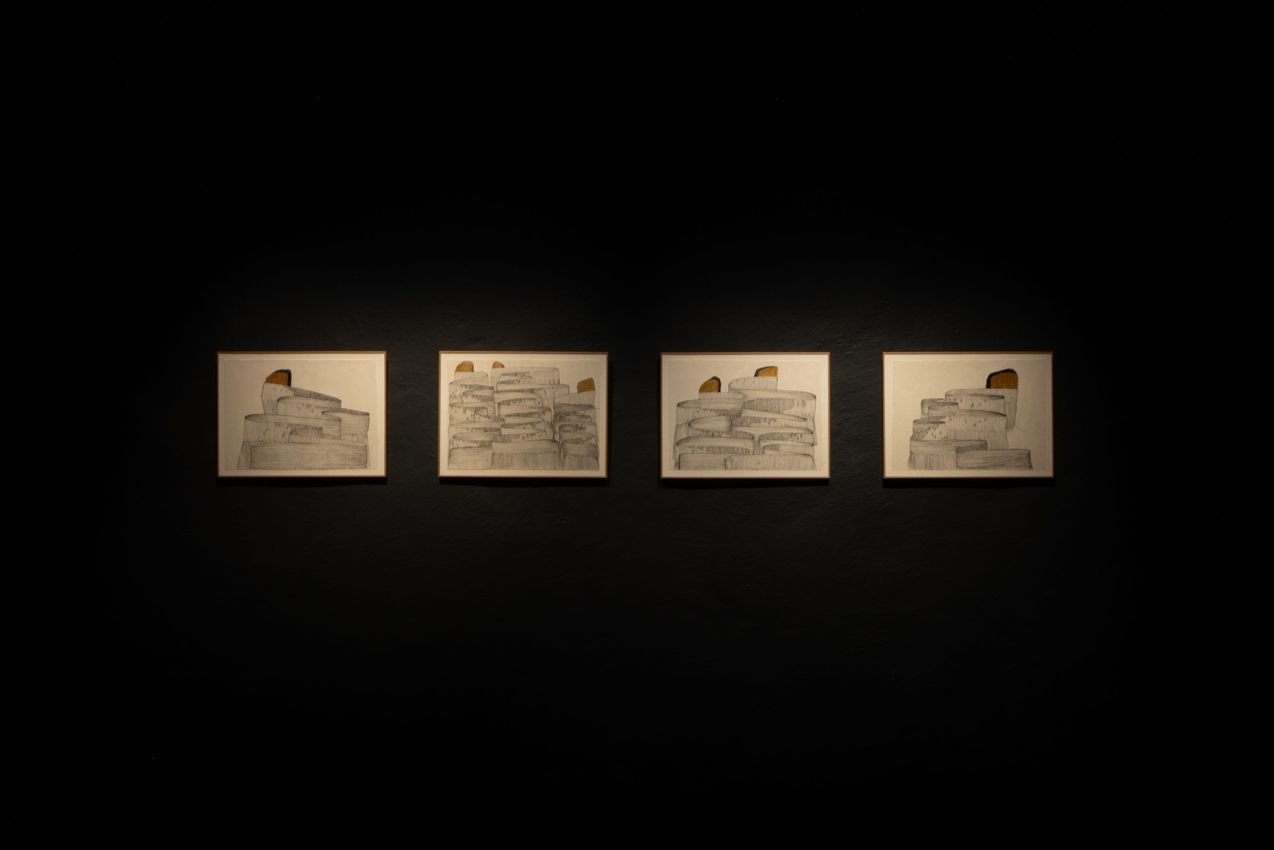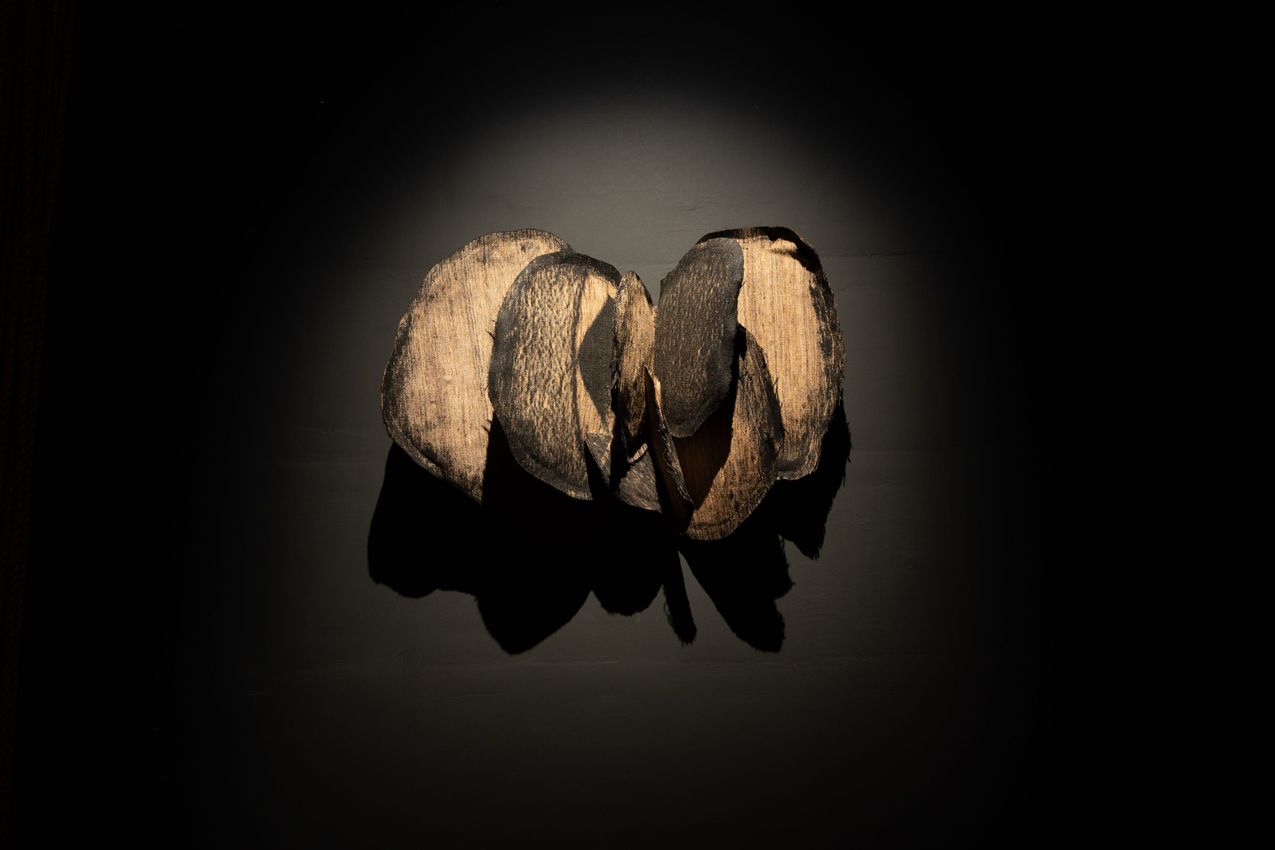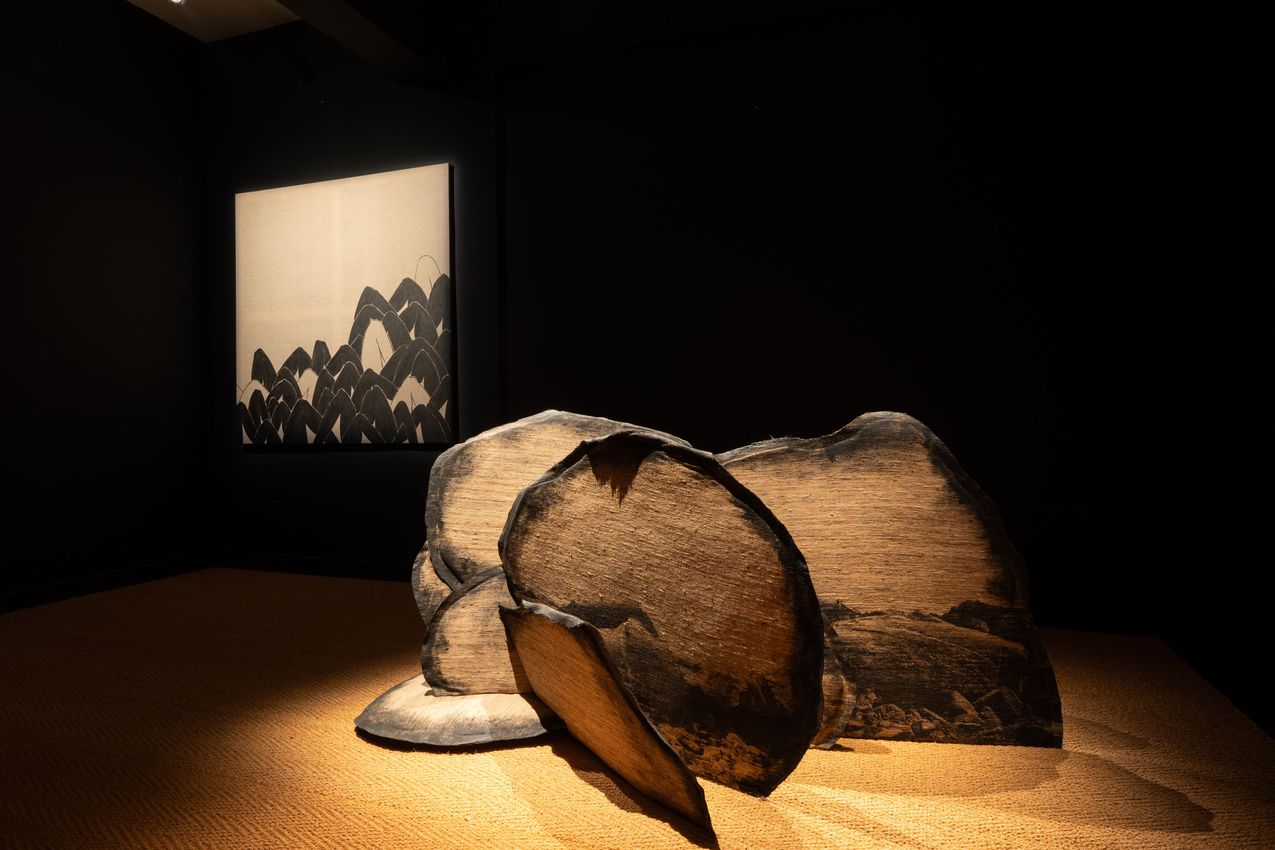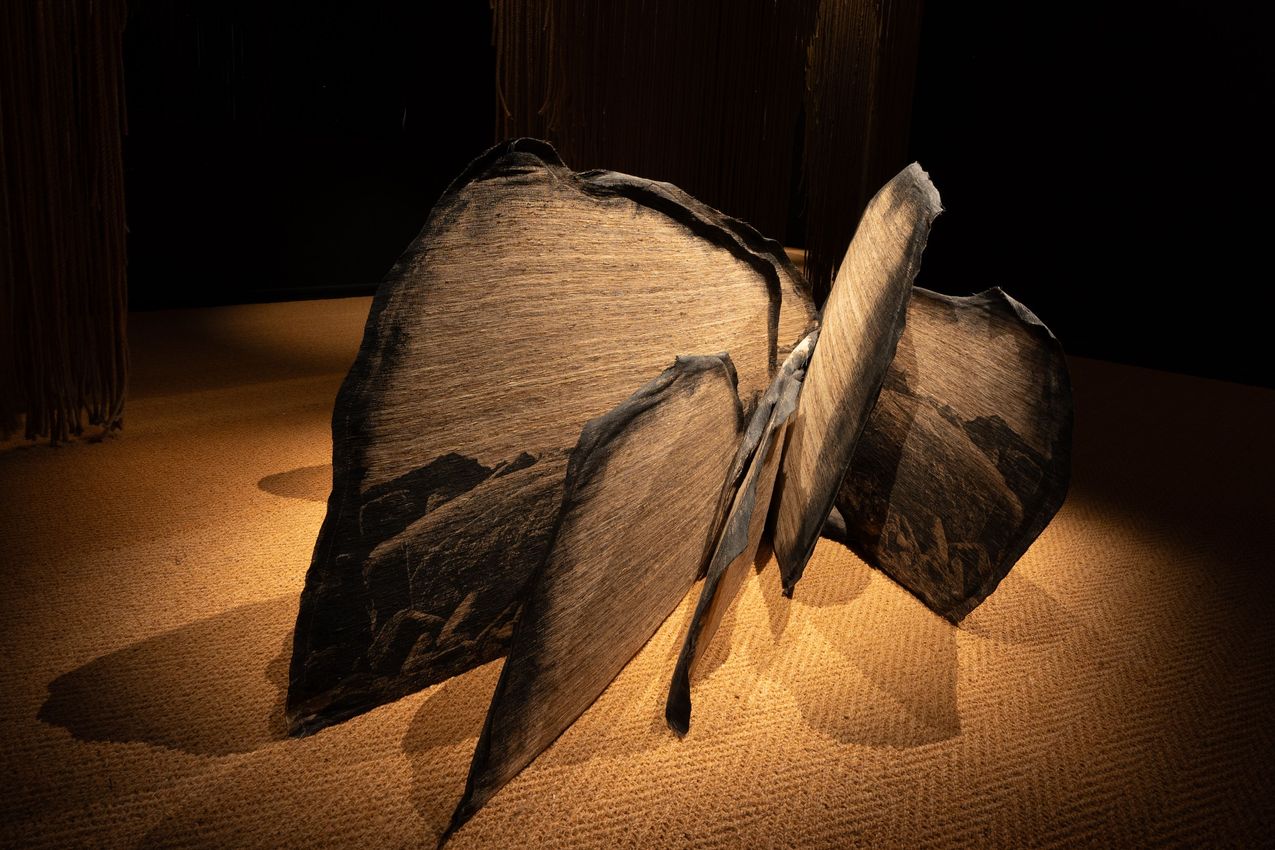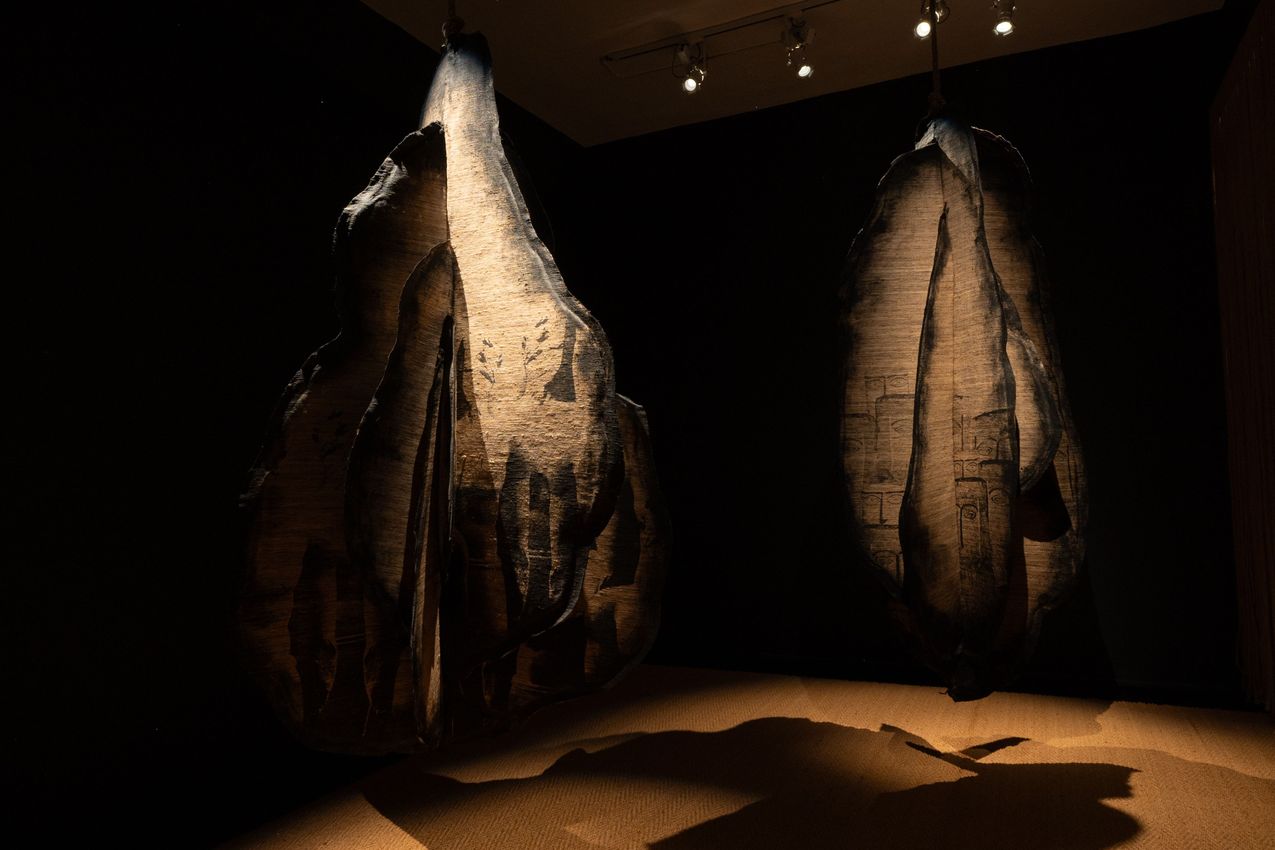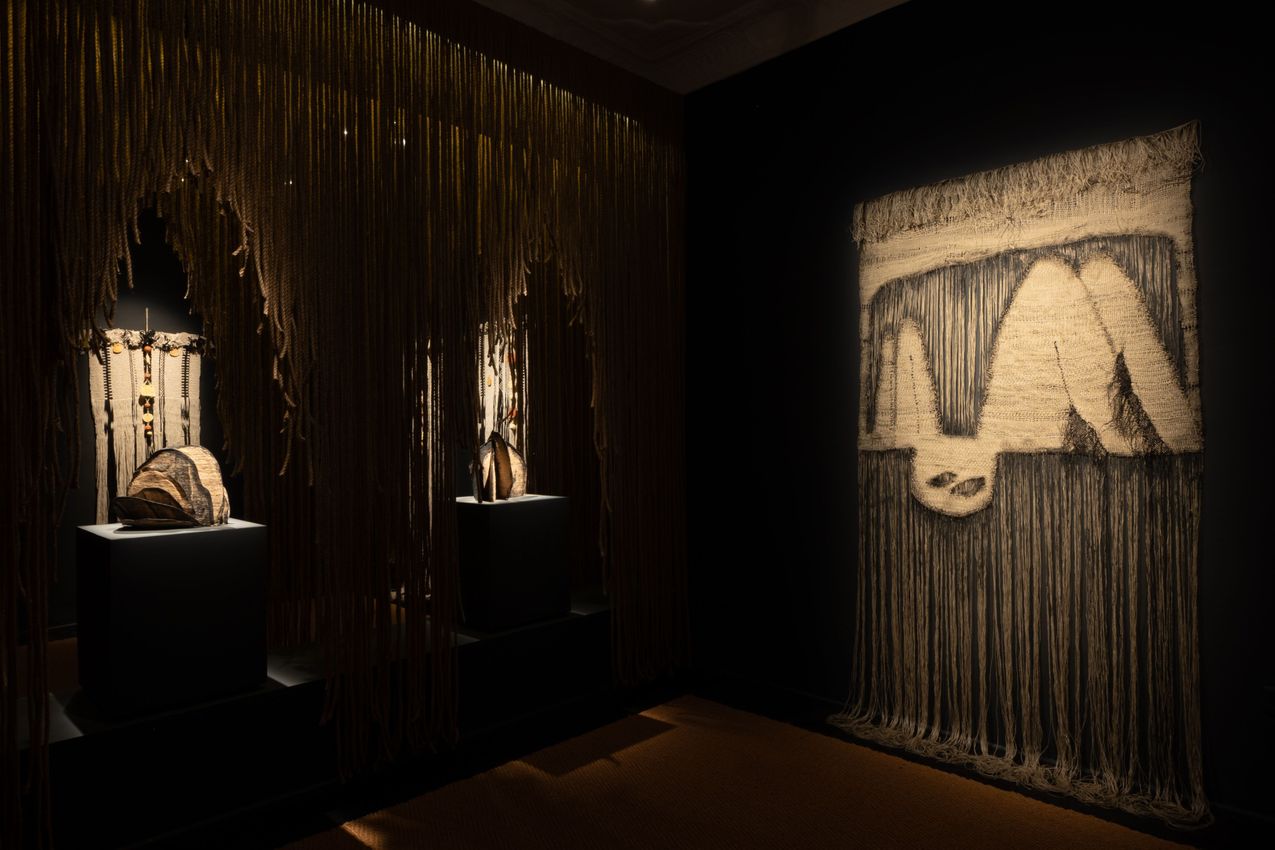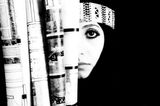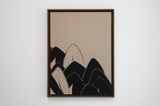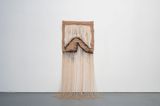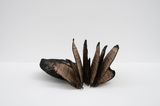
Sabrina Amrani is pleased to present the exhibition Their Love is Like All Loves, Their Death is Like All Deaths, by Manal AlDowayan, in collaboration with Arts AlUla, at the AlJadidah District, in AlUla (KSA).
Their Love is Like All Loves, Their Death is Like All Deaths is a chapter in an unceasing story that Manal AlDowayan has forged and unfolded since her solo exhibition ‘And I, Will I Forget?’ in 2015. This new exhibition is a continuation of the concepts she began to explore then: Reconciliation, self-healing, and understanding the socio-historical processes taking place in her homeland. By doing this in a personal level, she’s also chronicling the sentiment and social change in her home country.
Only recently, after the site of Hegra was added to the World Heritage List UNESCO in 2008, the ancient Nabatean, Dedanite and Lihyan cultures made headlines with the (re)discovery of ruins and monuments; thousand-year-old inscriptions on the rocks and magnificent tombs comparable to those of Petra in Jordan; in northwestern Saudi Arabia, on the shores of the Red Sea and at the gates of the rough desert, in Manal AlDowayan’s country. Manal’s encounter with these fragmented reflections of History, and with these lives lived before our time in the place she thought she knew, was completely foreign and distant to her. At the same time, she was pushed to share their story as her own. How do you relate to a story that has not been told? What if you found that your own story belonged to a forsaken and forgotten history that resurfaced after millennia? What impact does this have on identity and collective memory?
Their Love is Like All Loves, Their Death is Like All Deaths is an attempt to answer these questions. With this exhibition Manal explores concepts such as immortality and time. Standing before the ruins, Manal questions her own lineage and ascendancy, seeking to grasp her echelon in the chain of History. Every monument, every living being, carries within it the seed of its own end.
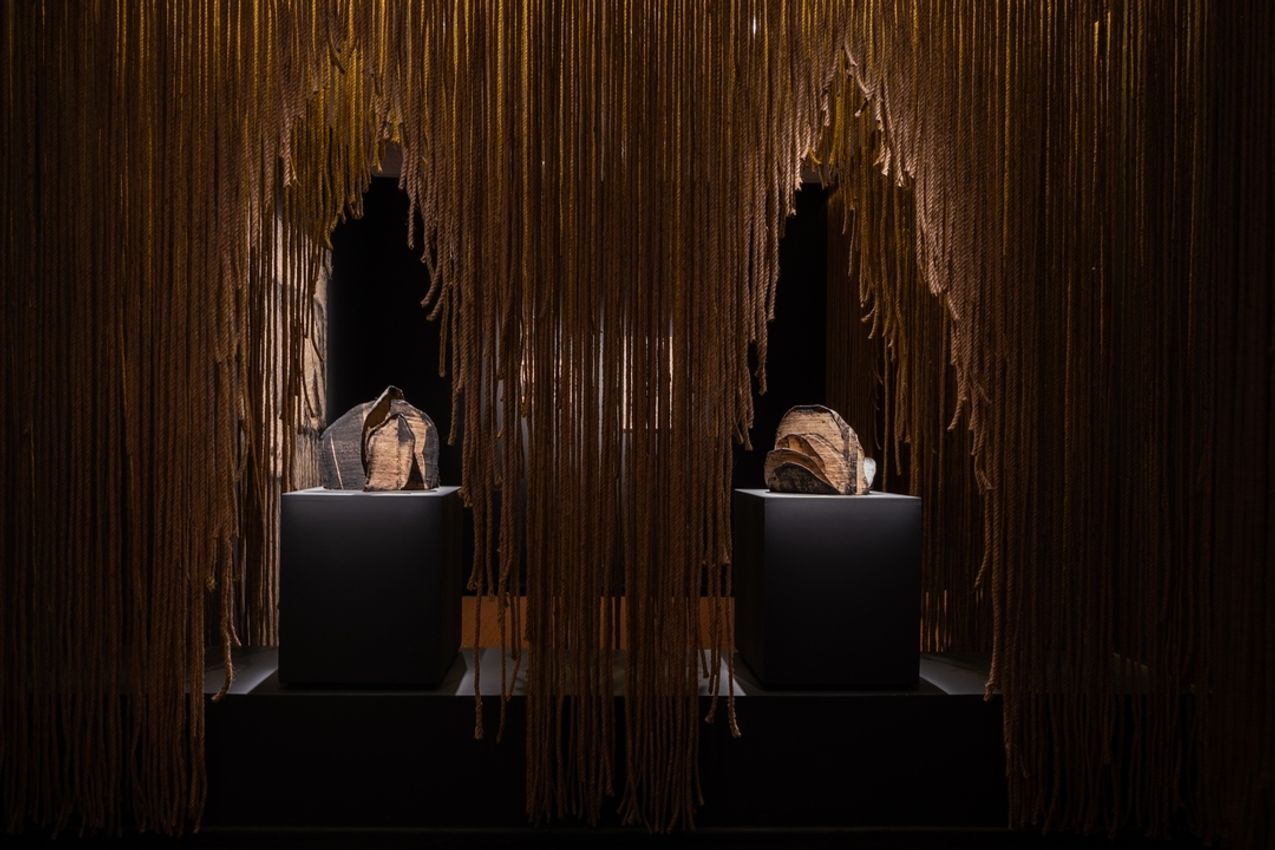
The exhibition is laid out as an open-ended labyrinth -in an analogy of life: a path of meaning to be experienced and walked-, inviting each viewer to find their own transformative path through the show. The labyrinth walls are built with ropes. In many languages the middle part of a rope is called the ‘soul’ of the rope, and the rest of the rope are the ‘ends’ that twine together, tangling and intertwining around the ‘soul’, in the same manner the present of the artist and the present of her newly found ancestors twine around a History line that bounds them all together. Ropes are used to tie things together. In this healing process Manal uses the ropes as a symbol to create this connection between her and her ancestors.
Representing Saudi Arabia at the 60th Venice Biennale, Manal AlDowayan is recognised for her research-driven practice centring the politics of visibility, memory, and gender.

A respected voice in contemporary art discourse.
Focusing on ambitious storytelling and insightful art-world commentary. Ocula Magazine publishes in-depth interviews, critical essays and timely analysis on the artists, exhibitions and ideas driving the global art world.
Learn more about Ocula Magazine
Showcasing the best of the art world.
Ocula partners with galleries from around the world to highlight their artists, artworks and exhibitions. Gallery membership is by application and invitation, with each member vetted by an independent panel.
Learn more about Ocula Membership

Specialises in the sale of major artworks.
Led by a team with deep ties to the world’s leading auction houses, galleries and collectors. Ocula’s advisory team offers bespoke services to high-net-worth clients from around the world who are looking to acquire the best of contemporary and modern art.
Learn more about our team and services