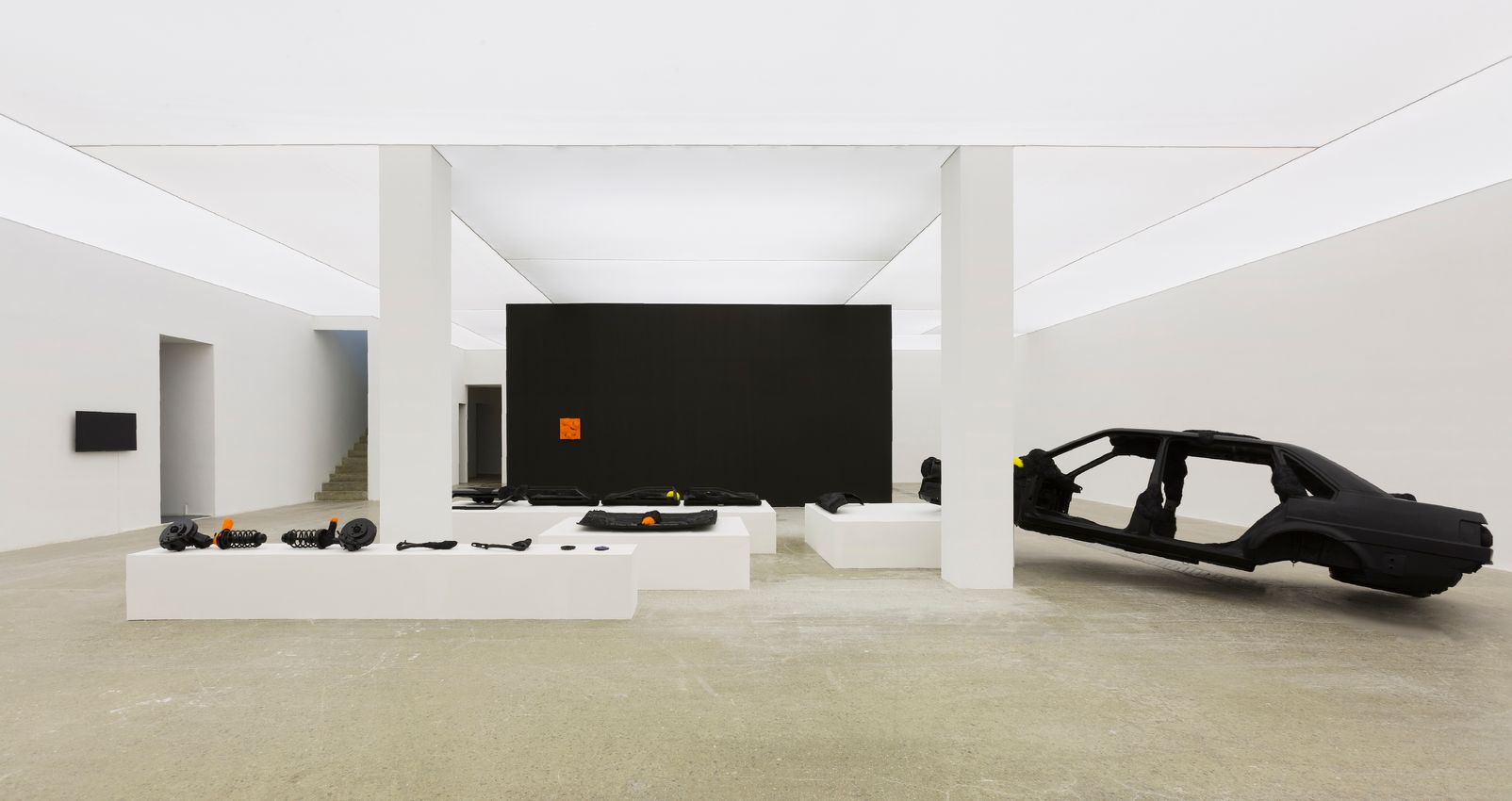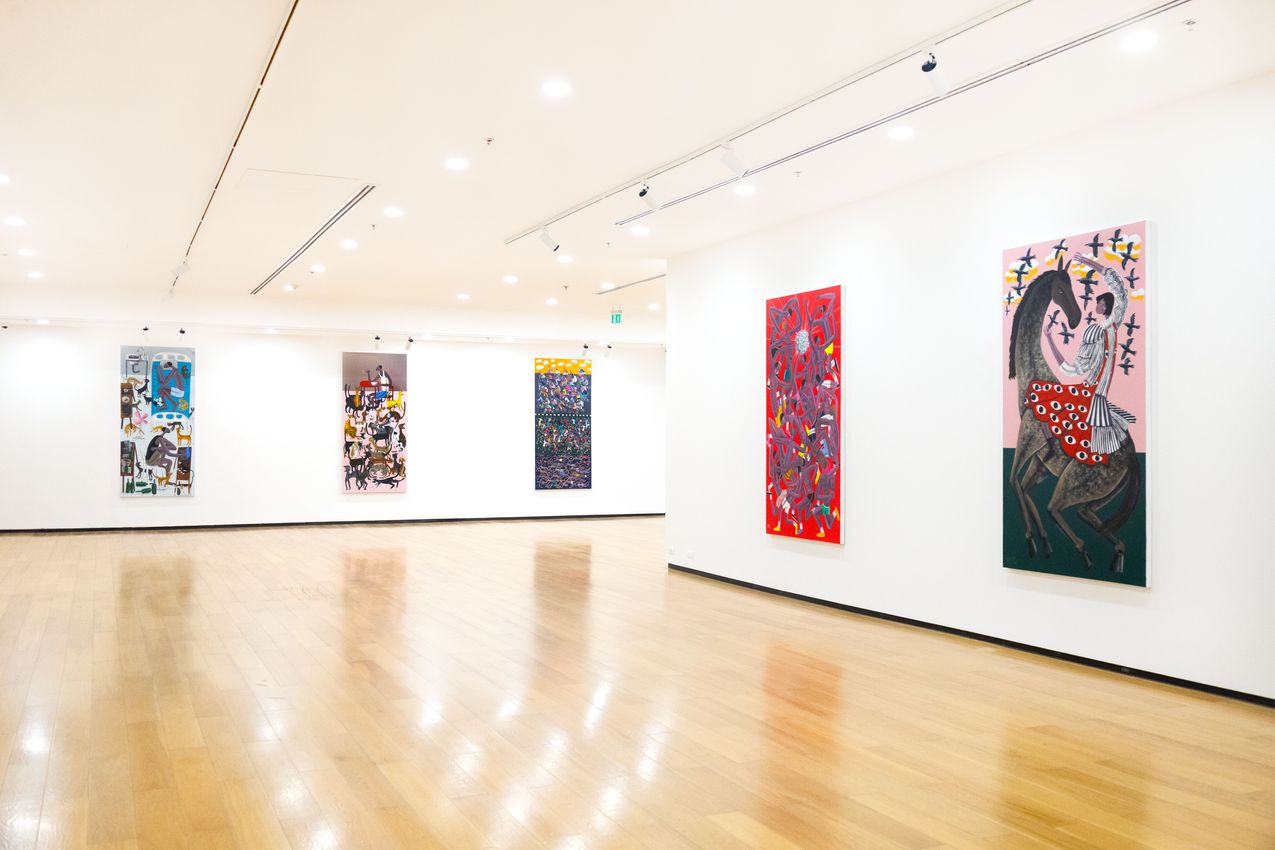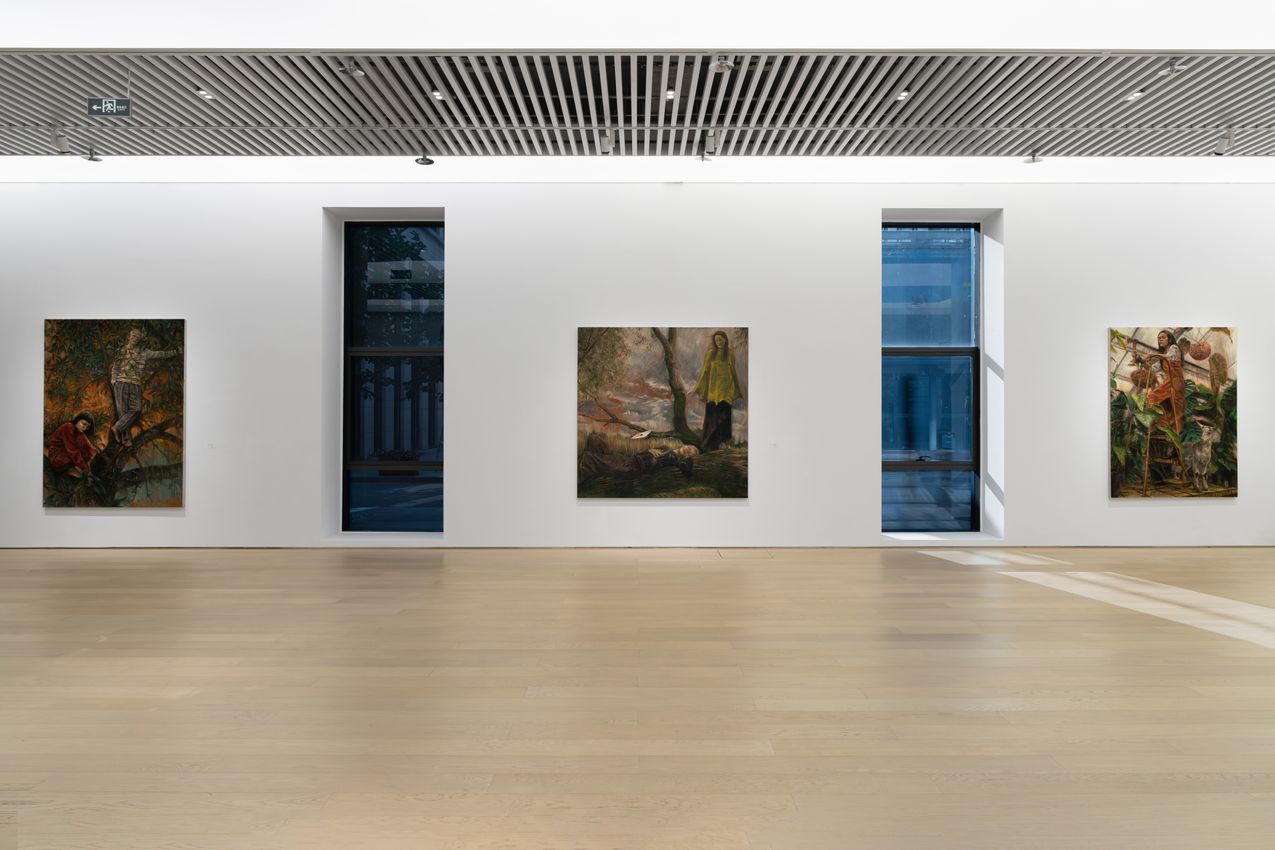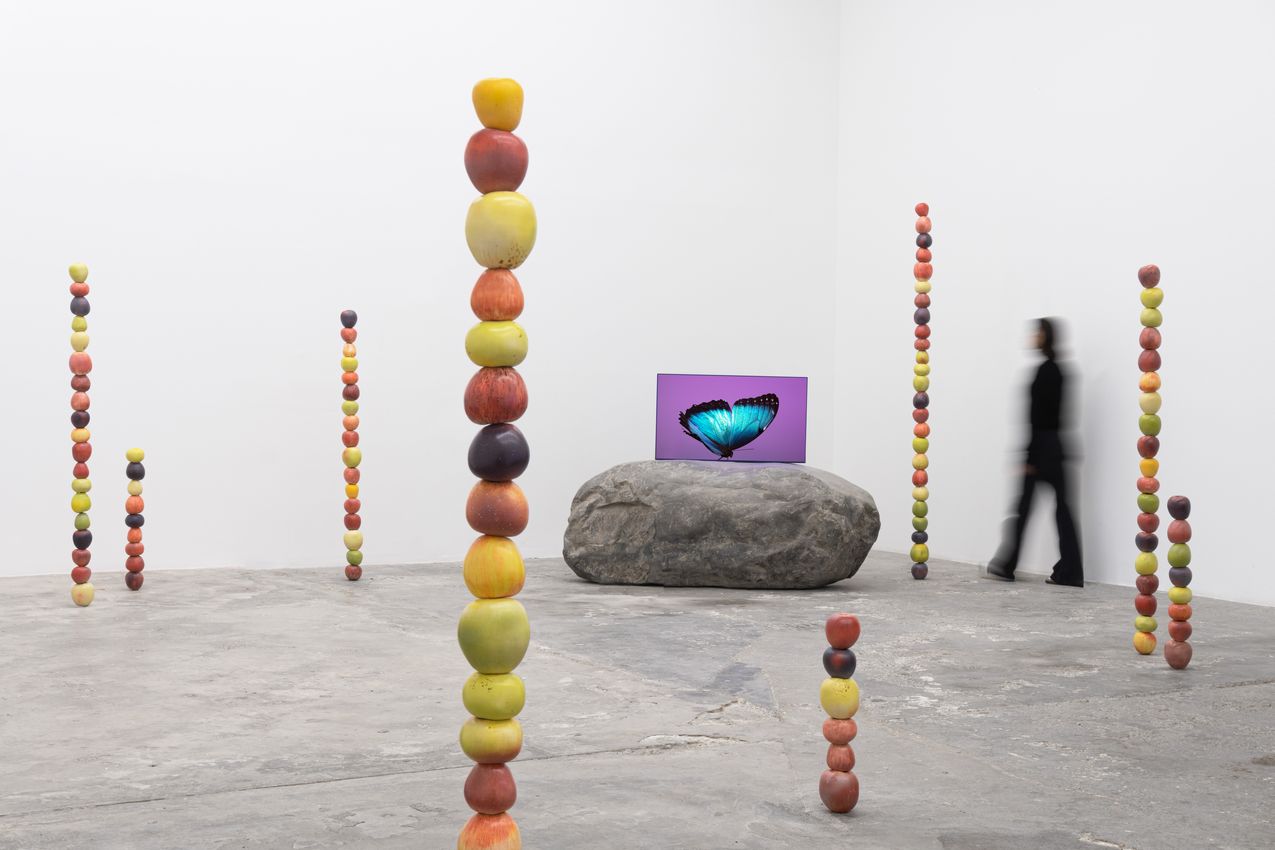
Tang Contemporary Art is proud to announce the opening of Freedom from Resistance, an all-new solo show for Wu Wei curated by independent curator Yang Zi, in the gallery’s Beijing Space I on 19 December 2020.
In the introduction to Flesh and Stone: The Body and the City in Western Civilization, Richard Sennett describes how highway engineers created ‘freedom from resistance,’[1] which allowed people to move without expending any effort and thereby become invested in this resistance-free road system. This created geography lulls travelers into a hypnotic state in which they passively perceive the world. Wu Wei’s solo show ‘Freedom from Resistance’ references this modern anesthesia. When confronted with today’s urban planning mechanisms, how can we free the body and regain our vitality?
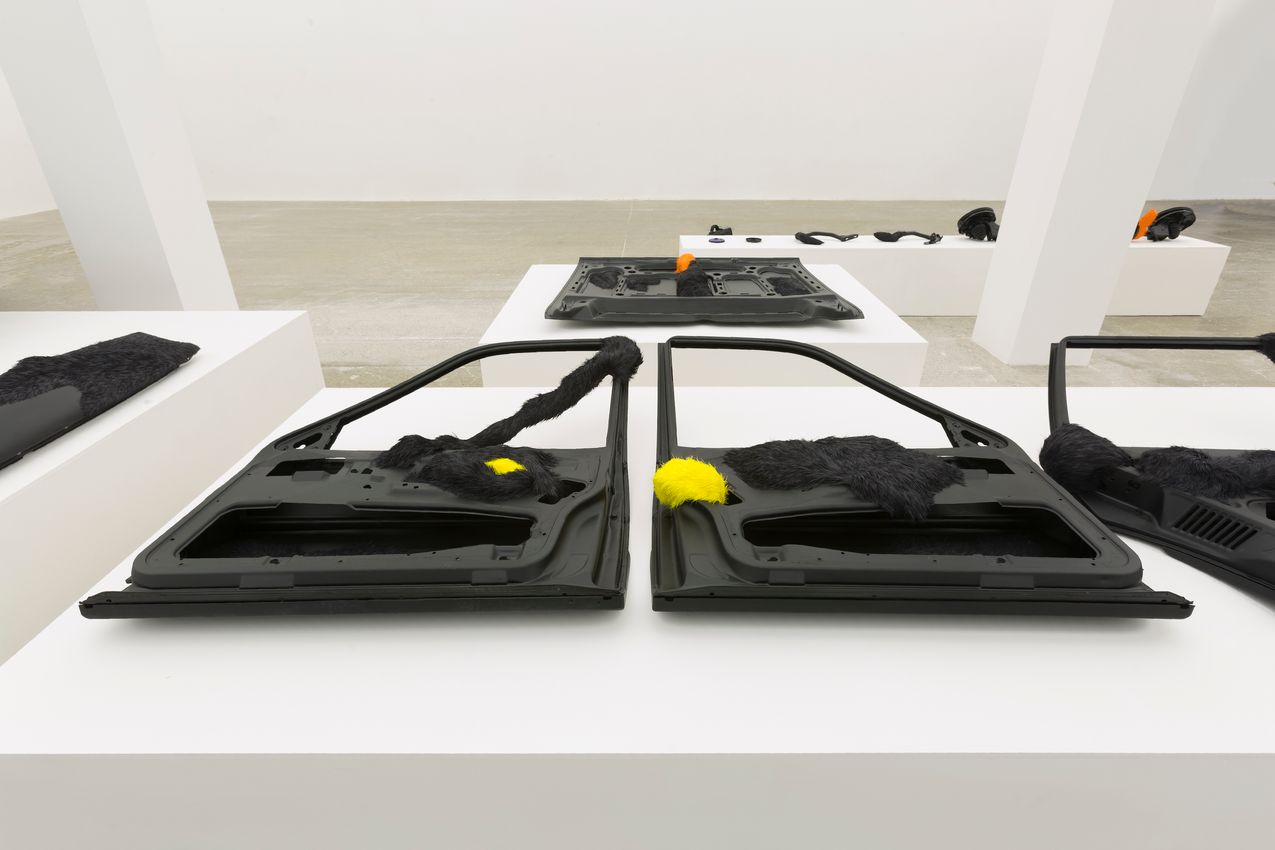
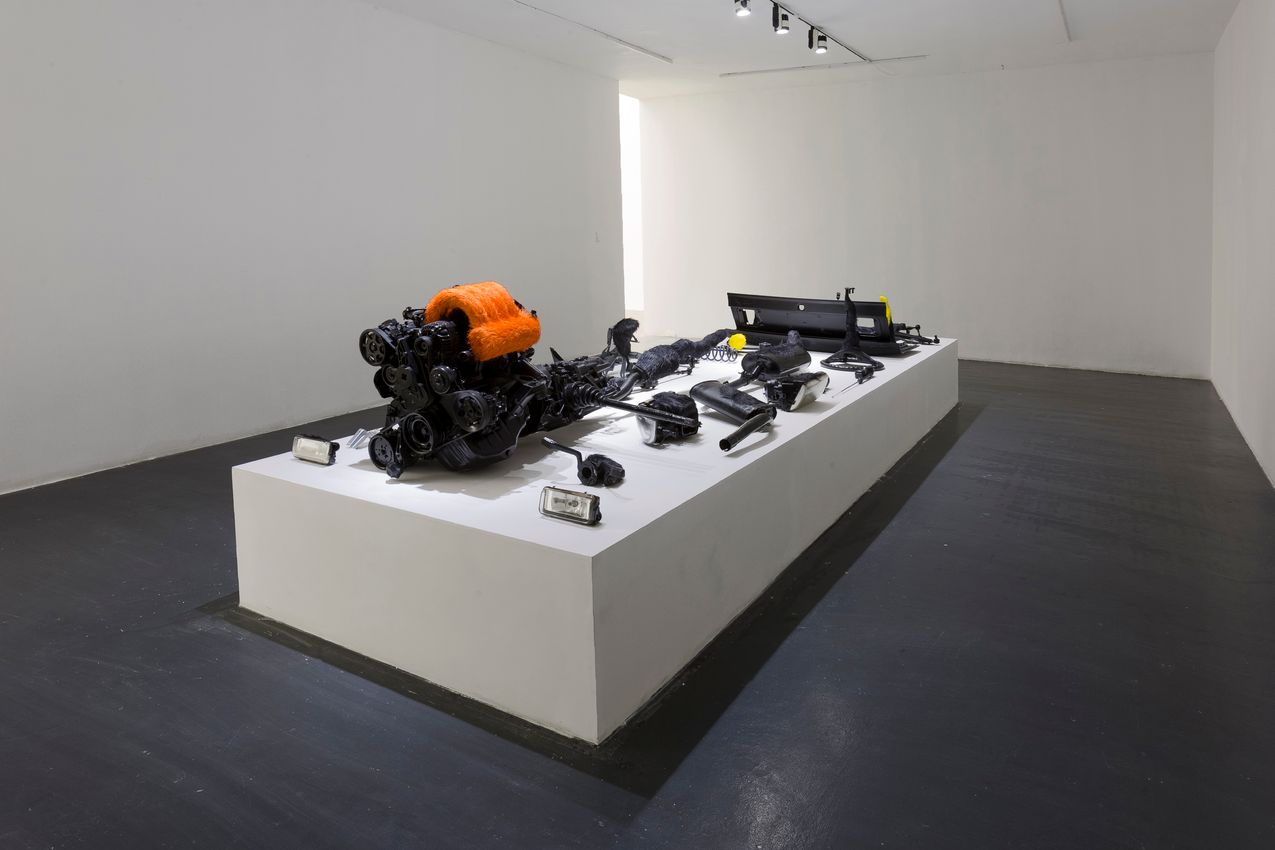
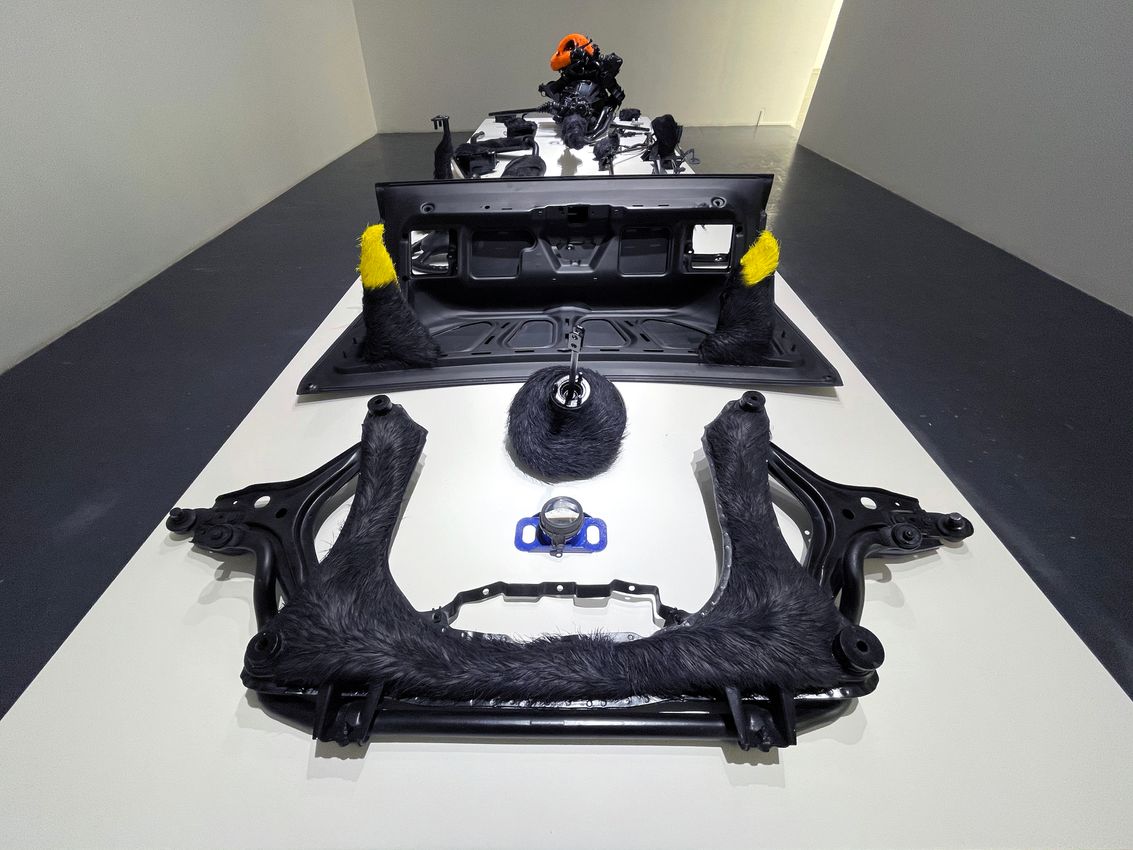
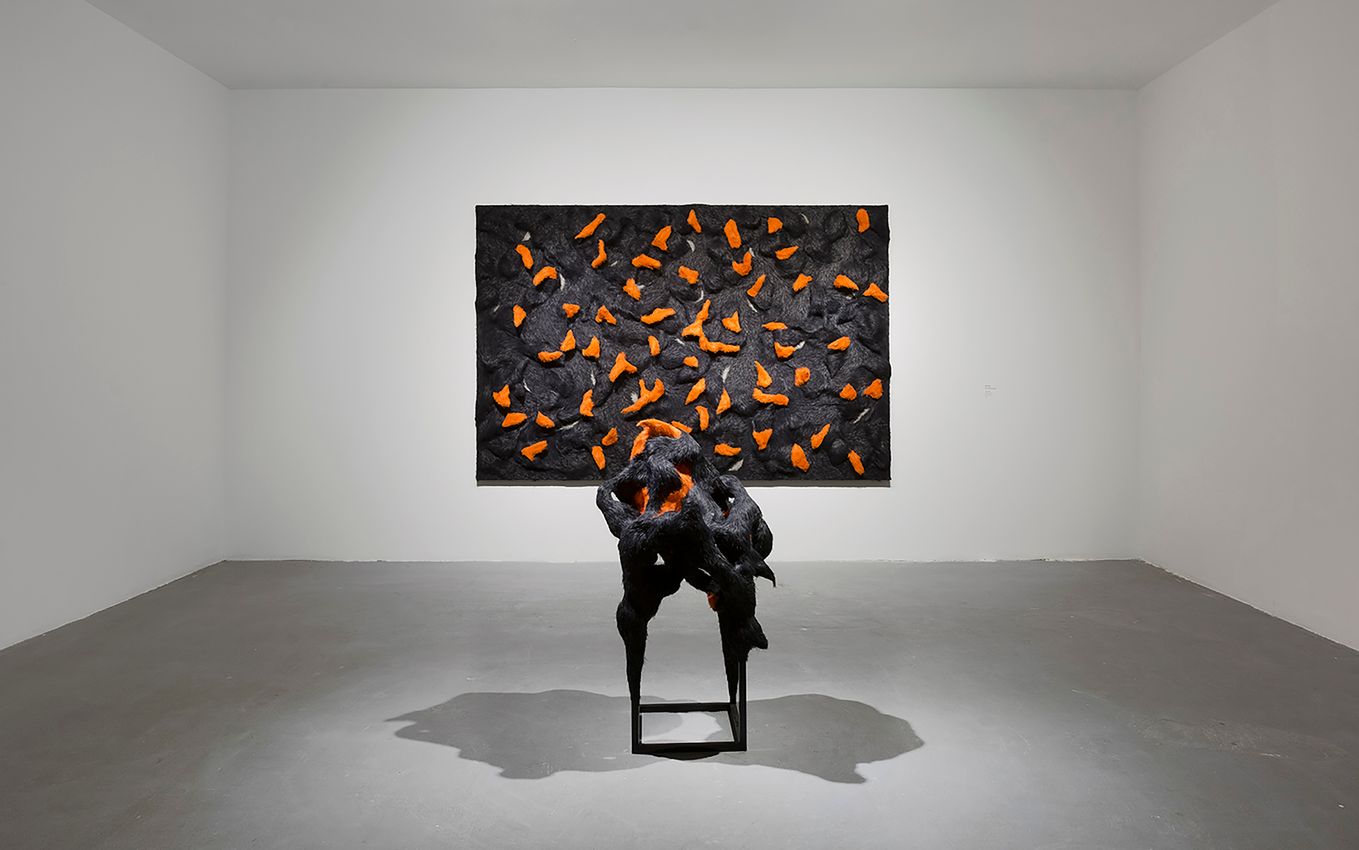
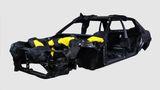
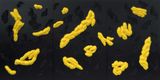
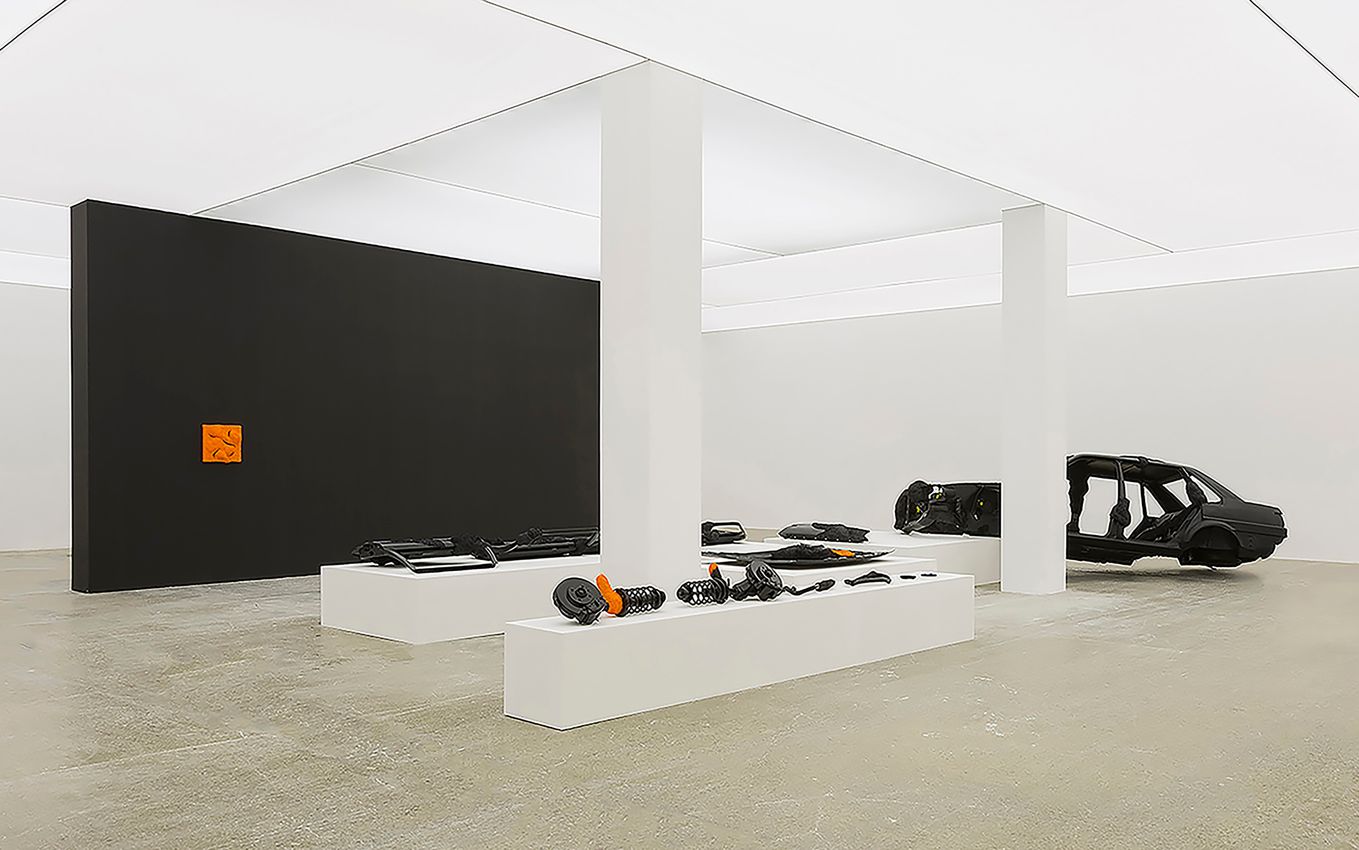
In this exhibition, Wu Wei infuses his work with more expressive visual forms than in the past. Typhon is named for a god in ancient Greek mythology, a fearsome monster who failed in his attempt to overthrow Zeus. In this series, Wu Wei continues to use a technique from his past work, in which he cuts paper to resemble animal fur. However, he has changed the surface to which the ‘fur’ is affixed, using the discarded exterior pieces and interior parts of a car. After being covered with ‘fur,’ the worn parts of a black sedan look like long-horned animal skulls. The irregular lines on the inside and outside are revealed, and structures that once had a practical function now have aesthetic significance. Wu applies a similar creative method to several parts of the car, all of which carry the genes of their ‘mother’ vehicle. The organic curls of paper ‘growing’ amidst these intensely industrial lines connect to a primitive era distant from industrial civilisation.
Another difference from his previous works is that specific Chinese characters and symbols do not appear in Freedom from Resistance. Here, Wu Wei abandons circumscribing intellectual frameworks of imagery and language. He enlarges some of the patterns that he had painted on his phone into Fission and Fusion, a painting installation measuring 3 x 6 meters. Wu emphasies living intuition and belief in a moment, thereby establishing the motivation for the work. The seemingly closed expression of individual will embody an examination of universal fate - those free lines are like calculating the probability of an unknowable realm running inside the world based on a program.
In 2012, Wu Wei graduated from the Experimental Art Department of the Central Academy of Fine Arts with a master’s degree and now lives in Beijing. Wu’s works are full of sensual desires, involving topics of civilisation, barbarism, and mythology, looking for new feelings and possibilities in materials and space.


Tang Contemporary Art was established in 1997 in Bangkok, later establishing galleries in Beijing and most recently Hong Kong. Tang Contemporary Art is fully committed to producing critical projects and exhibitions to promote Contemporary Chinese art regionally and worldwide and encourage a dynamic exchange between Chinese artists and those abroad.

A respected voice in contemporary art discourse.
Focusing on ambitious storytelling and insightful art-world commentary. Ocula Magazine publishes in-depth interviews, critical essays and timely analysis on the artists, exhibitions and ideas driving the global art world.
Learn more about Ocula Magazine
Showcasing the best of the art world.
Ocula partners with galleries from around the world to highlight their artists, artworks and exhibitions. Gallery membership is by application and invitation, with each member vetted by an independent panel.
Learn more about Ocula Membership

Specialises in the sale of major artworks.
Led by a team with deep ties to the world’s leading auction houses, galleries and collectors. Ocula’s advisory team offers bespoke services to high-net-worth clients from around the world who are looking to acquire the best of contemporary and modern art.
Learn more about our team and services