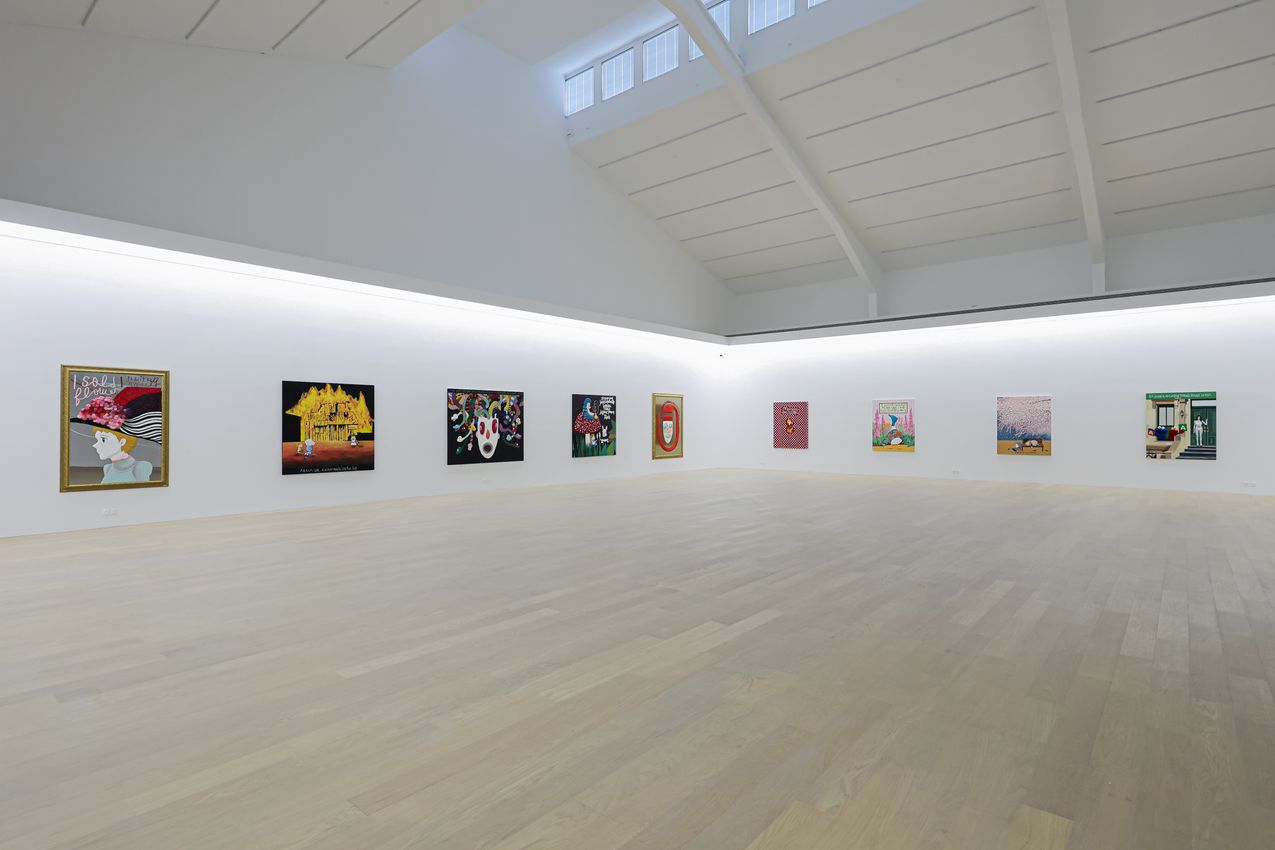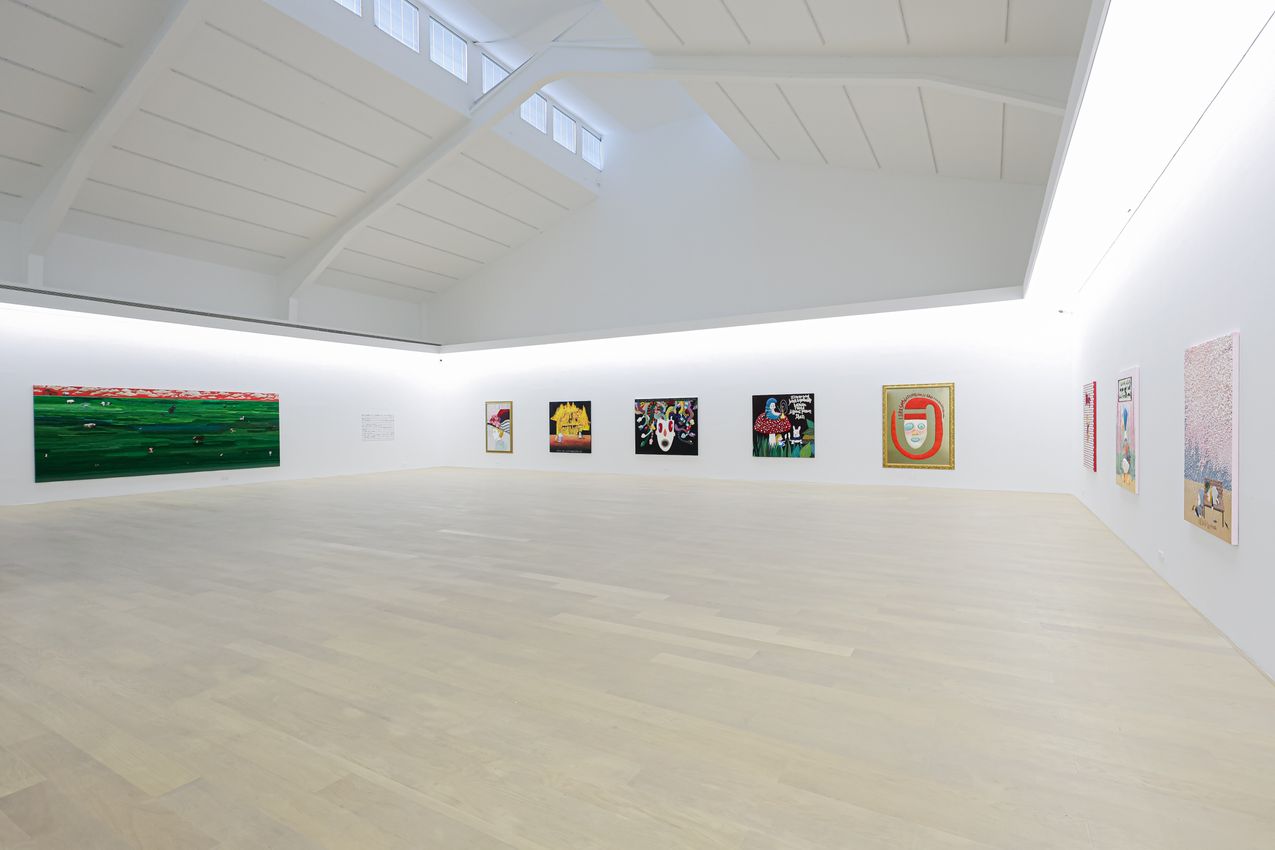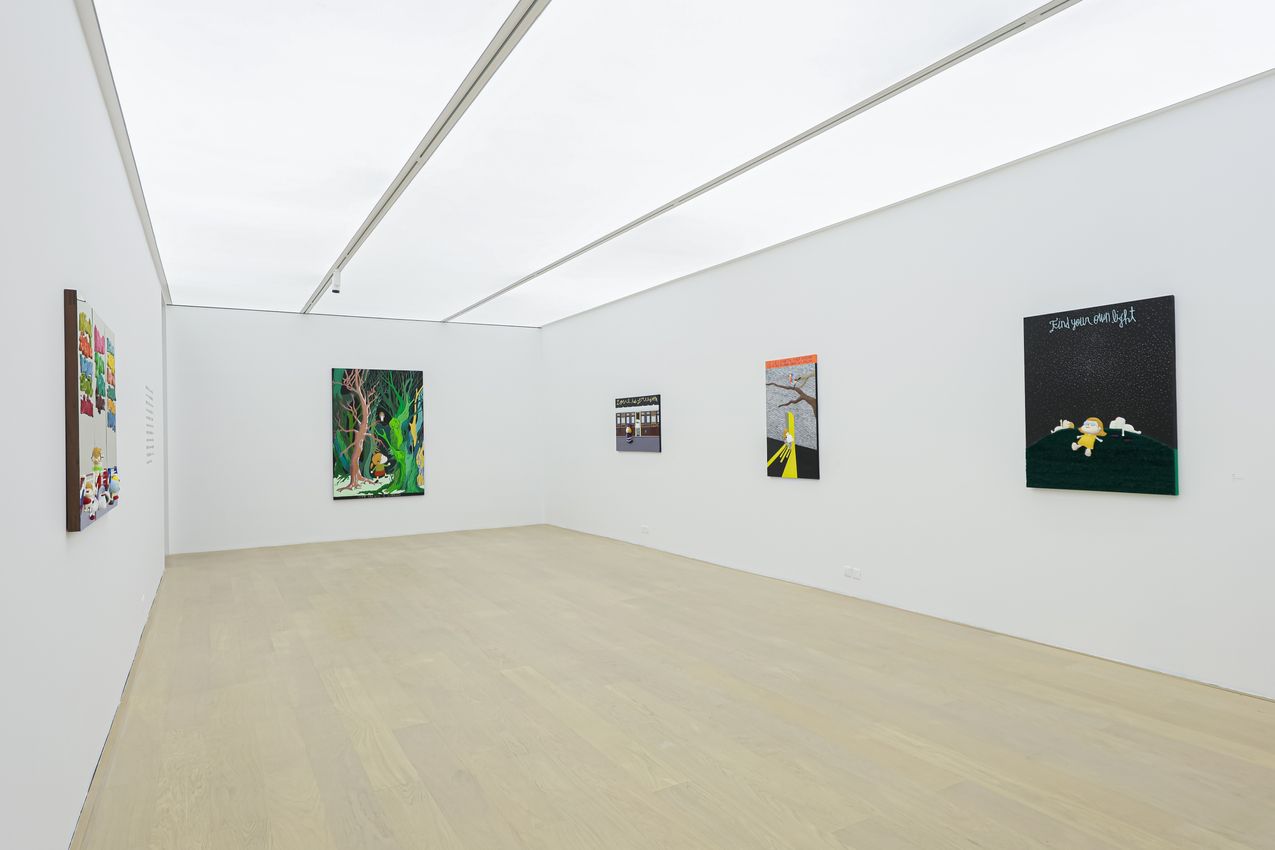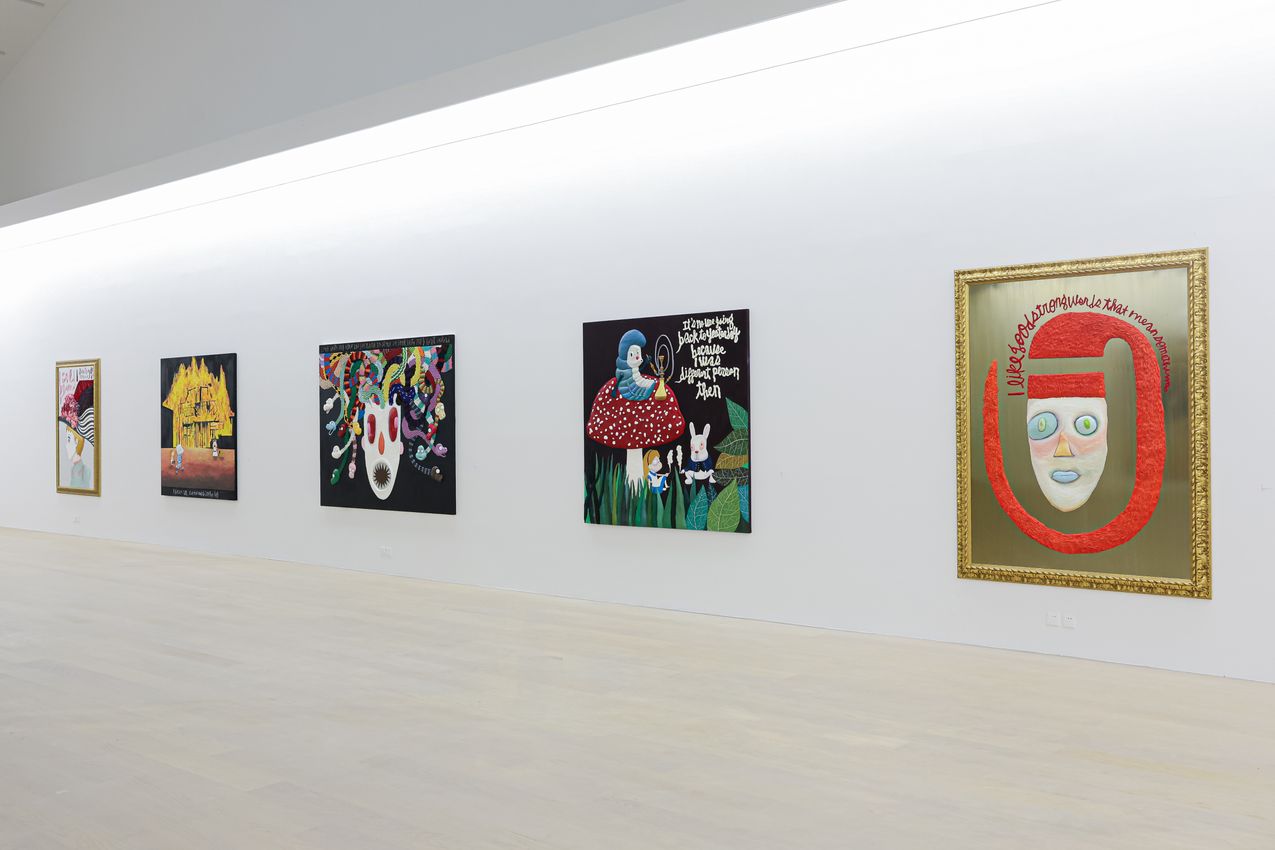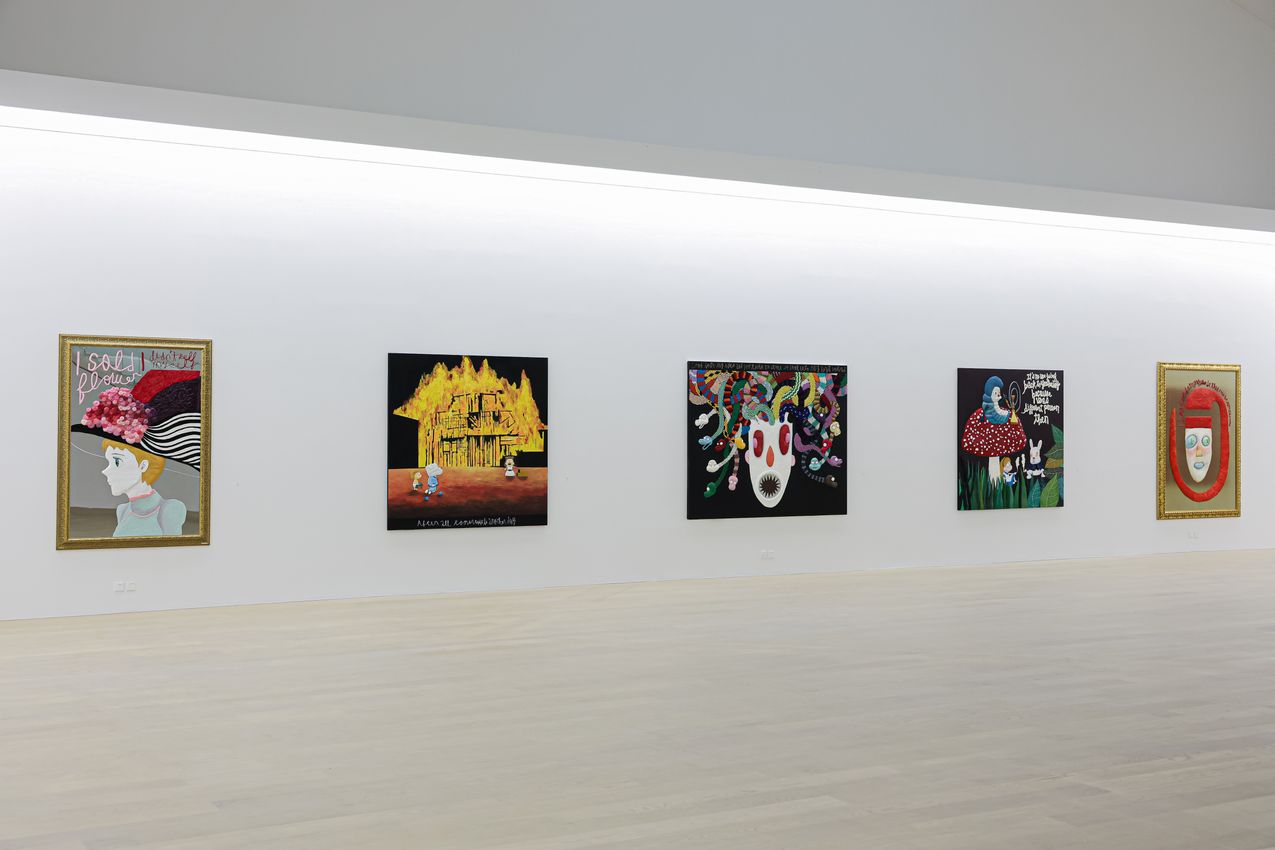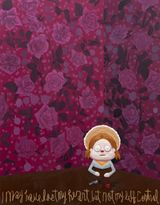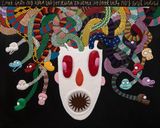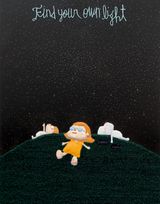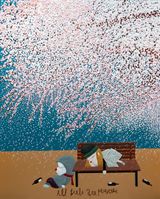




Woo Kukwon inscribed the powerful phrase “All children except one grow up” at the bottom center of his 2022 artwork Goodbye Peter. It underscores the undeniable truth that children will have to grow up. Artists often find themselves wandering in the realm of dreams, lost in a world without exceptions. Woo Kukwon embarks on a captivating journey originating from fairy tales, navigating the realm between dreams and wakefulness, in which the two at times intermingle with one another.
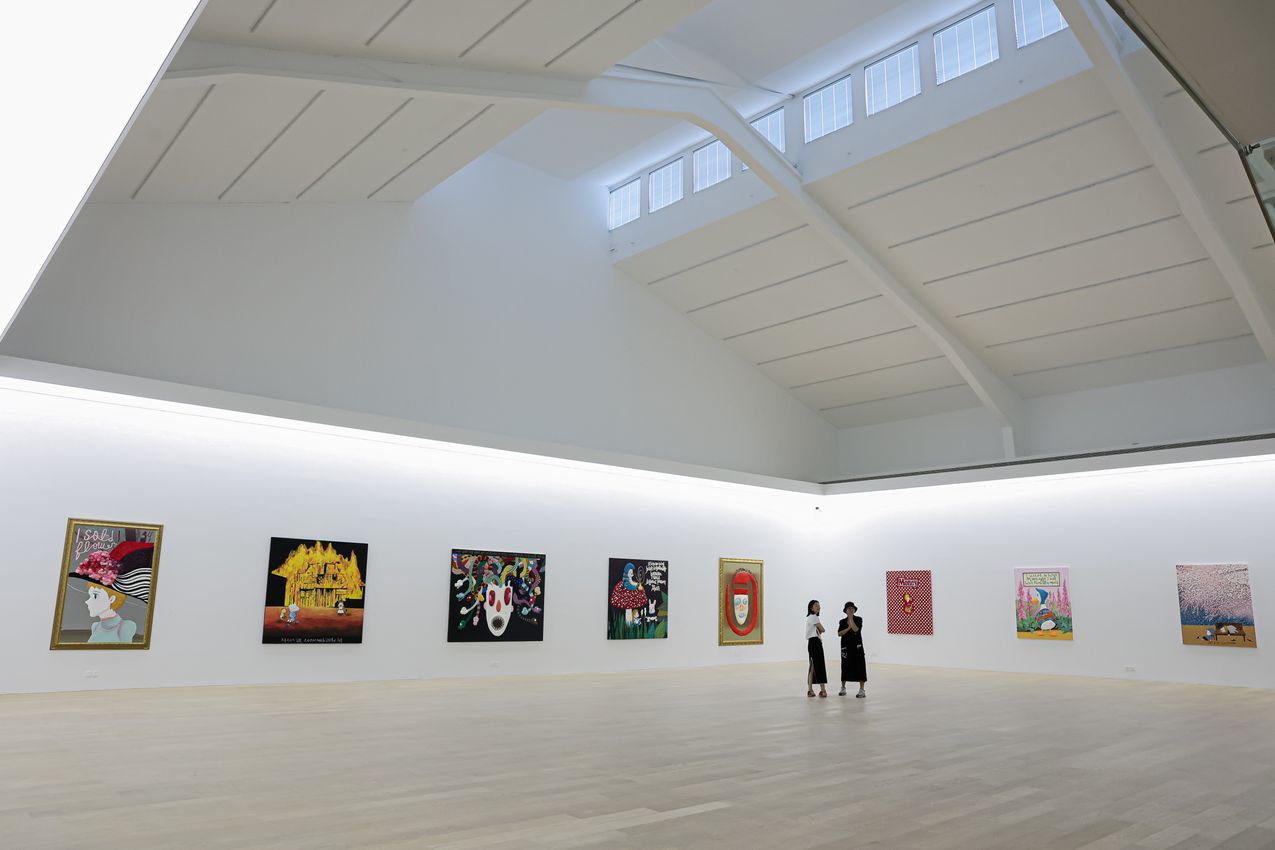
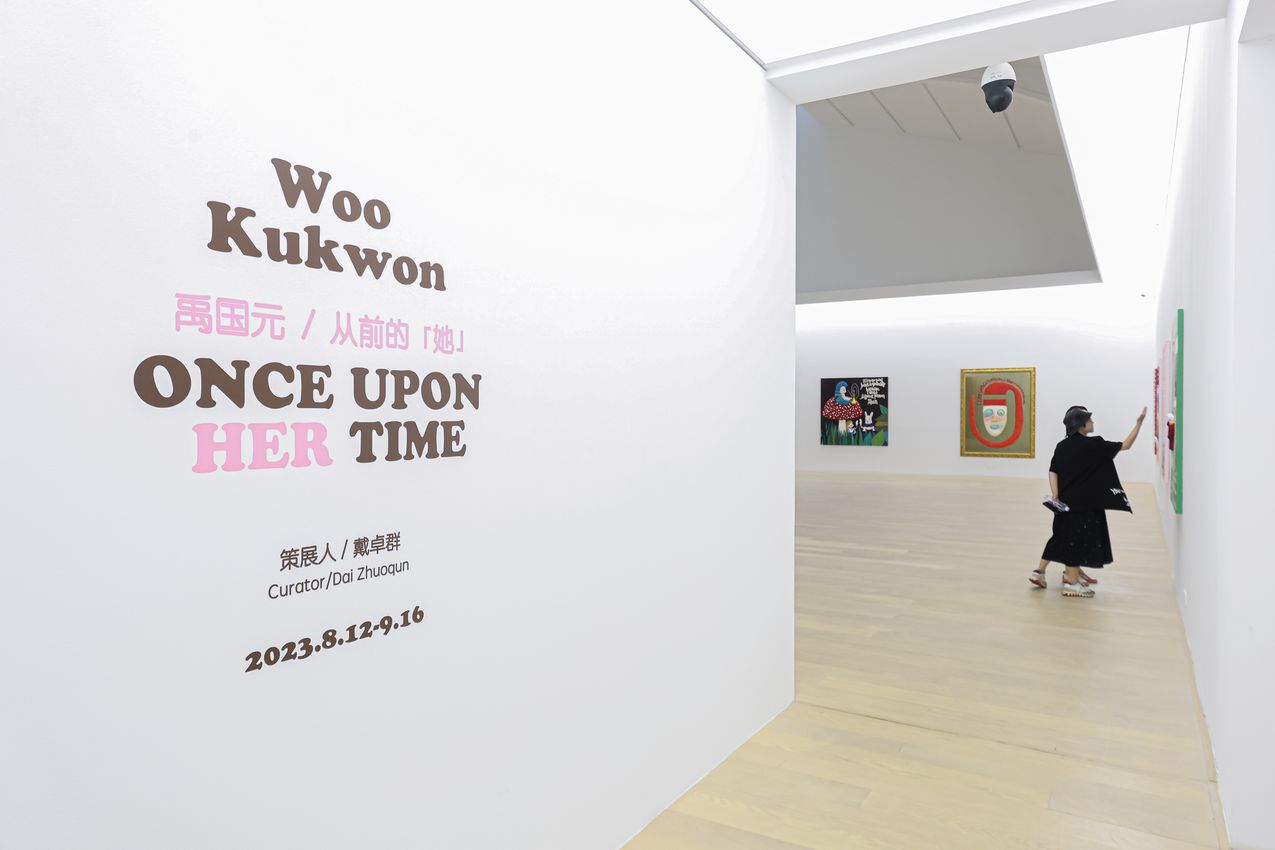
Woo Kukwon possesses a remarkable ability to draw deep inspiration from specific themes and narratives, and skillfully transform them into his own distinct creations. Last year, for his solo exhibition Carnival at Tang Contemporary Art’s Hong Kong space, the artist used biblical stories as the foundation for his creative exploration. Carnival presented over 20 captivating artworks that revolved around themes from Noah’s Ark to the Epistle to the Ephesians. This already hinted at a systematic approach to his work, which has now been further affirmed in his current exhibition “Once Upon Her Time” in Beijing.
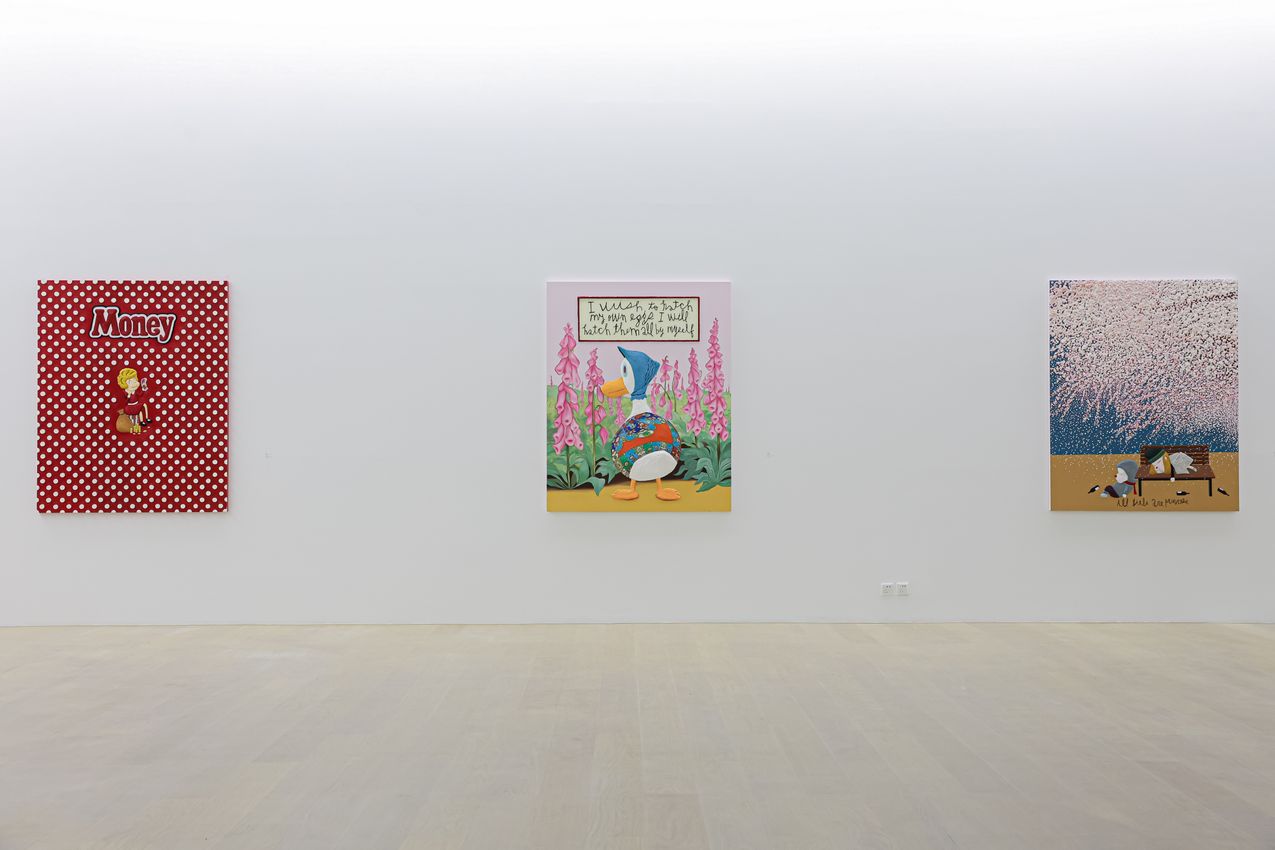
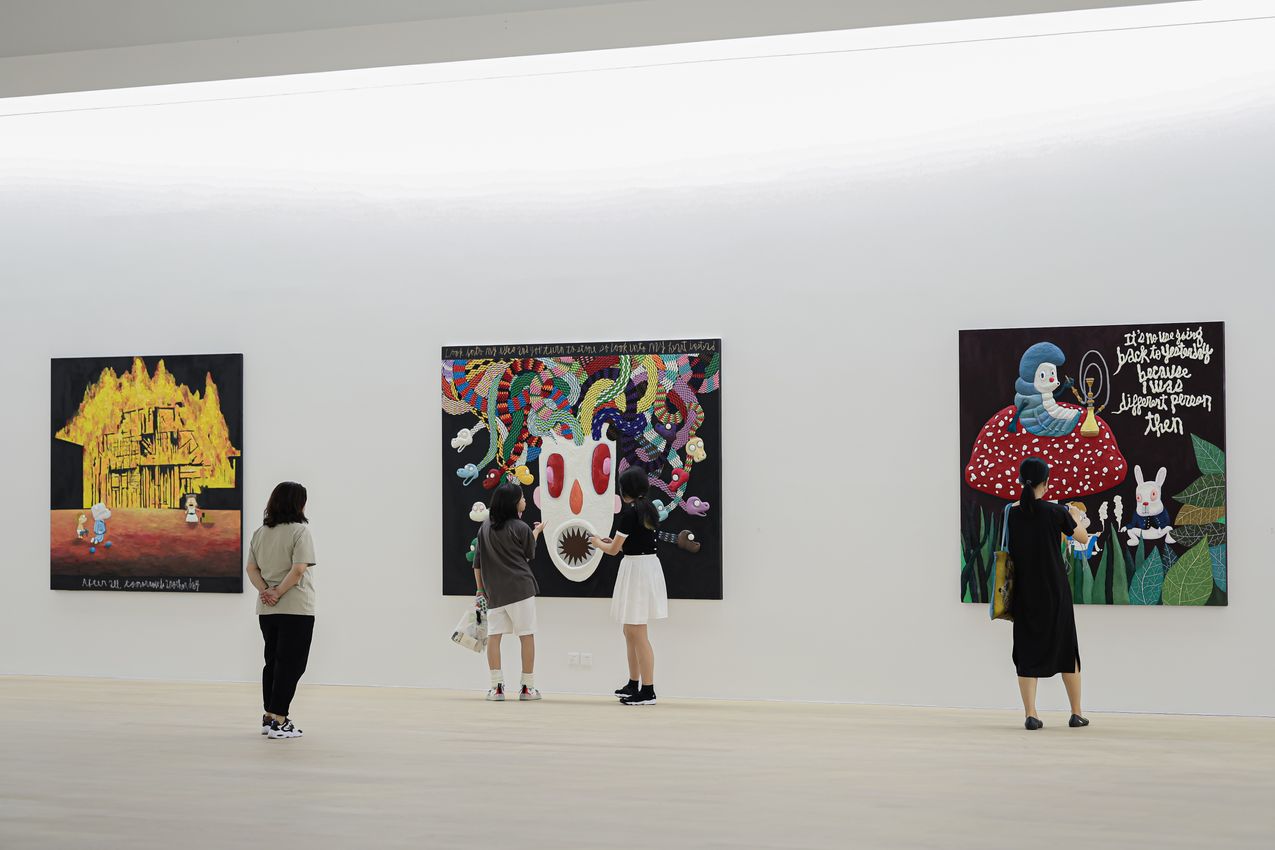
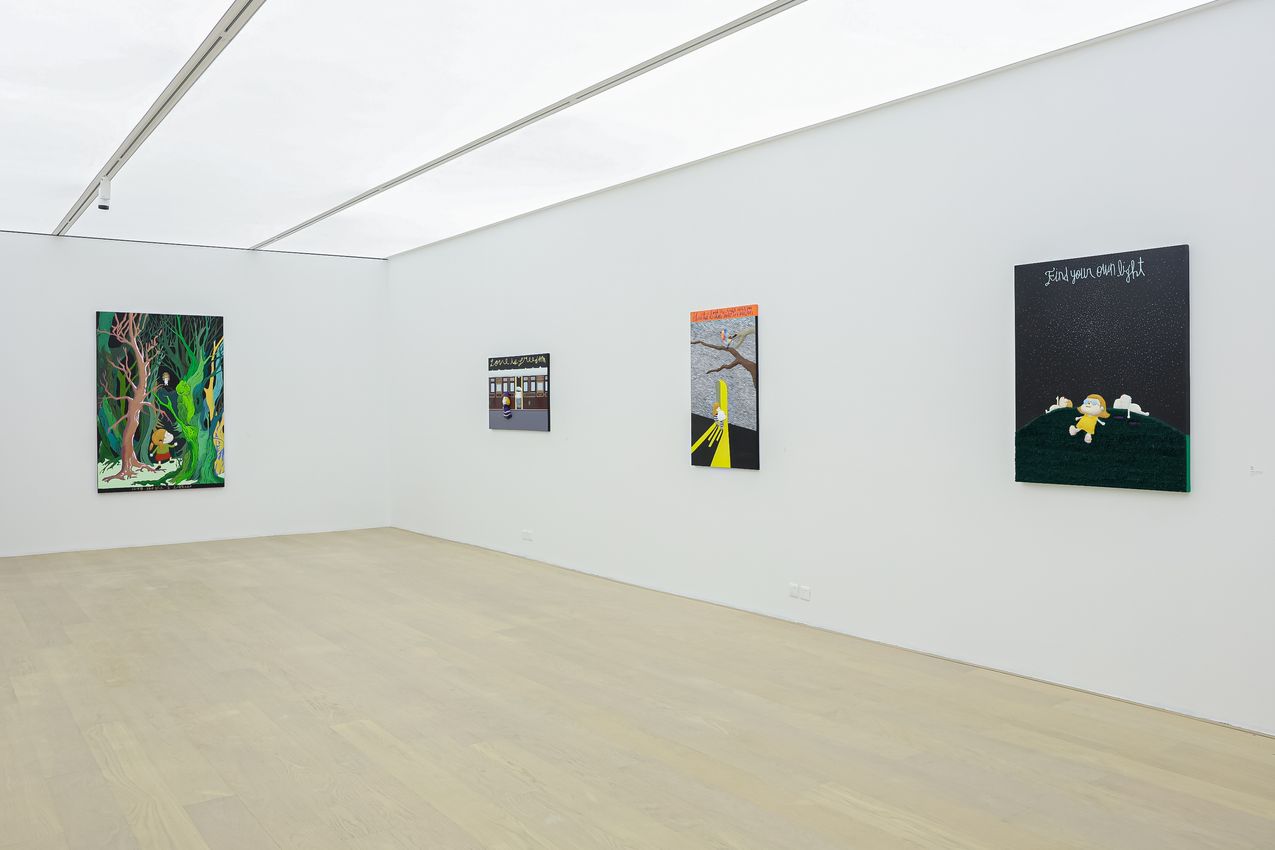
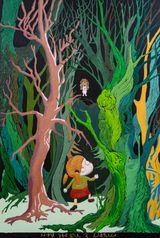
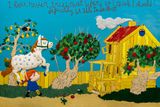
Fairy tales serve as Woo Kukwon’s primal language of expression. His rich and almost layered brushstrokes bring a charming clumsiness to the childlike figures, which adds a sense of contradiction between painting and sculpture. One might even infer that, contextually, terms such as “painting” and “sculpture” feels too conventional: Woo’s works are more like playful doodles with doll-like textures. The forms of the characters and animals resemble both the raw and primitive beings found in ancient rock paintings and the delightfully simple figures from low-resolution electronic games favored by children.
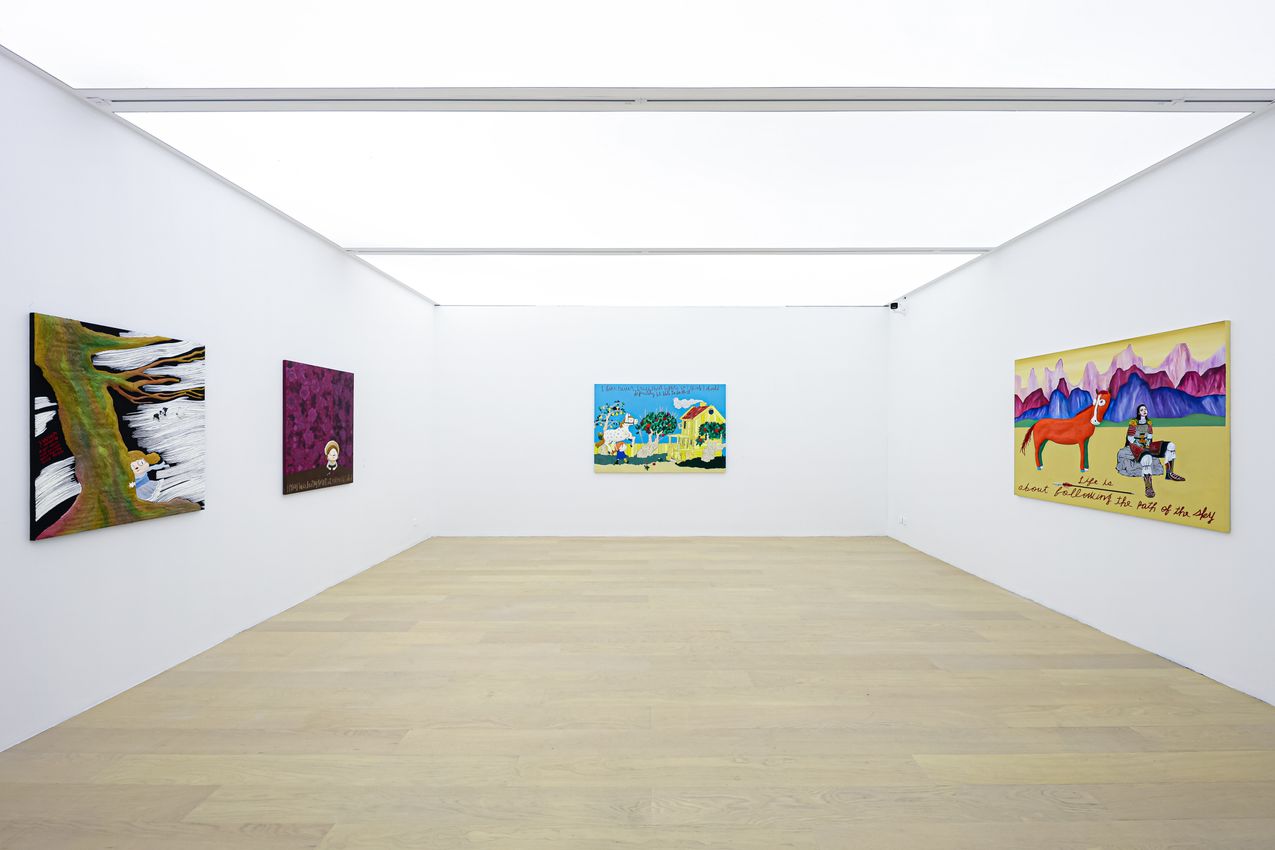
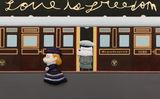
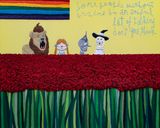
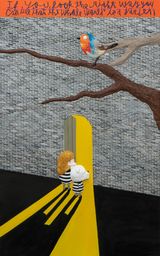
Regarding the interplay of imagery and narrative in his paintings, the artist appears to have established distinct and reliable structures and methods. Notably, the frequently present white puppy and yellow-haired boy—representing the artist—take on the role of bystanders. Additionally, each painting is enriched with a specific textual reference, with a thought-provoking sentence directly inscribed onto the canvas, creating a meaningful intertextual relationship with the depicted imagery and narrative.
Yoo Kukwon skillfully crafts and weaves fairytale-like imagery, but he is not particularly keen on writing fairy tales. Instead, he bids farewell to the notion of eternal childhood, acknowledging that all children eventually do have to grow up to witness the absurdity of the real world and the complexity, cruelty hidden behind fairy tales. Through a childlike lens, Woo Kukwon crafts his symbolic fable-like universe, intensifying the captivating interplay between imagination and reality. Within this realm, life and death intertwine, joys and sorrows coexist, and the perpetual cycle of good and evil unfolds. Everyone ventures through dreamscapes, reveling in fantasies, yet also faces the unyielding embrace of reality.
In the exhibition “Once Upon Her Time”, Woo Kukwon shifts his focus to the female characters from various literary masterpieces. He maintains the previous method of extracting and transforming figures, stories and scenes from these sources, then utilizes his own unique aesthetic approach to weave characters and narratives onto the canvas. The imagery are drawn from classics such as “The Wizard of Oz”, “Hua Mulan”, “Peter Pan”, “Odyssey” and “Pygmalion”. Each artwork is directly named after the female character from the story, and the text within each painting, as always, is sourced directly from the original literary work.
At first glance, Woo Kukwon’s canvas looks like a scene from a fairy tale. Colorfully painted child-like images and thick matiere is the most distinguishable features of his works. Anything that can create the texture as the artist intended, be it a brush, pencil, or finger, becomes a tool. However, if you look closely at the work, it is notperfectly light and cheerful. The liveliness felt in the first impression fades as one gazes at the details or the surrounding environment of the characters in the work, and the cynical sentences overlap, immersing the audience in thought. He leaves interpretation up to the audience, and as his nickname ‘Korean Basquiat’ suggests, he is now the most wanted artist by collectors following his every exhibition.


Tang Contemporary Art was established in 1997 in Bangkok, later establishing galleries in Beijing and most recently Hong Kong. Tang Contemporary Art is fully committed to producing critical projects and exhibitions to promote Contemporary Chinese art regionally and worldwide and encourage a dynamic exchange between Chinese artists and those abroad.

A respected voice in contemporary art discourse.
Focusing on ambitious storytelling and insightful art-world commentary. Ocula Magazine publishes in-depth interviews, critical essays and timely analysis on the artists, exhibitions and ideas driving the global art world.
Learn more about Ocula Magazine
Showcasing the best of the art world.
Ocula partners with galleries from around the world to highlight their artists, artworks and exhibitions. Gallery membership is by application and invitation, with each member vetted by an independent panel.
Learn more about Ocula Membership

Specialises in the sale of major artworks.
Led by a team with deep ties to the world’s leading auction houses, galleries and collectors. Ocula’s advisory team offers bespoke services to high-net-worth clients from around the world who are looking to acquire the best of contemporary and modern art.
Learn more about our team and services