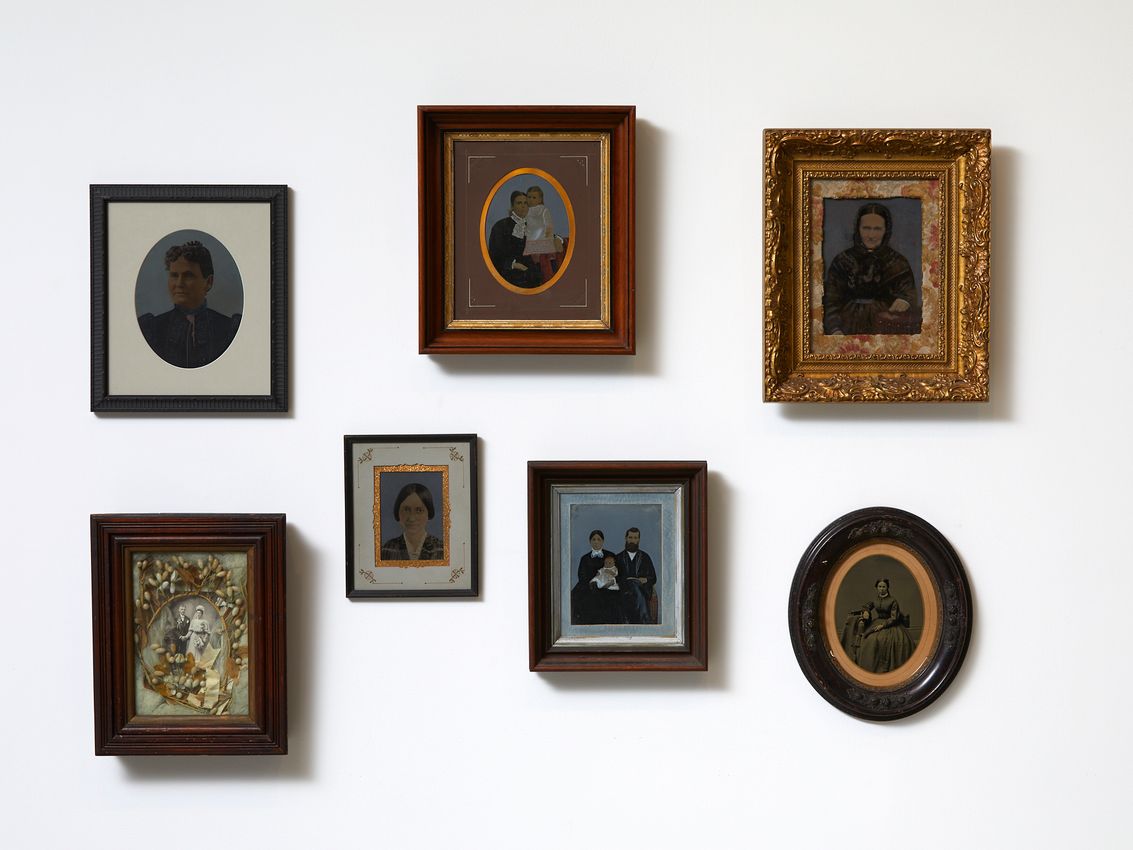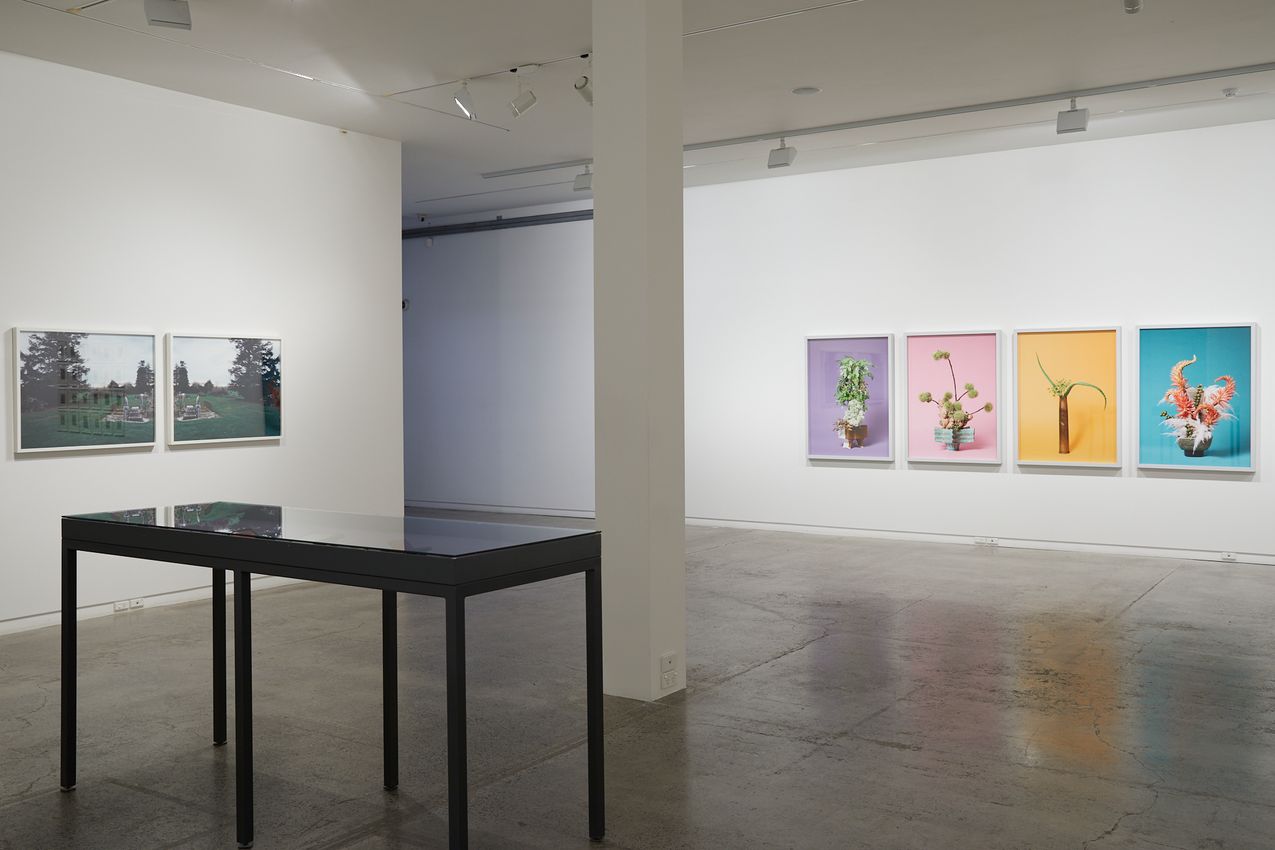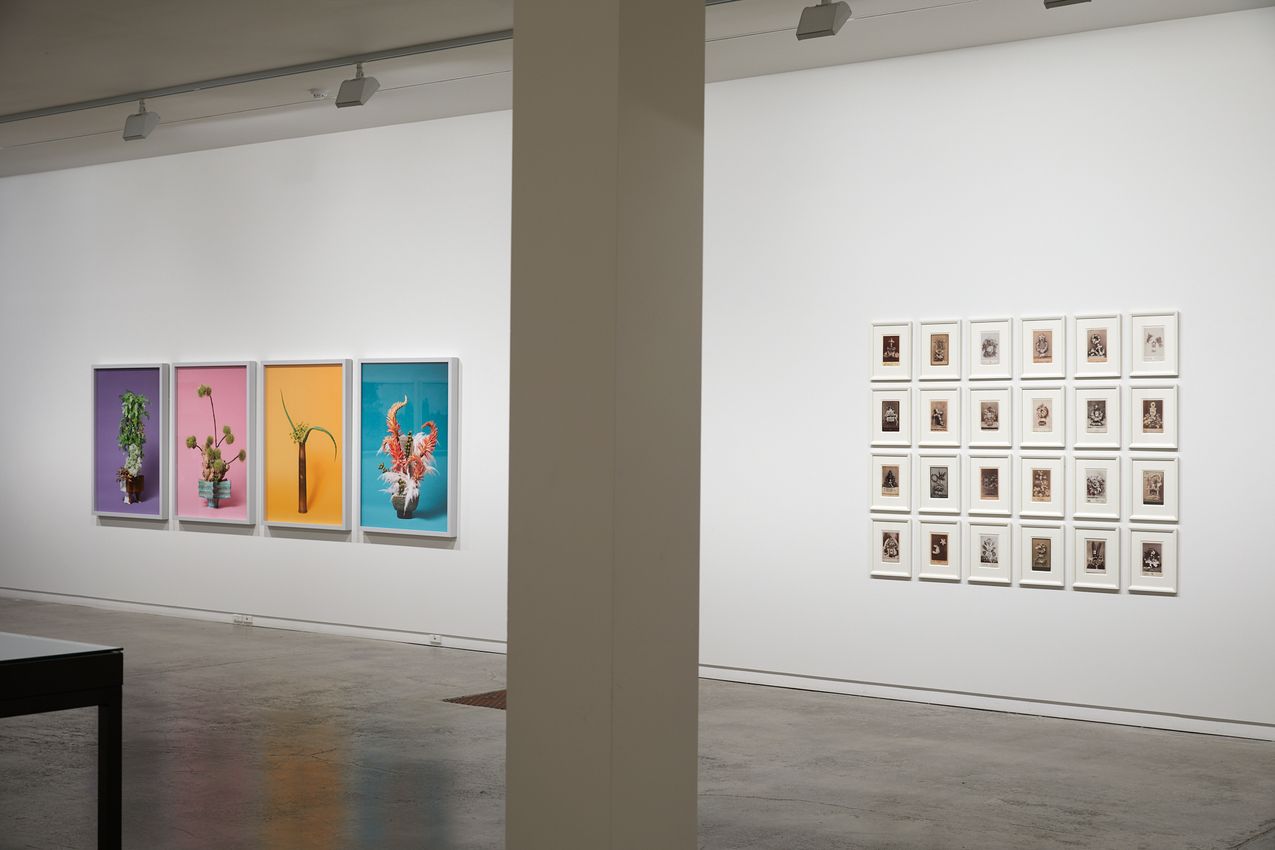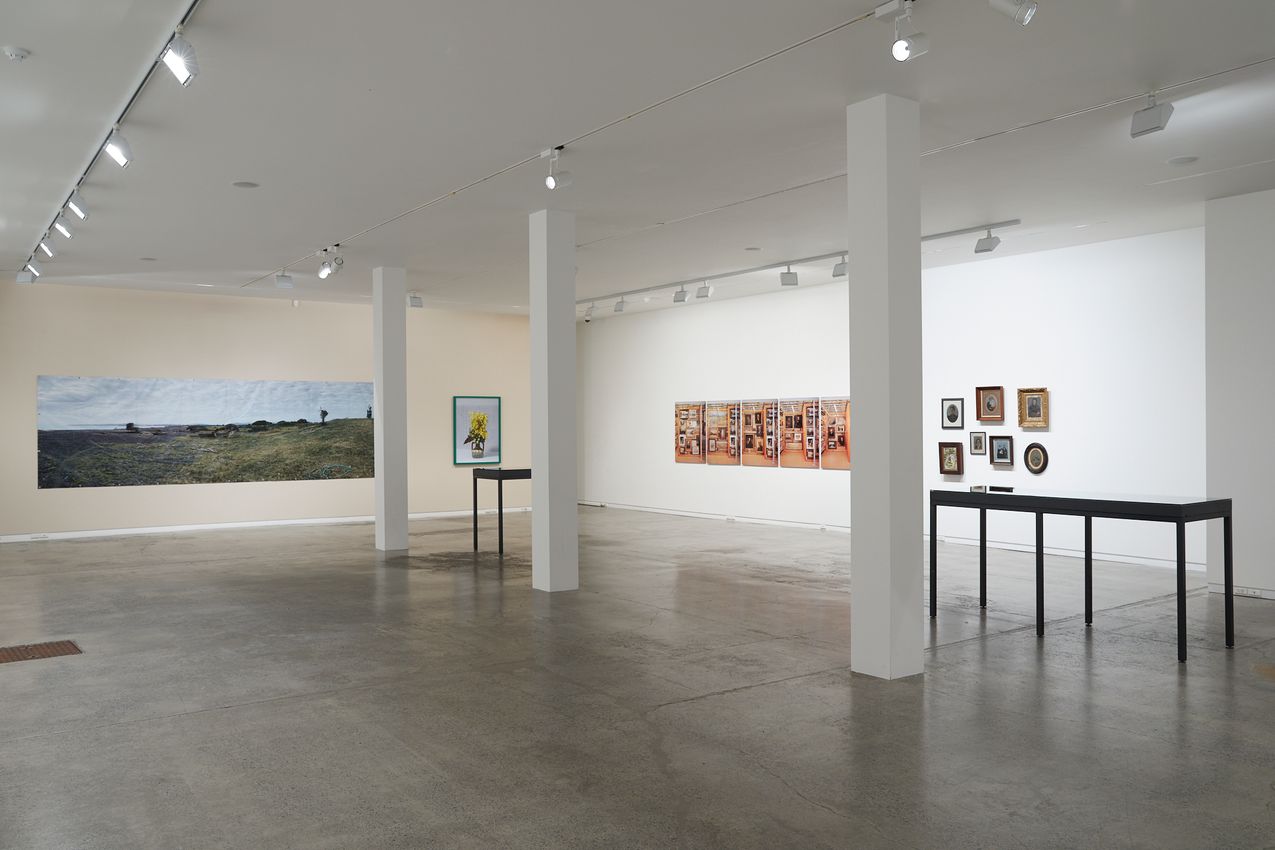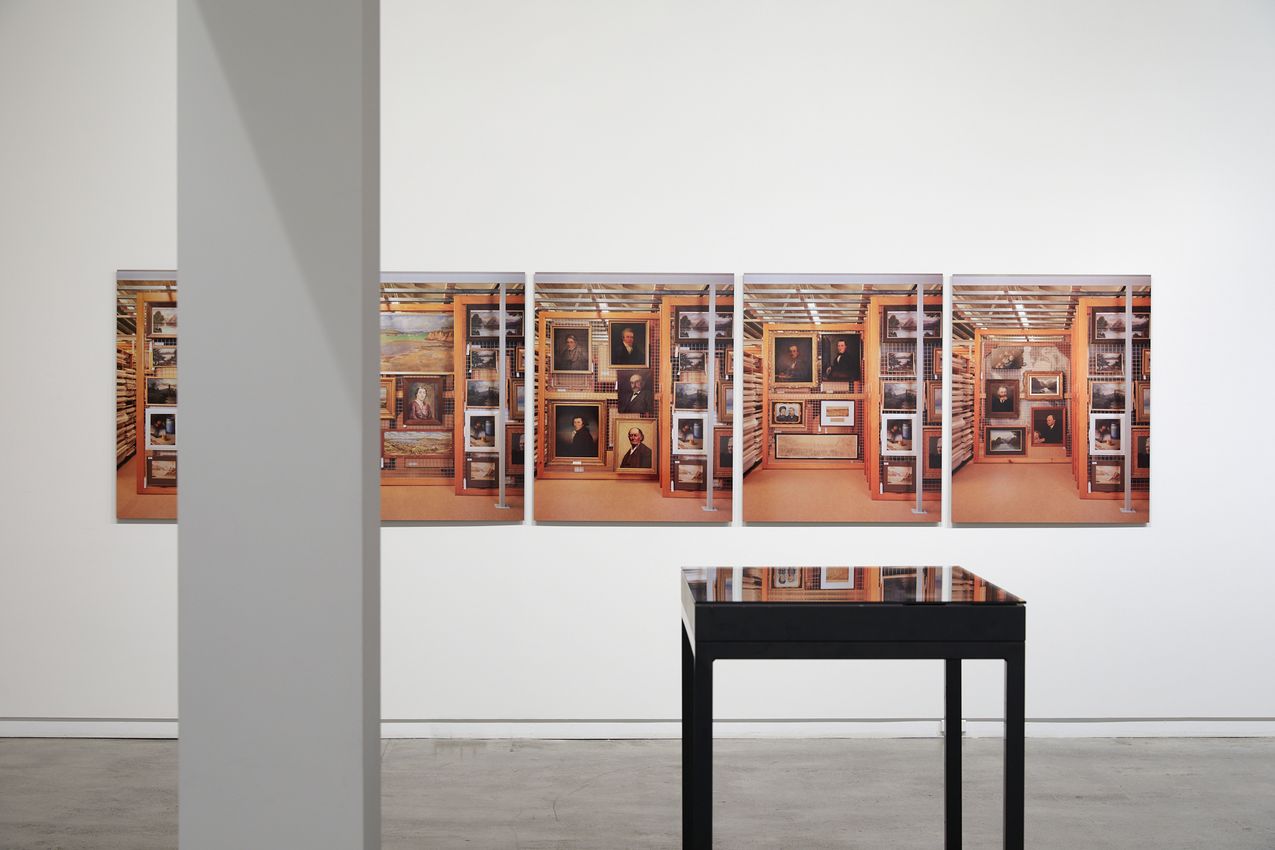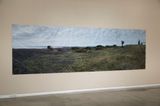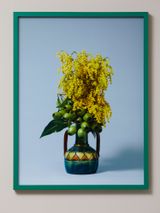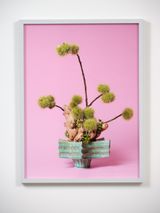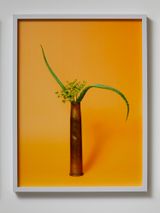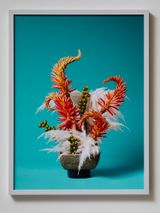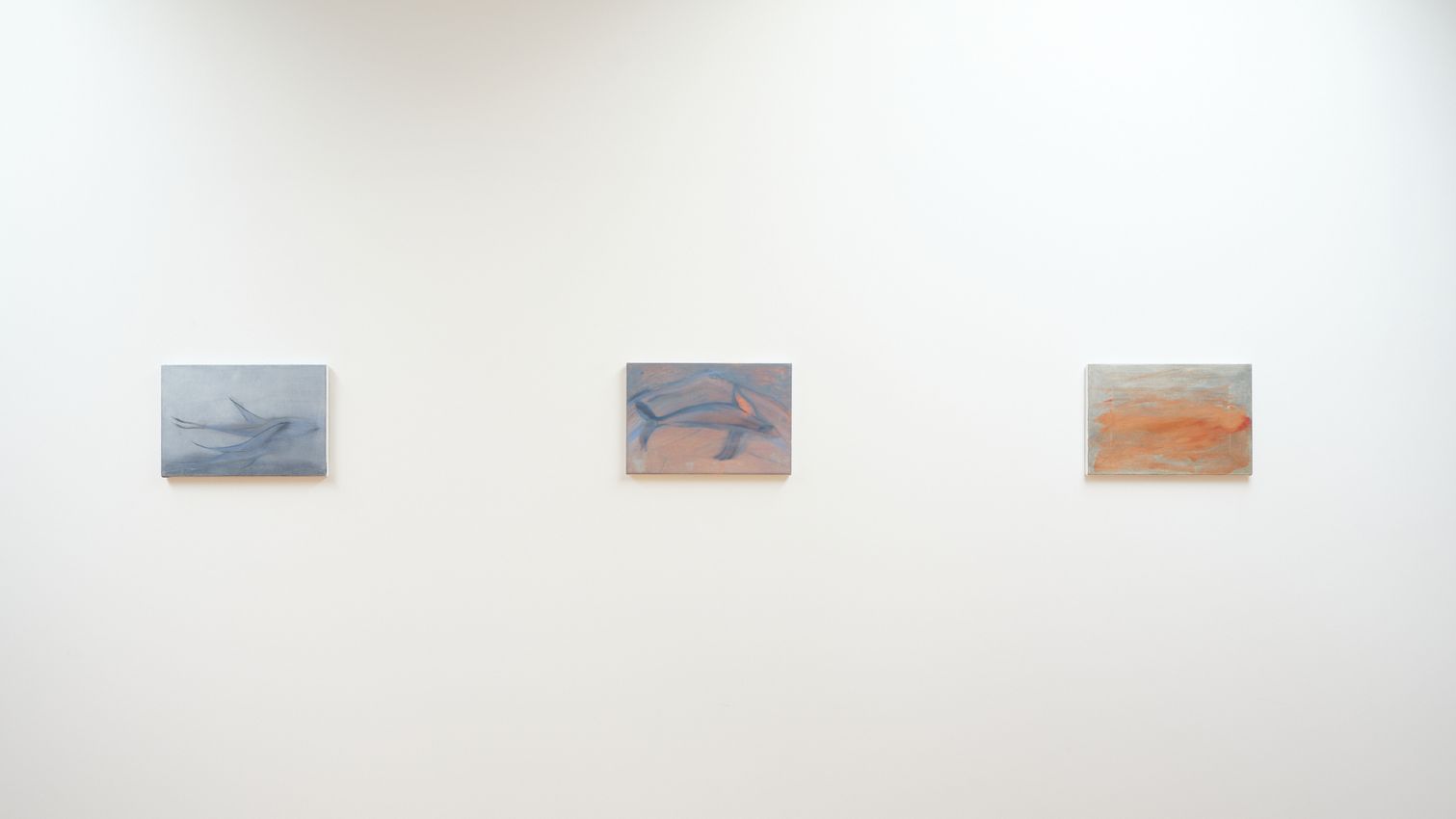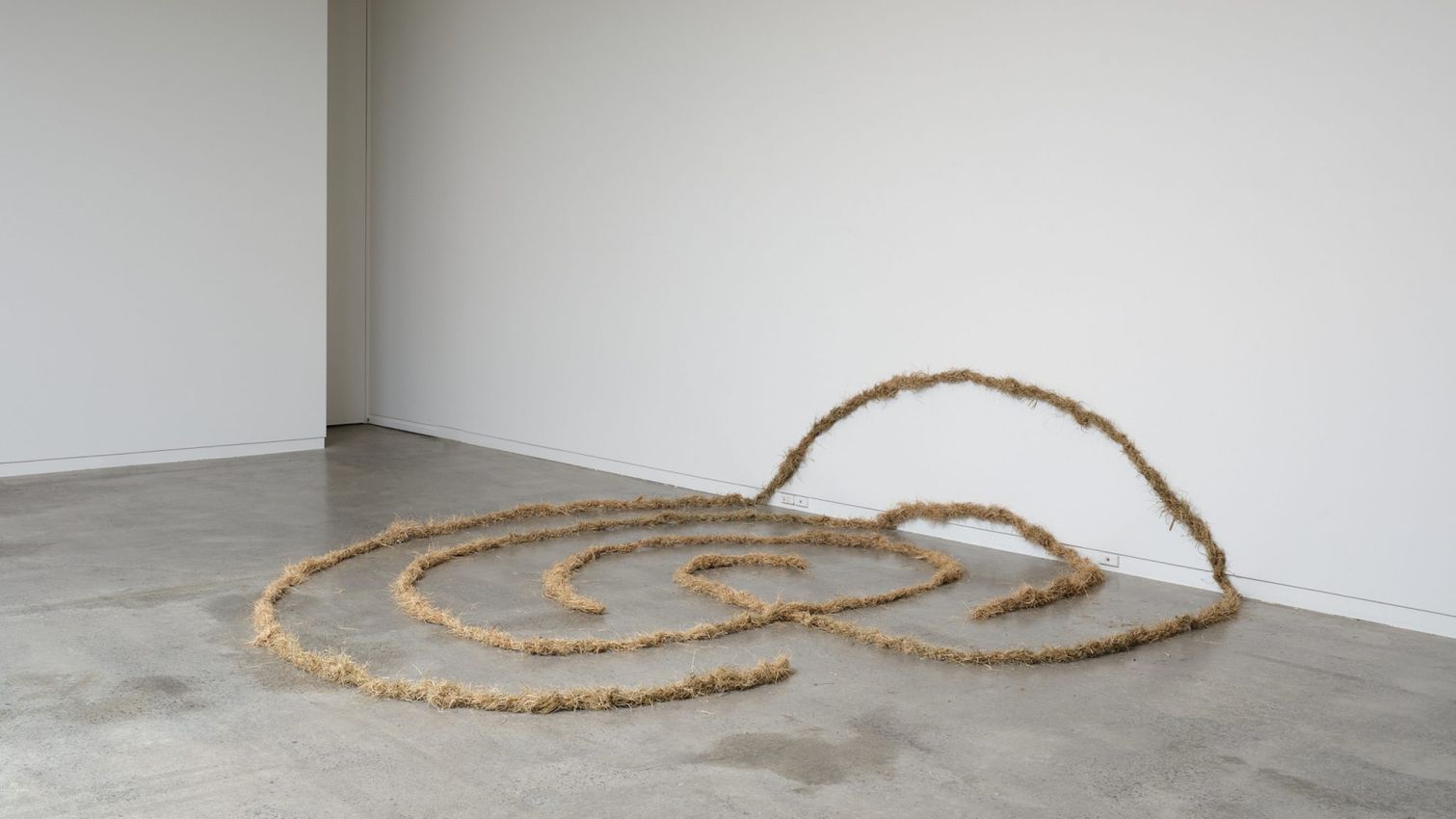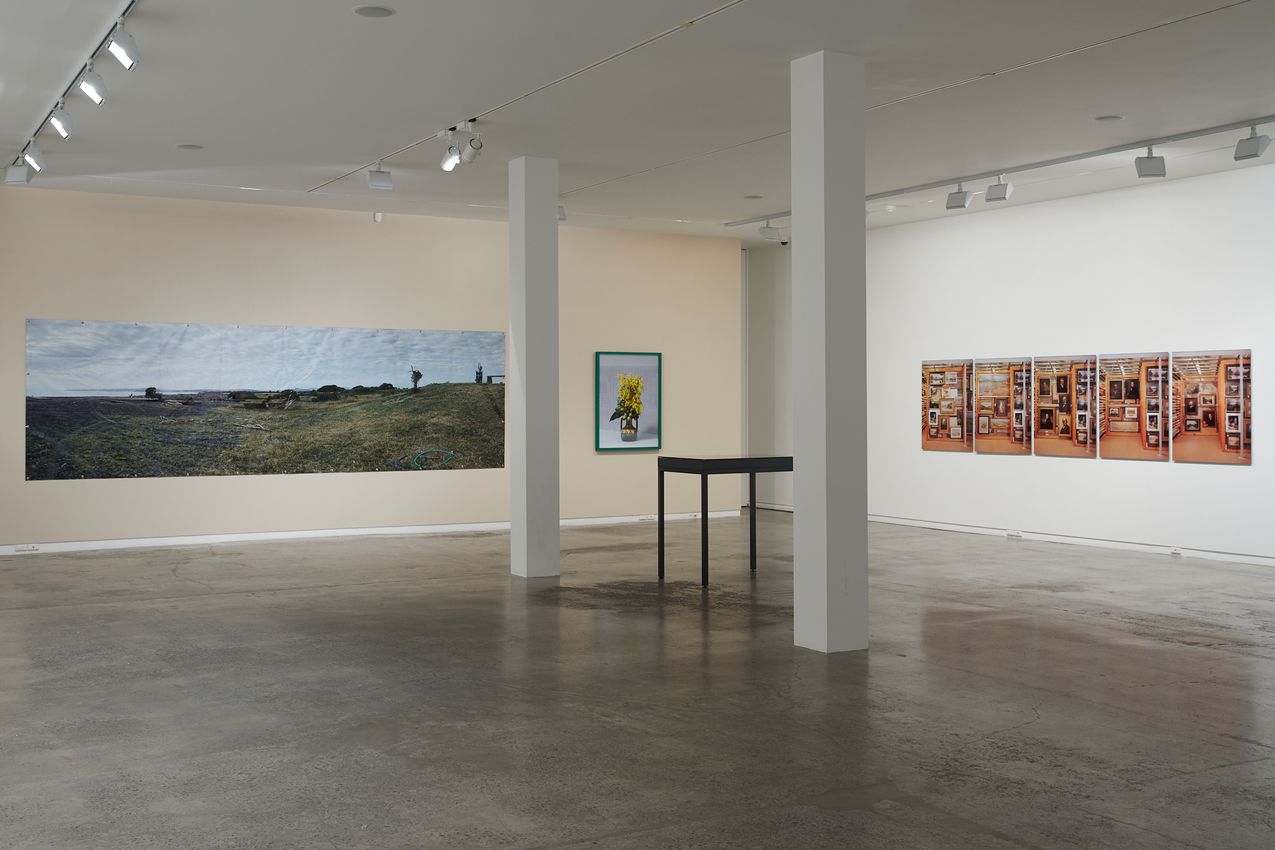
The exhibition sets up conversations between selected works by Ann Shelton (from the period 2001 to 2019), and 19th century historical vernacular photography from a private collection, in order to identify and attend to certain omissions and presences.
Themes in Shelton’s work frequently pivot around aspects of forgotten or suppressed knowledge, instances where female experiences and actions have been overlooked or deemed socially unacceptable or transgressive, or where traumas experienced by women have, through the work, been offered focused attention, and research-engaged investigation.
Shelton’s works presented here, tap into a range of urgent societal concerns and tensions, prioritising female experiences and narratives; including access to abortion, fertility and women’s relationships to crime. The title of the exhibition alludes to the idiom of ‘sailing too close to the wind’, where an individual and/or action is on the verge of something illegal or improper, or when a scenario includes a key agent or character who has intentionally or unknowingly moved towards implied danger or precarity. In its truncated form, ‘close to the wind’ could also extend more towards a feeling of being subject to, or operating in close proximity, to extreme and disruptive forces.
These contemporary art works not only centre female experiences of subjugation, abuse, and suspicion, but also in some cases, of being judged by society as aberrant or unacceptable, such as in the case of ‘baby farmer’ Minnie Dean, the only woman tried and executed, in 1895, in Aotearoa New Zealand for murdering babies in her care. These works of Shelton’s typically do not feature a figurative representation of the subject. The protagonist is physically absent, or unseeable. Instead they explore modes such as allegorical still life, or conceptual approaches to landscape, or material culture traces.
Anne Noble (b. Whanganui, Aotearoa New Zealand) is one of Aotearoa New Zealand’s most widely recognised and respected contemporary photographers. Noble has been at the forefront of photographic practice in New Zealand since first attracting attention in the early 1980s with her acclaimed photographs of the Wanganui River. Noble has since created bodies of work as ‘essays’ or ‘narratives’ that mark her sustained engagement with particular sites and species, most notably her decade-long project on Antarctica. Noble’s images are renowned for their beauty, complexity and conceptual rigour and for their persistent inquiry into the methods through which we perceive and come to understand the natural world.
Two Rooms is a contemporary art exhibition venue located in a converted warehouse in Central Auckland, New Zealand. Opened in August 2006, Two Rooms presents a program of residencies and projects by leading International and New Zealand contemporary artists. The building houses two exhibition spaces, the Project Room and the Long Room.

A respected voice in contemporary art discourse.
Focusing on ambitious storytelling and insightful art-world commentary. Ocula Magazine publishes in-depth interviews, critical essays and timely analysis on the artists, exhibitions and ideas driving the global art world.
Learn more about Ocula Magazine
Showcasing the best of the art world.
Ocula partners with galleries from around the world to highlight their artists, artworks and exhibitions. Gallery membership is by application and invitation, with each member vetted by an independent panel.
Learn more about Ocula Membership

Specialises in the sale of major artworks.
Led by a team with deep ties to the world’s leading auction houses, galleries and collectors. Ocula’s advisory team offers bespoke services to high-net-worth clients from around the world who are looking to acquire the best of contemporary and modern art.
Learn more about our team and services