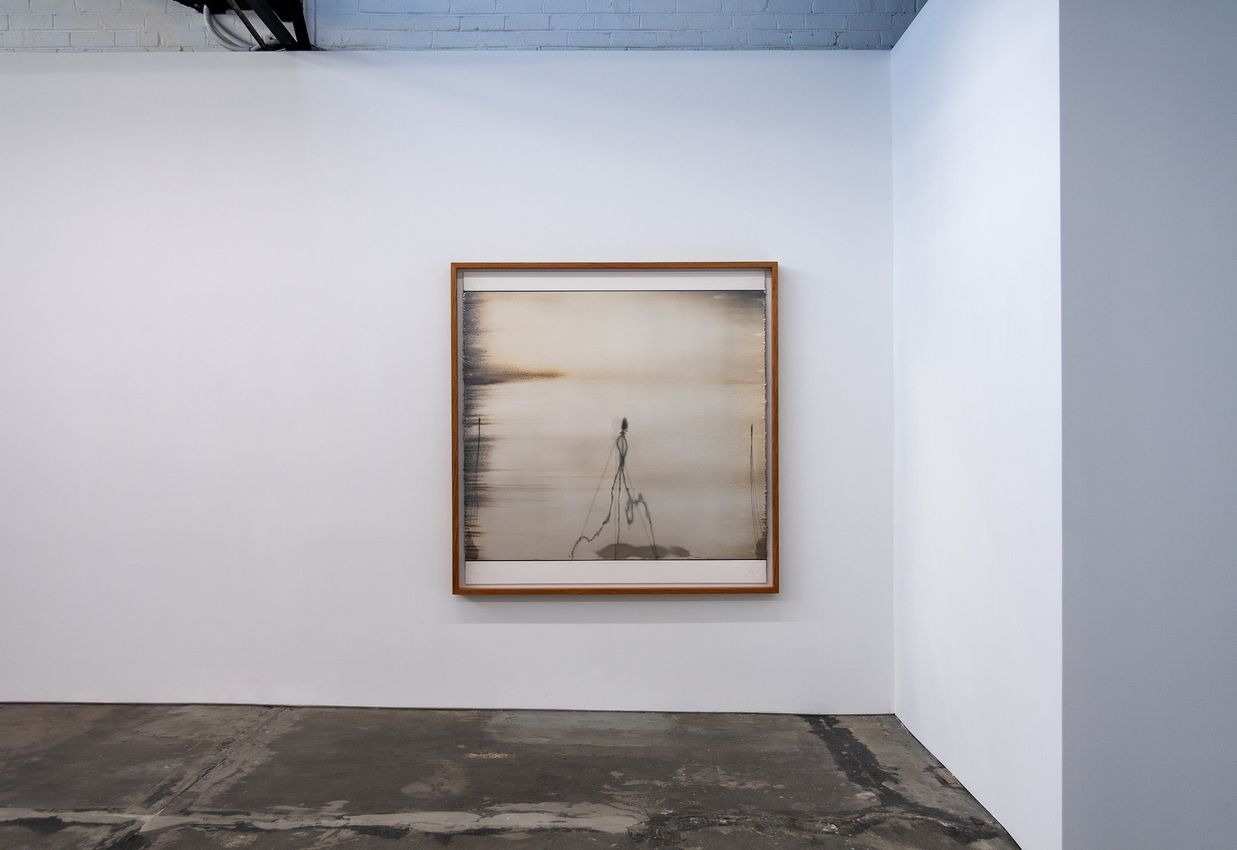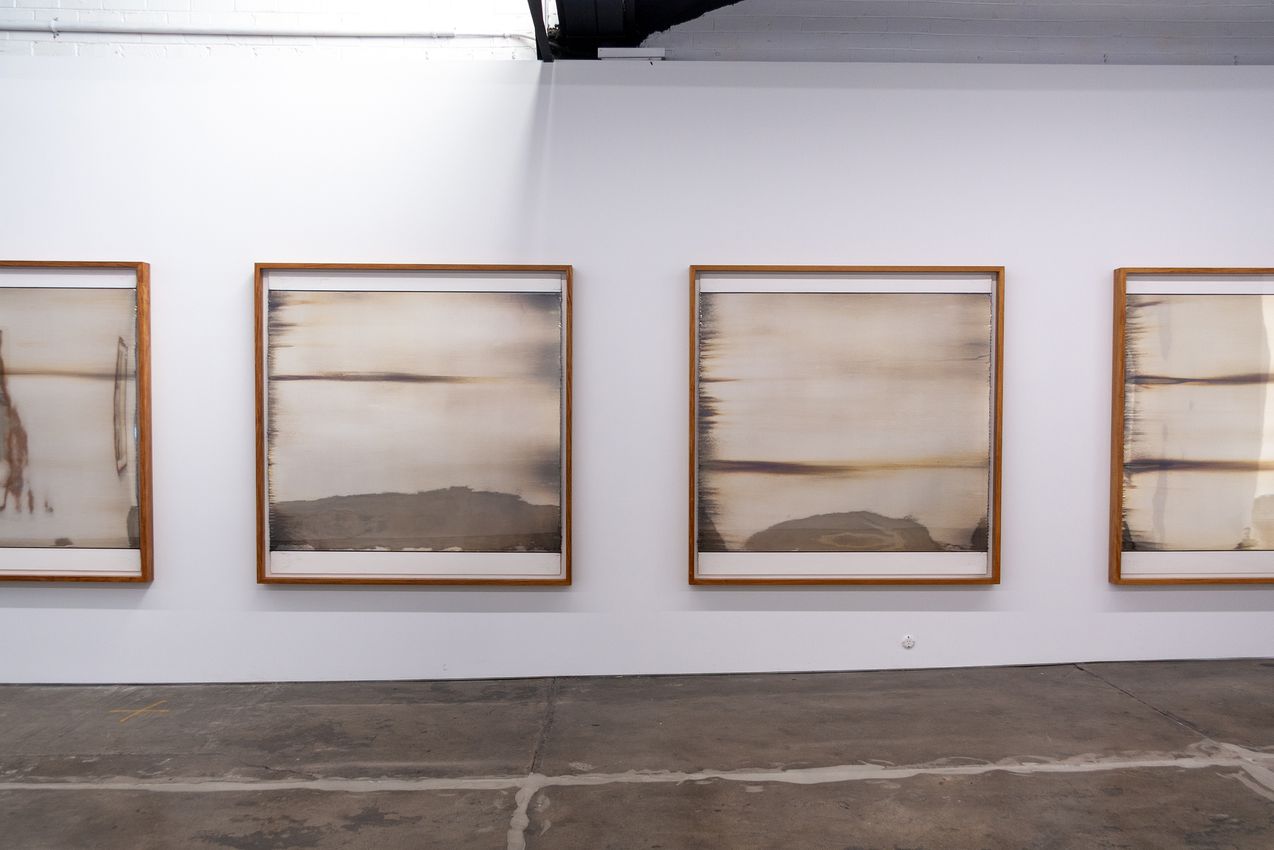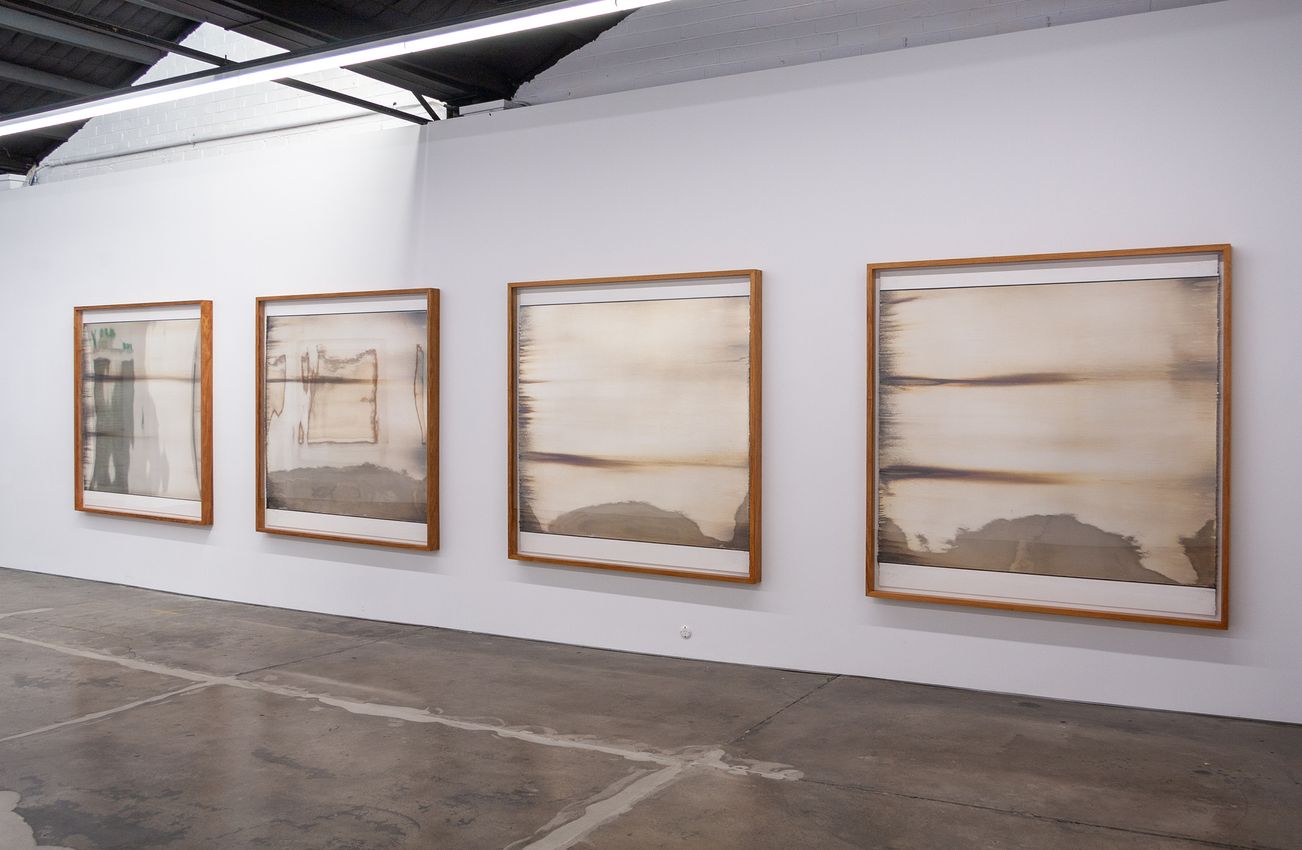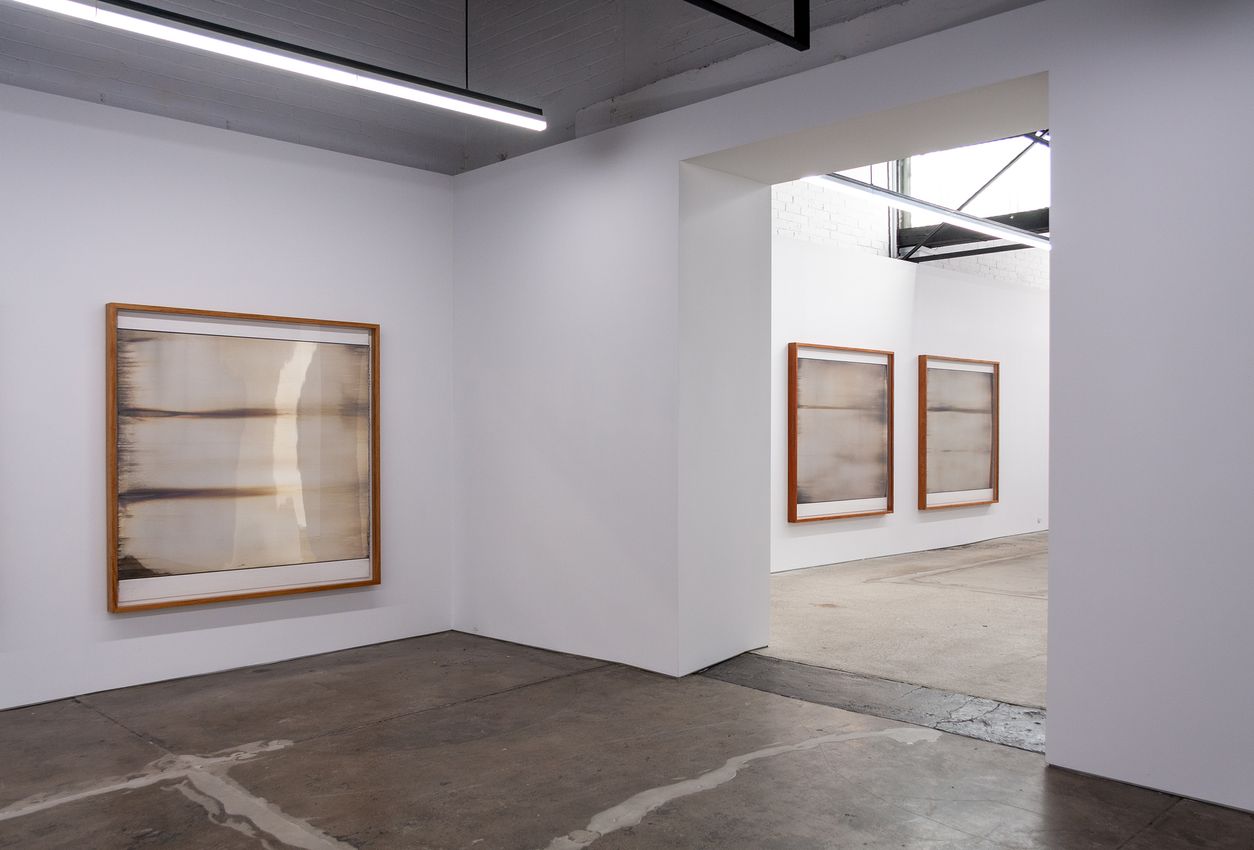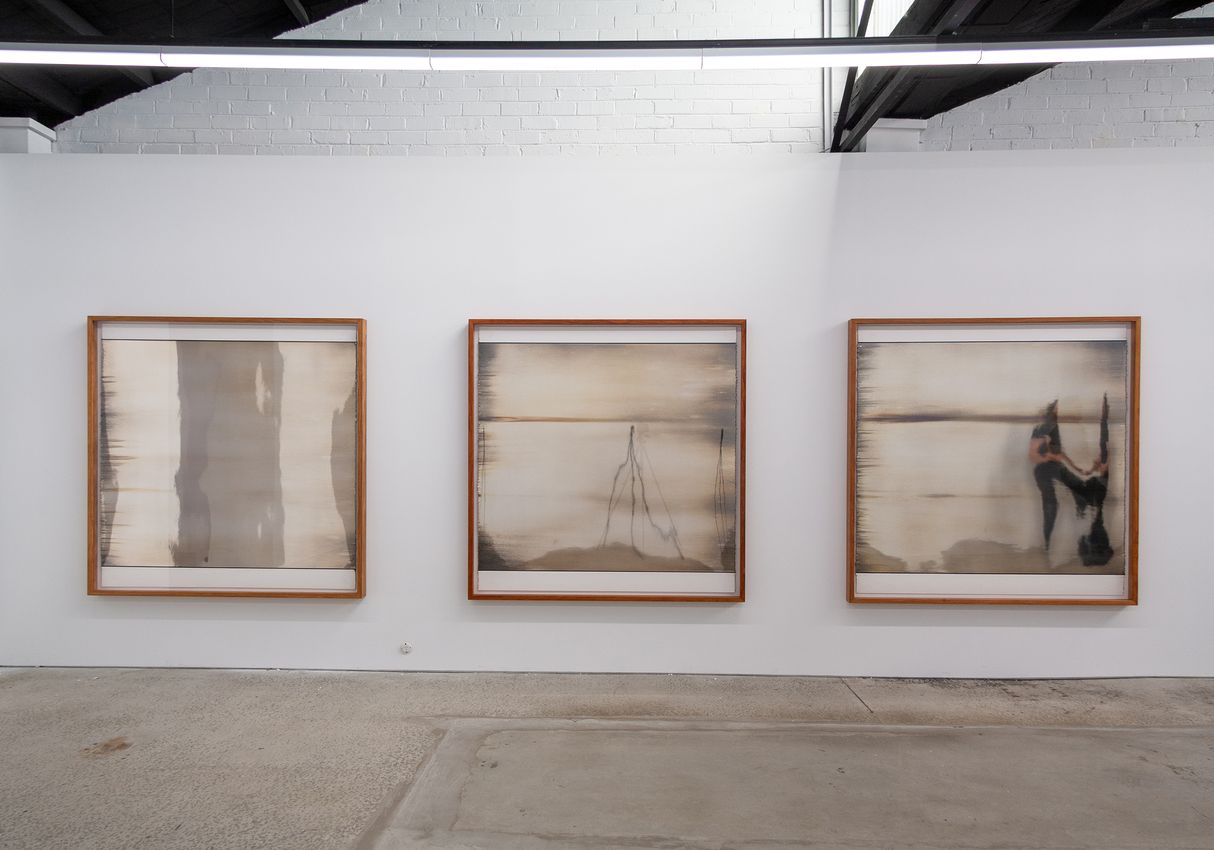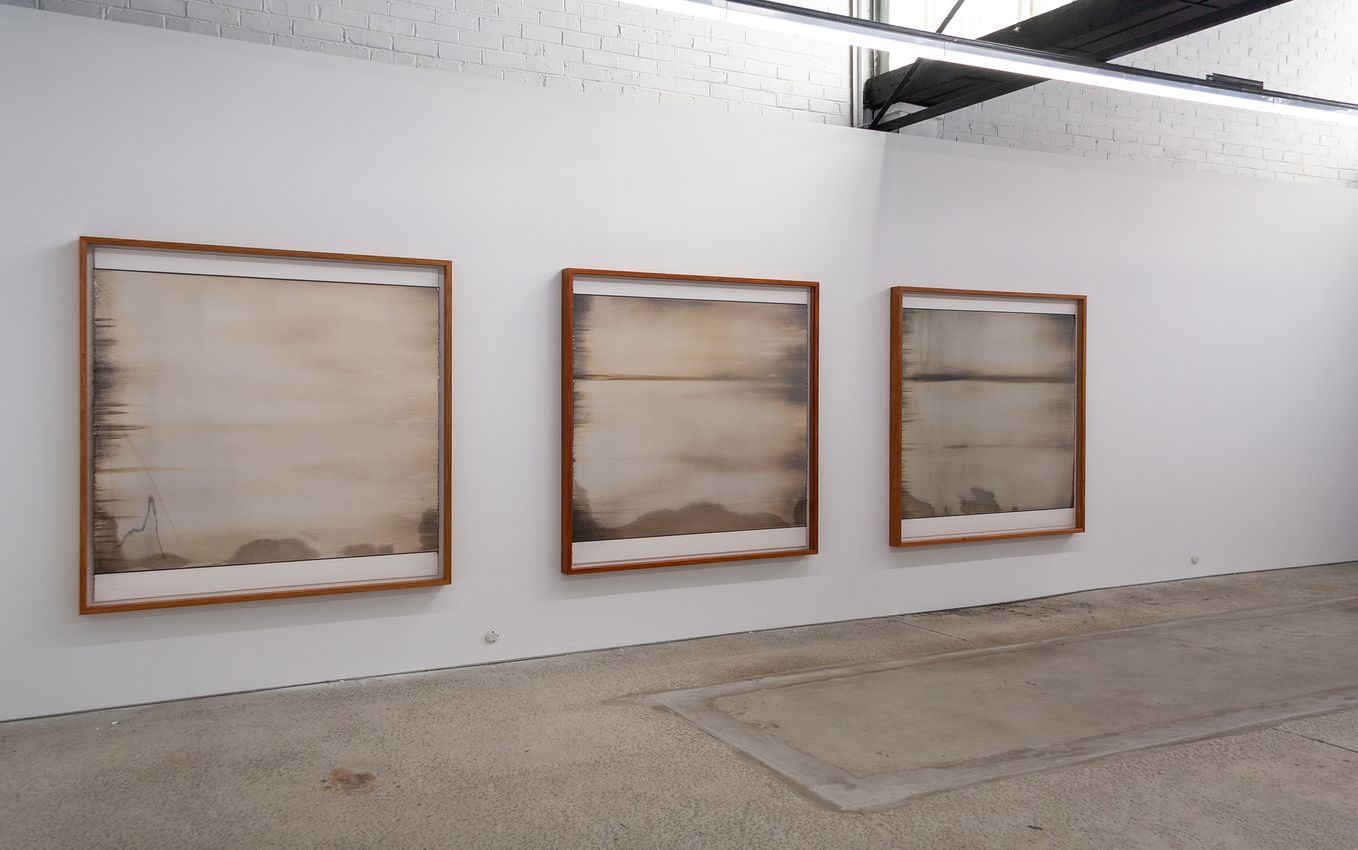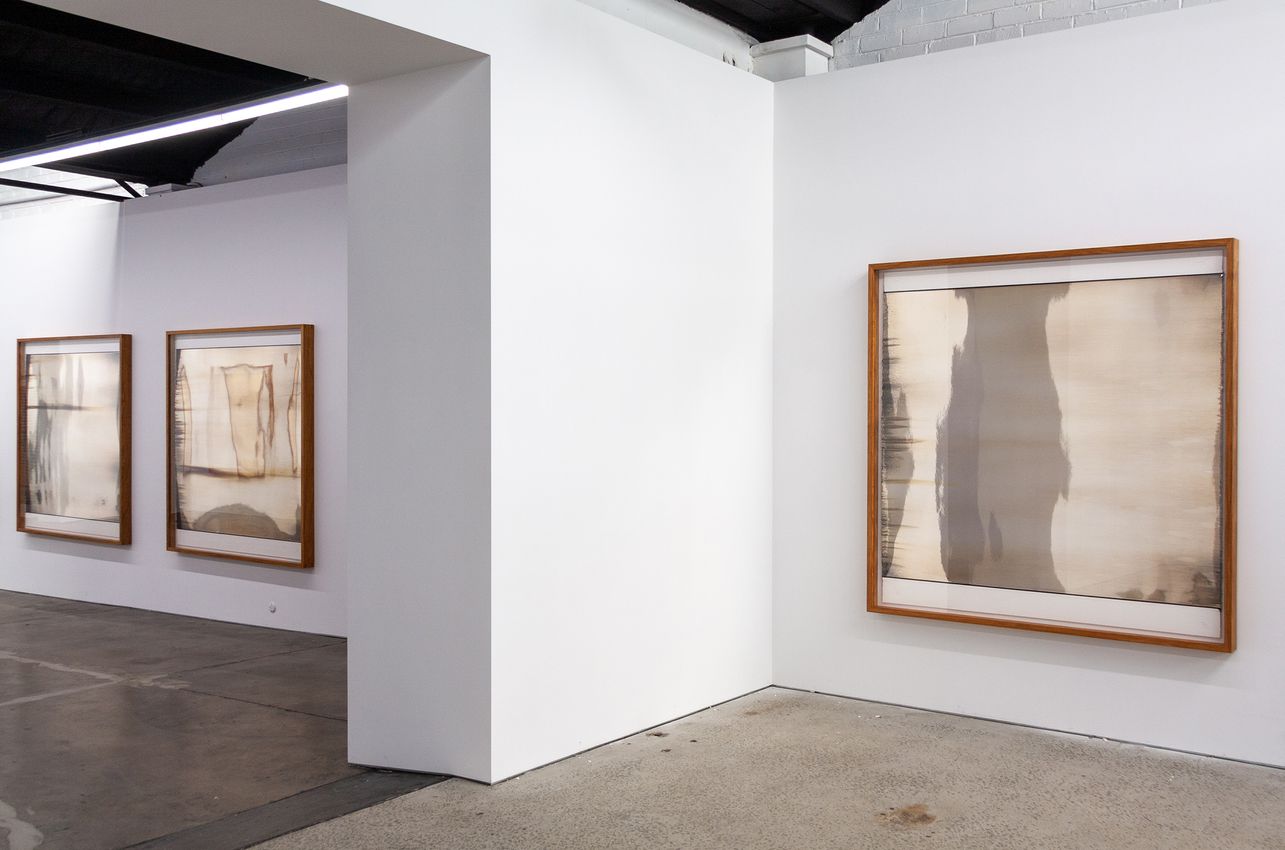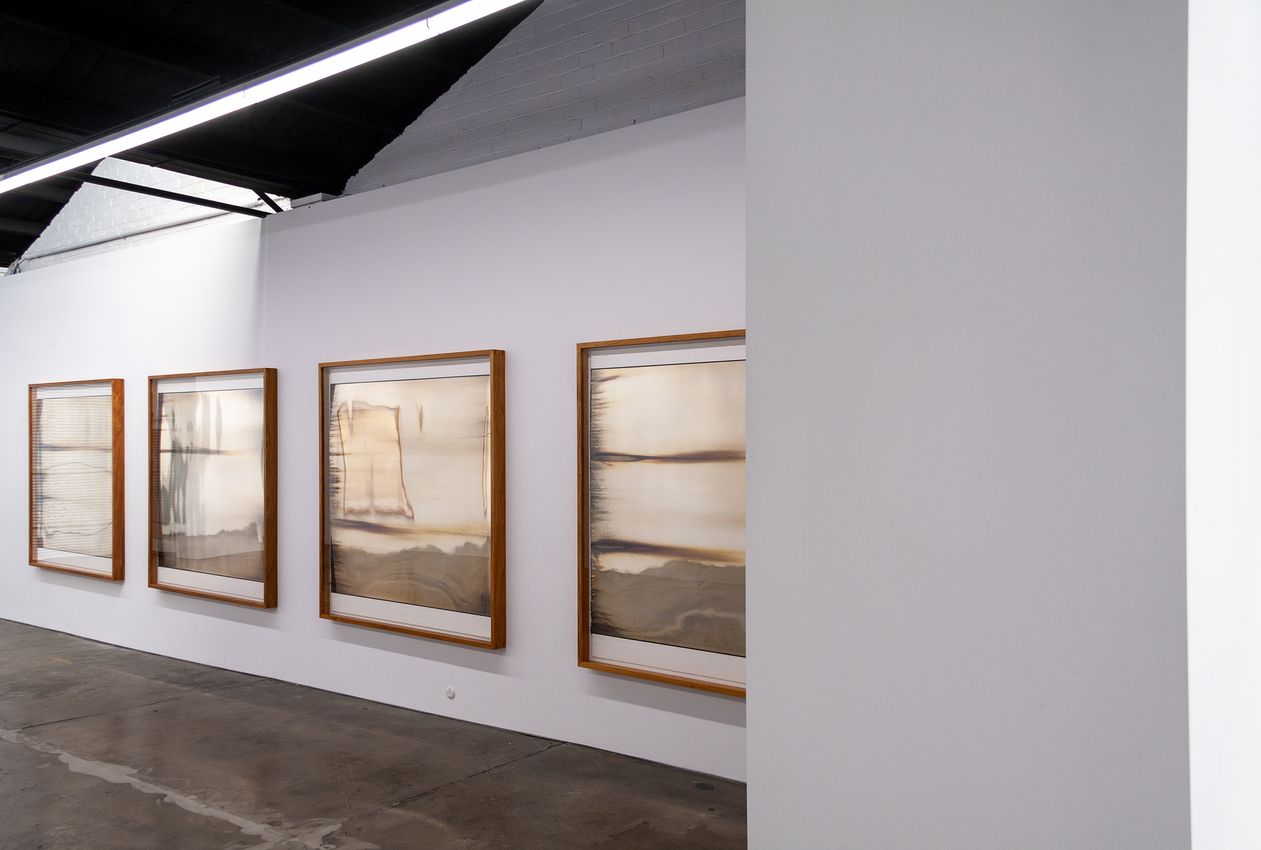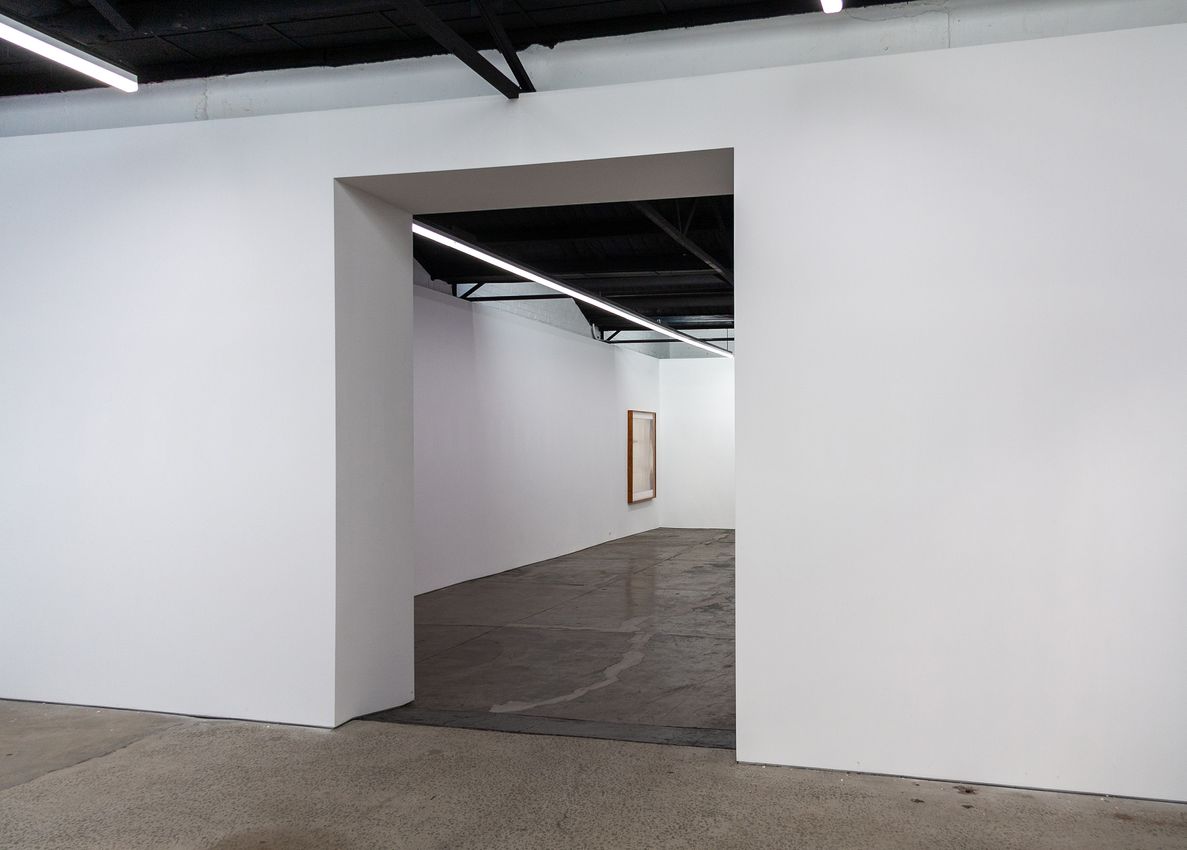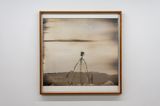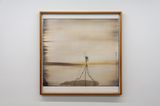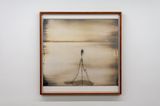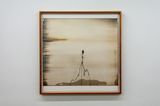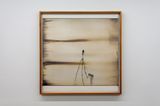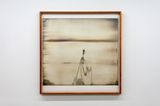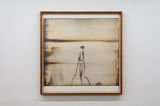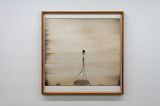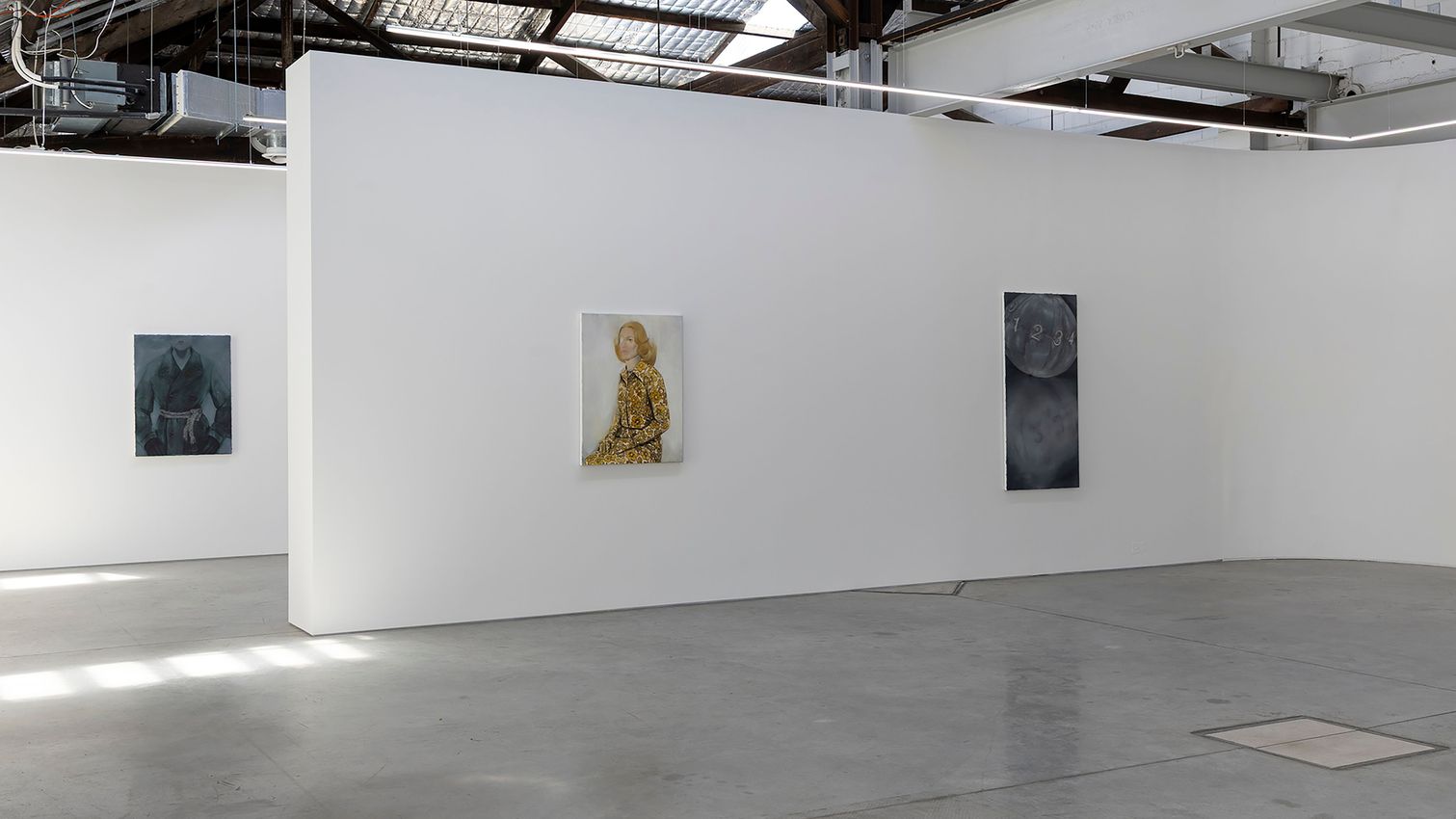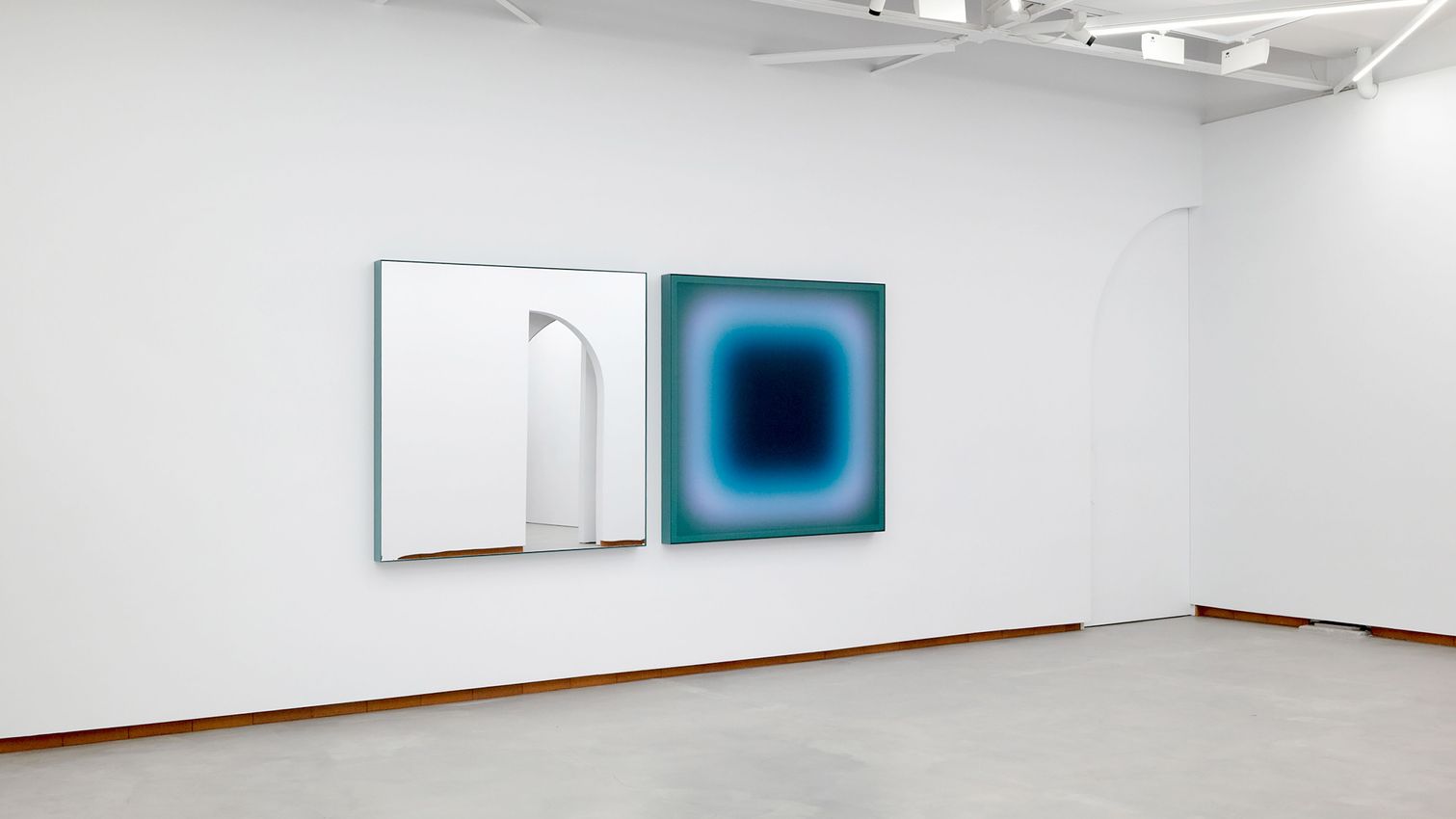




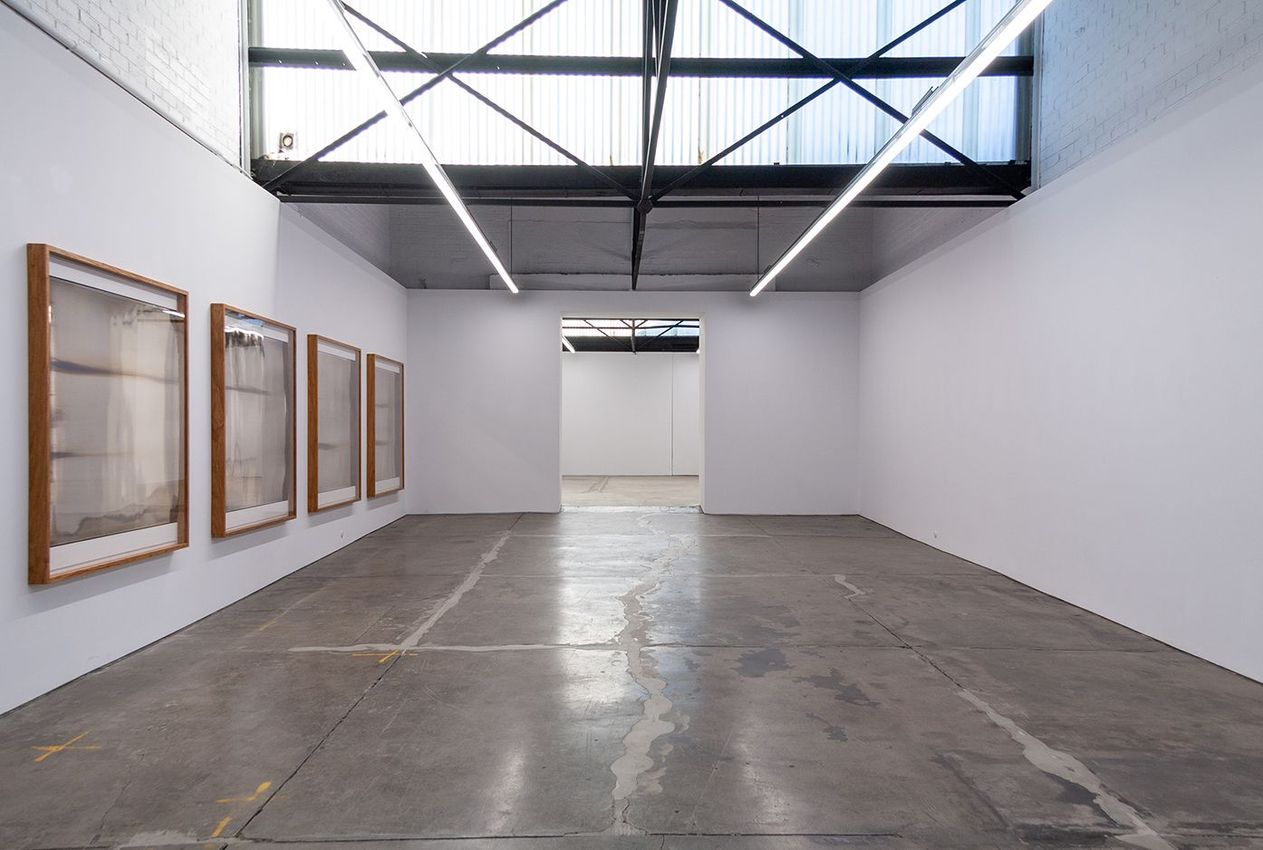
These pictures are complex and confusing, alluring and captivating; there are eight of them, but each one holds an endless number of possibilities within it. Commonly referred to as “mirror paintings”, these works have come into being as a way for the artist to reflect contemporary culture and diverse models of representation — a device to engage with our world but through a foggy lens. They are mirrors of deception, a quality best described by the greatest cataptromaniac, Jorge Luis Borges:
I, who have felt the horror of mirrors
Not only in front of the impenetrable crystal
Where there ends and begins, uninhabitable,
An impossible space of reflections,
The term catoptromancy references the art of divination using a mirror, explored in numerous cultures such as Ancient Egypt, China and India, and in Ancient Rome the priests who enacted this went by the name, specularii. The specularii would use polished metal mirrors to gaze into the future and seek guidance from the gods — speculators of the future. “For the cataptromanic mirrors are partitions that no longer reflect worldly reality but rather end the once-bilateral relation between this ‘circumscribed existence’ and the world at large”, notes author Jason Bahbak Mohaghegh. Again, they are deceptive.
To talk of the materiality of these mirrors is first to talk of them as paintings — a sage label — but they are equally works on paper and cameraless photographs. Though perhaps they are best viewed as alchemical experiments containing complex gestures. The surface we view — this foggy reflective lens — is made with silver nitrate, but its complexity is the result of a labour-intensive process of layering and working back into the substrate. Viewers are inescapably drawn in, only to be taken aback, finding confusion as their reflection and understanding of the work warps within the artist’s (cataptromaniac’s) beguiling take on abstraction.


Coen Young’s distinctive practice is grounded in painting, but his use of materials and techniques sees these densely layered works extend both form and narrative with the assistance of other artistic means. Drawing from a deep interest in material possibilities, Young institutes painting as a critical medium to link fundamental aesthetic questions and formal thinking to reflect on contemporary culture and models of representation in art, technology and society. Young’s most notable works of the past decade — his ongoing, singular mirror paintings — undergo an alchemical process akin to early photography where the presence of silver nitrate establishes a playfully fragile equilibrium between the object and its environment. The rich reflective surfaces accentuate the unique marks formally created through an anomalous preparation of the support where a labour-intensive process leads to highly crafted and captivating objects. Viewers are inescapably drawn in, only to be taken aback, finding confusion as their reflection — and understanding of the work — warps within the artists beguiling take on abstraction.


A respected voice in contemporary art discourse.
Focusing on ambitious storytelling and insightful art-world commentary. Ocula Magazine publishes in-depth interviews, critical essays and timely analysis on the artists, exhibitions and ideas driving the global art world.
Learn more about Ocula Magazine
Showcasing the best of the art world.
Ocula partners with galleries from around the world to highlight their artists, artworks and exhibitions. Gallery membership is by application and invitation, with each member vetted by an independent panel.
Learn more about Ocula Membership

Specialises in the sale of major artworks.
Led by a team with deep ties to the world’s leading auction houses, galleries and collectors. Ocula’s advisory team offers bespoke services to high-net-worth clients from around the world who are looking to acquire the best of contemporary and modern art.
Learn more about our team and services