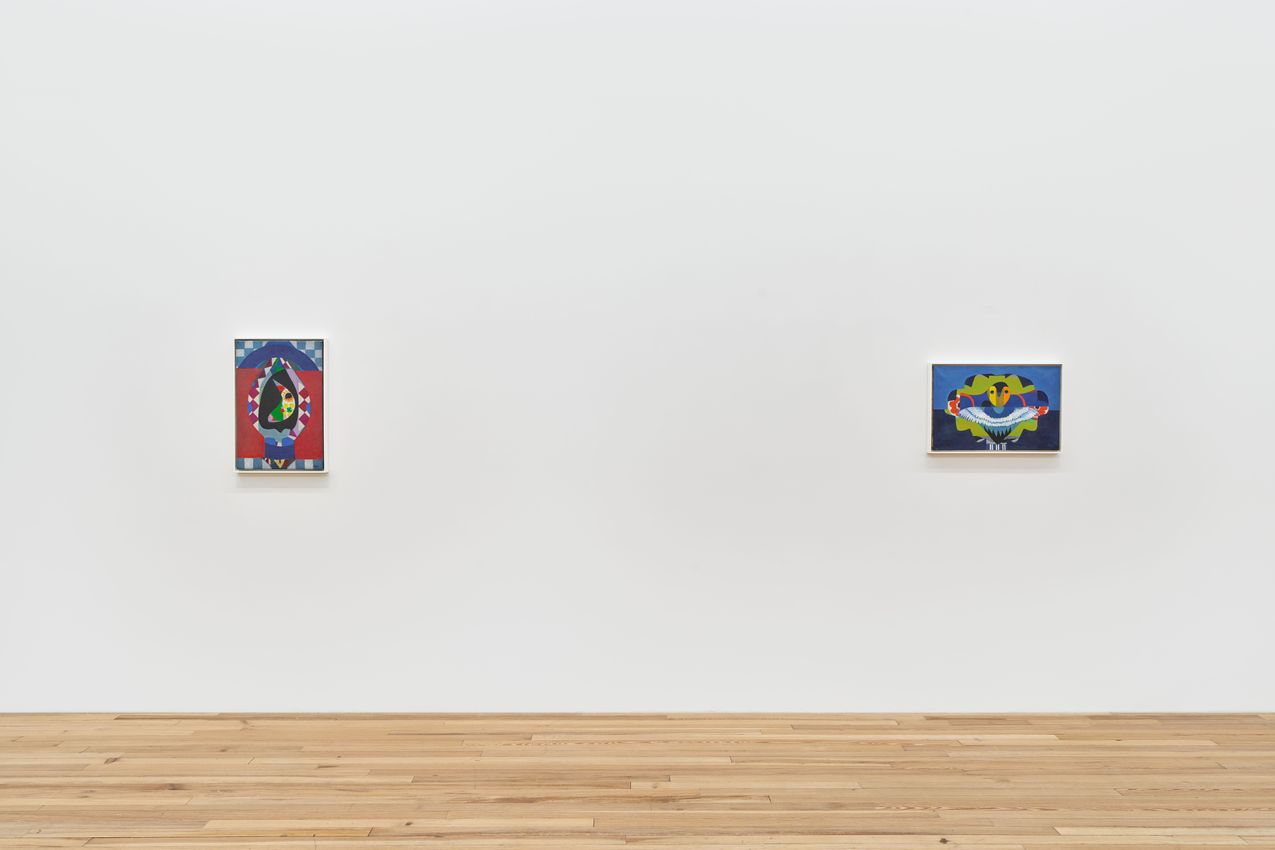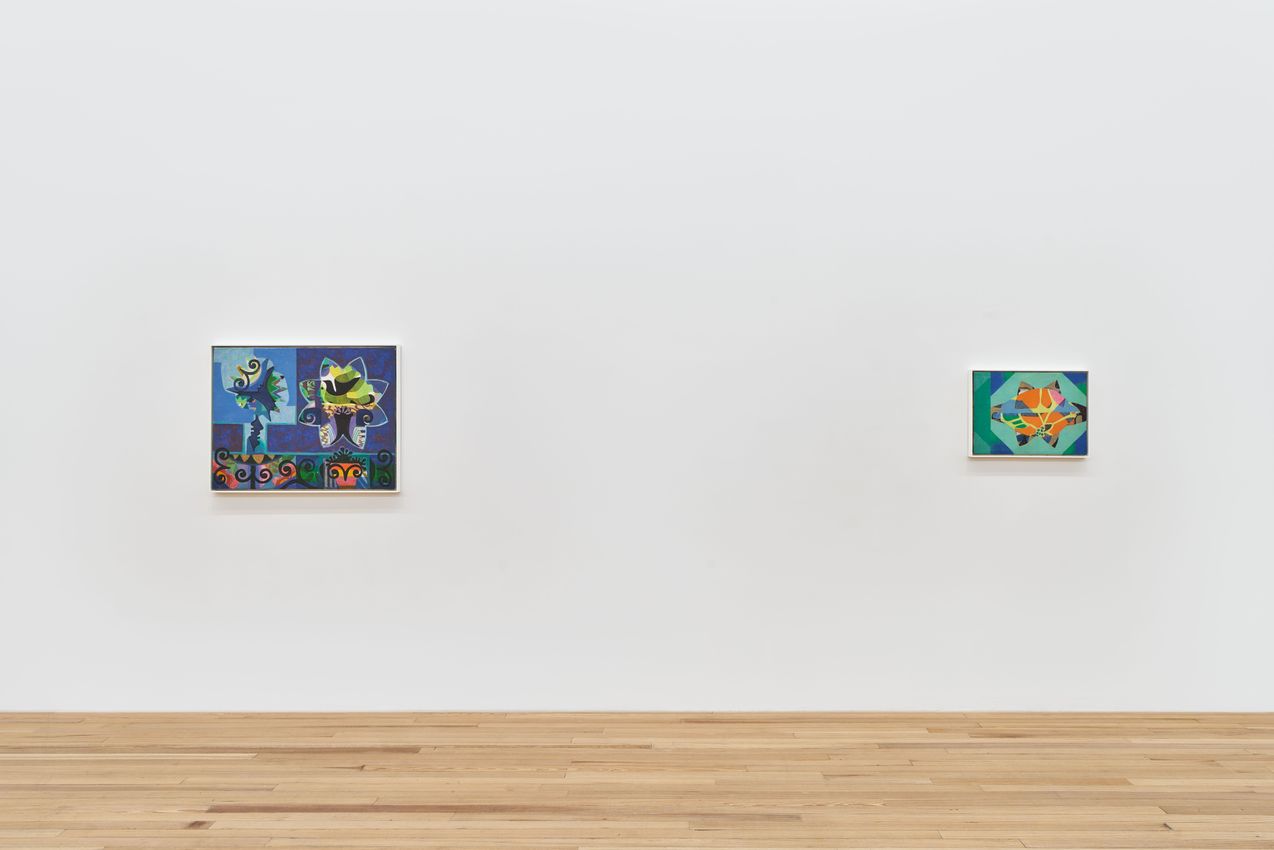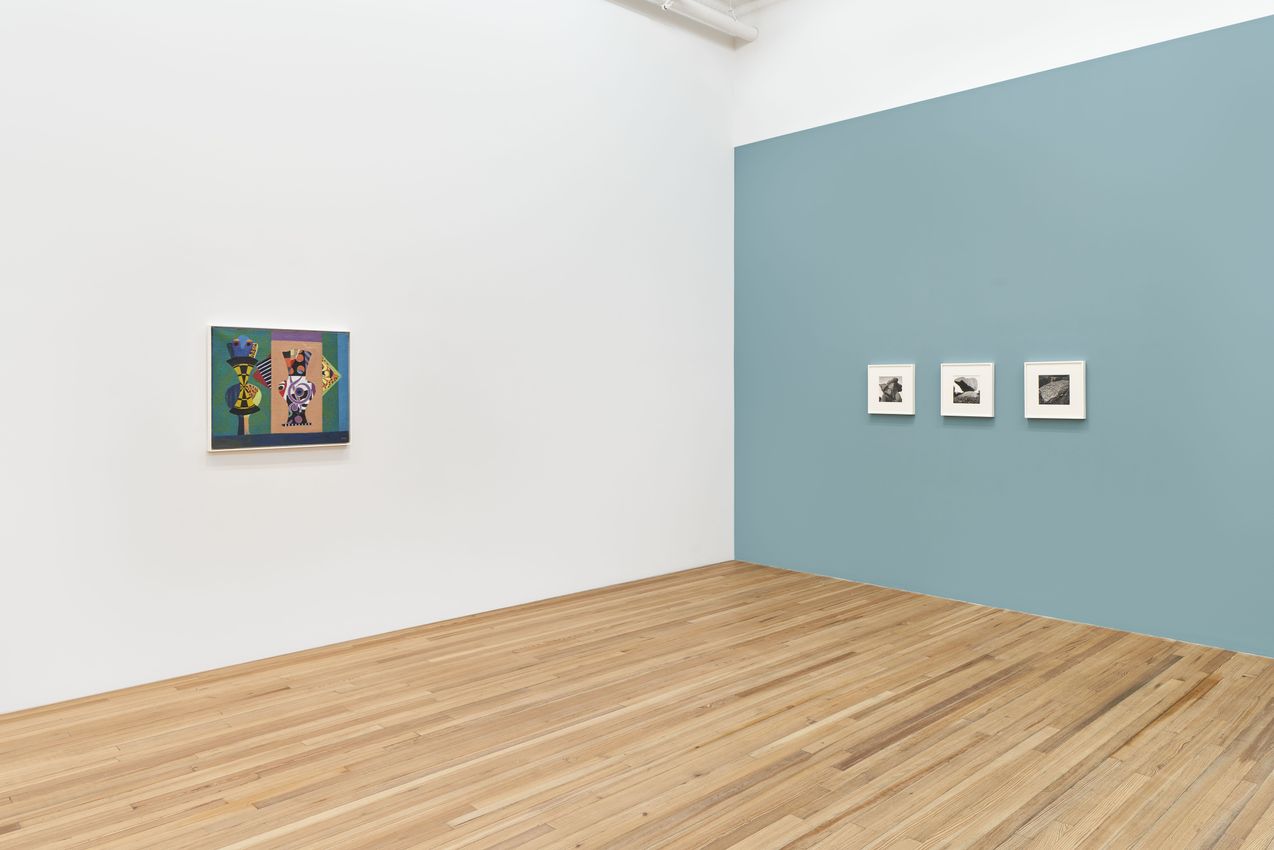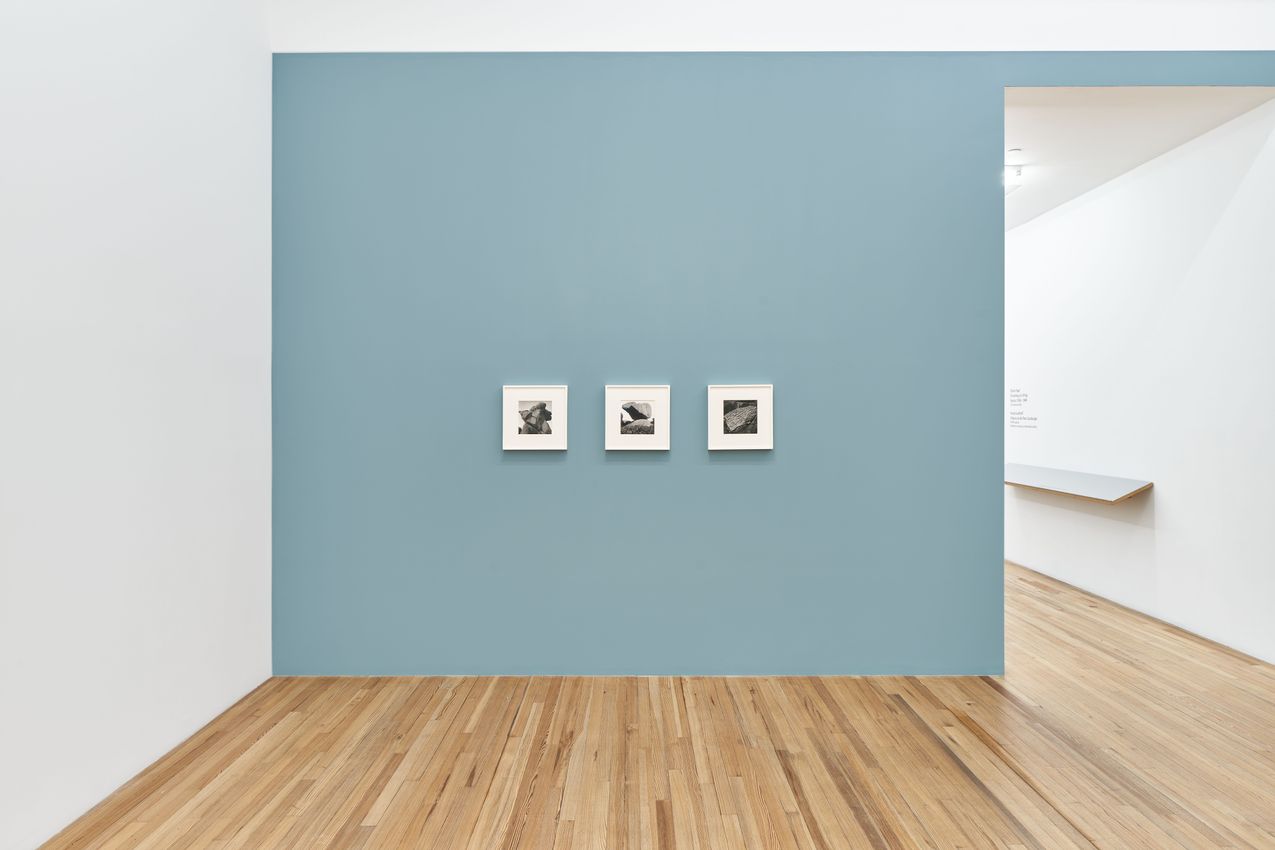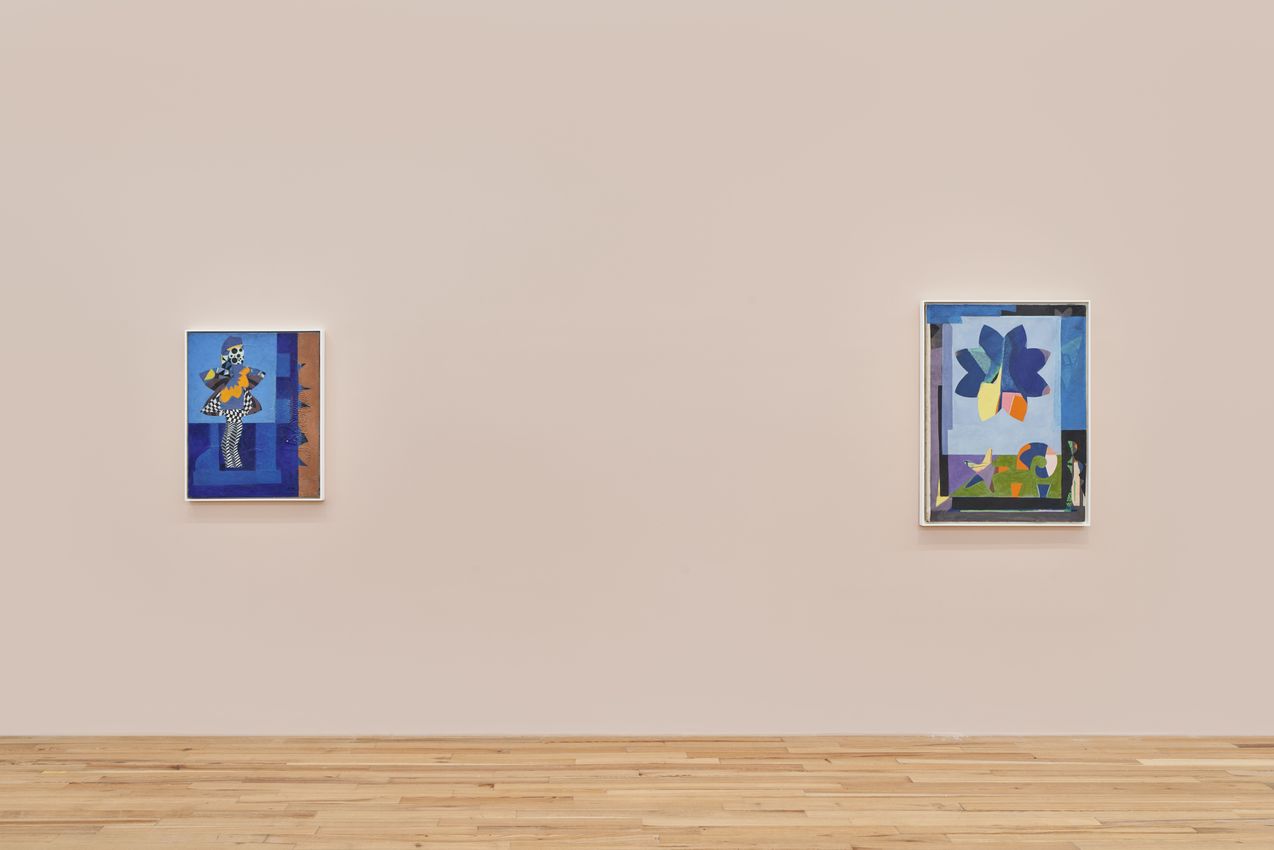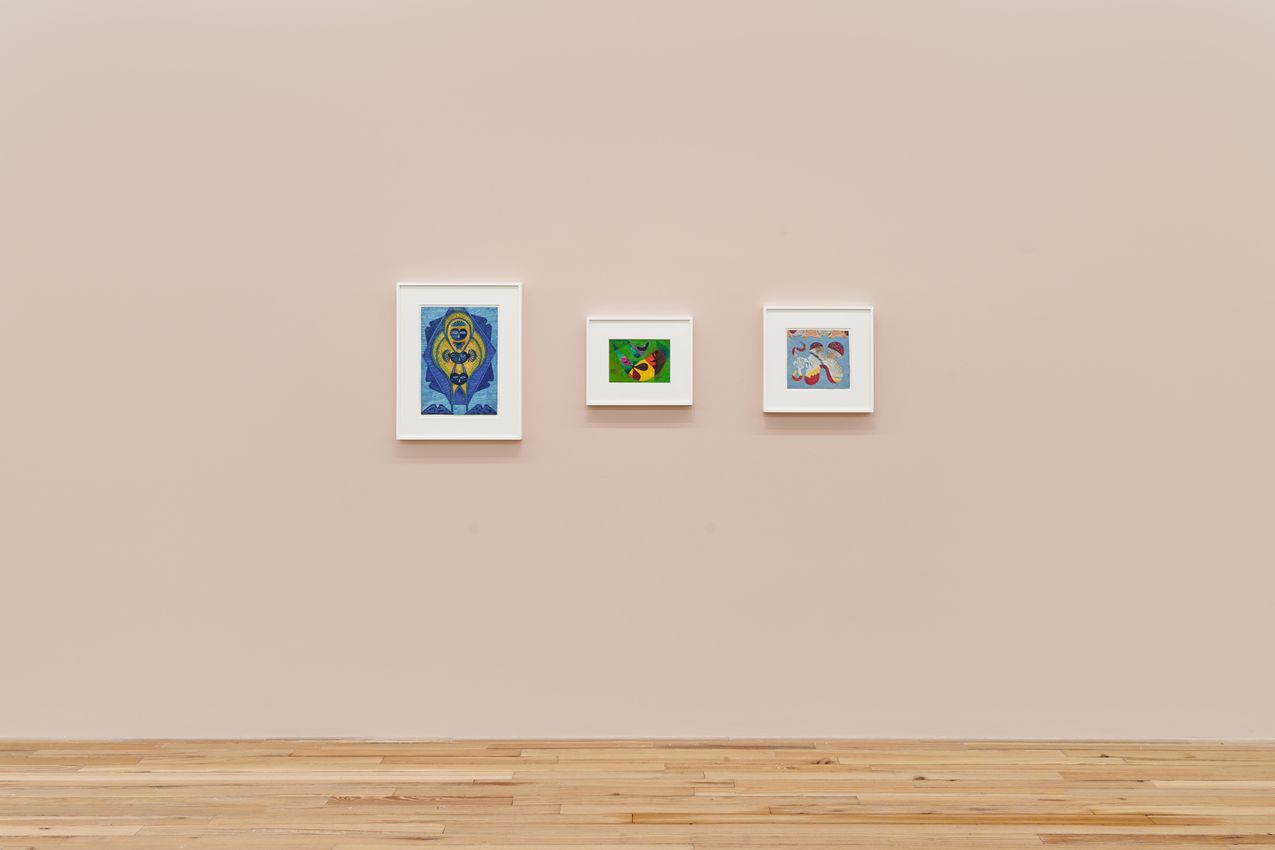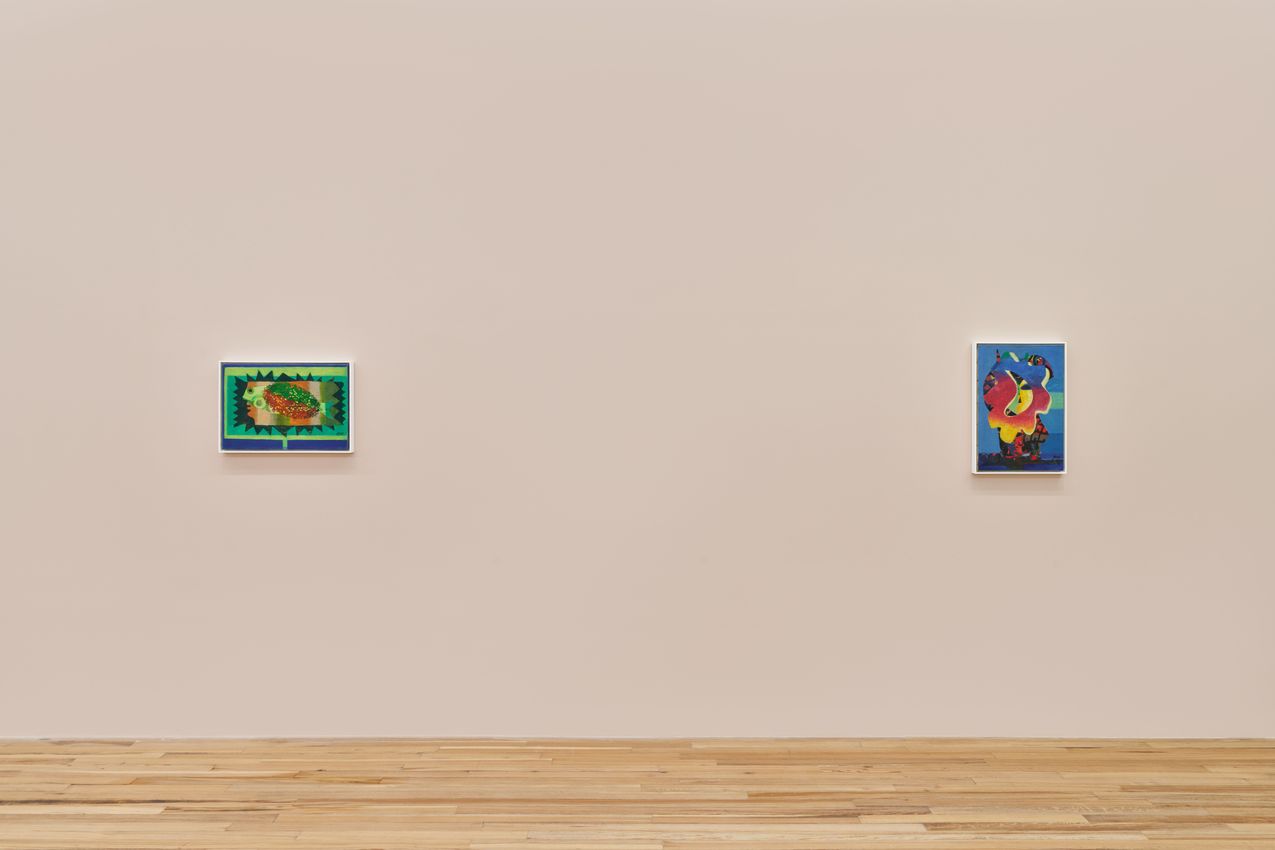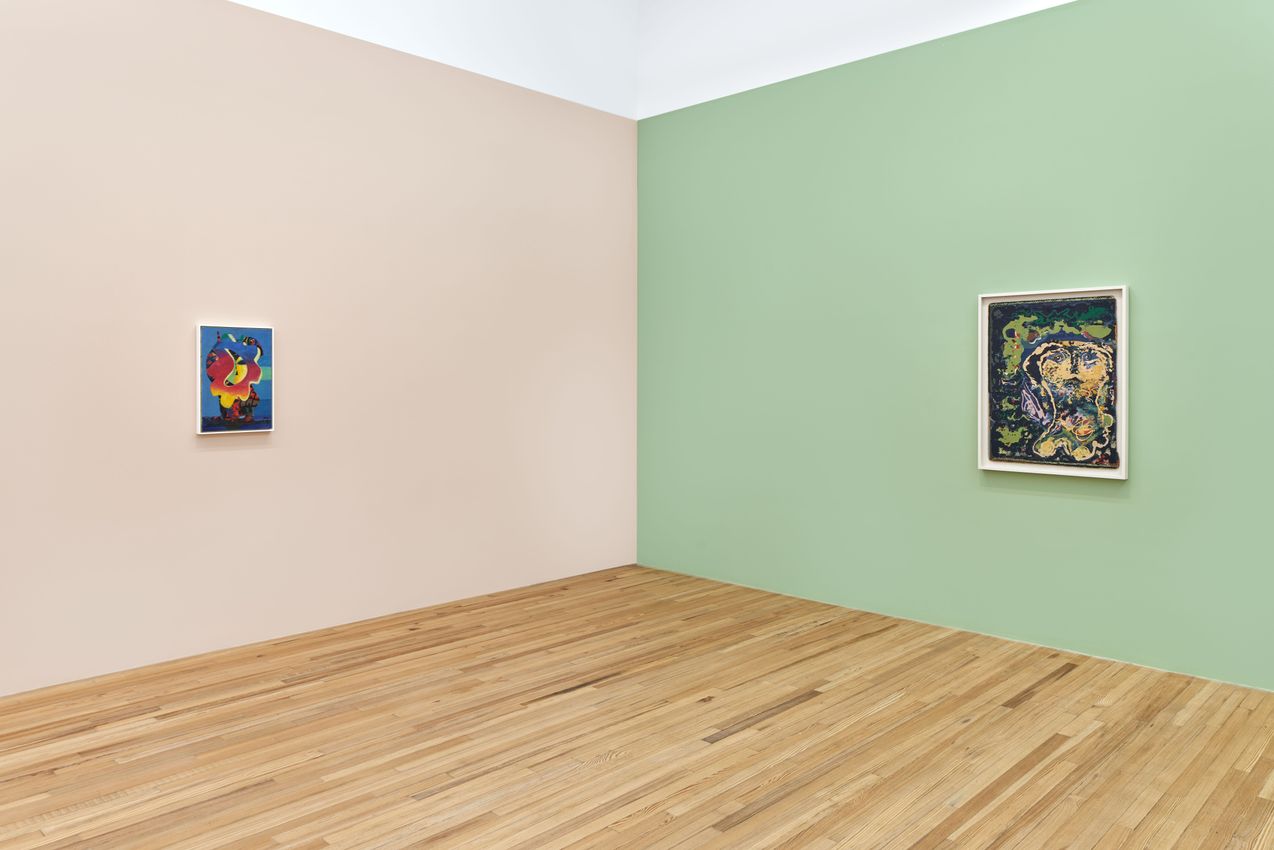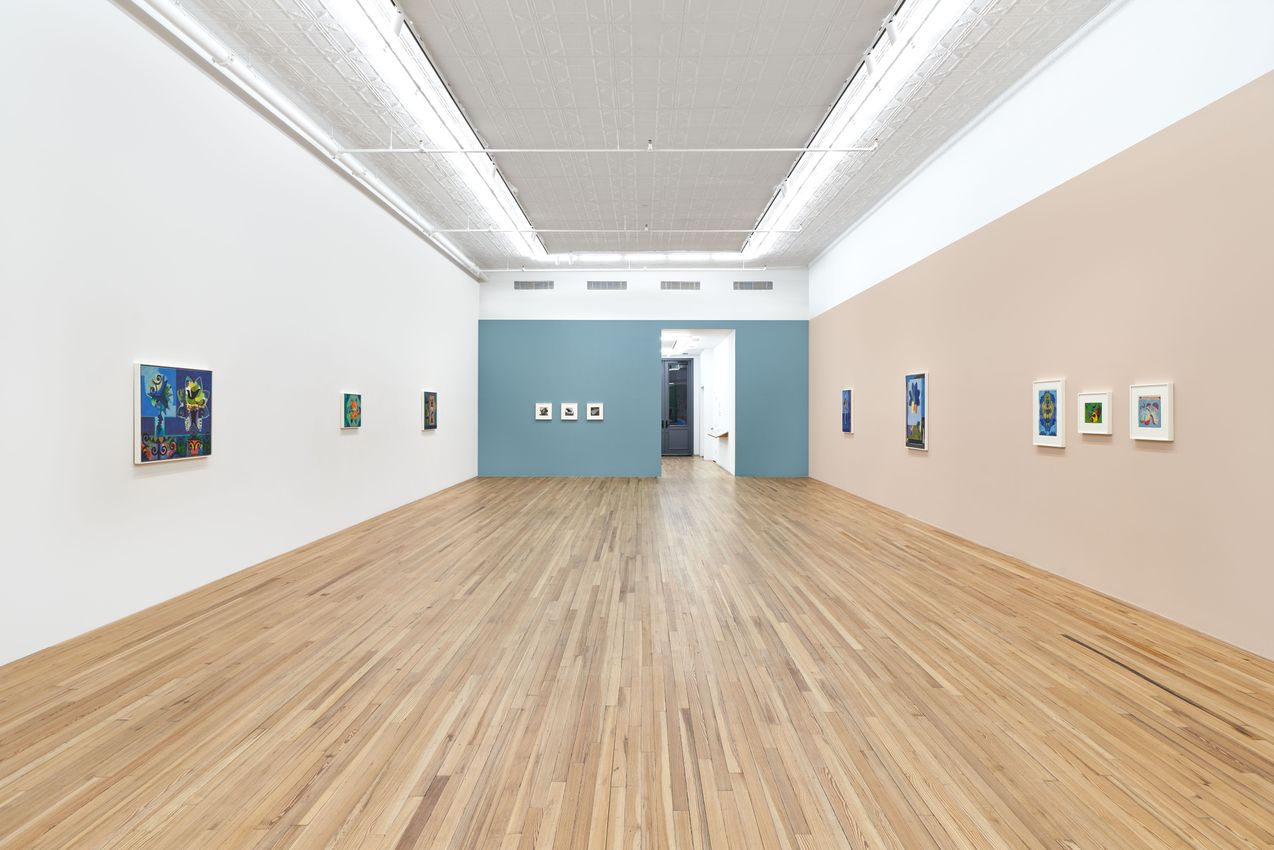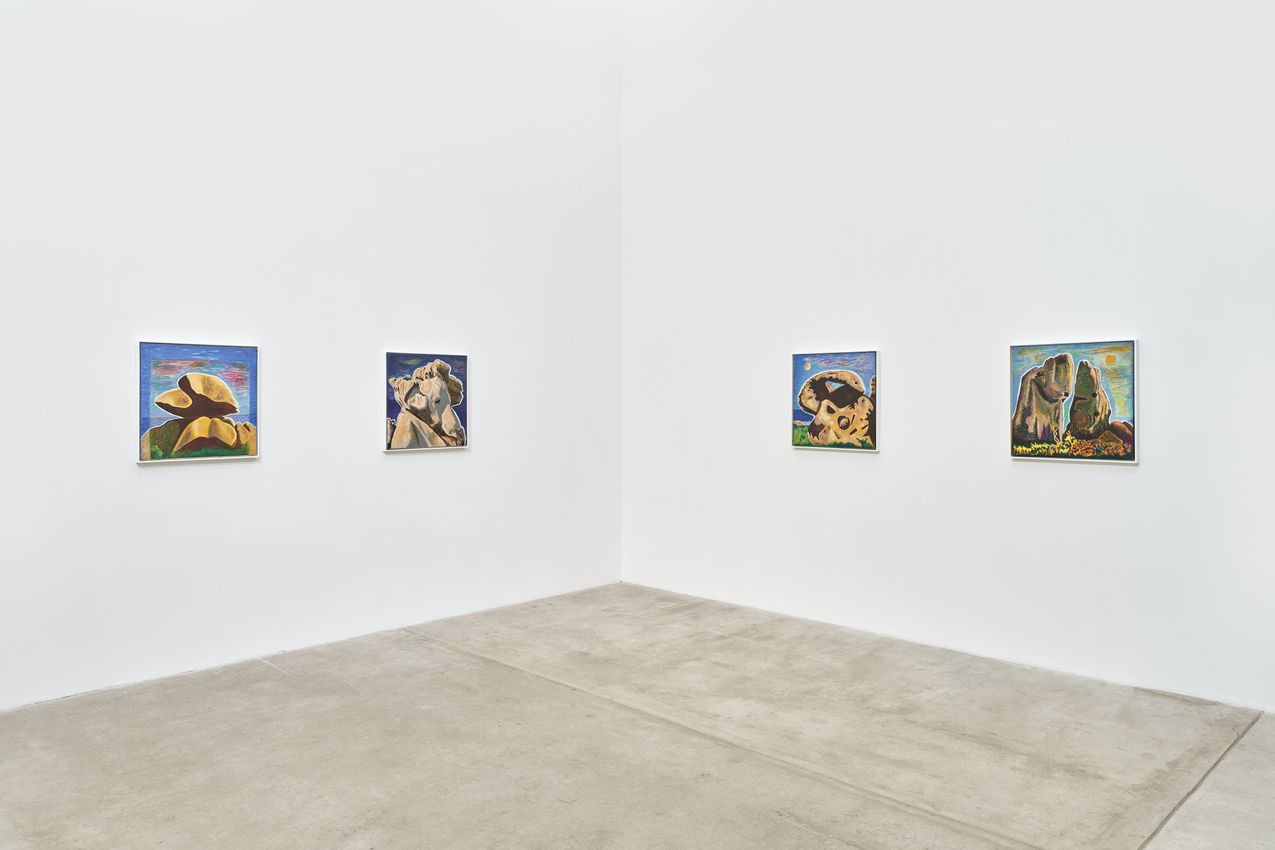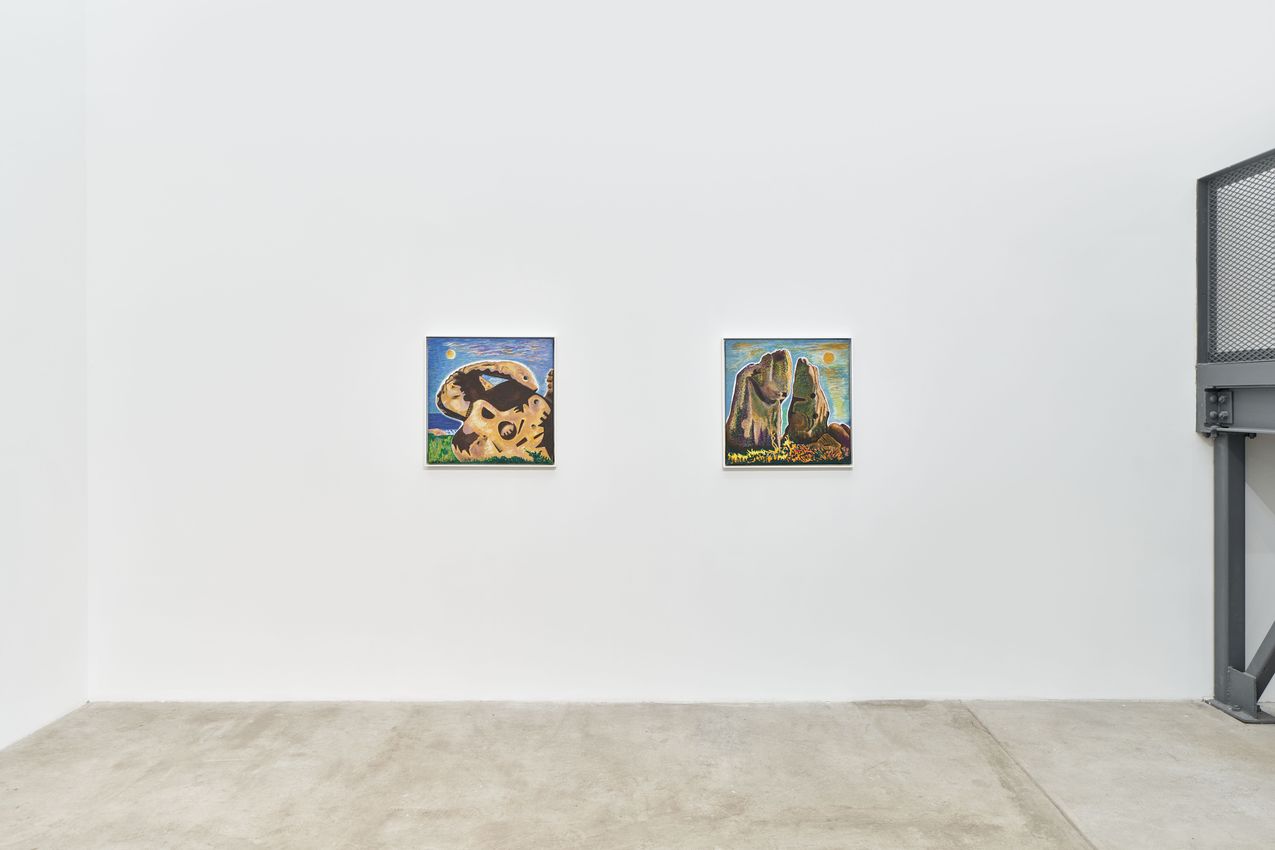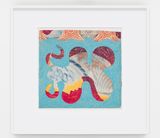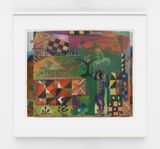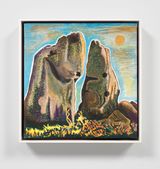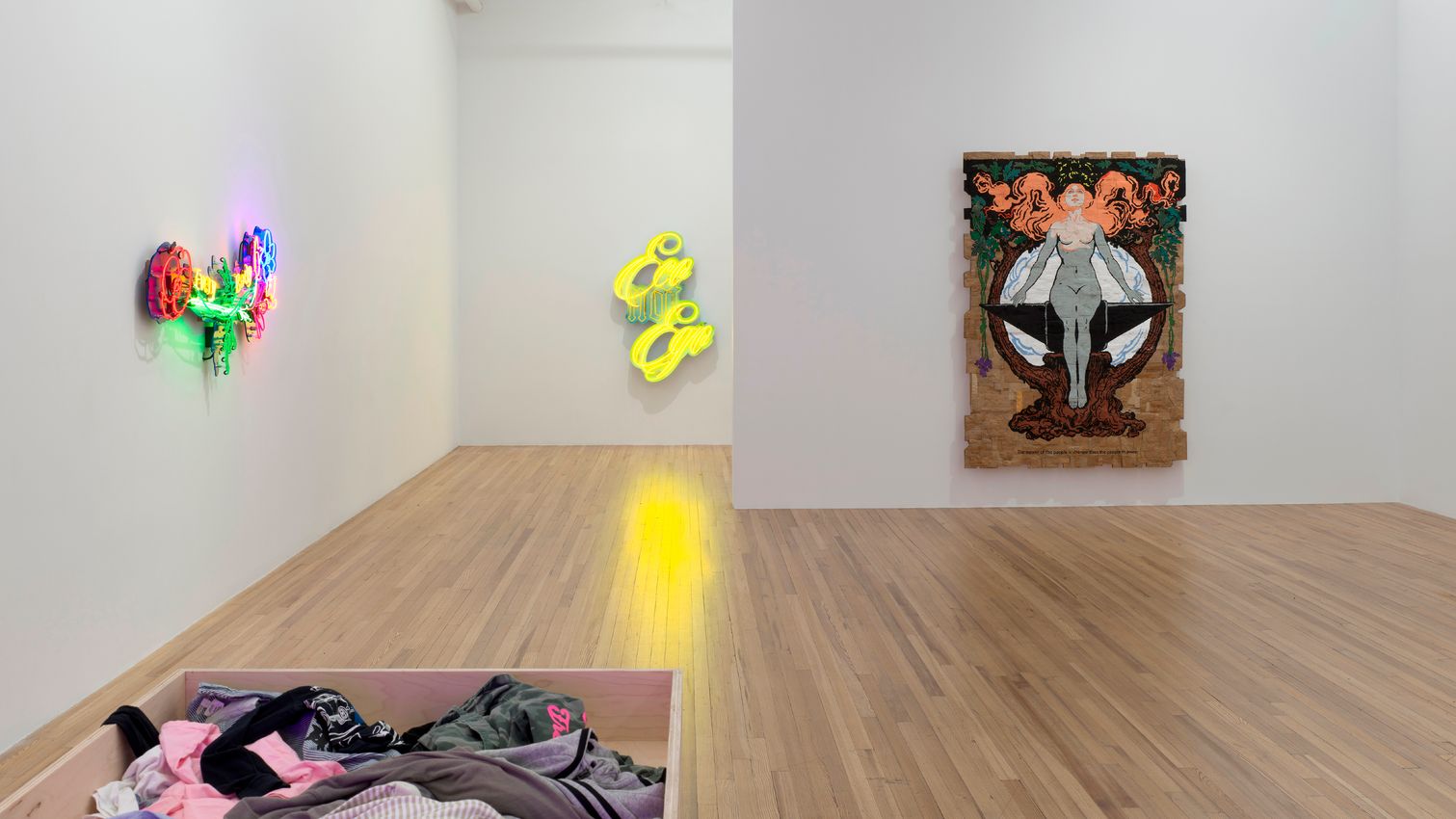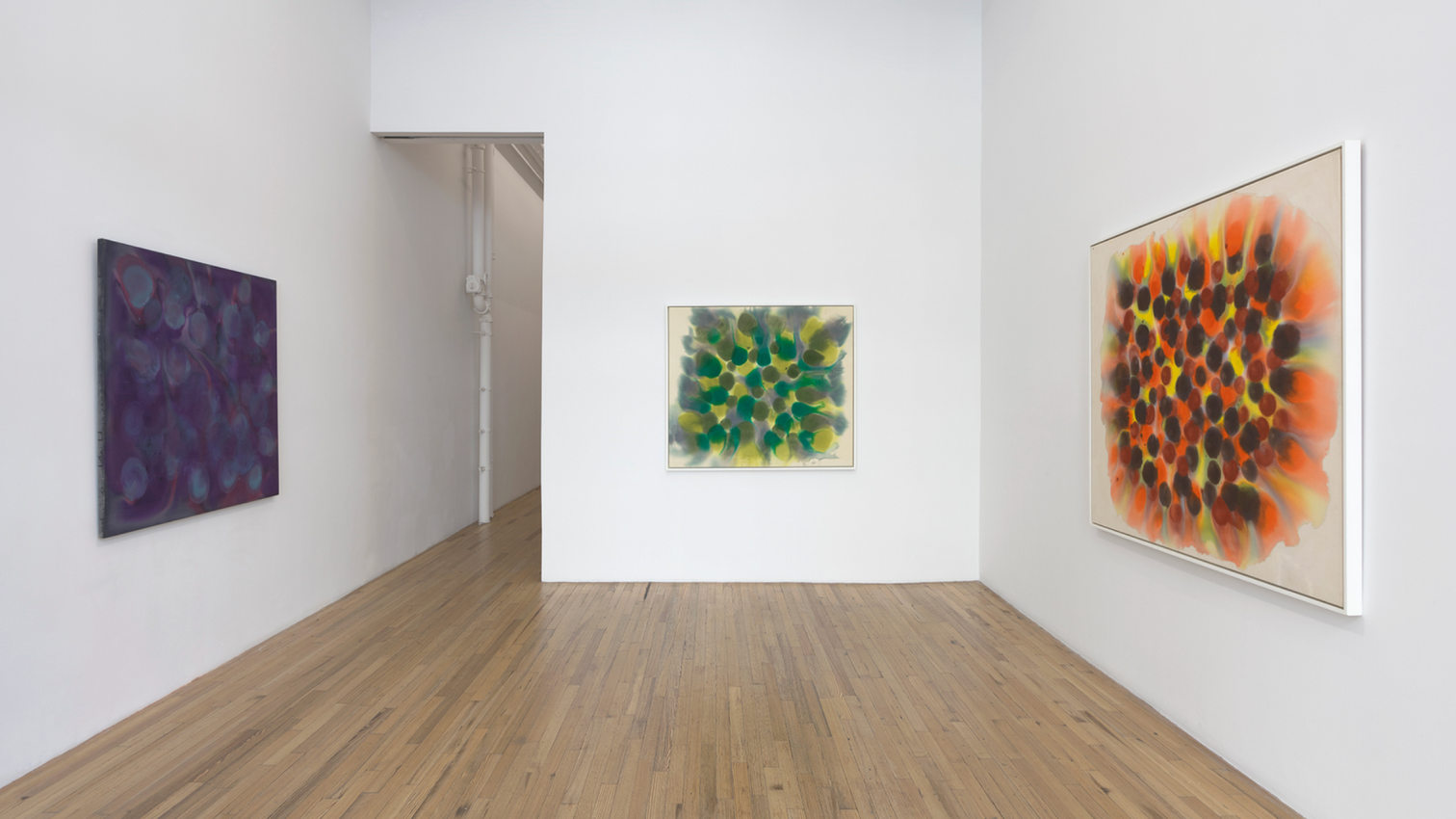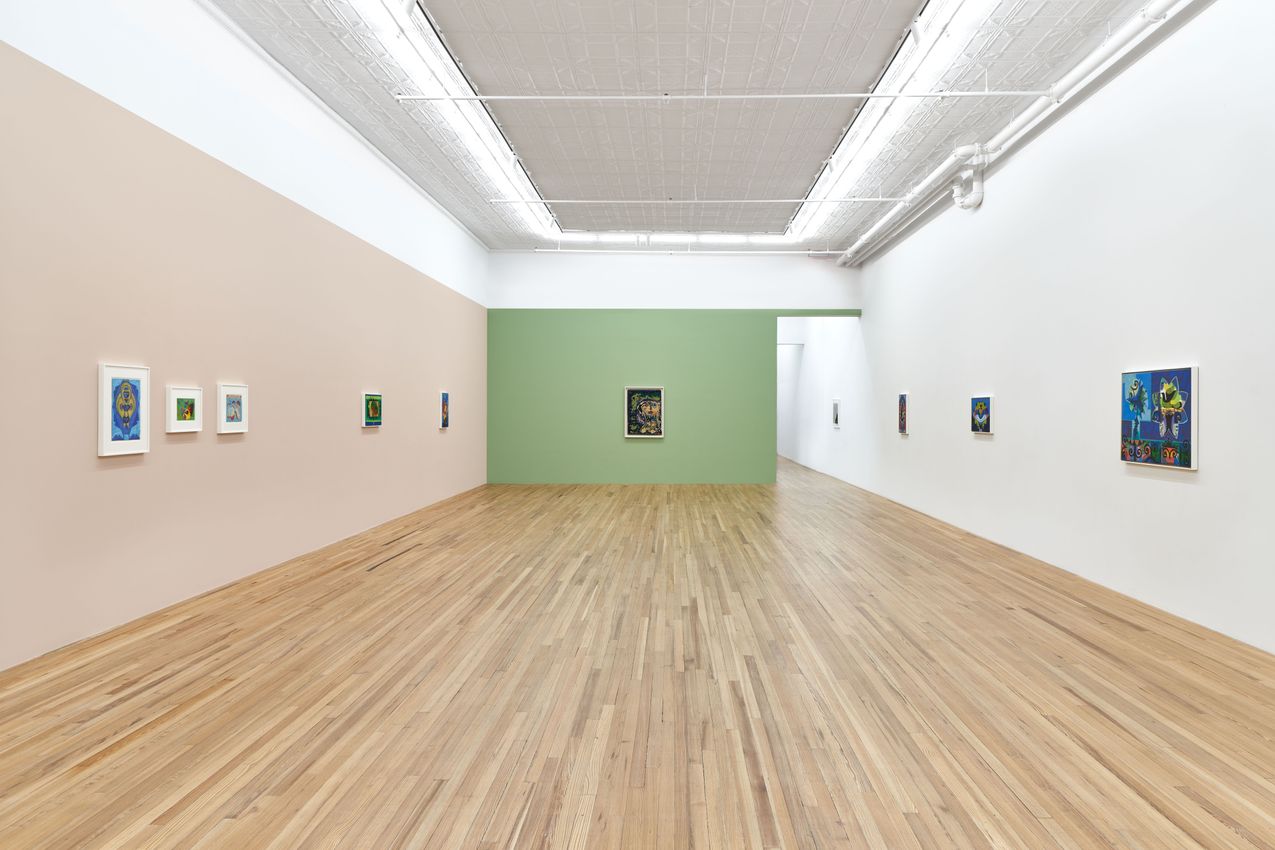
Andrew Kreps Gallery is thrilled to announce the first major US presentation of the work of Eileen Agar (1899-1991), on view at the gallery’s 22 Cortlandt Alley location from January 12 through February 17.
‘I have spent my whole life in revolt against convention, trying to bring colour and light and a sense of the mysterious to daily existence. One must have a hunger for new colour, new shapes, and new possibilities of discovery.’
—Eileen Agar
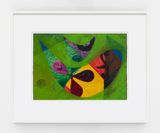
Celebrating the central role that Agar played within the evolution of cultural languages in Europe in the twentieth century, the exhibition will include painting, collage, assemblage and photography, spanning fifty years of the artist’s remarkable career.
Agar’s abiding interest was in the synthesis of two of the twentieth century’s most significant artistic tendencies: Cubism and Surrealism. Through bringing together these two sources of inspiration she developed a unique style that offered a moving commentary on society over a period of tremendous social change. Having lived and worked through two world wars, the rise of global industrialisation, the civil rights and post-colonial movements, and a ‘cold war’, Agar channelled the anxieties and tensions that such events engendered into her work—and yet she always sought a positive outlook, ever on the quest for joy. She was fascinated by classical art, ancient mythologies, the natural world and sexual pleasure, and she mined these subjects for the forms and content that filled her works, combining order and chaos and fusing vivid abstraction with figurative references.
Born in Buenos Aires, Argentina in 1899, Agar, a rebellious child, was sent to boarding school in England at the age of six. She made Europe her home, remaining on the continent until her death in London in 1991. Europe afforded Agar new freedoms and her artistic talents quickly brought her to the fore of the artistic avant-garde in London where she worked and shared ideas with Paul Nash, Gertrude Hermes and Henry Moore. And in Paris where she became associated with Surrealists such as André Breton, Max Ernst, Man Ray, Lee Miller, and Paul and Nusch Éluard, while simultaneously undertaking painting lessons with Cubist František Foltýn and famously refusing to become Pablo Picasso’s muse—instead taking him for her muse in a feminist role reversal that inspired a number of her most fêted works.
One of the few women to be included in the 1936 International Surrealist Exhibition held in London, Agar was a determined believer in artistic freedom, her own self-image and in forging her own path. In so doing she rejected canonical ideas of proportion and beauty and instead rejoiced organic forms, natural disorder and the joy of colour. Coinciding with the 2024 centenary of the first Surrealist Manifesto, written by André Breton in 1924, this exhibition will highlight Agar’s distinct and spirited style, revealing her as one of the most dynamic, bold and prolific artists of her generation.—Laura Smith
In 2024, Thames & Hudson will re-publish Eileen Agar’s groundbreaking autobiography, A Look at My Life. In 2021, the Whitechapel Gallery, London presented_Angel of Anarchy_, a major retrospective of Agar’s work comprising over 150 works, curated by Laura Smith, which later traveled to Mjellby Art Museum, Sweden, and Leeds Art Gallery. In the past two years, her work has been included in _Judy Chicago: Herstory_, The New Museum, New York, 2023, The Milk of Dreams, curated by Cecelia Alemani, the international exhibition at 59th Venice Biennale, 2022, Surrealism Beyond Borders, the Metropolitan Museum of Art, New York, 2021, traveled to the Tate Modern, London. Her work is included in the permanent collections of the Tate, London, the British Museum, London, National Galleries of Scotland, Edinburgh, National Portrait Gallery, London, Royal Academy of Arts, London, Courtauld Institute of Art, London, Victoria & Albert Museum, London, The Hepworth Wakefield, Wakefield, UK, Museum Boijmans van Beuningen, Rotterdam, among others.
Over the course of seventy years, Eileen Agar developed a deeply personal artistic language that linked diverse forms and objects through both spiritual, and formal relationships. Born in Buenos Aires, Agar relocated to London as a child, first studying art at the Brook Green School, and later, the Slade School of Fine Art. Joining the London Group in 1934, Agar would rise to prominence as one of the few women to exhibit in The International Surrealist Exhibition, presented in 1936 at New Burlington Galleries, London. In spite of this, Agar throughout her career would maintain a tenuous relationship with surrealism, taking cues from concurrent movements like cubism, and abstraction, while interjecting a consistent irreverence and wit. Additionally in 1936, Agar’s work would be included in the landmark exhibition Fantastic Art, Dada, Surrealism, at the Museum of Modern Art, New York, furthering her international reputation.

A respected voice in contemporary art discourse.
Focusing on ambitious storytelling and insightful art-world commentary. Ocula Magazine publishes in-depth interviews, critical essays and timely analysis on the artists, exhibitions and ideas driving the global art world.
Learn more about Ocula Magazine
Showcasing the best of the art world.
Ocula partners with galleries from around the world to highlight their artists, artworks and exhibitions. Gallery membership is by application and invitation, with each member vetted by an independent panel.
Learn more about Ocula Membership

Specialises in the sale of major artworks.
Led by a team with deep ties to the world’s leading auction houses, galleries and collectors. Ocula’s advisory team offers bespoke services to high-net-worth clients from around the world who are looking to acquire the best of contemporary and modern art.
Learn more about our team and services