



Michael Rakowitz is an Iraqi-American artist based in Chicago. His Arabic-Jewish heritage deeply informs his work, which centres on connecting people, places, and historical narratives across centuries. His subjects span from ancient Middle Eastern kingdoms to contemporary political situations.
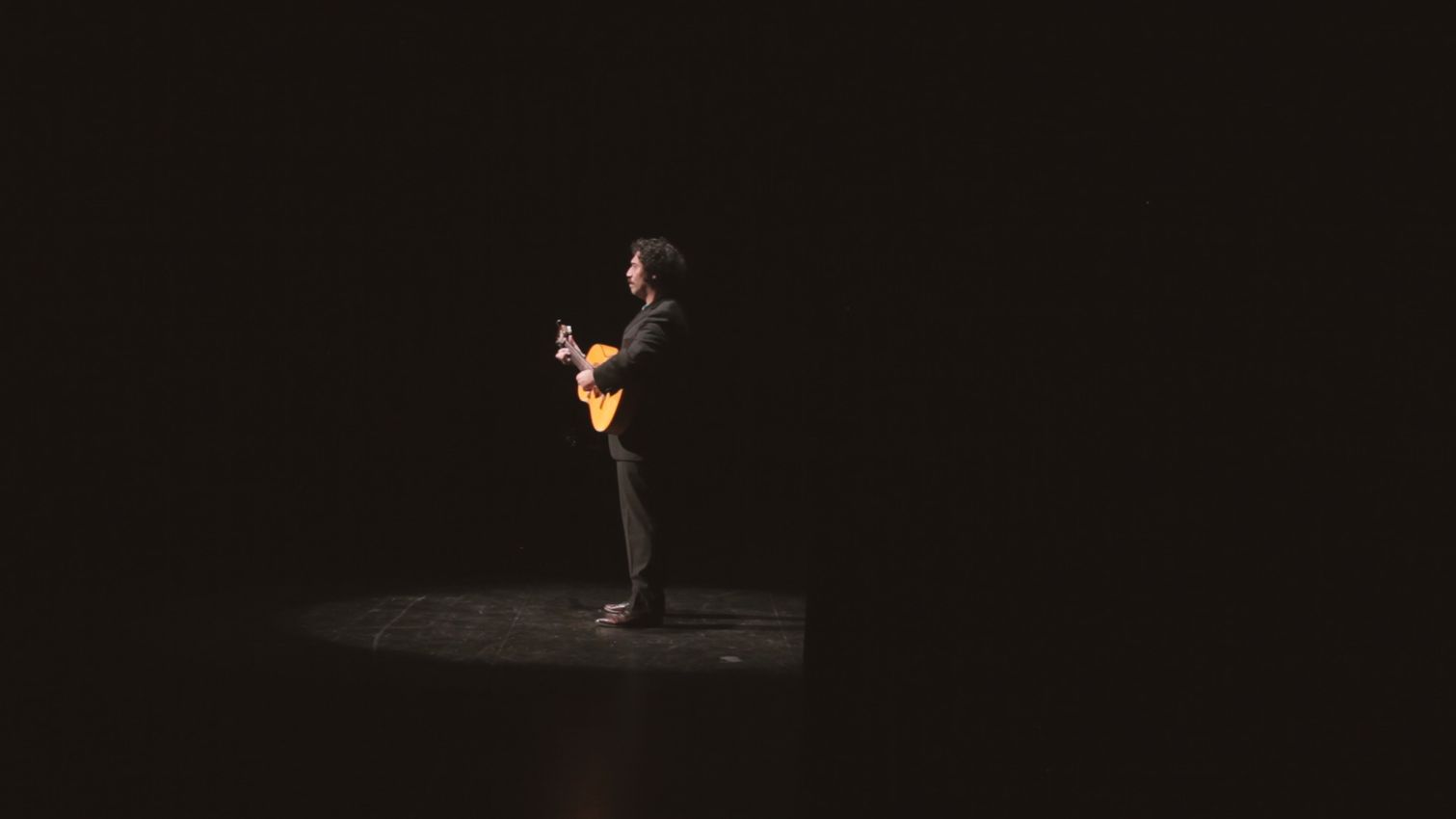
Rakowitz’s third solo exhibition at Galerie Barbara Wien explores the relationship between art and politics through a personal narrative, presenting the artist’s project I’m good at love, I’m good at hate, it’s in between I freeze in a new iteration. Centring around a concert that never happened, the project originated from Rakowitz’s long-standing interest in the work and life of the late Canadian singer-song- writer and poet, Leonard Cohen.
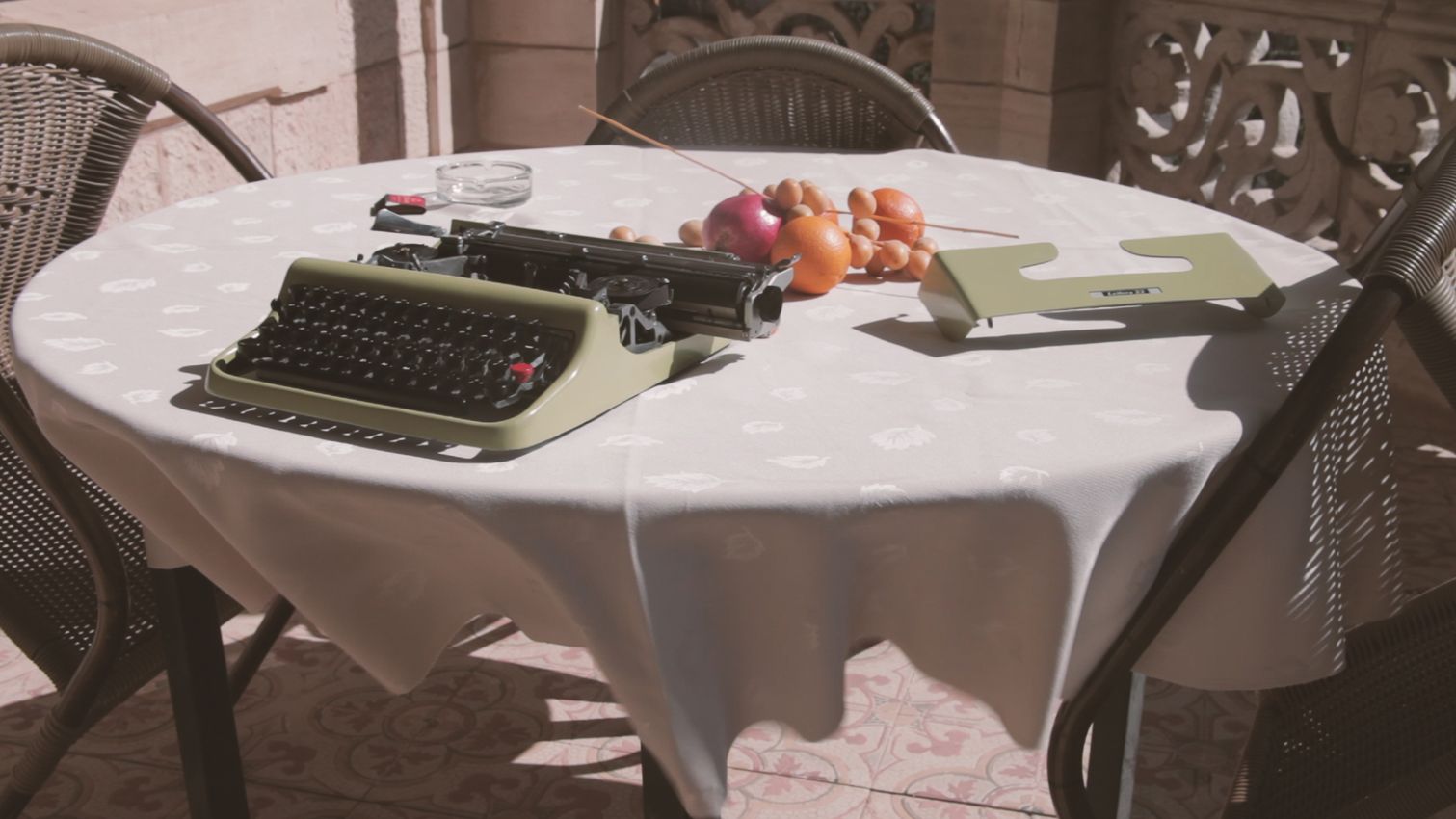
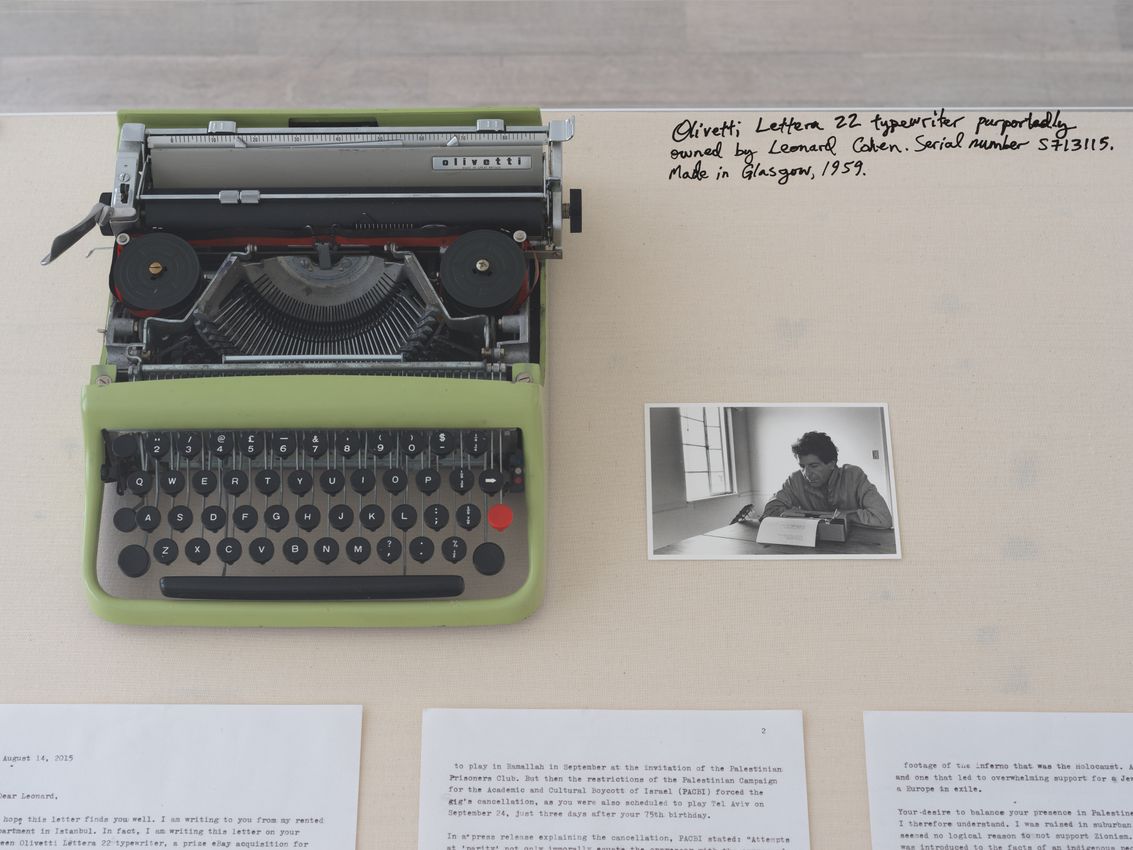
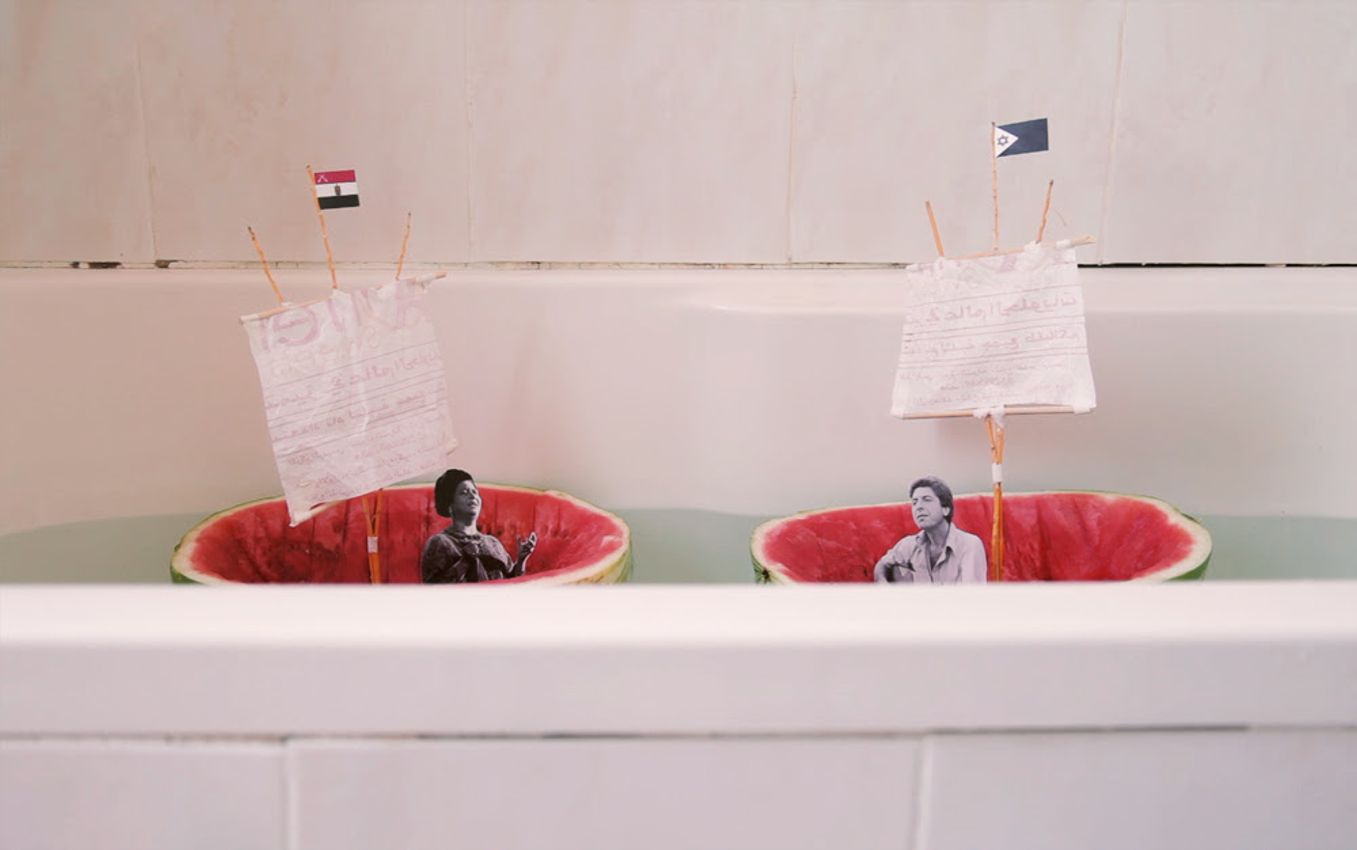
In 2009, Cohen was scheduled to perform two concerts: one in Tel Aviv, Israel, and one in Ramallah, Palestine. Cohen had a large fan base in Palestine, but the concert in Ramallah was seen as an attempt to pacify a potential backlash against the concert in Israel and was thus considered a hollow symbolic gesture of solidarity. The performance in Palestine was boycotted and ultimately cancelled. As a Leonard Cohen fan, and a signatory of the Palestinian Campaign for the Academic and Cultural Boycott of Israel (PACBI), Rakowitz started researching Cohen’s stance on the conflict in the region. Questioning whether art can obliterate politics, he was intrigued by the constructive potential of boycotts. Considering his identity as a person of Arab-Jewish descent, Rakowitz contemplated the implications of staging Cohen’s Ramallah concert himself. He found Cohen’s old Olivetti typewriter on eBay, bought it, and started typing out a screenplay about the concert in Palestine that never happened. He then decided to write a letter to the singer, asking permission to perform his songs in Ramallah, but Cohen never replied.
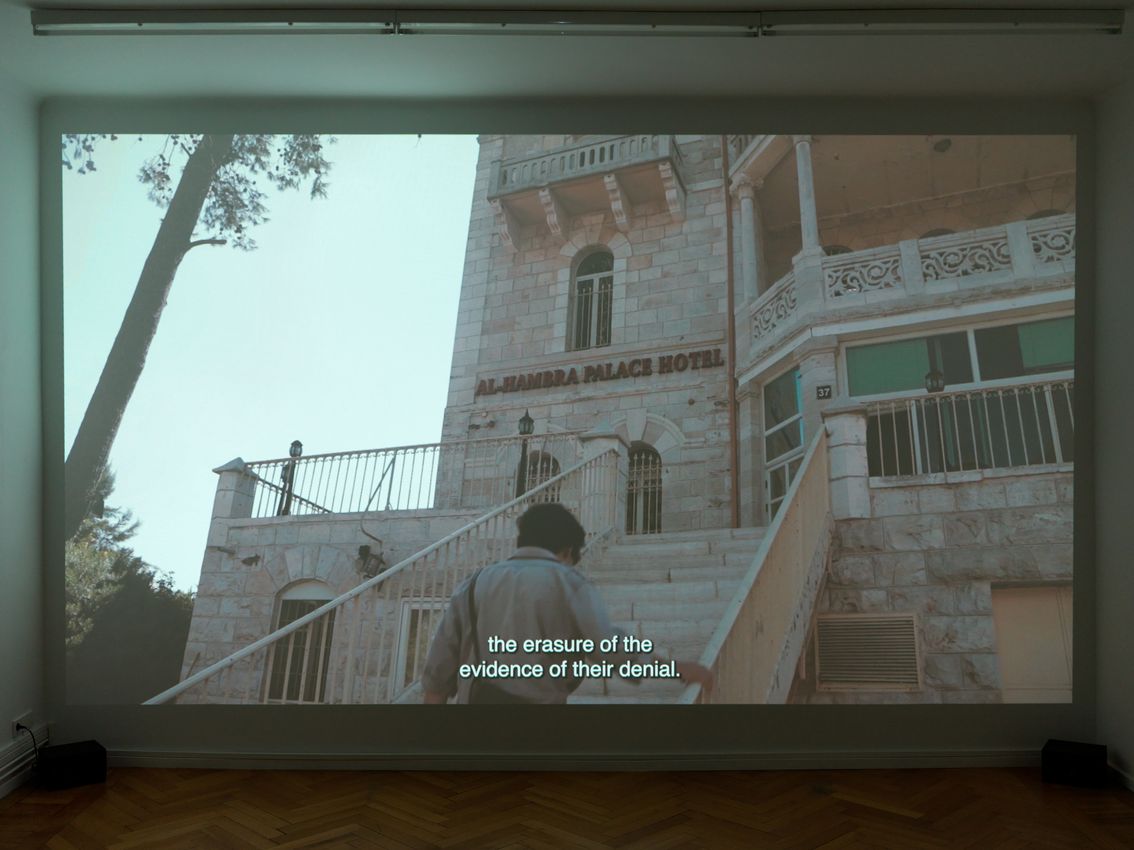
In 2015 the Musée d’art contemporain de Montréal invited Rakowitz to complete the project as part of an exhibition responding to Cohen’s work. I’m good at love, I’m good at hate, it’s in between I freeze took the form of a film co-directed by Robert Chase Heishman. The film delves into Cohen’s complex relationship with the Jewish homeland, exploring the historical context and aftermath of the concert that never happened. Although approved for the exhibition, Cohen’s estate grew increasingly displeased with the film during the show, accusing Rakowitz of presenting a one-sided (pro-Palestinian) account of the story. After Cohen’s death in 2016, his estate refused further permission for Rakowitz to use Cohen’s music outside the context of the Montréal show unless the film was changed to include the story as told by Cohen’s manager. Rakowitz declined to alter the film accordingly and withdrew from the exhibition tour.
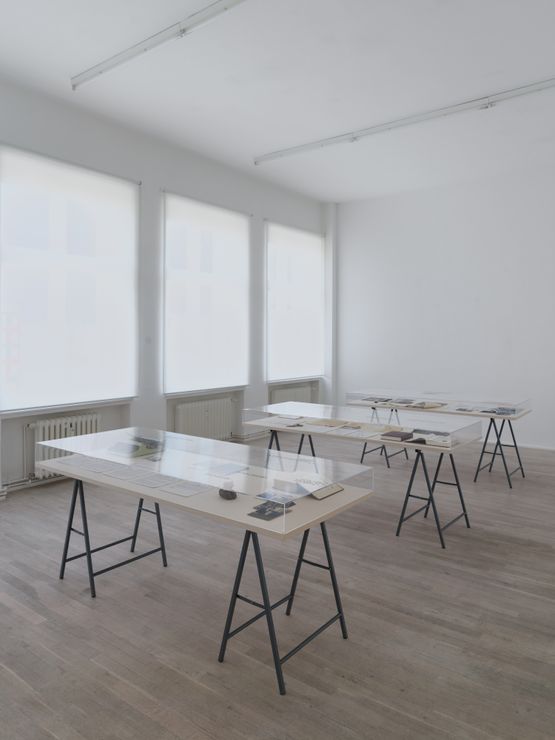
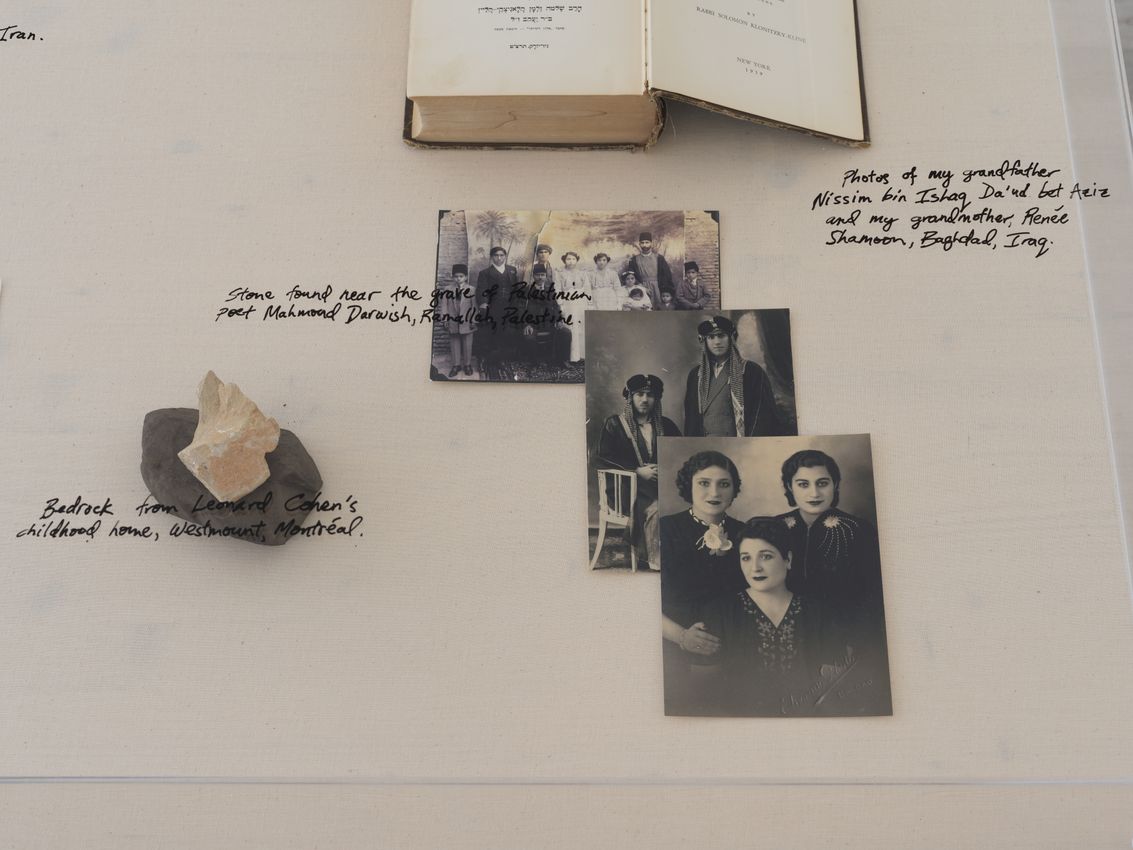
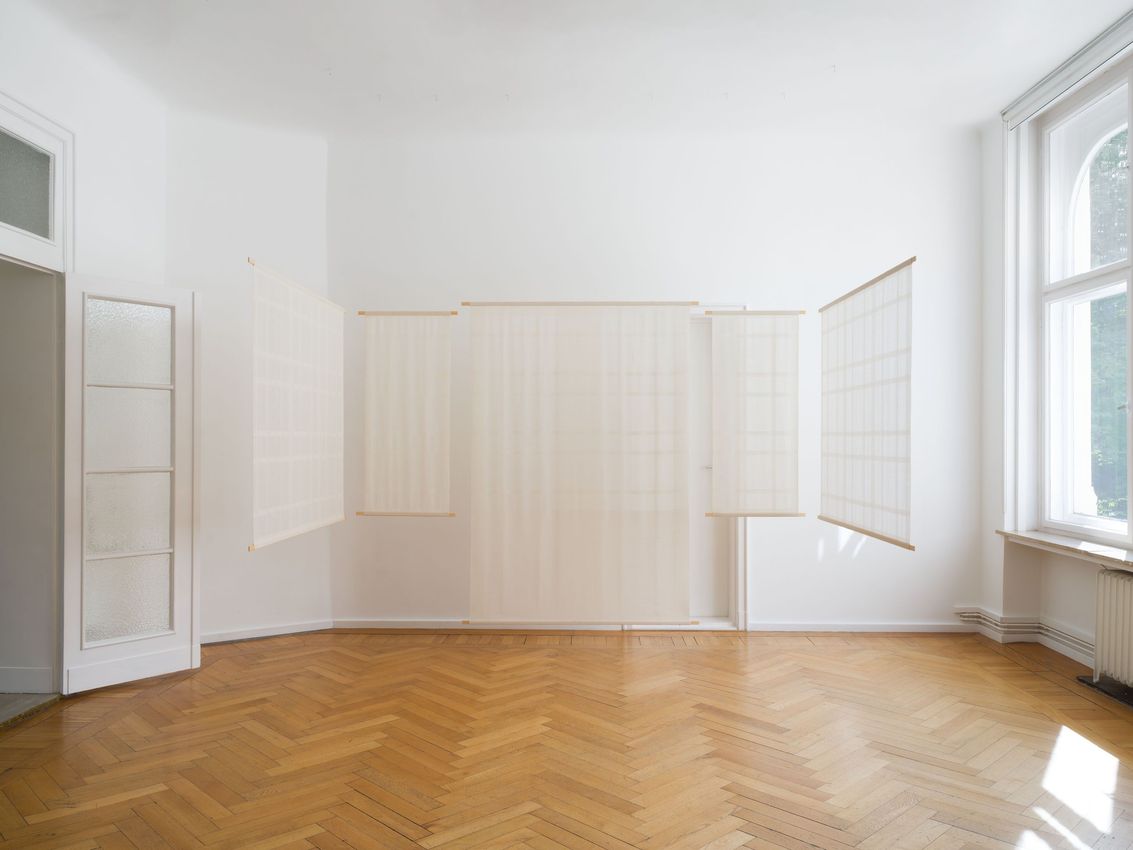
For this new exhibition, Rakowitz continues his project, I’m good at love, I’m good at hate, it’s in between I freeze, taking into account the pressures that have been exerted on the work and what has been lost along the way.The artist invited colleagues to speak about the estate’s refusal to permit the further use of Cohen’s songs in the film’s original form. Rakowitz’s instrumentals of Cohen’s music have been replaced with new compositions made especially for this film by Bill MacKay, a Chicago-based composer, improvisor, guitarist, and writer. The adapted film is accompanied by an installation of documents, books, photographs, and memorabilia connected to the project, including Cohen’s typewriter and a facsimile of the letter Rakowitz wrote to the singer.
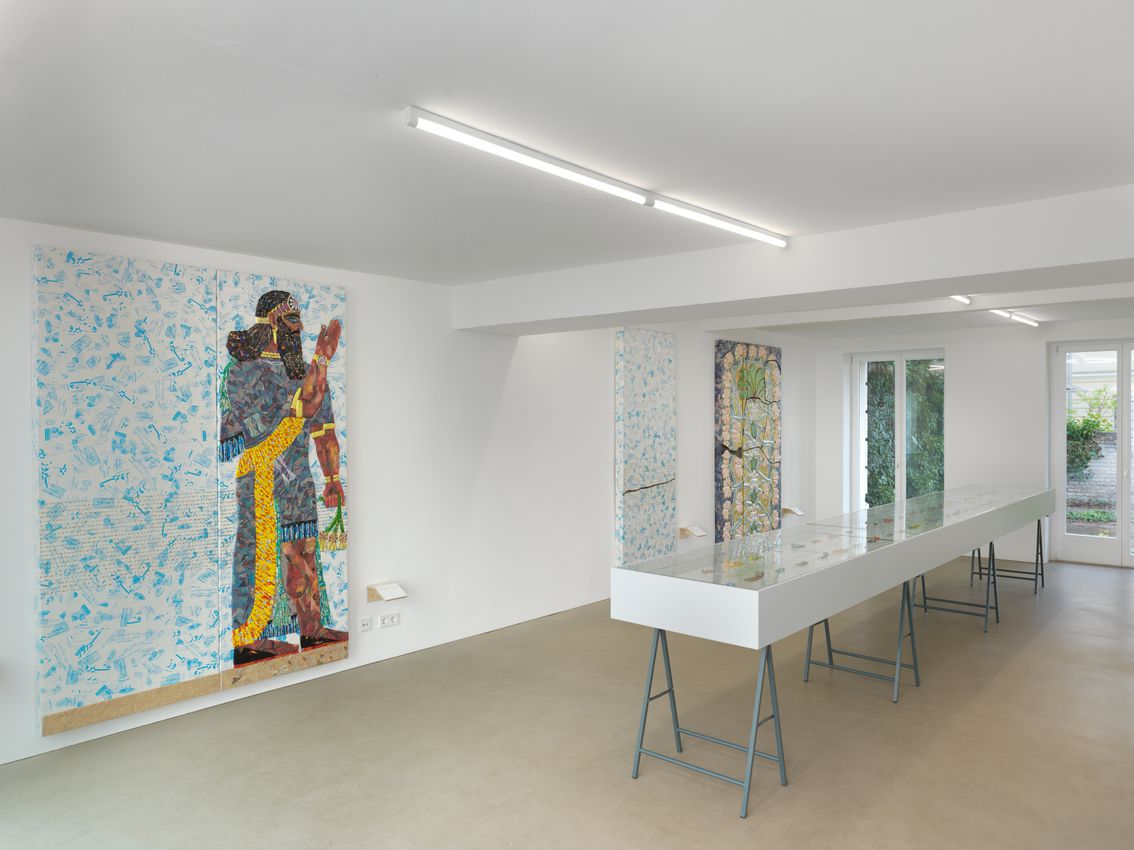
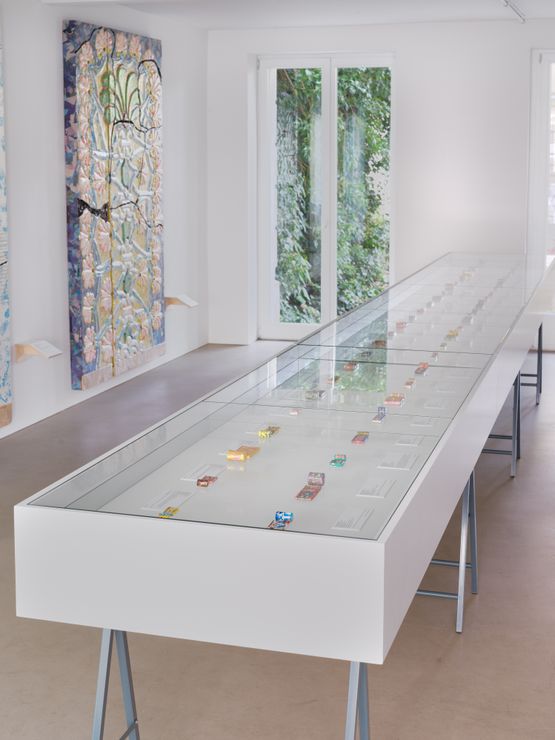
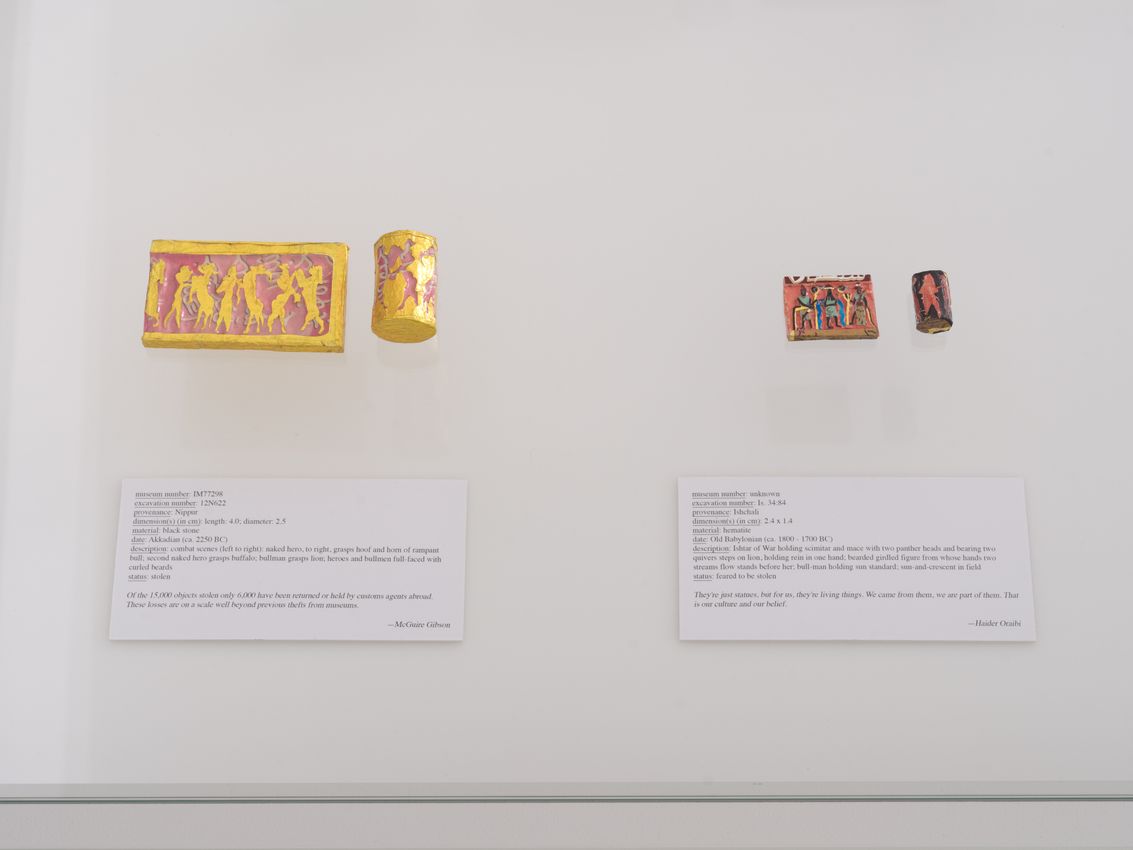
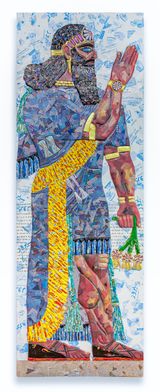
A separate presentation of works from Rakowitz’s series The Invisible Enemy should not exist (2007 – ongoing) are on display in our showroom across the courtyard. The project attempts to create full-size reappearances of artefacts which were destroyed or looted from the National Museum of Iraq in Baghdad during the US-led invasion in 2003, or from archeological sites and museums sacked by ISIS in the aftermath of the war. Drawing on resources from the University of Chicago and Interpol, Rakowitz and his studio reappear individual objects out of commercial packaging produced in West Asia and available in the diaspora, as well as Arabic-English newspapers distributed in Arabic grocery stores throughout the US. On view in the showroom are papierm maché reappearances of wall reliefs from the destroyed palace in Nimrud as well as a collection of cylinder seals. The objects are accompanied by museum labels listing archeological information about the original artefacts including their status, which is either destroyed, looted, or unknown.


Michael Rakowitz is an artist living in Chicago who makes work at the intersection of problem-solving and trouble-making. His work has appeared in venues including dOCUMENTA (13), P.S.1, MoMA, MassMOCA, Castello di Rivoli, the Sydney Biennale, the 10th & 14th Istanbul Biennials, Sharjah Biennial 8, the Shanghai Biennale, the Tirana Biennale, National Design Triennial at the Cooper-Hewitt, and Transmediale 05. He has had solo projects and exhibitions with Creative Time, Tate Modern in London, MCA Chicago, Lombard Freid/ Jane Lombard Gallery in New York, Galerie Barbara Wien, Berlin, Rhona Hoffman Gallery, Chicago, Kunstraum Innsbruck, and Malmö Konsthall. In 2018, he was the recipient of the Herb Alpert Award in the Arts, and was awarded the Fourth Plinth commission in London’s Trafalgar Square. In 2020, he was the recipient of the Public Art Dialogue award, and he is the 2020 Nasher Prize Laureate. A survey of Rakowitz’s work traveled from Whitechapel Gallery in London, to Castello di Rivoli Museo d’Arte Contemporanea in Torino, and is currently on view at The Jameel Arts Centre in Dubai. Rakowitz is a Professor of Art Theory and Practice at Northwestern University.
Based in Berlin’s central Tiergarten district, Barbara Wien is an established contemporary art gallery with a focus on conceptual art. Since Barbara Wien opened her namesake gallery in 1988, it has also operated a bookshop, selling artist books that date as far back as the 1960s.

A respected voice in contemporary art discourse.
Focusing on ambitious storytelling and insightful art-world commentary. Ocula Magazine publishes in-depth interviews, critical essays and timely analysis on the artists, exhibitions and ideas driving the global art world.
Learn more about Ocula Magazine
Showcasing the best of the art world.
Ocula partners with galleries from around the world to highlight their artists, artworks and exhibitions. Gallery membership is by application and invitation, with each member vetted by an independent panel.
Learn more about Ocula Membership

Specialises in the sale of major artworks.
Led by a team with deep ties to the world’s leading auction houses, galleries and collectors. Ocula’s advisory team offers bespoke services to high-net-worth clients from around the world who are looking to acquire the best of contemporary and modern art.
Learn more about our team and services