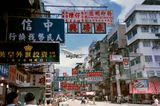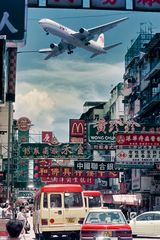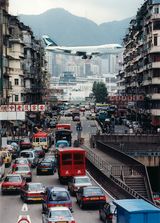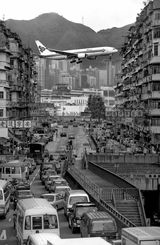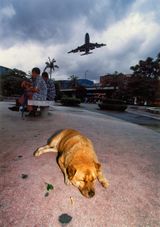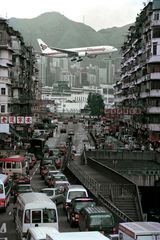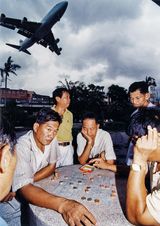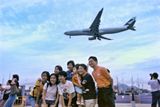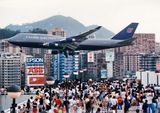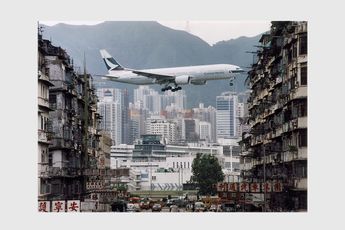
The closure of Hong Kong’s iconic Kai Tak Airport in 1998 was a significant moment in the city’shistory. To commemorate the 25th anniversary of the airport’s closure, Blue Lotus Gallery ispleased to announce a special upcoming exhibition Goodbye Kai Tak and Thank You.
Featuring photographs by Canadian photographer Greg Girard and Hong Kong photojournalistBirdy Chu, the exhibition offers a unique perspective on the airport’s history and legacy.
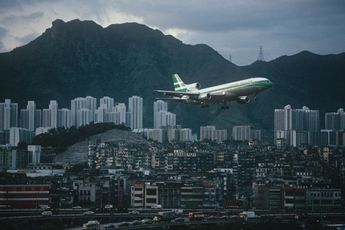
It was time for the last plane to depart from Kai Tak Airport, as the Cathay Pacific flight CX251 leftfor London Heathrow right after midnight on July 6, 1998. Goodbye Kai Tak and thank you, saidDirector of Civil Aviation Richard Siegel, before throwing the switch. The lights were turned out atKai Tak around 1:20am, marking the end of the airport’s 73-year history.
Since the airport’s closure, the sight of planes flying across the Kowloon peninsula became athing of the past, but Kai Tak has made its mark in Hong Kong’s culture, garnering muchdiscussion and awareness into the present day, even as the airport’s site took on a new life.
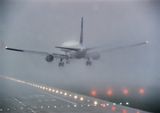
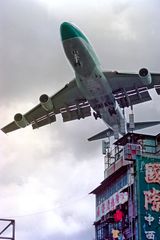
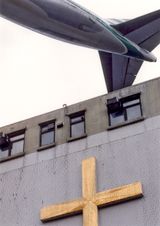
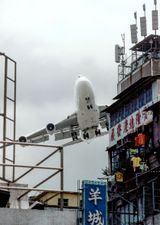
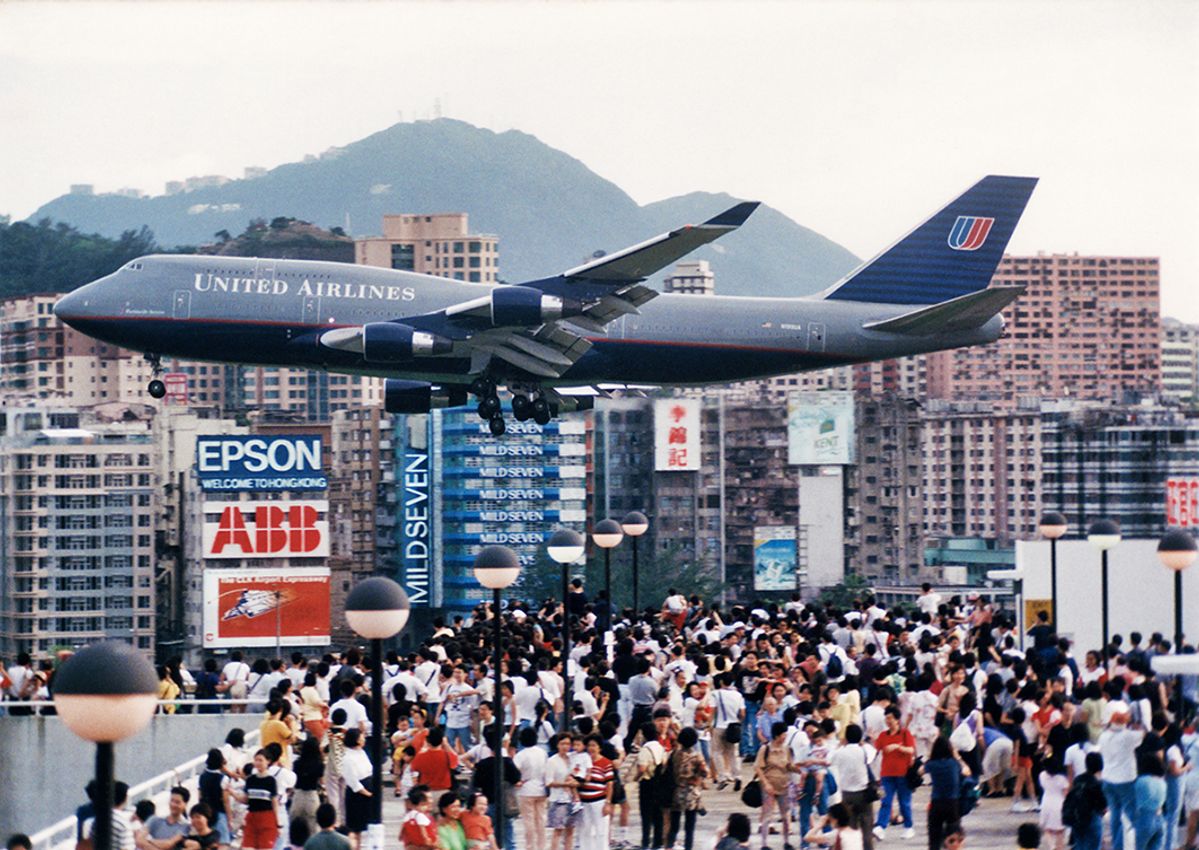
Kai Tak Airport, also known as the Hong Kong International Airport, was the main airport of HongKong from 1925 to 1998. The airport was originally built as a small runway in Kowloon Bay in1925, and was expanded over the years to become one of the busiest airports in Asia. The airportwas known for its challenging approach, since pilots would have to navigate through a series ofhills and buildings, making the sharp turn to land on the runway before reaching CheckerboardHill. Surrounded by densely populated areas and mountains, the location of the airport only addedto the difficulty of approach and landing. Despite so, the sight of planes across the panoramicview of the city’s skyline made the airport a popular spot for aviation enthusiasts andphotographers.
The airport and planes created a dynamic visual backdrop for Girard and Chu, who sought torecord and uncover different facets of life around the airport. whether it be planes flying over tonglau, or crowds of people in the busy districts. The terminal may be a bustling hub for travellersand international cargo, but pockets of silence appear as passengers stop to make a phone callbefore boarding. As the airport approached its imminent closure, the aircrafts themselves becamea spectacle as onlookers would try to capture a piece of history, a memento of an era that cameto a close.
Kai Tak Airport holds a special place in the hearts of many people who have fond memories oftraveling through it, or for those who used to watch planes land and take off from its iconicrunway. While the airport may be gone, its legacy lives on in the memories of those whoexperienced it and the photographs offer us a chance to revisit the extraordinary airport as well asthe everyday lives surrounding it.
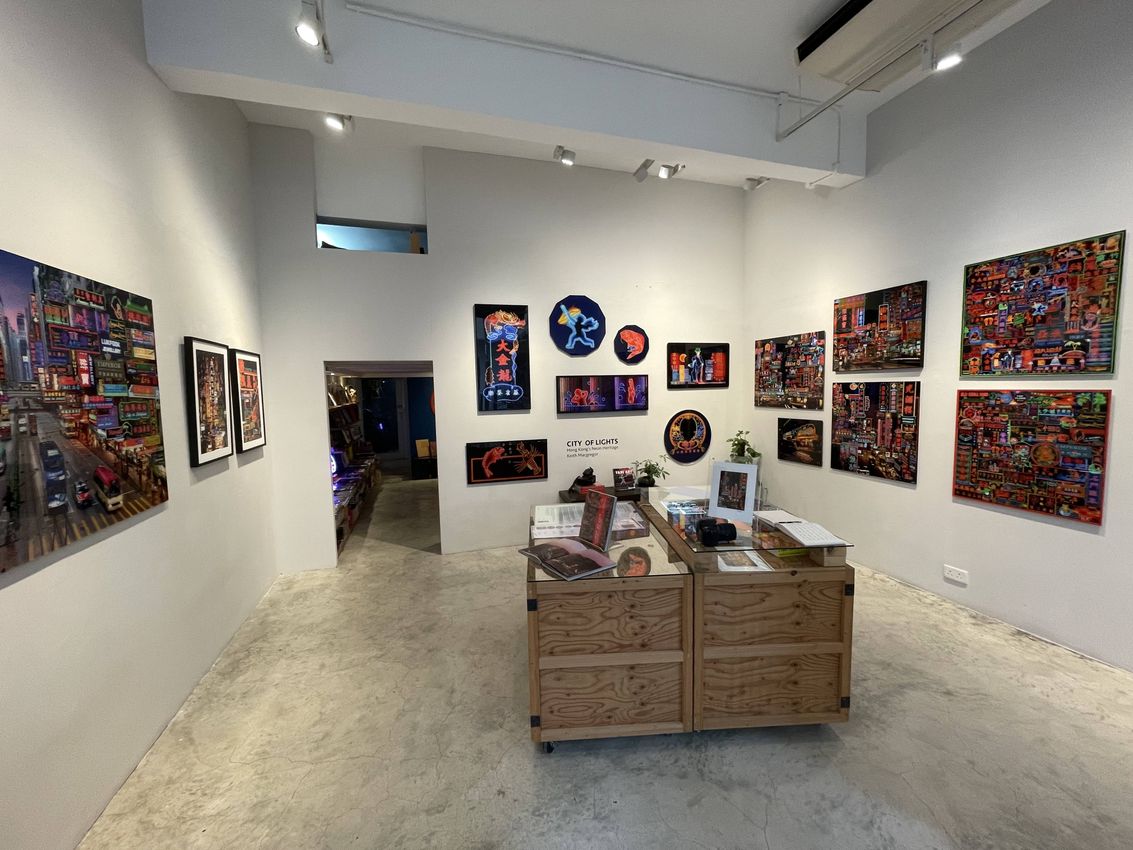
Located on the quiet historic Pound Lane in Sheung Wan, Hong Kong, Blue Lotus Gallery specialises in contemporary photography with a focus on exploring the culture and identity of Hong Kong.

A respected voice in contemporary art discourse.
Focusing on ambitious storytelling and insightful art-world commentary. Ocula Magazine publishes in-depth interviews, critical essays and timely analysis on the artists, exhibitions and ideas driving the global art world.
Learn more about Ocula Magazine
Showcasing the best of the art world.
Ocula partners with galleries from around the world to highlight their artists, artworks and exhibitions. Gallery membership is by application and invitation, with each member vetted by an independent panel.
Learn more about Ocula Membership

Specialises in the sale of major artworks.
Led by a team with deep ties to the world’s leading auction houses, galleries and collectors. Ocula’s advisory team offers bespoke services to high-net-worth clients from around the world who are looking to acquire the best of contemporary and modern art.
Learn more about our team and services