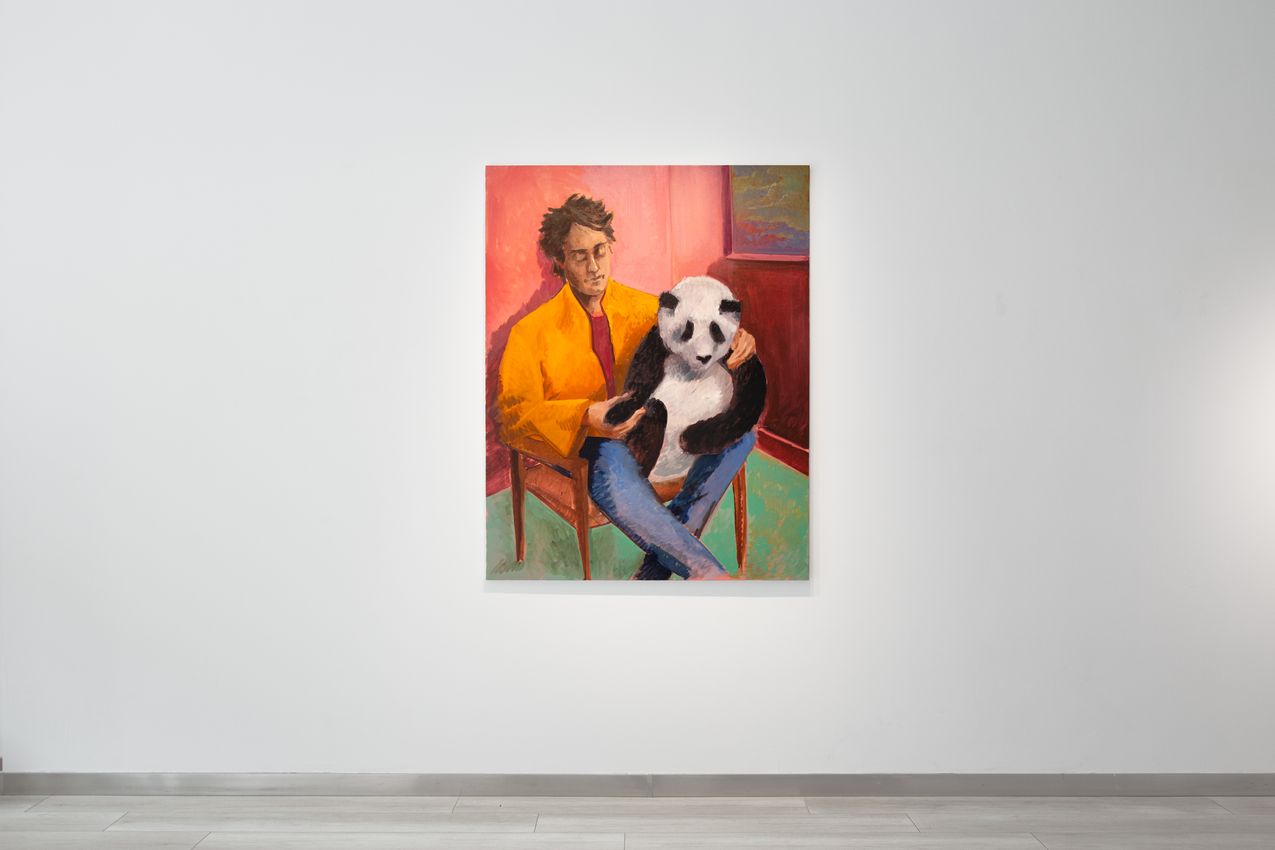
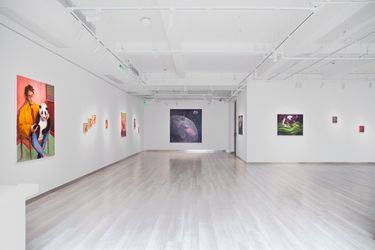
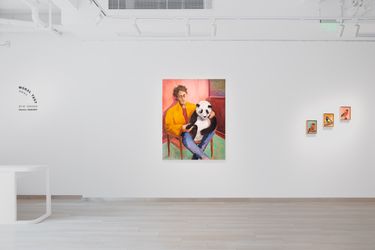
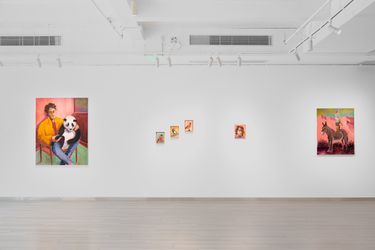
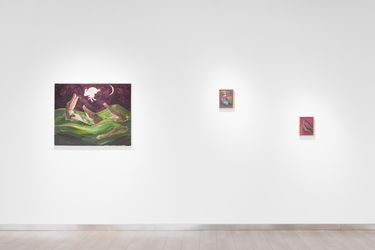
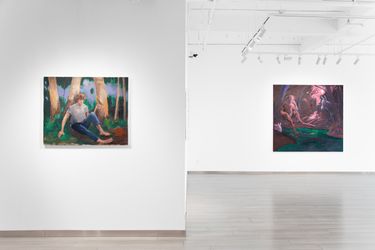
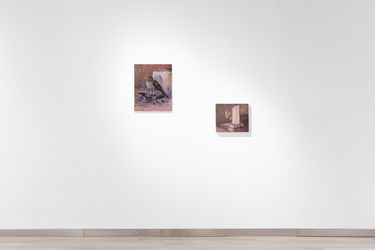
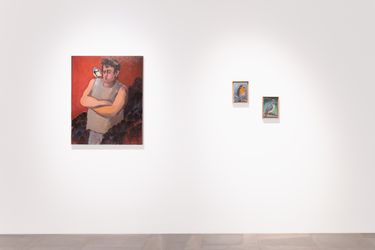
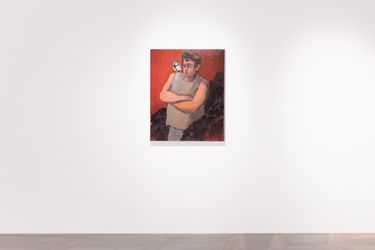
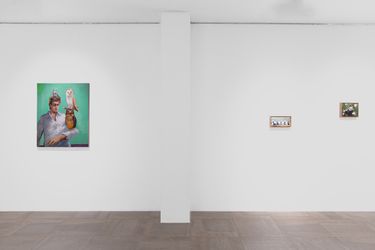
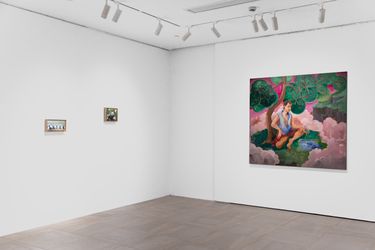
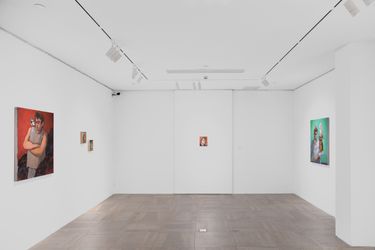
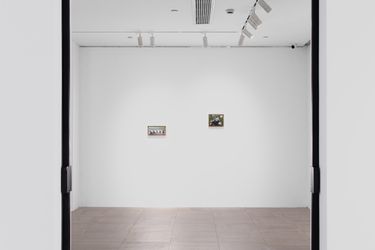
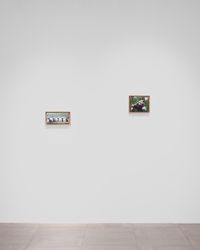
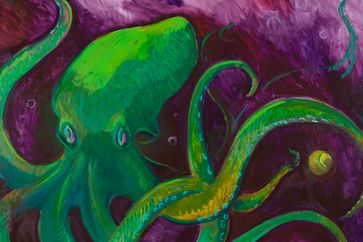
DUMONTEIL Shanghai is thrilled to present Moral Test, showcasing the captivating works of French artist Charles Hascoët. This is the artist’s second solo exhibition with the gallery. Setting the tone with Milan Kundera’s profound insights into humanity, the show features over twenty of Hascoët’s latest paintings, demonstrating the artist’s remarkable ability to translate his inner most thoughts and emotions into metaphorical narratives with his unique vision and style.
‘True human goodness, in all its purity and freedom, can come to the fore only when its recipient has no power. Mankind’s true moral test, its fundamental test (which is deeply buried from view), consists of its attitude towards those who are at its mercy: animals. And in this respect mankind has suffered a fundamental débcle, a débcle so fundamental that all others stem from it.’ – Milan Kundera
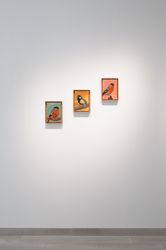
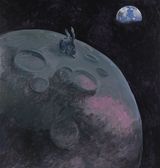
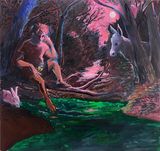
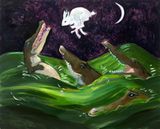
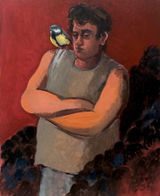
This ‘moral test’ is deeply embedded in Charles Hascoët’s mind and in the series of works on display. Each piece, whether the artist is physically present in the image or not, depicts his very existence: the Moon Rabbit, longing to escape from the earth: the White Rabbit, defiant in the face of ferocious predators; the shrewd owls and the resilient donkey, steadfast in their scrutiny; and a host of birds gazing down on us like watchful angels ... When the artist does incorporates his own image into his work, he reinforces his stance: gazing up at us much like his feathered companions who perch on his arms and shoulders.
It’s all a kind of self-portrait. Collectively, these works offer a glimpse into the artist’s mindset regarding his relationship with humanity and the world at large. Hascoët opens up to us as much as to himself: his cherished encounter with a fox, his unreserved affection for pandas, as well as his inner struggle, forbearance, and yearning to escape the established moral failures of society. As viewers, we are invited to witness the artist’s journey of self-discovery, traversing alongside him through the landscape of his consciousness—a realm intricately connected to his artistic creativity.
In the area of artistic expression, Hascoët’s careful study of Courbet’s realism reflects his commitment to portraying sincerity over idealisation, while his exploration of Delacroix’s romanticism emphasises contrast rather than harmony. His fondness for fluorescent colours and bold use of clashing colours result in worlds that are more peculiar and fantastical than dreams.
What ultimately adds intrigue to this exhibition is the artist’s choice of subjects. Always following his intuitions and visions, the artist once stated ‘It is the subjects that impose themselves on me.’ Admittedly, this seems logical when depicting animals, whose distinctive appearance is an excellent prerequisite for any artist to explore colour and form. And the thought-provoking combinations in some large-scale paintings leave as much room for viewer’s interpretations as they do for artistic creations.
Amidst the array of unique and unconventional subjects, however, the inclusion of Dürer’s Young Hare stands out as a conscious decision. Dürer was among the first artists to recognise animals as worthy subjects for artistic exploration. It is artists like Dürer that marked a significant shift towards portraying animals with greater respect and attention to their intrinsic value. Today, it is more important than ever to revisit this cultural shift towards a more empathetic and respectful view of the natural world. Only through this recognition can we remain vigilant against our own arrogance and recognise other forms of unfairness and injustice in society.
It is not always easy to confront harsh truths, especially when they lead us into darkness. However, Charles Hascoët, with his unique blend of love, humor, and benevolence, manages to guide us closer to his melancholic dreamscapes, revealing the invisible like Minerva’s owl. Though profound, they paradoxically lighten the weight of the ‘Moral Test,’ making it both poignant and approachable. His art invites us to explore deeper, fostering introspection and encouraging a shift toward kindness and away from aggression.
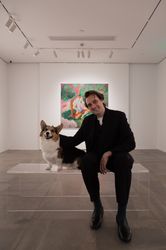
Charles Hascoët (b.1985) is an artist who lives and works between New York City and Paris. He studied at the Ecole des Beaux-Arts de Paris and graduated in 2014. During his student years, and along with his teachers (J.Rielly or J.Michel Alberola among them), he had the occasion to continue and deepen his favourite medium, painting.