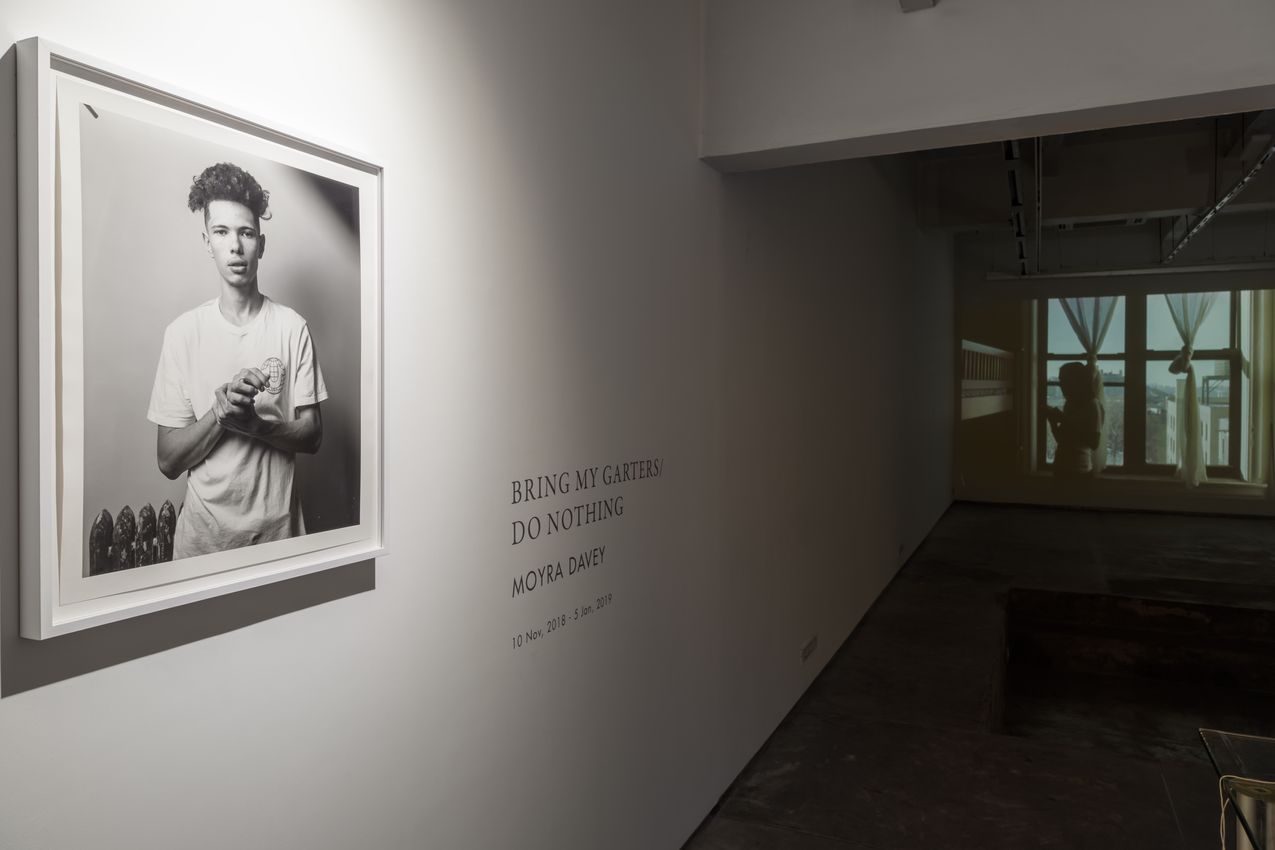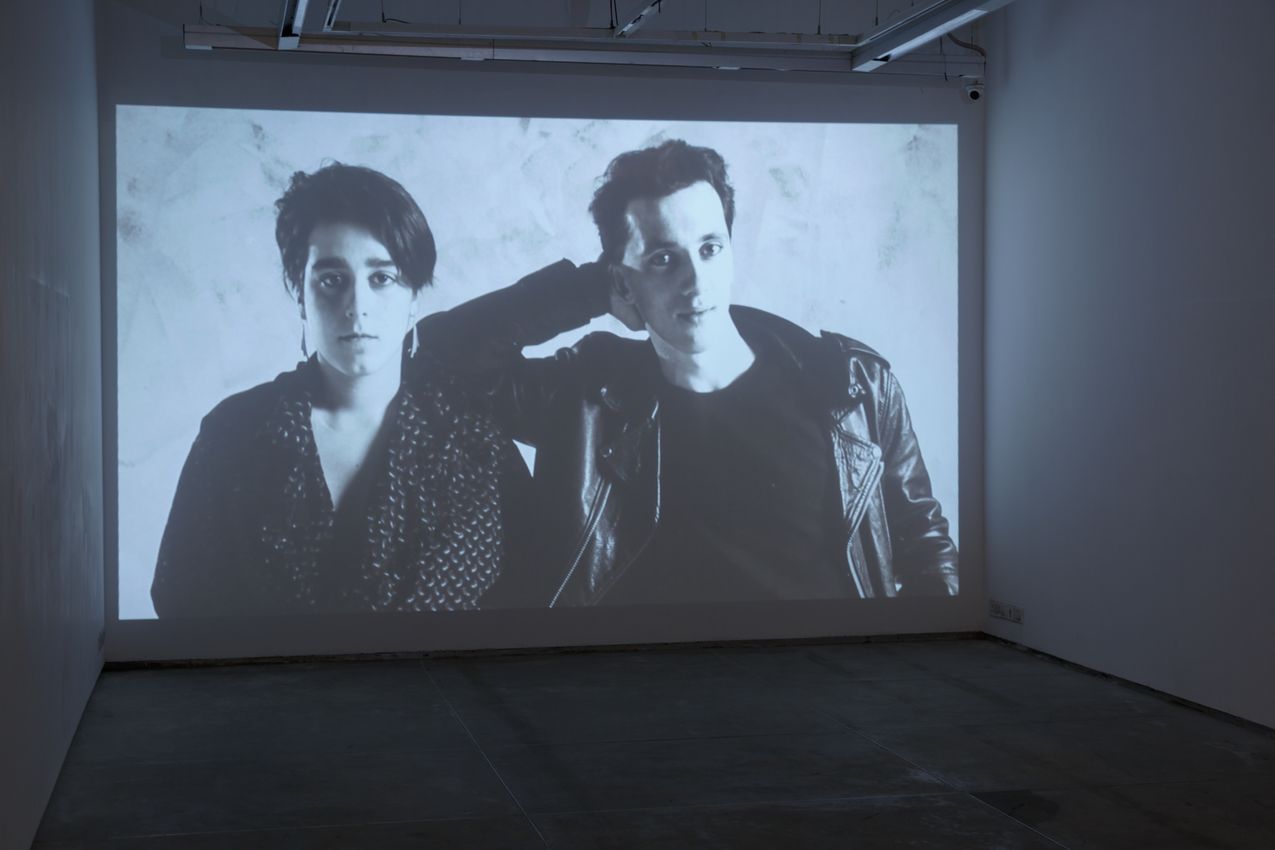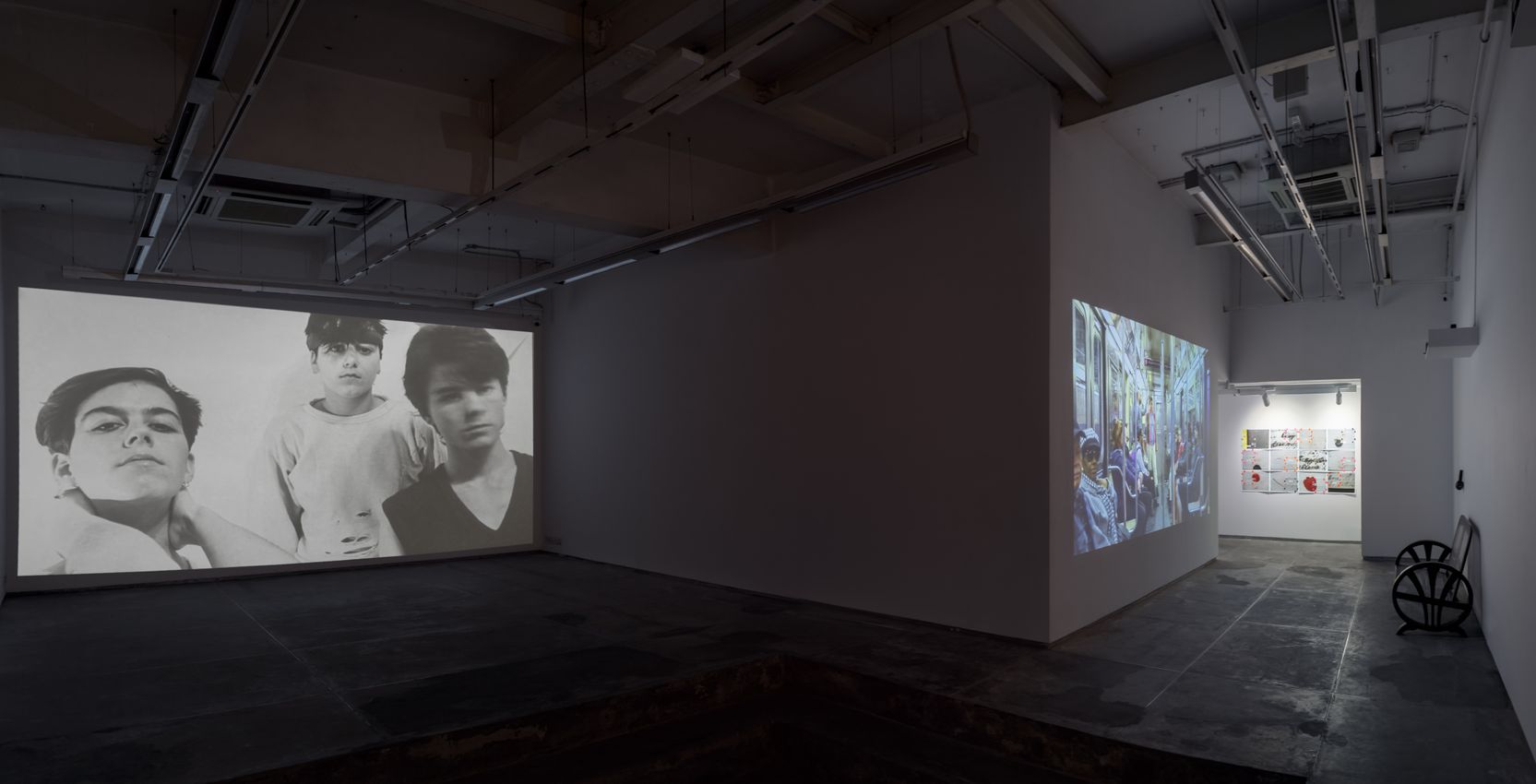
Experimenter presents Bring My Garters / Do Nothing, a solo exhibition by Moyra Davey, whose work comprises of photography, film, and writing. Davey’s films often explore compulsion, creativity, and the feminine. Bring My Garters / Do Nothing offers an intimate perspective into the artist’s world, her memories, stories of her family, friends, and references to her artistic, literary, and philosophical influences.
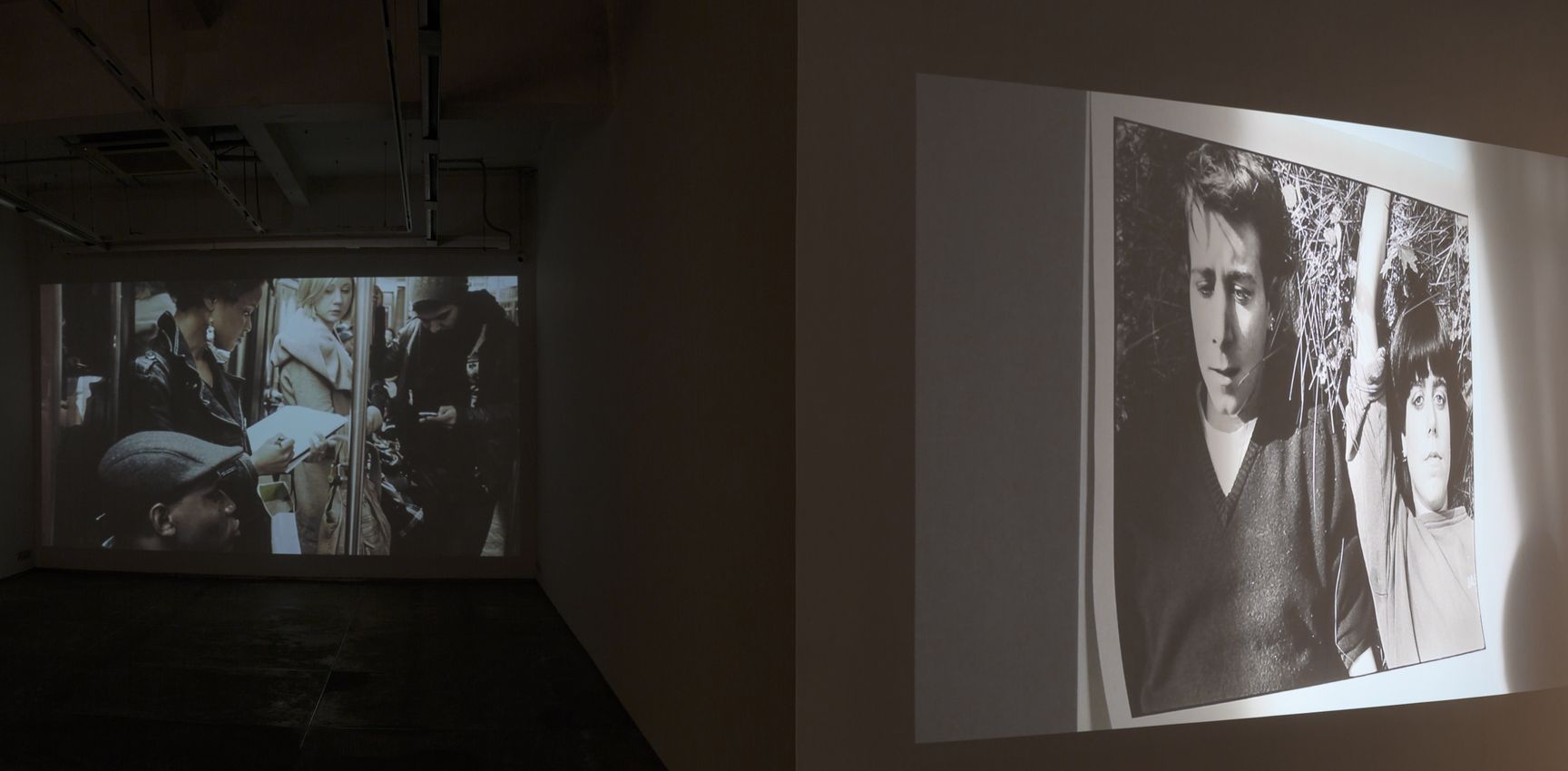
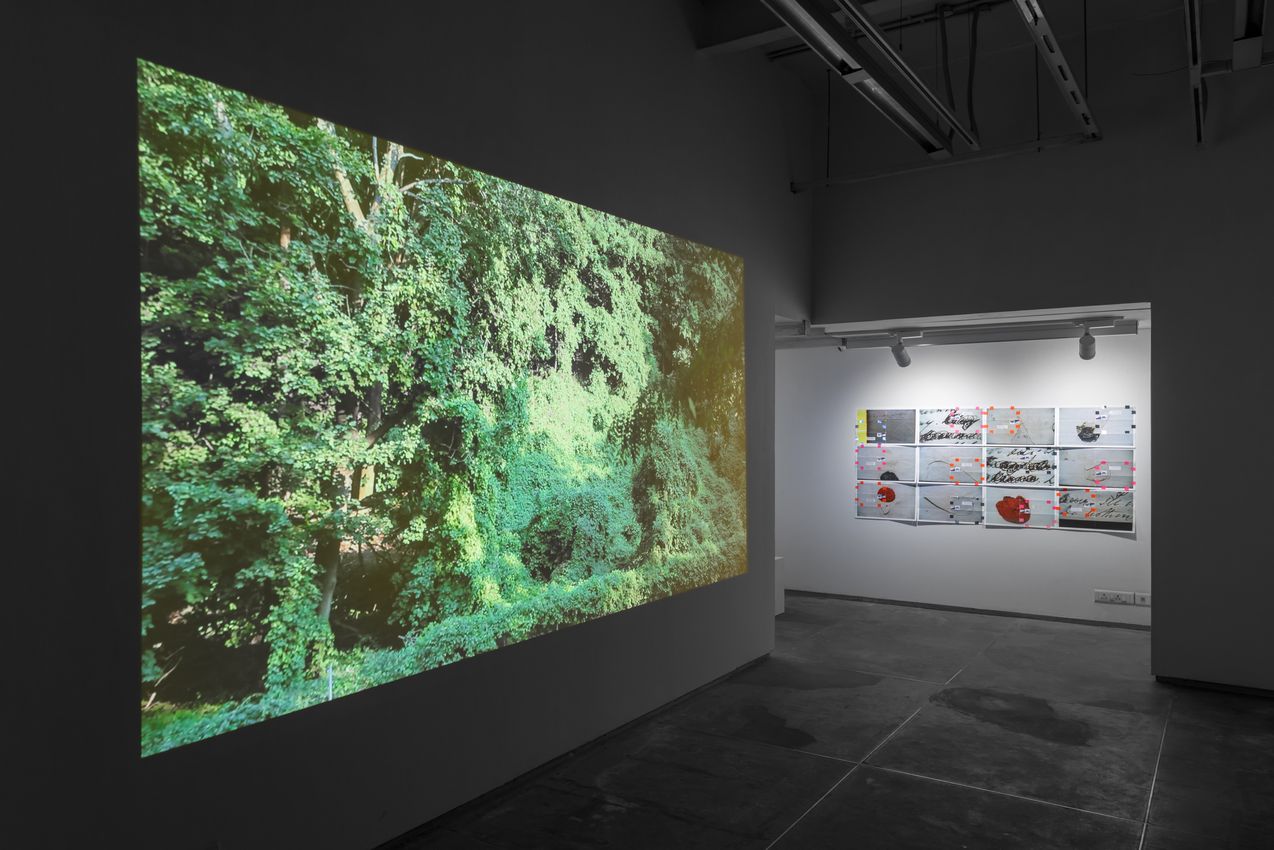
In Les Goddesses (2011), Davey presents part photo-story, part document, featuring audio and image running in anachronistic parallel. Davey’s voice-over narrates the tragic experience of the political philosopher Mary Wollstonecraft and her family, linking these to her own life and work as a photographer. Les Goddesses moves between the margins of cultural history, the creation of personal memory and the development of Davey’s artistic practice. The narrative simultaneously occupies different times and places, from Wollstonecraft’s nineteenth century references to the recent past of the Davey sisters, from Davey’s own time in Paris as a teenager to her return in 2010 as a mother, wife and artist. The artist carefully goes through archival boxes of her 1980 portraits of her young sisters and friends for close consideration, obliquely referencing loss and the effects of time.
Les Goddesses and Hemlock Forest (2016) lie in the convergence of two unresolved anxieties: the “fear of low-hanging fruit” and the fear of the opposite of “low-hanging fruit”; between risking what is too easy and risking what is too difficult; between obtaining something too effortlessly and losing something through too much effort; between the promise of immediate access and the denial of such access.
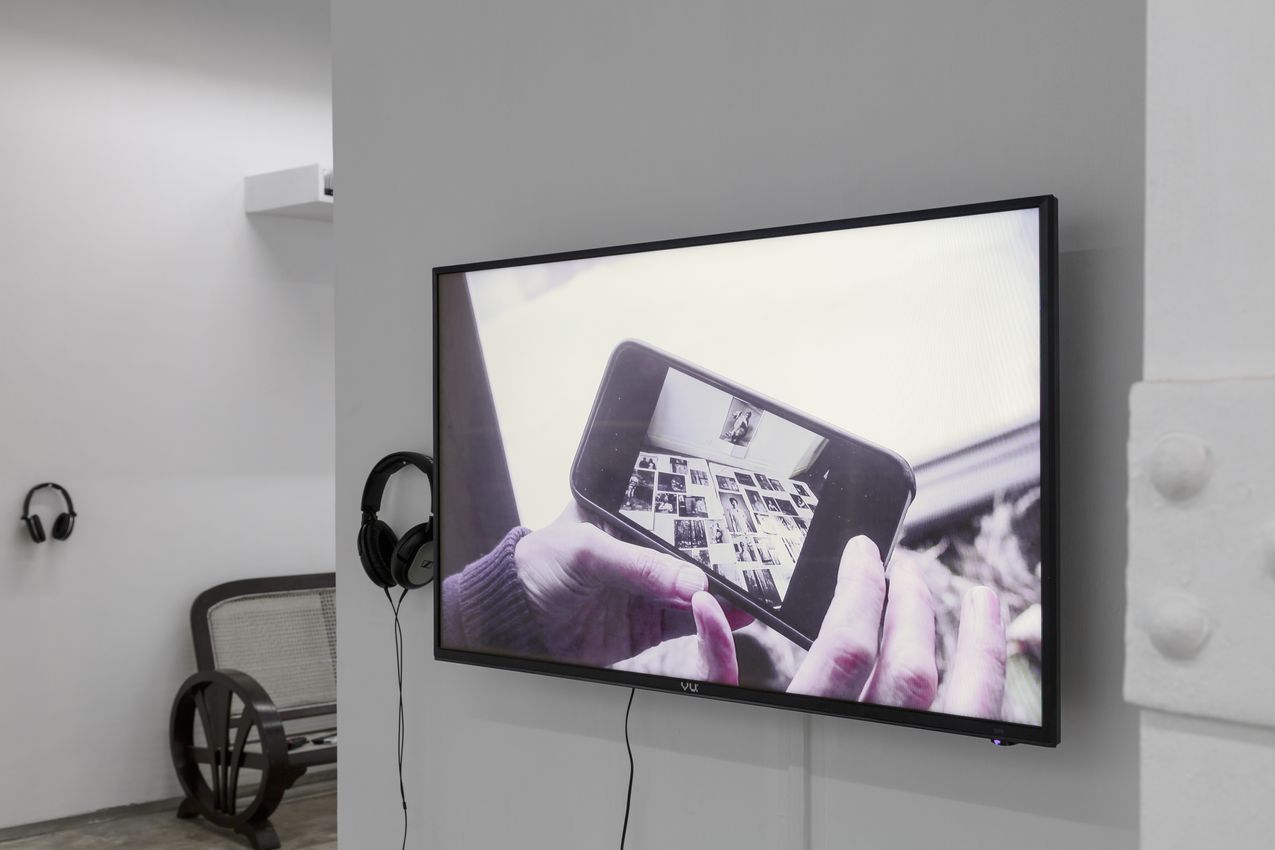
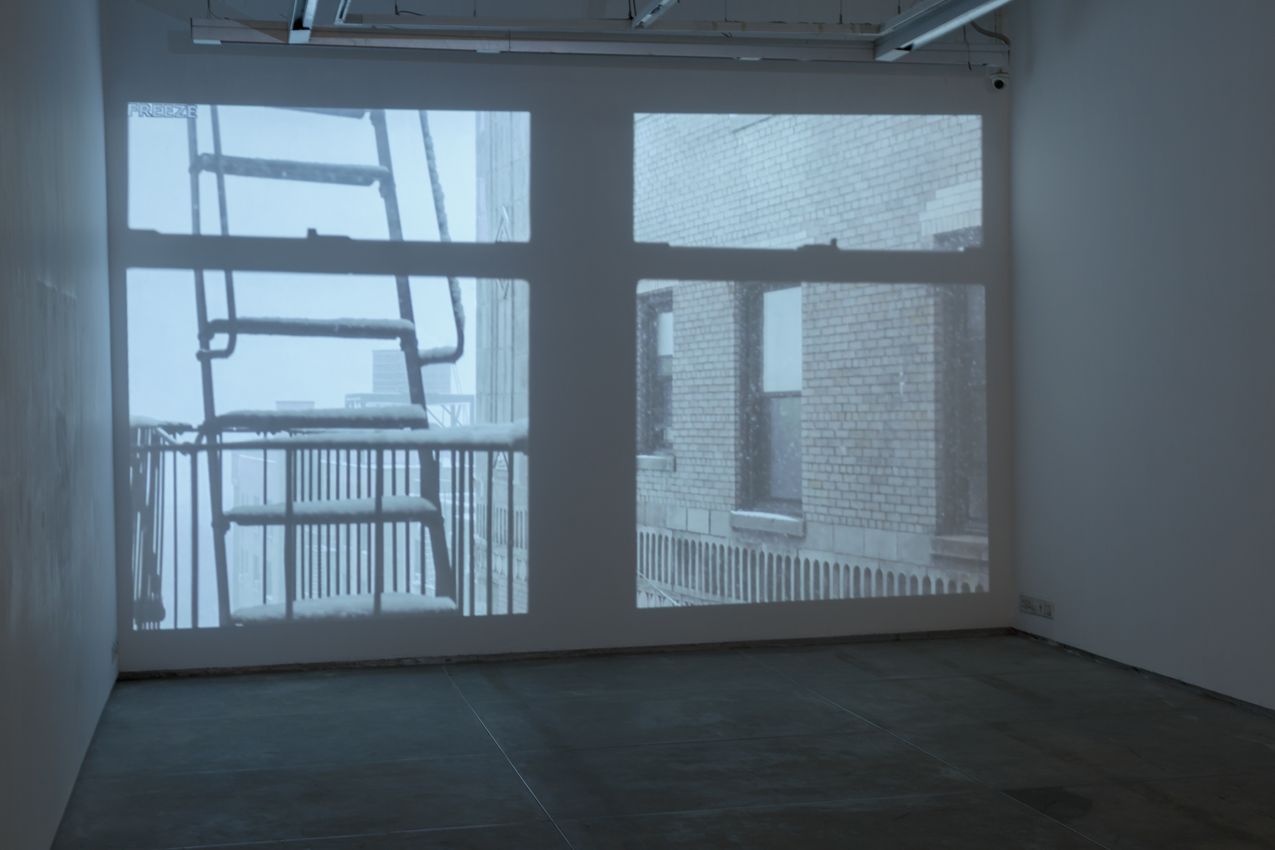
Hemlock Forest (2016), employs a rigorous formal structure as Davey traces the worlds of Karl Ove Knausgård and Chantal Akerman as she considers the implications of her son leaving home and Akerman’s suicide. In this film we encounter Davey pacing in front of the camera inside her apartment exploring the notion of banal, ordinary footage that Davey calls “low-hanging fruit”, narrating her monologue from an iPhone, then incorporating photographs and home movies to form a visual essay around the monologue. Hemlock Forest ends with the artist moving away from the first person. She writes, and speaks, of herself as the “woman making this film” who finds herself directly addressing her son and his friends in her thoughts, and in a distinct way this unites the themes of portrait and landscape, personhood and place.
Wedding Loop (2017), is an insight into a wedding party and the women involved, reflected through the work of 19th-century photographer Julia Margaret Cameron. It positions itself around Davey’s recounting of how she photographed a family wedding, something she did previously in 1980: in the midst of all the “tears, angst, anger, and drunkenness of my goddesses. I have arrived with my camera and performed the same role”. Contributing to the intricate structure and subject of Wedding Loop are scenes in which Davey glances through photographs of her photographs on an iPhone or passes by a computer screen on which she’s also seen pacing, possibly attempting to see herself the way the audience does.
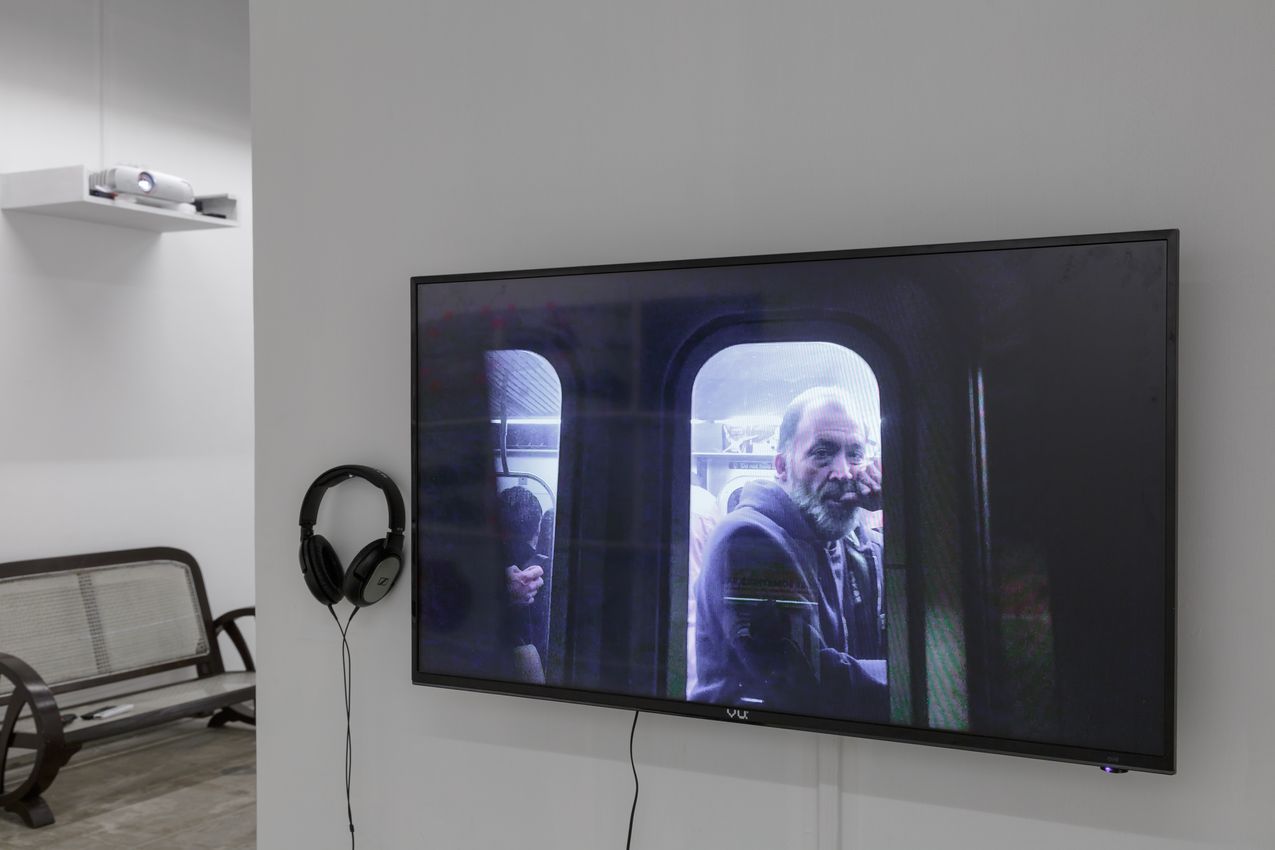
It is a profound personal intensity that allows nothing to remain static in Davey’s films. This is illustrated as Davey paces continually in her apartment in her films, reading out from her own notes as trains move through the subway and light shifts as it comes in through the windows illuminating everyday objects such as books that are marked or cut into sections that come alive as pages are turned or dust is blown off their tops.
The camera moves across the surface of the photographs, which are brought into often oblique or ironic relations with the artist’s commentary and account of revealing her filmmaking processes.
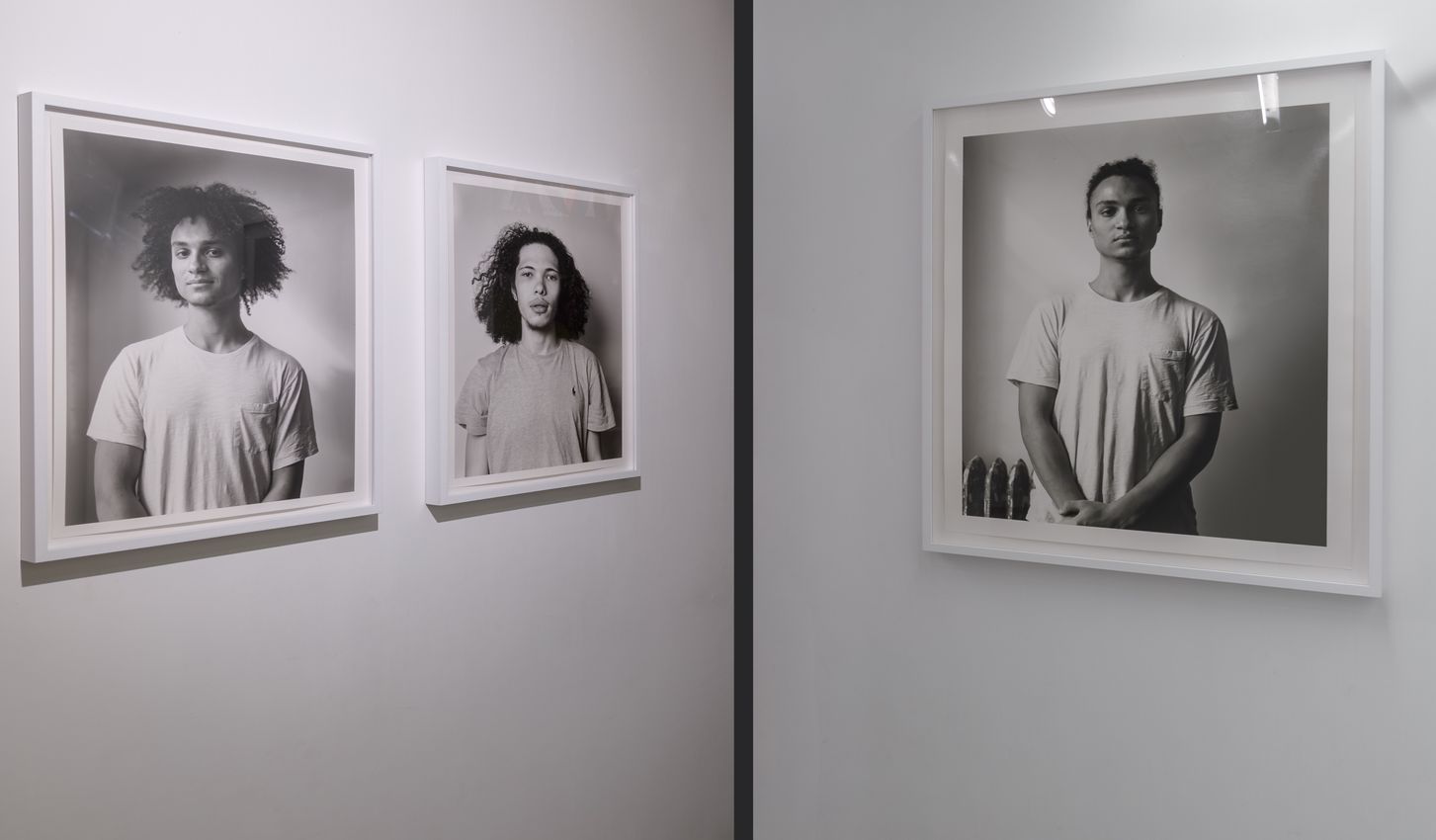
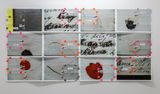
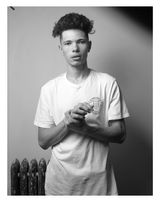
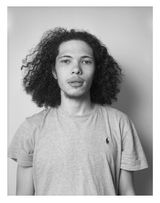
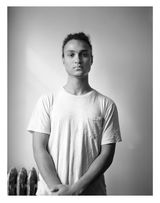
In one part of the gallery, silver gelatin portraits accompany a collage: Bring My Garters / Do Nothing (2017). The world that Davey creates through these images is assembled out of gestures of direct address, relationship and connection. Images are intervened with traces of postage - folds, labels, tapes, and stamps that become part of the material and meaning of the work, diverting images away from the preciousness of the art object and returning them to what Davey calls “postcard status,” pinned to the wall without the protection of frames and glass. Davey subverts the image-capturing quality of the photograph by emphasising its nature as object.
Moyra Davey (b. Toronto 1958) earned a BFA from Concordia University, Montreal, in 1982, and an MFA from the University of California San Diego in 1988. In 1989, she attended the Whitney Museum of American Art Independent Study Program. Davey has been the subject of major solo exhibitions at institutions including Portikus, Frankfurt/Main (2017); Bergen Kunsthall, Norway (2016); Camden Arts Centre, London (2014); Kunsthalle Basel (2010); and Fogg Art Museum at Harvard University, Cambridge, MA (2008). Her work has been featured in recent group exhibitions including documenta 14 __(2017), Le Grand Balcon: La Bienniale de Montréal (2016), The Imminence of Poetics: XXX Bienal de São Paolo (2012), and the Whitney Biennial (2012). She is the author of several publications including Burn the Diaries and The Problem of Reading, and is the editor of Mother Reader: Essential Writings on Motherhood. Davey’s work is found in major public collections, including the Museum of Modern Art and the Metropolitan Museum of Art in New York, and Tate Modern in London. She is the 2018 recipient of the Scotiabank Photography Award, and in 2004 was granted the Anonymous was a Woman Award.
Moyra Davey’s work initially featured documentary photographs of her family and friends, and later came to focus on the quiet, overlooked details of daily life: coins, kitchen shelves, and clumps of dust gathered along the floor. Depicting outsize close-ups of the fronts of worn pennies, Davey’s Copperhead series (1990), emphasises the circulation of banal, everyday objects individuated by the accumulation of human touch. In the mid-2000s, the moving image took on a renewed prominence in Davey’s work.
Experimenter was co-founded by Prateek & Priyanka Raja in 2009. With a multidisciplinary approach, the gallery is an incubator for an ambitious and challenging contemporary practice. The program represents some of the most critical contemporary artists worldwide. Considered to be a ‘pace-setter’ for its region, the program extends from exhibition-making, to knowledge creation, through regular talks, performances, workshops and most importantly, through it’s much acclaimed, annual curatorial intensive, Experimenter Curators’ Hub. In 2016, its artist-book publishing wing, Experimenter Books was launched. Experimenter’s program is rooted in dialogue and dissent. In 2018, the Experimenter Learning Program (ELP) was launched. ELP enables discussion, debate and learning in fields of contemporary and performing arts, curatorship, film, writing, language and social culture. In 2019, Experimenter Outpost an iterative exhibitions program outside the physical gallery where an extension of the program temporarily inhabits disused, characterful spaces was launched. In 2020, Experimenter Labs, an inclusive, experimental, online platform in addition to the onsite gallery programming was launched.

A respected voice in contemporary art discourse.
Focusing on ambitious storytelling and insightful art-world commentary. Ocula Magazine publishes in-depth interviews, critical essays and timely analysis on the artists, exhibitions and ideas driving the global art world.
Learn more about Ocula Magazine
Showcasing the best of the art world.
Ocula partners with galleries from around the world to highlight their artists, artworks and exhibitions. Gallery membership is by application and invitation, with each member vetted by an independent panel.
Learn more about Ocula Membership

Specialises in the sale of major artworks.
Led by a team with deep ties to the world’s leading auction houses, galleries and collectors. Ocula’s advisory team offers bespoke services to high-net-worth clients from around the world who are looking to acquire the best of contemporary and modern art.
Learn more about our team and services