On Painting
Painting, it seems to me, is fragile. Painting can be a technical transportation problem and a pleasure or a burden—but this technical transportation of paint from the painting table to the canvas has as little to do with painting as a pianist’s finger movements have to do with music.
Painting flashes up in the moment where the colours come together into a colour sound or harmony. It is a very brief moment, and quite a fierce process. At first, one paints about on a canvas for weeks, and nothing happens. But then, all of a sudden, I can see how something wants to emerge from the chaotic confusion of my paints. Almost as if the painting had a will of its own—almost as if it were a living creature. For a moment, it pauses. Then this painting appears in its fullness. Then I can quite suddenly stop the whole process of paint transportation. Every additional brushstroke would damage the painting.
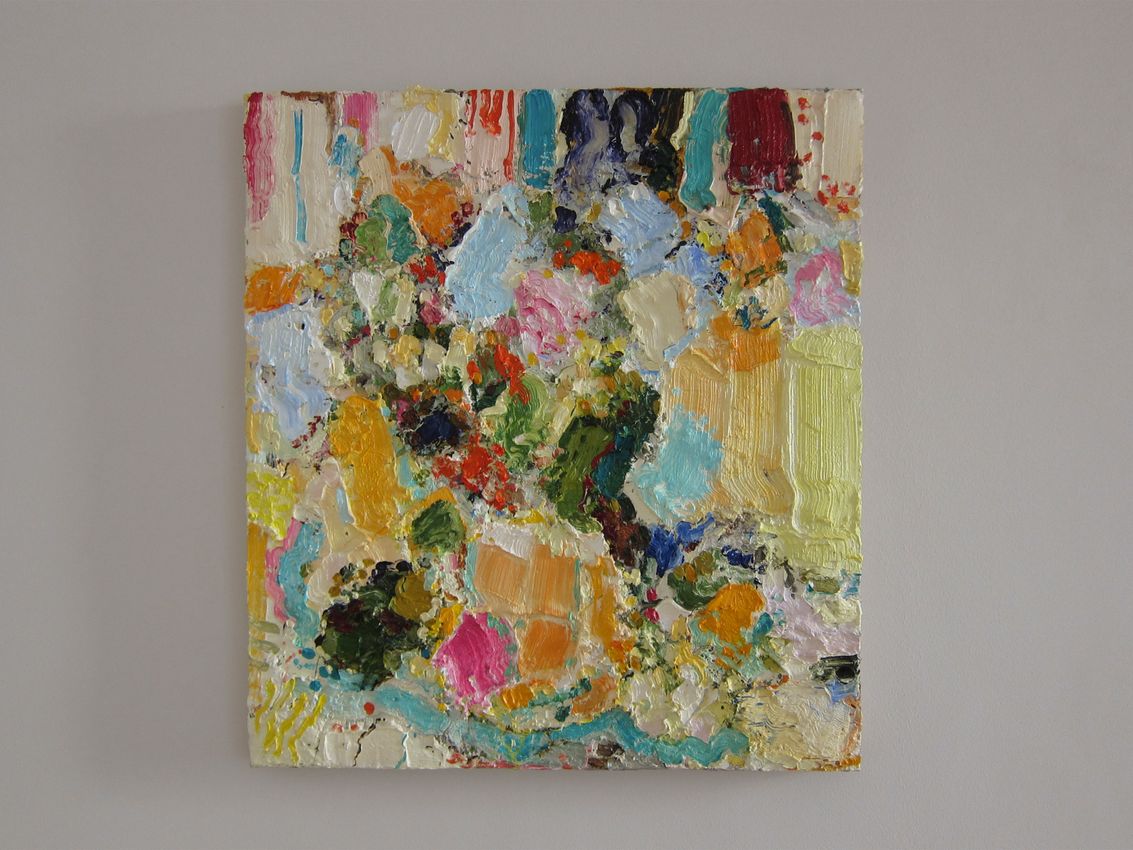
I am working currently in a balance of incidental and construction moments. I wish my paintings to look a bit as if they had been made by chance operations, and be like a view out of a closed window into a spring garden.
And then this moment of painting remains in a work like a memory. Painting itself, however, has withdrawn again. Often, I paint the next work only to be able to encounter this miracle of painting again. It seems increasingly incredible to me how something can emerge from paints that can touch me so much. This touch is for me painting.
My painting from this year is wilder, more rugged, weathered, offhand, uncomfortable, headstrong, turbulent, passionate, dynamic, impulsive—and my paintings are more beautiful than ever before.
Text by Michael Toenges, 5 December 2019. Courtesy Galerie Albrecht.
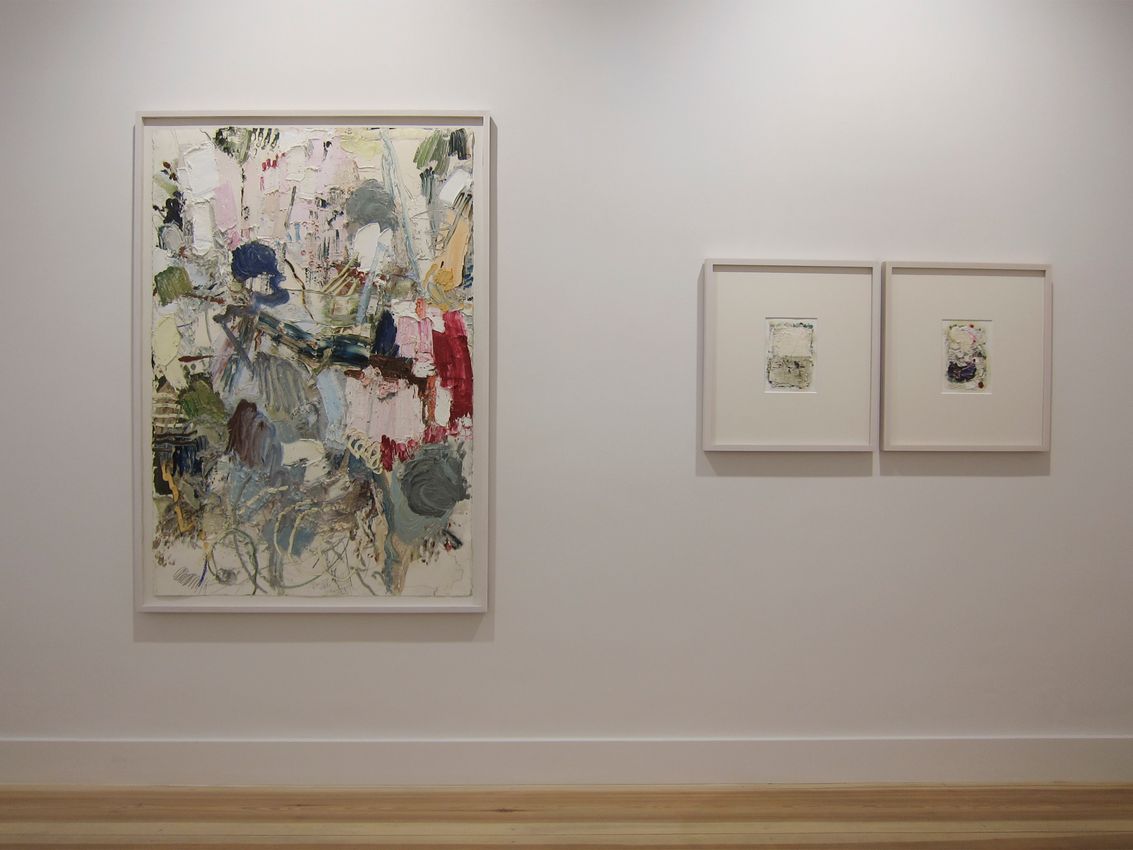
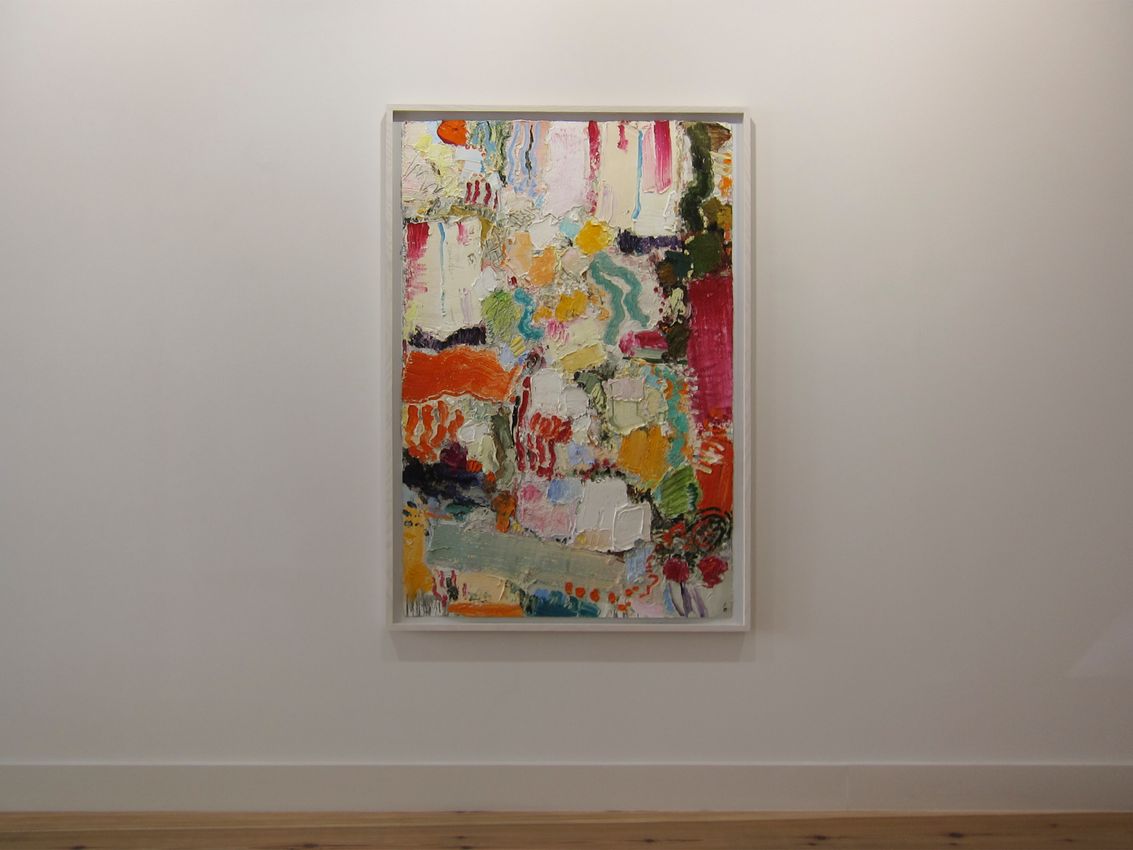
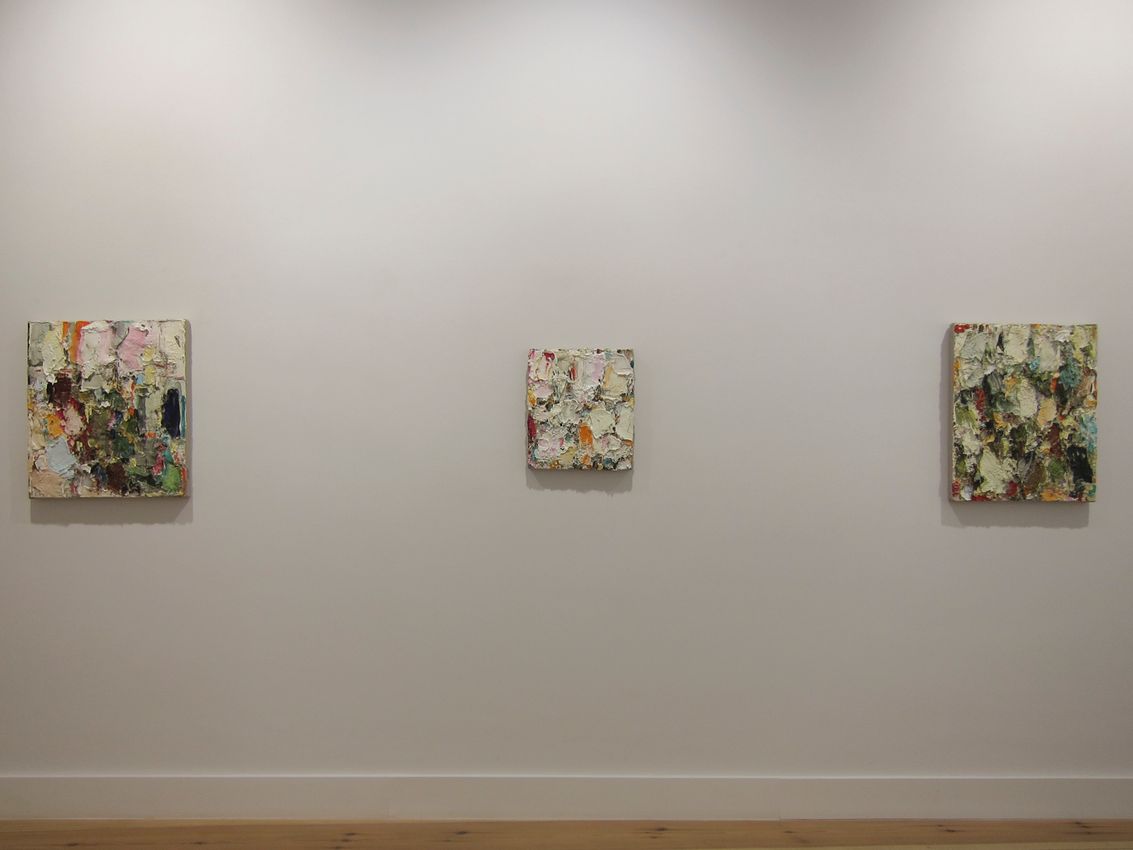
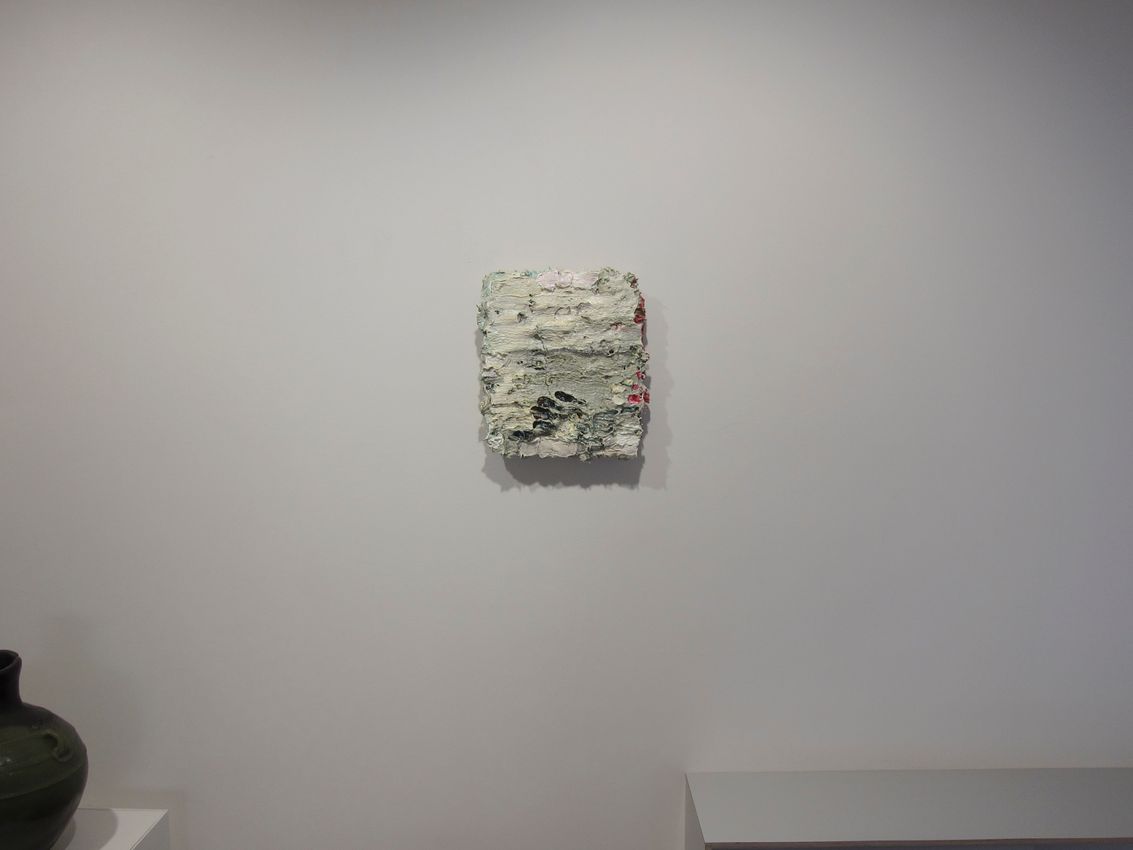
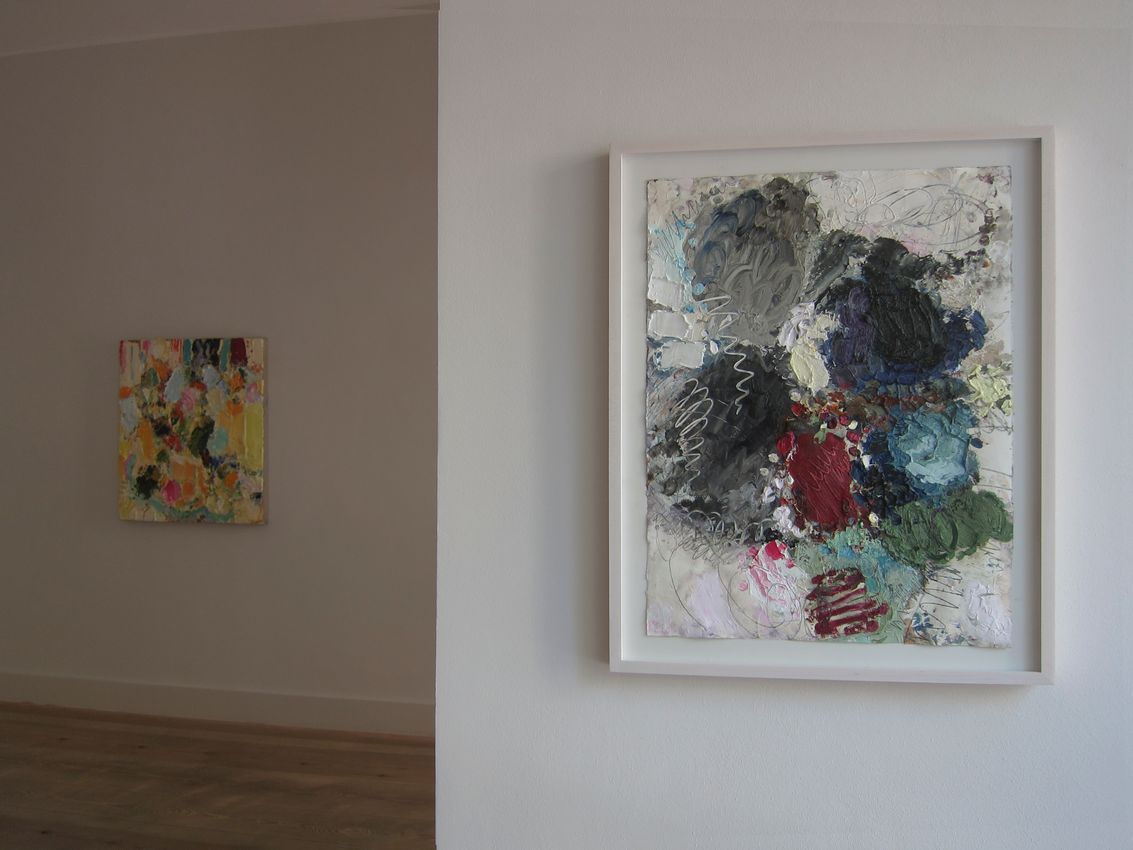
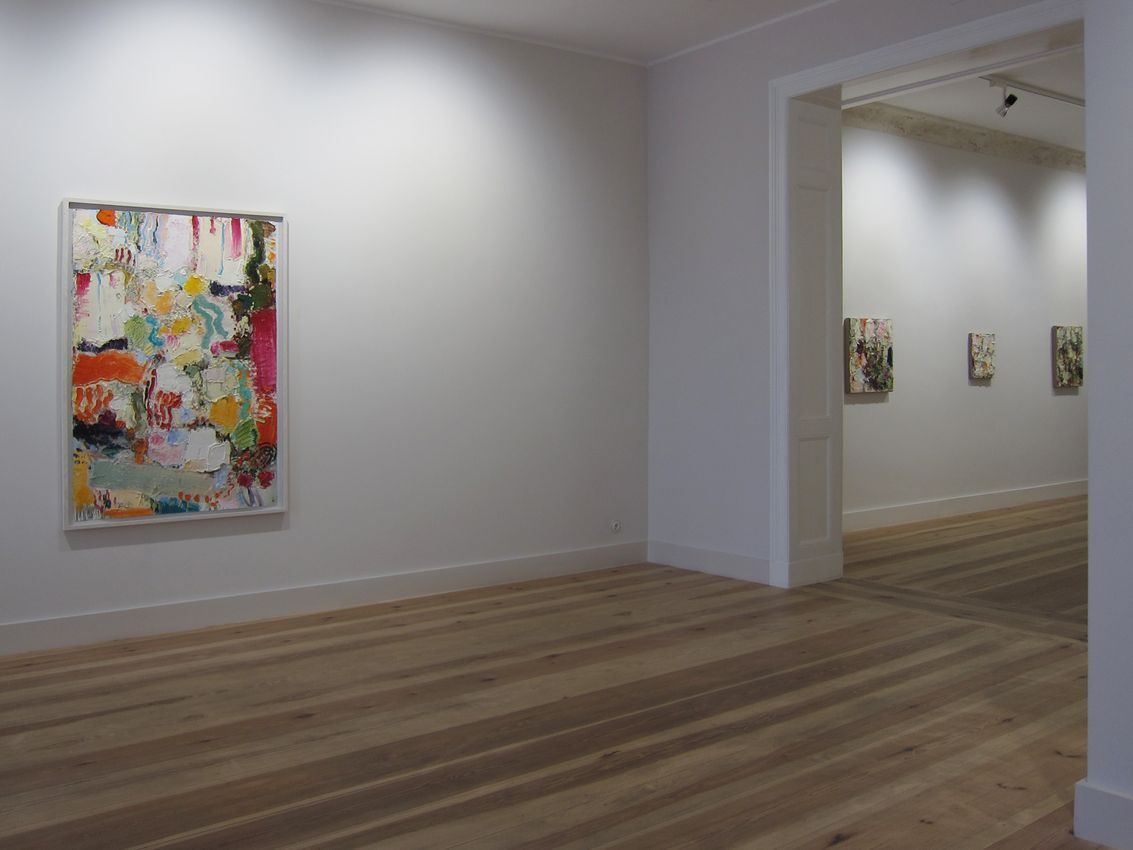
For Michael Toenges (born 1952 Pfaffenhofen/Ilm, lives in Cologne) paint is an actual material with volume and density. His brush and spatula leave furrows, valleys, and ridges, and yet: despite the heaviness of the paint materials, the beholder gets a sense of a flying, floating dynamics. The massive brushstrokes reveal verve and energy, they strive towards the edge, they want to go beyond the painting, and the colours are light. Heavy does not have to be heavy.
Established by Susanne Albrecht in 1986 off the heels of her studies in philosophy, art history, and Italian philology at Freie Universität Berlin and Ludwig-Maximilians-Universität München, Galerie Albrecht represents young European and Asian artists as well as influential established European and American post-War and contemporary artists.

A respected voice in contemporary art discourse.
Focusing on ambitious storytelling and insightful art-world commentary. Ocula Magazine publishes in-depth interviews, critical essays and timely analysis on the artists, exhibitions and ideas driving the global art world.
Learn more about Ocula Magazine
Showcasing the best of the art world.
Ocula partners with galleries from around the world to highlight their artists, artworks and exhibitions. Gallery membership is by application and invitation, with each member vetted by an independent panel.
Learn more about Ocula Membership

Specialises in the sale of major artworks.
Led by a team with deep ties to the world’s leading auction houses, galleries and collectors. Ocula’s advisory team offers bespoke services to high-net-worth clients from around the world who are looking to acquire the best of contemporary and modern art.
Learn more about our team and services