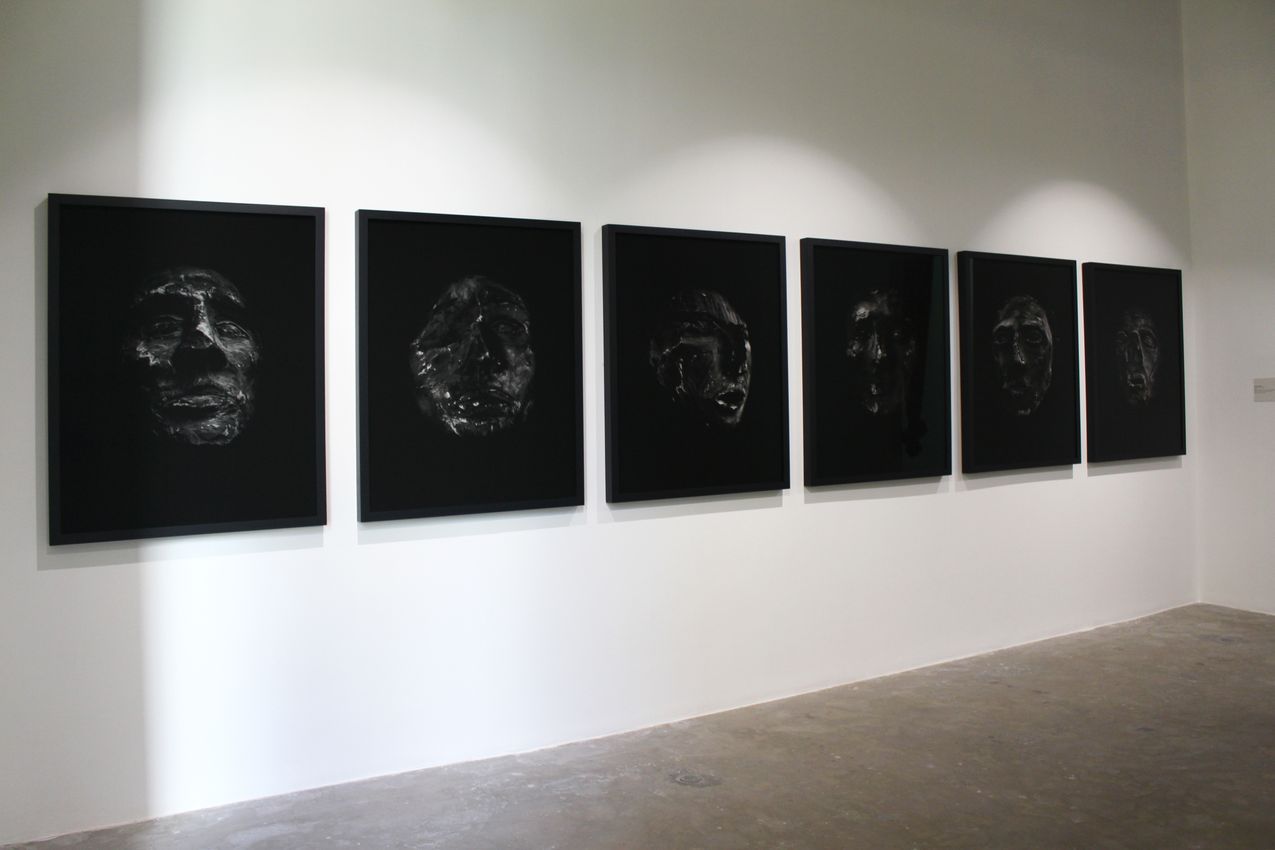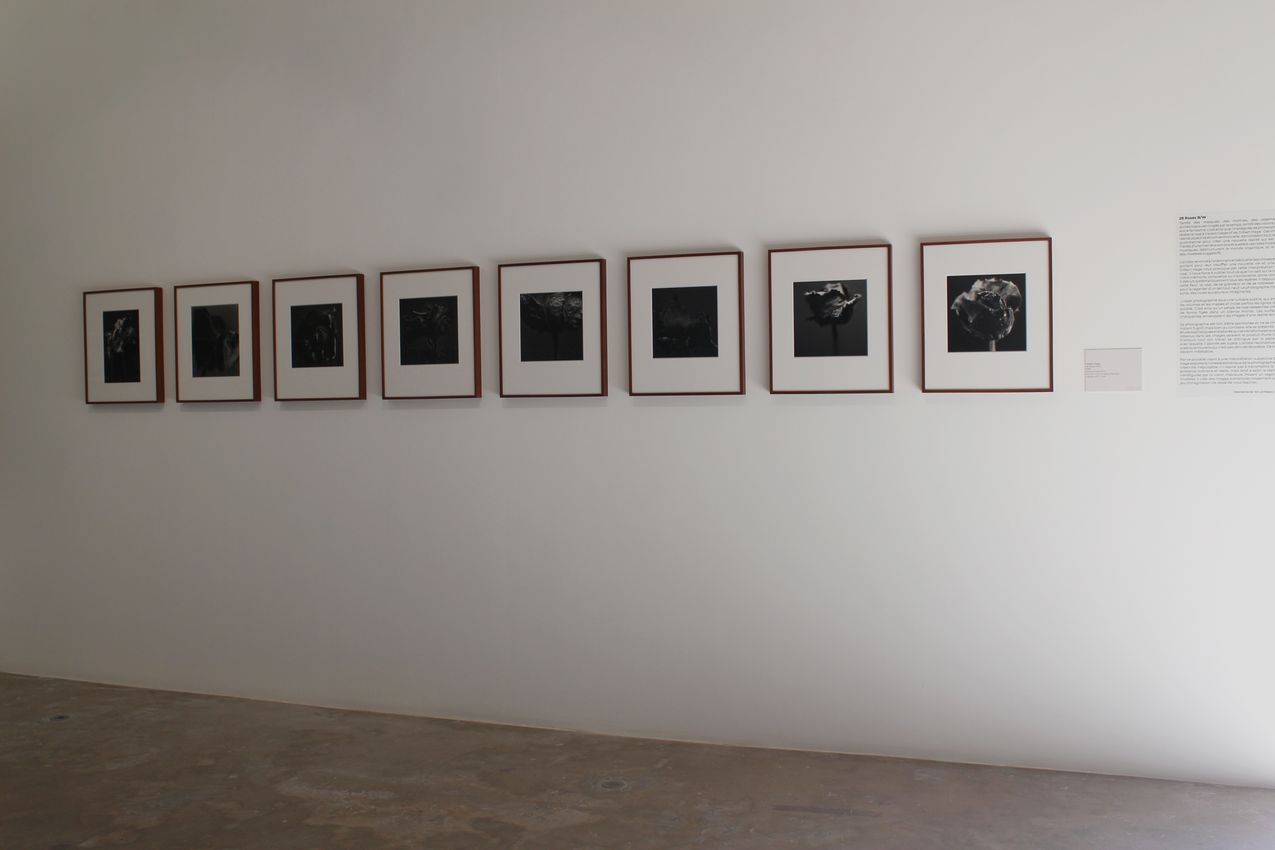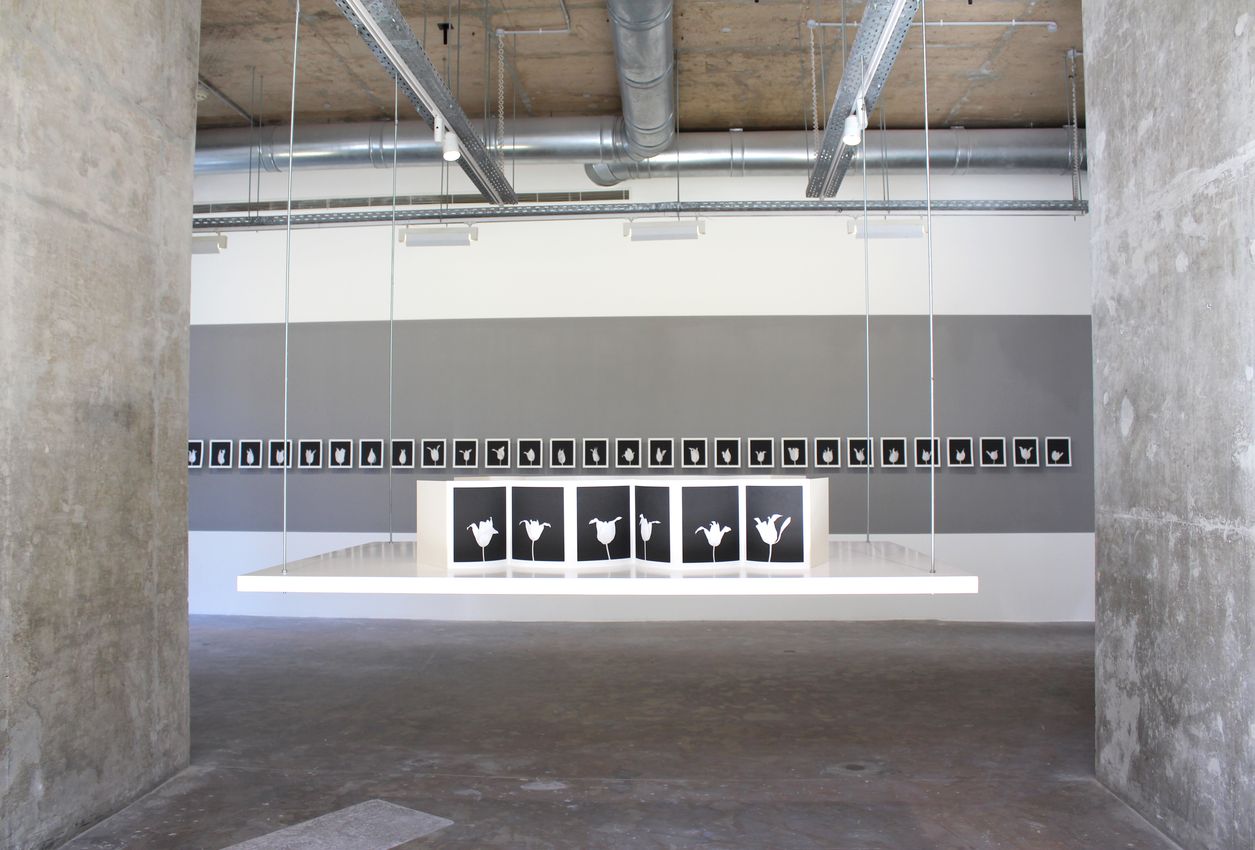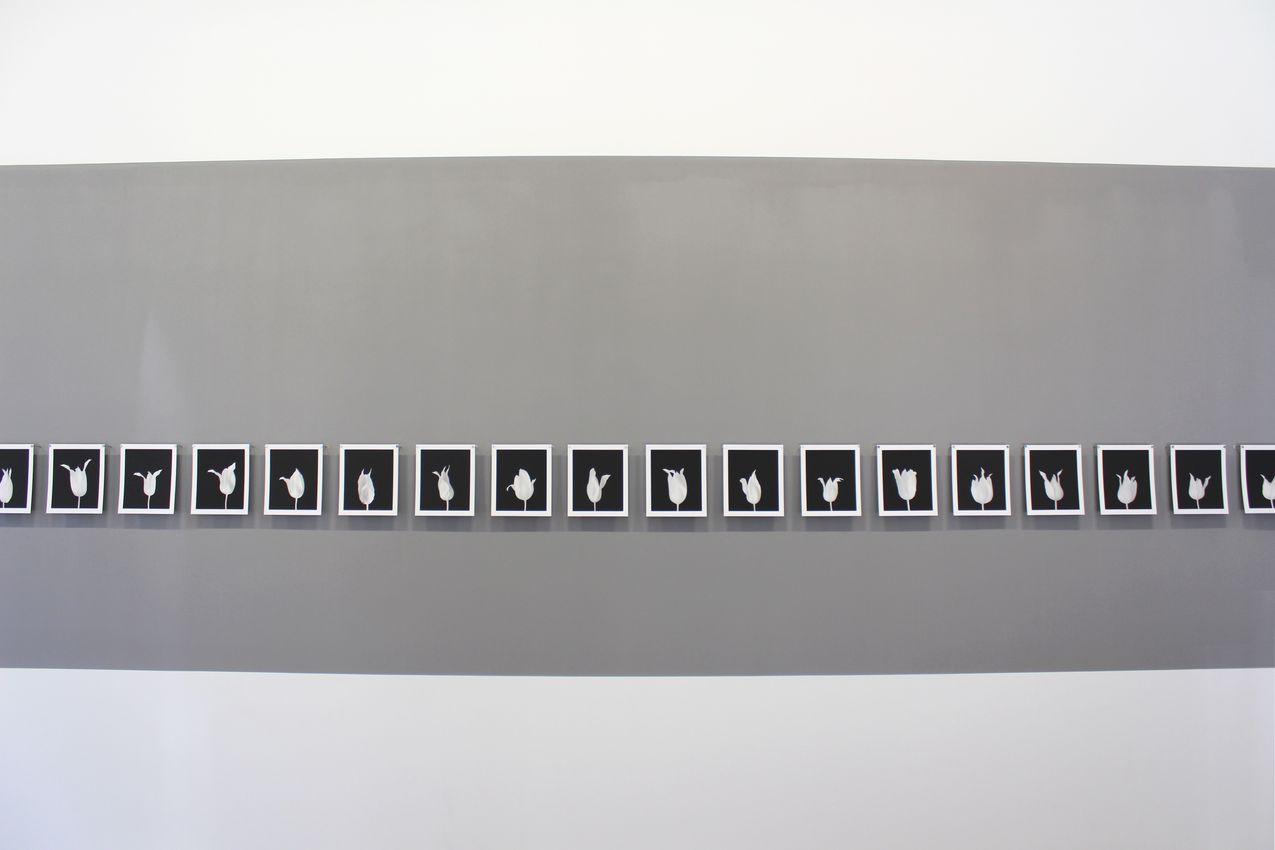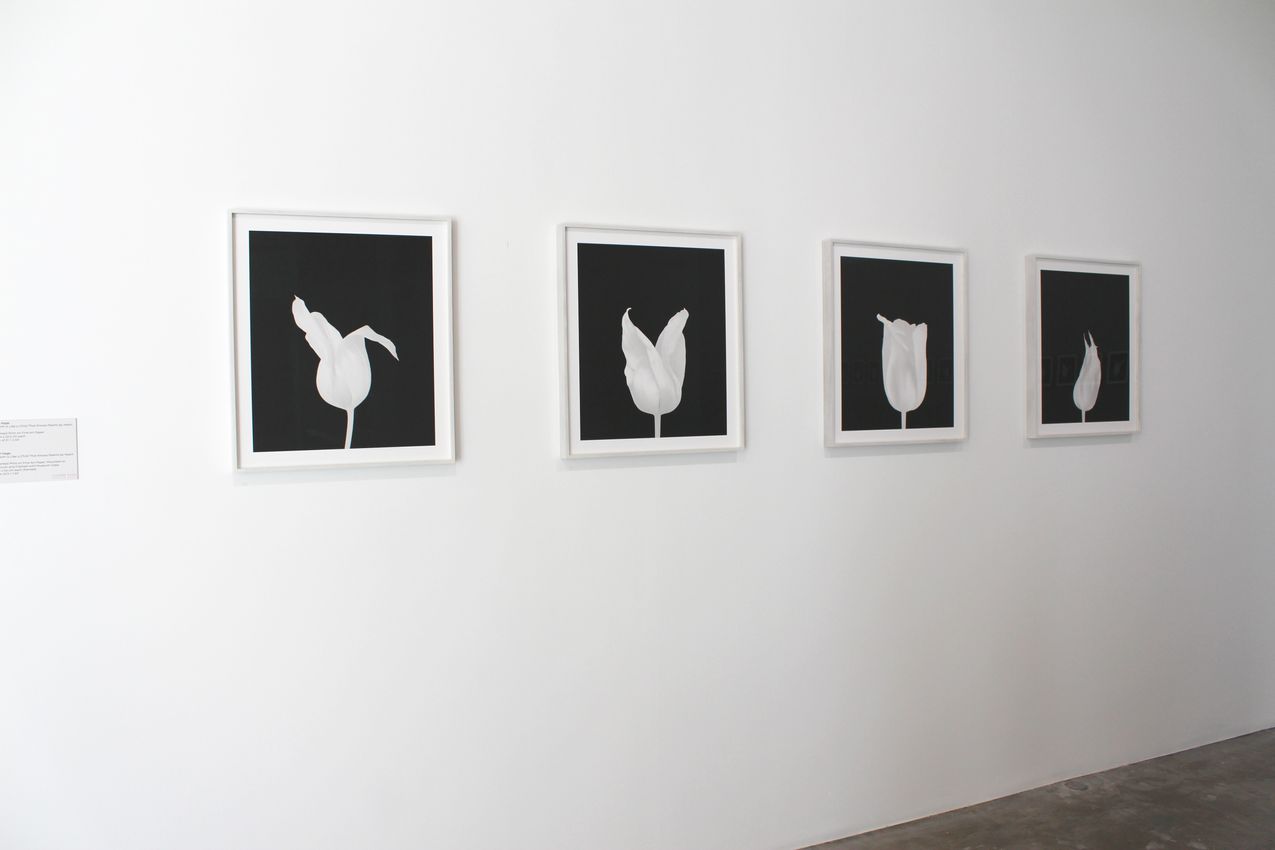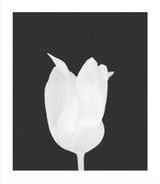
Context of the production: Chatine, Tannourine, Lebanon. Lockdown 2020. Gilbert Hage’s second summer residence (photographer). VERSUS. Survival effort of tulip bulbs buried 1450-1600 meters under (model and muse of the photographer).
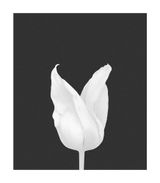
Gilbert Hage photographs the tulips which have sprouted from their bulb and evolved into flowers. However, it is not time T of flowering and blossoming that is captured by the photographic eye of the artist; rather the entire invisible and elusive temporality of the bulbs’ long survival process under the frozen Lebanese soil. How do we define the act of photography? What do we photograph when we photograph? Is photographing ‘bumping into reality’ as unbearable as it is (Jacques Lacan)? Is photography a moment that ‘has been’ (Roland Barthes)? Or is it a set, a moment that ‘was staged’ (François Soulages)? Better yet: is the act of photography, storytelling? What story, what artistic fable does Gilbert Hage recount when he photographs tulips? Is photography the art of the unphotographable and the elusive that suggests much more than it shows? Photography is no more ‘pencil of nature’ (Henri Fox Talbot) than it is a copy, a recording or a proof of reality. It is much more.
Yet Gilbert Hage provides us with proof: proof that every year, the tulips—the Lebanese people?—continue to resist. Hage evokes this ‘tenacity of the same flower which blooms again each year’. Tulips are fragile flowers whose bulb lies preserved under the snow. The tulip survives because it blooms again and is reborn each year in springtime. As soon as the cool temperatures turn positive, the soil still damp from thaw, the well-preserved tulip bulbs generate a new plant thanks to the accumulation of reserves from earlier springs. Having bloomed and yielded seeds, the aerial parts of the plant disappear during summer. This is the exact moment Gilbert Hage manages to capture in the tulips at Chatine, before they wither. During fall and winter, the bulb hibernates underground, patiently waiting to bloom again the following spring. Similarly, isn’t every year in Lebanon a year spent waiting for a better future?
It is truly an homage that Gilbert Hage pays to tulips—flowers of the Resistance, Lebanese edelweiss. Hage says he wants to ‘Pay homage to this flower, this rebirth, this joy’. His photographs were captured with a smartphone in June-July—a moment of advent, emerging from the first lockdown that threw the world into the unknown ‘in such a blessed time thanks to the internet.’ Curfews after 6pm, no work, no goals, no deadlines, ‘an exceptionally beautiful parenthesis in my life’, confesses Hage. ‘The work phone that stopped ringing. Every day was a Sunday.’ Hage adds, ‘Covid is one of the few common events experienced by everyone in the world. I knew that we were living an exceptional moment.’
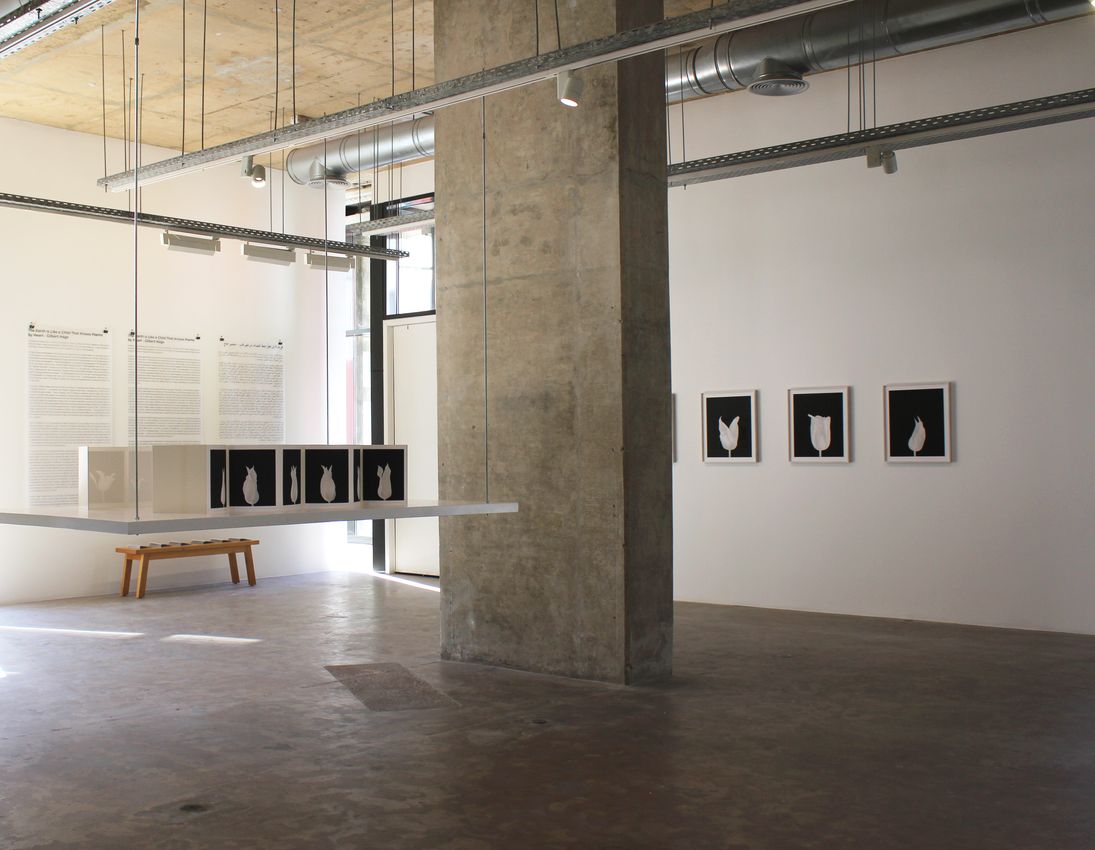
However, the unphotographable characteristic of photographicity tells us that Gilbert Hage pays homage to all the resistant Lebanese people. He titles his series of tulips ‘The Earth Is Like a Child That Knows Poems by Heart’, from a poem by the Austrian writer Rainer Maria Rilke. Photographing tulips becomes an act of resistance, as since the dawn of the second millennium—or since 1975, or perhaps we ought to say, since forever?—Lebanon and the Lebanese people have gone through crisis after crisis, but always managed to rise again. Just like these tulips that unfold their corolla and petals each year gracefully in a trance, in a purifying dance, the same way that Gilbert Hage unfolds the tulips in series and individually, but also in a format that he holds close to his heart. The Leporello, a series of supports attached in accordion, train, bridal veil, adapting wonderfully to the format of the series of tulips to which the Leporello breathes movement and life, making them dance in a well-choreographed nuptial ballet. A pristine white bridal celebration on a black background on smooth, untextured ULTRA SMOOTH 100% cotton paper. Gilbert Hage, a visual painter, manages to capture in a sculptural way, the modelling of the flower, the fine veins of the petals made diaphanous under the mask of black and white.
Gilbert Hage therefore works (and not for the first time) with flowers. Yes, indeed, Gilbert Hage works with and for flowers, a metaphor of others that binds Hage to the world and forever seals his art and his view of the world as a militant act. The photographic act becomes a gesture of embrace, of communion with the world. The commitment of poets. Gilbert Hage: a photograph of time and existence. A photograph of the resistance.
Press release courtesy Galerie Tanit. Text: Sophie Armache Jamoussi, Paris, December 2022. Translation from French: Nadine Iskandar Baz
’‘What I have, all along, tried to do in my photographic work, initially in an obscure approach but increasingly in a deliberate manne, is to convey the present without ending up having only done a report of facts or even of events; as well as to imagine the future without falling back on speculations based on assumptions.’’ - Gilbert Hage

A respected voice in contemporary art discourse.
Focusing on ambitious storytelling and insightful art-world commentary. Ocula Magazine publishes in-depth interviews, critical essays and timely analysis on the artists, exhibitions and ideas driving the global art world.
Learn more about Ocula Magazine
Showcasing the best of the art world.
Ocula partners with galleries from around the world to highlight their artists, artworks and exhibitions. Gallery membership is by application and invitation, with each member vetted by an independent panel.
Learn more about Ocula Membership

Specialises in the sale of major artworks.
Led by a team with deep ties to the world’s leading auction houses, galleries and collectors. Ocula’s advisory team offers bespoke services to high-net-worth clients from around the world who are looking to acquire the best of contemporary and modern art.
Learn more about our team and services