



Would it be absurd to
say that strength (the one I
work so much on acquiring) is
the competence of the heart
—Louise Bourgeois, loose sheet, c. 1955
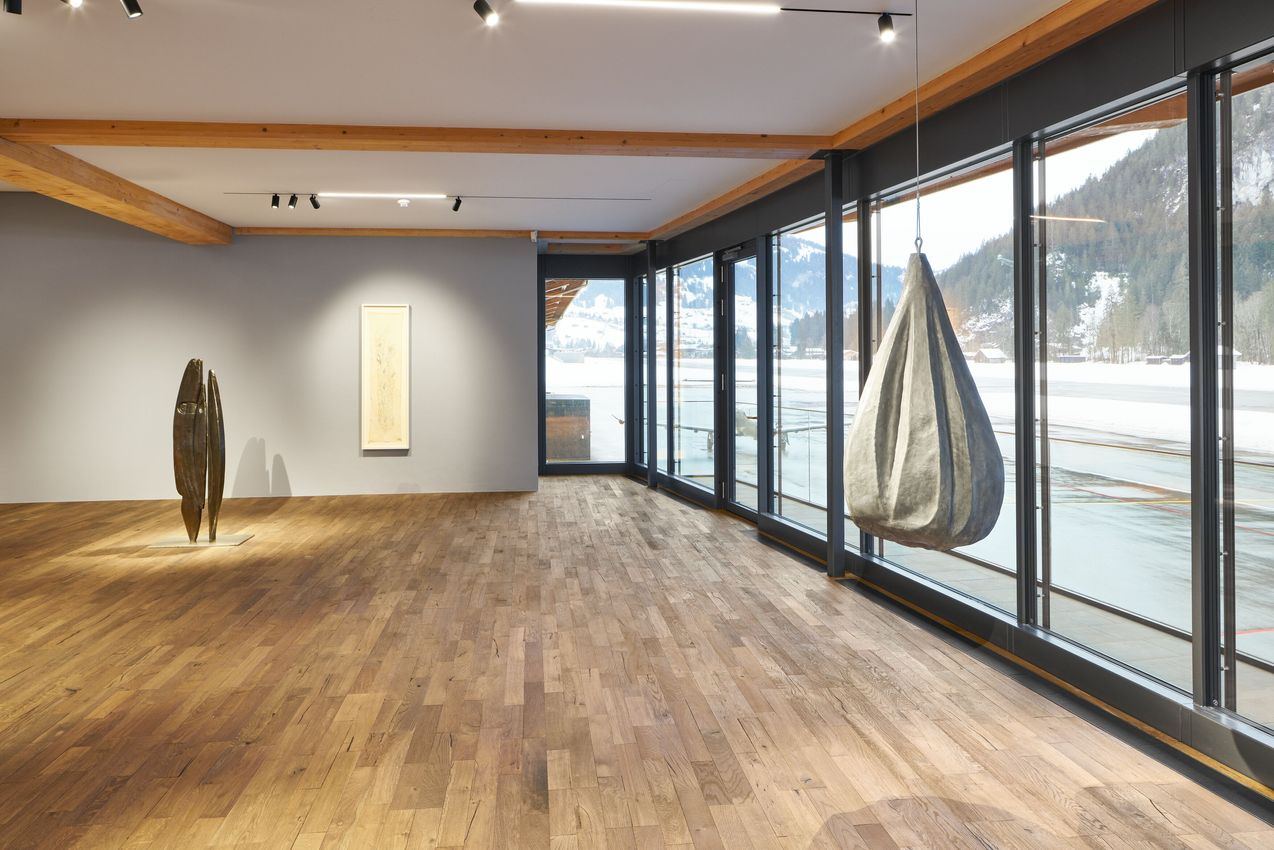
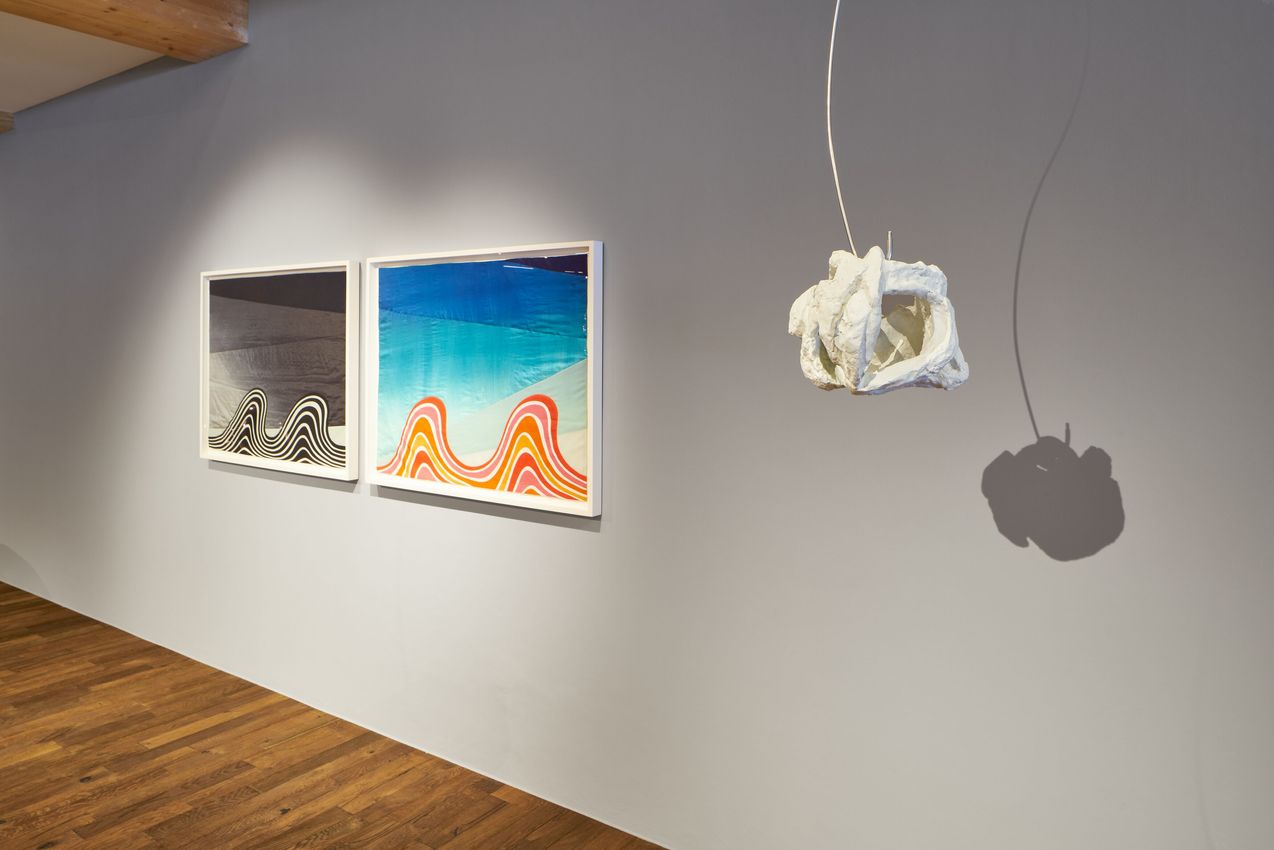
This winter, Hauser & Wirth brings the work of one of the most celebrated artists of the 20th Century, Louise Bourgeois, to the Swiss Alps. Available to experience at the exhibition space Tarmak22 in Gstaad and online, the exhibition takes its title from Blaise Pascal’s well-known phrase: ‘the heart has its reasons of which reason knows nothing.’ Bourgeois studied mathematics and philosophy at the Sorbonne, Paris, and wrote her thesis on Pascal; but the death of her mother in 1932 eventually led her to abandon these studies and turn to art making. Yet she remained a Pascalian, so to speak, in her belief that there is something in our emotional and psychological experience of the Other that eludes, or transcends, rational explanation. For Bourgeois, this relationship to the Other is a complex arrangement, and a world in itself.
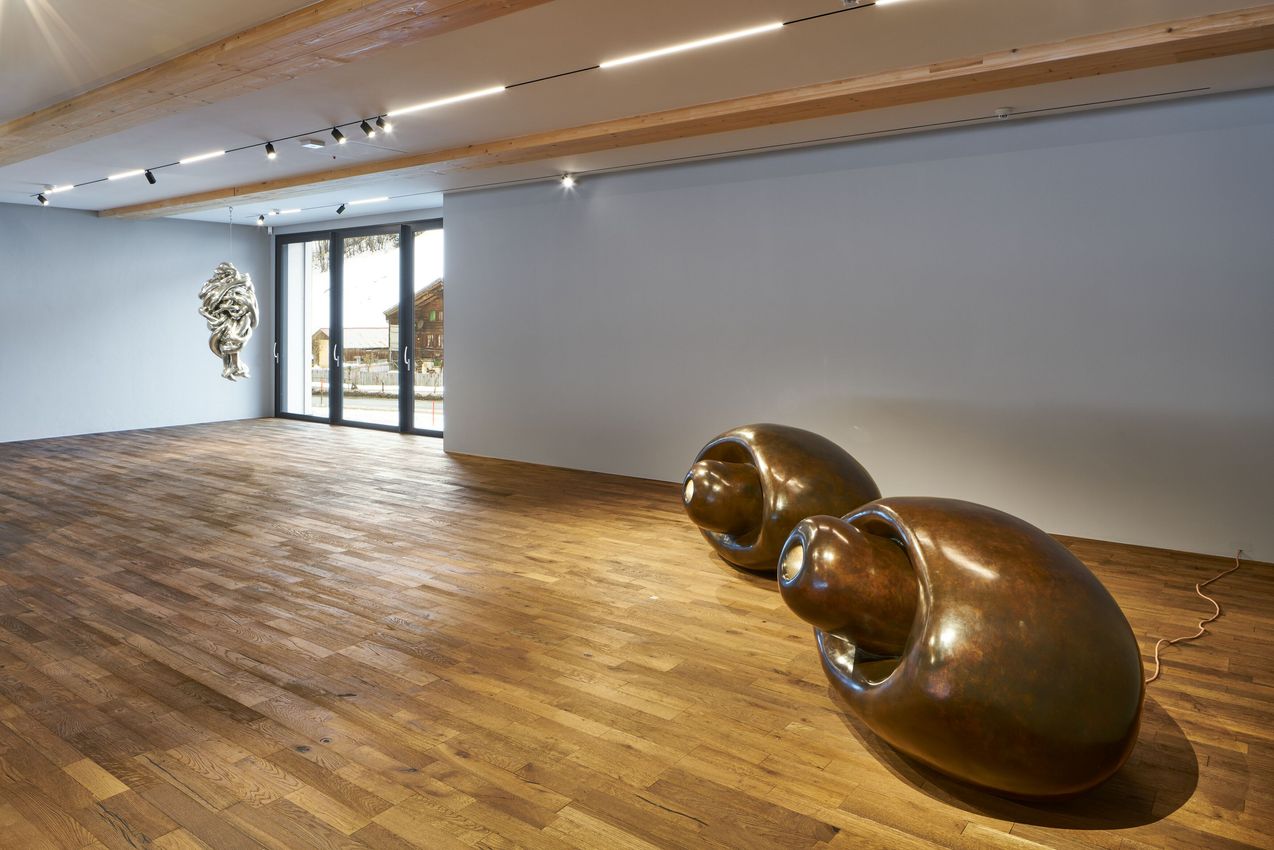
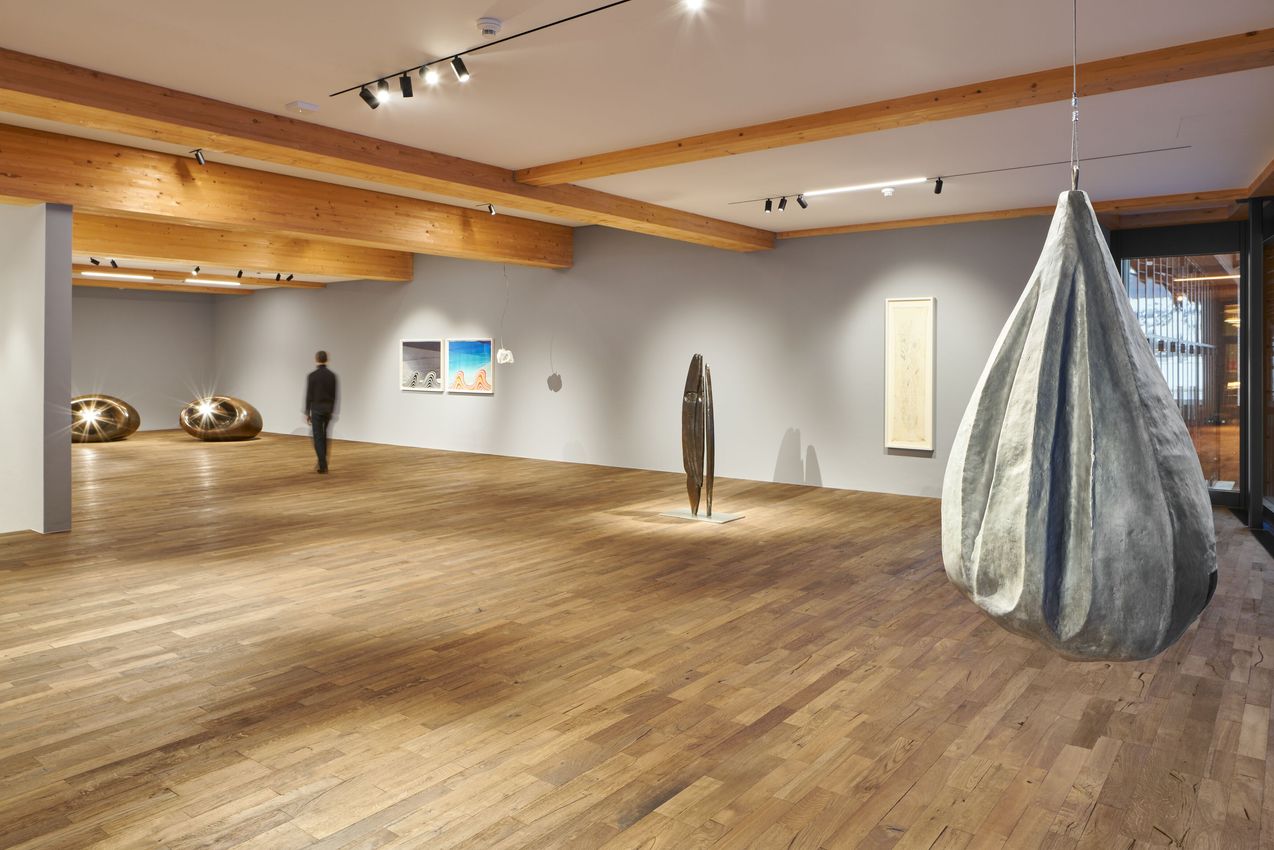
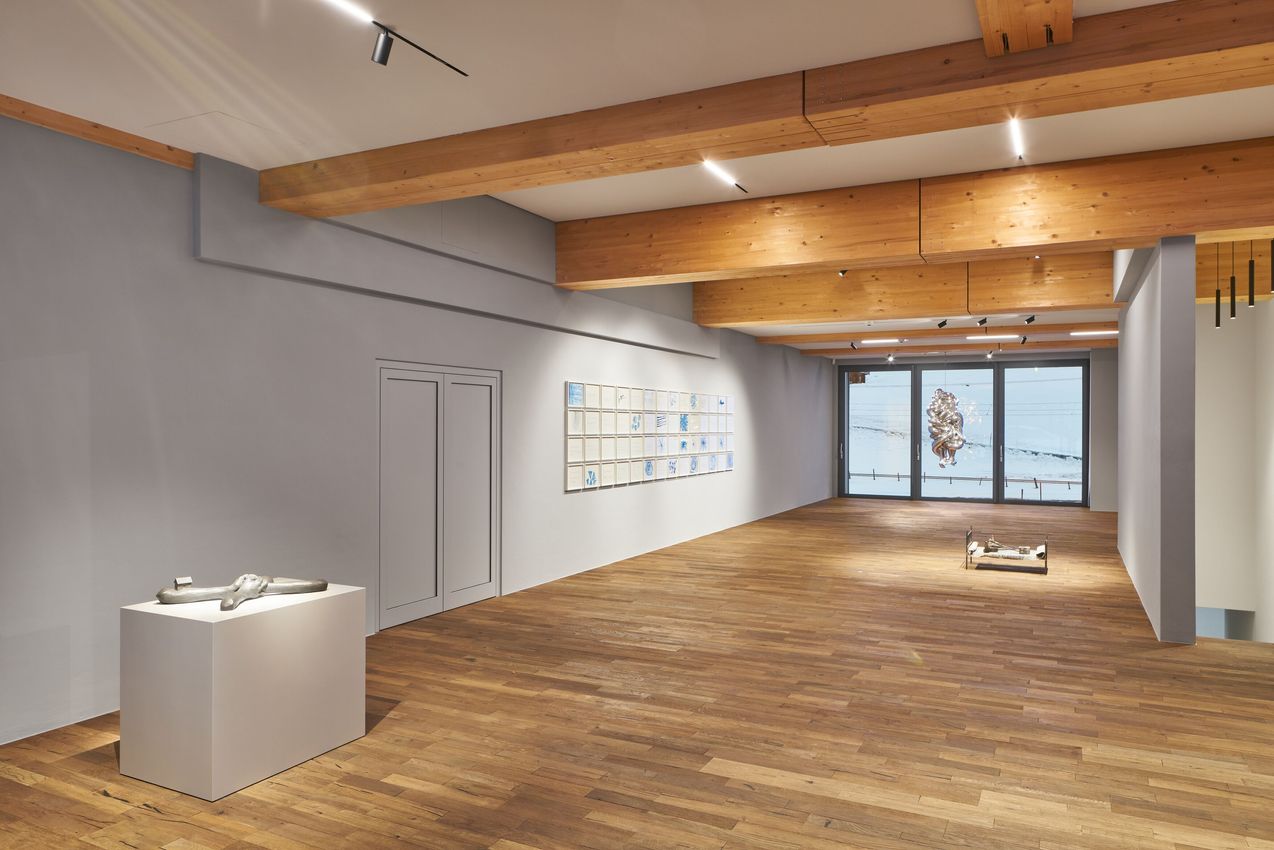
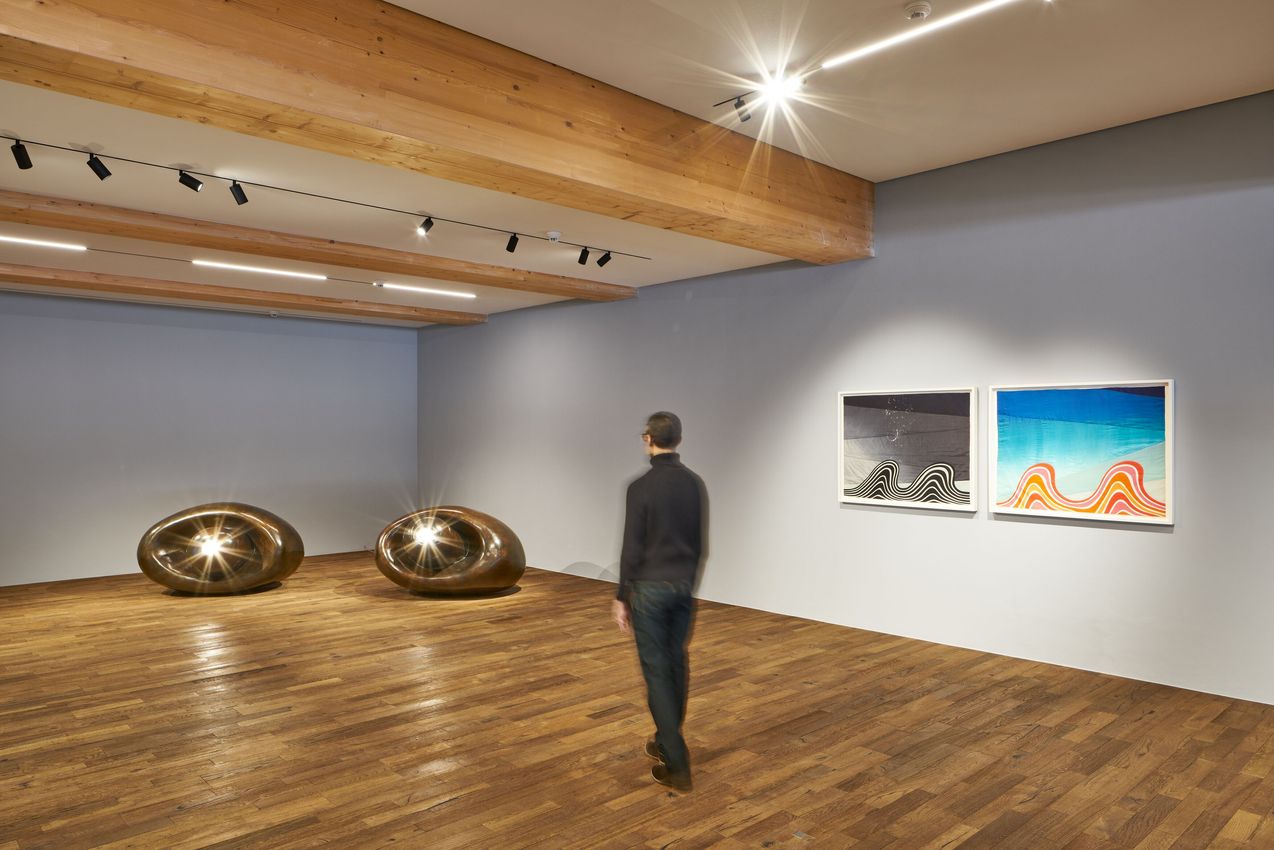
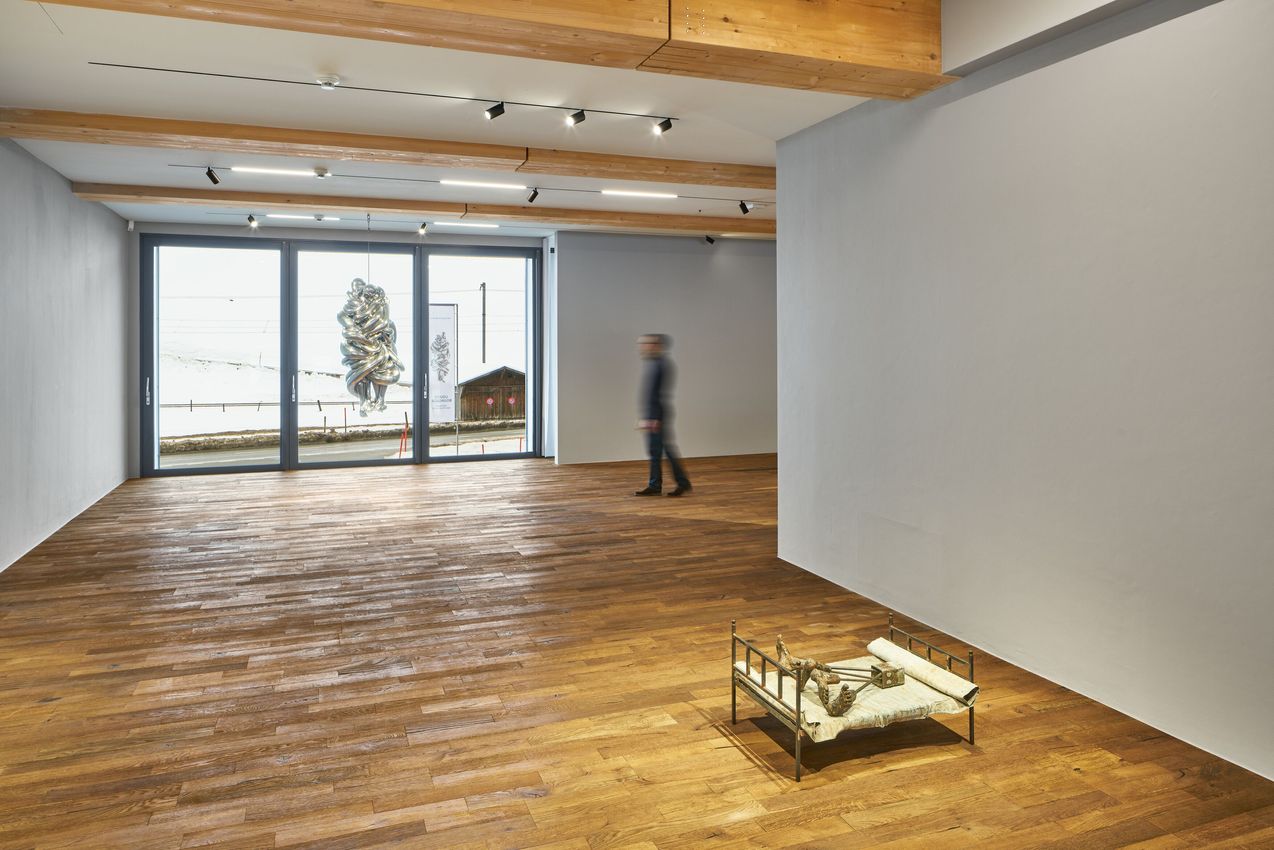
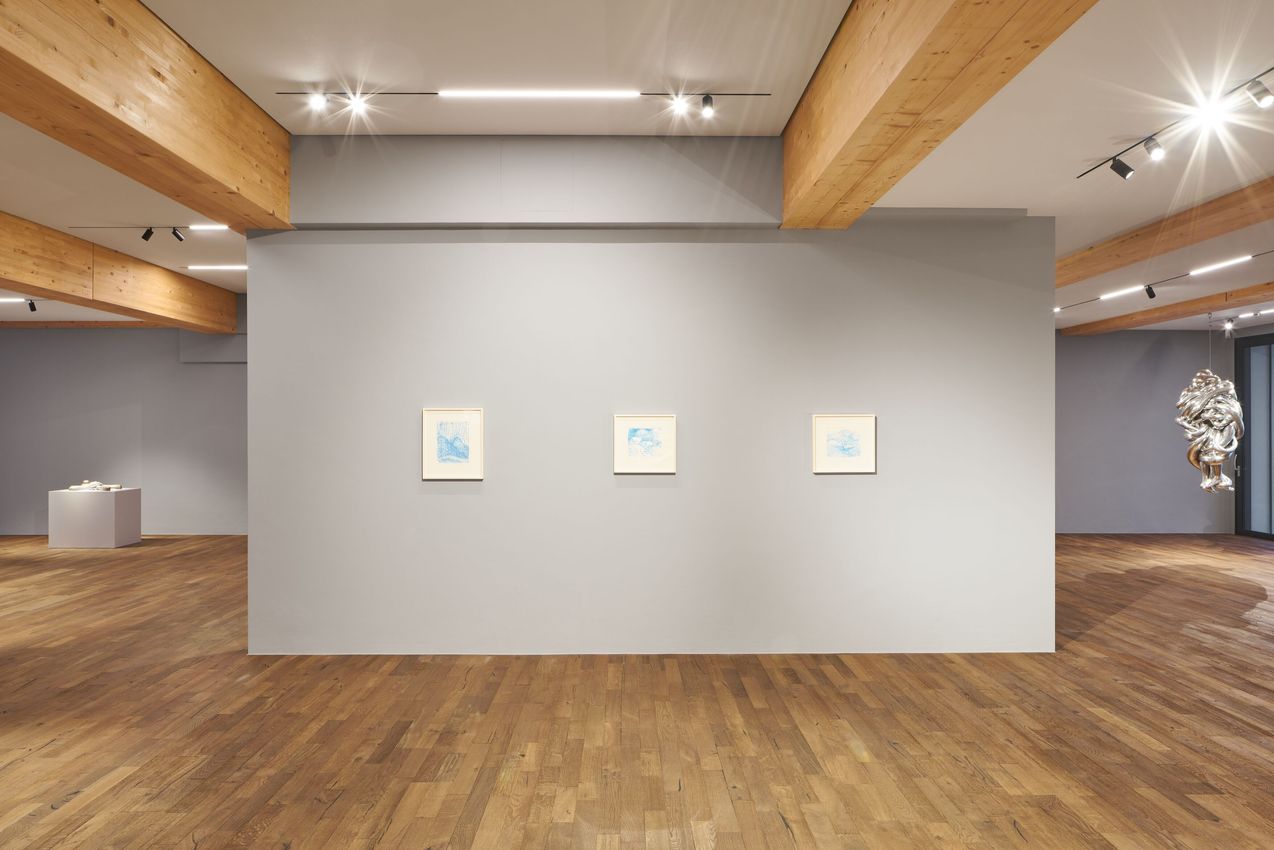
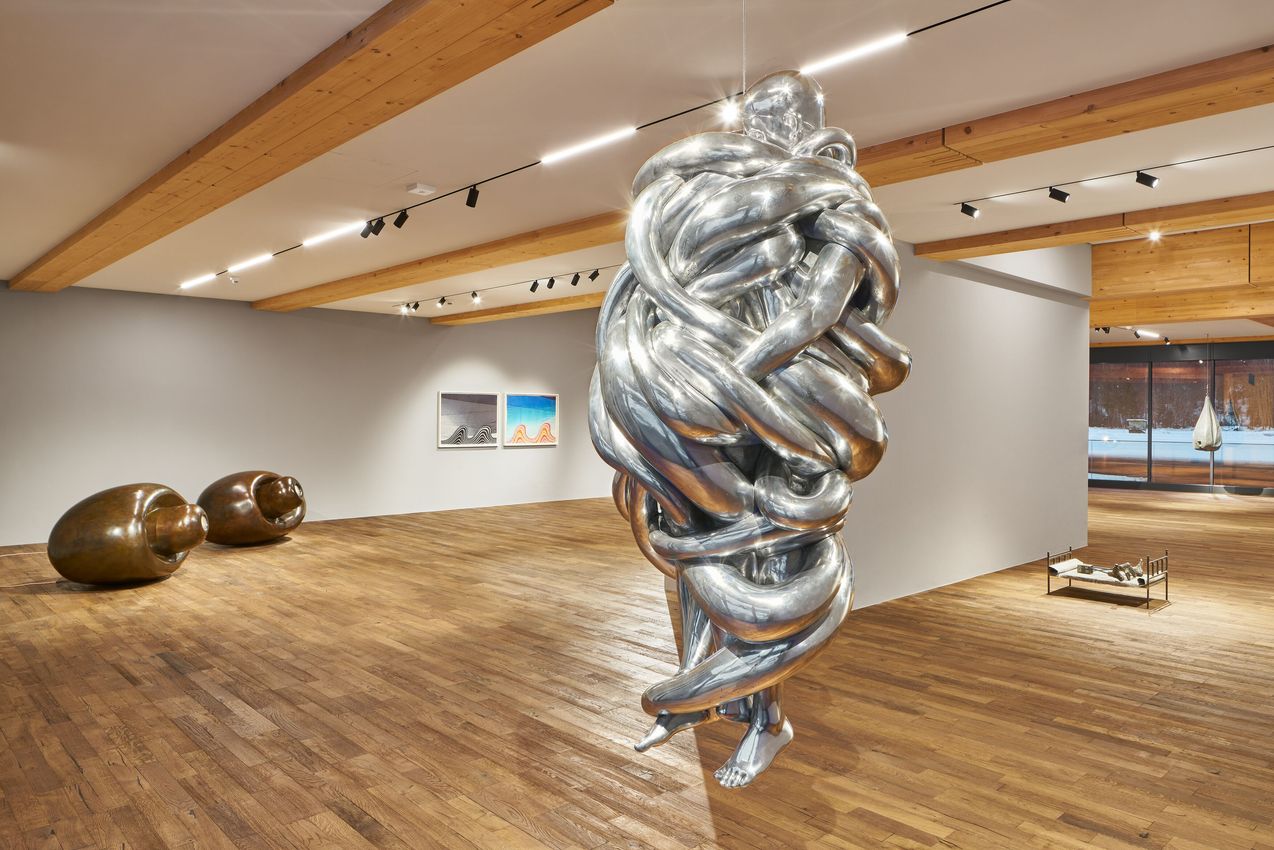
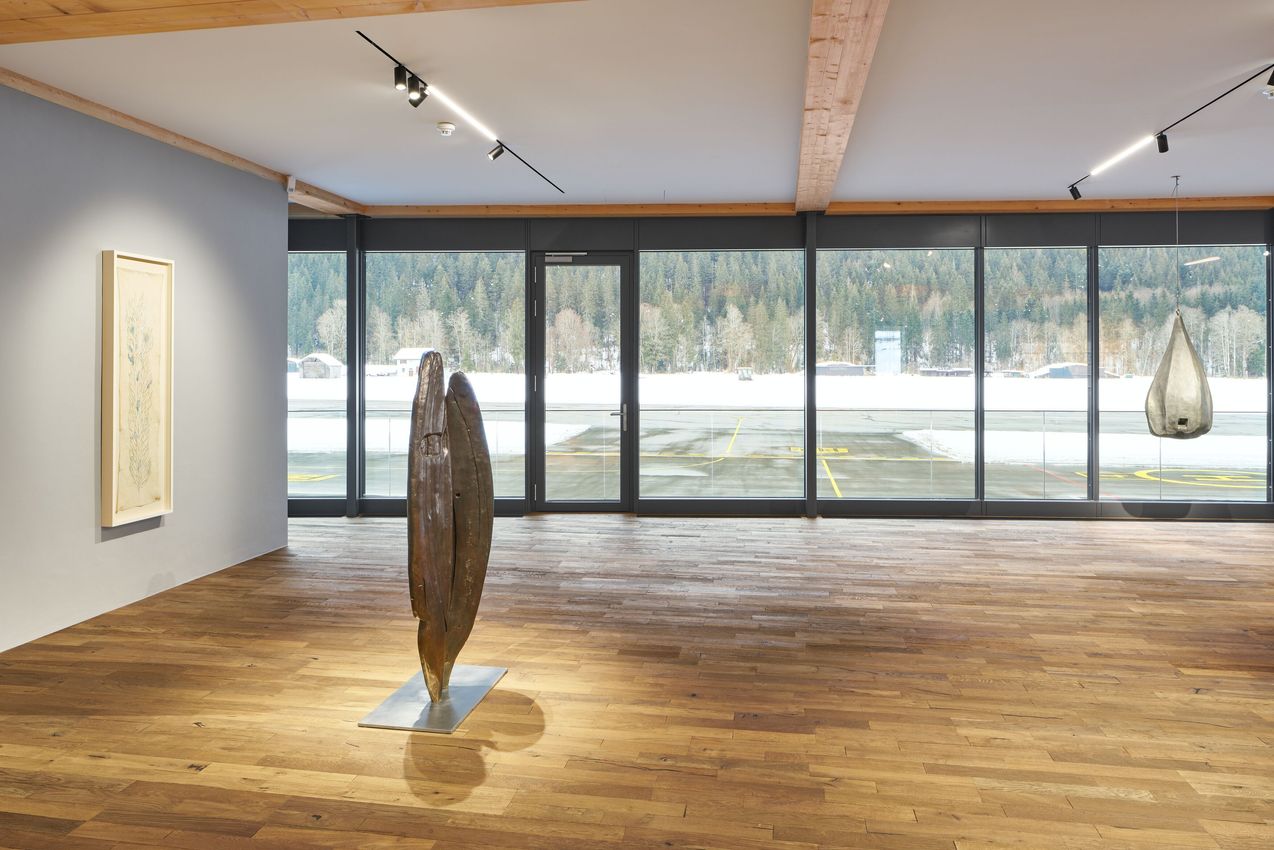
The Heart Has Its Reasons features a selection of important sculptures and drawings from the artist’s oeuvre spanning from 1949 until 2009, and explores themes central to her practice. The motifs that unify the presentation (the couple, the paired form, the house, the bed, landscape, and human anatomy) are grounded in the dynamic interplay between the binary oppositions—mind and body, geometric and organic, male and female, conscious and unconscious—that animate Bourgeois’ work as a whole. Above all, this exhibition speaks about Bourgeois’ need for love, the ‘polar star’ she could not live without.
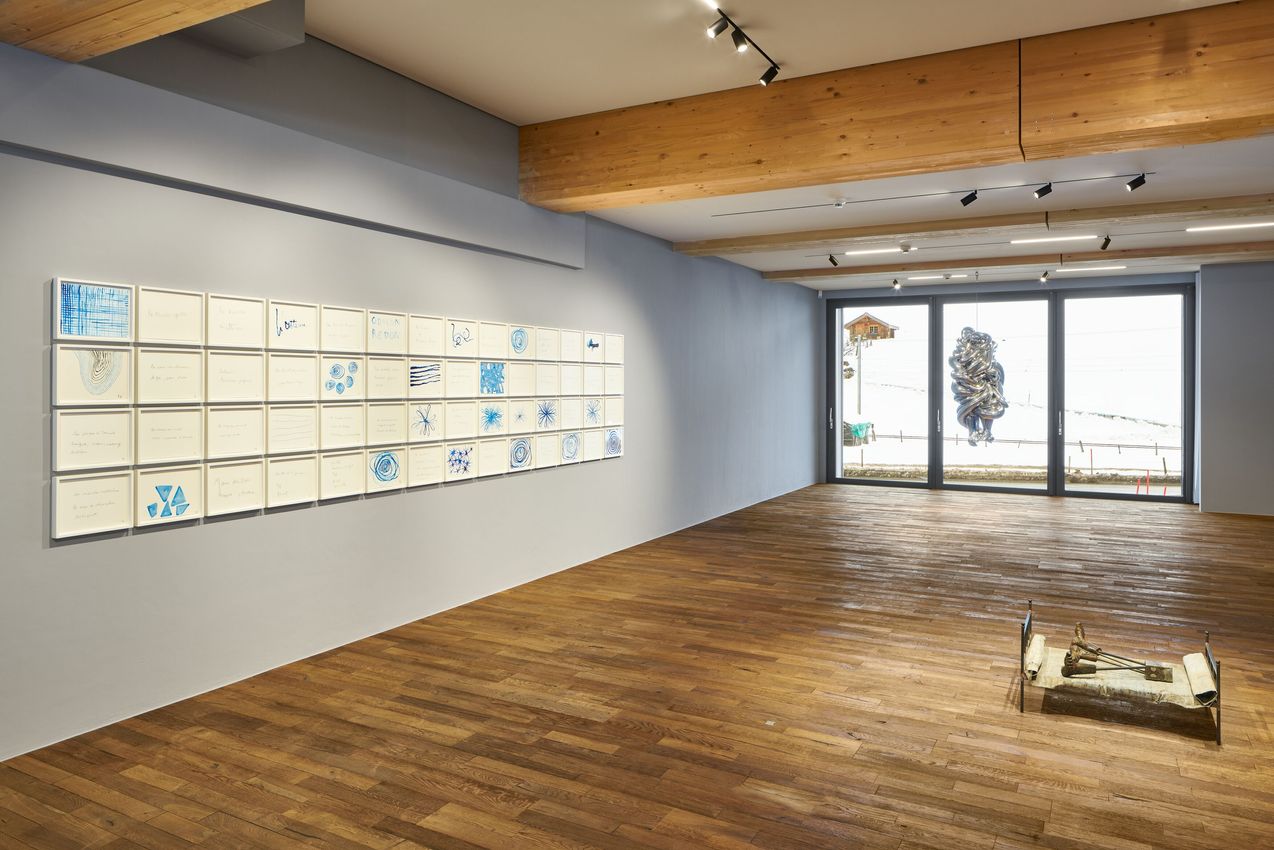
In one of the landmark sculptures in the presentation, The Couple (2007–2009), the hair of the female figure is transformed into an eccentric spiral form that binds her together with the male figure. That the sculpture hangs from a single point expresses the fragility and precariousness of the relationship. The tight coils of the enveloping spiral are aimed at warding off the fear of separation and abandonment. The motif of the house in Bourgeois’ work is similarly double-sided. In the two nest-like hanging Lairs (1962; 1986–2000), it is a metaphor for retreat and withdrawal, while the house that sits on one of the cast arms in Untitled No. 7 (1993) represents an ideal of repose, safety, and the happy couple.
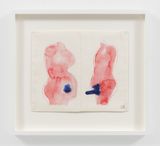
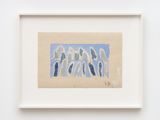
In Eyes (2001), light emanates from the protruding pupils as if to project an inner psychic landscape onto external reality. For Bourgeois, the act of looking symbolises introspection and self-knowledge, but also has its sexual and erotic side (that is, looking and being looked at). In the suite of drawings La Rivière Gentille (2007), which alludes to the river Bièvre that flowed behind Bourgeois’ childhood home in Antony, landscape is introjected into the body, and person and place are merged through the artist’s act of recall. As Bourgeois wrote in the text (c. 1959) that formed the basis for this work:
The sound of a pebble falling into the black
and distant water of a well.
the unconscious memories that are reborn
The exhibition coincides with Louise Bourgeois. To Unravel a Torment at the Serralves Museum, Porto, Portugal, on view from 3 December 2020 to 27 June 2021. Forthcoming projects include the upcoming exhibition Louise Bourgeois, Freud’s Daughter opening next spring at The Jewish Museum in New York, NY, curated by Philip Larratt-Smith.
Born in France in 1911, and working in America from 1938 until her death in 2010, Louise Bourgeois is recognised as one of the most important and influential artists of the twentieth century. For over seven decades, Bourgeois’s creative process was fuelled by an introspective reality, often rooted in cathartic re-visitations of early childhood trauma and frank examinations of female sexuality. Articulated by recurrent motifs (including body parts, houses and spiders), personal symbolism and psychological release, the conceptual and stylistic complexity of Bourgeois’s oeuvre–employing a variety of genres, media and materials–plays upon the powers of association, memory, fantasy, and fear.


Hauser & Wirth was founded in 1992 in Zurich by Iwan Wirth, Manuela Wirth and Ursula Hauser, who were joined in 2000 by Partner and Vice President Marc Payot. A family business with a global outlook, Hauser & Wirth has expanded over the past 26 years to include outposts in Hong Kong, London, New York, Los Angeles, Somerset and Gstaad. The gallery represents over 70 artists and estates who have been instrumental in shaping its identity over the past quarter century, and who are the inspiration for Hauser & Wirth’s diverse range of activities that engage with art, education, conservation and sustainability.

A respected voice in contemporary art discourse.
Focusing on ambitious storytelling and insightful art-world commentary. Ocula Magazine publishes in-depth interviews, critical essays and timely analysis on the artists, exhibitions and ideas driving the global art world.
Learn more about Ocula Magazine
Showcasing the best of the art world.
Ocula partners with galleries from around the world to highlight their artists, artworks and exhibitions. Gallery membership is by application and invitation, with each member vetted by an independent panel.
Learn more about Ocula Membership

Specialises in the sale of major artworks.
Led by a team with deep ties to the world’s leading auction houses, galleries and collectors. Ocula’s advisory team offers bespoke services to high-net-worth clients from around the world who are looking to acquire the best of contemporary and modern art.
Learn more about our team and services