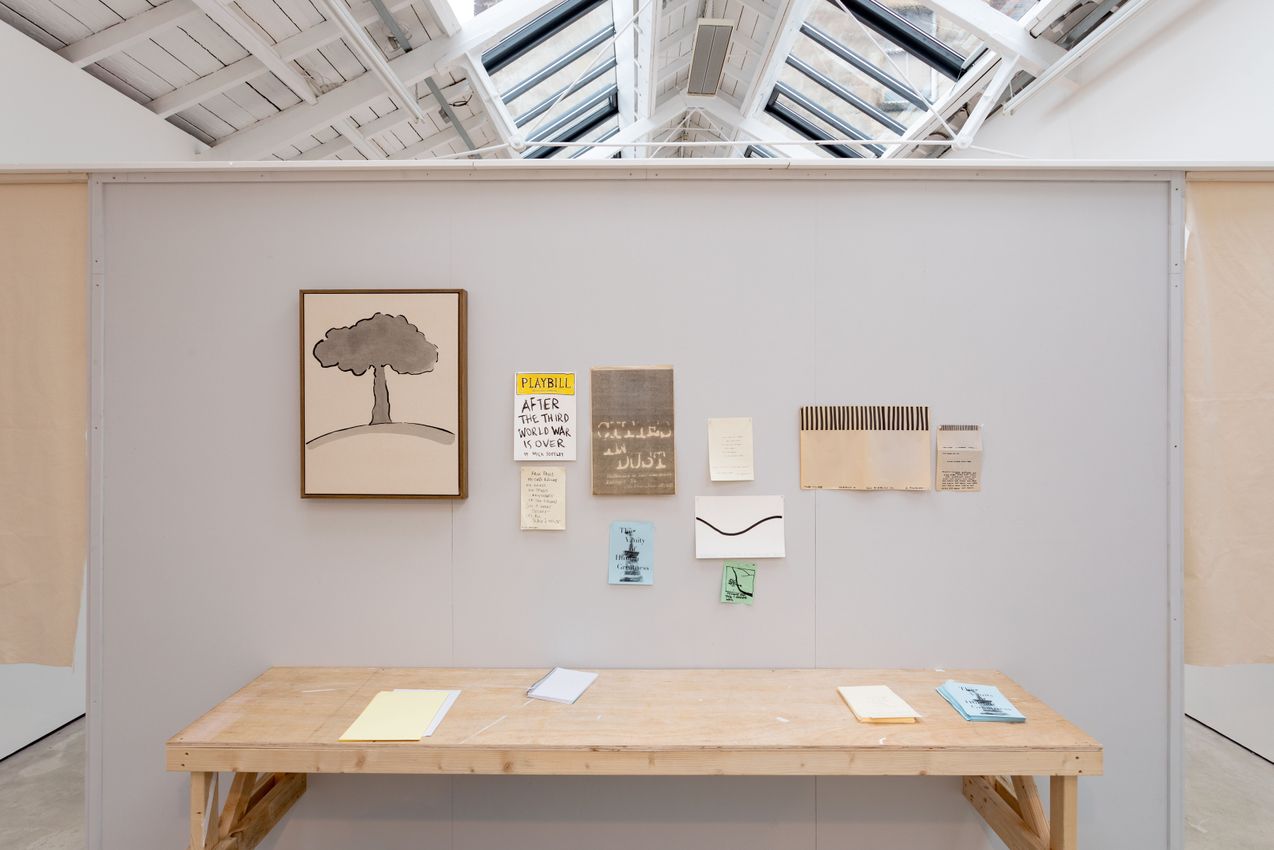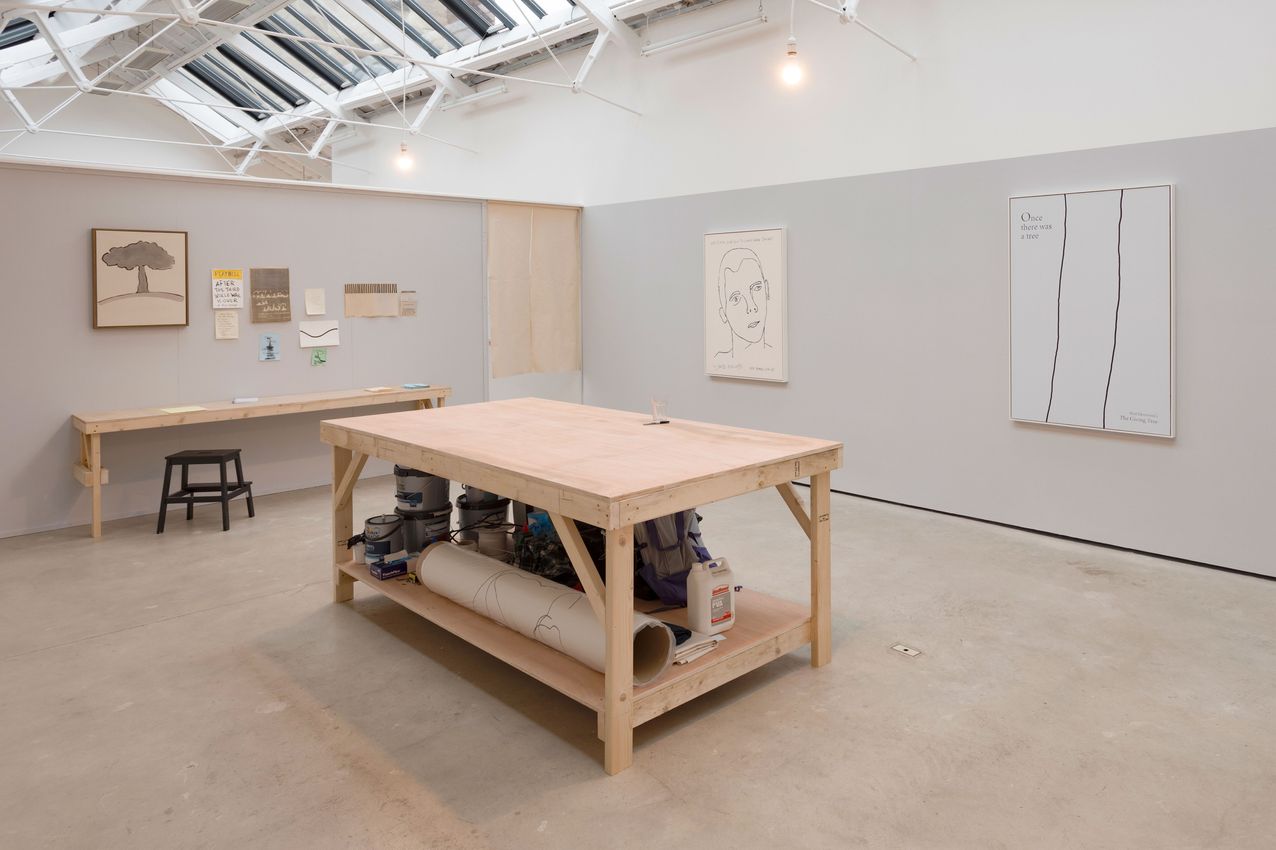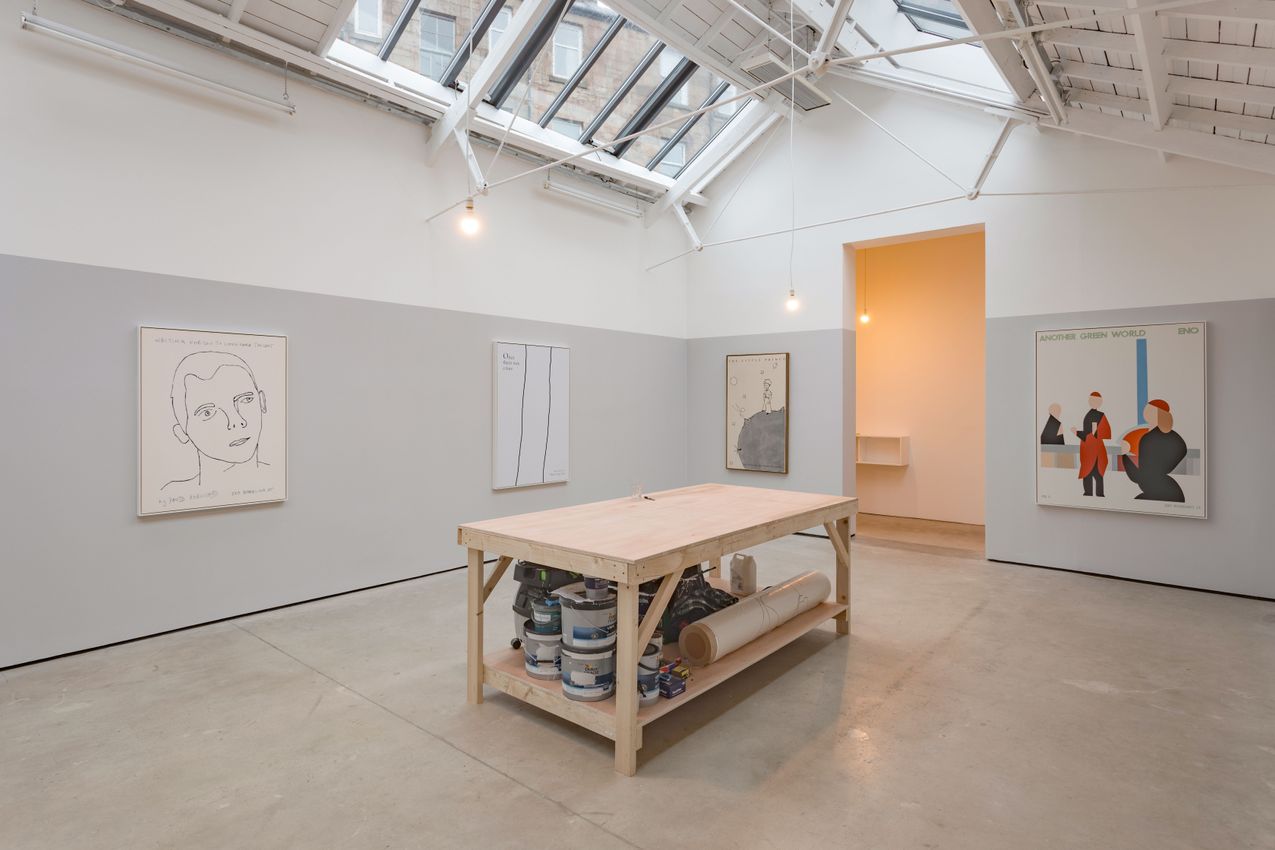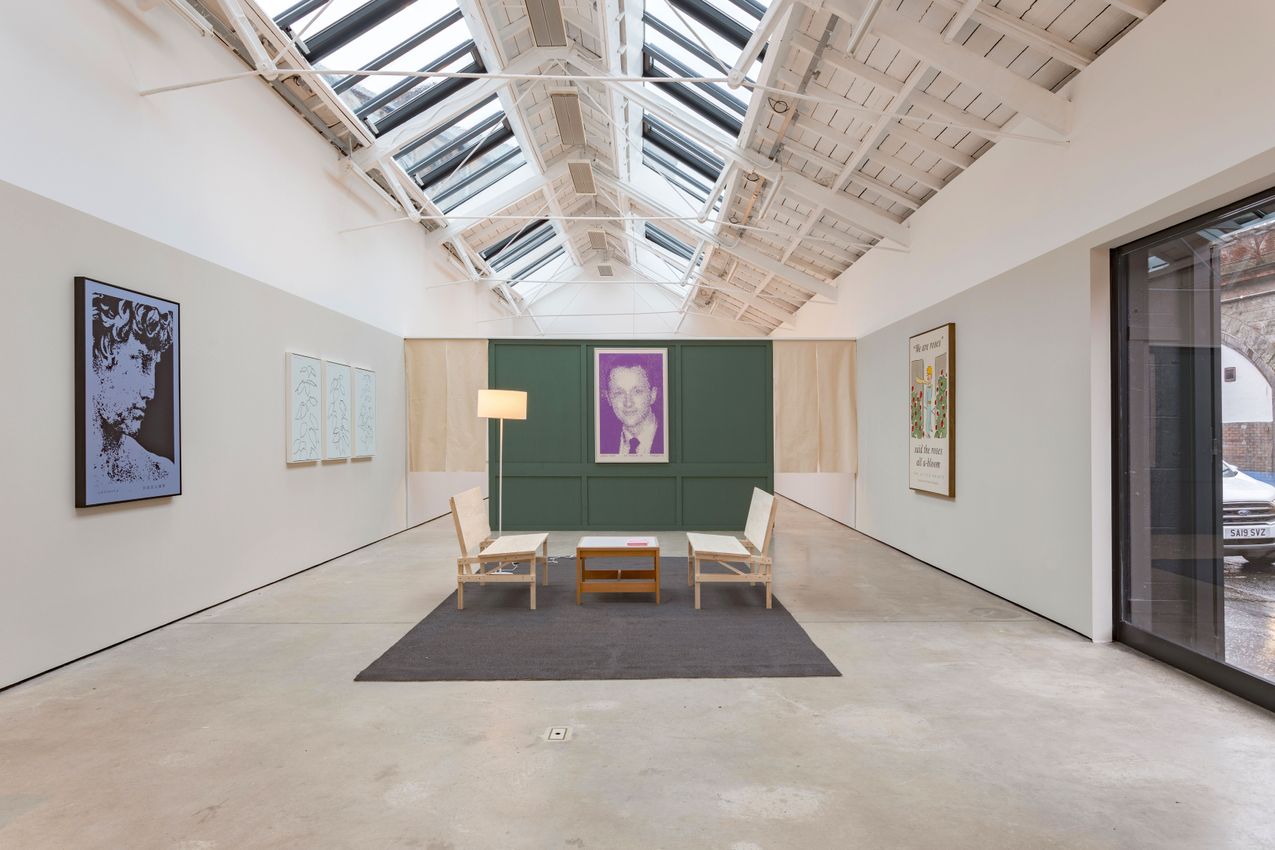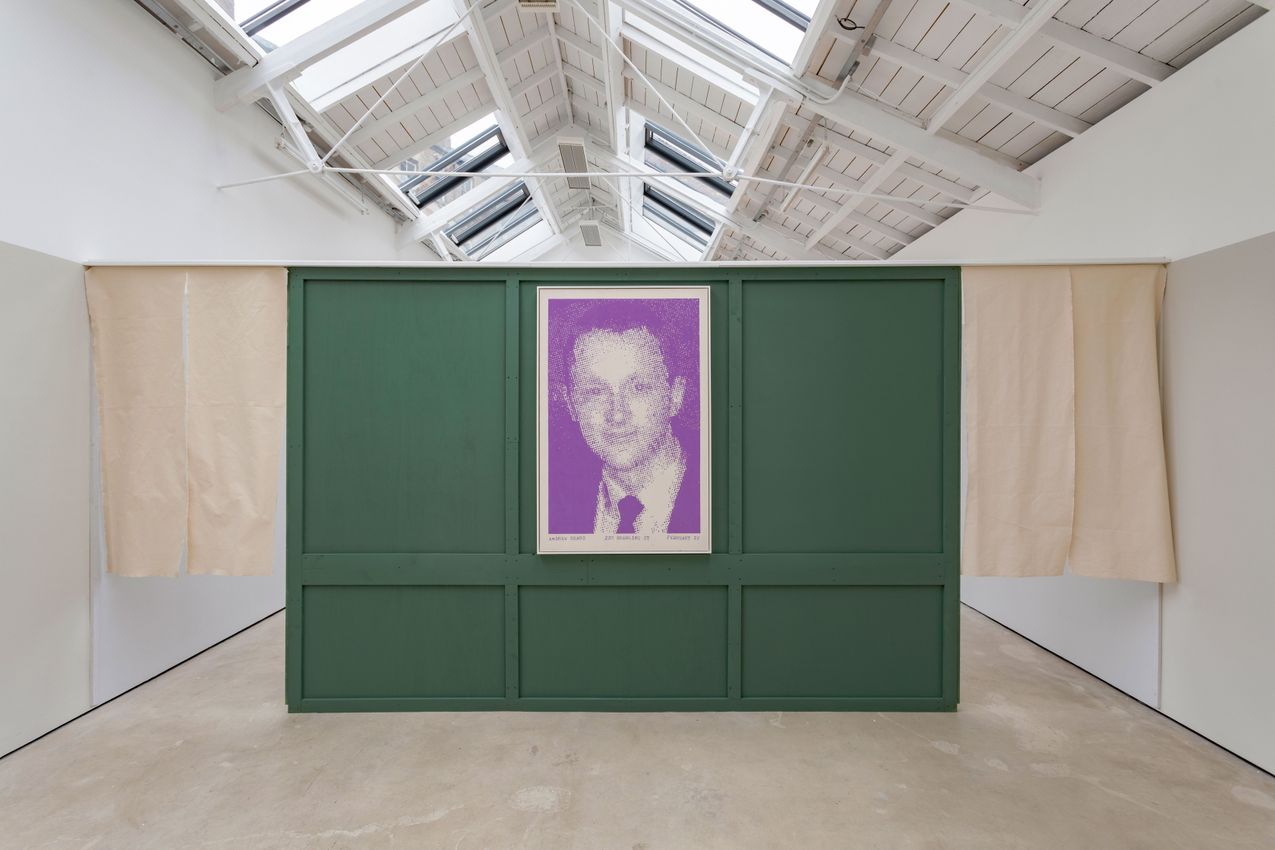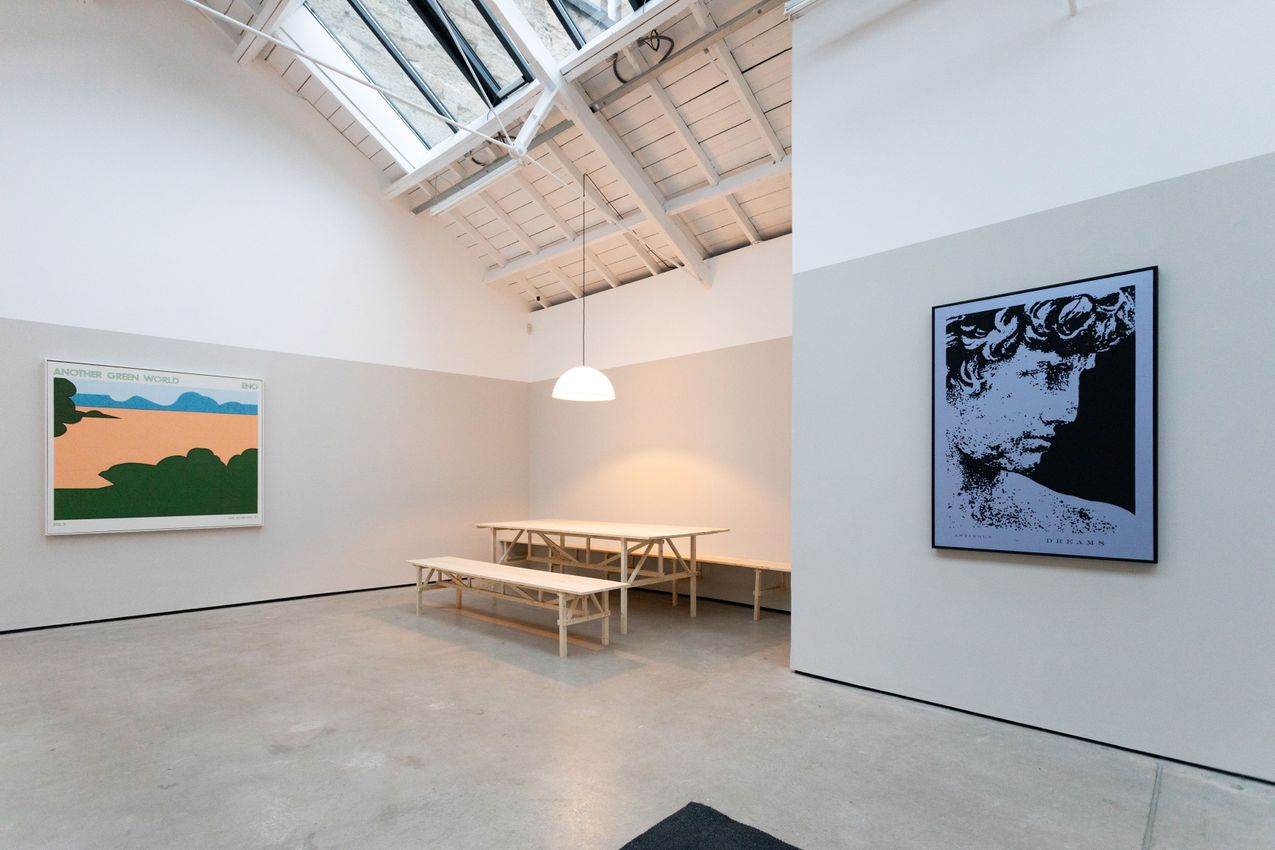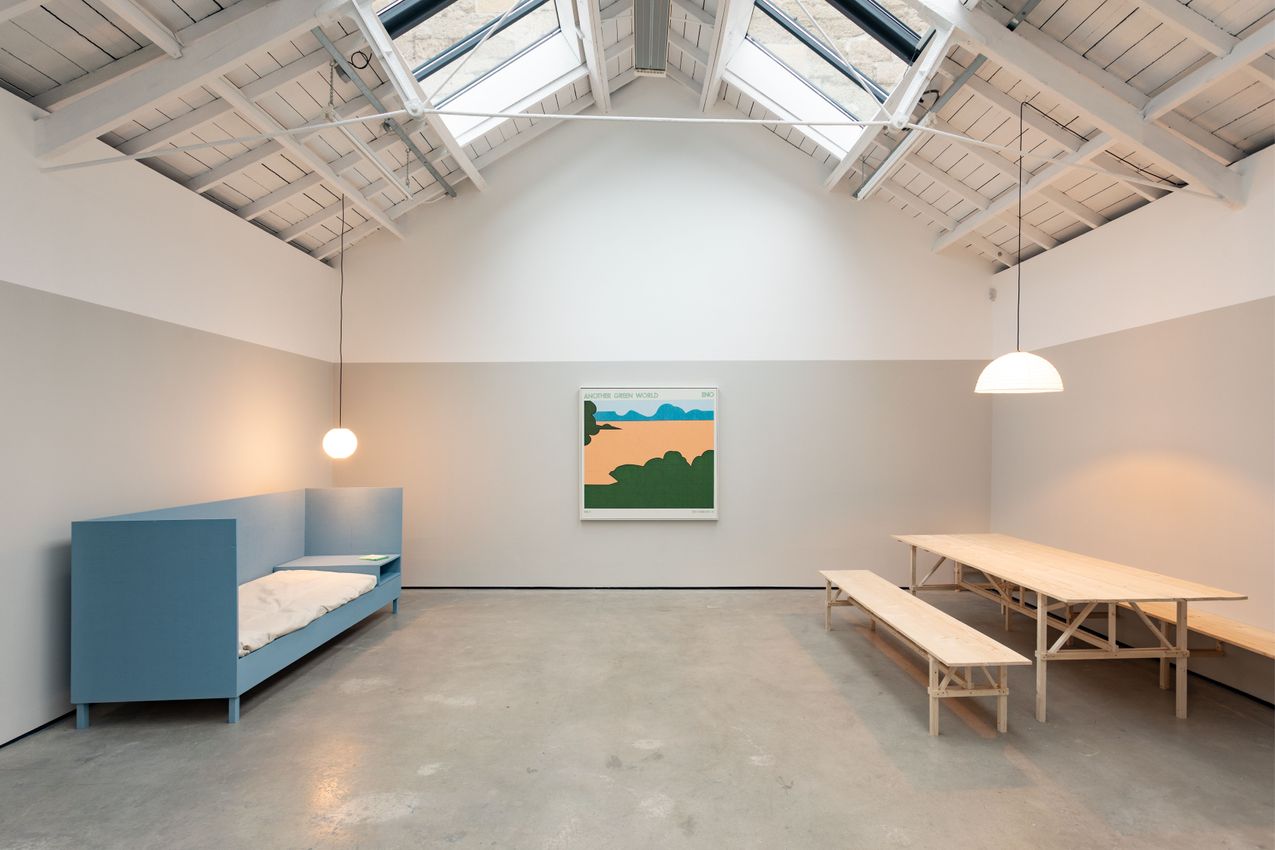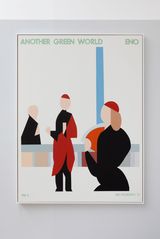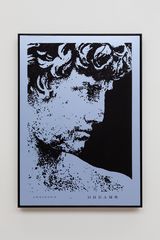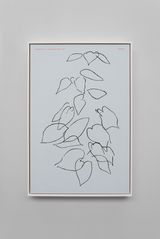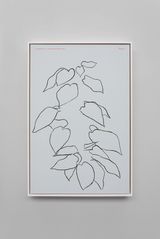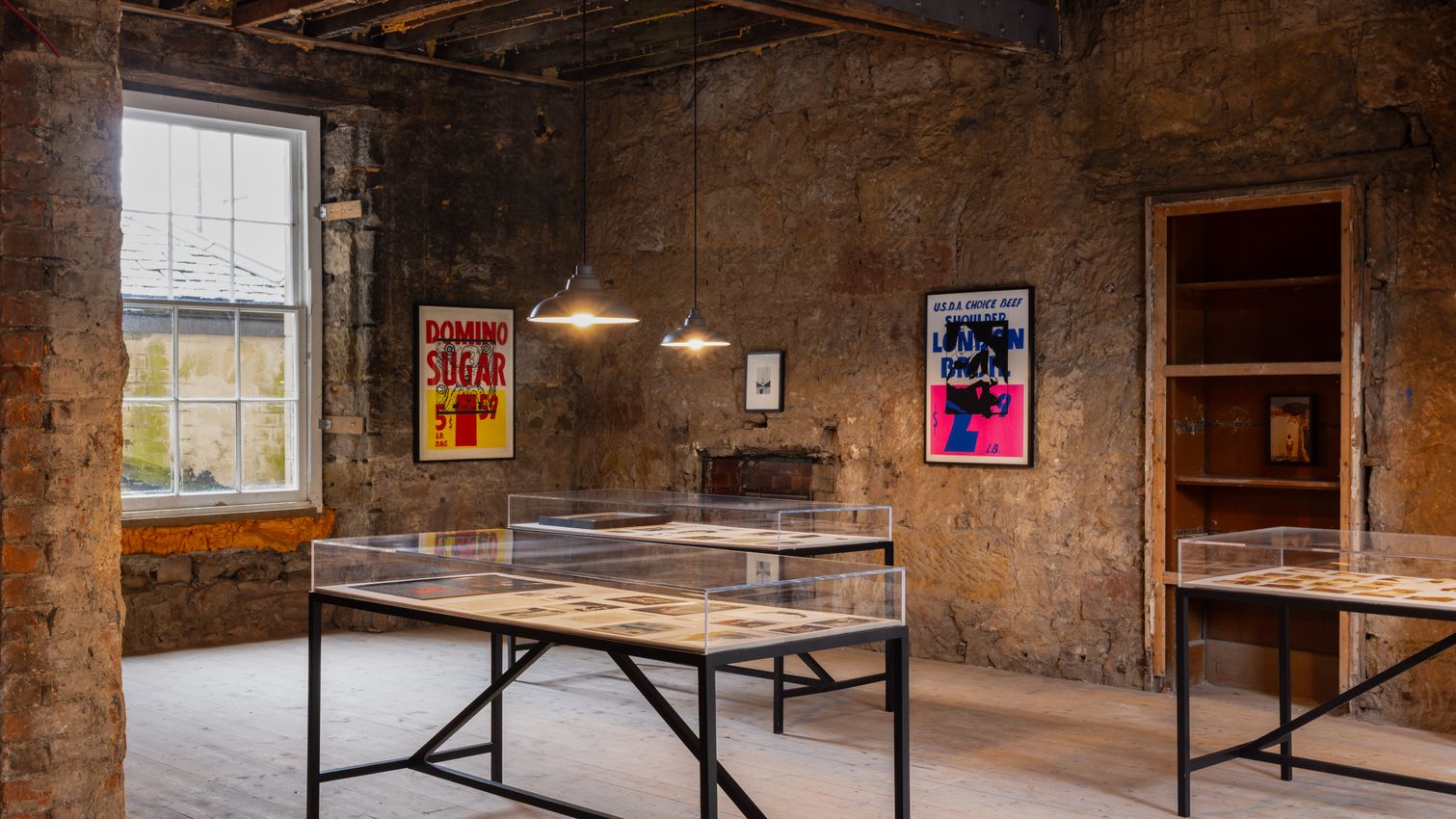
In Once there was a tree Marc Hundley compiles a diverse set of personal moments of cultural engagement, situating them in two distinct zones in the Osborne Street space – one more troubled and public, and the other more private and optimistic. Each work reframes an element of pre-existing imagery to commemorate a specific time, marking them with diaristic notes referring to a date and place. In dialogue together they form a meditation on our physical, conceptual and imaginative relationships with our peers, artistic forebears and the natural world. Innocence or coming-of-age also emerges as a theme, bolstered by the elements of autobiography articulated through the theatrical delineation of the gallery.
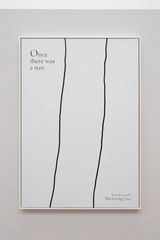
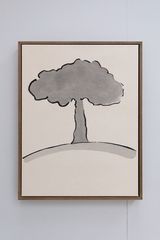
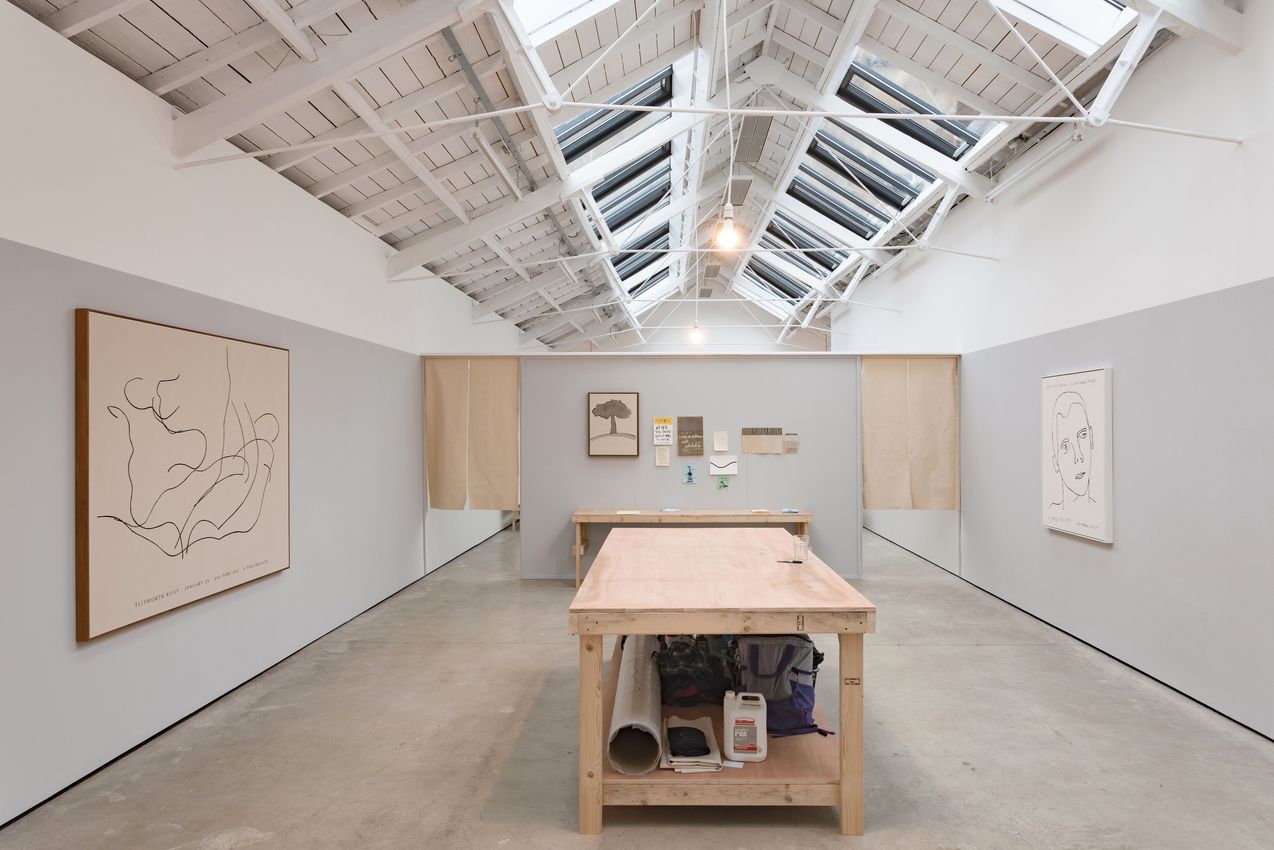
The first room resembles an artist’s studio, prepared for a studio visit and replete with various works, posters and pinned up paper pieces. The pieces are all pared back and often monochromatic. For Hundley, ‘Once there was a tree’ is the theme of this room. The line is taken from Shel Silverstein’s children’s book The Giving Tree, 1964, whose melancholic narrative follows the interactions of a boy and a tree over their respective life spans. Hundley’s use of it emphasises a feeling of absence, further underscored by a work referencing the famous sycamore gap tree of Hadrian’s Wall that was cut down last year for no apparent reason.
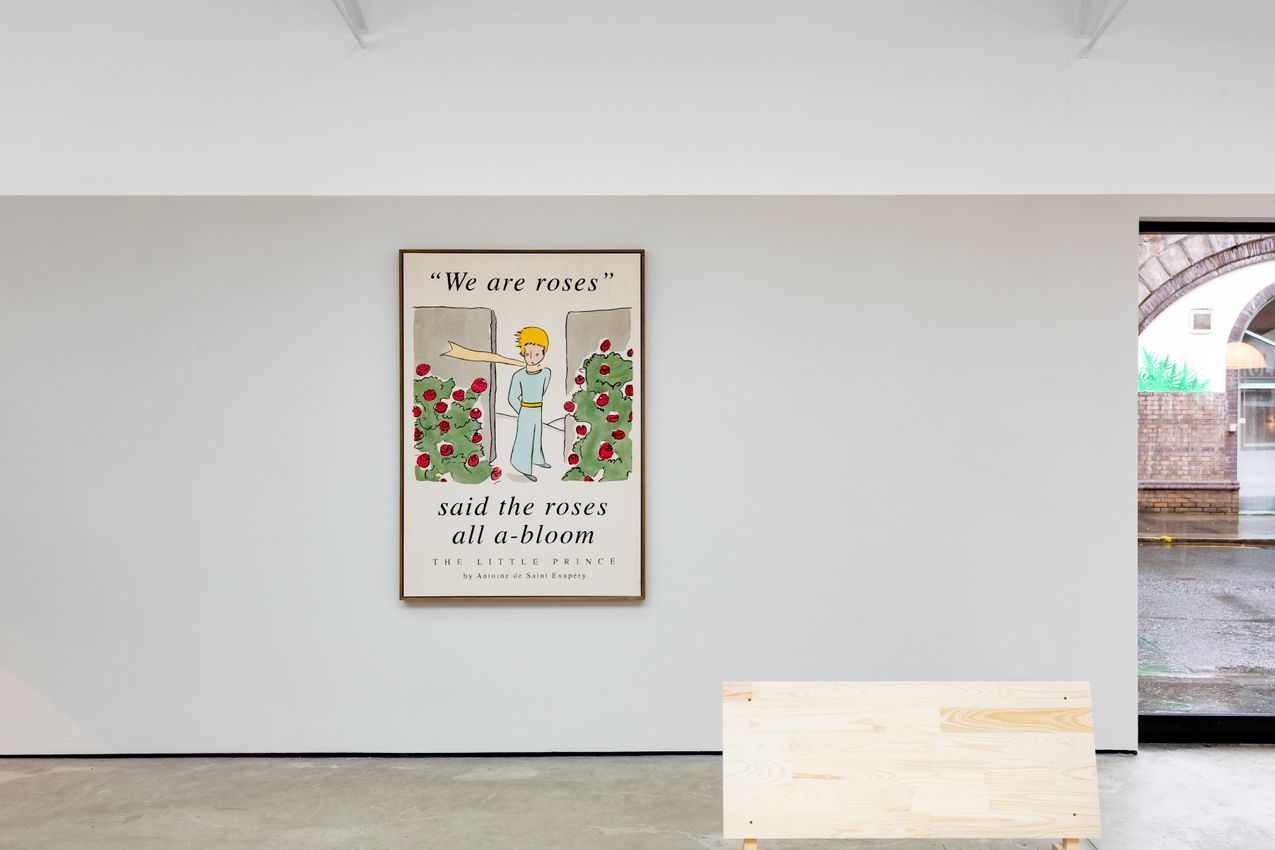
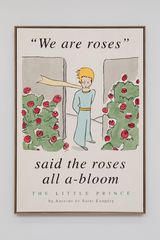
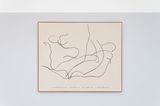
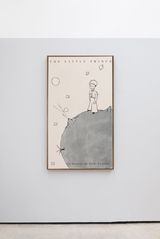
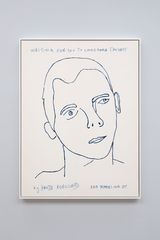
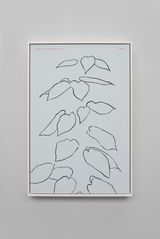
Ellsworth Kelly’s spartan ‘Plant Drawings’ are a repeated presence across several of the works. Kelly drew elegant contour drawings of leaves and flowers throughout his career and referred to them as ‘portraits’ rather than studies. Of note, is Hundley’s engagement with Automatic Drawing: Pine Branches VI, 1950, as this piece was drawn blind, underscoring our imaginative or interpretive relationship to our environment. There is also a poster for the children’s book The Little Prince, 1943, featuring the eponymous main character standing on a barren asteroid with a dead tree. The general sense of deletion or damage to nature here reflects an awareness of our age of ecological destruction, and the positioning of these references in the context of a studio speaks to a sense of artistic and political responsibility to address the crisis. Something of the restrained tenderness of these works is also reflected in a painting referencing self-taught poet-painter David Robilliard. In a biographical practice aligned with Hundley’s, Robilliard’s name and a date often formed key parts of his compositions.
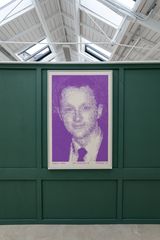
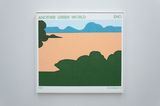
The second room is a more homely living space. Two works reconfiguring the cover art for Brian Eno’s Another Green World, 1975, bridge the gap between the studio and home while also underscoring their different atmospheres. This legendary album marked Eno’s transition from rock music to ambient. In the studio room, Hundley’s Another green world / The big ship, 2024, pulls the figures from the cover’s foreground, presenting a world of discourse and conversation. And in the second room, there is a version which leaves us with only the background, a serene emptied-out vista. Hundley refers to the second space as ‘Another Green World’, after Eno’s album. A series of other reworkings of Kelly’s drawings and a work featuring the little prince coming upon a garden in full bloom make for a colourful and welcoming space in contrast to the relative severity of the studio. An image of Andrew Heard, Robilliard’s partner also features in this room, making the phase ‘Waiting for you to come home tonight’ painted on the other work even more poignant. Hundley has also made a Robilliard poem bearing this title available to take away. In many ways, the exhibition turns on its words, their articulation of the contrast between our sense of despair at the news and the solace offered by home – a space to dream and hope.


The Modern Institute was founded in Glasgow in 1997. The gallery works with internationally established and emerging artists including Martin Boyce, Jim Lambie, Richard Wright, Anne Collier, Cathy Wilkes, Simon Starling, Urs Fischer, Luke Fowler and Nicolas Party.

A respected voice in contemporary art discourse.
Focusing on ambitious storytelling and insightful art-world commentary. Ocula Magazine publishes in-depth interviews, critical essays and timely analysis on the artists, exhibitions and ideas driving the global art world.
Learn more about Ocula Magazine
Showcasing the best of the art world.
Ocula partners with galleries from around the world to highlight their artists, artworks and exhibitions. Gallery membership is by application and invitation, with each member vetted by an independent panel.
Learn more about Ocula Membership

Specialises in the sale of major artworks.
Led by a team with deep ties to the world’s leading auction houses, galleries and collectors. Ocula’s advisory team offers bespoke services to high-net-worth clients from around the world who are looking to acquire the best of contemporary and modern art.
Learn more about our team and services