Where does an artistic journey begin? Does it begin the moment one becomes enlightened about culture? Doesit begin in an artist’s exploration of technique? Or in their foray into aesthetics? Where does it end in thisboundless journey?
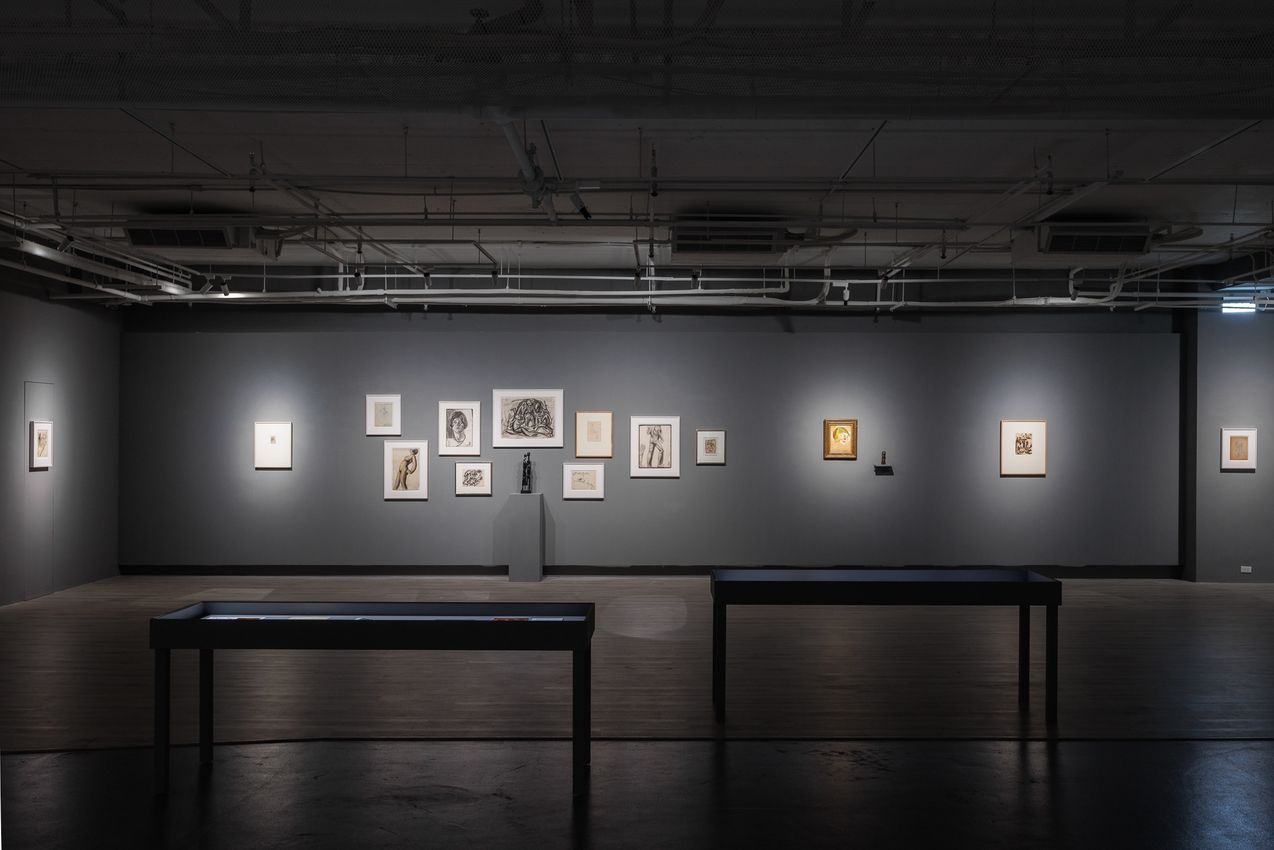
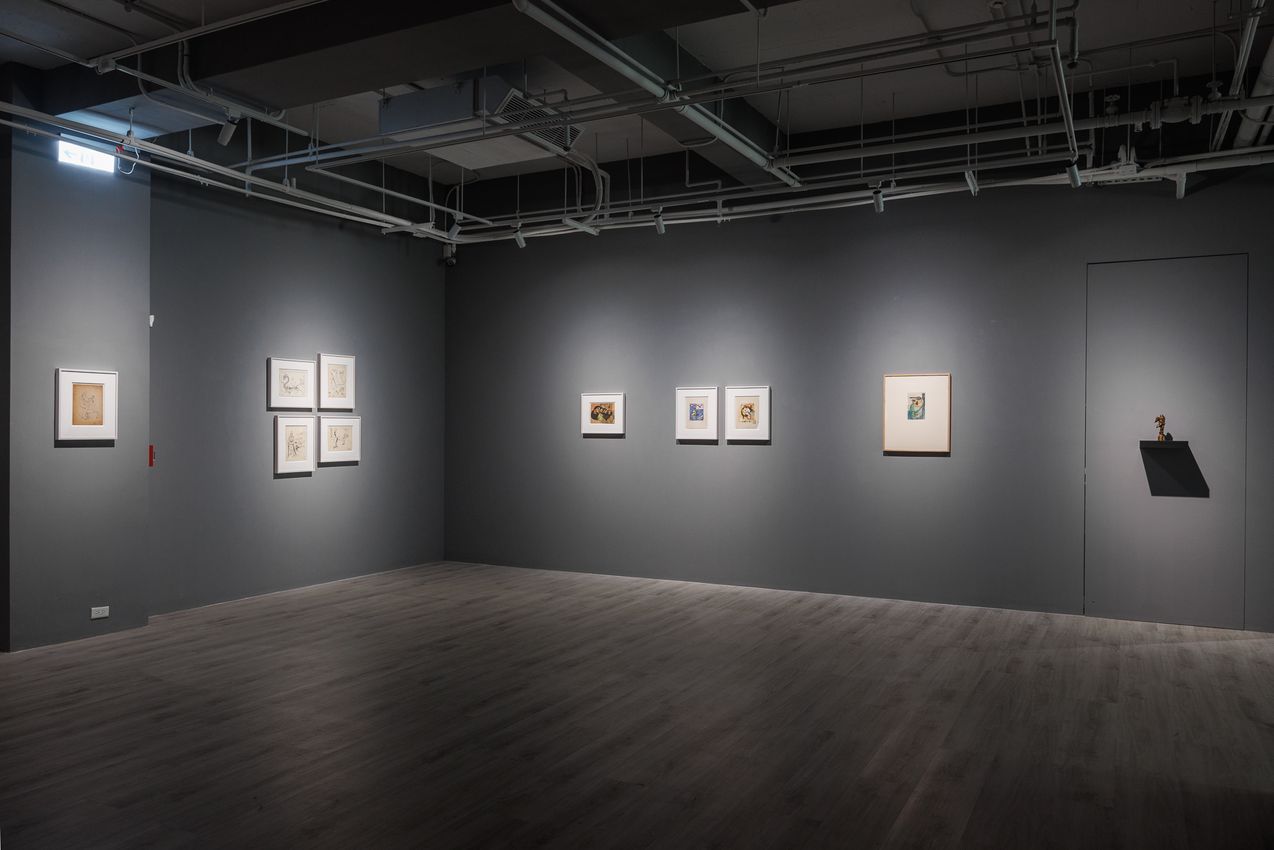
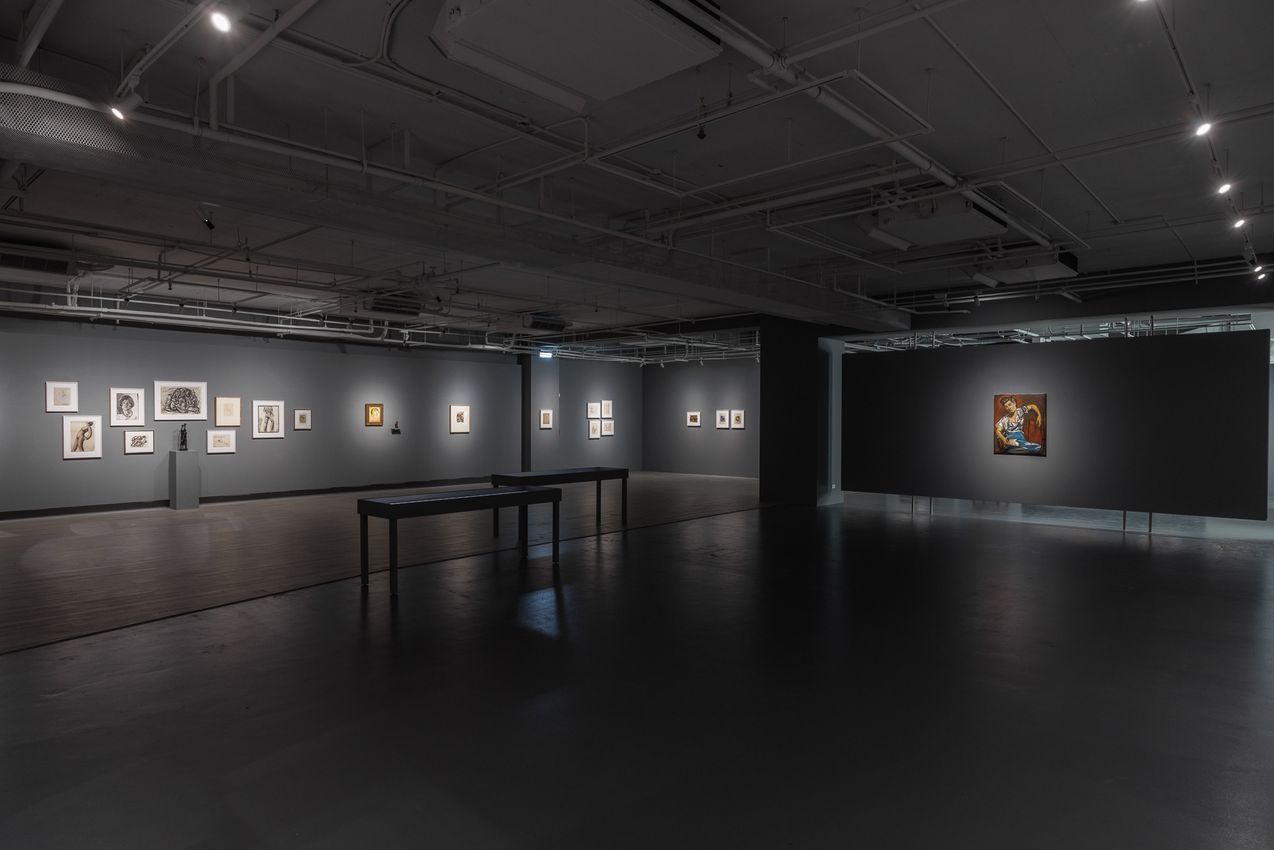
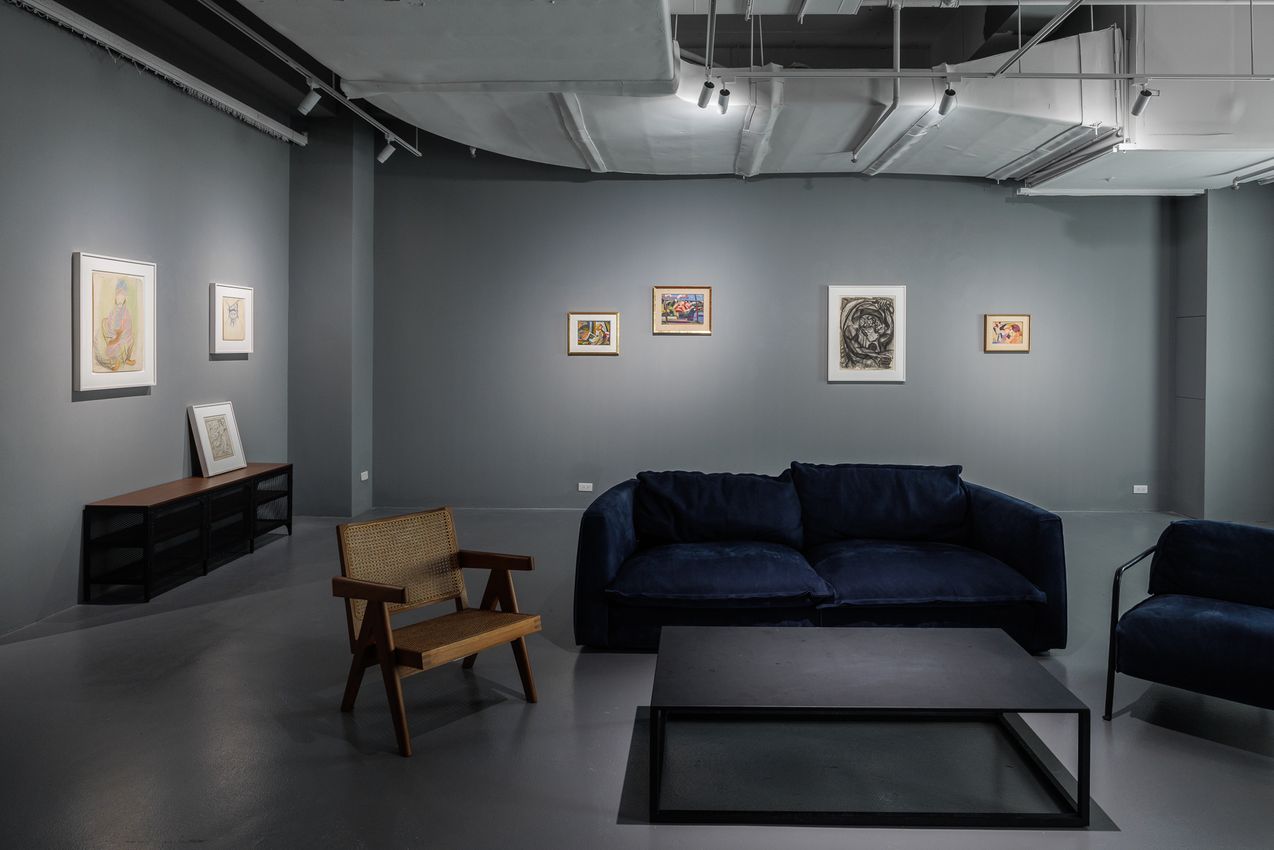
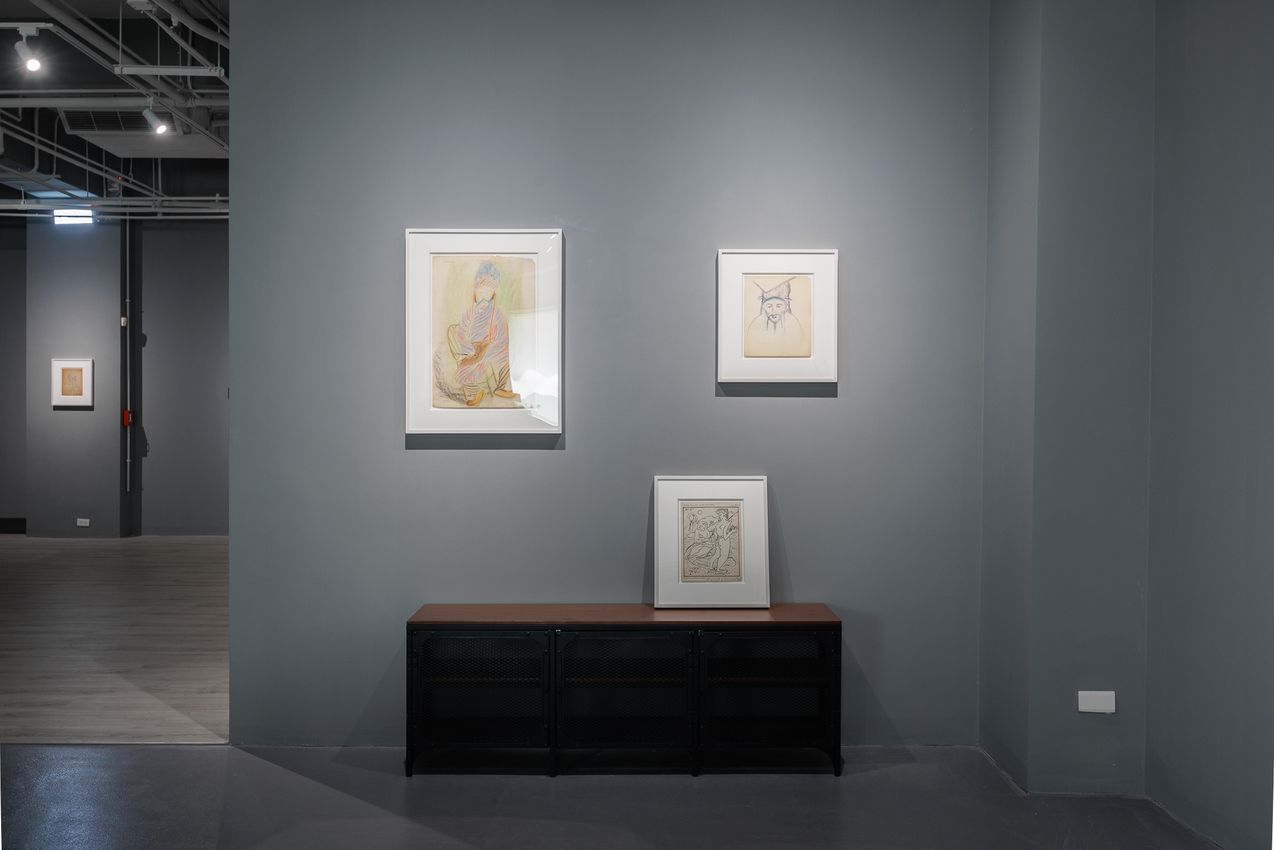
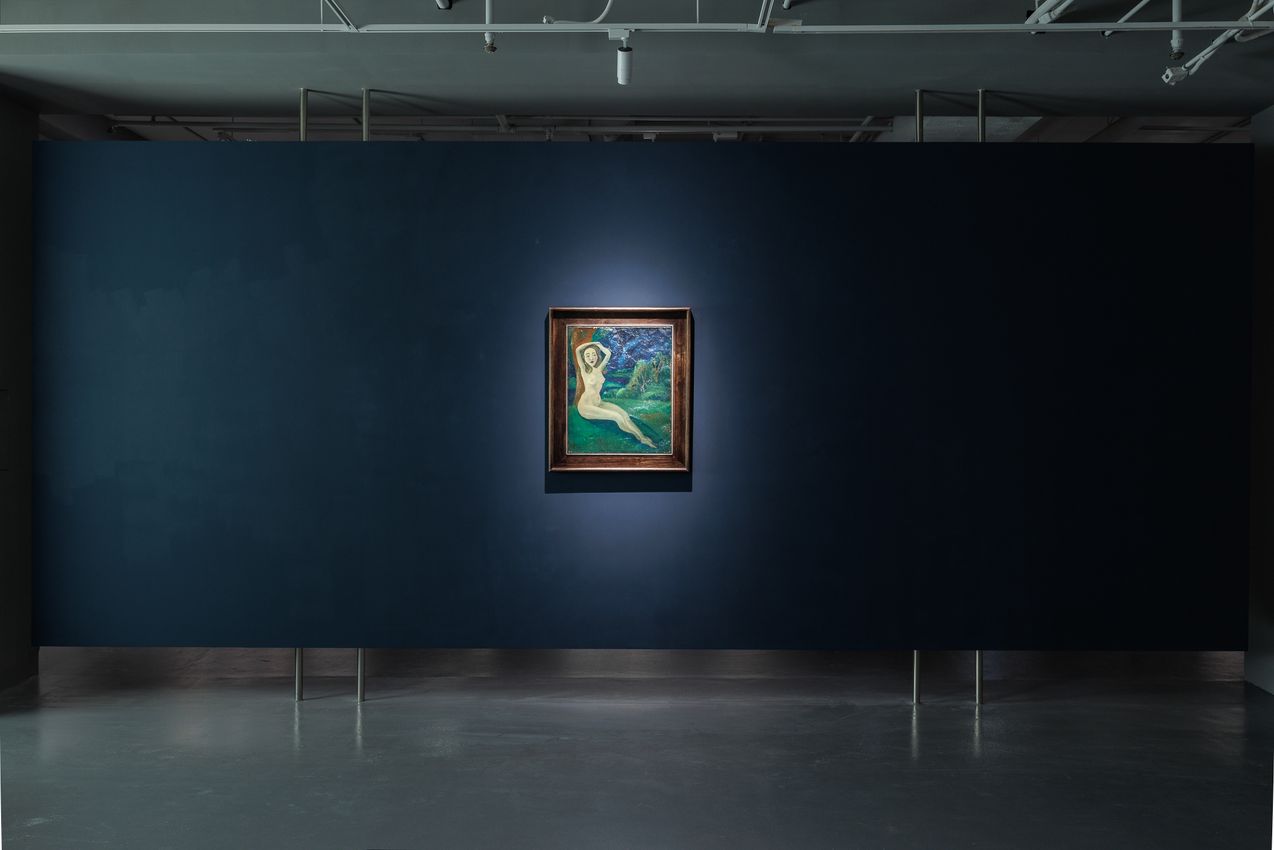
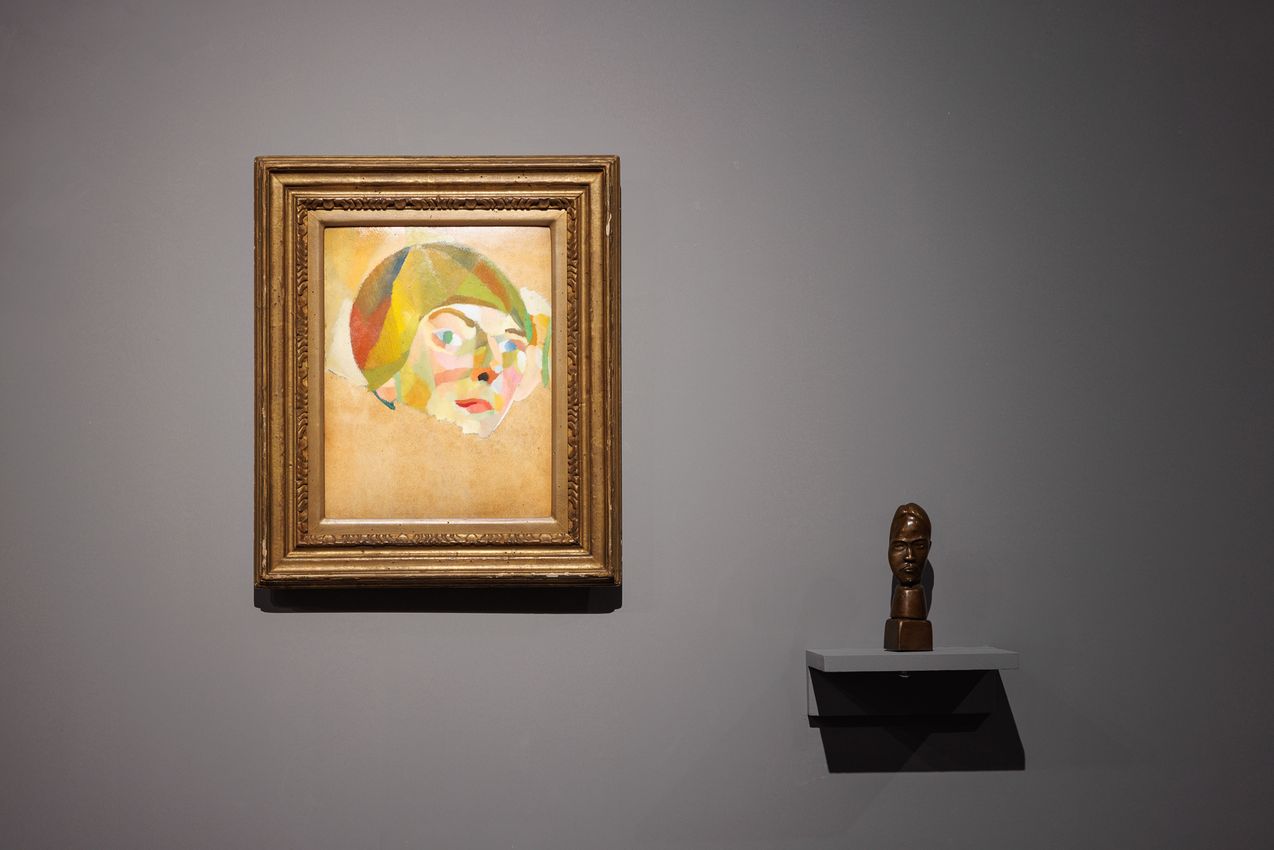
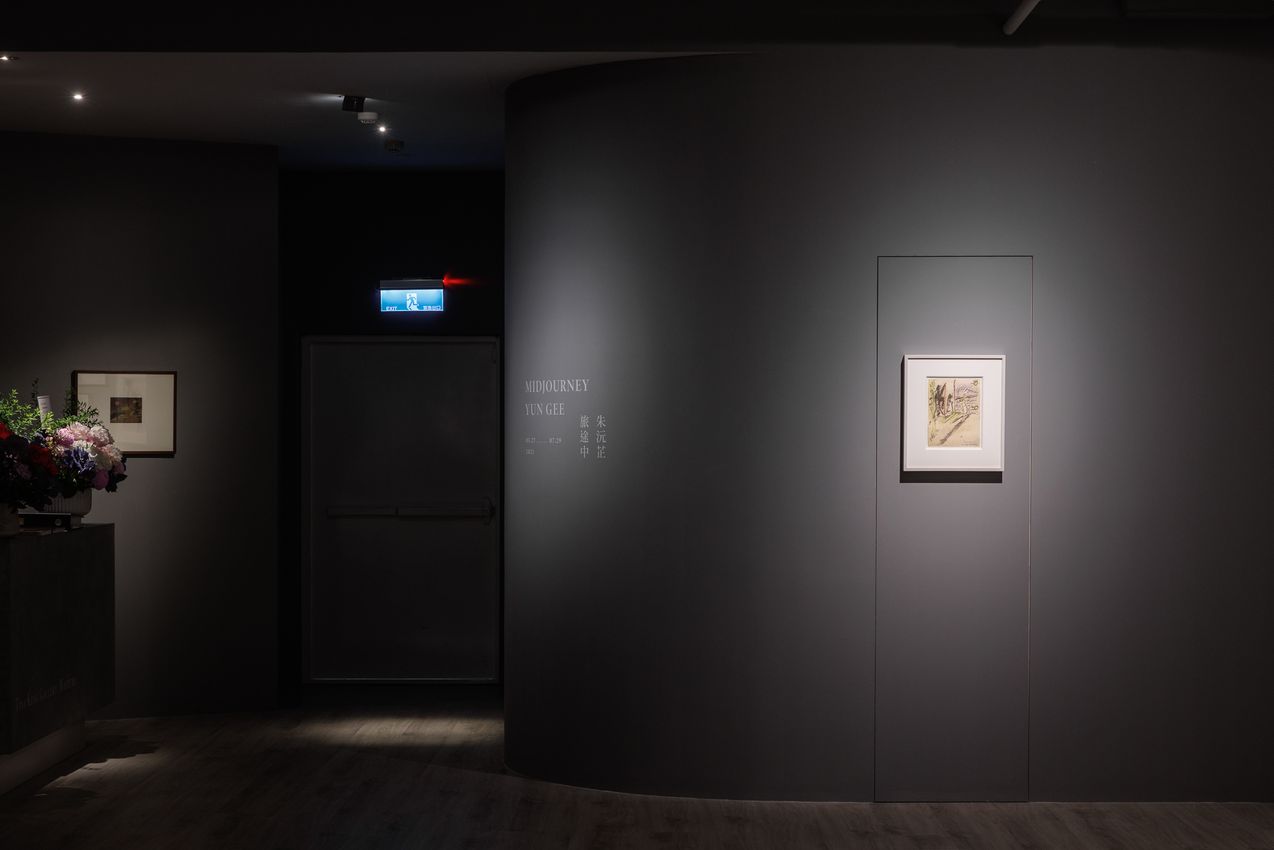
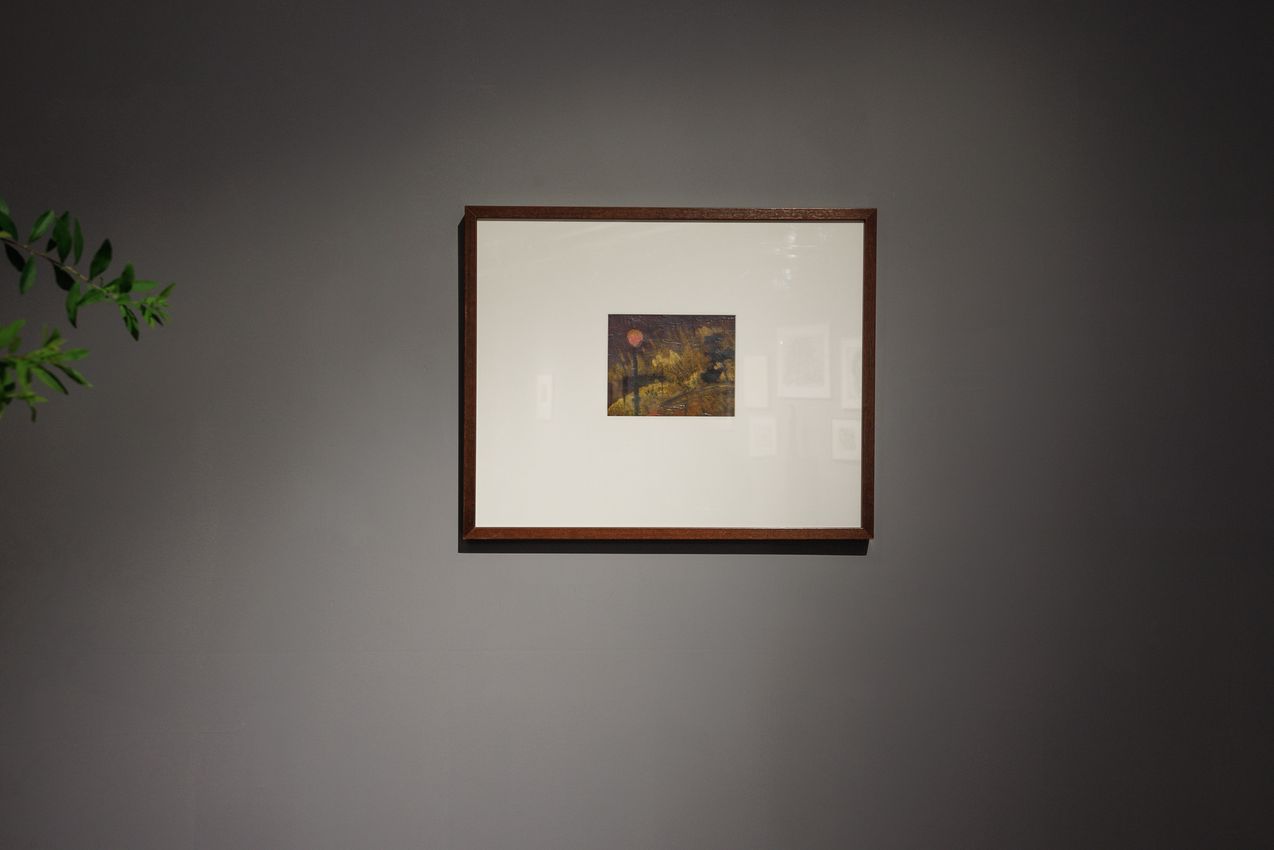
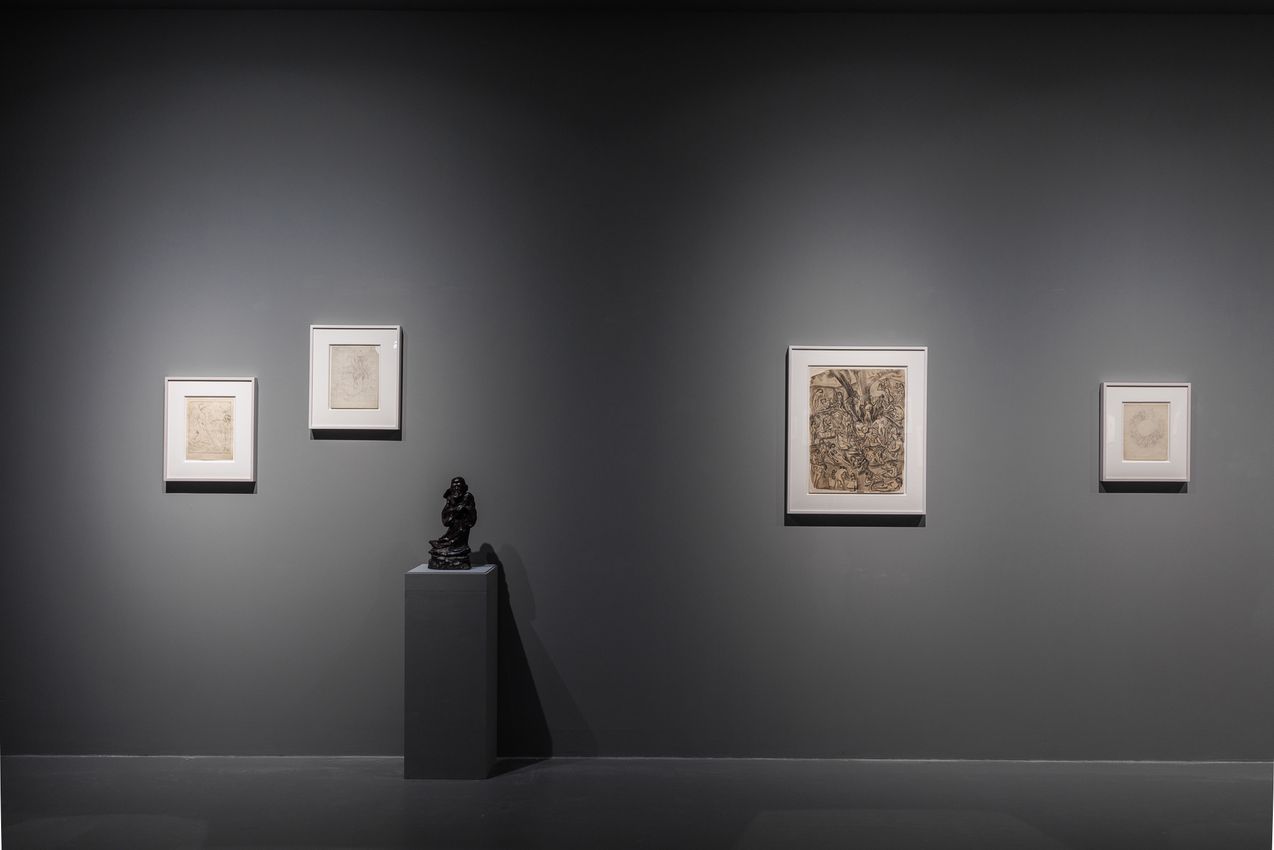
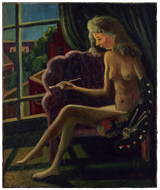
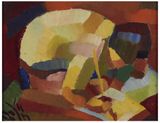
Tina Keng Gallery is pleased to present Yun Gee: Midjourney, a specially curated exhibition of the artist’s oilpaintings and works on paper, including sketches and drawings, which offer a glimpse into his creative,experimental process.
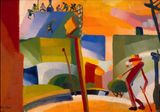
Immigrating to San Francisco at the age of 15 in 1921, Yun Gee developed a seminal style that grounds vibrant,bold colour blocks in cool, rigorous delineations. A style that found its roots in Cubism and flourished under theinfluence of Synchromism, championed by his mentors at the California School of Fine Arts. In 1927, Yun Gee was introduced to Prince and Princess Achille Murat, who were impressed by his work and encouraged him tomove to Paris, which he did. Yun Gee’s move to Paris exposed him to significant European influences. Earnestlyembraced by the Parisian art circle, his work combined the fusion of East and West in an ingenious synergy ofChinese cultural symbols and Western painting styles.
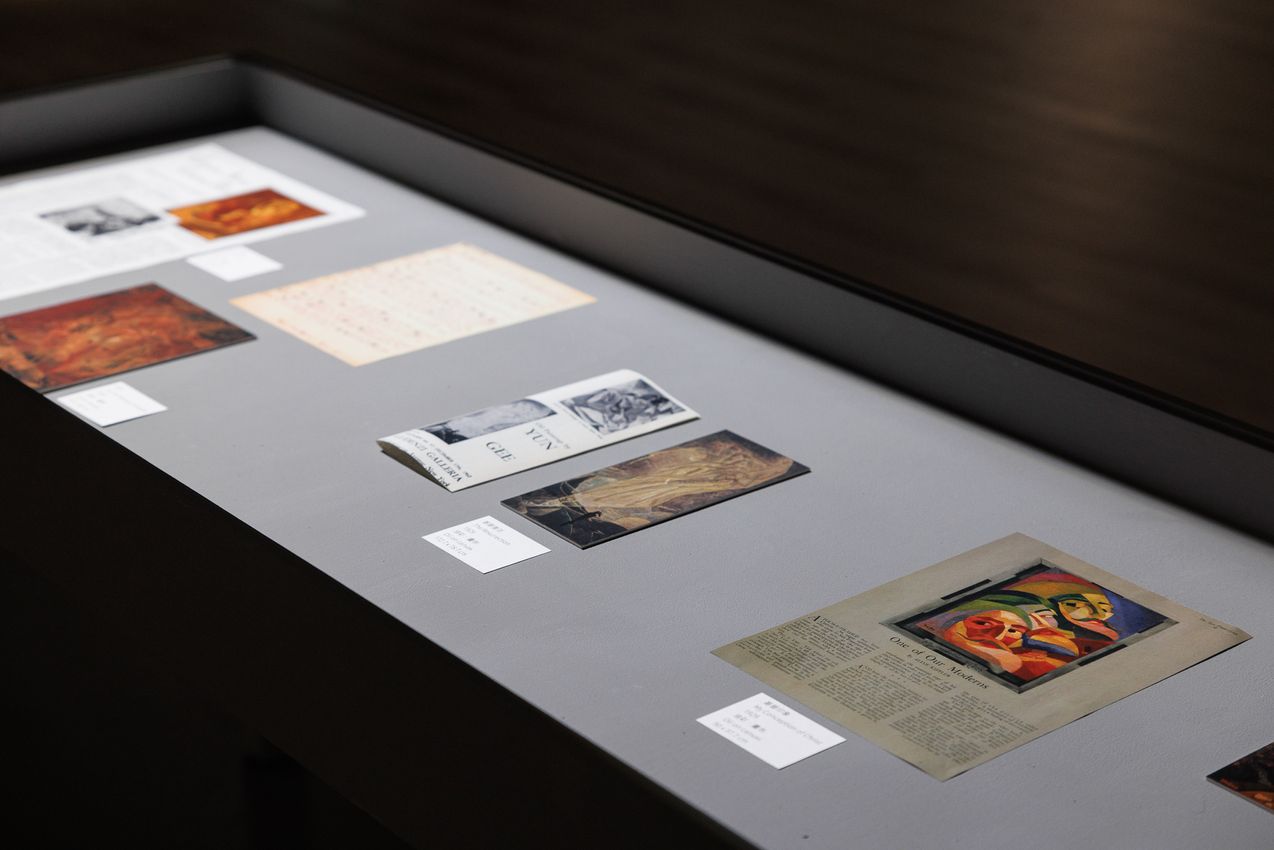
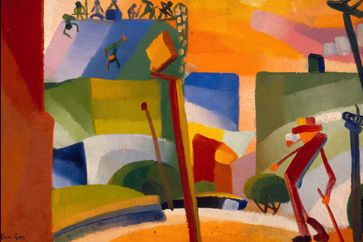
Social upheaval in the 1930s sent Yun Gee back and forth between Paris and New York. In 1932 he was invitedto be in the group exhibition Murals by American Painters and Photographers at the Museum of Modern Art inNew York. For this exhibition he created the work Wheels: Industrial New York rendered in his singular ‘Diamondism.’ Years later, this fortified Yun Gee’s status as one of the pioneering Chinese modern artists inhistory, as well as marking a milestone for Chinese artists.
Having lived in San Francisco, New York, and Paris, Yun Gee was propelled by his singular vision: redefiningwhat painting is with a visual language that blurs the boundary between East and West. Voraciously, he exploredthe Chinese and Western artistic canons, from the Bible, murals, Chinese opera, to classical Chinese poetry.The avant-garde art movements and Eastern philosophical thoughts coalesced into a style that is distinctivelyYun Gee’s: Diamondism, which emphasised a rhythmic organisation of blocks and planes, brilliant contrasts,diamond-shaped divisions, and blending of vibrant colors, to break through spatial limitations and give voice tothe stories and latent emotions behind his paintings.
The works on paper presented in this exhibition — some of them on view for the first time — shed light on theinner workings and creative nature of Yun Gee in his studio. Experimenting with colour, composition, ink, brush,and cultural symbolism, Yun Gee investigates through metaphor and narrative what defines painting. Hisendeavour, embodied in each work, attests to the life experiences of the times he inhabited.
Yun Gee: Midjourney highlights the legacy of this important Chinese modern painter of the 20th century, whodevoted himself to the blurring of boundaries between cultures, blazing a trail for generations to come.
Born in 1906 in Guandong. Yun Gee moved to the U.S. at the age of 15. In 1925, he entered the CaliforniaAcademy of Art to study painting under Gottardo Piazzoni and Otis Oldfield. The latter became his good friend.
His first solo show was held at the Modern Gallery in San Francisco in 1926, where he met his first patrons,Prince and Princess Achille Murat, who encouraged him to go to France. He had several solo shows during hisstay in Paris, and many of his works were selected to the Salon d’Automne, Salon des Indépendants, and Salondes Tuileries. In 1932, Yun Gee was invited by the Museum of Modern Art in New York to take part in anexhibition of murals. During the 1940s and 50s, Yun Gee continued his creative journey, exhibiting in variousgalleries in New York City. He passed away in 1963, at the age of 57.
In 1968, the Robert Schoelkopf Gallery in New York held a retrospective of his works, reviving his memory andbringing his work back into the limelight after so many years. Multiple retrospectives have been held in honor ofYun Gee, including The Art of Yun Gee, Taipei Fine Arts Museum, Taipei, Taiwan (1992). Yun Gee developeda seminal style that grounds vibrant, bold colour blocks in cool, rigorous delineations. Rooted in Cubism andflourishing under the influence of Synchromism, such style cements Yun Gee’s position as a pioneering Chinesemodernist painter.


Born in 1906 in Guandong. Gee moved to America at the age of 15. In 1925, he entered the California Academy of Art to study painting under Gottardo Piazzoni and Otis Oldfield, the later who became his good friend. His first solo show was held at the Modern Gallery in San Francisco in 1926, where he met his first patrons, Prince and Princess Achille Murat, who encouraged him to go to France. He had several solo shows during his stay in Paris, and many of his works were selected to the Salon d’Automne, Salon des Independants, and Salon des Tuileries. In 1932, Gee was invited by the Museum of Modern Art in New York to take part in an exhibition of murals. In 1945, he suffered a serious mental depression and remained very ill for two years. He passed away at the age of 57. In 1968, the Robert Scholkoph Gallery in New York held a retrospective of his works, reviving his memory after he had been forgotten for many years.
The Tina Keng Gallery has its roots in the Lin & Keng Gallery (1992–2009) based in Taipei, Taiwan and Beijing, China. Delving into Chinese art history, Lin & Keng was instrumental in promoting the work of Asian classical masters. The Tina Keng Gallery has continued this tradition by supporting Greater Chinese contemporary art, with a steadfast focus on nurturing Taiwanese art.

A respected voice in contemporary art discourse.
Focusing on ambitious storytelling and insightful art-world commentary. Ocula Magazine publishes in-depth interviews, critical essays and timely analysis on the artists, exhibitions and ideas driving the global art world.
Learn more about Ocula Magazine
Showcasing the best of the art world.
Ocula partners with galleries from around the world to highlight their artists, artworks and exhibitions. Gallery membership is by application and invitation, with each member vetted by an independent panel.
Learn more about Ocula Membership

Specialises in the sale of major artworks.
Led by a team with deep ties to the world’s leading auction houses, galleries and collectors. Ocula’s advisory team offers bespoke services to high-net-worth clients from around the world who are looking to acquire the best of contemporary and modern art.
Learn more about our team and services