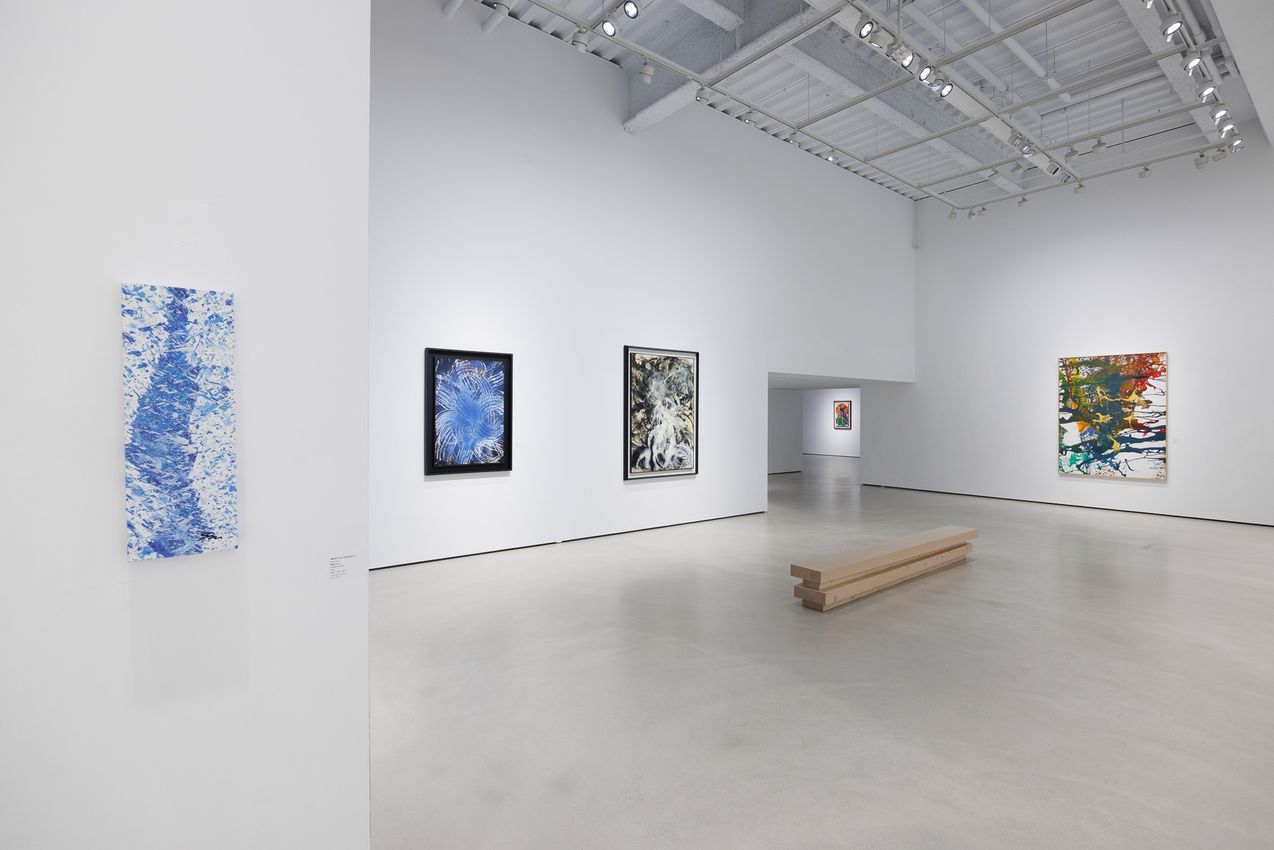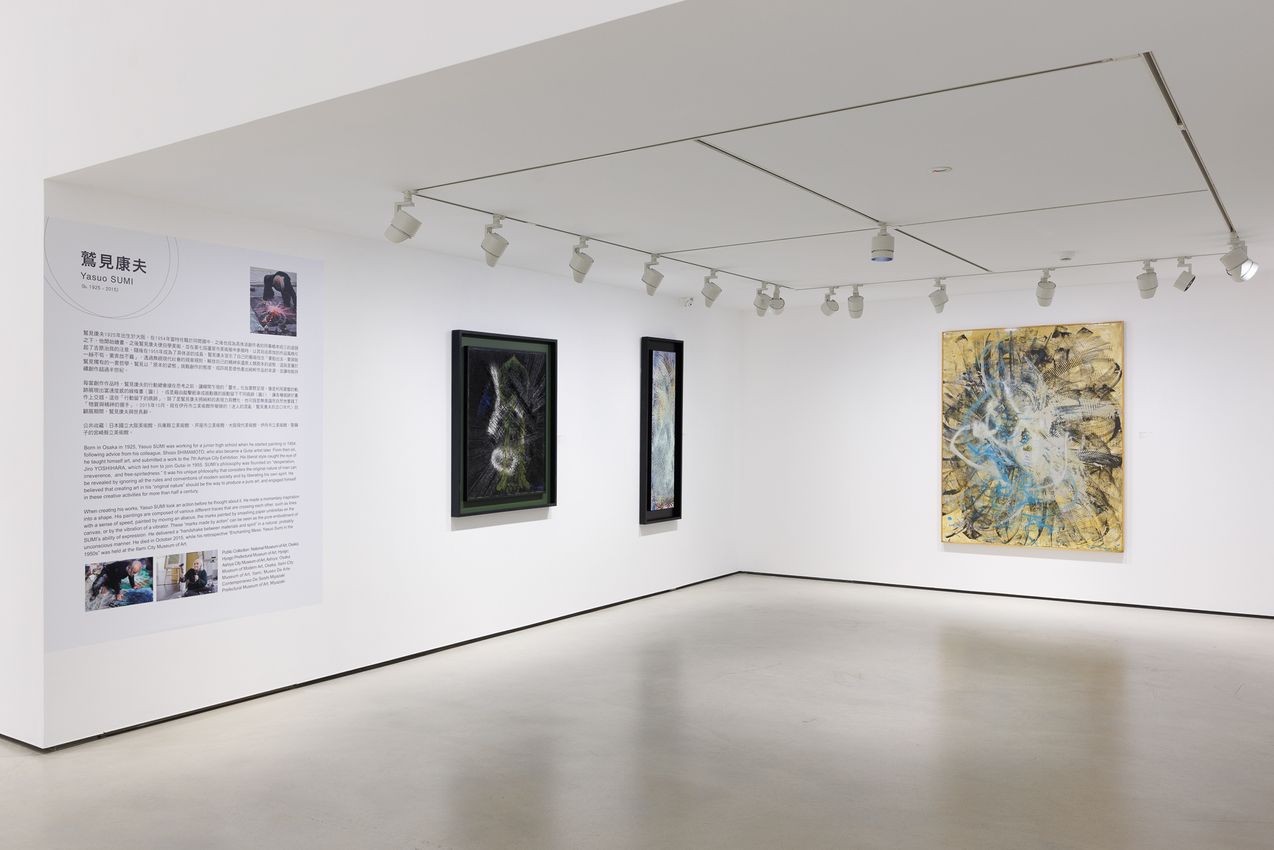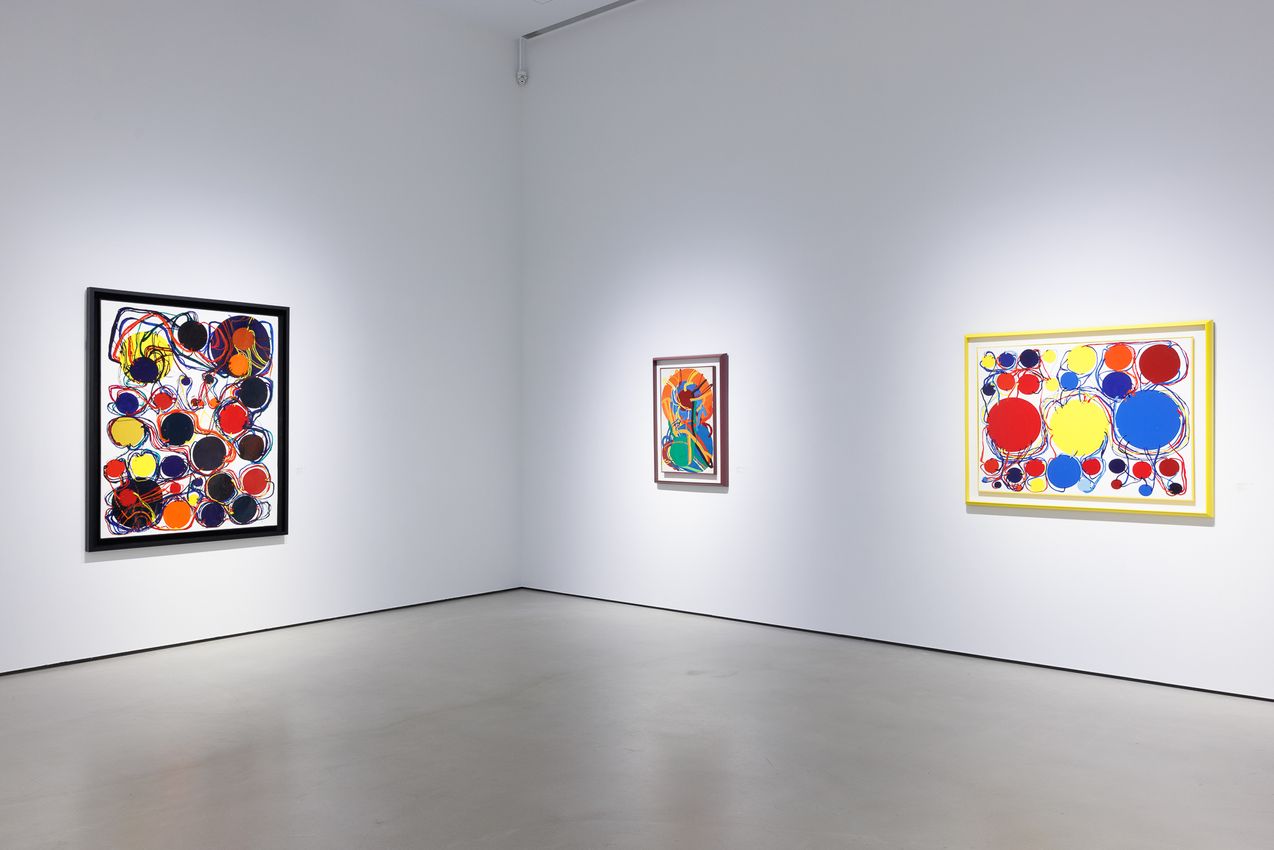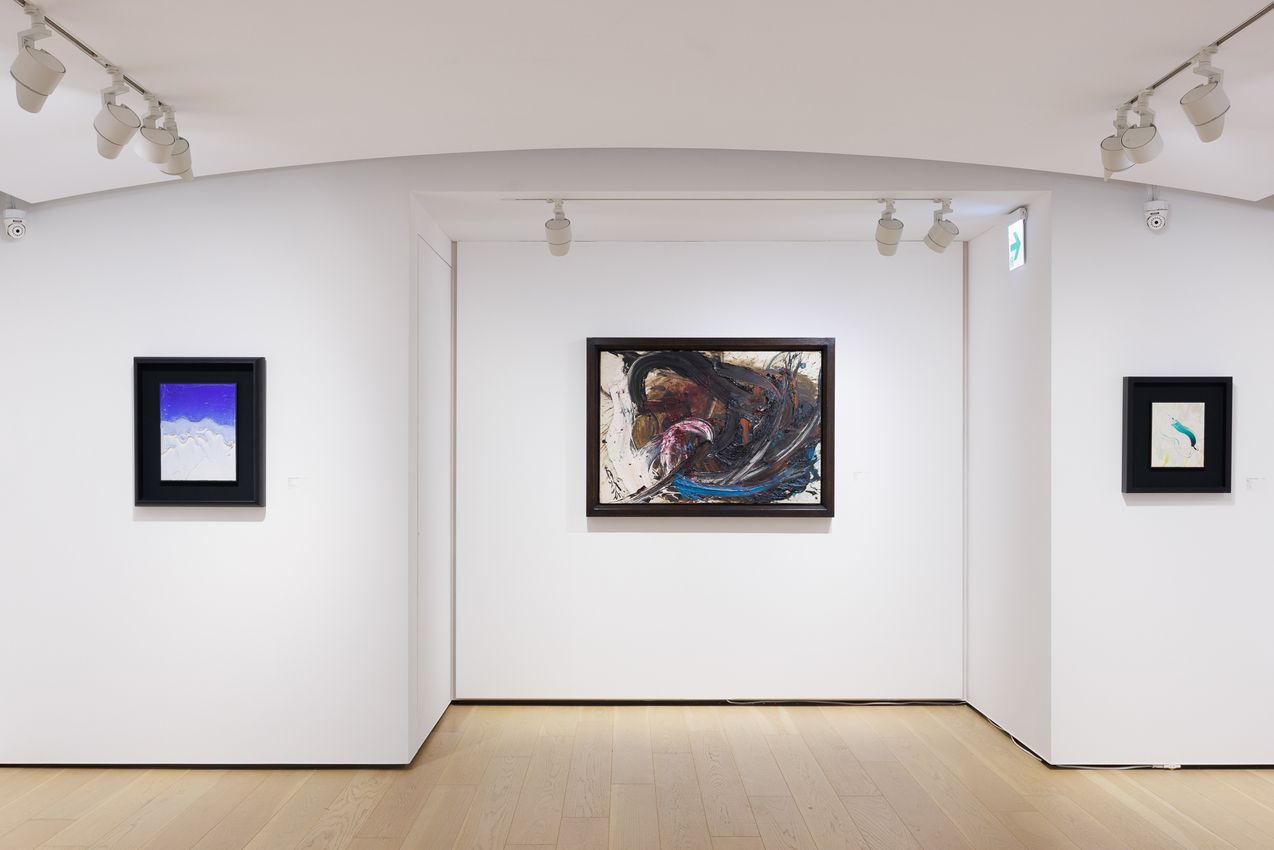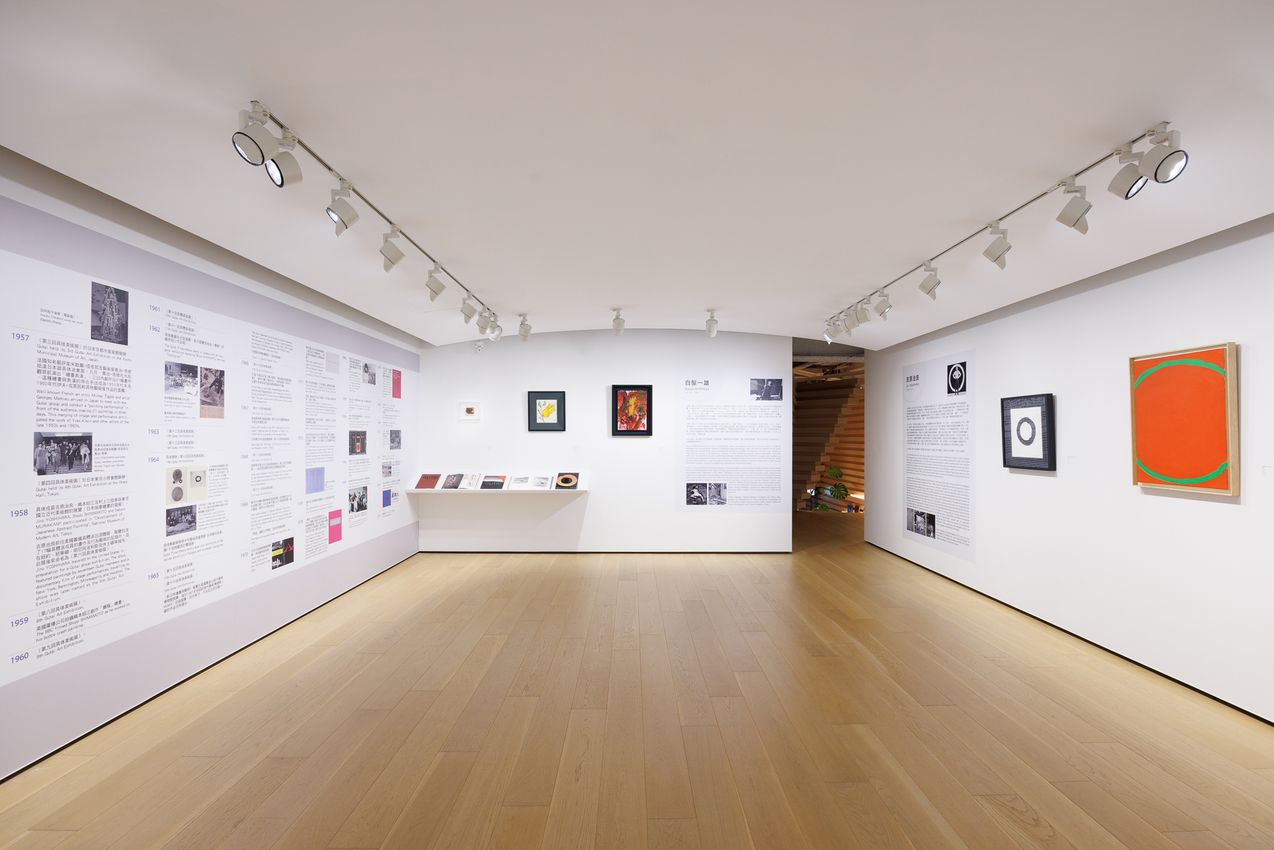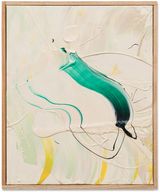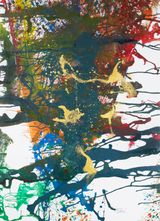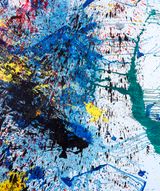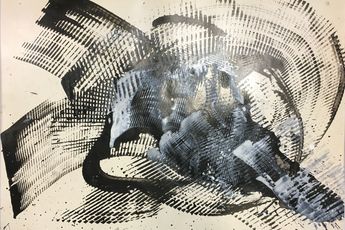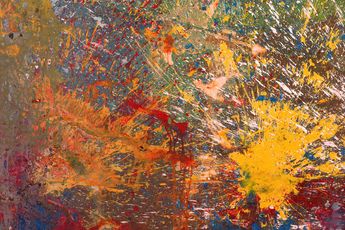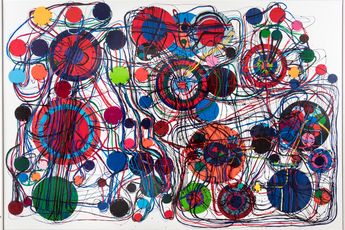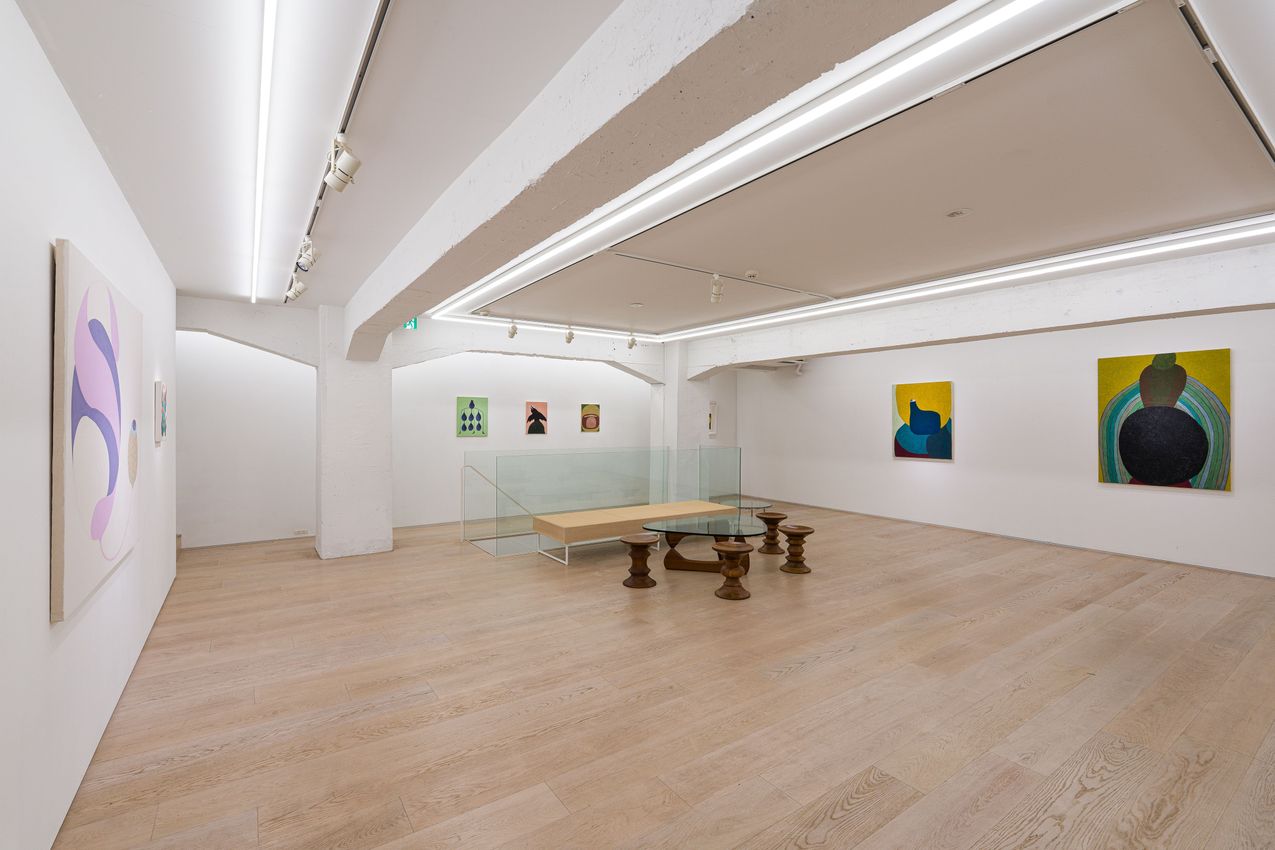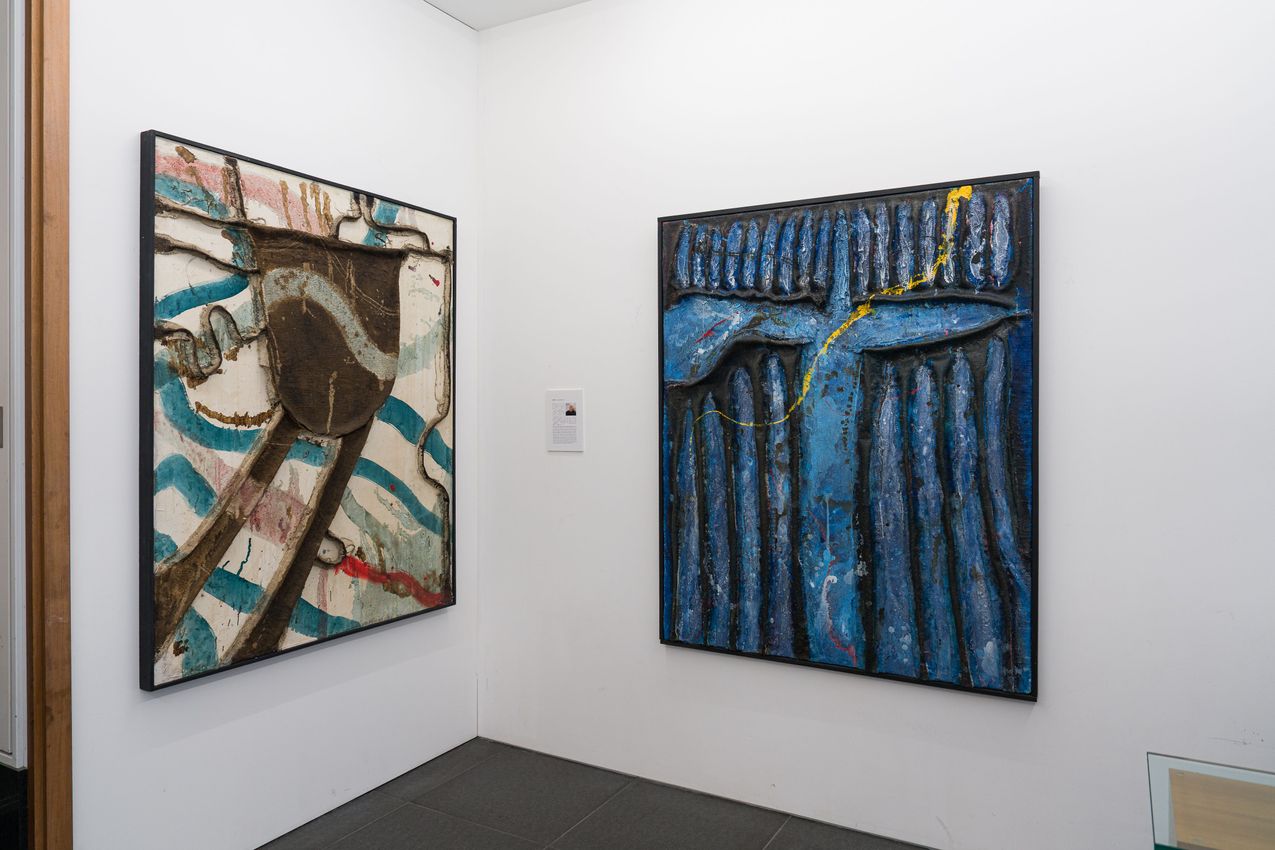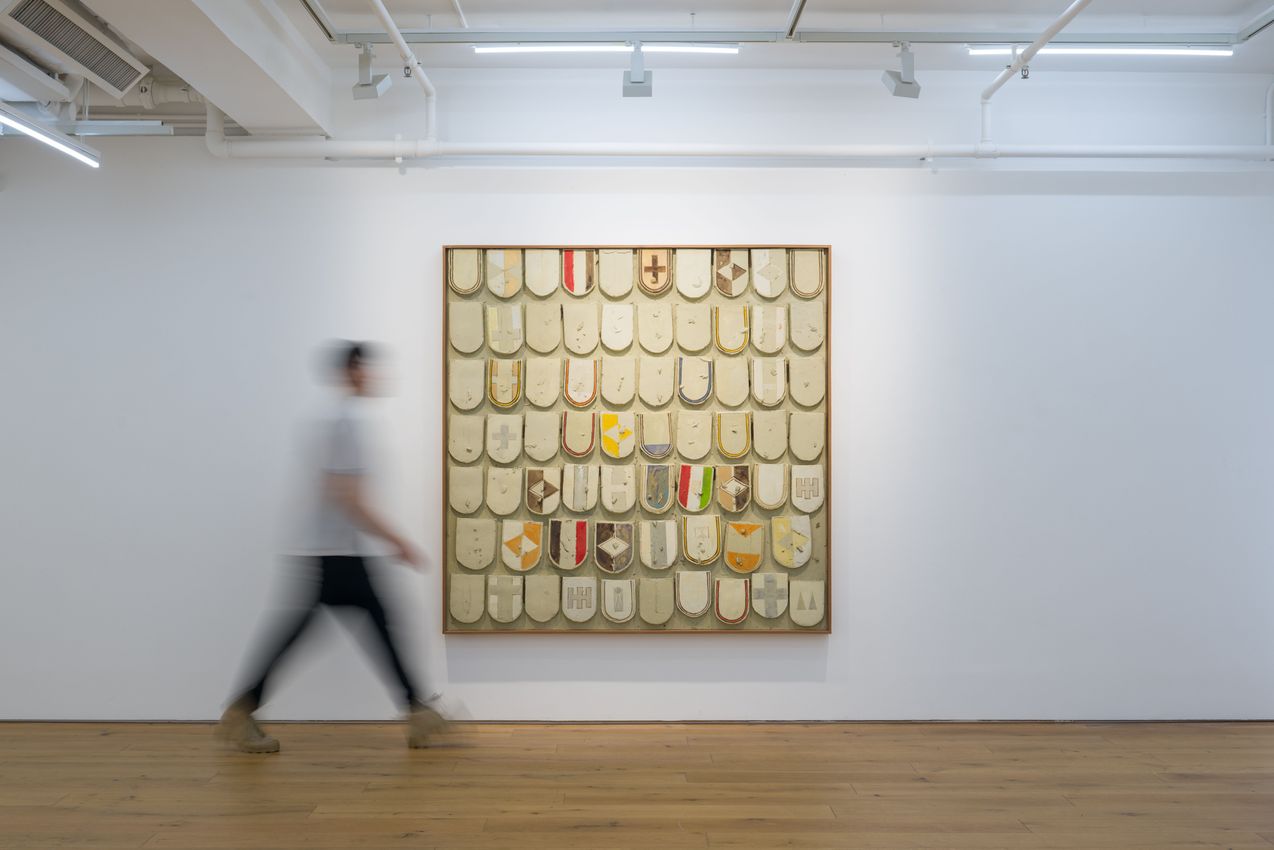




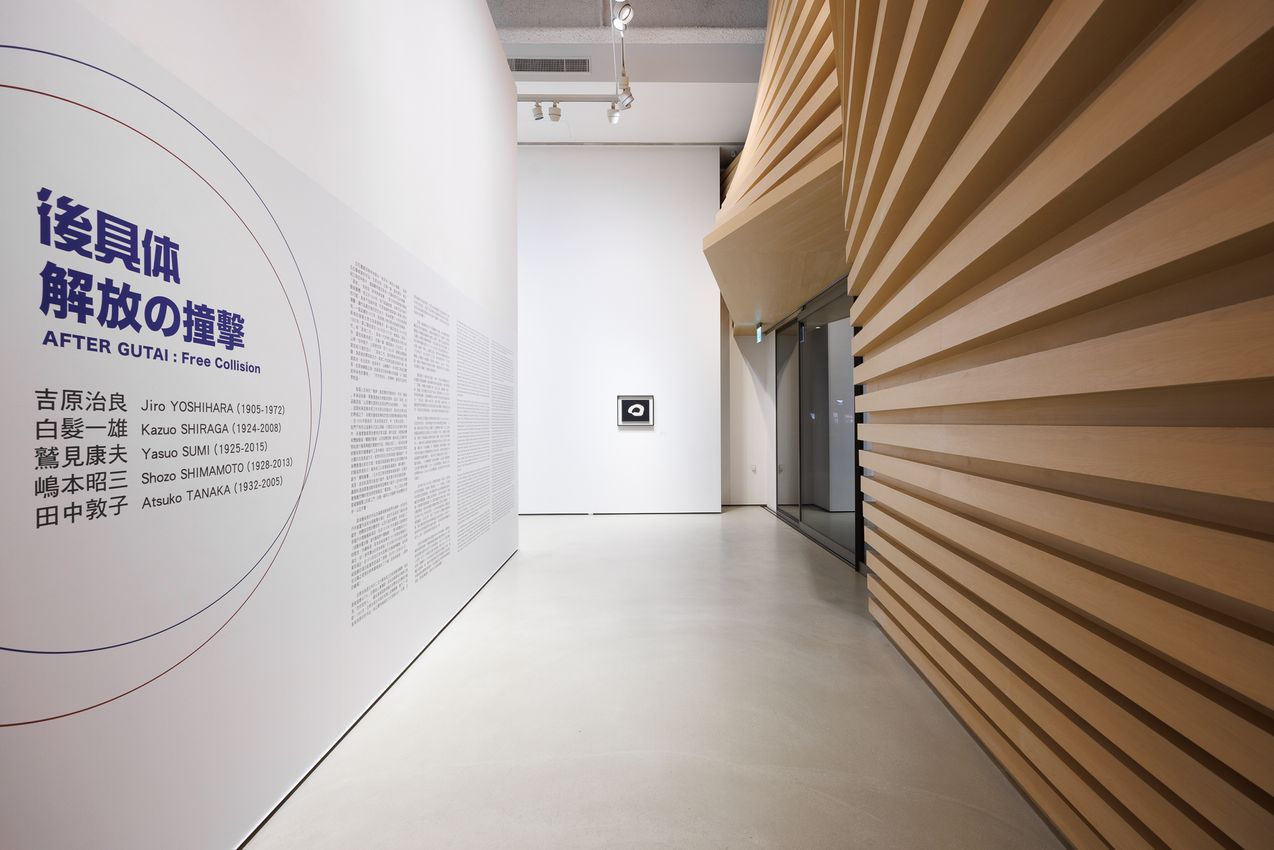
The Whitestone Gallery is honored to present AFTER GUTAI: Free Collision, focusing on the works of five artists: Jiro YOSHIHARA (1905–1972), Kazuo SHIRAGA (1924–2008), Yasuo SUMI (1925–2015), Shozo SHIMAMOTO (1928–2013), and Atsuko TANAKA (1932–2005). The exhibition invites the audience to experience the impact of Gutai Generation One artists’ works. ‘Gutai,’ officially known as the ‘Gutai Art Association,’ was Japan’s first radical post-war art collective. Founded in 1954, it aimed to transcend abstraction and fervently pursue the potential of artistic creation. Gutai does not distort materials: instead, it emphasises the collision between materials and individual qualities, resulting in works pulsating with intense vitality. The group underwent an 18 year developmental journey, lasting until its dissolution in 1972 after the passing of its leader, Jiro YOSHIHARA. After Gutai’s dissolution, its members individually continued to exude significant energy, embracing the spirit of ‘creating unprecedented things’ and ‘avoiding imitation,’ engaging in a dialogue between their works and the world.
The essence of ‘具体’ (‘Gutai’) implies ‘presenting our liberated spirit through concrete proof.’ The Gutai artists broke free from the traditional tools of artists and instead embraced bold and daring forms of self-expression, often using their own bodies for artistic creation, colliding with new possibilities. Each member had a unique and experimental approach to artistic expression: Shozo Shimamoto filled glass bottles with paint and hurled them at canvases to create ‘bottle paintings’; Yasuo SUMI used vibrating devices to make paint roll through abacuses and rotate through paper umbrellas: Atsuko TANAKA wore countless flashing light bulbs and tubes to create Electric Dress: Kazuo SHIRAGA suspended his body in mid-air using a rope and painted with his bare feet.
Jiro YOSHIHARA painted circles on a flat background, creating a series of candid and primal works. He developed this theme in a unique and masterful manner, receiving high acclaim internationally. Kazuo SHIRAGA achieved this distinction by gripping a suspended rope and using his bare feet to wrestle with canvas covered in paint, leaving dense traces where his feet interacted, resulting in works brimming with powerful and unrestrained energy, coupled with resolute determination. In his later years, SHIRAGA became a monk at Enryaku-ji on Mount Hiei, adopting the religious name ‘Sodo.’
Yasuo SUMI worked as a junior high school and high school teacher while simultaneously starting to paint on the advice of his colleague Shozo SHIMAMOTO. While teaching mathematics, SUMI stumbled upon the beauty of the trajectories created by an abacus. This discovery marked the beginning of his artistic journey. Vibrators, paper umbrellas, and the abacus became synonymous with SUMI’s artistic techniques. Shozo SHIMAMOTO’s artistic creation is his immense energy. His distinctive ‘cannon painting’ and ‘bottle crashing’ techniques are easily recognisable. Furthermore, after the dissolution of Gutai, he joined and led the Artists’ Union (AU) to continue its development. He was also invited to perform and exhibit his works worldwide.
Atsuko TANAKA presented her artwork Electric Dress as part of the ‘Gutai Art Using the Stage’ exhibition. The artwork consisted of numerous light bulbs and fluorescent tubes coated with enamel paint. In the flickering of neon lights, the meticulously crafted Electric Dress emitted a powerful energy, with its dazzling colours and apertures leaving a lasting impression on the viewers’ eyes. The emphasis on the interaction between the body and material, a key element of Gutai’s philosophy, was embodied in Atsuko TANAKA’s work through the use of light bulbs and the careful construction of a network of colours and lines. Subsequently, this catalysed her to integrate vibrant circles and lines with a unique ethereal quality and a touch of mechanical language in her creations. Atsuko TANAKA consistently employed synthetic resin enamel paint as her medium, with its smooth texture and vivid colours drawing attention..
Jiro YOSHIHARA encouraged Gutai members to create unprecedented art, fostering the collision of individual spiritual traits and material, liberating artistic energy from traditional tools and concepts. The works of Gutai members were not confined to museums alone: they were also presented in outdoor parks and on stages. Gutai artists fearlessly paved new paths, showcasing a diverse range of artistic impacts with unique vocabularies and styles.


Established in 1967, Whitestone Gallery is a leading Japanese gallery presenting a broad spectrum of Japanese art from the post-war to contemporary in spaces across East Asia.

A respected voice in contemporary art discourse.
Focusing on ambitious storytelling and insightful art-world commentary. Ocula Magazine publishes in-depth interviews, critical essays and timely analysis on the artists, exhibitions and ideas driving the global art world.
Learn more about Ocula Magazine
Showcasing the best of the art world.
Ocula partners with galleries from around the world to highlight their artists, artworks and exhibitions. Gallery membership is by application and invitation, with each member vetted by an independent panel.
Learn more about Ocula Membership

Specialises in the sale of major artworks.
Led by a team with deep ties to the world’s leading auction houses, galleries and collectors. Ocula’s advisory team offers bespoke services to high-net-worth clients from around the world who are looking to acquire the best of contemporary and modern art.
Learn more about our team and services