






ANGELICA MESITI
b. 1976, AustraliaAngelica Mesiti’s practice incorporates video, installation and performance with a focus on alternative modes of storytelling, namely oral and performative modes of narration. Through the careful selection of elements such as music and location, Mesiti preserves and celebrates traditions, histories and intangible cultural heritages.
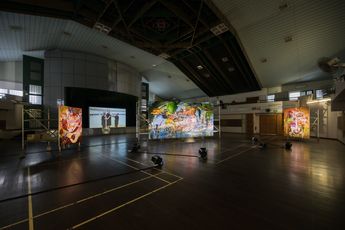
Angelica Mesiti’s video works explore performative modes of communication. Music, song, dance, percussion, whistling and sign language all feature in works that draw on folk and historical cultural traditions, street performance and formal language systems. Mesiti works closely with her subjects, often filming them in locations that give particular resonance to their performances – whether historical or traditional community sites associated with the activity, or urban locations suggestive of contemporary migrant communities and global diasporas.
In her early career, Mesiti was best known as a member of The Kingpins, an all-female Sydney-based artist collective (other members Técha Noble, Emma Price and Katie Price) formed around 2000. Emerging out of the queer culture world of drag-king performance, the group’s sophisticated video and installation works explore constructions of gender, sexuality and identity in popular culture. Performers in their own works, The Kingpins achieved significant national and international success in the decade after they were established, a period during which Mesiti also developed her solo practice.
Notable among her early works is The Line of Lode and Death of Charlie Day (2009), a video that evokes the unique character of the outback New South Wales mining city of Broken Hill. The local Aboriginal Marnpi Dreaming story of the bronze-winged pigeon (beautifully conjured in the ‘flight’ of children riding bikes while wearing metallic birdwing cloaks) is central to the work, as are the region’s mineral-rich landscape and the ornate interiors of the city’s famous Palace Hotel. The latter is filled with murals of verdant landscapes commissioned by the hotel’s Italian-born owner in the 1980s and painted by local Aboriginal artist Gordon Waye. The murals are an immigrant’s creation of a remembered place in a new setting and are utilised by Mesiti to stage further images of displacement, such as a feral goat standing on the staircase landing.
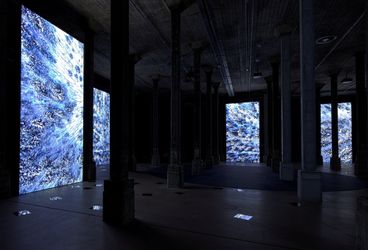
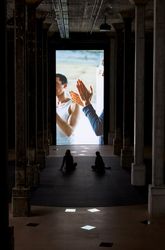
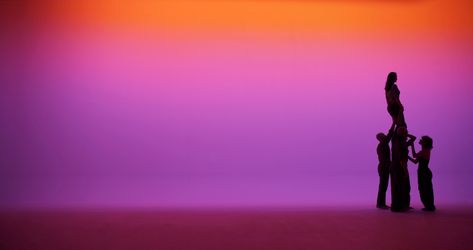
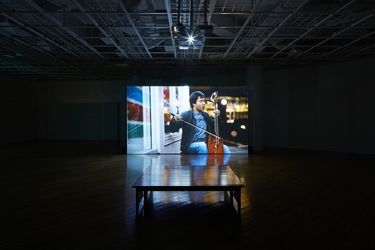
A recent work, The Colour of Saying (2015), based on a performance that Mesiti staged in Malmö, Sweden, comprises three videos shown consecutively on three freestanding screens. As one video plays, the other two appear as monochromatic white surfaces, giving the work a highly sculptural feel. In the first video, The Silent Choir, nine students learning sign language silently sign English composer Ralph Vaughan Williams’ choral work ‘Serenade to Music’ (1938). The camera focuses on the care that they take in their movements, with the only (faint) sound being that of bodies and clothing in restrained motion. In the second video, Clapping Music, two percussionists perform a rhythmic, syncopated clapping score inspired by a minimalist composition of the same name by American composer Steve Reich. And in the final video, Swan Song, two retired ballet dancers use their hands to mark out a pas de deux (duet) from Tchaikovsky’s Swan Lake (1875–1876). This ‘hand-marking’ is a shorthand means by which dancers learn the movement, phrasing and dynamics of a piece without the physical strain of performing it.
Mesiti has a sophisticated understanding of the visual forms and language of video, particularly the manner in which she frames her subjects to ensure that they have a compelling presence both within the image and projecting out into the gallery space. In recent works, such as The Colour of Saying Mesiti, builds a sense of intimacy between her on-screen performers, and between them and the viewer. Sometimes this occurs through their apparent address to the viewer; at other times it is achieved by bringing the camera close in on the performers to convey moments of private concentration so that we feel we have been granted special access to the intensity of their emotional worlds – to their feelings of yearning, melancholy and loss.
Text by Blair French, Museum of Contemporary Art Australia, Sydney

Explore Angelica Mesiti's Exhibitions




Representative Artworks
View story

View story

View story
View story
View story
View story
View story
View story







Explore and Follow Artists Shaping Contemporary Art
A respected voice in contemporary art discourse.
Focusing on ambitious storytelling and insightful art-world commentary. Ocula Magazine publishes in-depth interviews, critical essays and timely analysis on the artists, exhibitions and ideas driving the global art world.
Learn more about Ocula Magazine
Showcasing the best of the art world.
Ocula partners with galleries from around the world to highlight their artists, artworks and exhibitions. Gallery membership is by application and invitation, with each member vetted by an independent panel.
Learn more about Ocula Membership
Specialises in the sale of major artworks.
Led by a team with deep ties to the world’s leading auction houses, galleries and collectors. Ocula’s advisory team offers bespoke services to high-net-worth clients from around the world who are looking to acquire the best of contemporary and modern art.
Learn more about our team and services