





NURIA MARIA
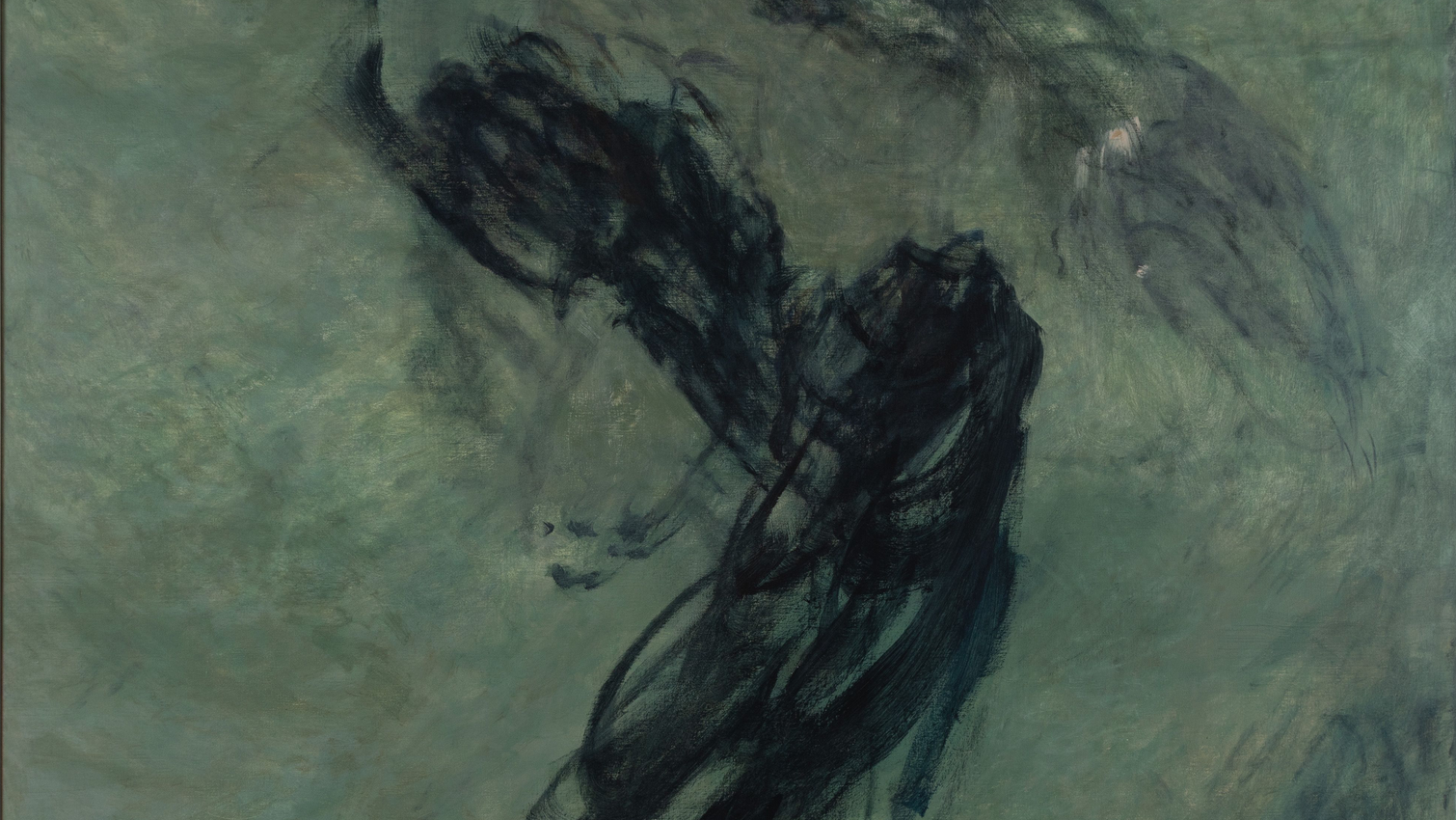
b. 1990, NetherlandsNuria Maria’s work captures the essence of moments in time, via the use of colour and natural shapes and forms. Drawing inspiration from nature and weather, she initially created figurative paintings but has moved towards more abstract compositions, aiming to convey sentiments and feelings rather than merely objects.
Early Years
Nuria Maria was born into an artistic family in Limburg, the Netherlands, in 1990. She attempted a couple of university courses that weren’t art-related but neither lasted more than a few weeks. In 2012 she enrolled at the Academy of Fine Arts in Maastricht, initially focusing on painting but becoming more interested in video art and her own music, often inspired by the weather, which remains a key subject for her paintings.
Nuria Maria: Artworks
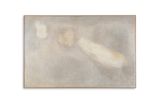
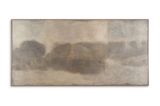
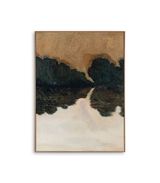
Nuria Maria’s work connects abstraction, colour and natural shapes. After graduation, she experienced a shift from figurative work to the abstract, which came about because she altered her focus, concentrating on colour, forms and structures rather than thinking about the size of the objects she was painting. However, she has re-embraced impressionist/figurative elements, notably in 2025 solo show, Zilver.
Her works are characterised by their intense colours. In a 2025 interview, Nuria Maria explained that she was “completely obsessed” with colour, and as well as being inspired by nature, she arranged objects in her home according to colour: “I can spend hours putting books in the right order so the colours are co-ordinated as I like them. I collect things purely for their colour; I even do my groceries based on the colour packaging.”
Nuria Maria also tries to capture the atmosphere of the moment via the interaction between the subjects of her paintings. She explained in 2025: “I can work with colours as a starting point, or a certain rhythm with forms, but it is the feeling that I have about exactly that moment and sentiment that I want to reflect and that is always more important than the purely visible state of the painting.”
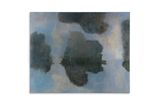
- 2025’s three-work Willows in Wittem series moves away from painting to mixed media on paper, evoking the motion of the wind and weather
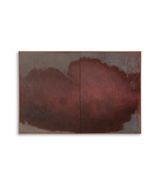
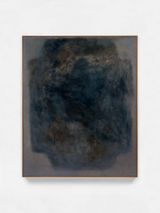
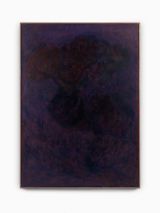
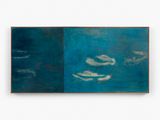
- The 2025 Diptych Night Cloud pictures swirling cloud forms in a deep sky, created using acrylic paint on linen.
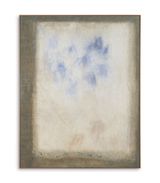
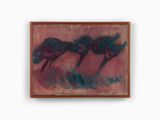
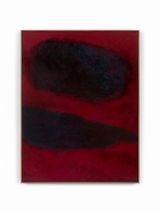
- In Red Flowers (2026), Nuria Maria uses acrylic on canvas to capture the movement and life in floating petals.
Nuria Maria: Exhibitions
Select Solo Exhibitions
- Nectar, Alzueta Gallery, Paris (2025)
- Zilver, Cadogan Gallery, London (2025)
- Granite Spring, Alzueta Gallery, Barcelona (2024)
- Tule Tänne | Come Here, Cadogan Gallery, Milan (2024)
- North—Mennäänkö Uimaan, Alzueta Gallery, Madrid (2023)
Select Group Exhibitions
- Marco. Límite y lugar, Alzueta Gallery, Madrid (2025)
- Spring Show, Palau de Casavells, Girona (2024)
- Floralia, Alzueta Gallery, Barcelona, Spain (2022)
- Puzzle, Roman Sviridov, London, UK (2021)
- A Cure for Melancholy, Galerie 42b, Paris (2019)
Further reading
- Nuria Maria’s Instagram
- Nuria Maria’s biography and CV at Alzueta Gallery
- Nuria Maria’s artist page at Gallery BR
- In Conversation with Nuria Maria, Interview in Aesence
- Interview with François Bonnel (2020)
- A Cup of Entrepreneurship, a 2018 interview with The Artist and Others
Nuria Maria FAQs
What are Nuria Maria’s influences?
In a 2020 interview with François Bonnel, Nuria Maria said that she was “mesmerised” by Boticelli’s Primavera (Spring) (1470s or 1480s) when she first saw the painting as a child. She also references Picasso’s forms, colours and playfulness—mentioning L’Aubade (The Serenade) (1942) in particular—and Francis Bacon, Joan Miró, Mark Rothko, Johannes Vermeer, Frida Kahlo and Italian Frescoes. However, in the same interview she said that these were not so much direct influences, but instead seeing something that “makes you want to paint”.
Who are the other artists in Nuria Maria’s family?
Maria’s mother is painter Siiri Spronken and her father is artist and sculptor Thomas Junghans. Her maternal grandparents were Finnish landscape painter Varpu Tikanoja and sculptor Arthur Spronken.
What are the main themes in Nuria Maria’s work?
Nuria Maria’s work captures moments including weather, landscapes, memories and the atmosphere of a certain moment, whether that comes across via light, time, love, sadness or even the smell of a season. She has said that she knows a painting is finished when it gives her the right feeling.
Ocula


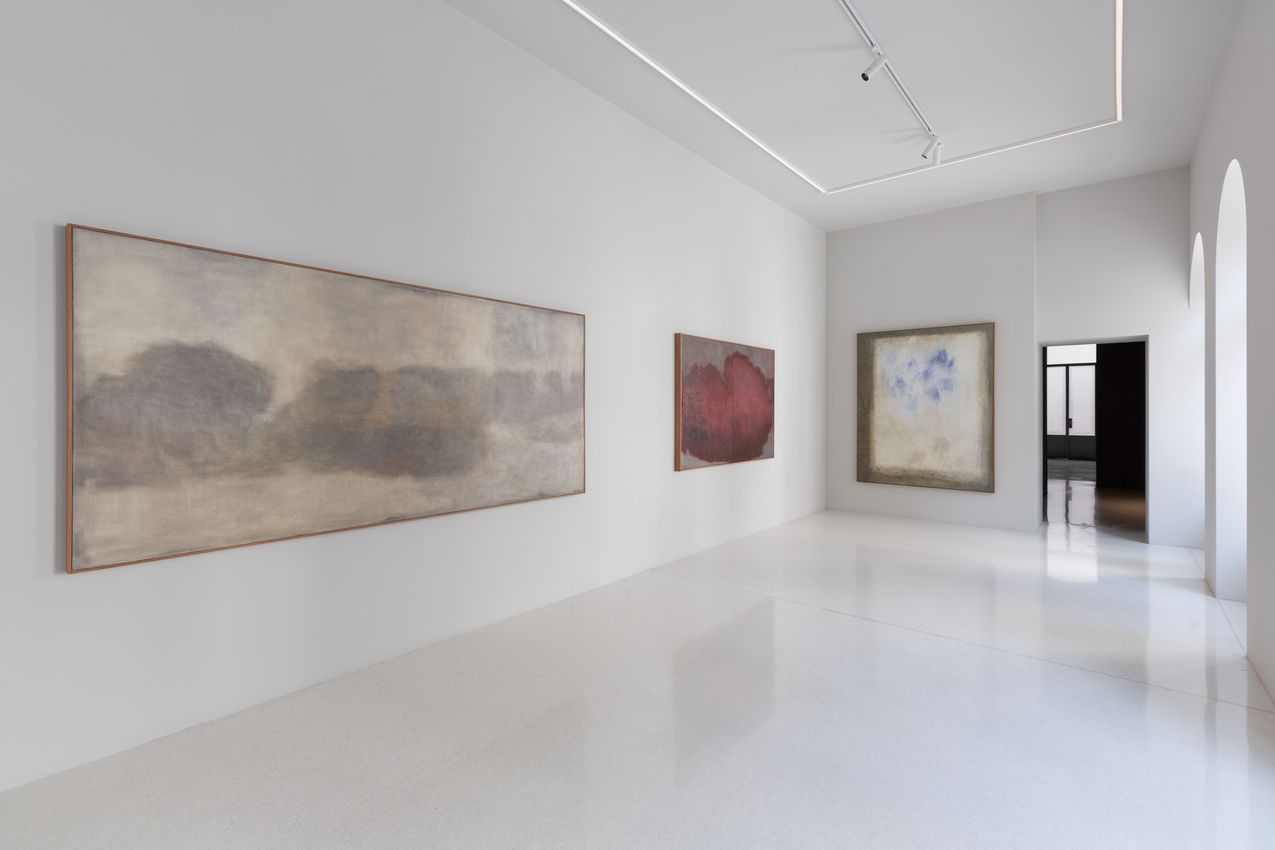
View Nuria Maria's Artworks





















Explore and Follow Artists Shaping Contemporary Art
A respected voice in contemporary art discourse.
Focusing on ambitious storytelling and insightful art-world commentary. Ocula Magazine publishes in-depth interviews, critical essays and timely analysis on the artists, exhibitions and ideas driving the global art world.
Learn more about Ocula Magazine
Showcasing the best of the art world.
Ocula partners with galleries from around the world to highlight their artists, artworks and exhibitions. Gallery membership is by application and invitation, with each member vetted by an independent panel.
Learn more about Ocula Membership
Specialises in the sale of major artworks.
Led by a team with deep ties to the world’s leading auction houses, galleries and collectors. Ocula’s advisory team offers bespoke services to high-net-worth clients from around the world who are looking to acquire the best of contemporary and modern art.
Learn more about our team and services