





SHANNON TE AO
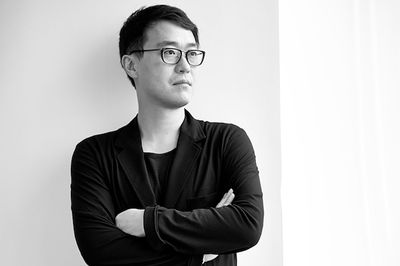
b. 1978, New ZealandShannon Te Ao (Ngāti Tūwharetoa, Ngāti Wairangi, Te Pāpaka-a-Māui) is a New Zealand artist, writer, and curator whose elegiac video installations and performance-based works explore the intersections of indigeneity, language, and loss. Born in Sydney in 1978 and raised in Australia, Te Ao now lives and works in Te Whanganui-a-Tara Wellington, where he teaches at Whiti o Rehua School of Art, Massey University.
Education and Career
Te Ao graduated with a BFA (First Class Honours) from the University of Auckland‘s Elam School of Fine Arts in 2009, completing a Diploma in Teaching the following year. He later earned an MFA (First Class Honours) from the College of Creative Arts at Massey University Wellington in 2016. His journey into art came through music and the encouragement of high school teachers in Sydney, eventually leading him to pursue tertiary studies in the visual arts.
Practice and Themes
Working predominantly with moving image installation, performance, and video, Te Ao draws extensively on Māori lyrical and literary sources including whakataukī (proverbs), waiata (song), and poetry, as well as texts from popular culture. His practice investigates Māori paradigms, testing alternative creative, social, and linguistic models in relation to contemporary video art and performative practices. The richly layered works create a temporal compression where past and present co-exist, linking daily life to multifarious social, cultural, and philosophical histories.
Growing up in Australia and later reconnecting with his Māori heritage, Te Ao’s work reflects a personal and political journey to understand and assert his culture within contemporary art spaces. He frequently collaborates with other artists and performers, such as composer Kurt Komene (Te Ātiawa, Taranaki Whānui), bringing multiple perspectives and knowledge to his explorations of Māori thought and experience.
Major Works and Recognition
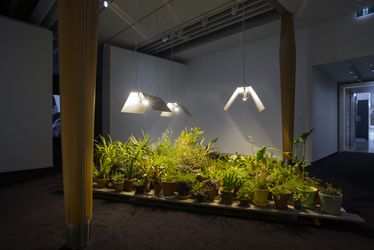
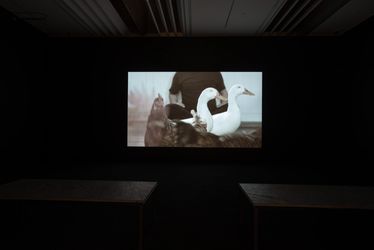
Te Ao’s seminal work two shoots that stretch far out (2013–14) features the artist barefoot in black t-shirt and jeans, reciting 19th-century waiata lyrics to various animals including geese, chickens, a swan, a rabbit, a wallaby, and a donkey. The work was shown at the 19th Biennale of Sydney in 2014 and earned him New Zealand’s most prestigious contemporary art award, the Walters Prize, in 2016. For the Walters Prize exhibition, Te Ao also presented Okea ururoatia (never say die) (2016), an installation of living plants arranged on pallets and lit by hanging lights.
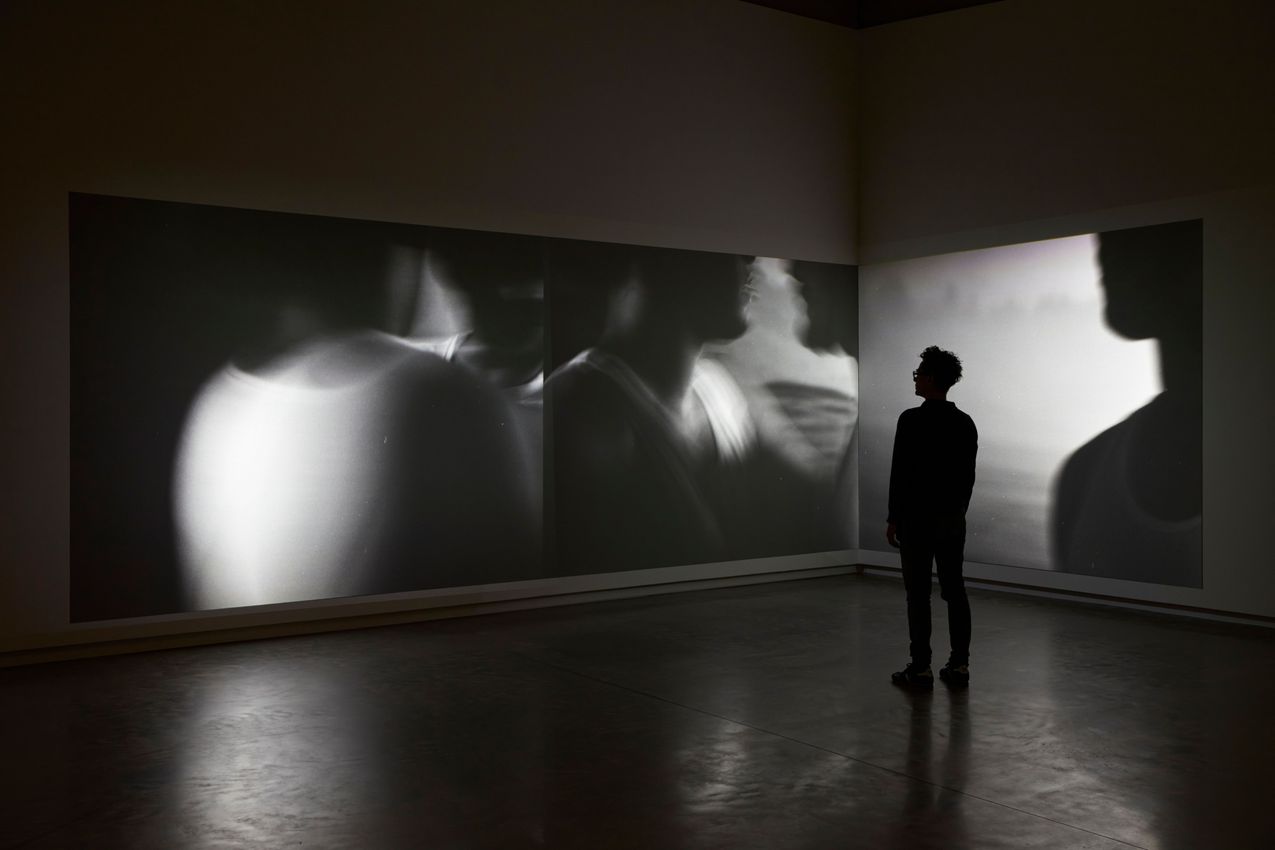
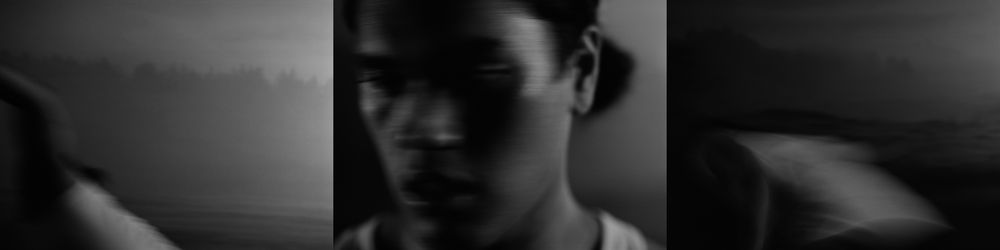
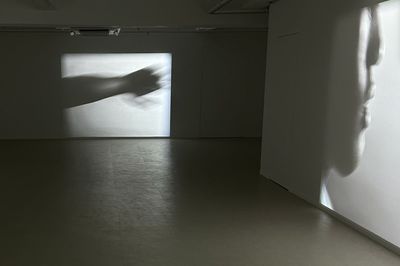
Another significant work, Ia rā, ia rā (rere runga, rere raro)—Everyday (I fly high, I fly low) (2021), is a three-channel video installation that draws on Māori histories about the tīwakawaka (fantail) as a harbinger of death. Originally commissioned by the Queensland Art Gallery of Modern Art for the 10th Asia Pacific Triennial of Contemporary Art (APT10), this work represented Aotearoa New Zealand at both the 13th and 15th Gwangju Biennale Pavilions (2021 and 2024). The installation features two young men in motion, with a pao (song) by Kurt Komene following the fantail’s flight path. You can read further on the artist’s presentation in Gwangju here.
In addition to the above, Te Ao has exhibited extensively nationally and internationally. Other solo exhibitions include:
- Ka mua, ka muri at REMAI Modern in Saskatoon and Oakville Galleries in Toronto (co-commissioned 2020), and at Te Uru Waitākere Contemporary Gallery in Auckland (2021). The exhibition’s title, meaning “to walk backwards into the future,” explores experiences of time, history, and song, suggesting that past, present, and future co-exist on a continuum.
- With the sun aglow, I have my pensive moods at Te Tuhi, Auckland (2017), and
- Tēnei Ao Kawa Nei at Christchurch Art Gallery (2017).
In 2022, Te Ao curated the exhibition Matarau at City Gallery Wellington, demonstrating his parallel practice as a curator. Most recently in 2025, he participated in a group exhibition Hundreds upon thousands of moments glitter in unison with Jane Jin Kaisen and Peter Robinson at Coastal Signs.
Collections
Te Ao’s work is held in public collections including Auckland Art Gallery Toi o Tāmaki, which acquired two shoots that stretch far out in 2016, and Dunedin Public Art Gallery, which acquired what was or could be today (again) (2019), a video installation focusing on endurance athlete Ngarama Milner-Olsen swimming across Lake Taupō.
Shannon Te Ao FAQs
What is Shannon Te Ao known for?
Shannon Te Ao is known for his elegiac video installations and performance-based works that explore the intersections of indigeneity, language, and loss. His practice draws extensively on Māori lyrical and literary sources including whakataukī (proverbs), waiata (song), and poetry. He is best known for works such as two shoots that stretch far out (2013–14), which won the Walters Prize in 2016, and Ia rā, ia rā (rere runga, rere raro)—Everyday (I fly high, I fly low) (2021), which represented Aotearoa New Zealand at the Gwangju Biennale.
Where does Shannon Te Ao live and work?
Shannon Te Ao lives and works in Te Whanganui-a-Tara Wellington, New Zealand. Although he was born in Sydney, Australia in 1978 and raised there, he relocated to New Zealand to pursue his arts education and has remained based in Wellington, where he teaches at Whiti o Rehua School of Art, Massey University.
What iwi does Shannon Te Ao affiliate with?
Shannon Te Ao affiliates with Ngāti Tūwharetoa, Ngāti Wairangi, and Te Pāpaka-a-Māui. His Māori heritage and cultural connections inform much of his artistic practice, particularly his use of Māori language, waiata, and paradigms in his video and performance works.
Did Shannon Te Ao win the Walters Prize?
Yes, Shannon Te Ao won the Walters Prize in 2016, New Zealand’s most prestigious contemporary art award. He was awarded the prize for his works two shoots that stretch far out (2013–14) and okea ururoatia (never say die) (2016). The award was judged by Doryun Chong, Director of M+ Museum in Hong Kong.
What are Shannon Te Ao’s major exhibitions?
Shannon Te Ao has exhibited extensively nationally and internationally. Major exhibitions include representing Aotearoa New Zealand at the 13th and 15th Gwangju Biennale Pavilions (2021 and 2024), participation in the 10th Asia Pacific Triennial of Contemporary Art (APT10, 2021), and the 19th Biennale of Sydney (2014). Solo exhibitions include Ka mua, ka muri at REMAI Modern, Oakville Galleries, and Te Uru Waitākere Contemporary Gallery (2020–2021), and Tēnei Ao Kawa Nei at Christchurch Art Gallery (2017).
Where is Shannon Te Ao’s work held?
Shannon Te Ao’s work is held in public collections including Auckland Art Gallery Toi o Tāmaki, which acquired two shoots that stretch far out in 2016, and Dunedin Public Art Gallery, which acquired what was or could be today (again) (2019). His work is also part of the Queensland Art Gallery of Modern Art collection.
What mediums does Shannon Te Ao work in?
Shannon Te Ao works predominantly with moving image installation, performance, and video. His practice often involves documented performance combined with sound, particularly waiata (song) and spoken word. He also works as a writer and curator alongside his visual arts practice.
Ocula | 2026




Representative Artworks
View story
View story
View story
View story







Explore and Follow Artists Shaping Contemporary Art
A respected voice in contemporary art discourse.
Focusing on ambitious storytelling and insightful art-world commentary. Ocula Magazine publishes in-depth interviews, critical essays and timely analysis on the artists, exhibitions and ideas driving the global art world.
Learn more about Ocula Magazine
Showcasing the best of the art world.
Ocula partners with galleries from around the world to highlight their artists, artworks and exhibitions. Gallery membership is by application and invitation, with each member vetted by an independent panel.
Learn more about Ocula Membership
Specialises in the sale of major artworks.
Led by a team with deep ties to the world’s leading auction houses, galleries and collectors. Ocula’s advisory team offers bespoke services to high-net-worth clients from around the world who are looking to acquire the best of contemporary and modern art.
Learn more about our team and services