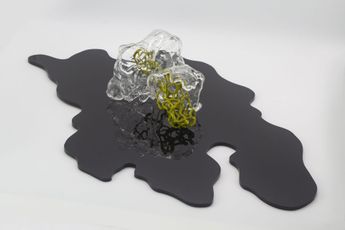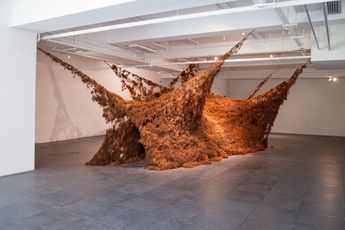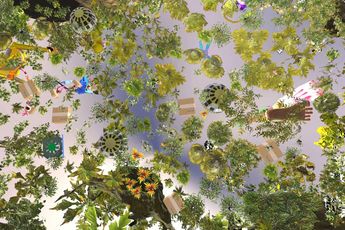
The world we live in is undergoing dramatic transformations. On the one hand, geopo-litical tension is escalating, the global economy is regressing, and energy and food crises are on the rise. On the other hand, ecosystems are deteriorating as the climate becomes fickler and natural catastrophes more commonplace. Meanwhile, technologies are seeing exponential growth—artificial intelligence, lab-grown organ transplants, brain-machine interfaces, and other technologies once exclusive to the realm of sci-fi are no longer remote to us. As capital and technologies coerce us to keep moving, we are now entering a state of schizophrenia: at once ecstatic for the revolutions that could be heralded by cutting-edge technologies and anxious about the possibility that we’re booking a one-way ticket to a dystopian future.
Against this backdrop, theories and practices of ‘decentralisation’ have become a means to reflect on and confront existing socio-economic structures by encouraging us to consider and envision alternative sociological and ecological orders. Such practices emphasise anti-anthropocentrism, equality between species, and cohabitation and solidarity with other species. But how do we humans take our first step towards a decentralised world? How can we begin to imagine a reality where all species are treated as equals?
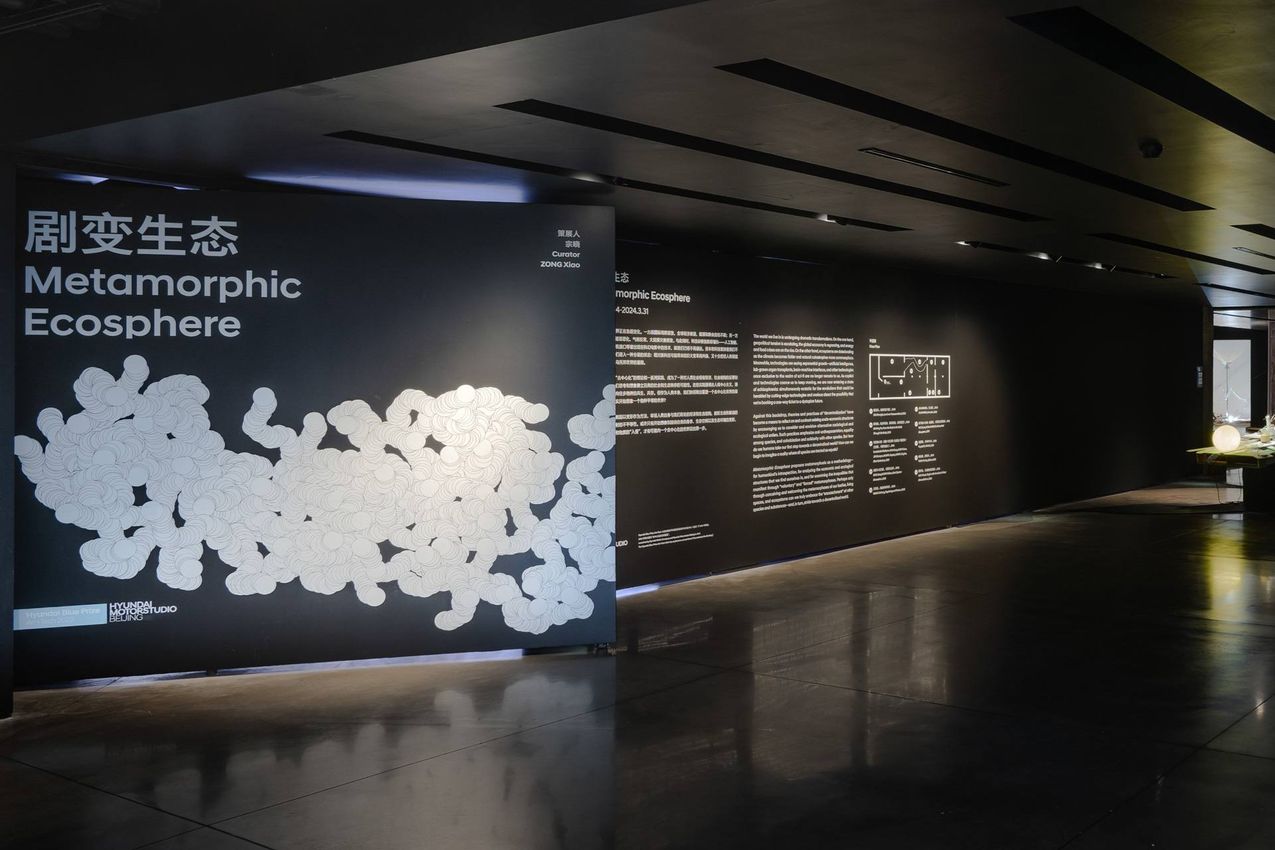
Metamorphic Ecosphere proposes metamorphosis as a methodology—for human-kind’s introspection, for analysing the economic and ecological structures that we find ourselves in, and for examining the inequalities that manifest through ‘voluntary’ and ‘forced’ metamorphoses. Perhaps only through conceiving and welcoming the metamorphoses of our bodies, living spaces, and ecosystems can we truly embrace the “encroachment” of other species and substances—and, in turn, stride towards a decentralised world.
The word ‘metamorphic’ has multiple meanings. In geology, it refers to the physical and chemical “mutations” that rocks undergo when subjected to heat, pressure, and other agencies; In biology, metamorphosis describes the changes in bodily form as an organism develops into maturity; In computer science, a metamorphic code is a malicious program that constantly rewrites itself, and through such self-transformation it evades the detection of anti-virus programs. Metamorphic Ecosphere branches off from the plural meanings of the ‘metamorphic’ to inspire meditations on the voluntary and forced metamorphoses that humans, other species, and myriad substances go through in the current technological era, in our planetary metabolic system. We thereby probe the extent of change that we’re willing to accept and begin to question whether the anthropocentric beliefs we hold will ultimately consume us.


Hyundai Motorstudio Beijing is a brand space which conveys the company’s disruptive thinking for social and technological development and experimental approaches that combine the arts, technology, and environmental sustainability.

A respected voice in contemporary art discourse.
Focusing on ambitious storytelling and insightful art-world commentary. Ocula Magazine publishes in-depth interviews, critical essays and timely analysis on the artists, exhibitions and ideas driving the global art world.
Learn more about Ocula Magazine
Showcasing the best of the art world.
Ocula partners with galleries from around the world to highlight their artists, artworks and exhibitions. Gallery membership is by application and invitation, with each member vetted by an independent panel.
Learn more about Ocula Membership

Specialises in the sale of major artworks.
Led by a team with deep ties to the world’s leading auction houses, galleries and collectors. Ocula’s advisory team offers bespoke services to high-net-worth clients from around the world who are looking to acquire the best of contemporary and modern art.
Learn more about our team and services