Press Release

With works by Aislan Pankararu, Allan Weber, Amadeo Luciano Lorenzato, AndersonBorba, Antonio Tarsis, Barrão, Carlos Bevilacqua, Cristiano Lenhardt, Efrain Almeida,Erika Verzutti, Ernesto Neto, Frank Walter, Gerben Mulder, Gokula Stoffel, JanainaTschäpe, João Maria Gusmão + Pedro Paiva, Leda Catunda, Lucia Laguna, Luiz Zerbini,Marina Rheingantz, Mauro Restiffe, Paulo Monteiro, Robert Mapplethorpe, RodrigoAndrade, Rodrigo Cass, Rodrigo Matheus, Sheroanawe Hakihiiwe, Tadáskía, TatianaChalhoub, Tiago Carneiro da Cunha and Yuli Yamagata.
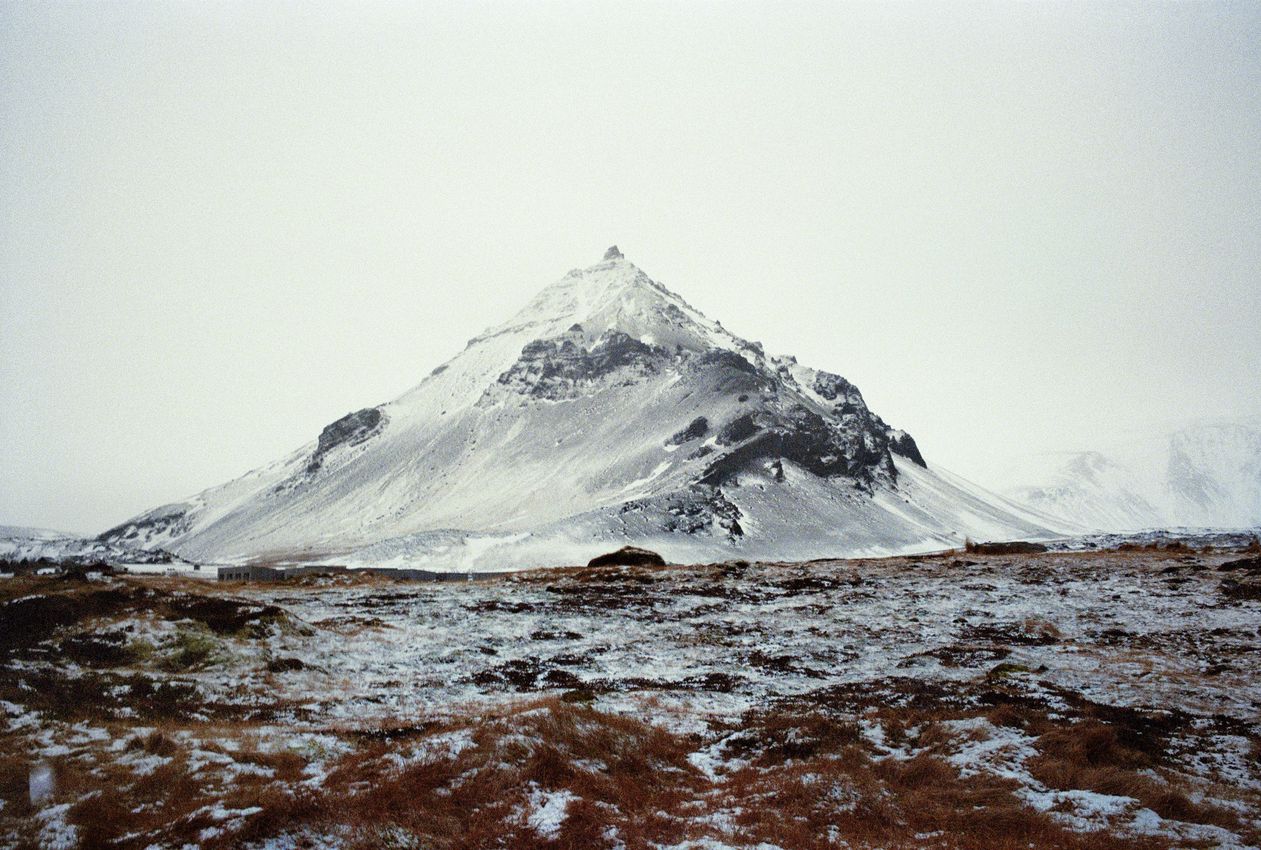
Like the horizon that marks the meeting point between the earth and the sky without,however, belonging completely to either, the works on view here lend a form to thesearch for proximity and reciprocity with the physical world. The exhibition approachestransitive states and interstitial formulations. Situated along the intervals between ourimmediate perception and the capacity for imagining other scenes, the path traced hereoutlines nature as a gathering of correlation processes between the given and theconstructed, a fabric of shifting relations. In other words, we can follow the mind as itmakes contact with the physical world, but never the mind or the world only.

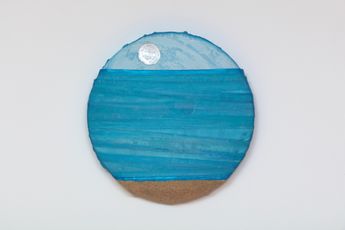
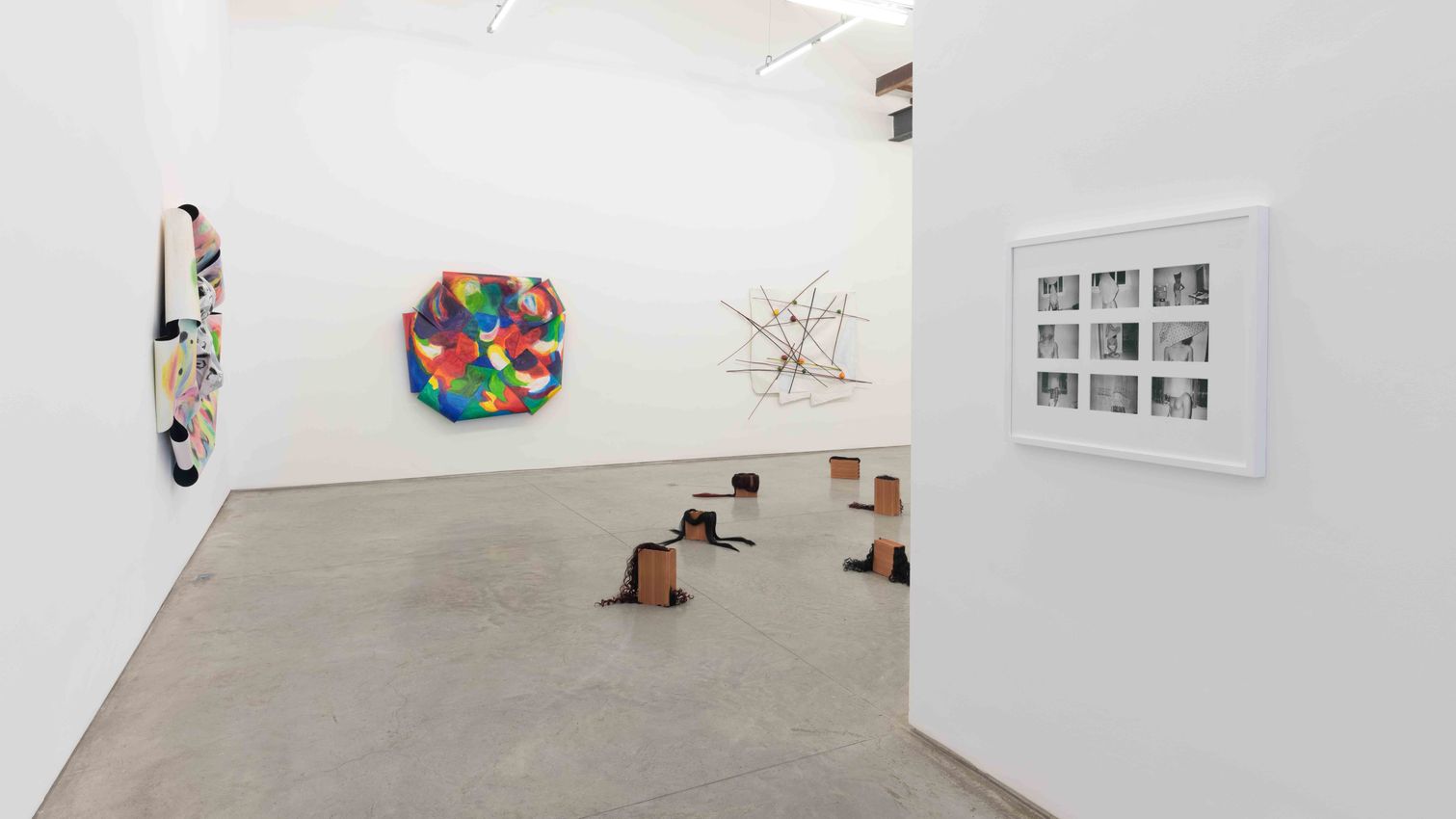
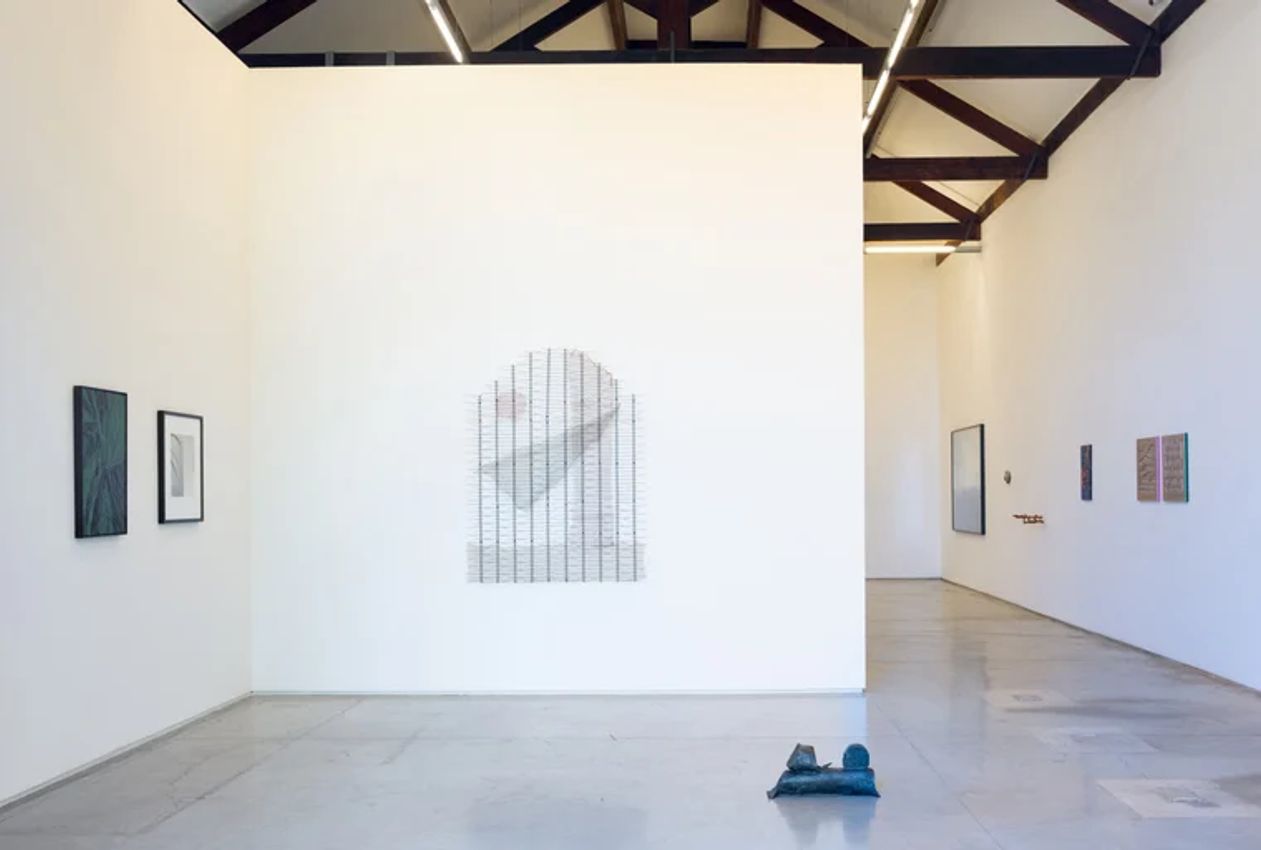
Between the vast landscape photographed by Mauro Restiffe, Tatiana Chalhoub’senameled ceramics and João Maria Gusmão & Pedro Paiva’s topographic relief, acompression and expansion of disparate horizons takes place. These can harbor thegaze, dissolve space into a vaporous ambiance or bring the mineral density of amountain range into close reach. Rodrigo Cass’ concrete diptych of concrete painting onlinen can be seen as the end point of this path, decomposing images into minimal linesthat evoke the skeletons of mountains, as in Rodrigo Matheus’s aerial installation.

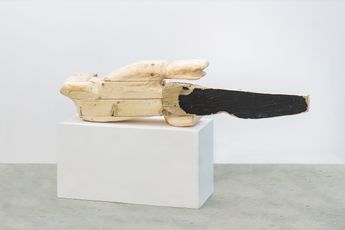
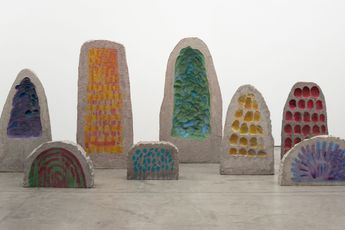
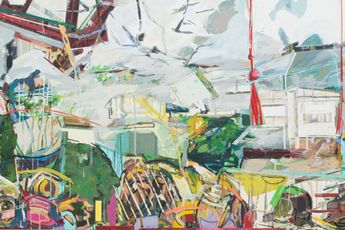
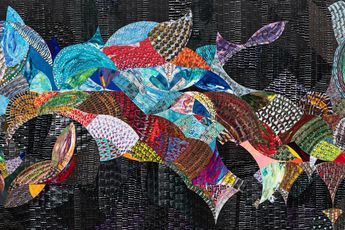
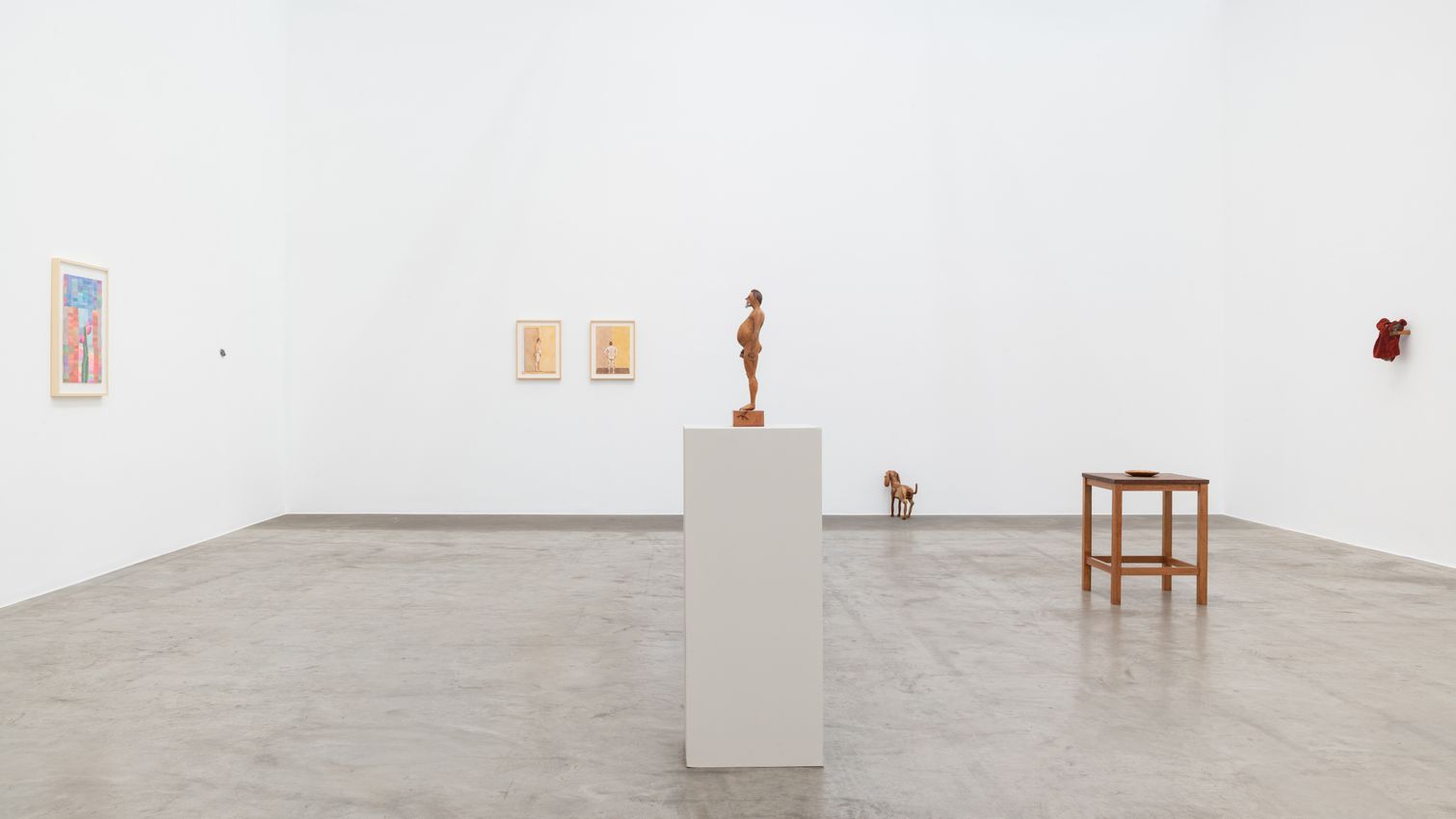
Cristiano Lenhardt and Erika Verzutti’s sculptures cross the physicality of their materialswith an insistence upon cyclical configurations, in a ring of eggshells and a wall reliefwhose vivid yellow and circular central motif recall the sun’s radiation and the yolk,images of gestation and recurrence. Anderson Borba’s sculpture and Antonio Tarsis’matchbox assemblage seem to have suffered the wear of time, like driftwood or aweathered building. On the other hand, Yuli Yamagata’s textile composition and LuizZerbini’s immense tangled surface, as well as Barrão’s watercolors, produce panoramasdecomposed into objects and contours, reproducing natural arrangements artificially.

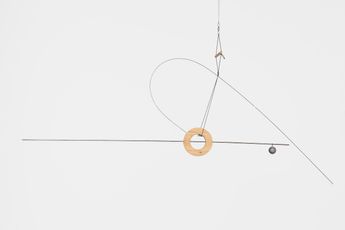
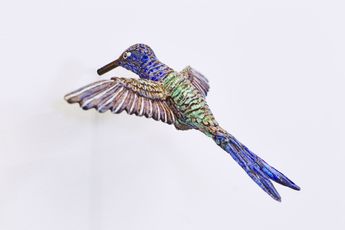
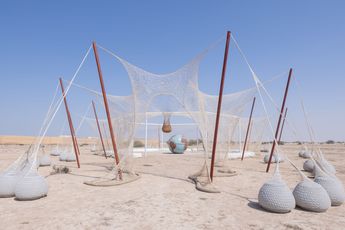
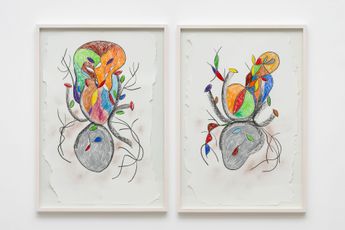
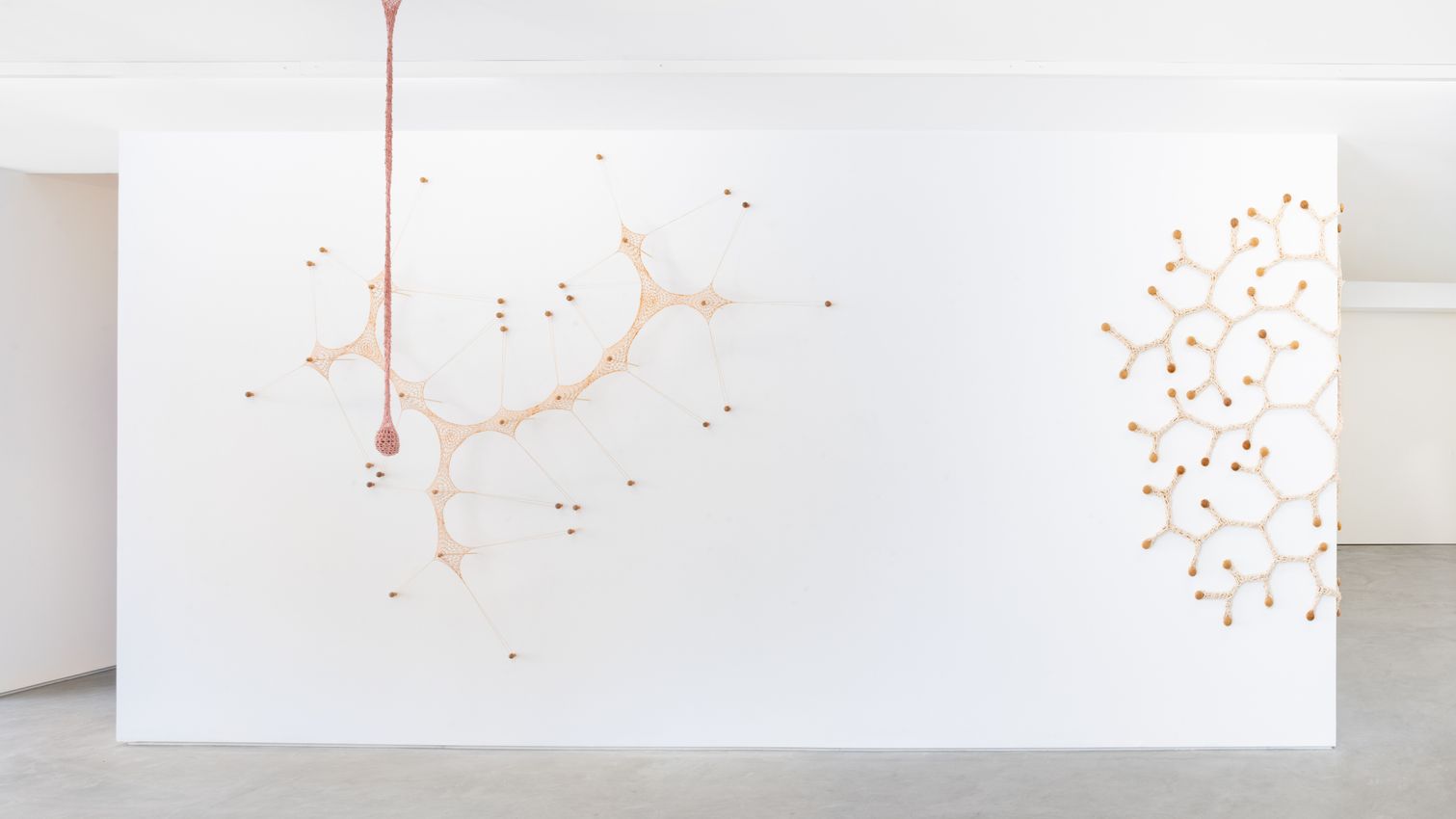
The landscape is, in a certain regard, the way in which parts of the world are connectedbefore the gaze, like the trail that leads from Rodrigo Andrade’s roadlike abstraction tothe late Afro-Caribbean artist Frank Walter’s flurry of gold-glowing birds. A sensoryarchive of the forms and contours of nature and our dwelling in it, an aggregate ofaspects that participate in a continuous hole. Ernesto Neto introduces in space theinterplay of forces and counterforces present in all living systems, in a formal andconceptual homage to the natural forces that model whole ecosystems. Tadáskía’sdiptych, in this sense, signals the fluency that drawing shares with the transformativeforces that form a landscape, converting turbulent movement into a sort of script.

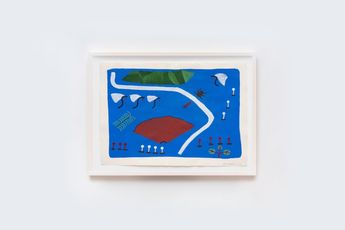
Marina Rheingantz, Lucia Laguna and Gokula Stoffel present abstract painting whoseprofusion of textures and amorphous pictorial elements create dissolving atmospheres,quicksand surfaces charged with psychological density. The collaborative sculpturemade by Anderson Borba and Erika Verzutti recalls a cross or a sign pitched in the earthto bring out a place’s symbolic reverberations. Efrain Almeida’s branches with flowers,sculpted in Umburana wood, provoke a similar subjective opening, in which an objectcarries with it the memory of an imaginary topos. The gathering of six drawings fromSheroanawe Hakihiiwe, in turn, compose a repertoire of vegetable species and organictangles, providing a view of the Amazon in abstract pictorialisms with links to theindigenous cosmology of his people.

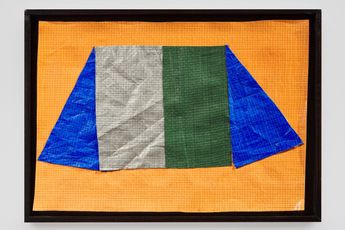
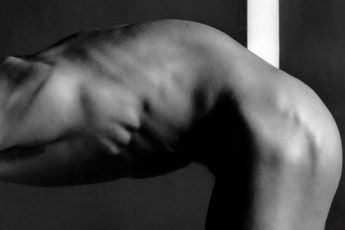
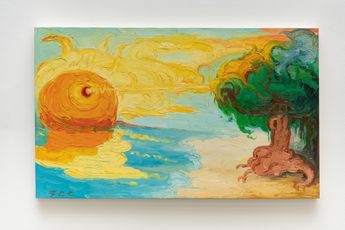
Taking off from the partial framing of a flower in black and white, Robert Mapplethorpe’sphotograph echoes Allan Weber’s tarp composition: both works produce an ambiguousrelationship to scale, between micro and macroscopic, and allow the spectator to intuitan environment beyond the frame, just as in Gerben Mulder’s still life, Tiago Carneiro daCunha’s sunny lake. Aislan Pankararu, with his vibrant palette and colored dotsreproduces abstracted vegetable motifs in a pattern that evokes a section of forest,while Janaina Tschäpe’s sprawling canvass, in gestural meanders of oil paint andoilstick, ushers an immersive scene from abstract elements, with a synaesthetic qualitythat leads us from cold to warm.

Marking a new direction in his work, Carlos Bevilacqua’s painting constructs a fantasticscenario, suspended between constructive clarity and a wandering of the gaze. In hispaintings, Paulo Monteiro deploys the rhythmic repetition of graphic and chromaticelements, leading to the gradual appearance of an underlying order. Historical painterAmadeo Luciano Lorenzato synthesizes bucolic landscapes characterized bycontemplative immersion in physical data: a suggestive, silent twilight.

Special thanks to Galeria Galatea, Fernando Ferreira de Araujo, Mendes Wood DM andNara Roesler.

Read More

Artists Exhibiting

Also Exhibiting at Fortes D'Aloia & Gabriel

Address
Rua Jardim Botânico 971
Rio de Janeiro
Brazil
Opening Hours
Tues - Fri, 10am - 7pm
Sat, 10am - 6pm
(1)
Rio de Janeiro Rua Jardim Botânico 971
Fortes D'Aloia & Gabriel
Rua Jardim Botânico 971, Rio de Janeiro, Brazil
+55 213 875 5554
http://fdag.com.br/en

Opening hours
Tues - Fri, 10am - 7pm
Sat, 10am - 6pm
The art world in focus