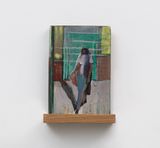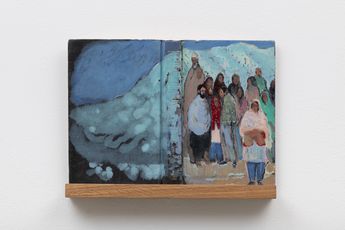
Sometimes I find myself as a director or a writer rather than a painter, in search for characters to paint, characters who remind me of the stories I have read, heard, or lived.
—Suleman Aqeel Khilji
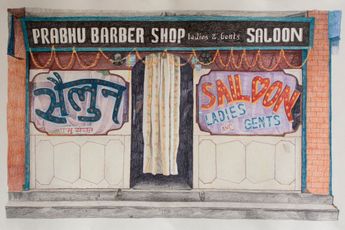
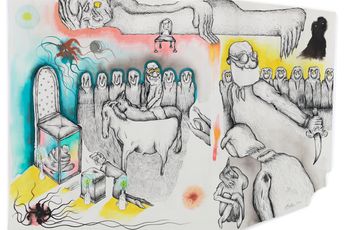
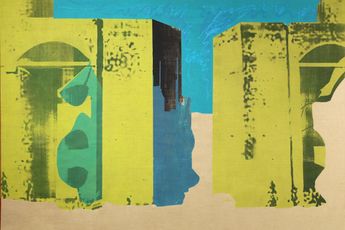
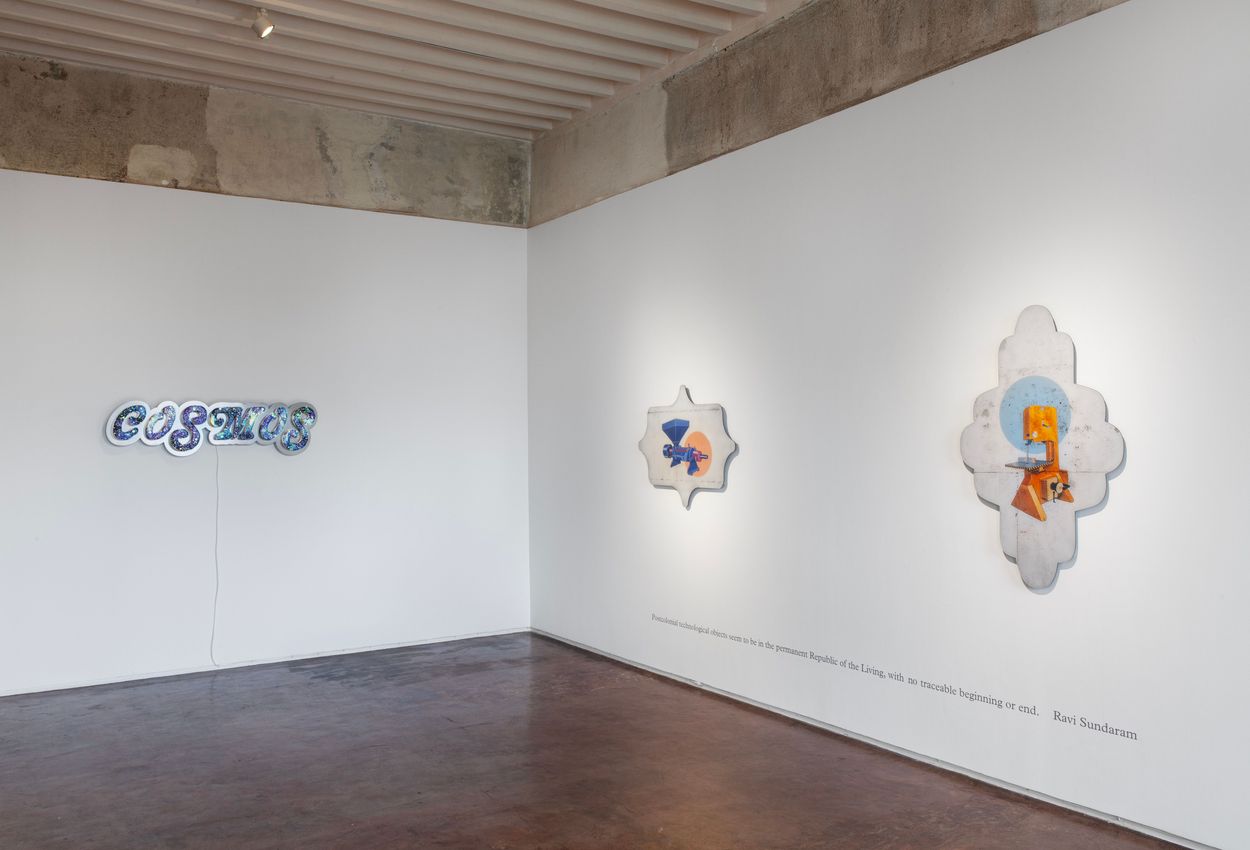
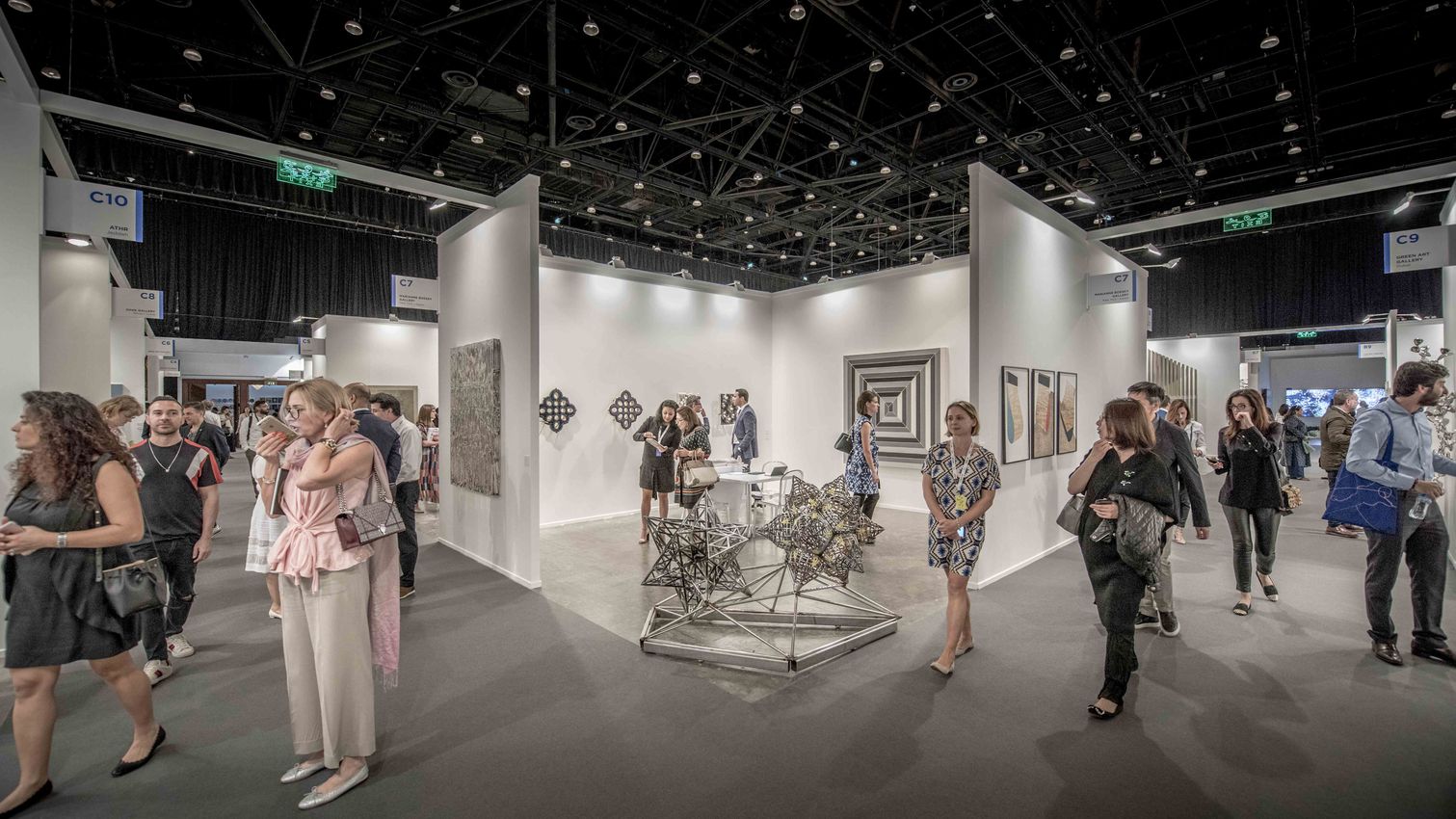
Eleven artists from Jhaveri Contemporary’s intergenerational programme explore the nuances of identity and community in a display focused on painting and photography. Merging lived and imagined experiences, and often depicting intimate moments of everyday life, these works of art ask us to consider the complex negotiation involved in reconciling one’s heritage and individuality within a multicultural society.
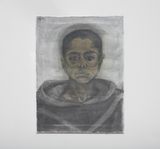
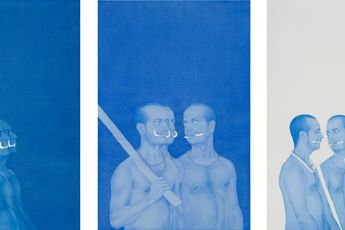
The stand includes two portraits by Ali Kazim, one from his Children of Faith series presently on view in the exhibition Beyond the Page: South Asian Miniature Painting and Britain, 1600 to Now at The Box in Plymouth. While Kazim’s protagonists are usually presented against context-free backgrounds, in this series, young children are identified by markers of religious identity—a prayer cap, a veil, at times tattoos.
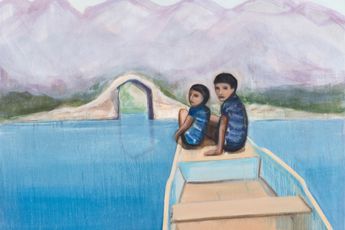
Religion is also the context of Matthew Krishanu’s painting Communion (kneeling), 2022. Drawing upon scenes from his childhood years in Bangladesh growing up with his brother, and their parents who were Christian missionaries, Krishanu’s personal stories are told through layers of memory, imagination, and conversations with the history of painting. His practice is at once an exploration of subject and medium, whereby the deeply personal subject matter is a means of approaching his primary painterly concerns.
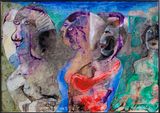
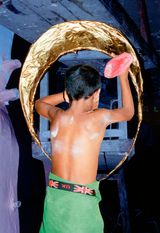
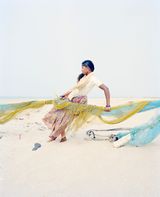
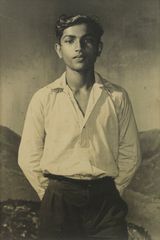
Three images—a photograph, a hand-painted photograph, and a photo-collage—from Vasantha Yogananthan’s seven-year publishing project A Myth of Two Souls are inspired by the Ramayana. While drawing inspiration from the imagery associated with this Hindu myth, Yogananthan pushes the technical boundaries of photography to blur the lines between fiction and reality, a nod to Lionel Wendt, the pioneering photographer from Sri Lanka. Wendt’s portraits of male and female subjects, the landscape, flora, fauna, labour, and heritage of Sri Lanka often collided with his more experimental approach to both technique and subject.
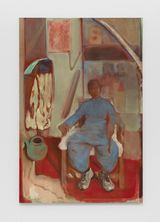
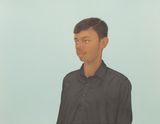
A different context of community unites the work of Lionel Wendt with that of Fiza Khatri, whose paintings offer an intimate look at their community of friends and allies. Khatri’s ongoing series of self-portraits has become, for them, a way to think through surface and material and ideas of representation in an open, boundless way. There’s a freedom and playfulness in painting myself. I’m there, I can just pull up whenever I want—there’s an immediate accessibility. Wendt, too, created intimate portraits and performative compositions of male and female subjects, addressing sexuality in a subtle but candid manner.
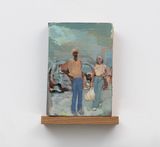
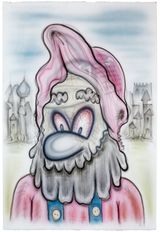
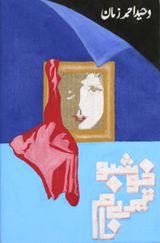
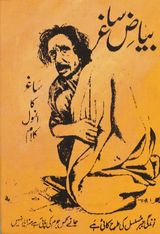
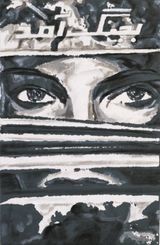
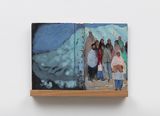
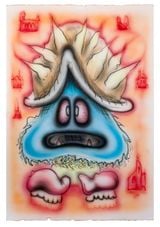
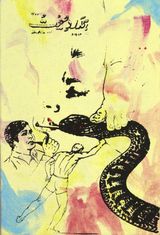
Suleman Aqeel Khilji’s paintings emerge from everyday encounters on the streets of London, Lahore or his hometown of Quetta, Pakistan. He often makes small paintings on the covers of old books that have been discarded and resold in second-hand markets in South Asia. These are usually hardcover novels with evocative titles and gilded spines. By painting over them, Khilji believes he is giving them a new identity: I find books as characters, characters belonging to another layer of time somewhat similar to the characters I paint on them. Books are also the starting point for Shezad Dawood’s suite of small paintings that draw upon his favourite Urdu language book covers.
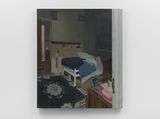
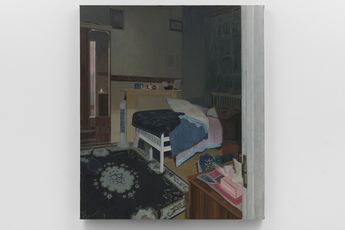
A new painting by Mohammed Adel belongs to a series of interior paintings of his family home in London. Using a fluid painterly language, the artist offers us a glimpse into a private world. Light from the passageway cuts across the bed and casts a shadow across a patterned carpet, often found in British-Bangladeshi homes. The bed is in disarray with the duvet thrown open as though its occupant will return in a moment. The door frame places us, the viewer, outside the room, offering a casual glance into this intimate world.
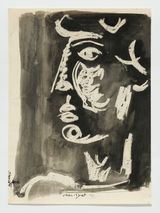
Finally a rare portrait by Anwar Jalal Shemza from the 1950s when he was looking at works by Paul Klee, and a vivid watercolour by Mohan Samant from the 1990s, serve as anchors for this display. Taken together, the eleven artists on view are interested in a sense of place, ancestry as well as personal and social history.
A respected voice in contemporary art discourse.
Focusing on ambitious storytelling and insightful art-world commentary. Ocula Magazine publishes in-depth interviews, critical essays and timely analysis on the artists, exhibitions and ideas driving the global art world.
Learn more about Ocula Magazine
Showcasing the best of the art world.
Ocula partners with galleries from around the world to highlight their artists, artworks and exhibitions. Gallery membership is by application and invitation, with each member vetted by an independent panel.
Learn more about Ocula Membership

Specialises in the sale of major artworks.
Led by a team with deep ties to the world’s leading auction houses, galleries and collectors. Ocula’s advisory team offers bespoke services to high-net-worth clients from around the world who are looking to acquire the best of contemporary and modern art.
Learn more about our team and services