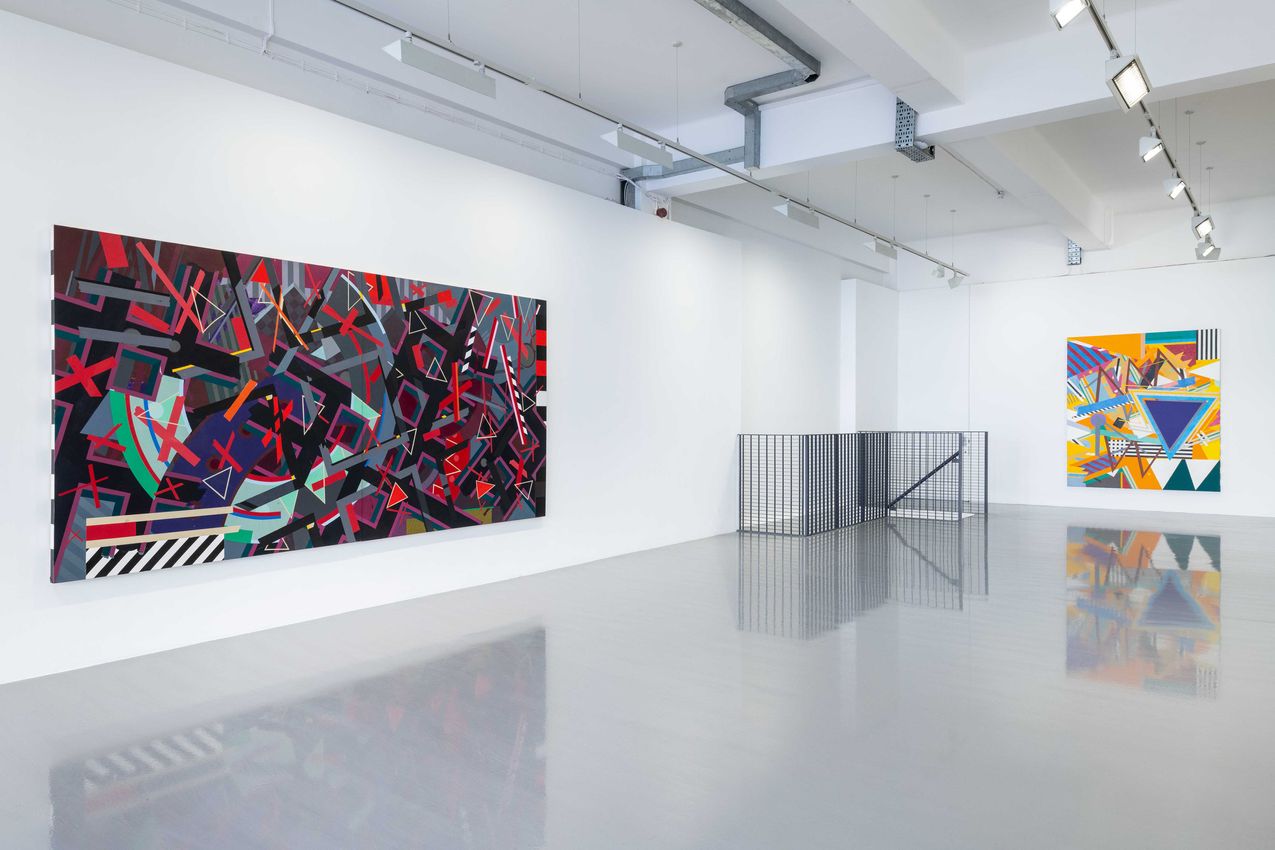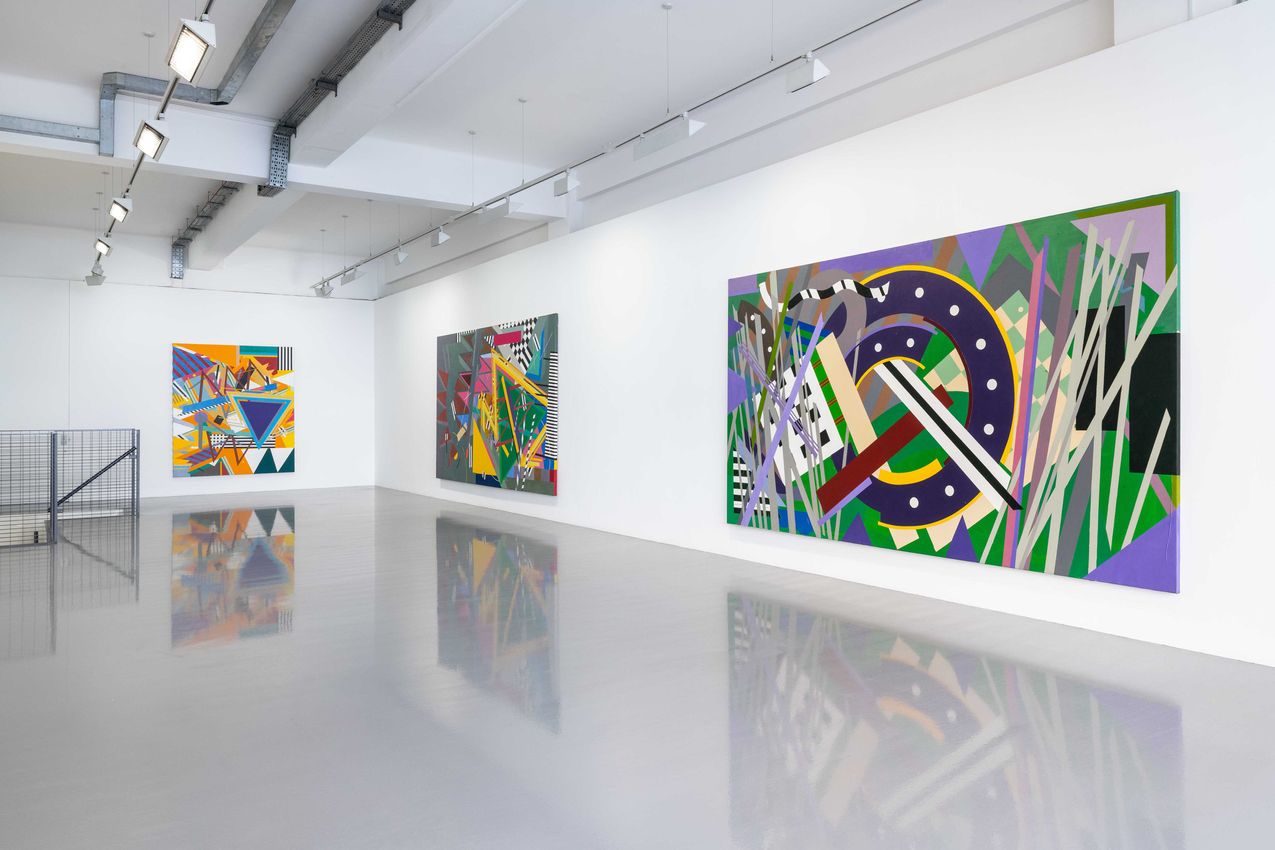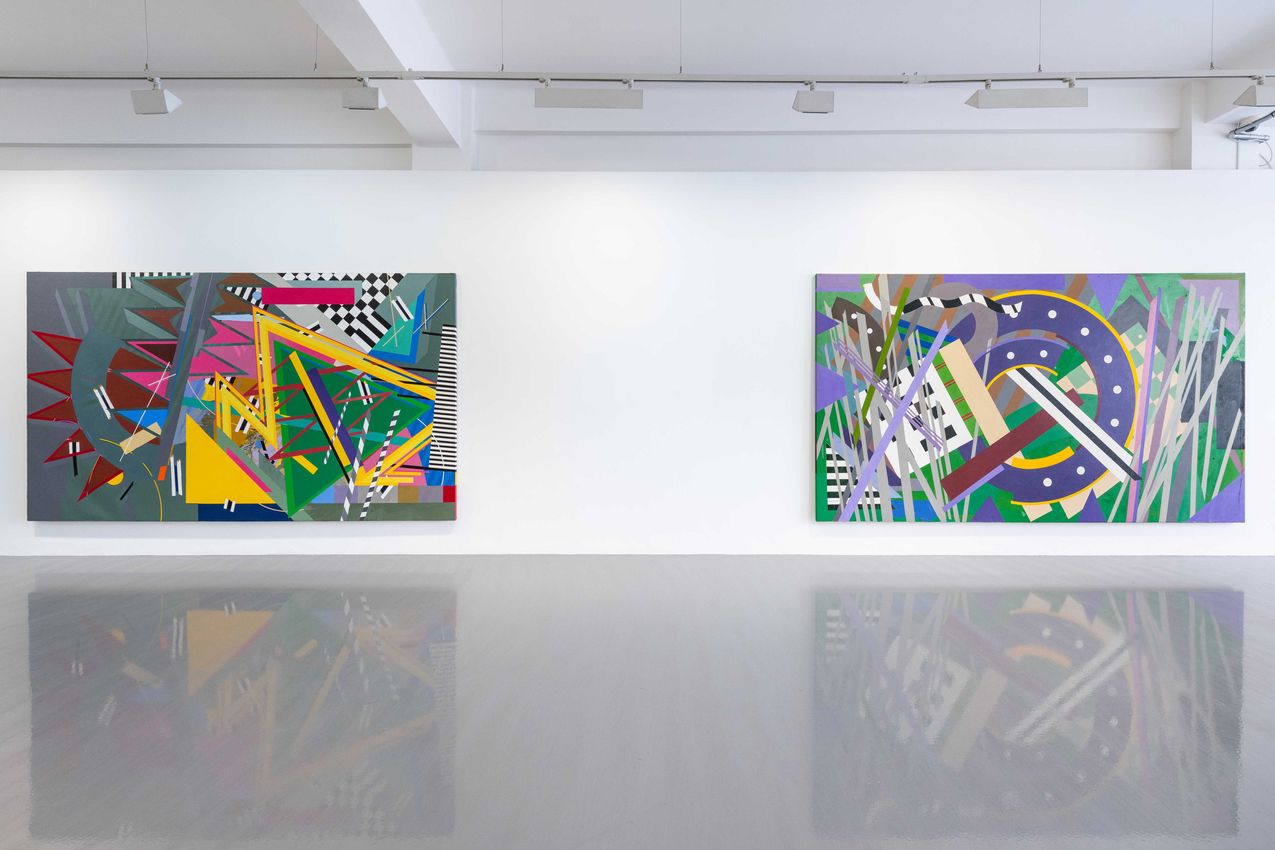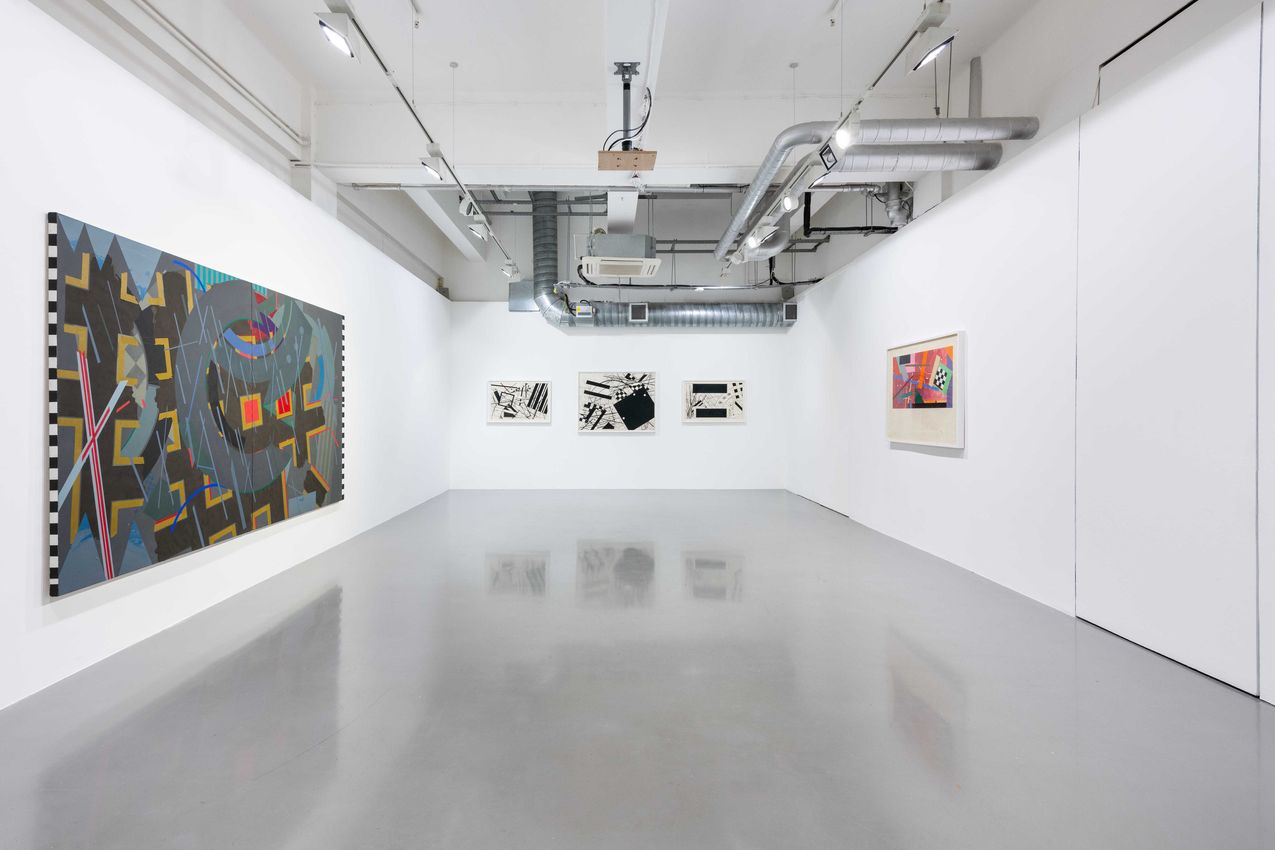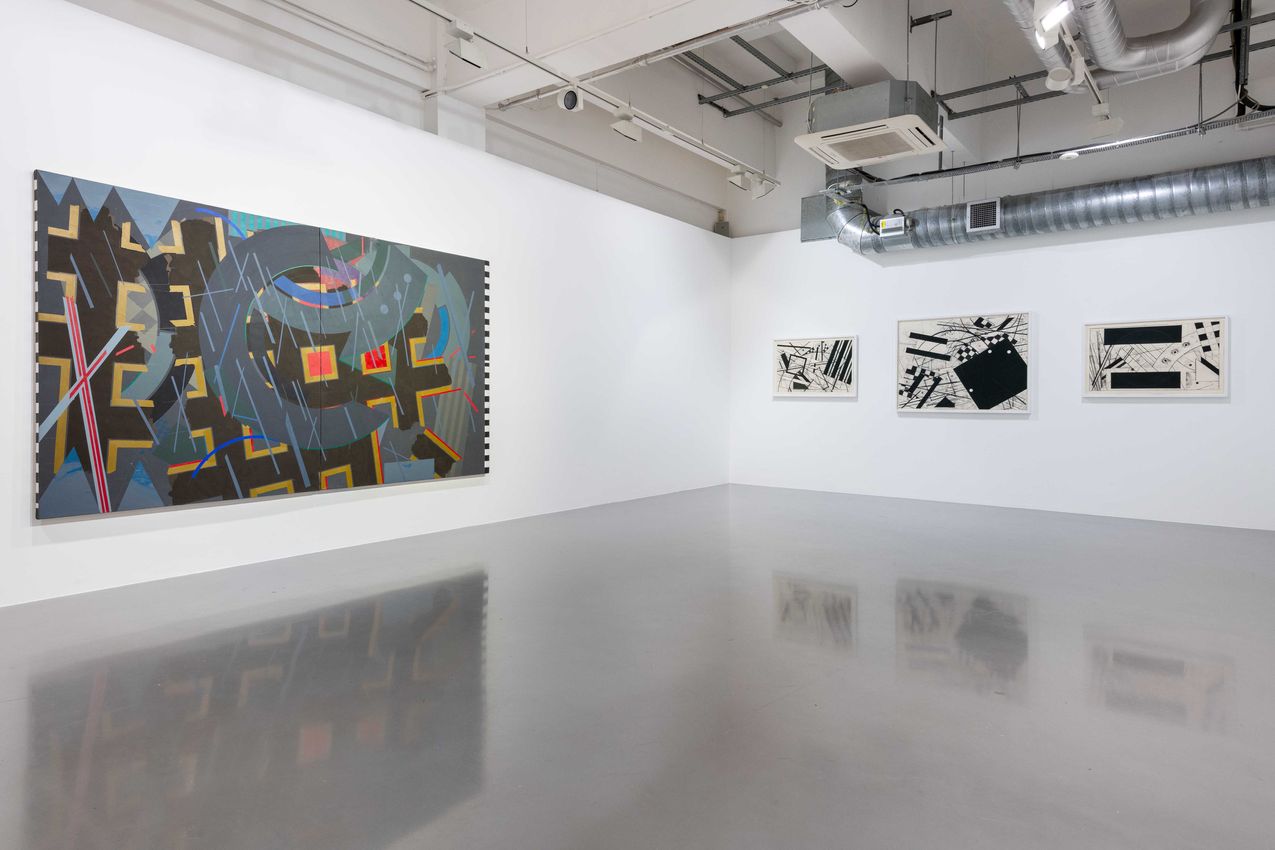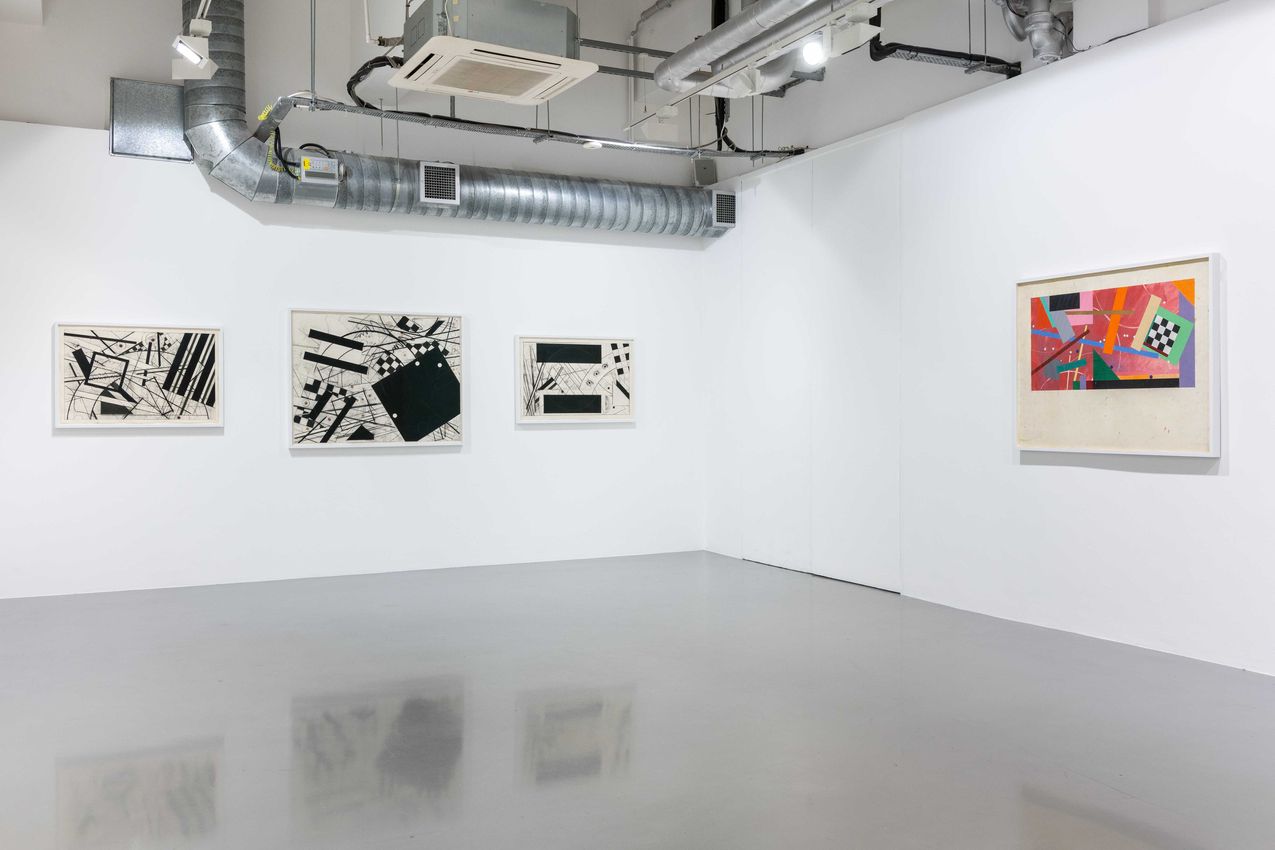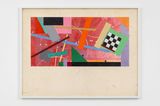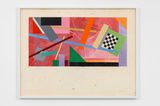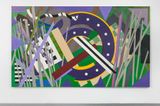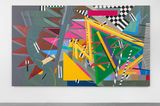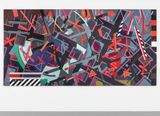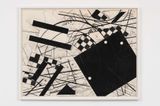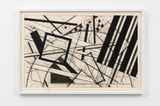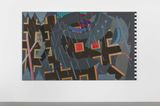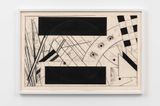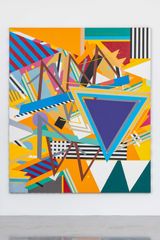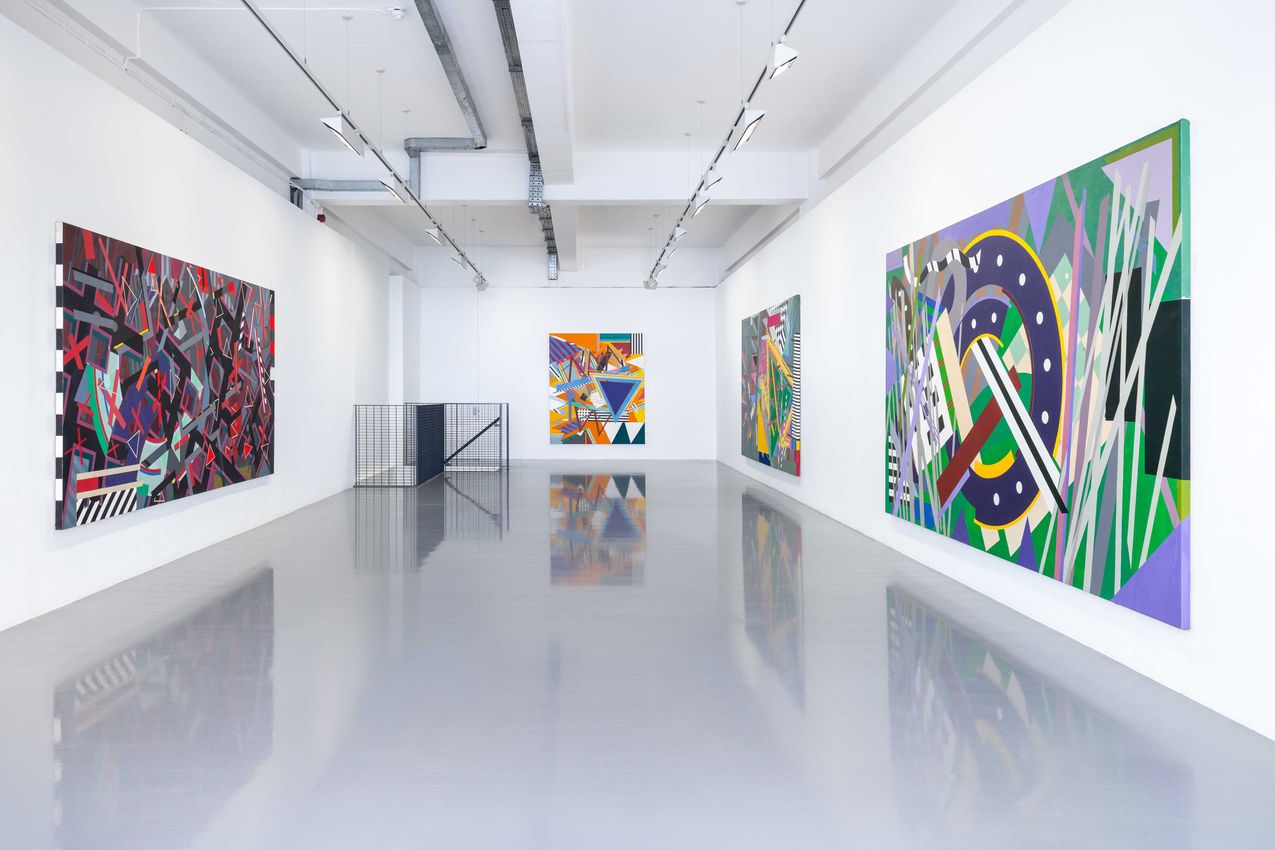
Pilar Corrias is pleased to present the first solo exhibition in London of American artist Robert Reed (1938–2014) focussing on the San Romano Series executed between 1979 and 1984. This body of work consists of ten large paintings that combine colourful abstract forms with a sense of geometric composition and perspective derived from the Italian Renaissance. These works were a direct response to Paolo Ucello’s The Battle of San Romano (c. 1438–1440) which Reed saw at the National Gallery in London in 1979. Uccello’s mid-fifteenth century masterpiece resonated with the formal questions Reed was engaged with in his abstract compositions. ‘The activity, the clash, the pomp, and circumstance...the organised confusion was something that I identify with very much,’ he said in 1986. ‘I began to develop a vocabulary which became the vocabulary through which I speak now, but it came directly from those paintings.’ The exhibition will include five of these monumental paintings alongside charcoal drawings and collages which have never before been shown outside of the United States.
A student of Abstractionist painter and Bauhaus designer Josef Albers, Reed learned to skillfully mix his own colours, often reflecting his personal experiences in vibrant compositions of geometric form. Reed taught at Yale School of Art from 1969 until his death in 2014 and had a profound influence on future generations of emerging artists, including Stanley Whitney, Tala Madani, Rachel Rose and Tschabalala Self. Despite teaching full-time Reed maintained an active studio practice throughout his life producing a body of work that included paintings, collages, prints and constructions.
In 1973, he had a major solo exhibition the Whitney Museum, but following this Reed was rarely exhibited, partly due to constrictive exhibition opportunities for African-American abstract artists in the ‘70s and ‘80s. The San Romano paintings were first shown in 1980 at the Silvermine Guild to great critical acclaim, including from The New York Times:
‘Full of movement and many bright Aqua-Tec colours, these are good-looking, enormously clever paintings that are dazzling patterns of squares, slats, stripes, checkerboards and arcs, all beautifully balanced against each other. At the same time, they are monologues and full of technical witticisms.’
Elements of these paintings recall early abstractions by William T. Williams, or segments of Alvin Loving’s hard-edged polyhedrons. But Reed shreds recognisable geometrical shapes, constructing his compositions out of formal fragments (the studs on a horse’s harness, lines echoing lances) put together with an eye for both dissonance and harmony. In the process, subtle references to his own childhood in segregated Charlottesville, Virginia, and personal motifs, such as the checkerboard given to him from his son, make their first appearances.
The titles of Reed’s works were often carefully structured. He places each painting within its series, and then tethers it to a nostalgic symbol of his childhood. This titular strategy charges the abstract form of each work with meaning. For example, San Romano, Monticello Brick references Thomas Jefferson’s plantation home just outside of Charlottesville which Reed frequently visited. San Romano, Hydraulic Lift recalls the place Hydraulic, Virginia the artist’s father’s home. Reed wrote about this work in a later essay: ‘The ingredients are autobiographical in nature...suspended in a cultural broth of Virginian memories and earth.’
Robert Reed (American, 1938–2014) has had solo exhibitions at the Palmer Museum of Art, Pennsylvania State University, PA (2019); Yale School of Art, New Haven, CT (2015); The Martin Museum, Baylor University, Waco, TX (2013); The Formalist Sidewalk Poetry Club, Miami Beach, FL (2011) and The Whitney Museum of Art, New York, NY (1973). He was included among the 407 artists exhibited in America Is Hard To See, the inaugural exhibition for the new Whitney Museum of American Art, New York, NY (2015). His work has been collected by prominent institutions such as The Hirshhorn Museum, Washington, DC; Yale University Art Gallery, New Haven, CT; The Whitney Museum of American Art, New York, NY; National Academy Museum, New York, NY; The Ogden Museum of Southern Art, New Orleans, LA; The Walker Art Center, Minneapolis, MN; The Detroit Institute of Arts, Detroit, MI; The Fralin Museum [Bayly Museum of Art], Charlottesville, VA and the Martin Museum at Baylor University, Waco, TX.
Over more than five decades, Robert Reed investigated formal abstraction through the media of painting, drawing, printmaking and collage. One of the most understudied artists of his generation, Reed developed a unique visual language that originated in childhood memories and manifested as elegant and playful abstract paintings. A sensitive and unconventional colourist–as a student he assisted Josef Albers–Reed grounded his paintings in spatial awareness developed through drawing and collage.


A respected voice in contemporary art discourse.
Focusing on ambitious storytelling and insightful art-world commentary. Ocula Magazine publishes in-depth interviews, critical essays and timely analysis on the artists, exhibitions and ideas driving the global art world.
Learn more about Ocula Magazine
Showcasing the best of the art world.
Ocula partners with galleries from around the world to highlight their artists, artworks and exhibitions. Gallery membership is by application and invitation, with each member vetted by an independent panel.
Learn more about Ocula Membership

Specialises in the sale of major artworks.
Led by a team with deep ties to the world’s leading auction houses, galleries and collectors. Ocula’s advisory team offers bespoke services to high-net-worth clients from around the world who are looking to acquire the best of contemporary and modern art.
Learn more about our team and services