Learn more via David Zwirner.
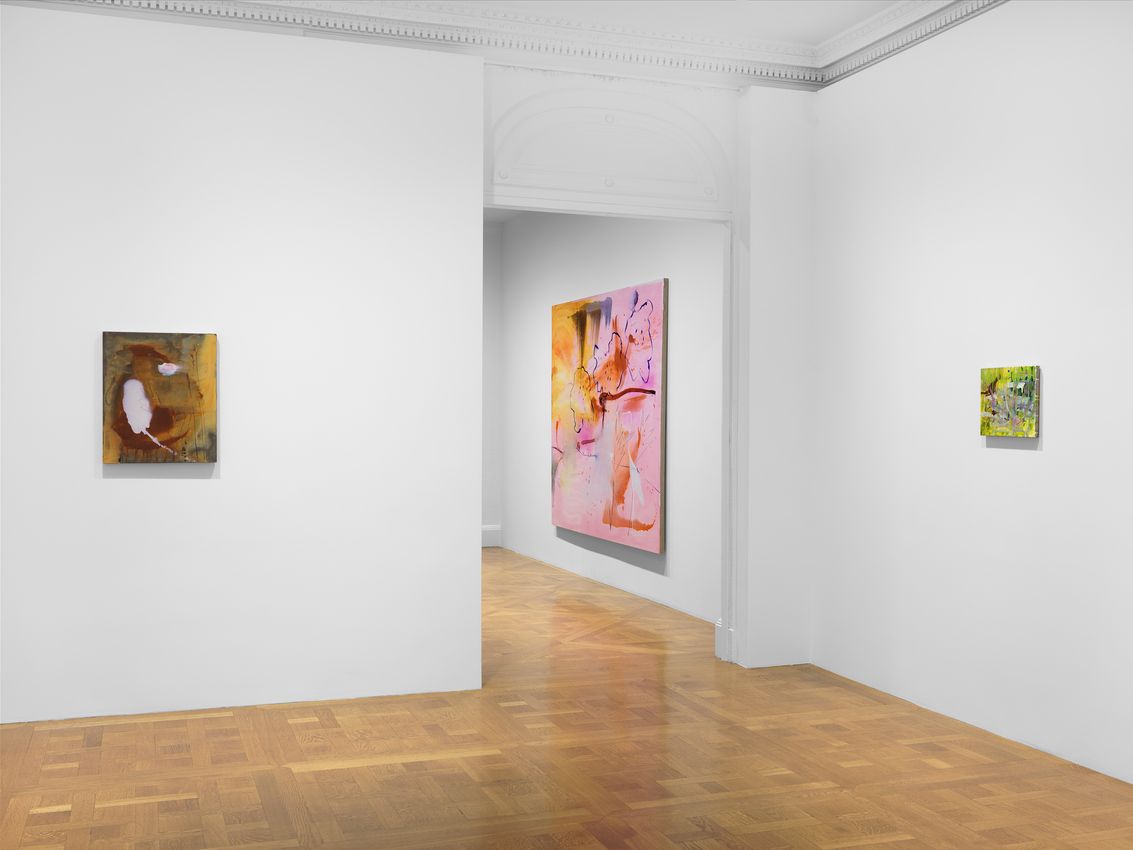
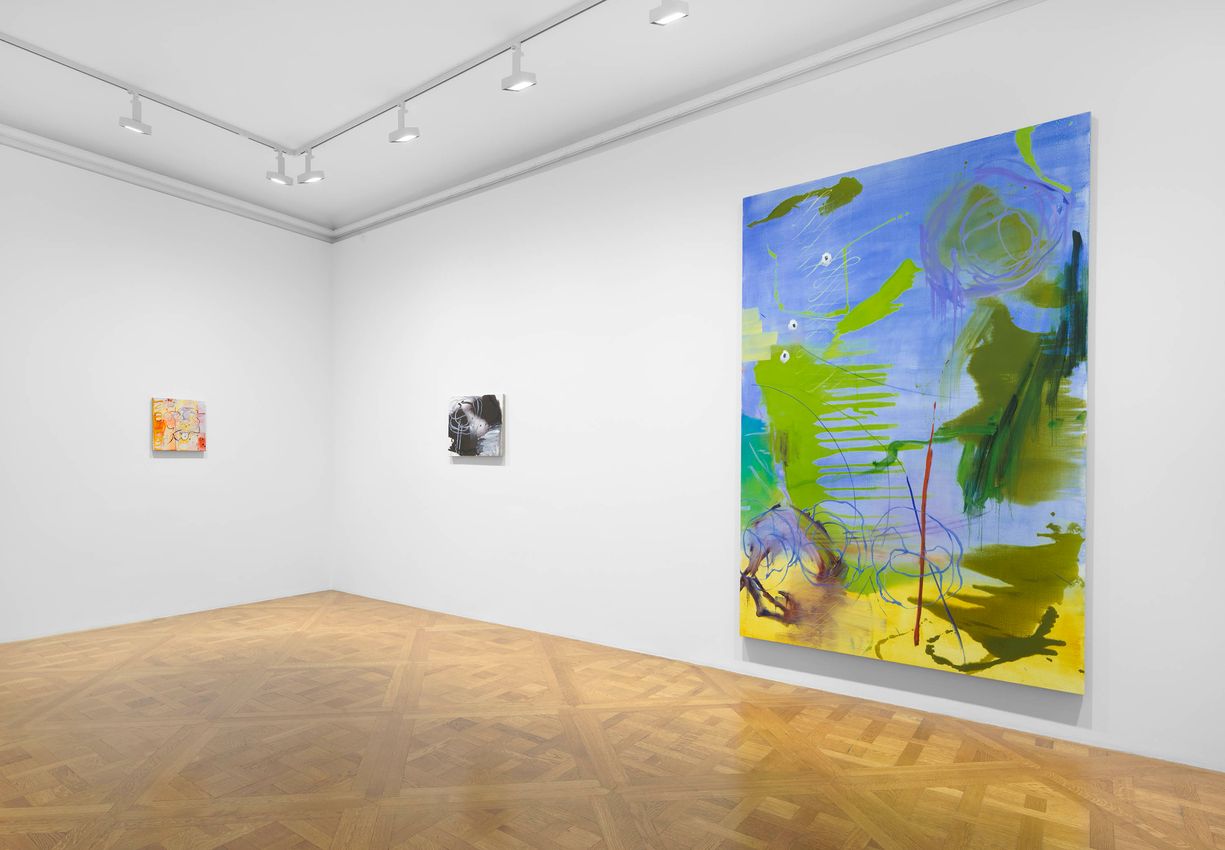
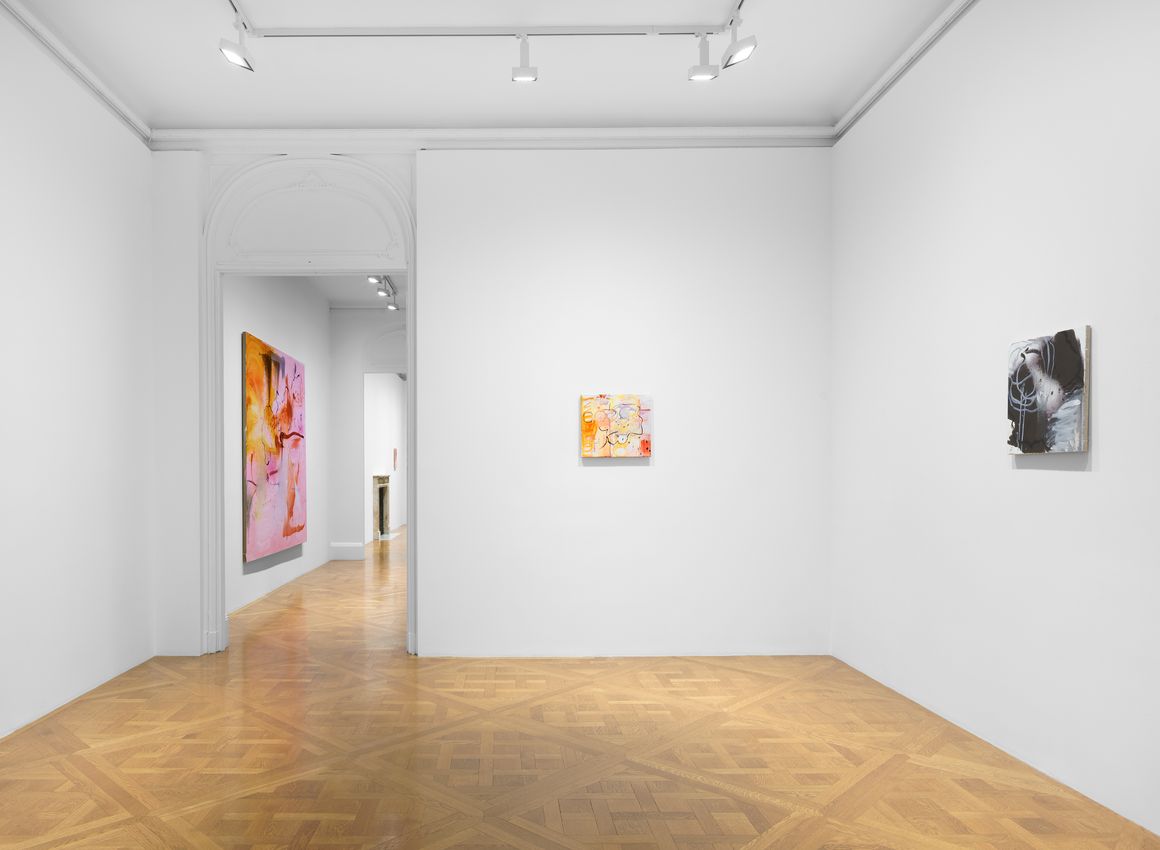
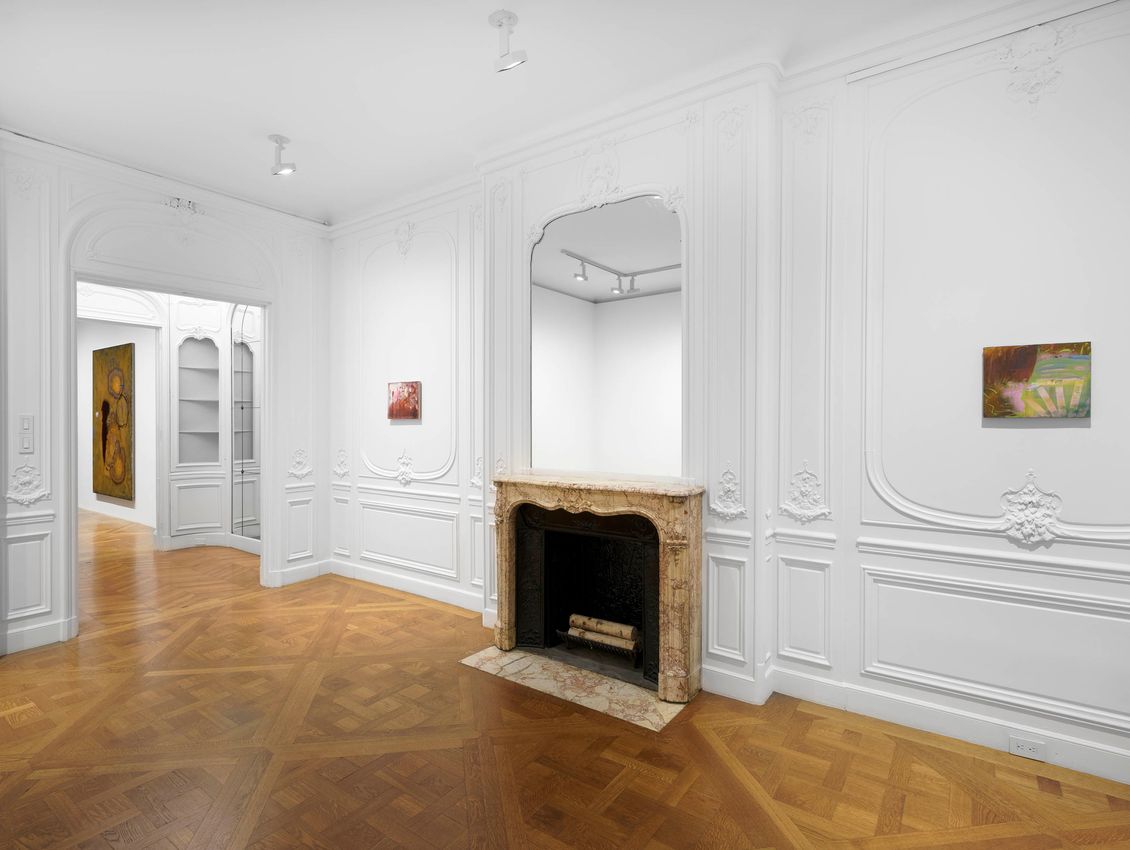
David Zwirner is pleased to present a solo exhibition of new paintings by New Zealand–born, Los Angeles–based artist Emma McIntyre at the gallery’s 69th Street location. This will be the artist’s first exhibition in New York.
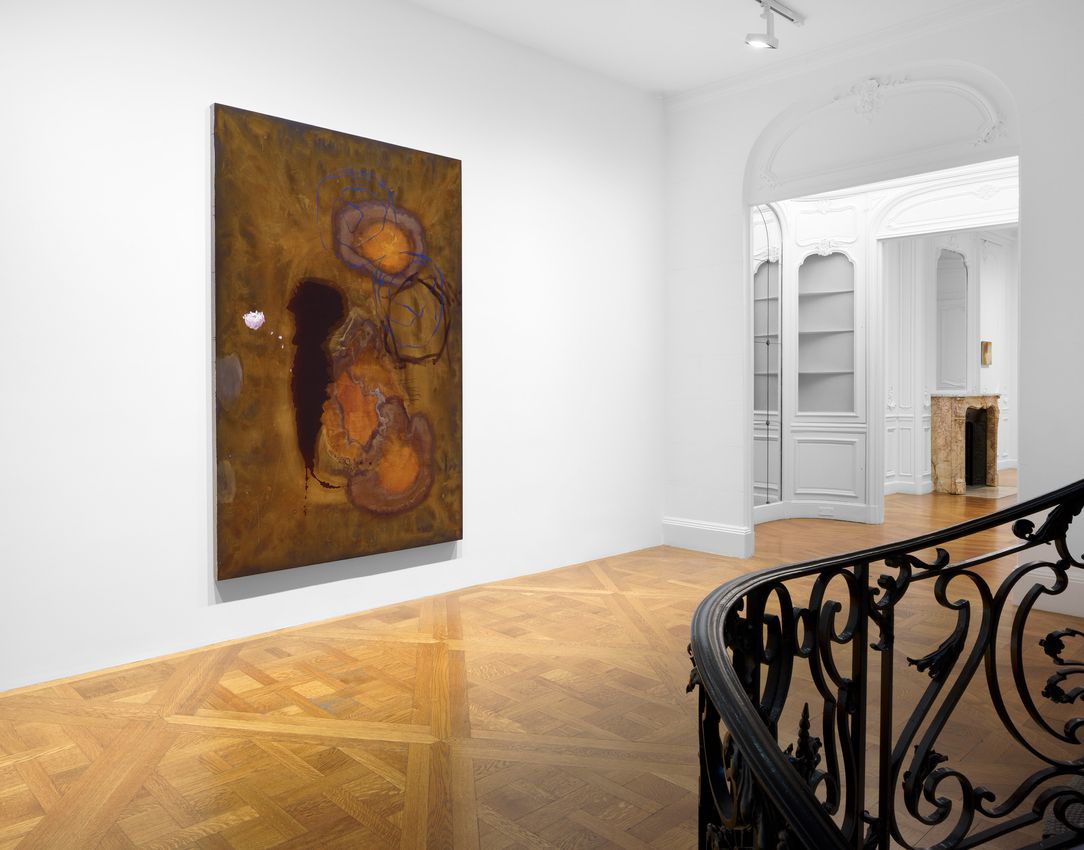
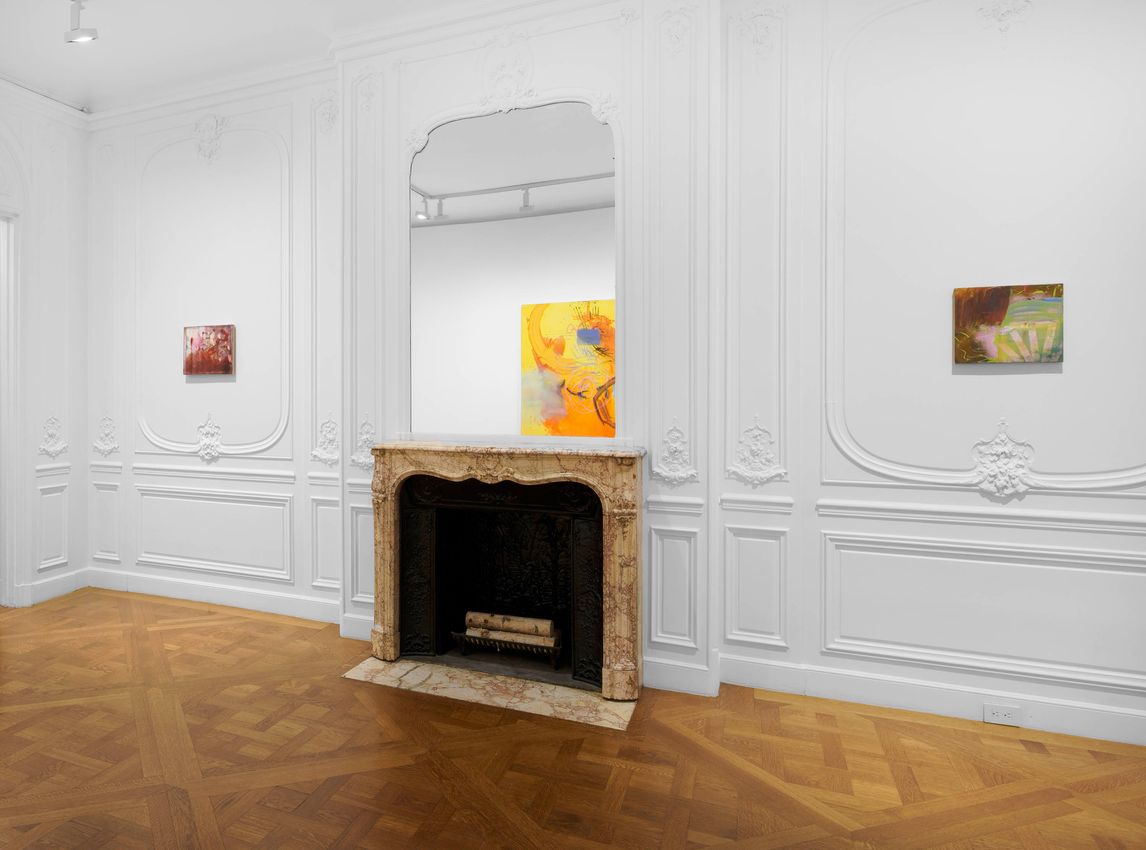
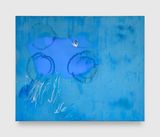
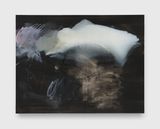
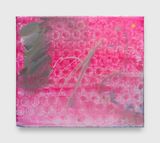
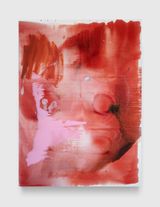
McIntyre’s protean canvases evolve alchemically, transformed by the artist’s interventions and the unbridled organic interactions of her chosen materials: oil and resin, together with unconventional substances like oxidized iron. She begins by pouring paint from above, letting her colors pool, splash, and stretch across her substrate. The artist then reorients her supports and, in a process that is at once intuitive and revelatory, applies additional layers of paint, further modifying her surfaces using brushes, rags, or parts of her body. McIntyre pairs her extemporaneous modes of creation with a repertoire of motifs and compositional strategies gleaned from a close study of art history. Atmospheric yet grounded, McIntyre’s compositions hover between spontaneity and deliberate action; effervescent at the surface, they exist at the edge of perception, forming and reforming before our eyes.
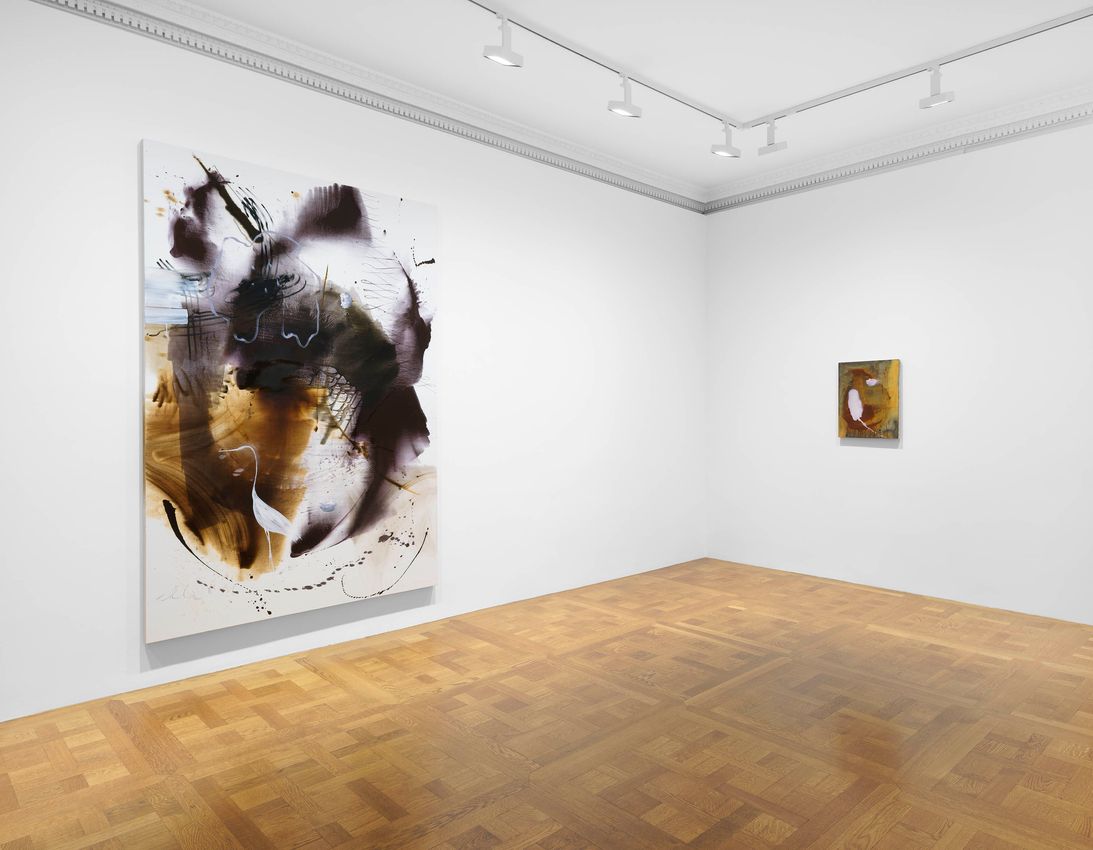
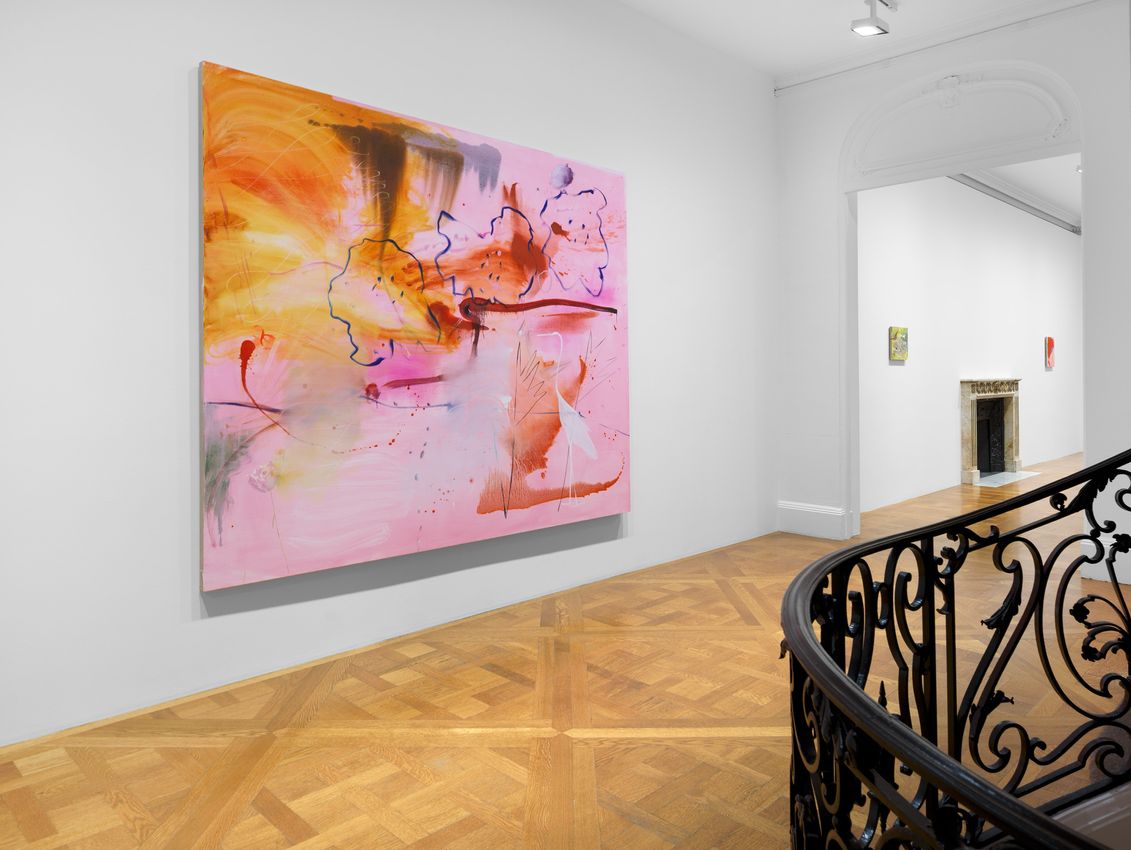
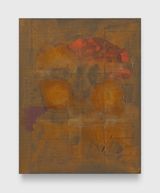
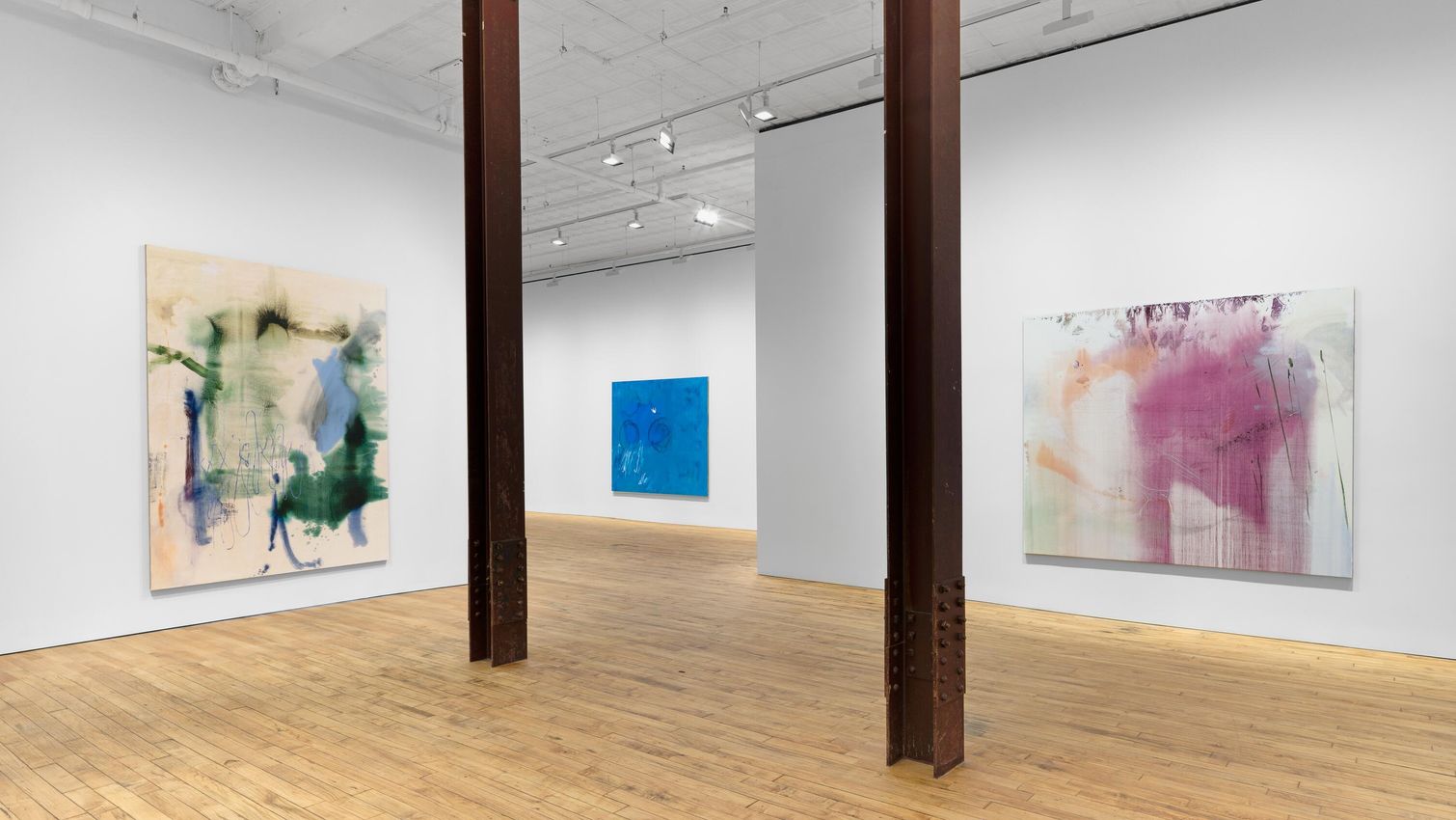
Prompted by her materials and guided by an index of mark-making, in the works on view McIntyreexposes the endless potential of painting. While some paintings are imbued with a centrifugal energy,others have a gravitational pull, their pigments cascading downward. In Laws of night and honey (2023),gestural brushwork pushes against lacunae formed by dense blocks of color or untouched gesso, whilein Antipodean fragments (2023) looping, cursive-like strokes run into perfectly parallel lines made by apinstriping brush. In others still, areas of texture created by wallpaper rollers disrupt an otherwise flatsurface. A selection of paintings on view, including Madonna of the Rose and Duets in the dust (both2023), feature a rust ground; in a new process for the artist, these works are created with a chemicalsolution that oxidizes when poured over iron pigment, producing a sense of geological dimensionality.Oxidizing in response to the warp and weft of linen canvas, these works will continue to evolve longbeyond their initial time of creation in the artist’s studio.
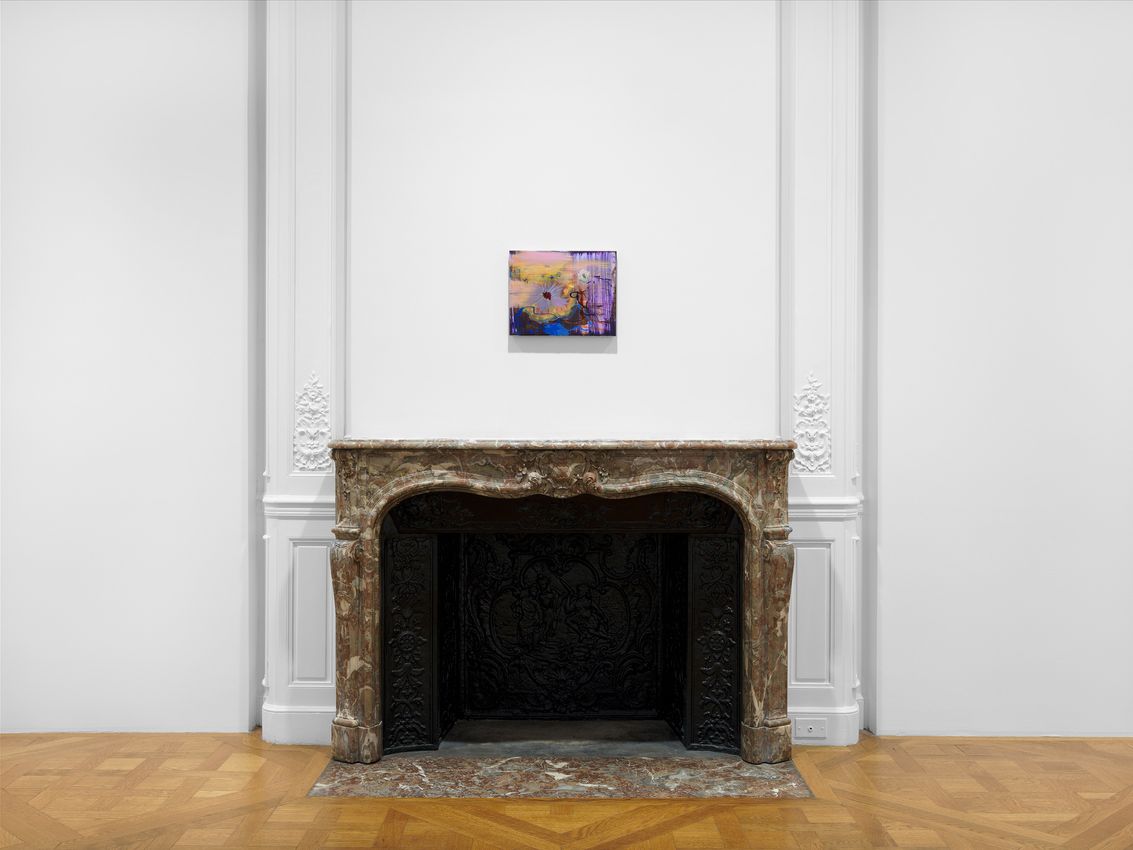
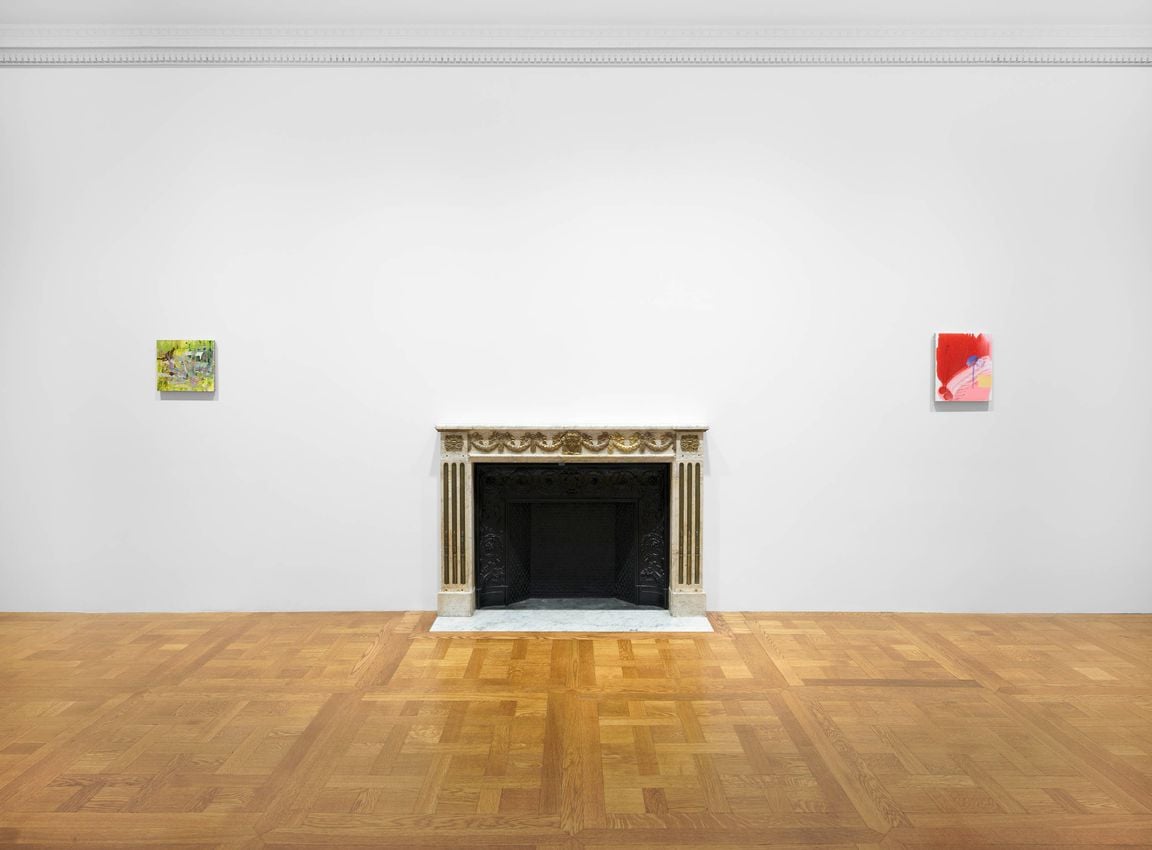
McIntyre’s practice is rhizomatic, with each painting leading to the next in a continuous process ofexperimentation and rupture. For this presentation, McIntyre worked at two scales, creating vastpaintings as well as intimate works. The small canvases are sites of experimentation for the artist, whereshe tests new color combinations, motifs, or ways of layering paint. Symbols and gestures discovered ata smaller scale materialize in her larger paintings, and vice versa, enacting a feedback loop and creatingharmony across the two poles. The dense, built-up surfaces of the smaller works find synchrony with thesprawling compositions that feature multiple visual climaxes.
McIntyre incorporates floral and faunal motifs throughout the paintings on view; emerging fromabstraction, these elements scratch at the landscape genre. At times taken from other artists’ works,these symbols become McIntyre’s own, translated by her unique handling of paint and repeated acrossseveral of her canvases. Each motif tugs at various art-historical moments while simultaneously pullingtoward the present, toward the artist’s own gestures. In a few canvases, the crane, a nod to the work ofRobert Rauschenberg, is the last element added to the composition. Its graceful white form provides amoment of stillness amid the churning painted surface—a punctuation mark to its ebullient surroundings.In other works, peonies created with smeared, smudged, or streaked paint strokes add a sense of vitalityand dimensionality, their petals unfurling as if in bloom.
McIntyre’s paintings exist, as she notes, ‘between positive and negative space; abstraction andrepresentation; indication and negation; transparency and opacity; flatness and depth; dark and light;order and chaos—I aim for a feeling of constant becoming, as if gesture or image dances on the edge offorming something specific, but ultimately the gesture will remain perpetually in-between. I aim formoments of sublime that are interrupted by reminders of the materiality of the thing.’1
1 Emma McIntyre, unpublished excerpt from a conversation with Andrew Wood, “Pied Beauty: The Paintings of Emma McIntyre,” Vault Magazine,May–July 2023.
Emma McIntyre (b. 1990) was born in Auckland, New Zealand. After graduating from Auckland University of Technology in 2011, she received an MFA from Elam School of Fine Arts, University of Auckland, in 2016 and a second MFA from ArtCenter College of Design in Pasadena, California, in 2021. In 2019 she received a Fulbright Graduate Award. McIntyre is a founding board member of the cooperative gallery Coastal Signs, Auckland.


A respected voice in contemporary art discourse.
Focusing on ambitious storytelling and insightful art-world commentary. Ocula Magazine publishes in-depth interviews, critical essays and timely analysis on the artists, exhibitions and ideas driving the global art world.
Learn more about Ocula Magazine
Showcasing the best of the art world.
Ocula partners with galleries from around the world to highlight their artists, artworks and exhibitions. Gallery membership is by application and invitation, with each member vetted by an independent panel.
Learn more about Ocula Membership

Specialises in the sale of major artworks.
Led by a team with deep ties to the world’s leading auction houses, galleries and collectors. Ocula’s advisory team offers bespoke services to high-net-worth clients from around the world who are looking to acquire the best of contemporary and modern art.
Learn more about our team and services