





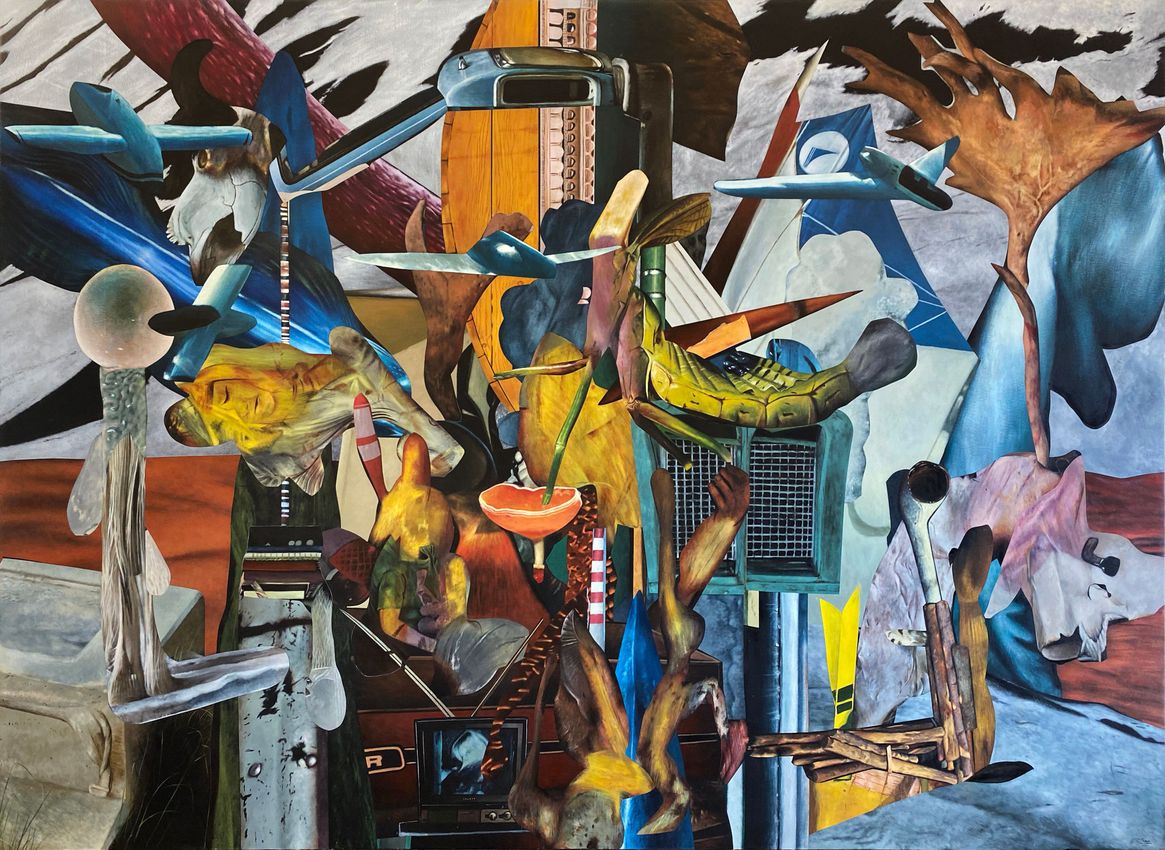
RODEL TAPAYA
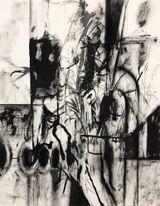
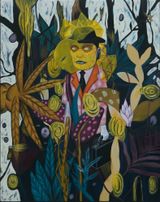
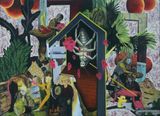
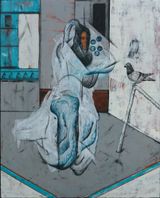
b. 1980, PhilippinesRodel Tapaya is a leading Philippine painter who is known for his large-scale canvases, narrative murals and sculptural installations that evoke the primordial rainforests of indigenous folklore as allegories for the present reality.
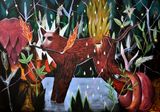
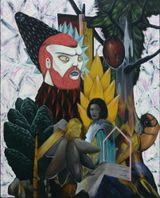
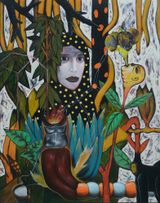
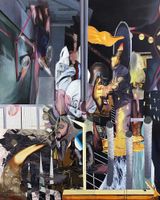
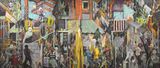
Often executed on canvas, glass, or burlap, Tapaya creates unique cosmologies out of labyrinthine forms, weaving together mythical creatures with hallucinogenic landscapes that recall the magic realism and political praxis of Mexican muralists. In doing so, the artist addresses the conflict between tradition and rapid urbanisation, global labour and rural exodus, and the nation’s ongoing postcolonial traumas.
Born in 1980 in Montalban, Rizal, Tapaya received the Top Prize in the Nokia Art Awards in 2001, which enabled him to study at Parsons School of Design in New York and the University of Helsinki. He completed his degree at the University of the Philippines College of Fine Arts, and in 2011 was awarded the Signature Art Prize: a triennial award recognising the most distinguished artworks to emerge from the Asia-Pacific region.
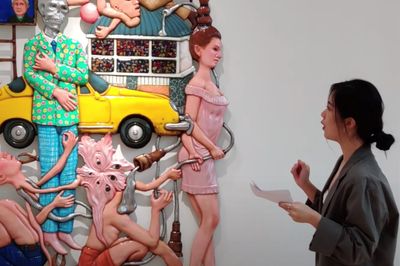
Tapaya’s work draws extensively from a rich history of Filipino literary folklore, piecing together pictorial fragments to create complex scenes that grapple with contemporary politics, and social and environmental concerns. In his installation Modern Manananggals (2014), winged figures of Visayas origin detached from their legs reference the millions of overseas Filipino workers who labour under poor working conditions and are unable to return home. Bagobo, B’laan, Ibanag, and Zambales mythology are all evoked to create a powerful animist vision that situates ancestral knowledge and ecological specificity in the everyday.
Tapaya’s visually arresting compositions and flattened, decorative surfaces are also indicative of a complex relationship with Mexican muralists such as José Clemente Orozco and Diego Rivera. Similar to Riviera, Tapaya’s creationist motifs play a role in examining ideas of national history and identity. For example, the giant Bernardo Carpio, responsible for the earthquakes in Tapaya’s mountainous hometown and a symbol of Filipino freedom against Spanish, Japanese and American oppression recurs alongside revolutionary heroes Andres Bonifacio and José Rizal.
The archetypes Tapaya uses situate the balance of power not in the economic hubs of cities, but the jungles, where spiritual and communal values still flourish. ‘In some way, I realise that old stories are not just metaphors. I can find connections with contemporary time. It’s like the myths are poetic narrations of the present,’ the artist explains.
Amy Weng | Ocula | 2020

View Rodel Tapaya's Artworks






















Explore Rodel Tapaya's Exhibitions











Explore and Follow Artists Shaping Contemporary Art
A respected voice in contemporary art discourse.
Focusing on ambitious storytelling and insightful art-world commentary. Ocula Magazine publishes in-depth interviews, critical essays and timely analysis on the artists, exhibitions and ideas driving the global art world.
Learn more about Ocula Magazine
Showcasing the best of the art world.
Ocula partners with galleries from around the world to highlight their artists, artworks and exhibitions. Gallery membership is by application and invitation, with each member vetted by an independent panel.
Learn more about Ocula Membership
Specialises in the sale of major artworks.
Led by a team with deep ties to the world’s leading auction houses, galleries and collectors. Ocula’s advisory team offers bespoke services to high-net-worth clients from around the world who are looking to acquire the best of contemporary and modern art.
Learn more about our team and services