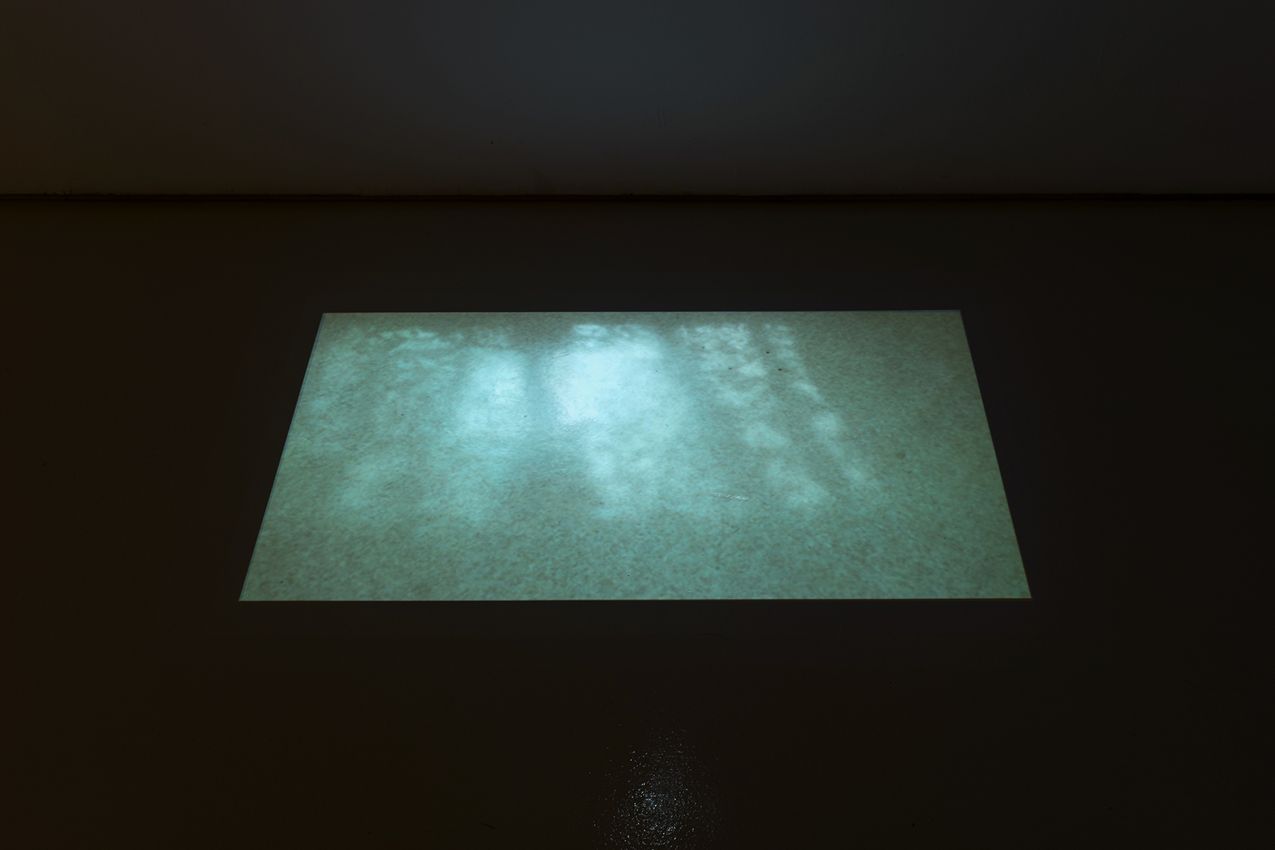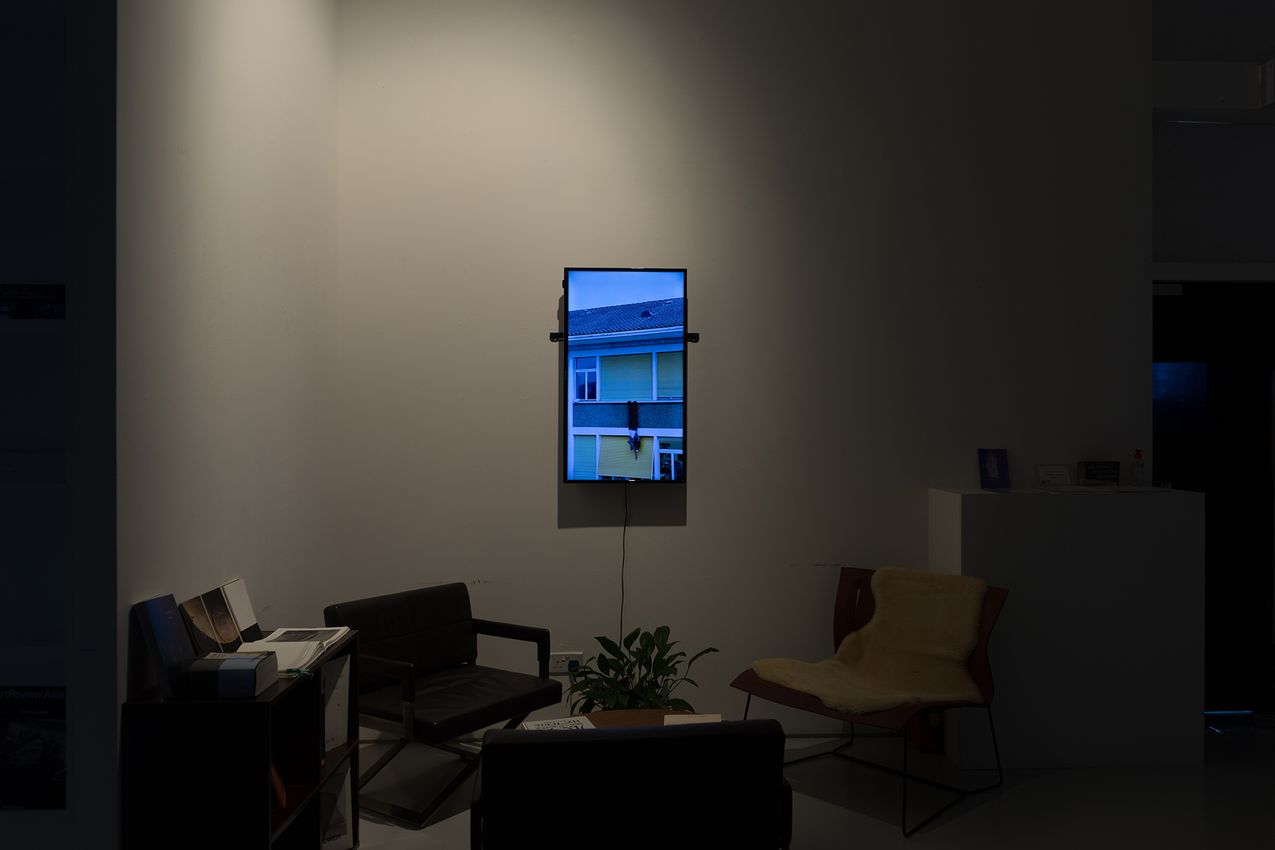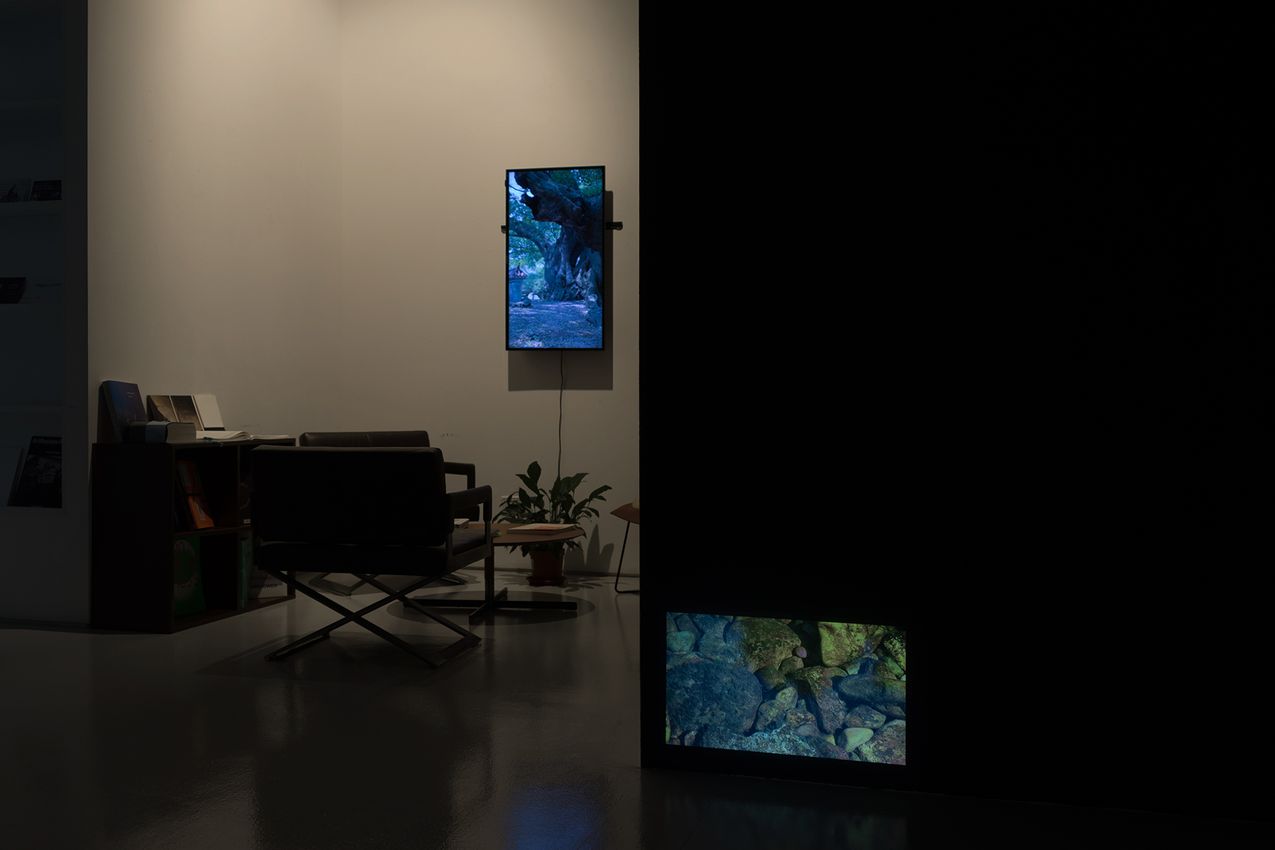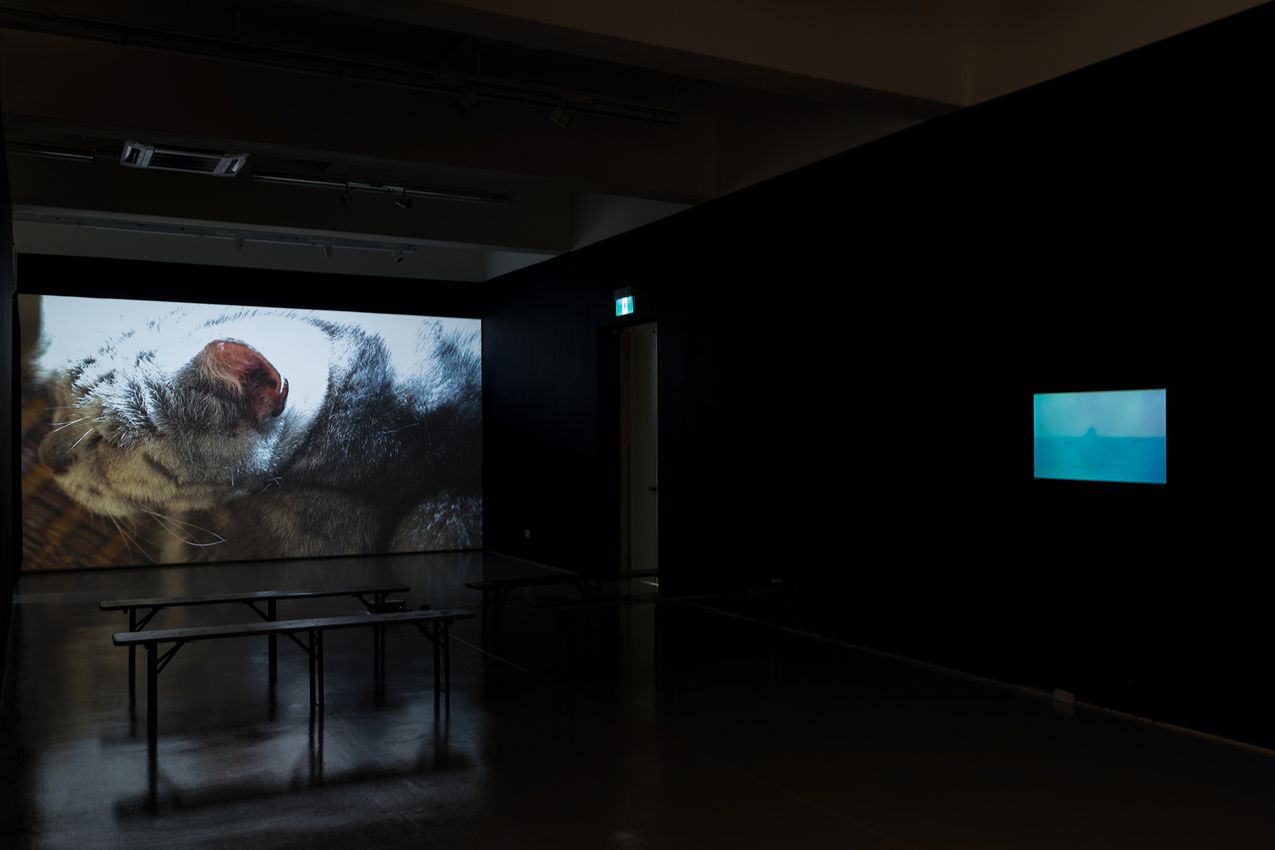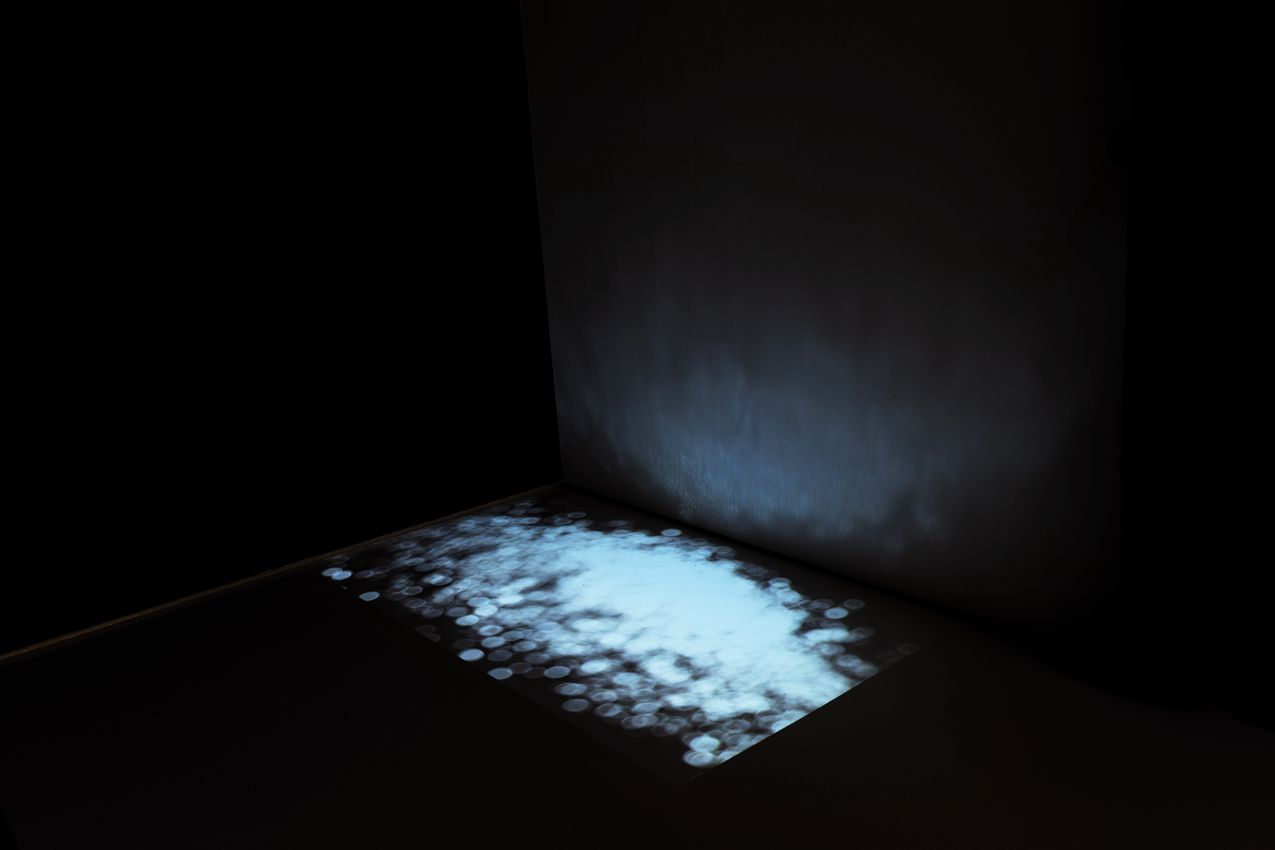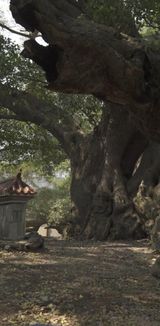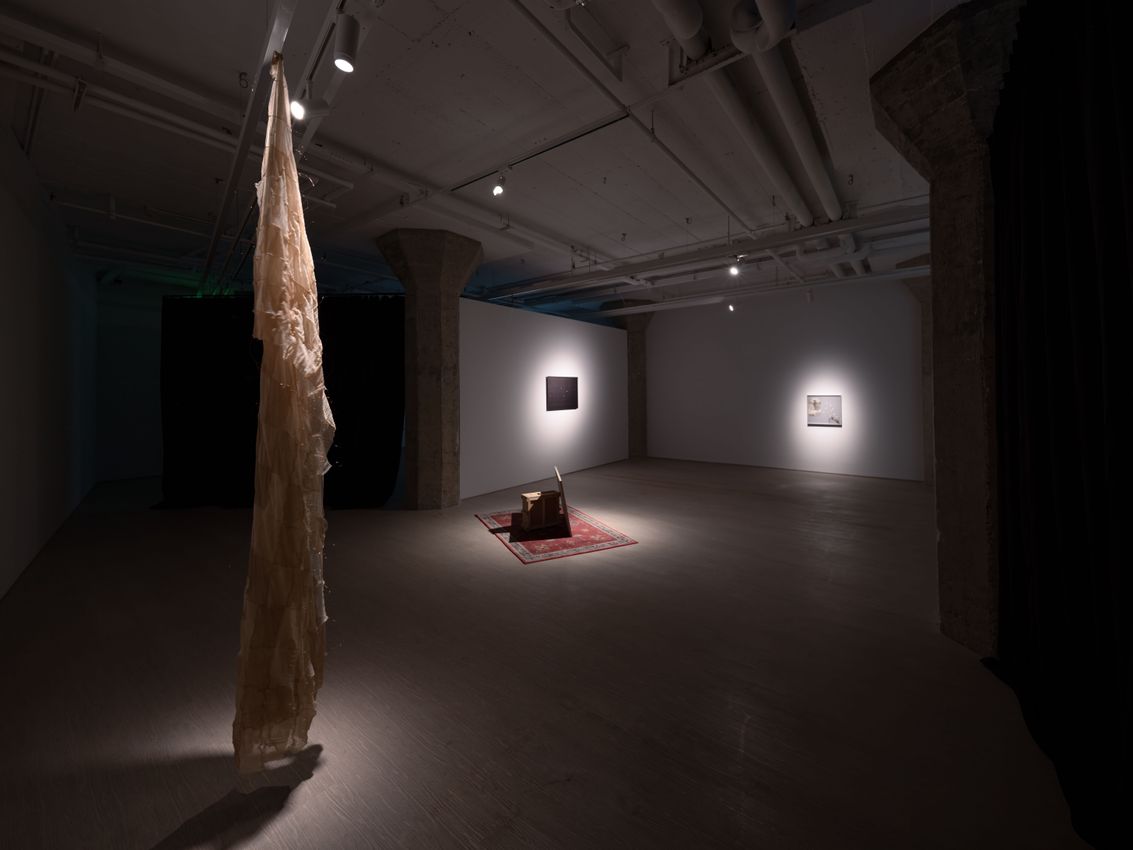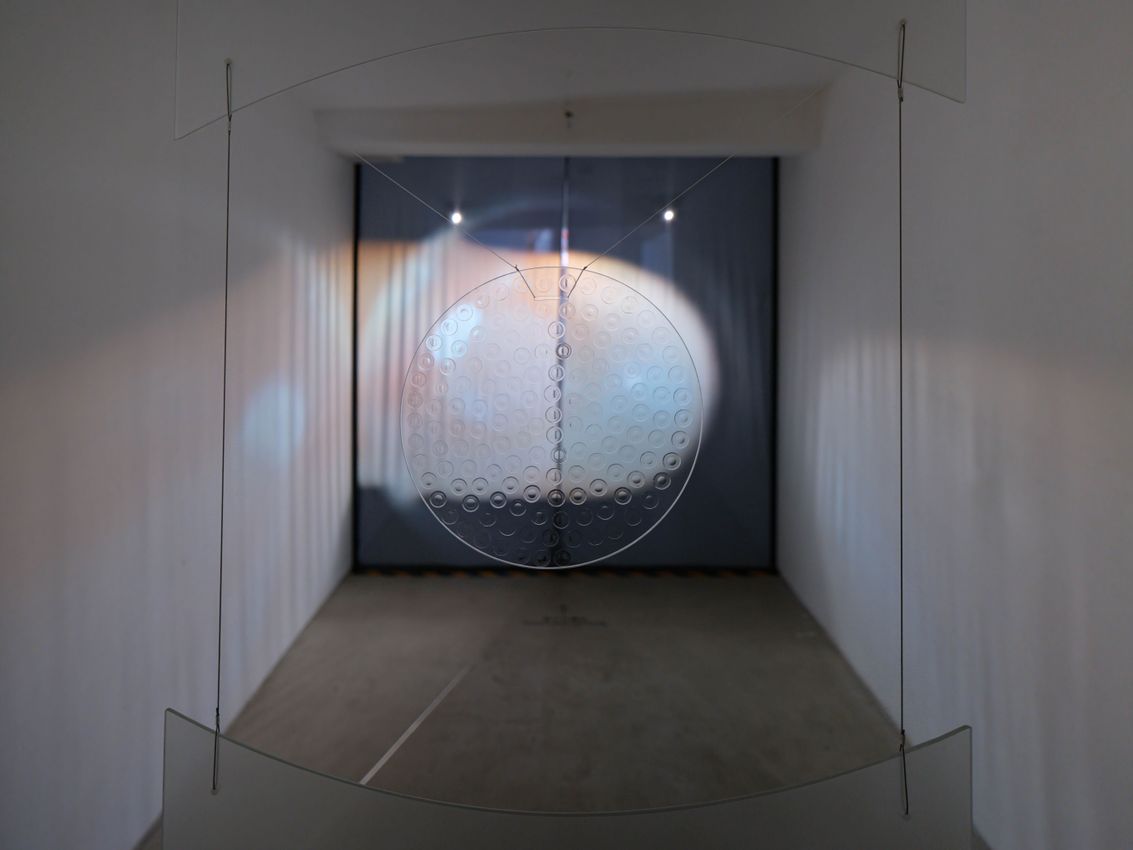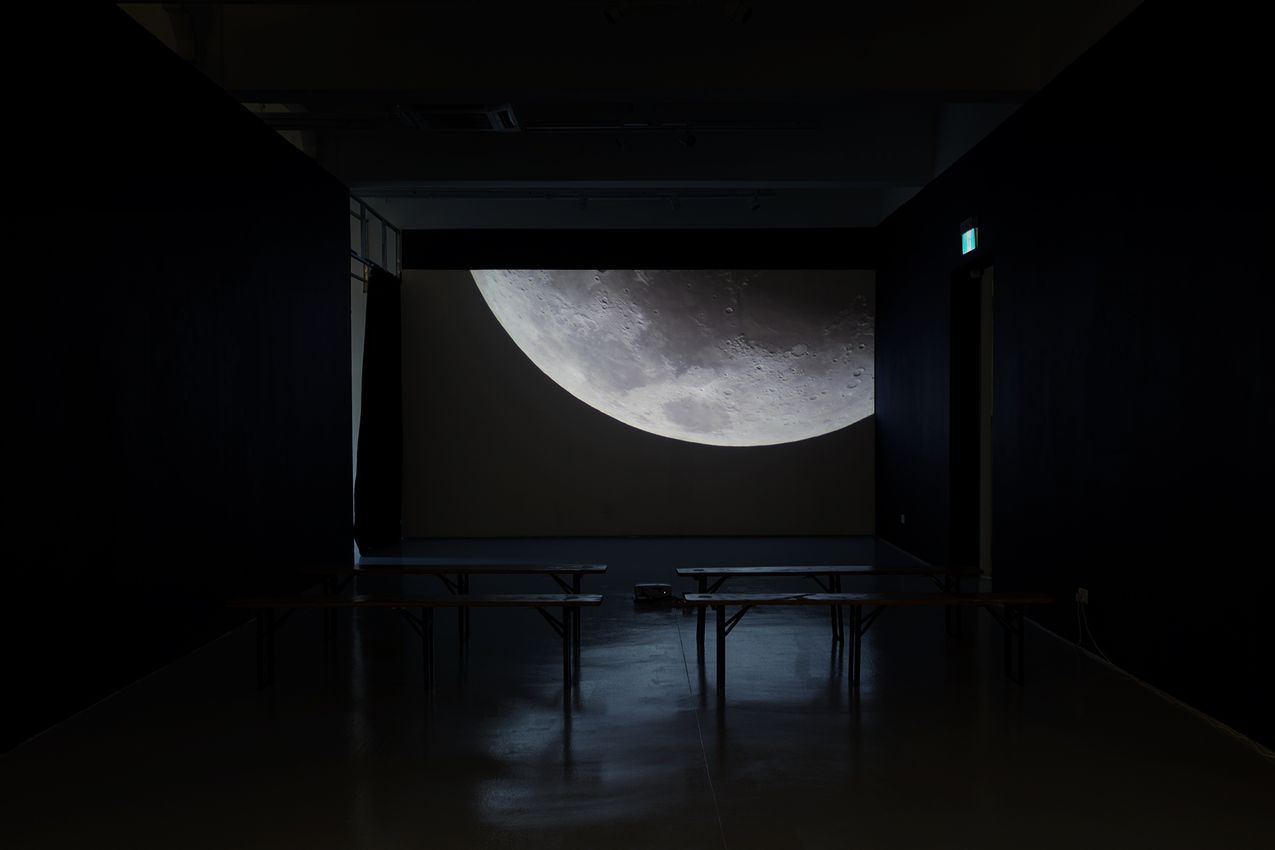
Shifting Times, Moving Images presents Liang Yue ( b.1979) for its third instalment. Developing her practice at a time when digital recording and camcorder ownership became more widespread, Liang’s focus in both video and photography turned towards the mundanity of the day-to-day experience. A sense of spontaneity exudes from her works, often featuring neglected and overlooked objects, moments and sights picked up by her acute observations.
Accounting for half the total number of videos screened across the four-part series, the featured selection draws from Liang’s massive body of works in the past two decades, depicting poetic scenes intentionally free of context. Imagery depicting the beauty of insignificance with an absence of plot confronts the viewers, at once providing a meditative environment yet also challenging the audience’s perception and appreciation of art, specifically its significance and value.
As technology improves and video-making techniques become increasingly sophisticated, Liang instead goes the other direction; refining and simplifying her process by minimising edits, reducing camera movements, or filming without sound. In doing so, she seeks to extract the purity of the moments from the everyday hustle and bustle, reflecting on the ways of life.
In Liang Yue’s works, either photos or videos, the ‘daily’ is always taken as a focus. She uses the easy-to-get materials with her acute art talents, keeps seeking, exploring and capturing the daily routines, and extending form concerning for the life in city to gazing the eternal scenery in the nature. A clear clue of her art practice could be witnessed in the massive works during the past fifteen years that the exploration for the beauty of insignificance, especially her videos, in which she keeps simplifying and abandoning the techniques of shooting and editing, challenging the art appreciation which the audience has been used to, as well as the viewers’ retina and eardrum, patience and rationality, and further questioning the so-called significance and value of art as she treats the meaningless as the ultimate significance of her creation. Her works remind us of the manifesto by Herzog stated in his Minnesota Declaration: Truth and Fact in Documentary Film, that:
When ShanghArt Gallery opened its doors in Shanghai in 1996, it was one of the first contemporary art galleries in China. Today, the gallery operates from two spaces in the city (West Bund and Putuo District), with additional locations in Beijing and Singapore.
A respected voice in contemporary art discourse.
Focusing on ambitious storytelling and insightful art-world commentary. Ocula Magazine publishes in-depth interviews, critical essays and timely analysis on the artists, exhibitions and ideas driving the global art world.
Learn more about Ocula Magazine
Showcasing the best of the art world.
Ocula partners with galleries from around the world to highlight their artists, artworks and exhibitions. Gallery membership is by application and invitation, with each member vetted by an independent panel.
Learn more about Ocula Membership

Specialises in the sale of major artworks.
Led by a team with deep ties to the world’s leading auction houses, galleries and collectors. Ocula’s advisory team offers bespoke services to high-net-worth clients from around the world who are looking to acquire the best of contemporary and modern art.
Learn more about our team and services