The art world in focus
Subscribe to our newsletter for news and insights on artists, galleries and exhibitions.

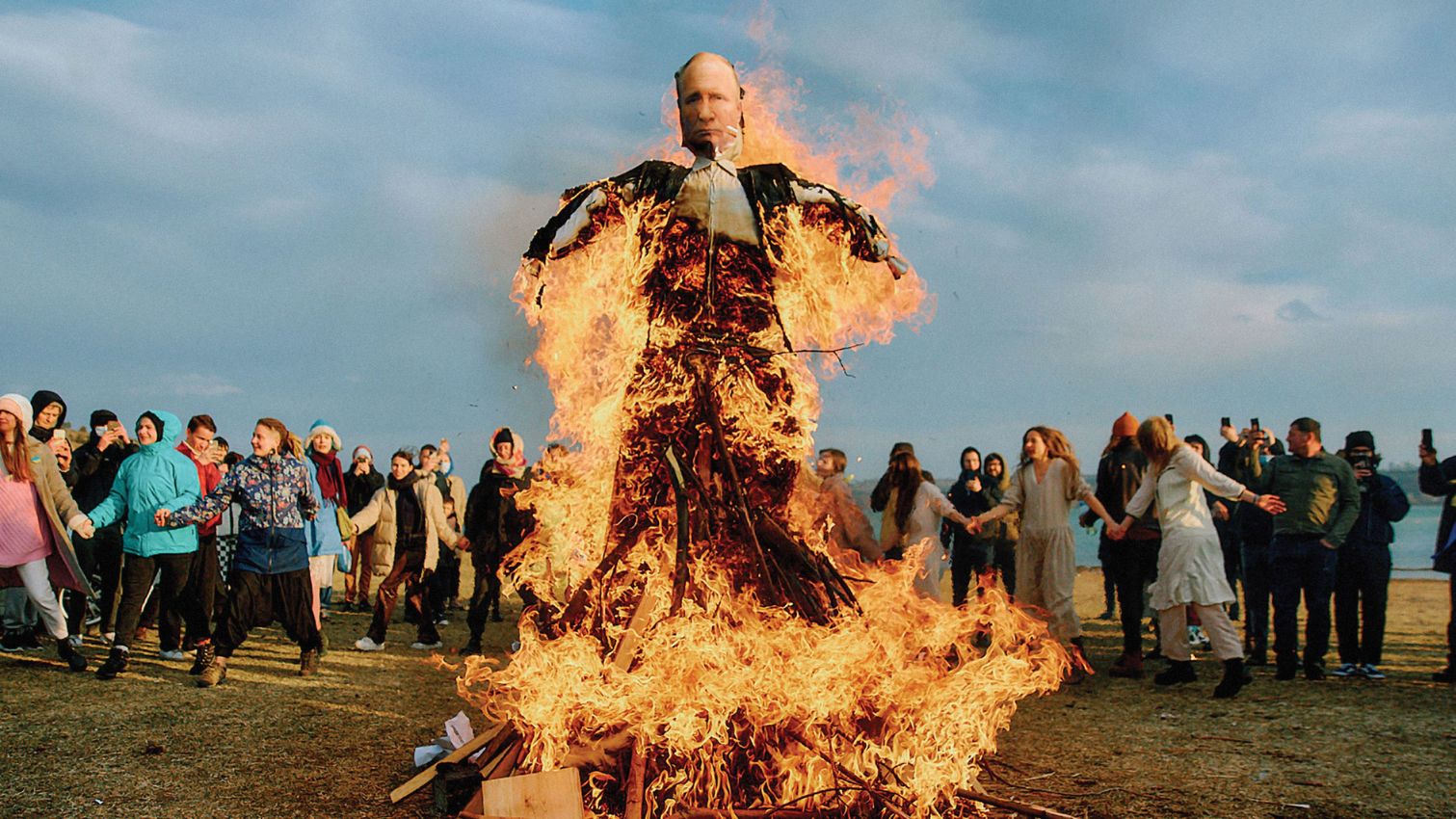
Pussy Riot’s Maria Alyokhina (aka Masha Alekhina) has called for the international community to try harder to constrain Vladimir Putin after the death of his leading political opponent, Alexei Navalny, who died under suspicious circumstances in the Polar Wolf penal colony north of the Arctic Circle on 16 February.
Her article in The Guardian advocated for more support for the Ukrainian war effort, for the EU to stop buying Russian gas, and for corporations to stop topping up Putin’s treasure chest with payments such as the £10 million Apple coughed up in antitrust fines.
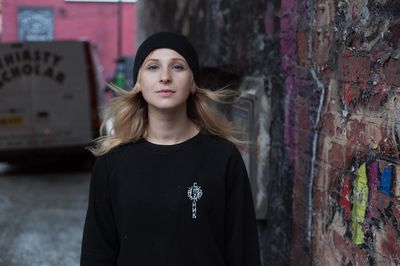
Alyokhina, 35, spoke to Ocula’s Sam Gaskin today about Navalny’s death, Pussy Riot’s indefatigable defiance, and the survey exhibition Velvet Terrorism, which opens at The Polygon in Vancouver on 22 March.
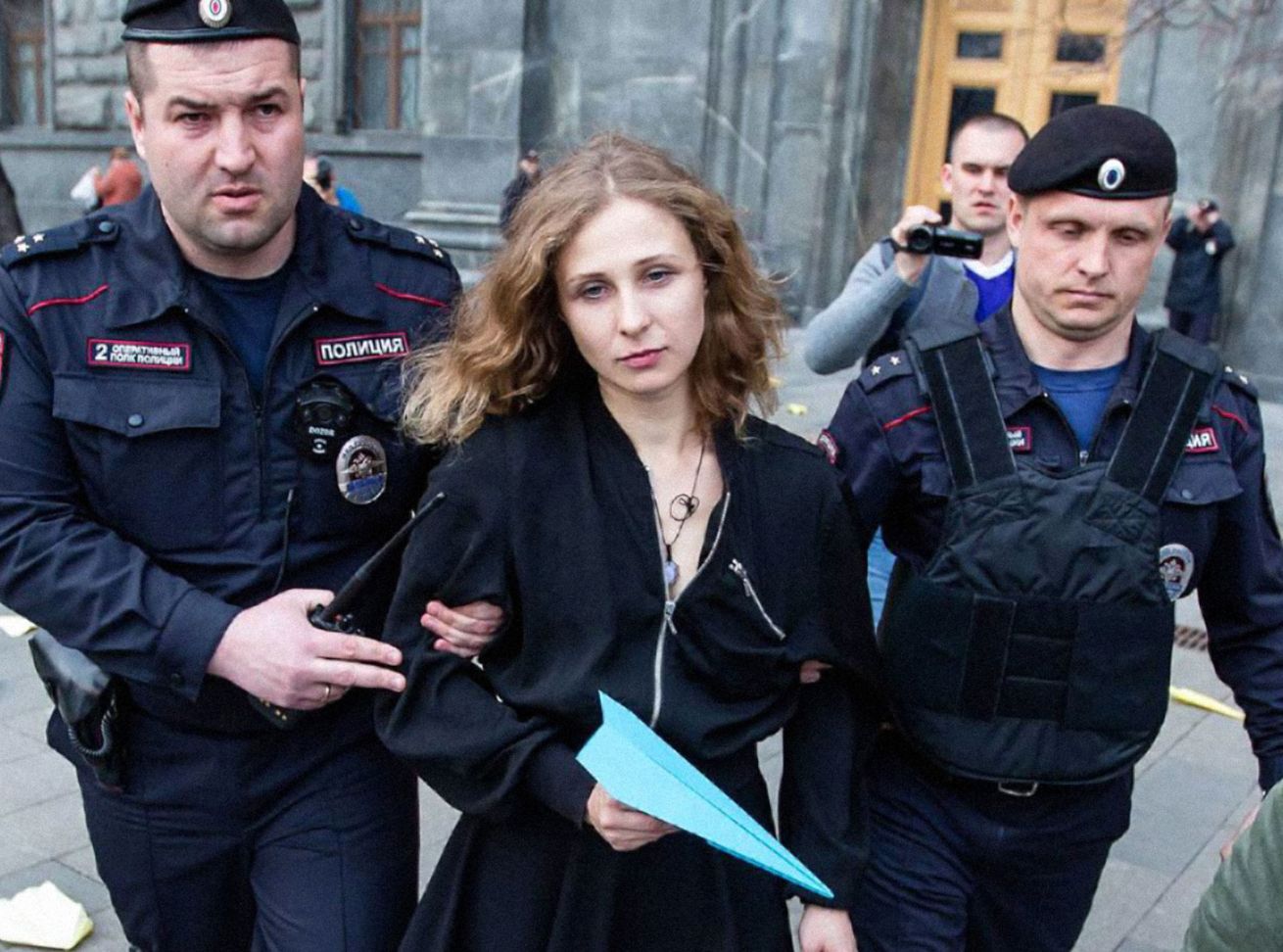
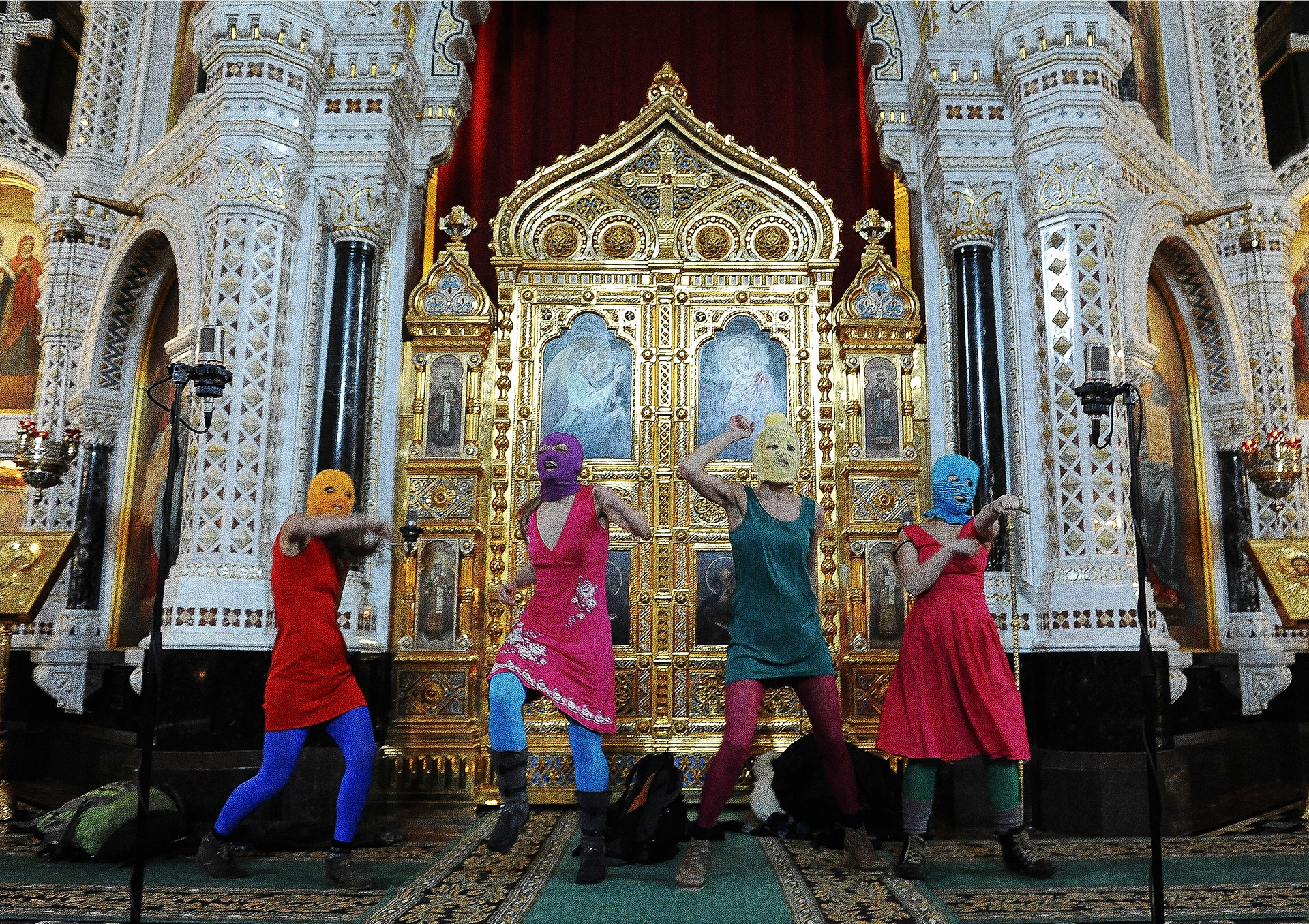
The exhibition title comes from Putin advisor Bishop Tikhon Shevkunov, who described Pussy Riot’s activist art as ‘more than hooliganism, more than just banal anti-clerical acts, as people are wont to call it. This is a new reality of our life: “velvet terrorism”.’
(Fellow Pussy Riot co-founder Nadya Tolokonnikova, has just announced her first museum show, which will take place at Austria’s OK Linz Centre for Contemporary Art in June.)
On 16 February I woke up and it was the first thing I saw. Probably this is super naive, but me personally, and a lot of us, thought the fact that Navlany was Russia’s most known political prisoner would protect him. The immediate understanding that this is not the case was shocking. We have around 1,000 political prisoners in Russia—to understand that all of them can be killed at any moment is horrible.
Scary is not the right word. Fear paralyses you. You will shake in the corner and not do anything. Years of doing what I’m doing taught me that it doesn’t matter if you’re afraid or not, all that matters is what you do. I don’t believe there is any person who doesn’t feel fear. It’s not a crime, but if it becomes your behaviour, that’s not good.
There were so many moments since the full scale invasion of Ukraine I’ve heard the West didn’t want to escalate [the situation]. First they gave Ukraine only helmets, not guns, to not escalate. Then only guns, to not escalate. Then, after two years they gave F-16s but they were already too late.
I don’t have time to think about my safety, honestly. I don’t think about it because I’m working on a second book, I’m writing in between, I’m on tour raising money for the Ukrainian children’s hospital, and organising exhibitions.
If everyone is afraid and does nothing, that would mean that they won. That’s not what I want.
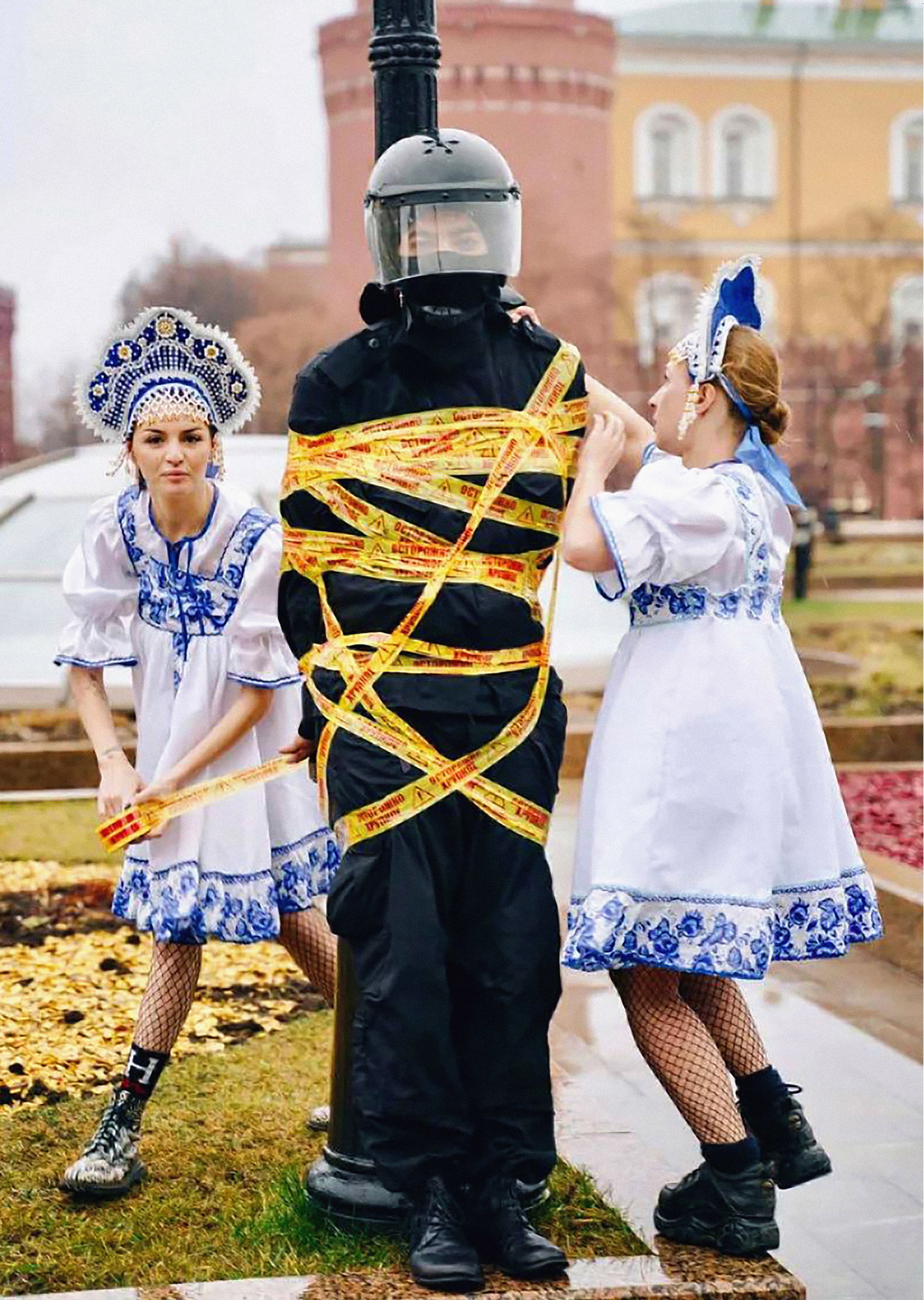
I’ve never had my loved ones killed by Putin but I feel her anger and I admire it because we should fight this evil. People who have been repressed, who have felt this system in their own bodies, understand like no one else it should be defeated, that it should fail.
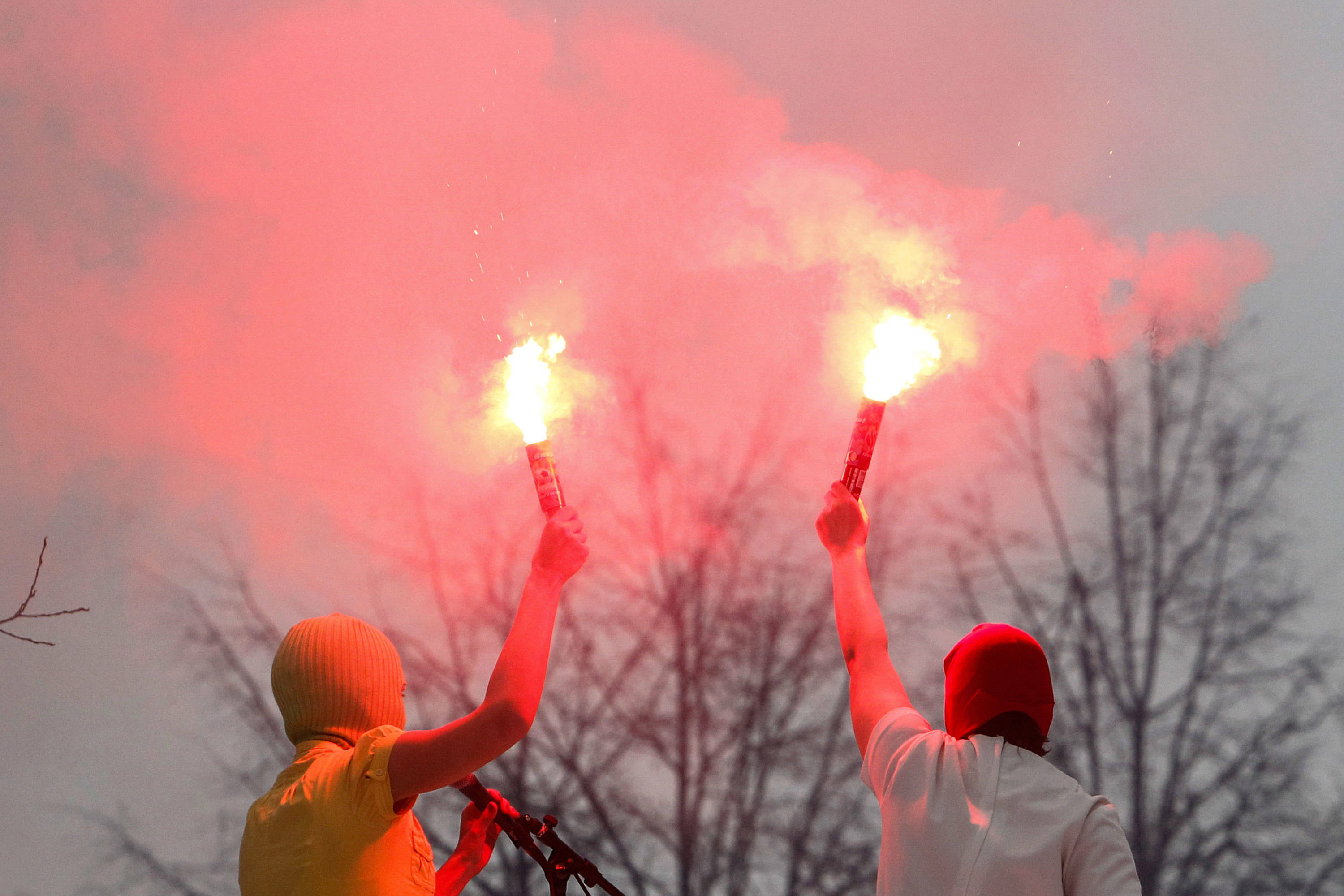
There are no right and wrong choices. None of us have been taught how to fight against dictators, especially no one of my age. Definitely I feel guilt. It would be a lie to say I don’t. I admire so much people fighting with guns. Two Russian units were created [to fight for Ukraine], there are Belarusians, Chechens, Georgians. If one day I could do something similar, I would do that. I’ve had two criminal cases against me, I spent two years in penal colonies from 2012, 1.5 years in detention centres from 2021. I’ve seen so many beautiful people who’ve been and who are in prison. If I were there, I would do something good, maybe, but I did it already, twice. There’s no problem to be in prison—It’s horrible, the system is copying a gulag—but you can survive if you are not killed.
If someone is under the illusion it’s possible to overcome Putin and throw him out of the Kremlin and deliver him to a court or an international tribunal from inside Russia, it’s not possible. There’s huge poverty, there are no guns, no weapons; how can people do that? There are super brave partisan units who destroy railway stations and send drones to destroy oil refineries but nothing systematic.
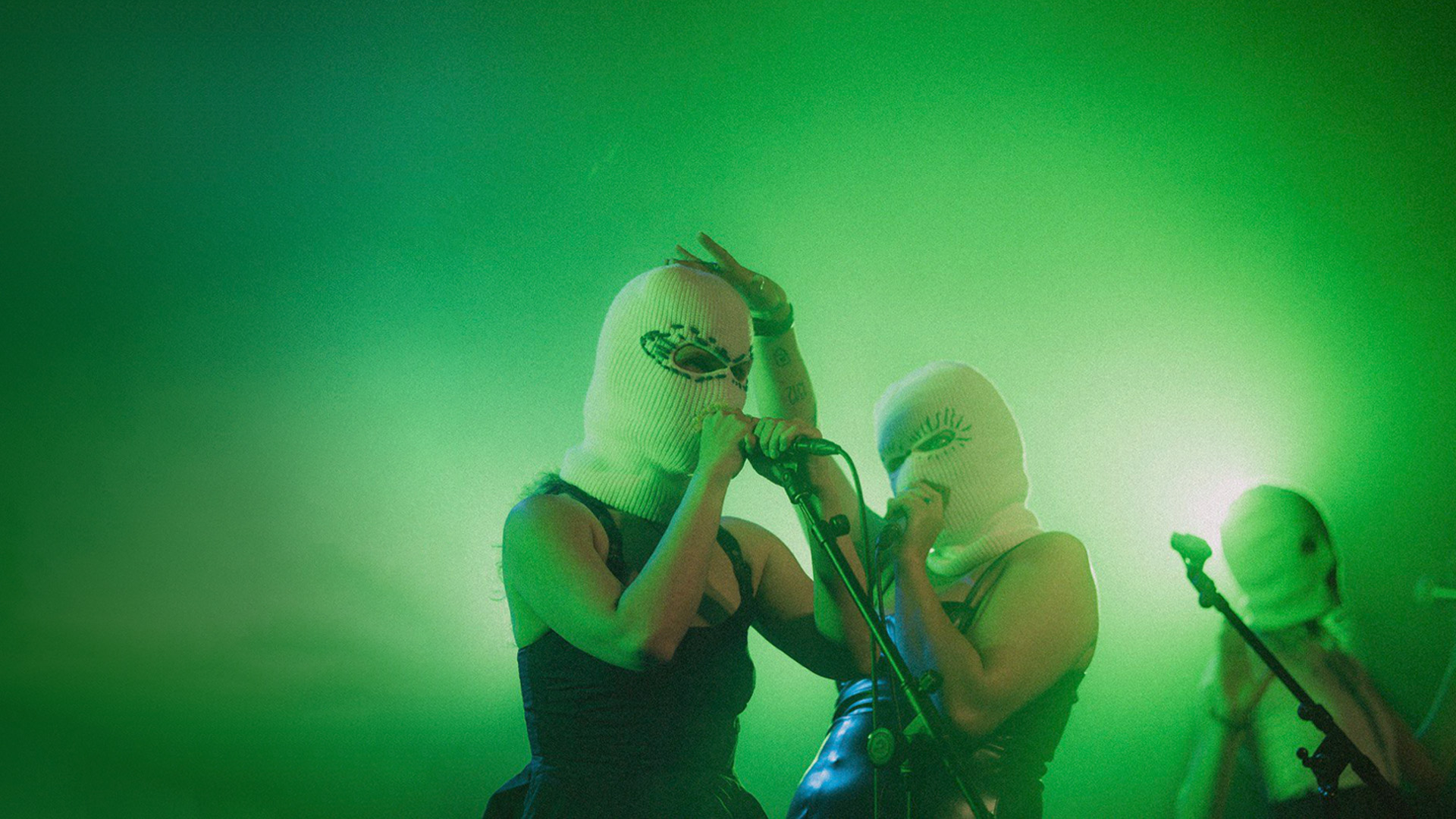
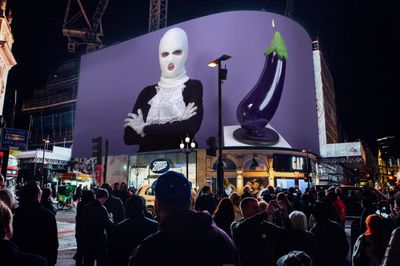
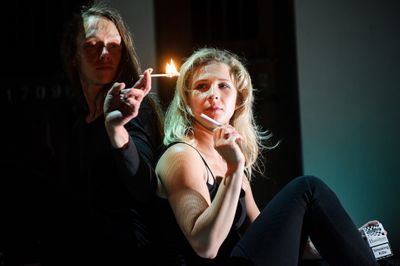
Since the first show in Reykjavik last December, the exhibition keeps growing. Each time in a new place I add new things, not only our actions, but the reactions of the state, and escalations. There’s context. It’s colourful and fun, and you can learn about what was going on in the country during those years, as Russia turned from authoritarian to totalitarian. If you don’t fight totalitarianism, it can happen any place.
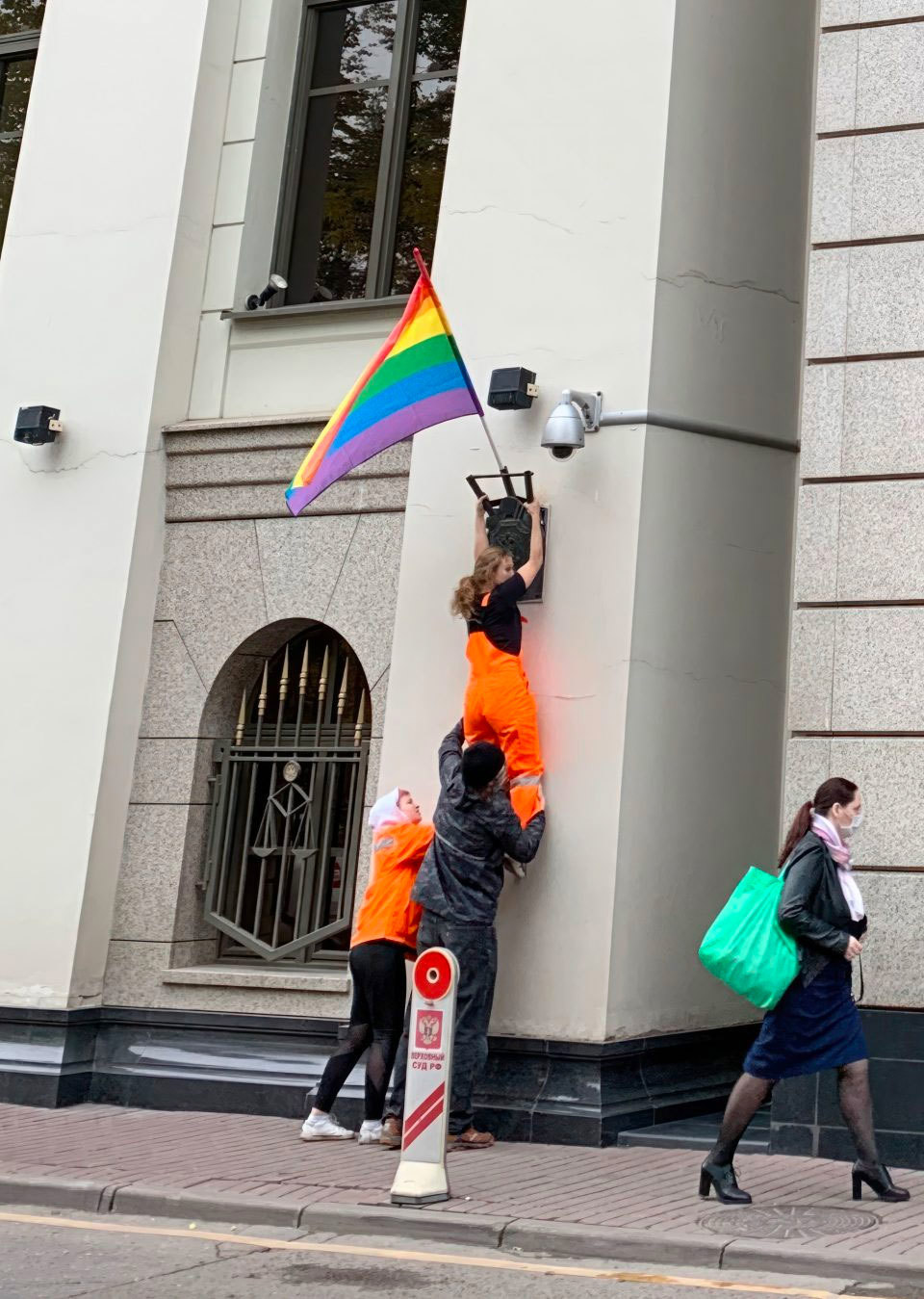
It’s quite hard to imagine that Russia would be free and democratic. During the Soviet Union, 3 million people were killed—shot and poisoned, sent to labour camps, to Russian penal colonies that look a lot like Gulags. Without collective understanding of what we’ve done, what our grandparents have done, we will not have a different future. I think we should look back even if it’s painful.
I don’t think that I would paint because I never dreamed of being a painter! Feminism is needed worldwide—yes, Russia is a special place—but it’s needed everywhere in the world. If I could, I would try to be useful. —[O]
A respected voice in contemporary art discourse.
Focusing on ambitious storytelling and insightful art-world commentary. Ocula Magazine publishes in-depth interviews, critical essays and timely analysis on the artists, exhibitions and ideas driving the global art world.
Learn more about Ocula Magazine
Showcasing the best of the art world.
Ocula partners with galleries from around the world to highlight their artists, artworks and exhibitions. Gallery membership is by application and invitation, with each member vetted by an independent panel.
Learn more about Ocula Membership
Specialises in the sale of major artworks.
Led by a team with deep ties to the world’s leading auction houses, galleries and collectors. Ocula’s advisory team offers bespoke services to high-net-worth clients from around the world who are looking to acquire the best of contemporary and modern art.
Learn more about our team and services