Charlotte Colbert’s forthcoming show at Gazelli Art House, to open this July, examines and plays around with the familiar icons of instant communication. Colbert, a natural visual storyteller with a penchant for the surreal, examines temporality through the prism of how we relate to the emoji and whether these digital icons are capable of transcending borders and cultural differences or an invasion of personal expression.
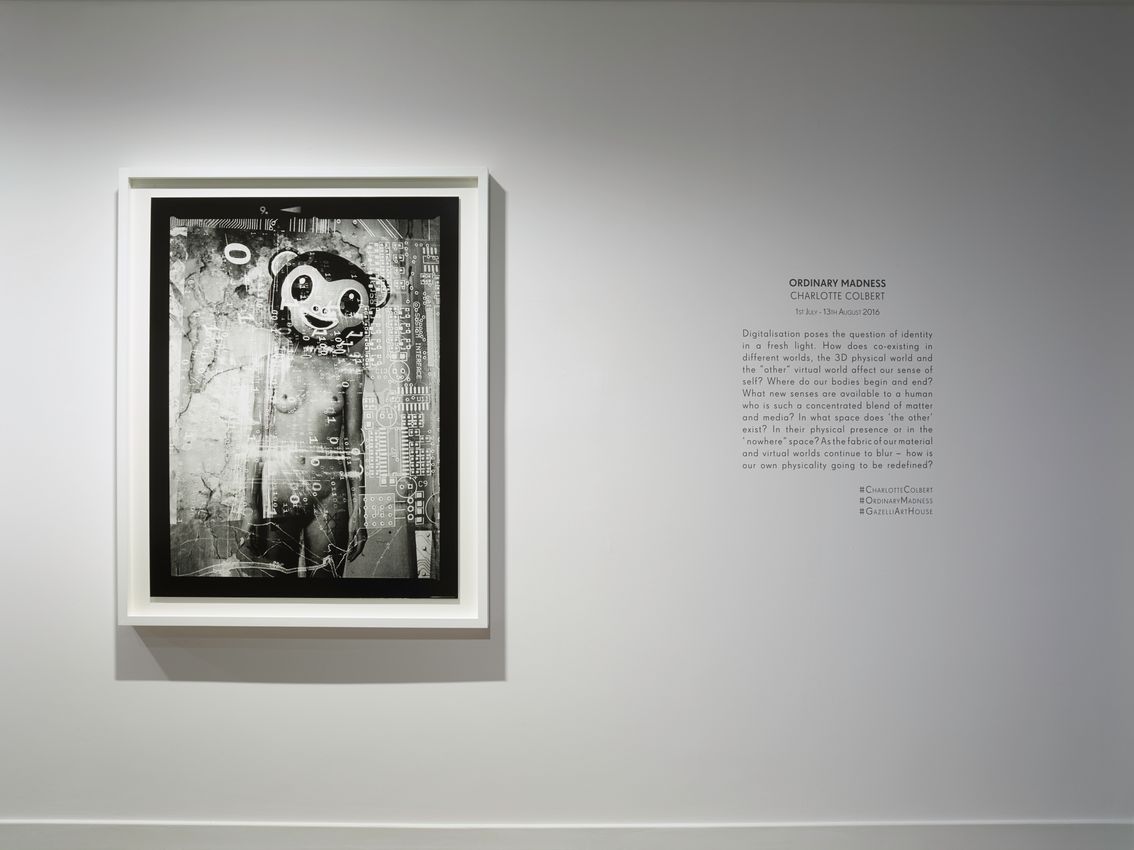
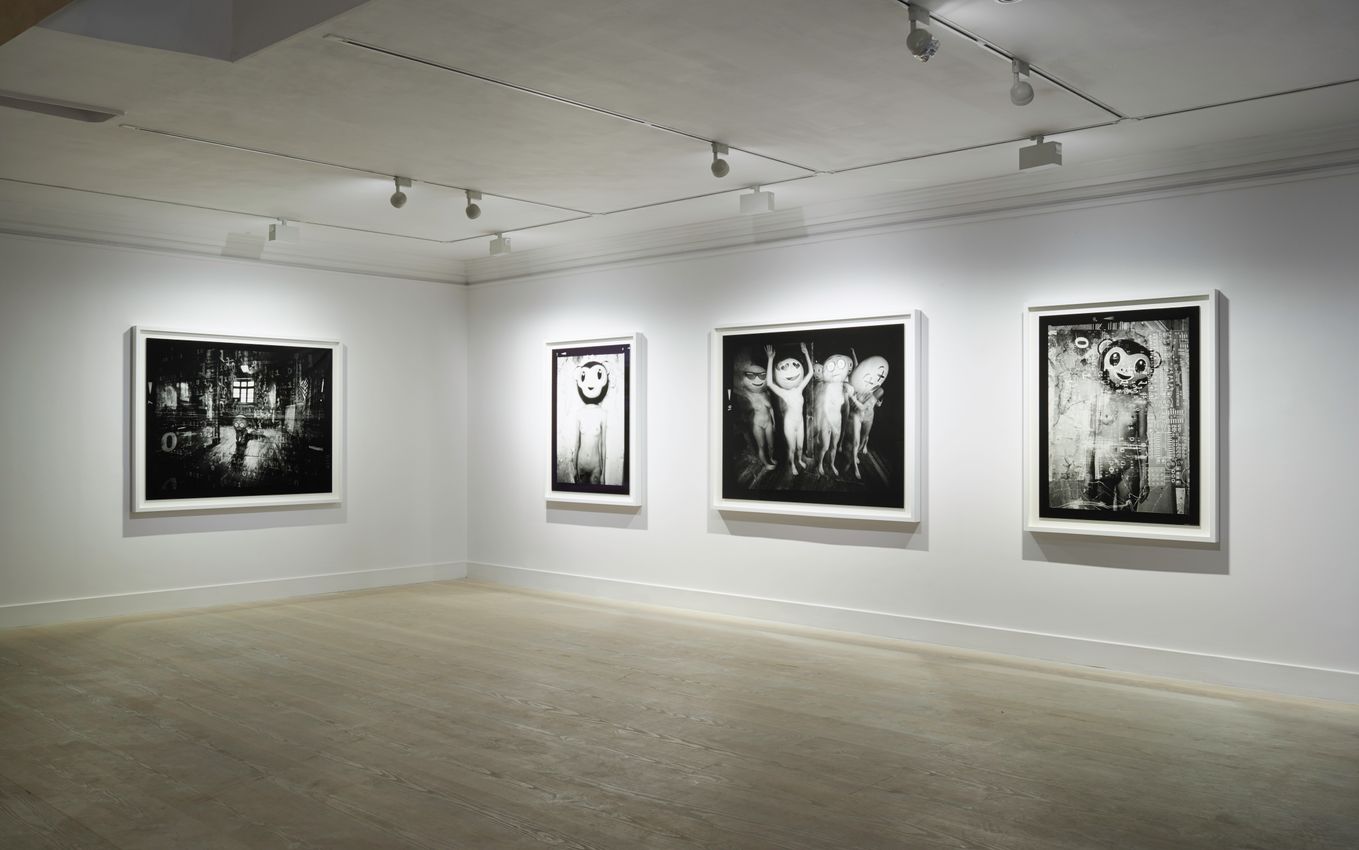
While recent studies show that the meanings of emojis can vary hugely between platforms, causing miscommunication, Colbert takes the digital image and places them over the faces of her naked female subjects in a derelict setting. The genesis of the idea for the show started when the child of one of her friends saw a butterfly on a window and tried to zoom into the creature to try and make it bigger. Herself a new mother to a baby girl, she thought about how we technology relates to us on a human level and how it has become as perfunctory as eating and drinking. Colbert explains that she started thinking of civilization in the developed world as parodies of emoji families, she says, “There’s something wonderful about technology but something very dark. We’re coming back to a symbolic way of writing but it’s someone else’s interpretation.”
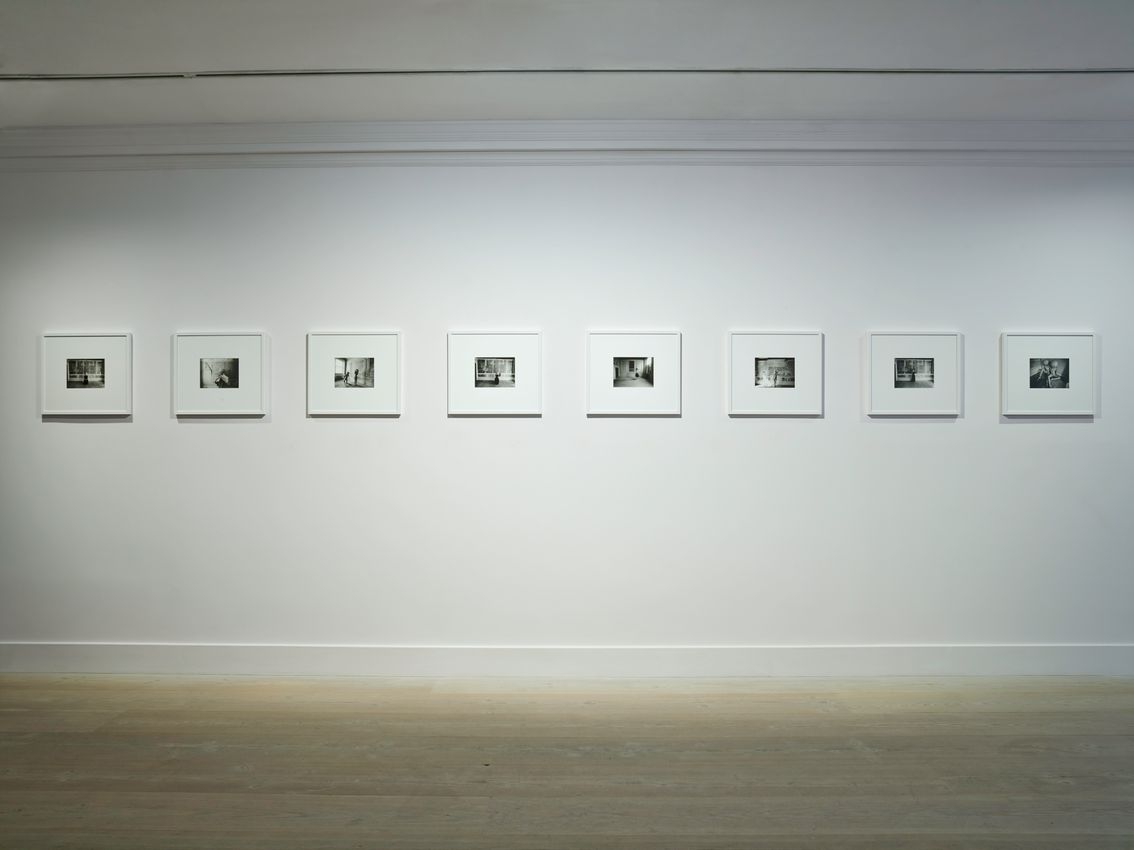
As theories of the ‘sassy pink lady emoji’, and what it means is world news in itself, Colbert focused on creating juxtaposition between old and new, to decontextualise her subjects within human temporality and history. Half-erased figures disappear against crumbling walls. Colbert questions, what trace will the digital age leave behind? Shooting in her staple black and white medium format film, she uses double exposures to layer images of circuit boards, artificial intelligence and electronic waste presenting ghostly, holographic portraits where computers and human life are intertwined and fused into one.
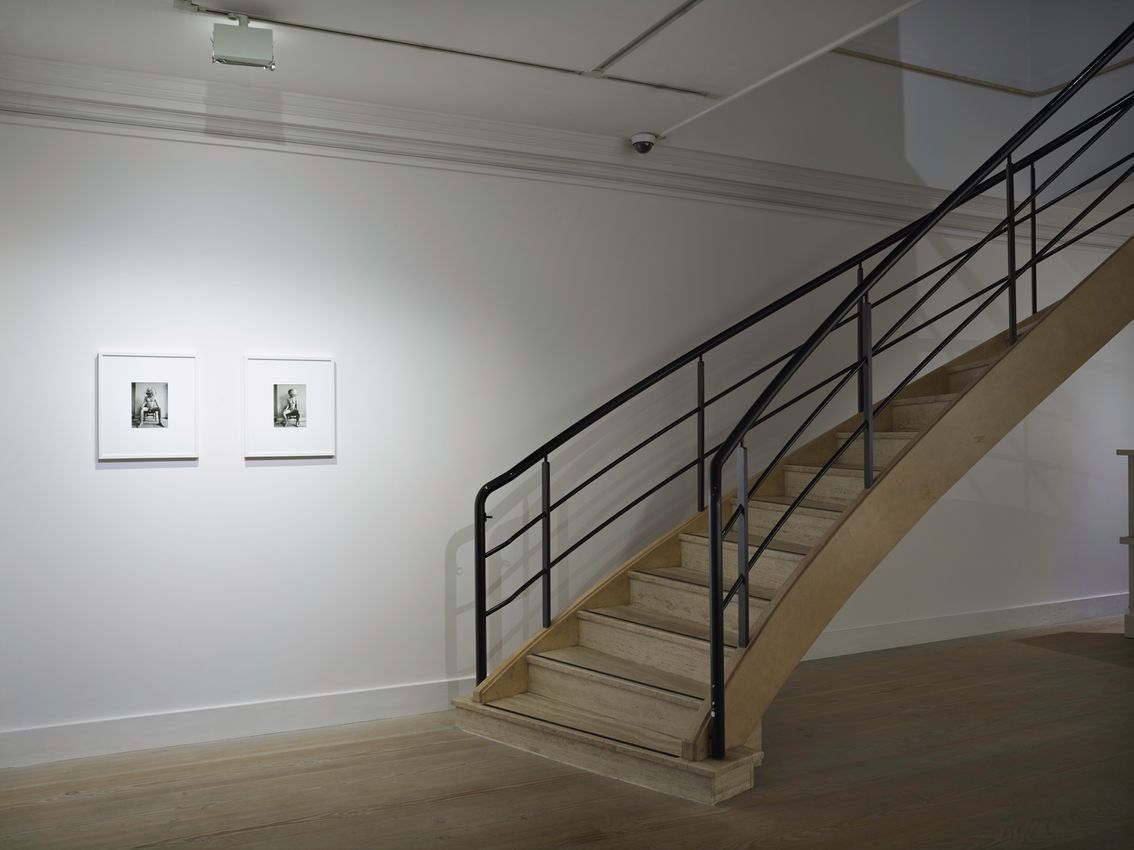
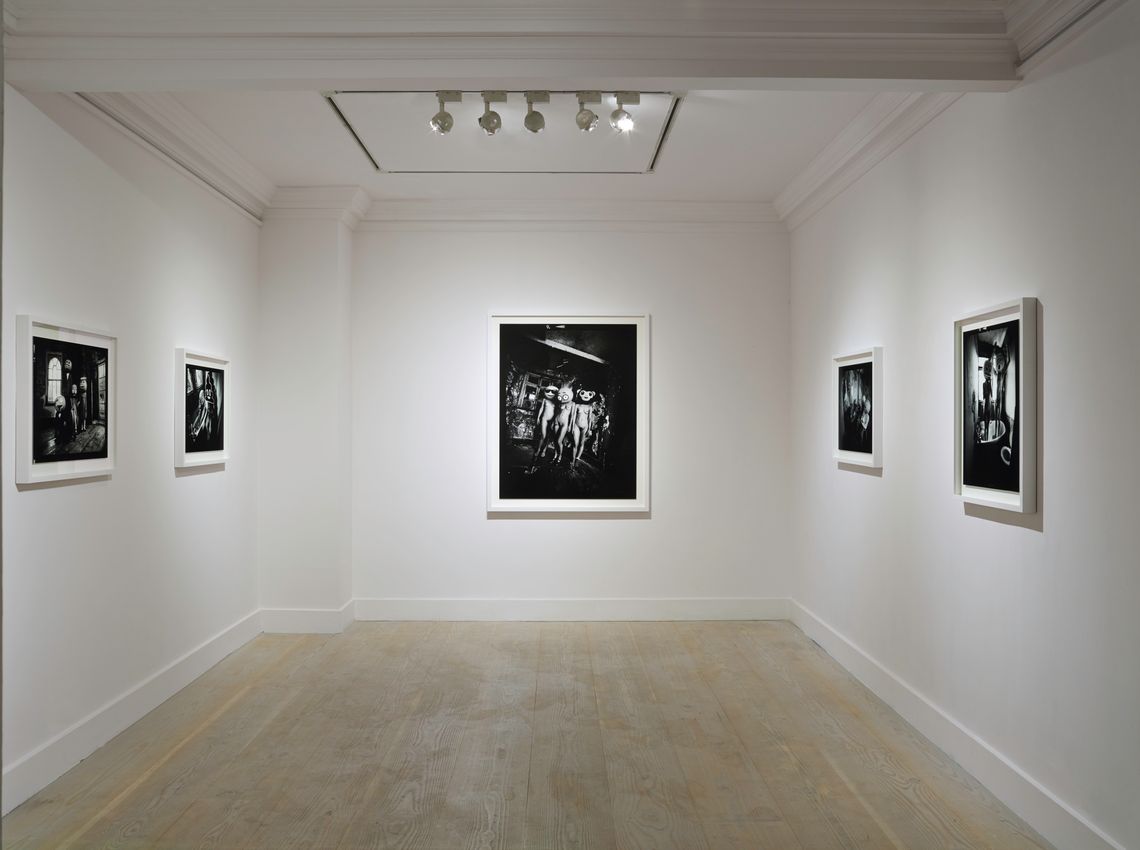
Colbert shot the series in a now abandoned, former lesbian commune in east London. Many of the female nudes who appear are members of a feminist commune in the capital, brought along by one of the subjects, a friend of Charlotte’s, an ex-model-turned-stripper. Colbert explains, “There was something really powerful about the nudity on the shoot and I thought it tapped into a fantasy of ancient Greek female warriors.” Using props, distorting mirrors, costumes as well as long and double exposures, Colbert creates a surreal parody of daily life as seen through twenty-first century language. Nude figures unable to connect, couples frozen in a forced state of feeling, a surreal army of circuit board women, an emoji wasteland where madness, fantasy, comedy and chaos coexist.
Charlotte Colbert is a British / French photographer and screenwriter who lives and works in London. Working mainly in black and white, Colbert’s dark imagery examines questions of identity, time, and space, and recalls her experience in storytelling as a filmmaker. Her works explore how we choose to make sense of the world, as well as the varying and complex workings of the human mind. Themes of isolation, gender, fear, and fantasy recur throughout her oeuvre.

A respected voice in contemporary art discourse.
Focusing on ambitious storytelling and insightful art-world commentary. Ocula Magazine publishes in-depth interviews, critical essays and timely analysis on the artists, exhibitions and ideas driving the global art world.
Learn more about Ocula Magazine
Showcasing the best of the art world.
Ocula partners with galleries from around the world to highlight their artists, artworks and exhibitions. Gallery membership is by application and invitation, with each member vetted by an independent panel.
Learn more about Ocula Membership

Specialises in the sale of major artworks.
Led by a team with deep ties to the world’s leading auction houses, galleries and collectors. Ocula’s advisory team offers bespoke services to high-net-worth clients from around the world who are looking to acquire the best of contemporary and modern art.
Learn more about our team and services