





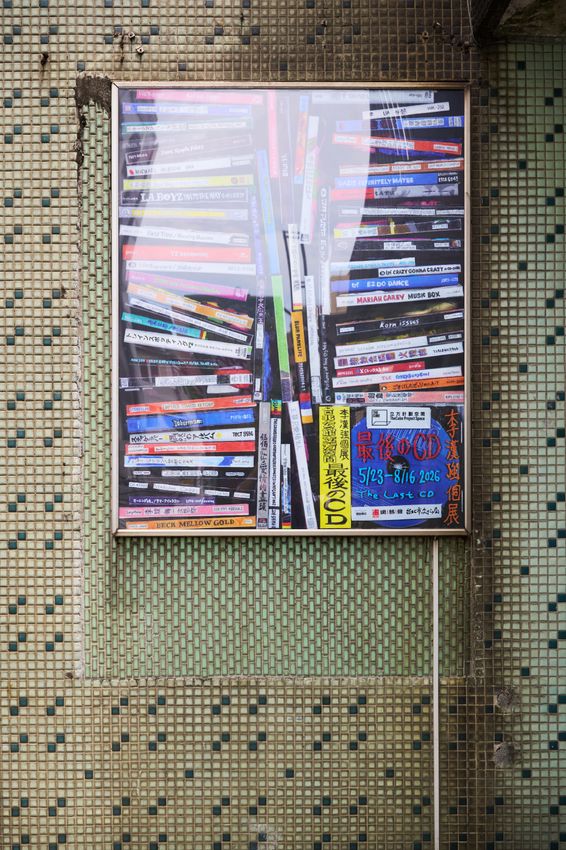
Disc Drive
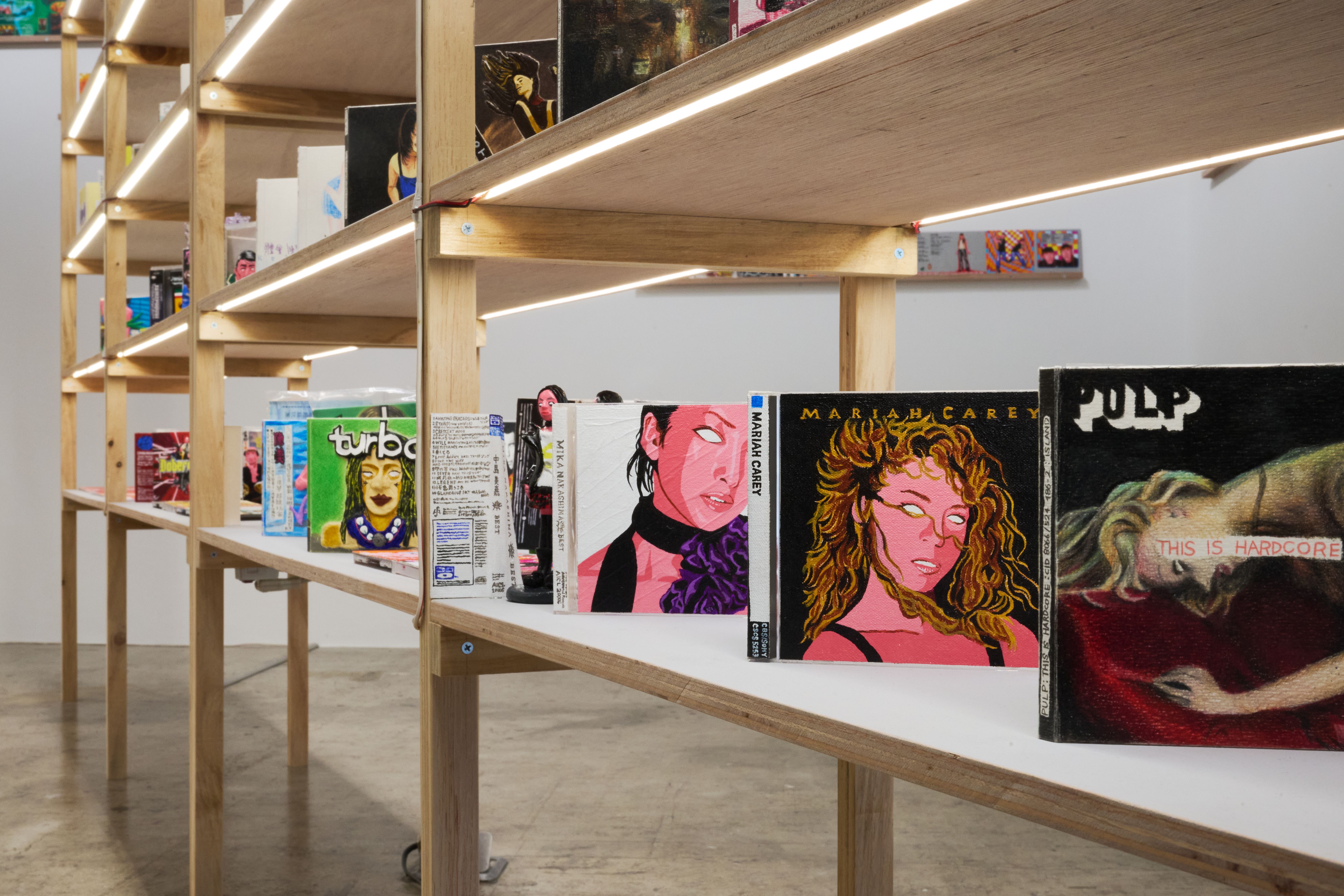
Tokyo‑based Taiwanese artist Lee Kan Kyo painstakingly made models of more than 200 CDs for his new exhibition. He talks to Zian Chen about his practice and how the music we loved growing up shapes us as adults. Save to My OculaA few weeks ago, I climbed the narrow staircase to TheCube Project Space, tucked above one of Taipei’s bustling student districts, expecting the familiar choreography of an exhibition opening: polite conversation, people pretending to look at art. Instead, everyone was riffling through racks of CDs, heads bowed in concentration. Around me, people lingered over Spice by the Spice Girls, Post by Björk, early K-pop icons such as BoA, and reams of pop stars from Hong Kong and Taiwan.
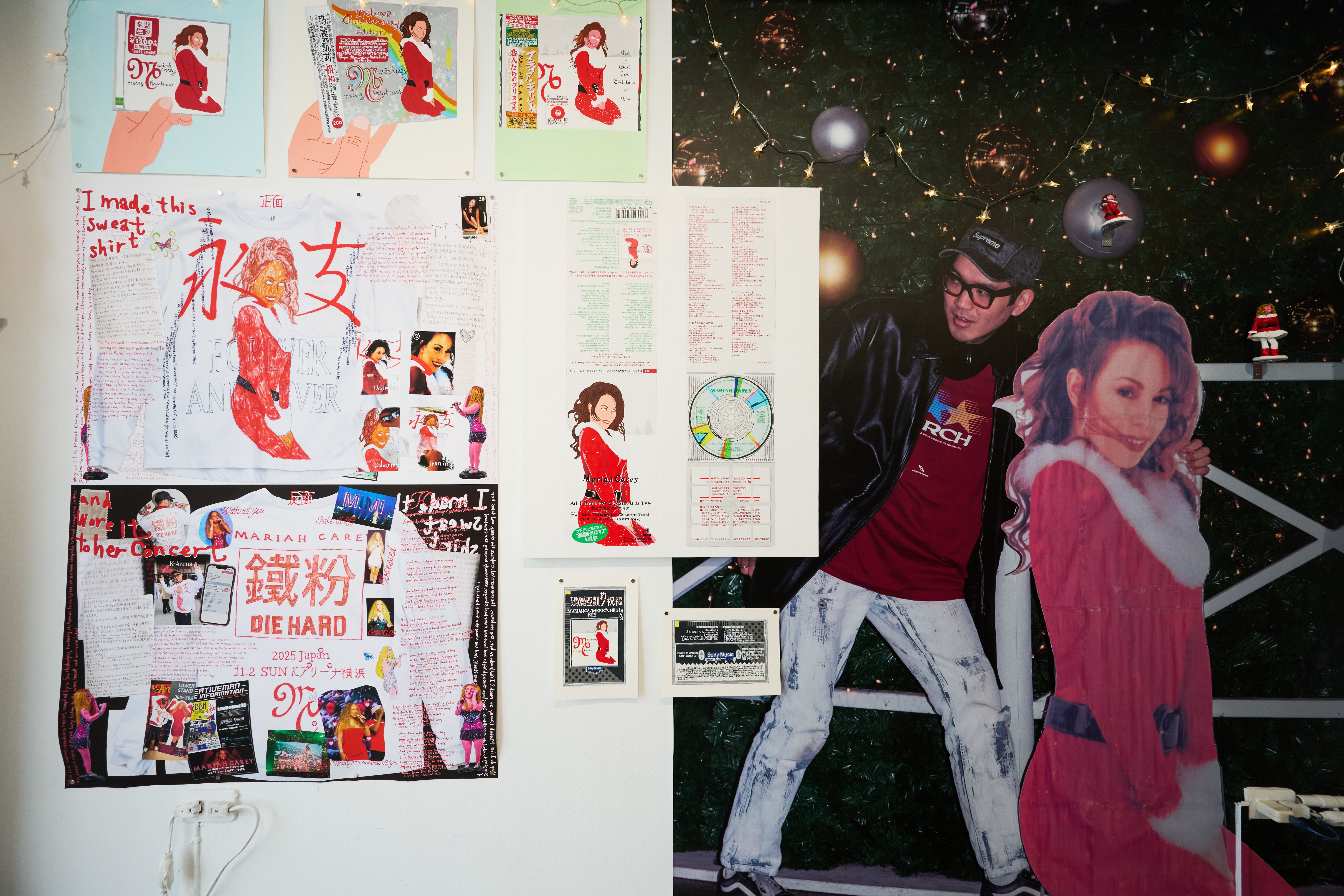
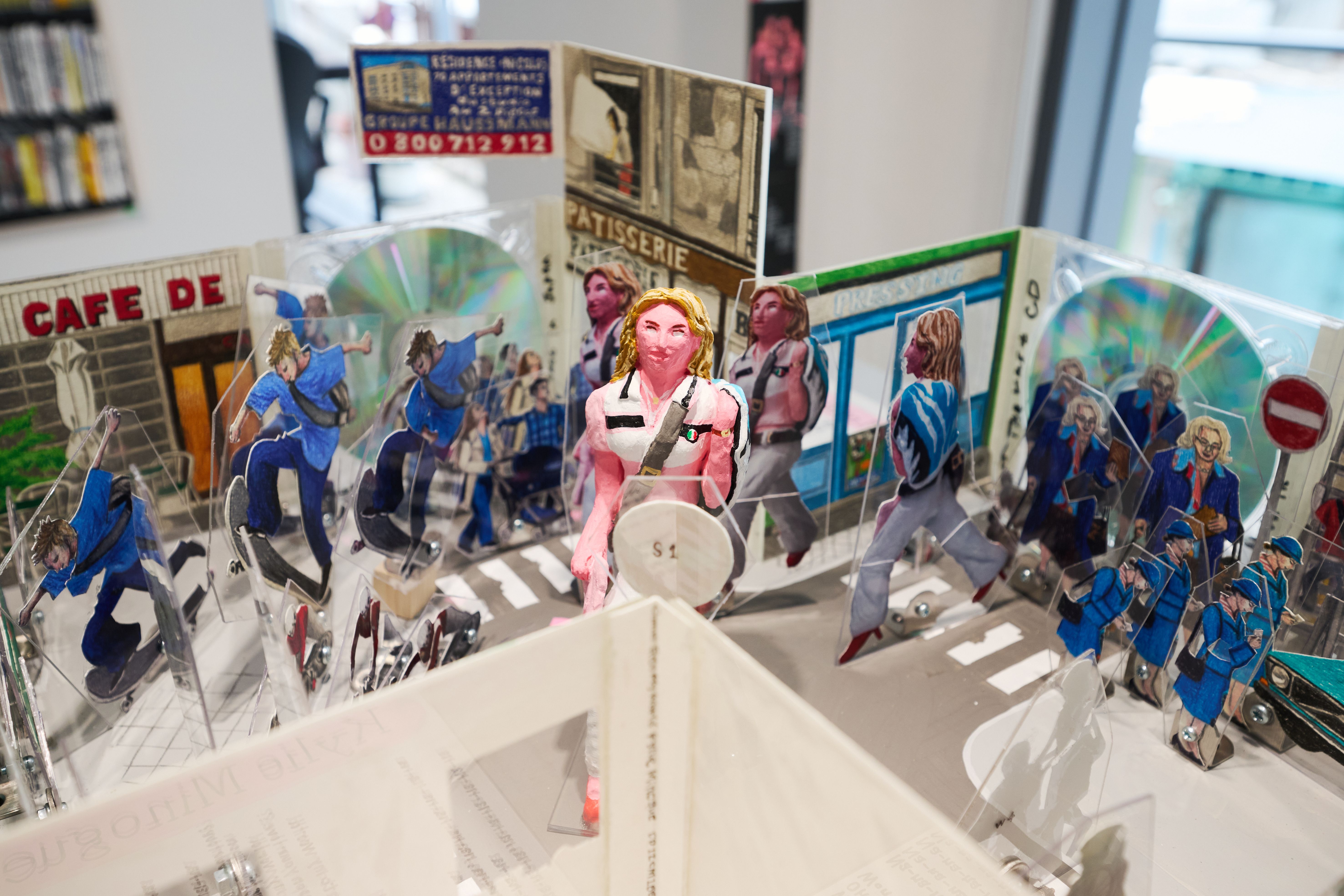
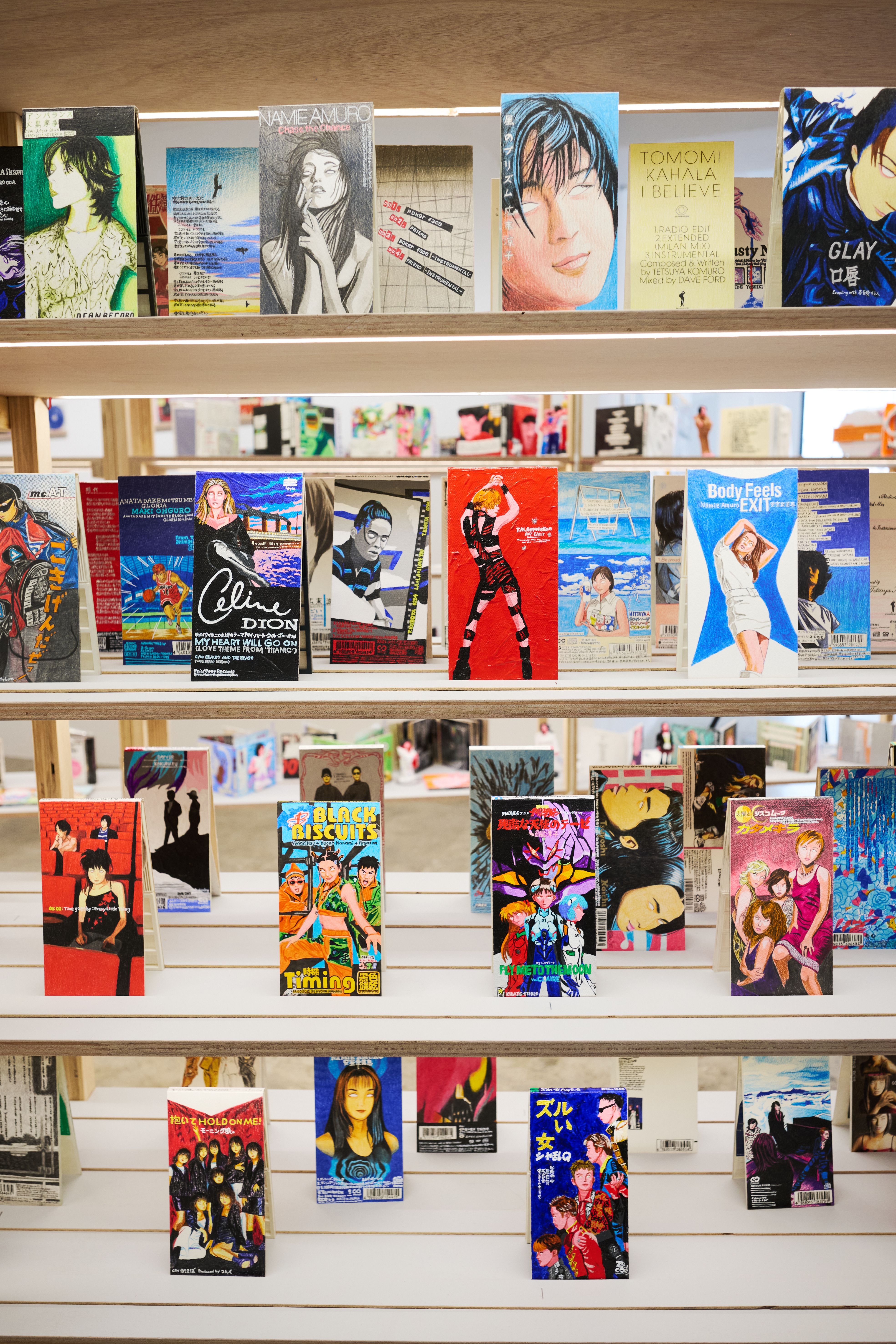
For his solo exhibition, The Last CD, Lee Kan Kyo has painstakingly recreated more than 200 CDs by hand. Every jewel case, booklet and disc has been remade in cardboard and modelling clay, complete with handwritten track lists, while the original CD has been tucked inside each counterfeit album. At times, these replicas give way to more elaborate acts of fan devotion. Kylie Minogue’s Come Into My World (originally released in 2002) became a miniature theatre of layered acrylic figures, while Michael Jackson’s Dangerous (1991), the first album Lee bought, was reimagined as something between an altar and a pre-millennium jukebox. The piece produced in visitors a tenderness, excitement and an intense feeling of nostalgia; seeing the album sleeve was enough to spark a memory of the music it contained.
Opening in Taipei in May (having shown in Tokyo in April), the exhibition swiftly went viral, forging an unlikely bridge between the niche experimental art space and a generation more accustomed to scrolling than gallery-going. A few weeks later, I met Lee in his cramped Tokyo studio, as he prepared the exhibition’s second chapter, expanding the installation in response to questionnaires completed by visitors during its first run. Between stacks of CDs and half-finished sculptures, he traced the origins of an obsessive relationship to pop.

Zian Chen: Given that TheCube is better known for sound art than pop, The Last CD feels extremely approachable. How did the project begin?
Lee Kan Kyo: Three years ago, I completed an exhibition that recreated the world of the DVD rental store, from the discs themselves to the experience of visiting one. Afterwards, I wanted to explore the place that had truly defined my youth: the record shop. It felt fitting that this exhibition is taking place in Gongguan, a neighbourhood once packed with record stores. The one I remember most was tucked away on the ninth floor of an office building. If you wanted to preview a CD, you had to ask the owner to break the factory seal. He would then hand you a portable CD player and a pair of headphones, a very makeshift setup. The whole experience felt wonderfully improvised, and that DIY spirit has stayed with me.
ZC: When did you begin collecting these “last CDs”?
LKK: I owned a huge box of CDs when I was young. Twenty years ago, when I moved from Taiwan to Japan, I left them with a friend. In a way, this project began with his careful stewardship: he’d preserved them in remarkably good condition all those years. Ironically, these CDs have almost no value in Japan any more: they’re often cheaper than old magazines in second-hand shops. But in Taiwan, many people still have a particular attachment to them, especially the 8cm mini CD singles that were popular in Japan during the late 1980s and 1990s. Back then, Japanese editions often came with bonus tracks, so there was a belief that you had to buy the Japanese pressing. To us, those CDs felt like diamonds, and I still remember that feeling.
ZC: You’ve described your method of replication with the phrase: “To draw is to burn.” What does that mean for you?
LKK: It is a way of sampling popular culture through making. For example, the installation based on Kylie Minogue’s Come Into My World recreates the looping scene from Michel Gondry’s 2002 music video, in which each time Kylie walks around the block, another version of herself appears. When I first saw the video, I was completely astonished. I couldn’t understand how such an effect had been achieved. My response was simply to try making that feeling myself—to recreate, through my own hands, the sense of wonder I experienced when watching it. For this exhibition, “to draw is to burn” also extends to the original CDs from my collection. Every recreated album contains the genuine disc inside. I like the idea that each work holds a hidden mystery, and the original CD becomes that secret.

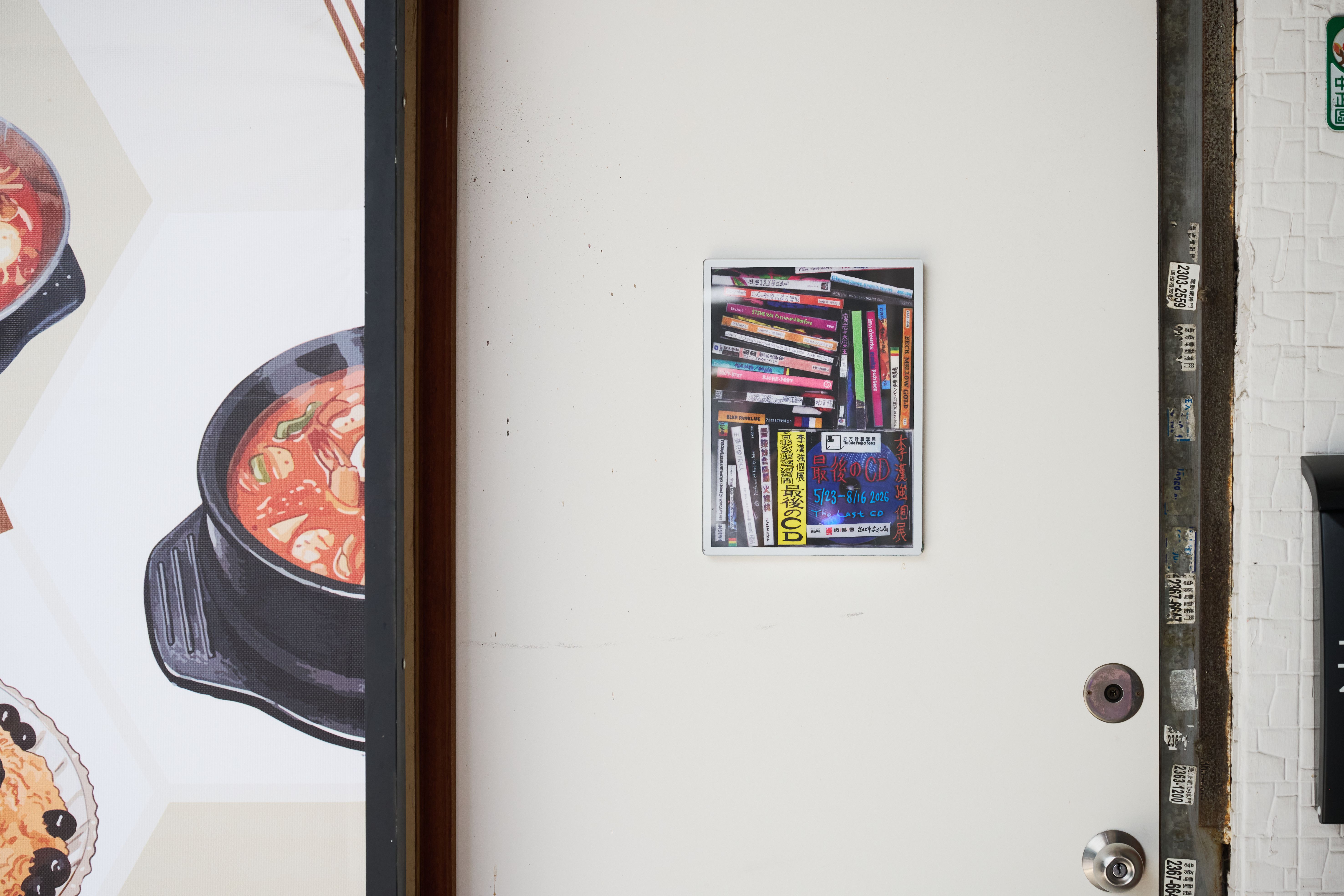
ZC: The Last CD has now been shown in both Japan and Taiwan. Did audiences respond differently?
LKK: In Japan, the materials themselves are familiar: many of the CDs came from second-hand shops near my studio, and audiences tend to read the exhibition through nostalgia. In Taiwan, however, many younger visitors who never experienced CDs first-hand interpreted it as a reconstruction of a 1990s record shop. They were nostalgic not for a memory they had, but for an imagined version of the past.
ZC: At the opening, visitors were asked to complete a questionnaire. Where did that idea come from?
LKK: When I was in middle school, I was obsessed with the Hong Kong music magazine Music Colony Bi-weekly, which featured reviews, new releases, and a readers’ chart where people submitted their favourite songs. I wanted to bring back that experience because playlists are deeply personal—even a little embarrassing. They reveal something honest about who we were. The point isn’t whether someone has good taste, but how the music we loved in the past shaped who we became. For me, it is a kind of coming-of-age archive, built from the songs that accompanied me along the way.
ZC: Which artists have had the greatest influence on your practice?
LKK: When I moved to Japan to study art, I became fascinated by Andy Warhol’s Factory. After graduating, I worked a full-time job but continued making art at night, even hiring someone to work in my studio during the day so I could take over after work. That rhythm, combining a factory-like approach with something deeply personal, has stayed with me. —[O]
Lee Kan Kyo, The Last CD (until 16 August) at TheCube Project Space, Taipei
Main image: Lee Kan Kyo, The Last CD (Regular Editions) (2022–2026) (detail). Courtesy the artist and TheCube Project Space. Photo: Tei Koukei.










A respected voice in contemporary art discourse.
Focusing on ambitious storytelling and insightful art-world commentary. Ocula Magazine publishes in-depth interviews, critical essays and timely analysis on the artists, exhibitions and ideas driving the global art world.
Learn more about Ocula Magazine
Showcasing the best of the art world.
Ocula partners with galleries from around the world to highlight their artists, artworks and exhibitions. Gallery membership is by application and invitation, with each member vetted by an independent panel.
Learn more about Ocula Membership
Specialises in the sale of major artworks.
Led by a team with deep ties to the world’s leading auction houses, galleries and collectors. Ocula’s advisory team offers bespoke services to high-net-worth clients from around the world who are looking to acquire the best of contemporary and modern art.
Learn more about our team and services