





Reel Love
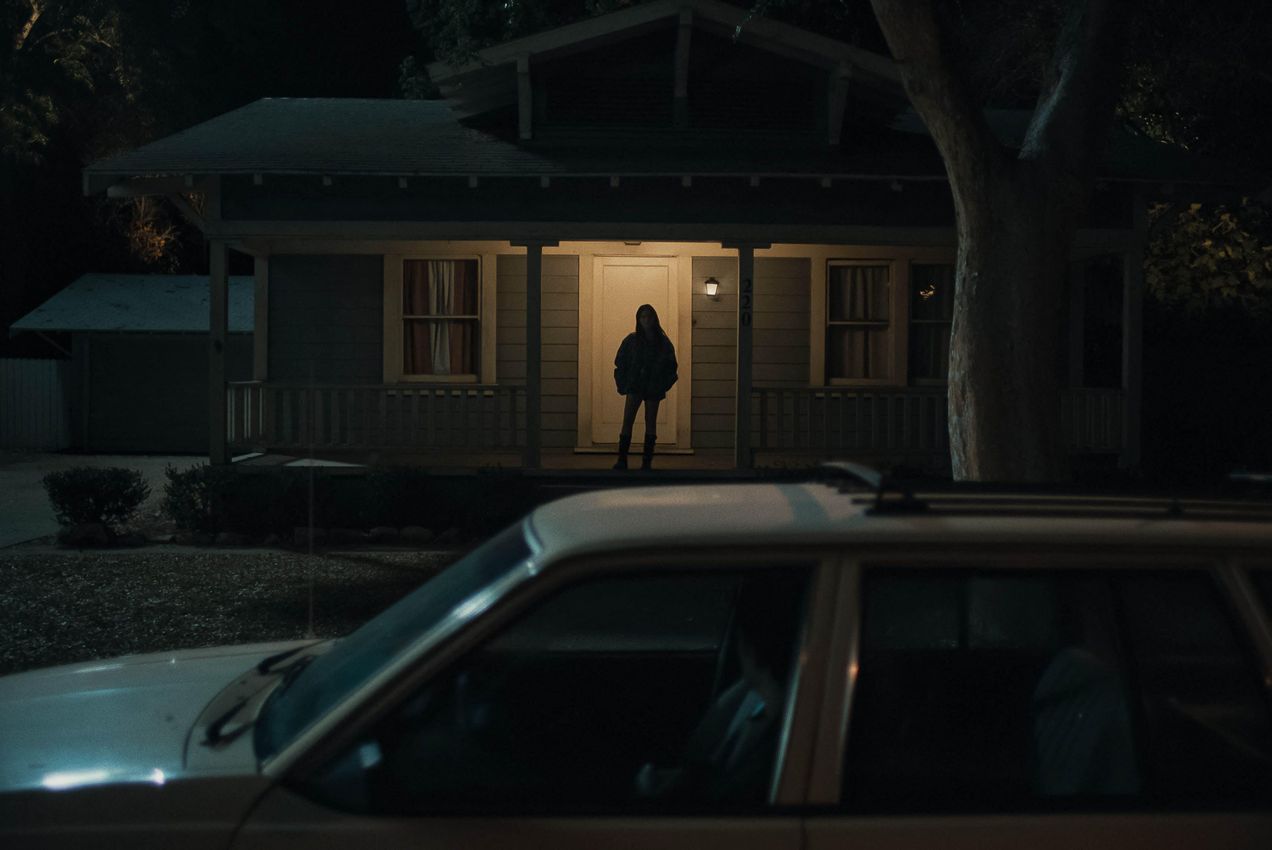
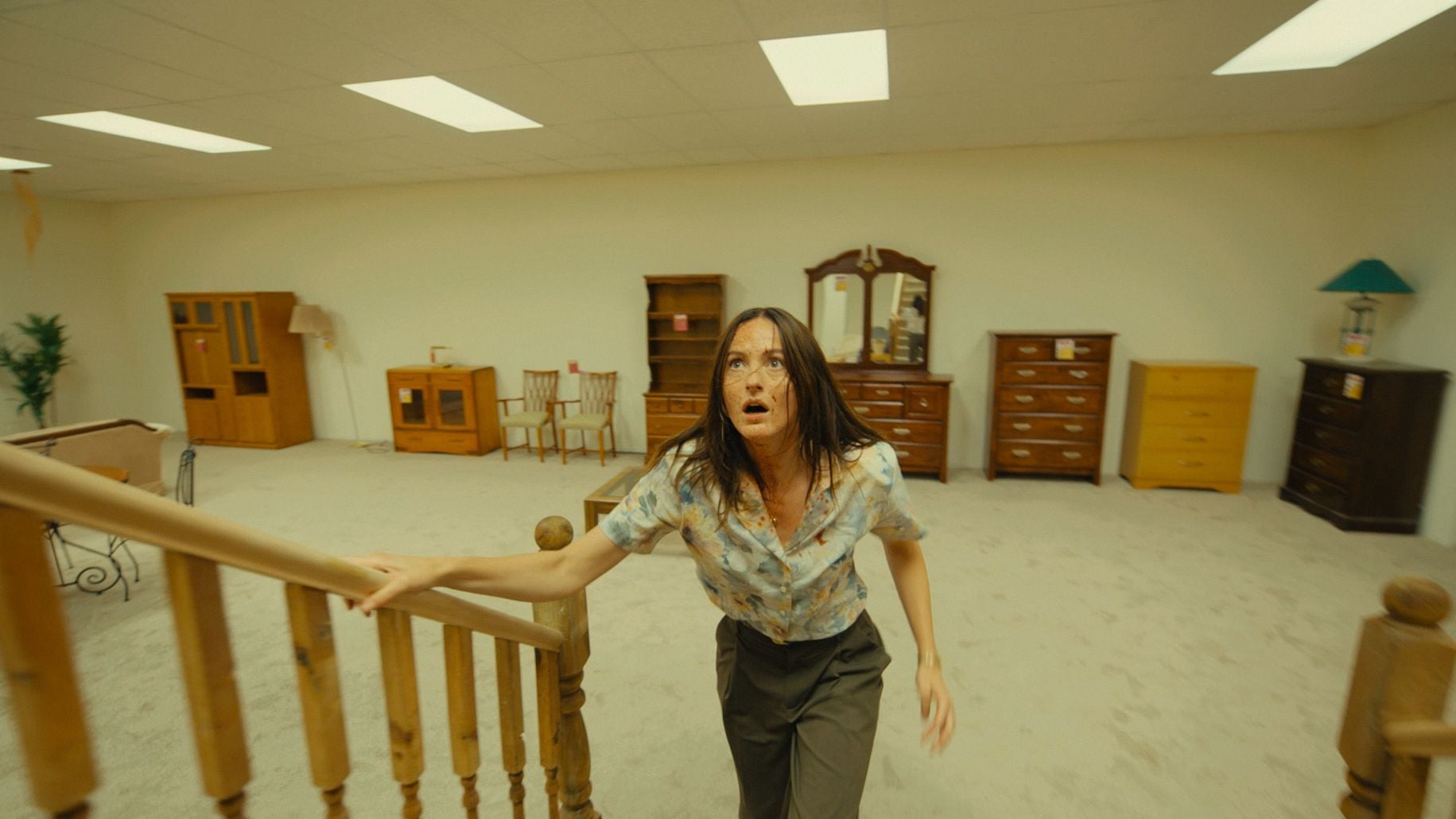
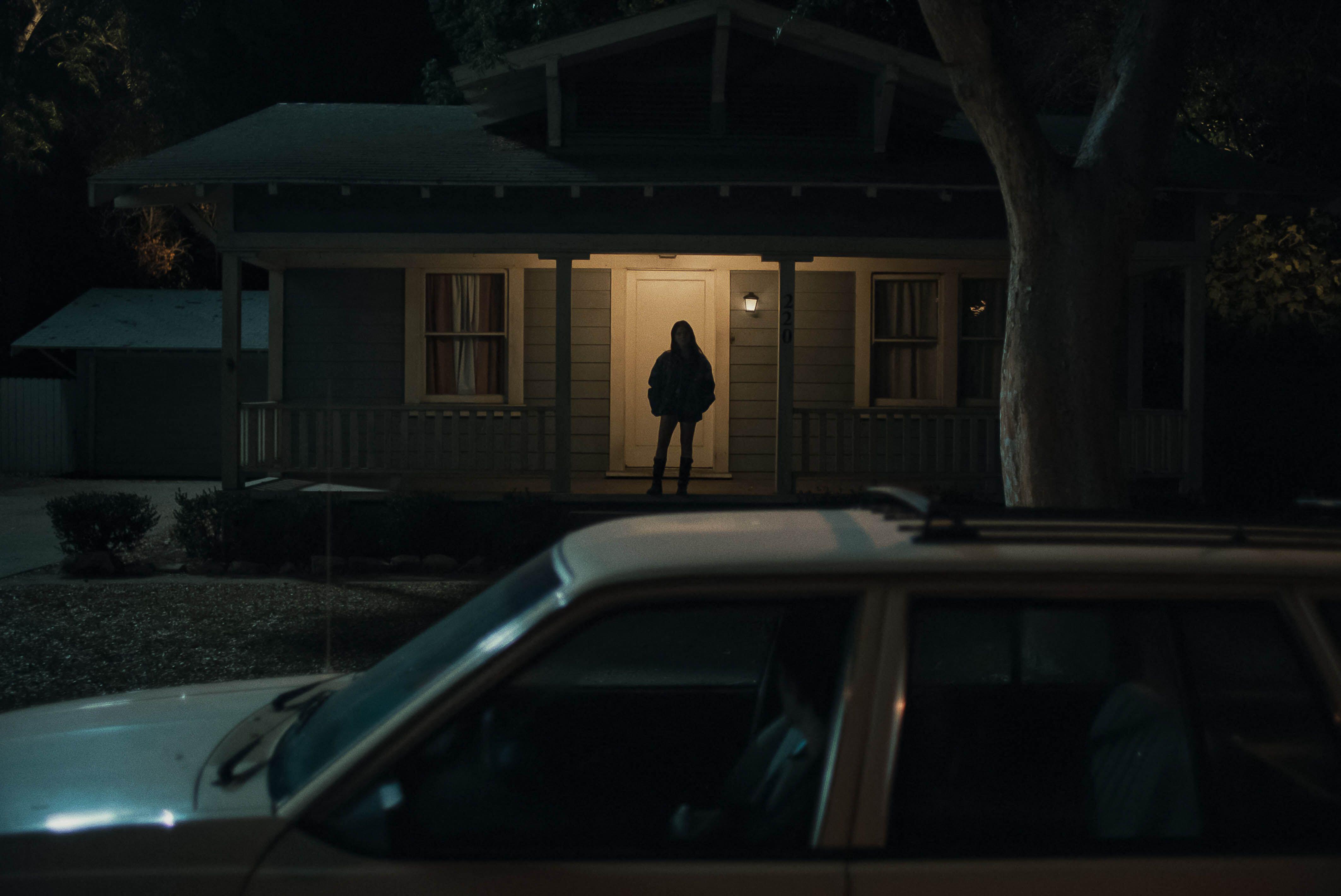
Cinema is experiencing a resurgence thanks to a Gen Z audience fatigued by endless franchises and AI slop. Hollywood and streamers, take note. Save to My OculaIt’s the summer box-office phenomenon that launched a thousand think pieces. In recent weeks, two low-to-mid-budget horror films made by Gen-Z YouTubers briefly dominated global cinema ticket sales, with commentators prophesising a more-imminent-than-expected Hollywood takeover by the young and extremely online. Both Curry Barker’s toxic-romance horror Obsession (2025) and Kane Parsons’ Backrooms (2026), a treatise on the loneliness of liminal spaces, have broken box-office records and brought Zoomers to the cinema, giving the film industry the much-needed post-Covid-19 redemption arc many were hoping for.
The resurgence in cinemagoing among a younger generation is not limited to the latest buzzy release. Many independent cinemas are seeing improved attendance, with auteur retrospectives, thematic repertory screenings and new 4K restorations of classic and cult films proving particularly popular. Amid a nervy, data-saturated and risk-averse cinematic landscape, these shifts are striking.
“When money is a barrier, you are less likely to take a punt on an unknown title”
Earlier this year, Emerald Fennell’s much-maligned, Mills & Boon-coded bonkbuster Wuthering Heights (2026) proved a great litmus test for how both film critics and film-industry tech bros have been failing to read the room. Fennell turned down Netflix’s $150 million distribution offer and its associated Faustian pact which demanded that the film go straight to streaming. Instead, she went for Warner Bros for $70-$80 million, with whom she got her theatrical release. On the day I watched Wuthering Heights in the cinema this February, Variety reported that it had already grossed $151.7 million worldwide against an $80 million production budget. This certainly wasn’t because it had been lauded in the press: the film was widely ripped to shreds by critics. Yet I can assure you that the much younger audience alongside which I saw it didn’t seem to care. It turns out that audiences are not brute forces capable only of liking or disliking, but sensitive instruments that might derive their enjoyment from camp, irony, strangeness, or the purely preposterous.
It’s easy to understand why distributors have been conservative about pushing films to theatrical release. Headlines in 2025 were dominated by big-budget box-office flops. Last year’s biggest disaster, Disney’s Snow White—said to have lost $170 million—was a unique blizzard of bad PR over CGI dwarves, a media conglomerate already edging towards terminal decline, budget-busting reshoots, and the systematic media targeting of its star Rachel Zegler for her openly pro-Palestinian views. While we might not have needed a magic mirror to foretell that failure, other flops were not quite so predictable.
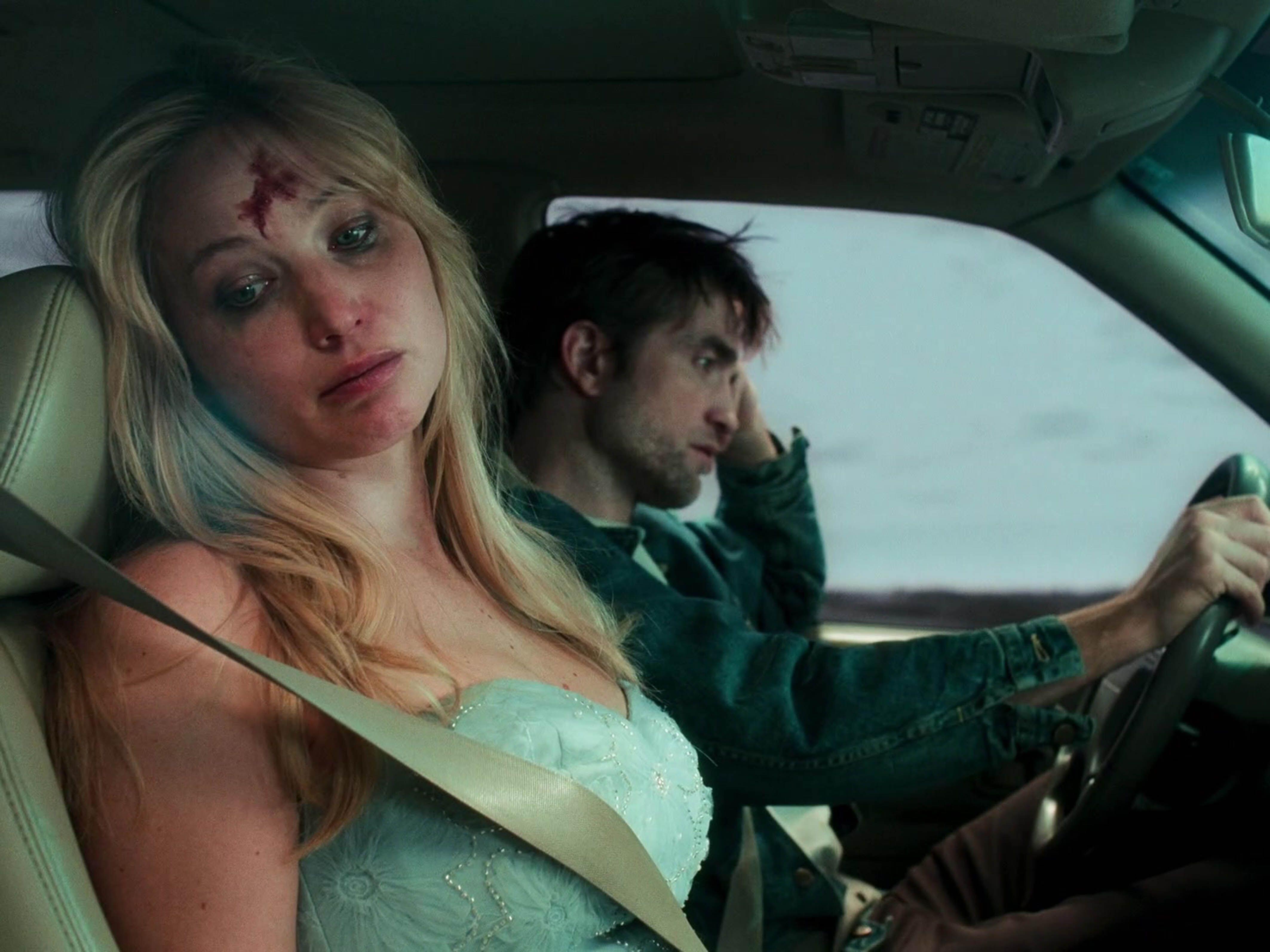
Films that tackled controversial subject matter, made by respected arthouse directors and big-draw actors, all but crashed on opening weekend. After the Hunt, starring Julia Roberts; the Jennifer Lawrence and Robert Pattinson vehicle Die My Love; Oscar-winning One Battle After Another, and Benny Safdie’s highly anticipated The Smashing Machine were just some of the arthouse titles that failed to perform as expected at the box office in 2025. This may partly be because production companies have fallen for the idea that audiences want to see “unlikeable” characters, but—crucially—often fail to make them interesting, too. Viral marketing strategies that seek to flood the algorithm with film stars eating chicken wings or being subjected to lie-detector tests worthy of counterintelligence operations are another cause for fatigue—and ultimately mis-sell the product, which audiences rarely take kindly to.

A cagey political climate, a slimmed-down, post-strike film industry, and a dwindling star system have all been blamed for the fallout. So have vastly over-bloated production and marketing budgets that, to be considered profitable, require a film to take two-and-a-half times what it cost to make, a fate challenging for even the most popular franchises. Meanwhile, as the cost-of-living crisis continues to squeeze audience budgets, waiting for a film to land on streaming—instead of paying for full-price tickets, drinks and transport—is simply more cost-effective. It helps that you sometimes only have to wait a week.
“It turns out that audiences are not brute forces capable only of liking or disliking”
For Netflix’s co-CEO Ted Sarandos, the temperamental nature of ticket sales is enough to call time on theatrical releases. “What is the consumer trying to tell us?” Sarandos said last year at the Time100 Summit, according to a Variety report. “That they’d like to watch movies at home, thank you. The studios and the theatres are duking it out over trying to preserve this 45-day window that is completely out of step with the consumer experience of just loving a movie.”
“Just loving a movie” is not something I can say I’ve experienced on Ted’s platform in some time. Rather—and this is true of much of the digital streaming landscape—the consumer experience is simultaneously one of content overload and underwhelm: of too much to sift through, and nothing at all to watch. Amid the shifting sands of AI slop, franchise fatigue and “ambient TV,” where films are now being crafted specifically for second-screen viewing (repeat the plot point, please, I’m doomscrolling), it’s hardly surprising that people are seeking something different.
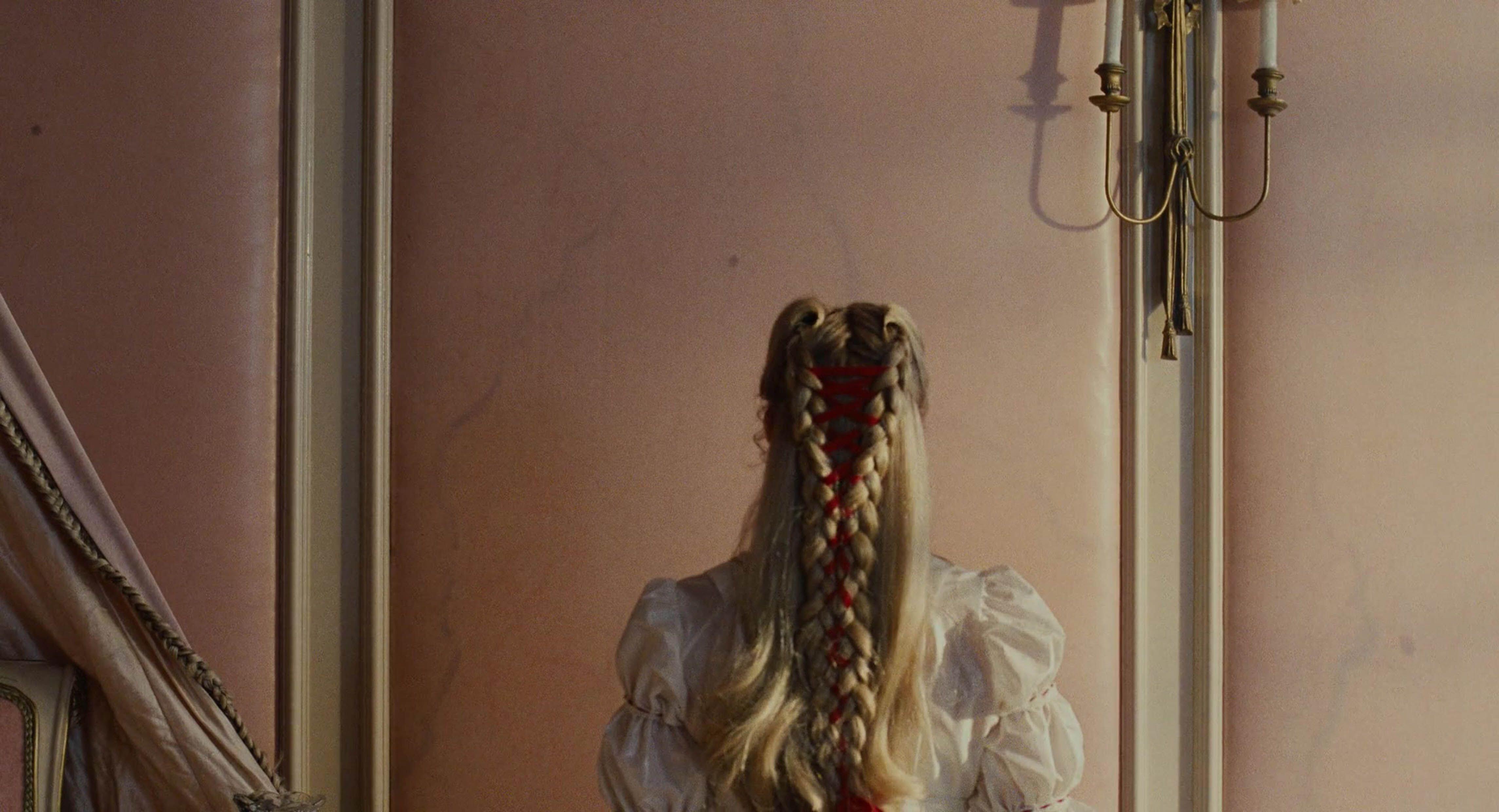
The packed cinemas for Backrooms, Obsession and Wuthering Heights are testament to the fact that audiences do not just want to watch movies at home, thank you. Official figures published by the BFI’s Research and Statistics Unit show that cinema attendance in the first quarter of 2026 is up on last year, though it still has yet to reach pre-pandemic levels. Last year, box office takings in the UK came to £996.8 million, a two percent rise on the year before, while the US and Canadian box office for 2025 finished with a total estimated gross of $8.87 billion, up 1.5 percent on last year.
Event cinema is booming, with audiences seeking collective social experiences in the wake of the Covid-19 pandemic. For example, the tagline “shot with IMAX camera” has become a critical part of the marketing campaign for many big-budget releases—let’s see how the upcoming Christopher Nolan epic, The Odyssey (2026) plays out with this strategy. As well as promising a superior viewing experience, IMAX and other premium screenings are built around scarcity—miss the limited run and you miss out on a moment.
“Audiences do not just want to watch movies at home, thank you”
With younger generations drinking less, the cinema provides a sanctuary for the sober curious. For some, this means prioritising the retrospective over the rave. For others, it means merging the two. In October 2025, the team behind Secret Cinema launched Lost, an immersive nightclub-cum-cinema experience in what was once the Odeon in London’s Covent Garden. It was billed as “a new form of nightlife” merging elements of the club, cinema and art gallery, as well as live music and performance—though it’s debatable whether this is a new idea: during the 1960s, multimedia nightclubs aimed for a total sensory experience. It’s worth pointing out that entry to Lost set you back a rather hefty £25: affordable if you are The Dare, perhaps, but less so the average Gen Z-er currently facing the highest unemployment rate the UK has seen in five years. The old Odeon is due for partial demolition this year and Lost’s fleeting residence is already over, which goes some way to explaining how the economics add up in the face of an otherwise stagnant industry.

Today, the average cinemagoer is arguably more media savvy than they’ve ever been, thanks to the proliferation of social media-fuelled micro-criticism: TikTok, Facebook, Twitter, Letterboxd, Reddit. In good hands, the heated discussions on these platforms prove that criticism is alive—although not always necessarily in good health. In his often-cited Manifesto for a New Cinephilia (2019), American film critic Girish Shambu compares the auteur-focused, post-war cinephile with the modern-day iteration that seeks to “multiply a diversity of voices and subjectivities, and a plethora of narratives about cinephilic life and experience”. This appreciation, he argues, lives as comfortably on the internet as it does in real life. This is not unlike art historian Claire Bishop’s description of hybridised spectatorship in the art world, which she describes in 2024’s Disordered Attention as “both present and mediated, live and online, fleeting and profound, individual and collective”.
These days, even watching films at home does not imply a solitary encounter: virtual watch parties, which sprang up during the Covid-19 pandemic, continue to make home viewing a collective experience, while streaming platforms garner the occasional water-cooler online premiere. In return the theatrical event is Instagrammed, recorded, and logged on Letterboxd. On Letterboxd, which launched in 2011, watch lists celebrate the marginal or highlight new classics. But the social media platform has also gamified film-watching: the app logs how many films you’ve viewed in a year, as well as the percentage of a director’s work you’ve seen, fuelling the quest for cinephilic completism and encouraging more adventurous cinemagoing.
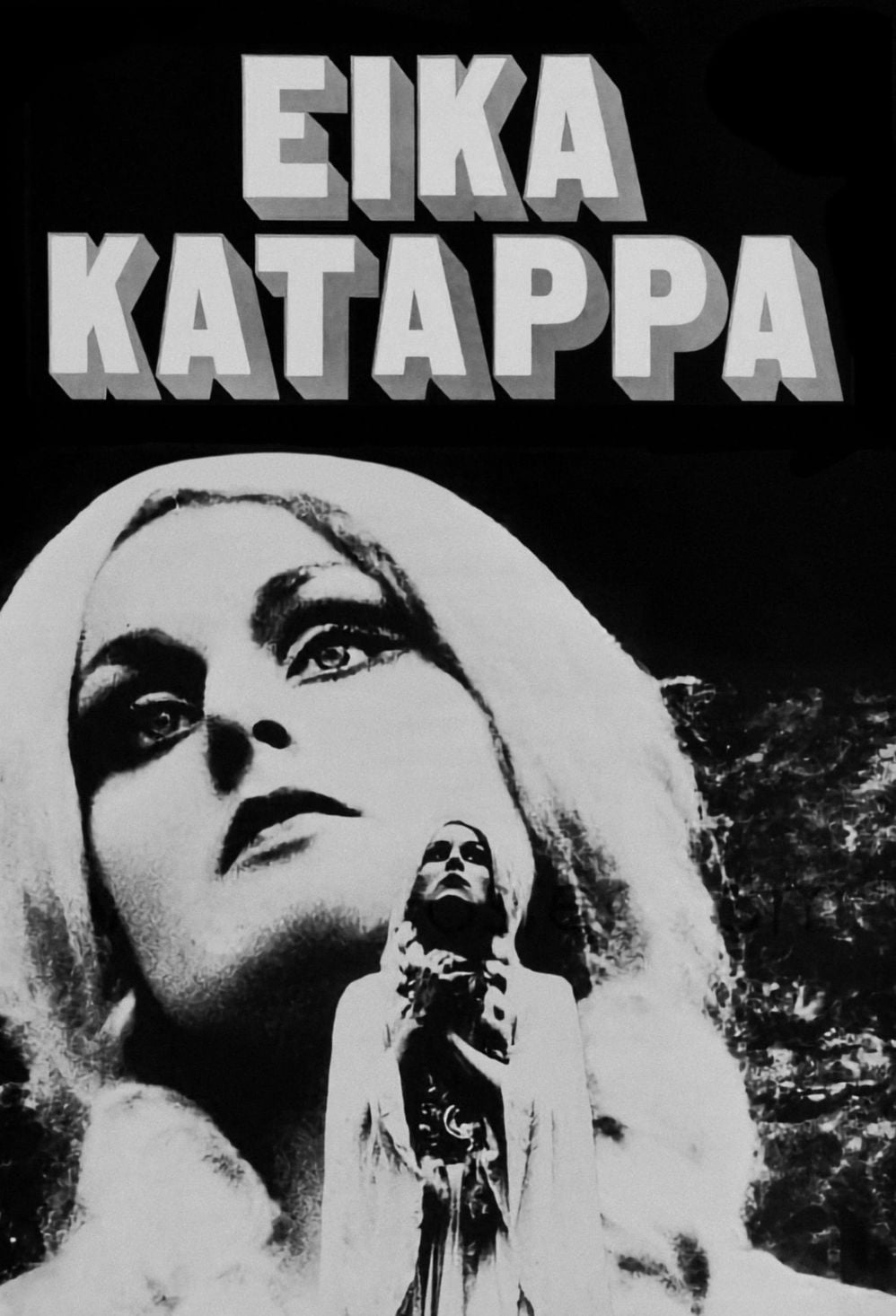
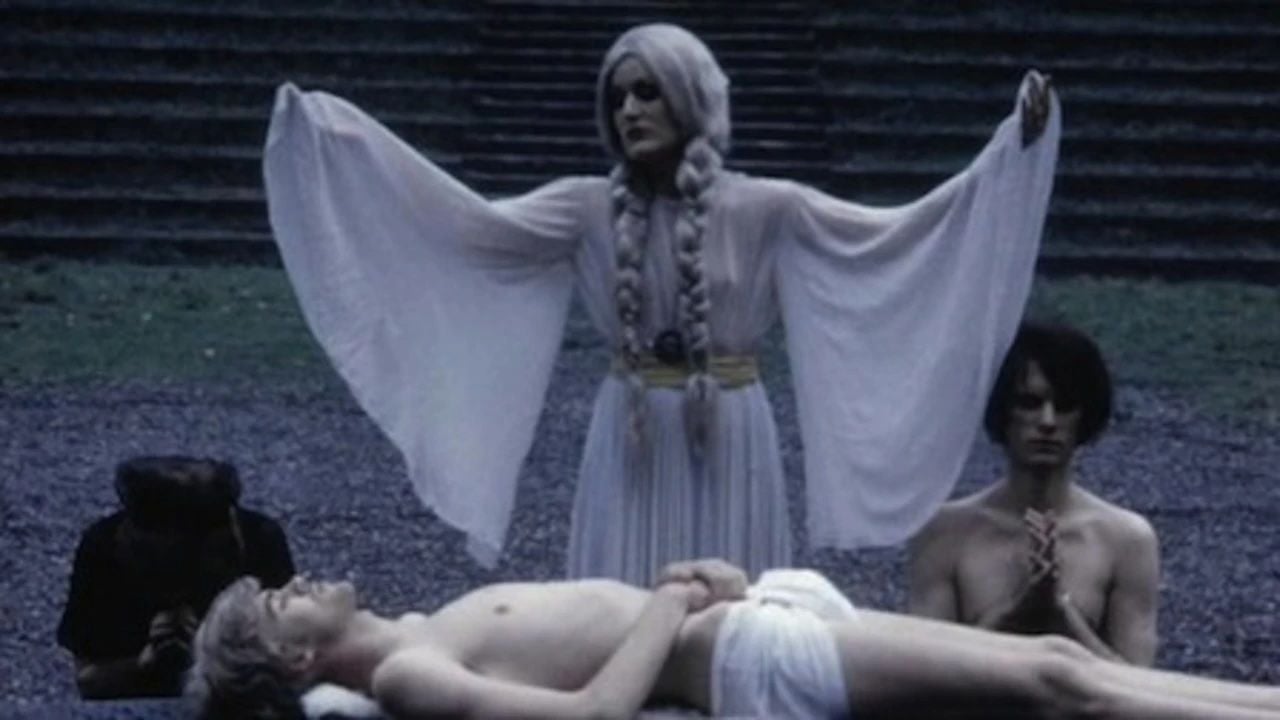
This call to explode the cinematic canon is being fuelled by younger audiences whose tastes have been nurtured and developed by social movements, calls for widening representation, and the online miasma of plenty. Much of this grew in lockdown, when calls for change rang loudly and streaming subscriptions snowballed. On a rainy day in February, I joined a long queue running out of the door of London’s Institute of Contemporary Arts for the opening night of a retrospective of German filmmaker Werner Schroeter. Eika Katappa (1969), his first feature, might seem an unattractive proposition to the uninitiated: a two-hour-long drama featuring actors lip-syncing to Maria Callas in multiple languages, shown without subtitles according to the director’s wishes. Yet the auditorium was full.
The screening was part of a wider ongoing series called Long Takes, which the ICA launched in 2024. Having spotted a gap in the market for long-form, in-depth retrospectives of major alternative film artists, both past and present, Long Takes shows a filmmaker’s body of work, where possible, in its entirety. “There really is an audience, and it’s primarily young,” ICA programmer Daniel Turner tells me. “We felt there shouldn’t be this distinction between contemporary and repertory cinema. It insinuates that taste is static and doesn’t change, and that cinema is a museum artefact to be looked at, rather than a living thing.” London’s cinemas are not alone in this: to take three examples, Brussels’ CINEMATEK, Madrid’s Cine Doré, New York’s Metrograph all host lively and multi-generational repertory screenings—it helps that tickets are heavily subsidised. Unsurprisingly, a common factor shared by these cinemas is affordable ticketing. When money is a barrier, you are less likely to take a punt on an unknown title.
As it turns out, all the viewing data, eyeball tracking, and review surveillance information in the world cannot properly account for people’s changing tastes as well as their rich and complex relationships to cinema. Gen Z’s mode of viewing is fundamentally hybrid yet ultimately informed by human curation, community belonging, and organic word of mouth. Instead, film studios have largely failed to anticipate an audience’s desire to be exposed to something new, undervaluing the expanded, risky and ambitious reach of cinephilia in the age of the internet. —[O]
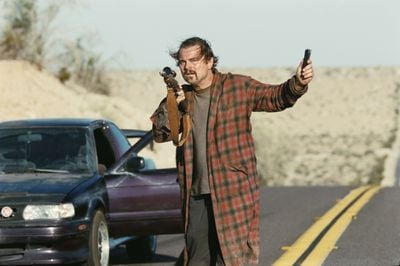
Main image: Film Still: Obsession (2026). Courtesy TCD/Prod.DB.









A respected voice in contemporary art discourse.
Focusing on ambitious storytelling and insightful art-world commentary. Ocula Magazine publishes in-depth interviews, critical essays and timely analysis on the artists, exhibitions and ideas driving the global art world.
Learn more about Ocula Magazine
Showcasing the best of the art world.
Ocula partners with galleries from around the world to highlight their artists, artworks and exhibitions. Gallery membership is by application and invitation, with each member vetted by an independent panel.
Learn more about Ocula Membership
Specialises in the sale of major artworks.
Led by a team with deep ties to the world’s leading auction houses, galleries and collectors. Ocula’s advisory team offers bespoke services to high-net-worth clients from around the world who are looking to acquire the best of contemporary and modern art.
Learn more about our team and services