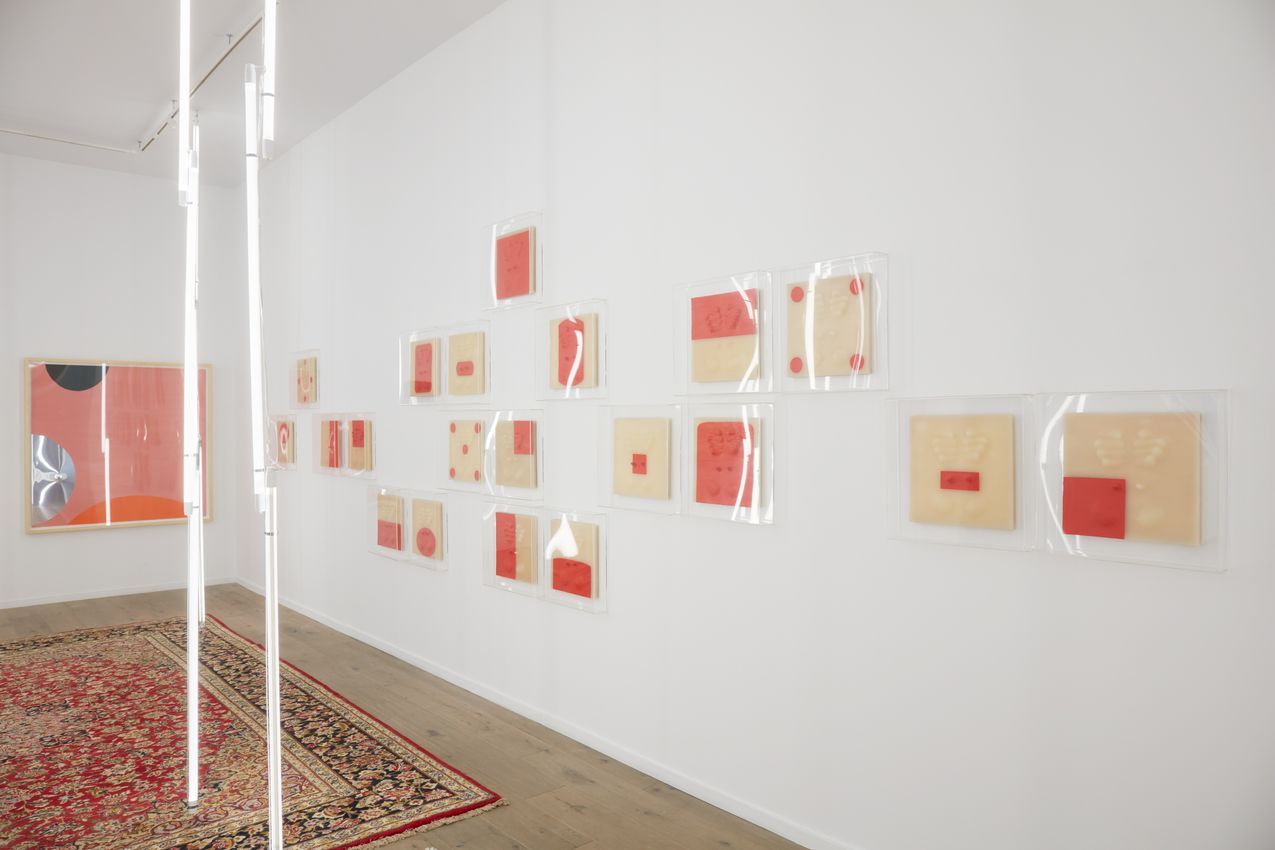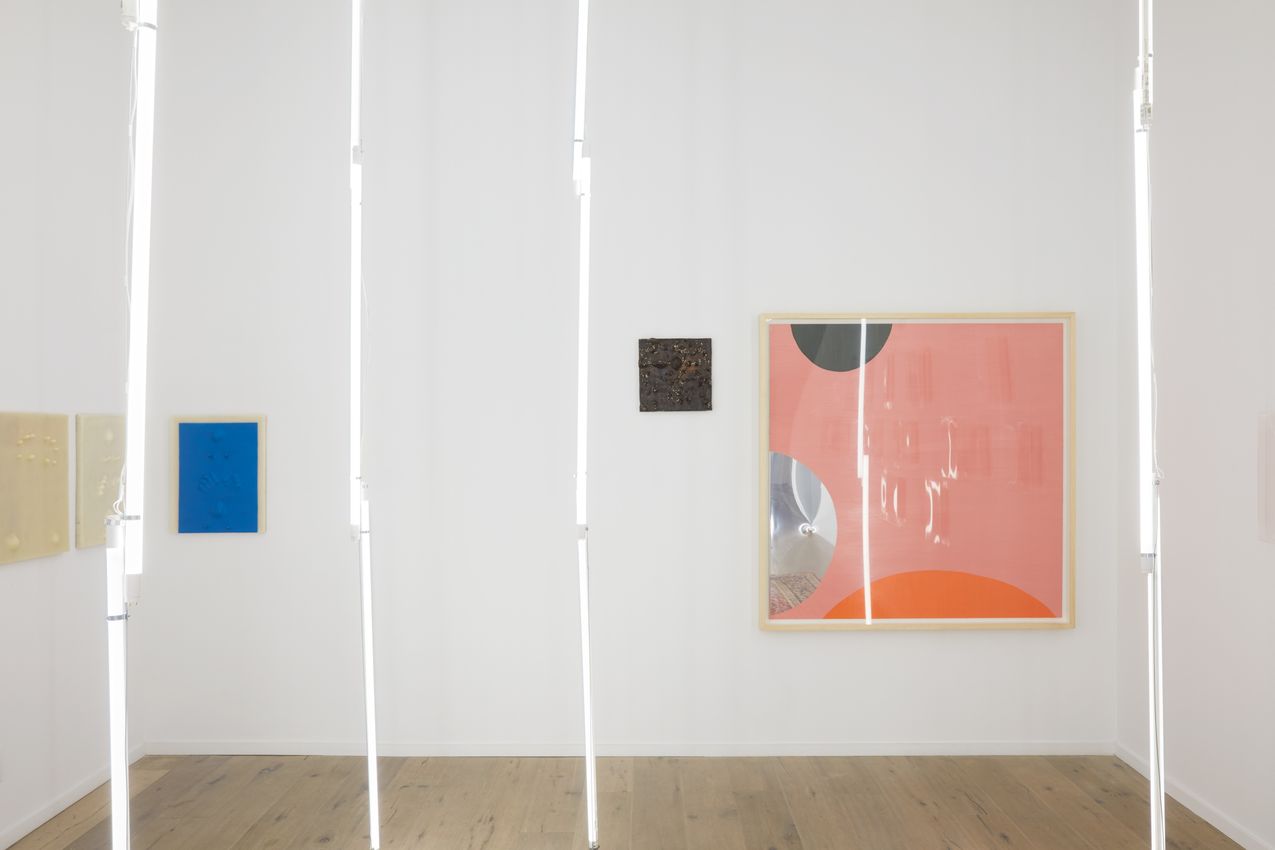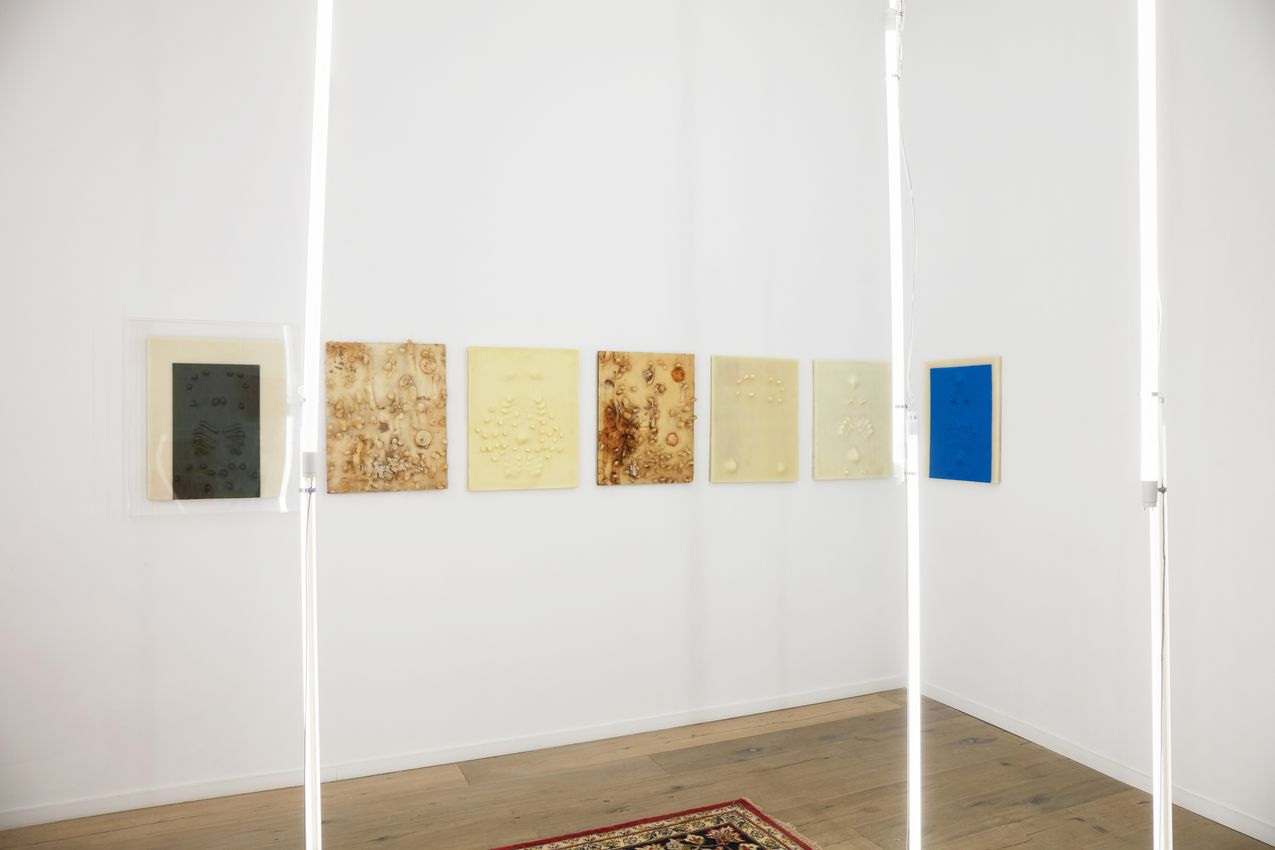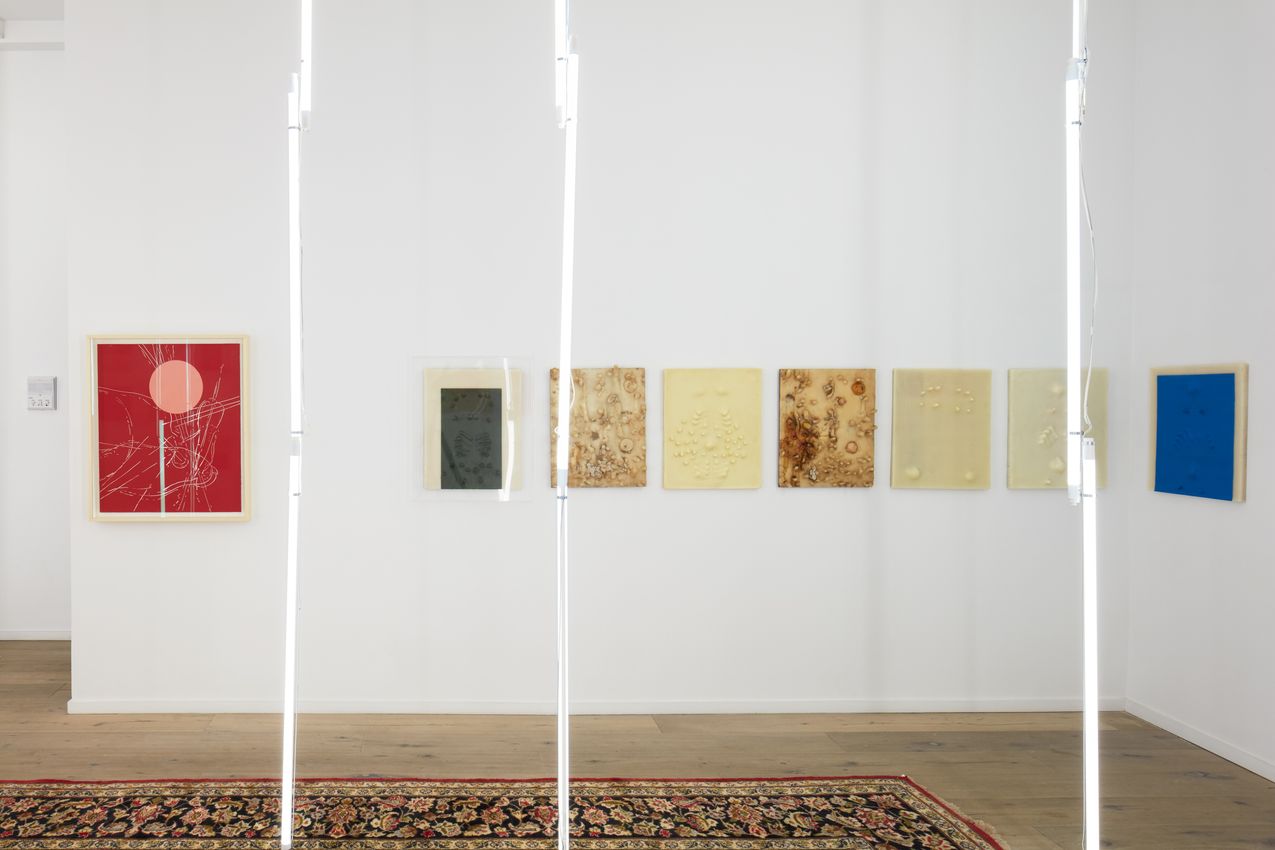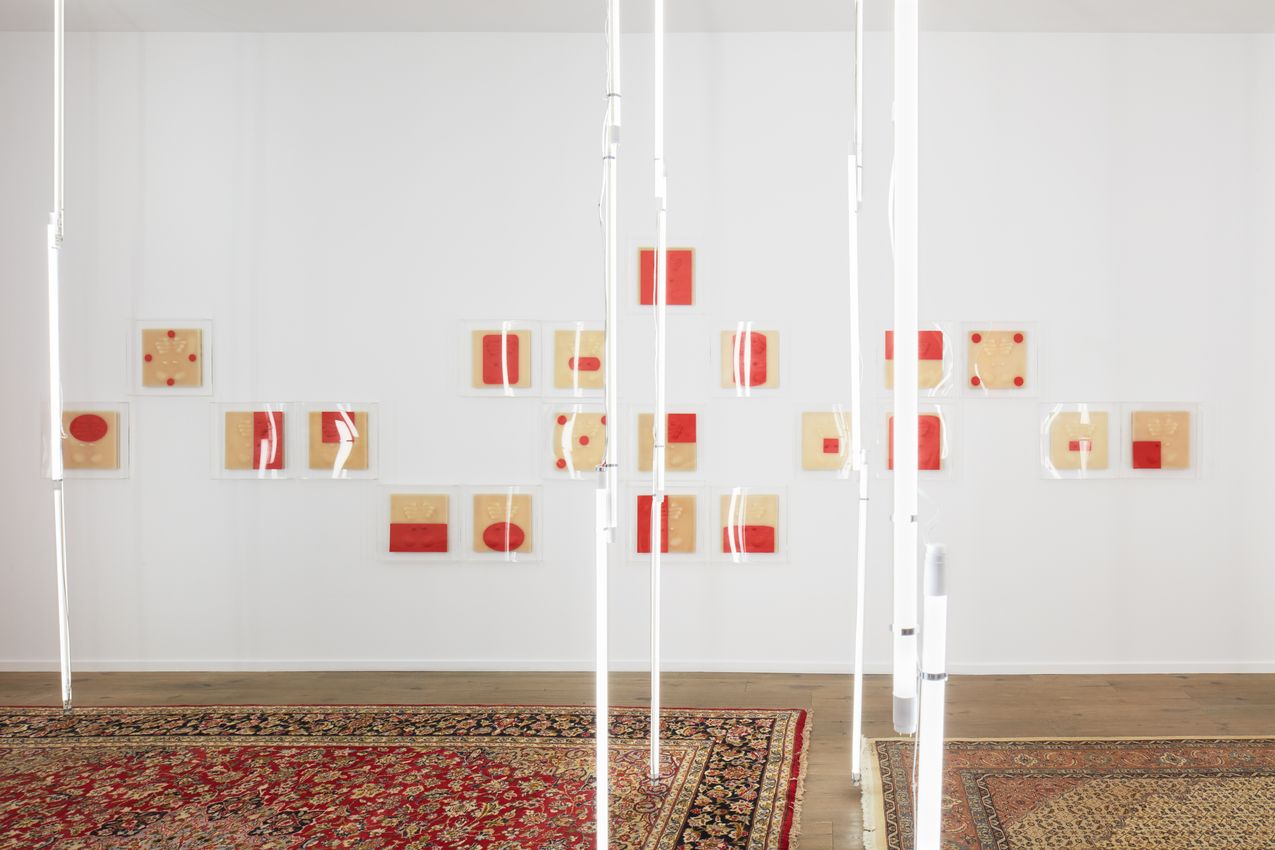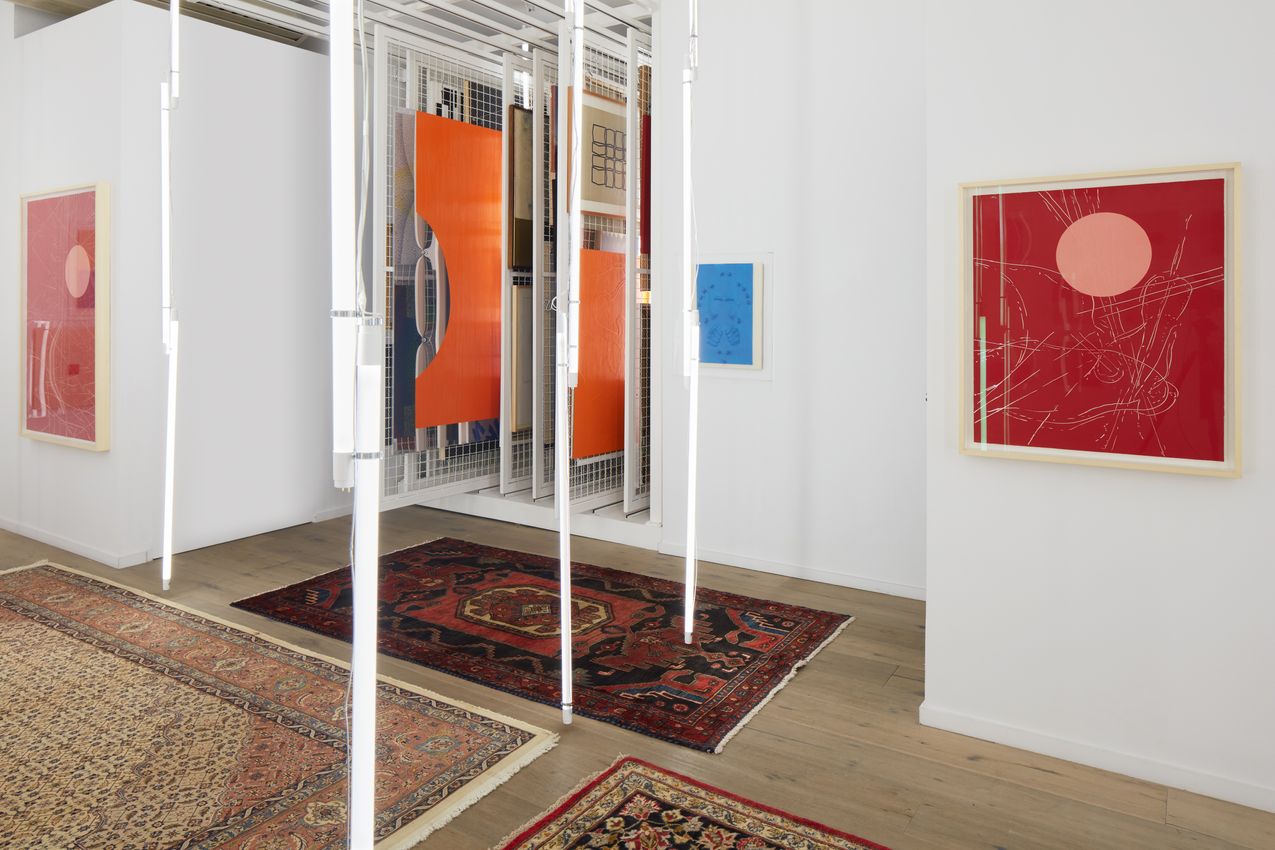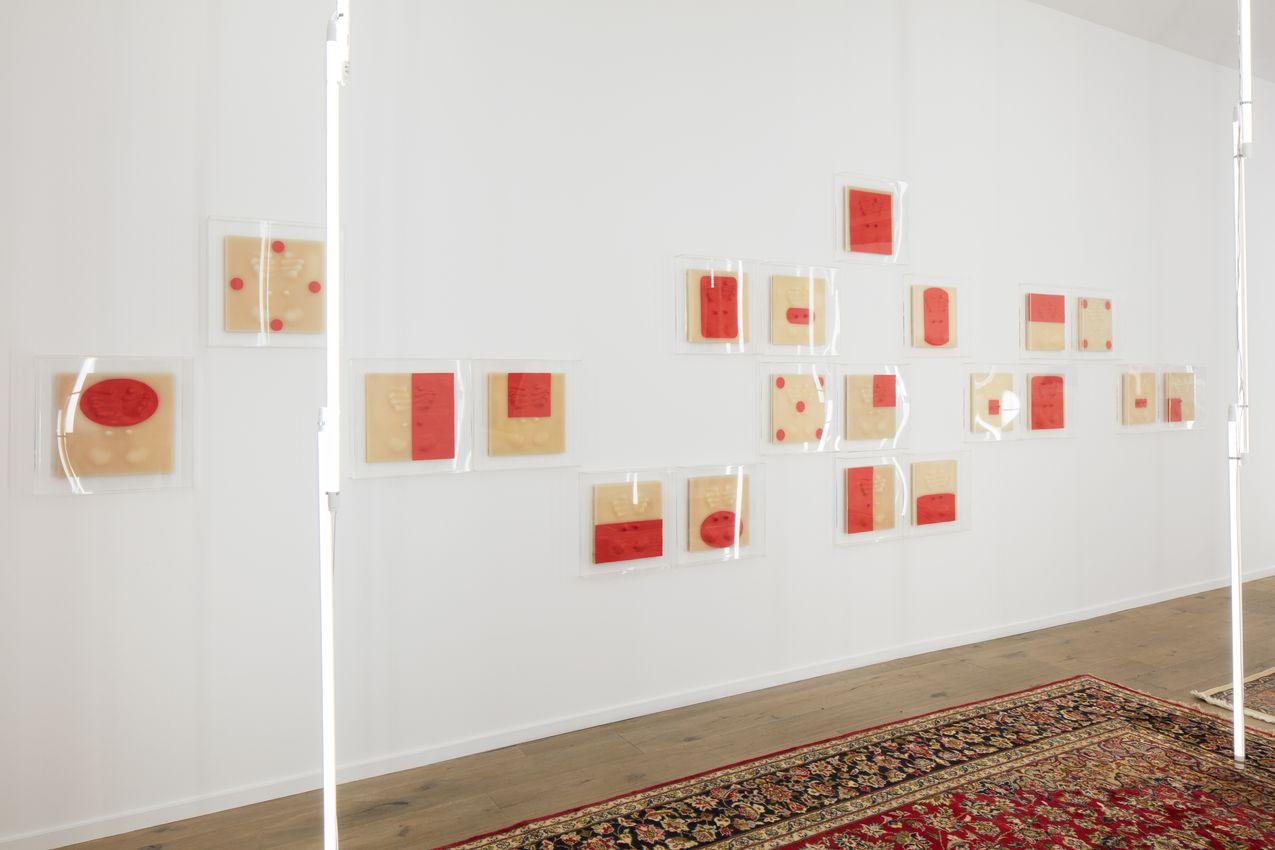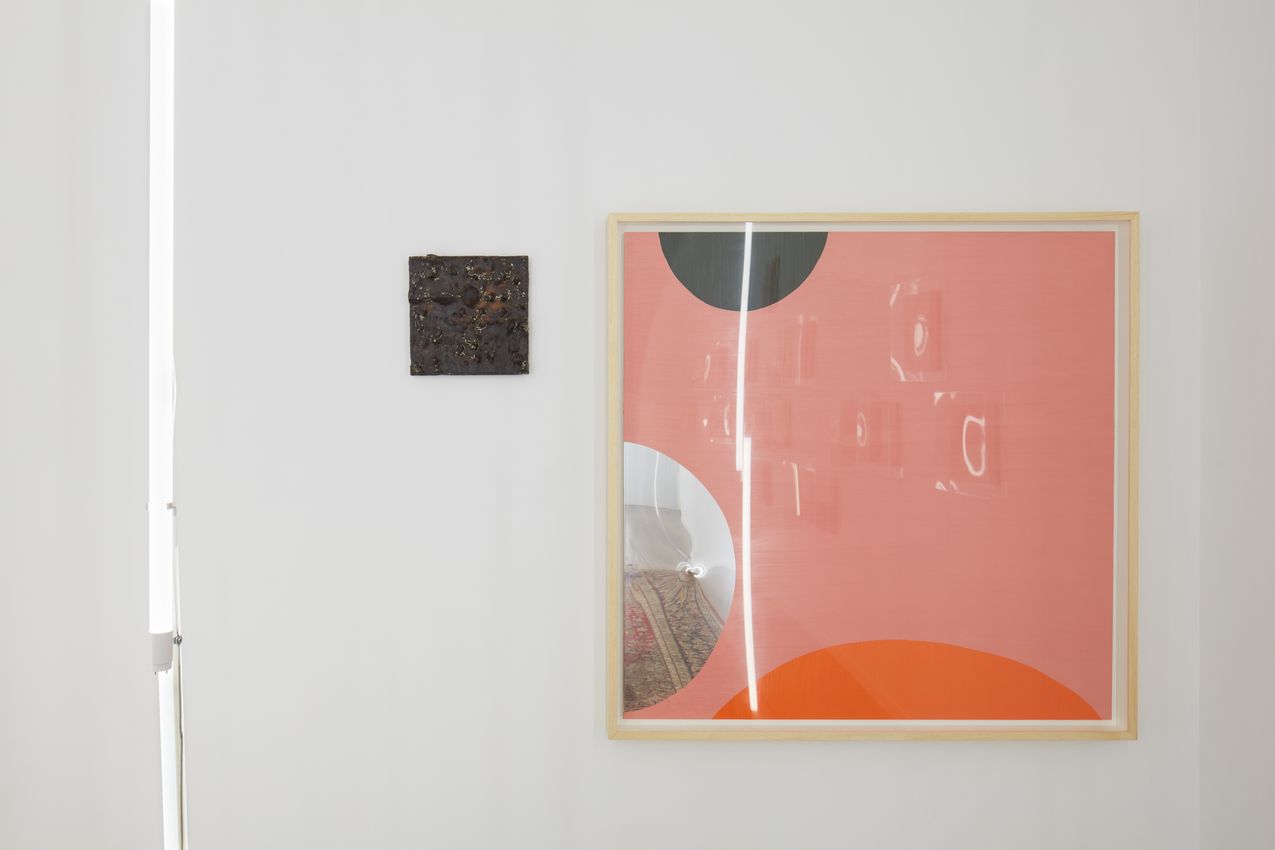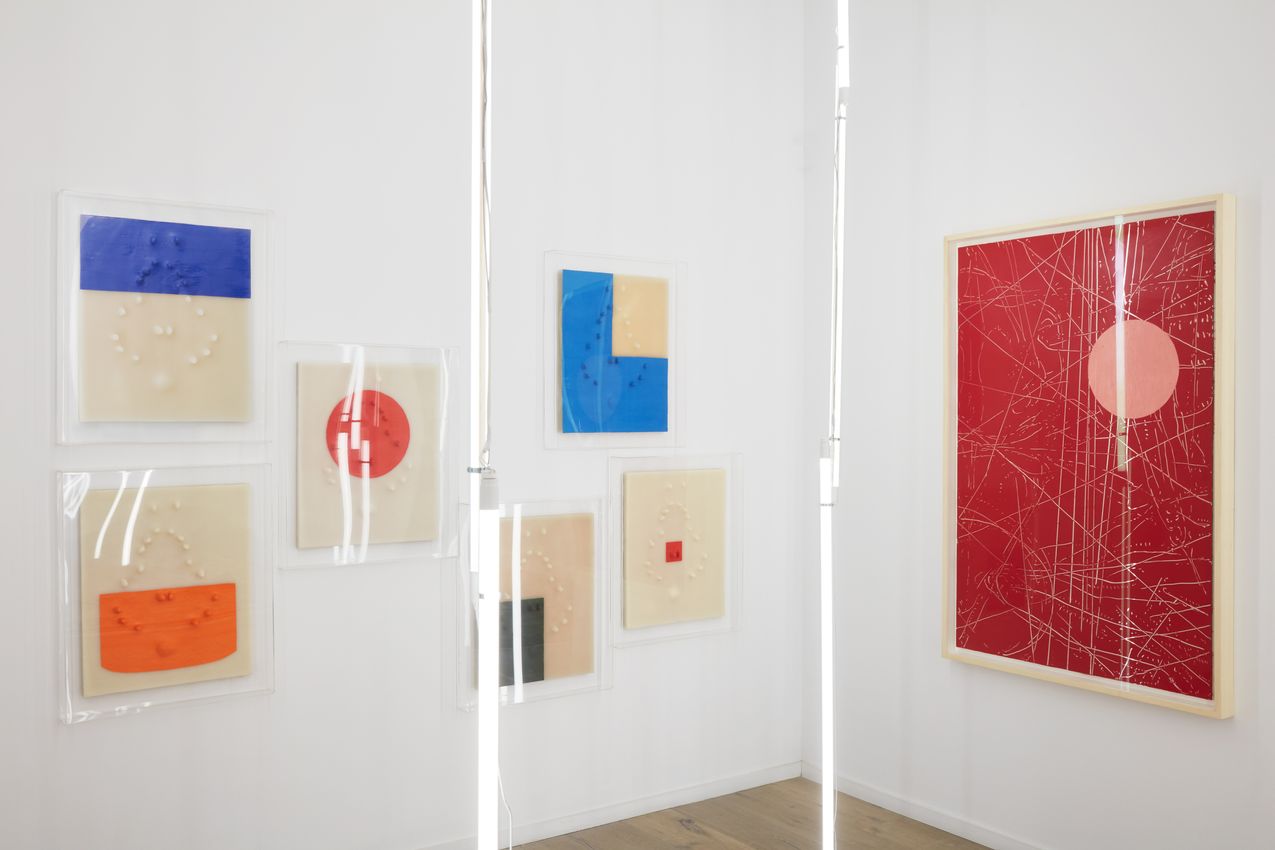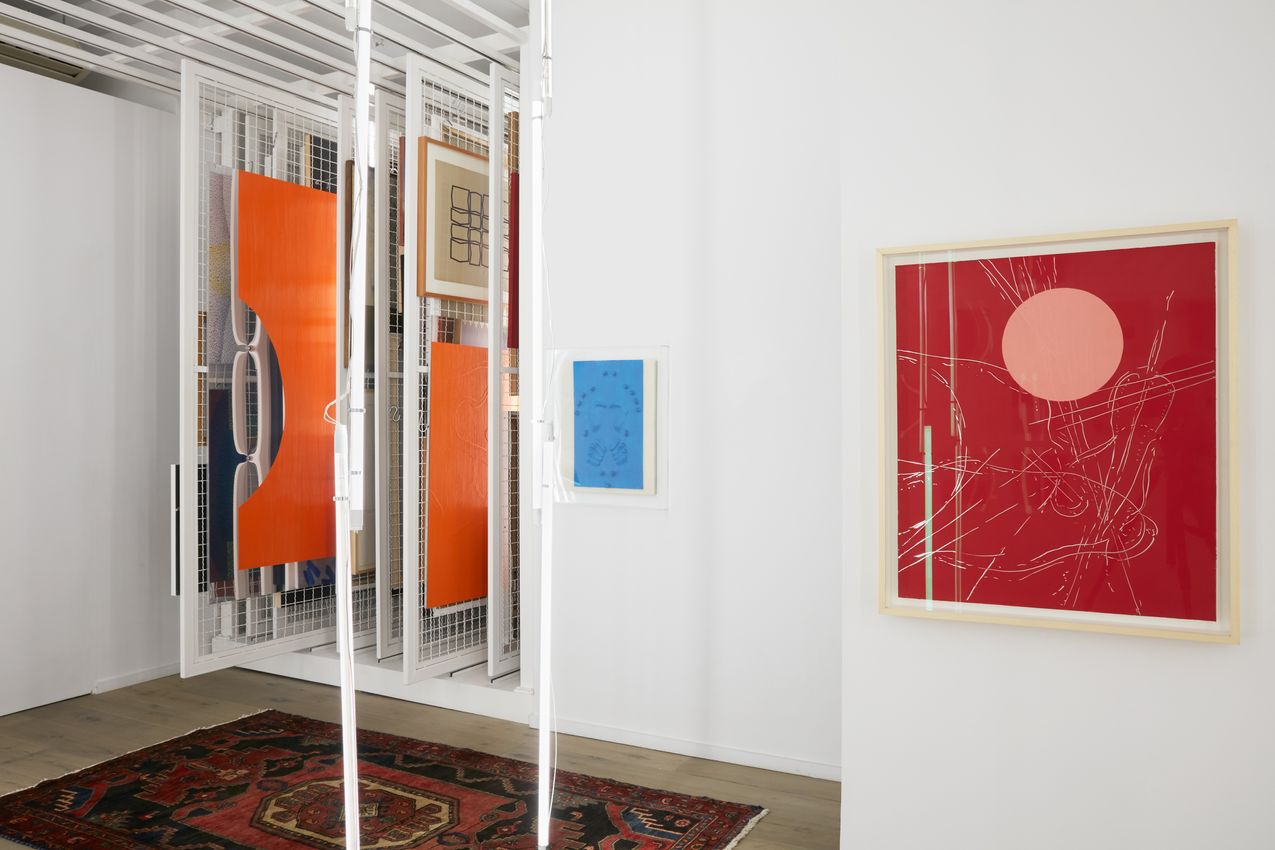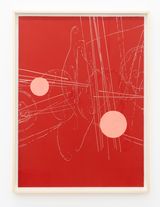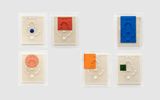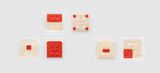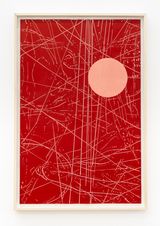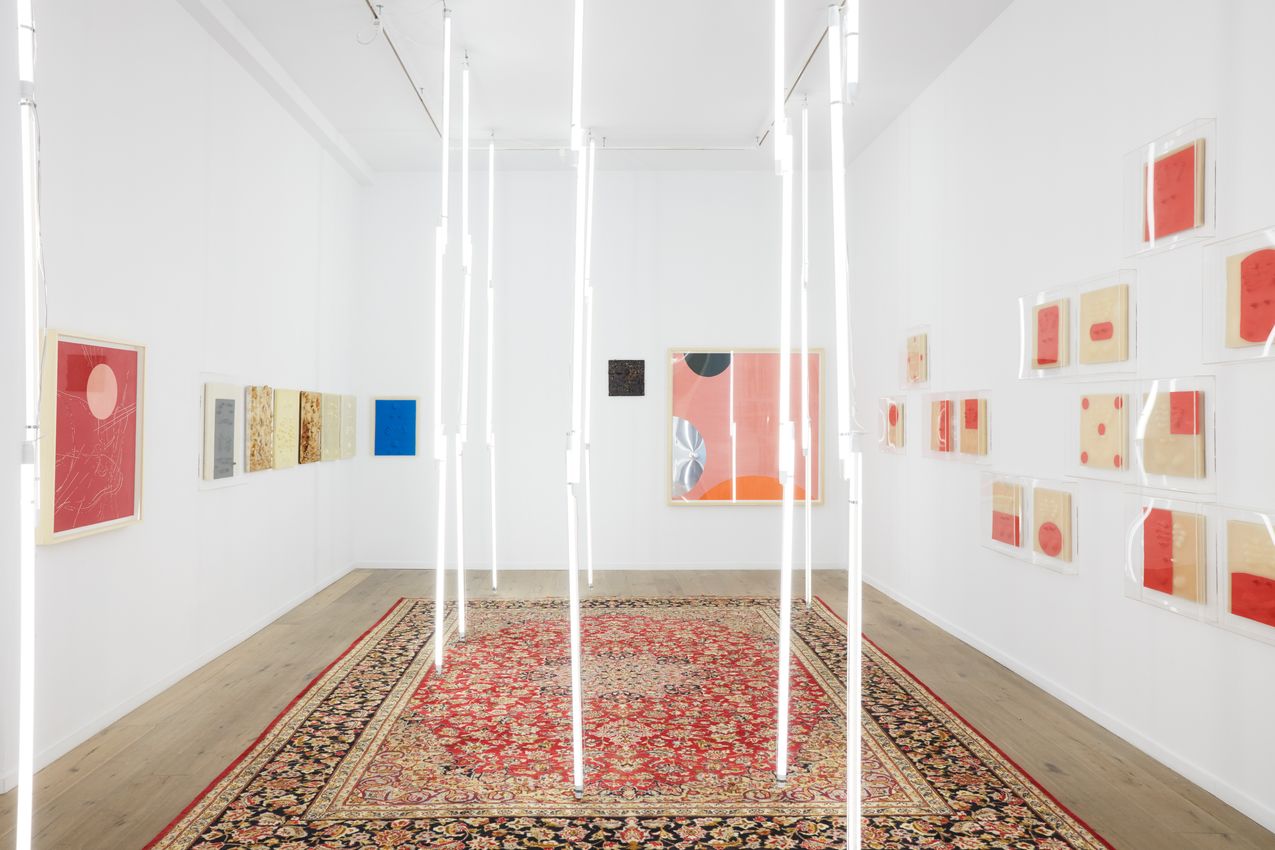
Galeria Nara Roesler | New York is pleased to present I Want to be Like You, an exhibition featuring a selection of works by Carlito Carvalhosa produced in the 1990s and after 2015, that aspire to be territories of both tension and dialogue.
‘How did I end up here?’ and ‘What brought me here?’ are some of the questions that Carvalhosa raises about his path as an artist. For him, being an artist has never been about following a preconceived route: ‘It was something that gradually happened’, he explains. However, Carvalhosa’s trajectory cannot be told in linear terms of cause and effect but rather through uneven paths, where elements can disappear and reemerge after a time gap.
‘The idea was to take works from the 1990s and revisit them in order to create pieces that are a copy of something I have already done, but with a significant time difference between them’, explains the artist, adding that ’[...] it is this challenge which makes the exhibition interesting—it is a place where things clash and, although they narrate different subjects, they can communicate amongst themselves’.
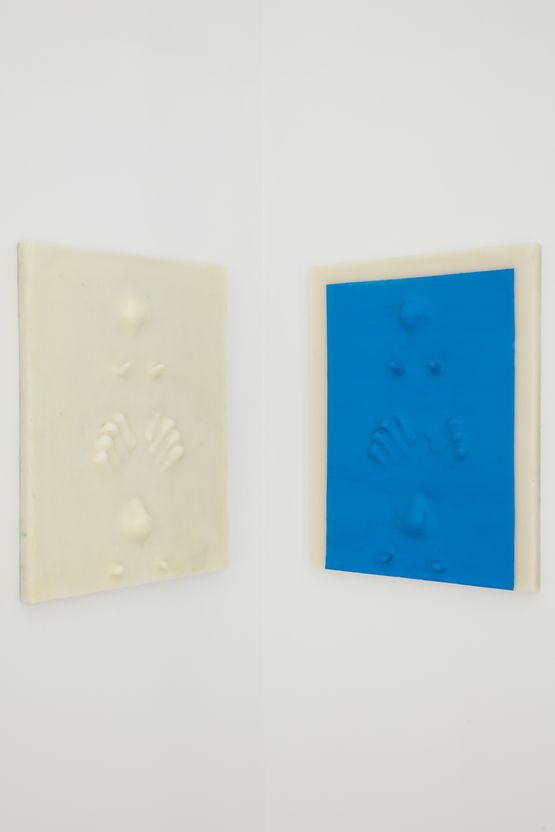
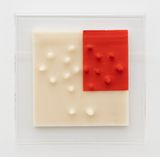
In his early wax works the research was centred on the possibilities of light in opposition to the creation of opaque zones, via the overlapping of layers of wax, resin and paraffin. Over time, colouration and creases on the surface of the artworks became indexes of their lifetime. Whereas in his recent practice, the use of colour and the tension between painting and sculpture became more prevalent.
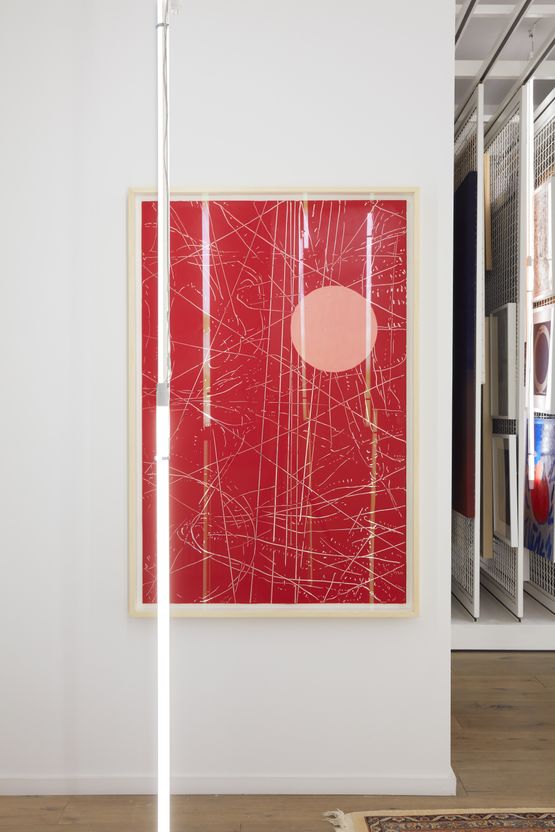
In regards to the works on mirrored aluminium, Carvalhosa points to the fact that the canvas is the place where things are projected, while the mirror does precisely the opposite, unleashing a sense of disquiet that interests him. We normally expect mirrors to be pristine surfaces that perfectly reflect their surroundings. Meanwhile, Carvalhosa paints what isn’t expected to be painted: ‘The mirror does not exist, it has a sort of tension that the painting erases. The painting ends up being nowhere. It floats’.
A sculptural inclination for testing the malleability of materials is a seminal aspect of the artworks in I Want to be Like You. In the wax objects, for instance, we can observe traces of the artist’s manipulation whilst we note hammer marks on the mirrors. ‘Without the marks [the mirror] is mere reflection’, states Carvalhosa. ‘In turn, with the use of wax, which has formal qualities that are almost the opposite to mirrored aluminium, tools are not necessarily required, since you can use your thumbs and fists to handle the material, creating impressions that are subsequently covered with spots of paint.’
A concern with the surface is recurrent in Carvalhosa’s artistic trajectory, expressing ‘the impossibility to feel a surface with no thickness or, conversely, to unambiguously guess an object’s volume by looking at its surface’, as explained by critic Lorenzo Mammi, is recurrent in Carvalhosa’s work. After almost two decades, it is the artist himself who observes that in his works, what we see is not what we touch, and what we touch is not what we see. ‘A series of intertwined signs make the work stand for, not only for what is inside, but also for what is around it and what is the relationship between works.’ Carvalhosa also mentions the presence of an ‘image brutality and painting sophistication that generate a strange friction: the surface starts to vibrate’.
Recognised widely throughout Brazil, Carlito Carvalhosa emerged in the Brazilian art scene in the 1980s as a member of the São Paulo based collective Grupo Casa 7, alongside Rodrigo Andrade, Fabio Miguez, Nuno Ramos, and Paulo Monteiro during this period of time, he produced large paintings with an emphasis on the pictorial gesture.

Founded in São Paulo in 1989, Galeria Nara Roesler is a leading Brazilian gallery dedicated to showing the work of contemporary Brazilian and international artists. The gallery established another branch in Rio de Janeiro in 2014, followed by its first international outpost in New York City in 2015.

A respected voice in contemporary art discourse.
Focusing on ambitious storytelling and insightful art-world commentary. Ocula Magazine publishes in-depth interviews, critical essays and timely analysis on the artists, exhibitions and ideas driving the global art world.
Learn more about Ocula Magazine
Showcasing the best of the art world.
Ocula partners with galleries from around the world to highlight their artists, artworks and exhibitions. Gallery membership is by application and invitation, with each member vetted by an independent panel.
Learn more about Ocula Membership

Specialises in the sale of major artworks.
Led by a team with deep ties to the world’s leading auction houses, galleries and collectors. Ocula’s advisory team offers bespoke services to high-net-worth clients from around the world who are looking to acquire the best of contemporary and modern art.
Learn more about our team and services