


The art world in focus
Subscribe to our newsletter for news and insights on artists, galleries and exhibitions.

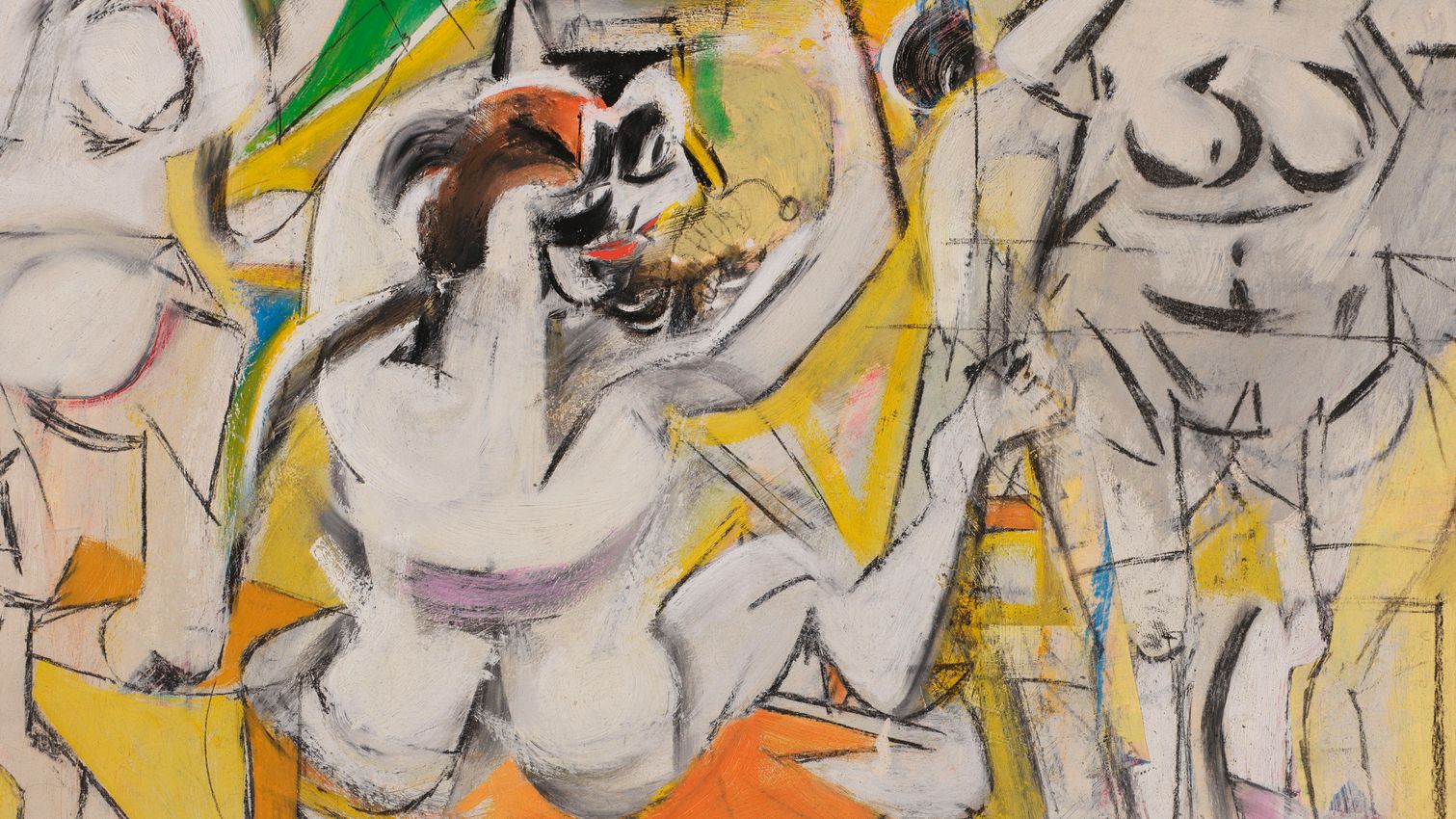
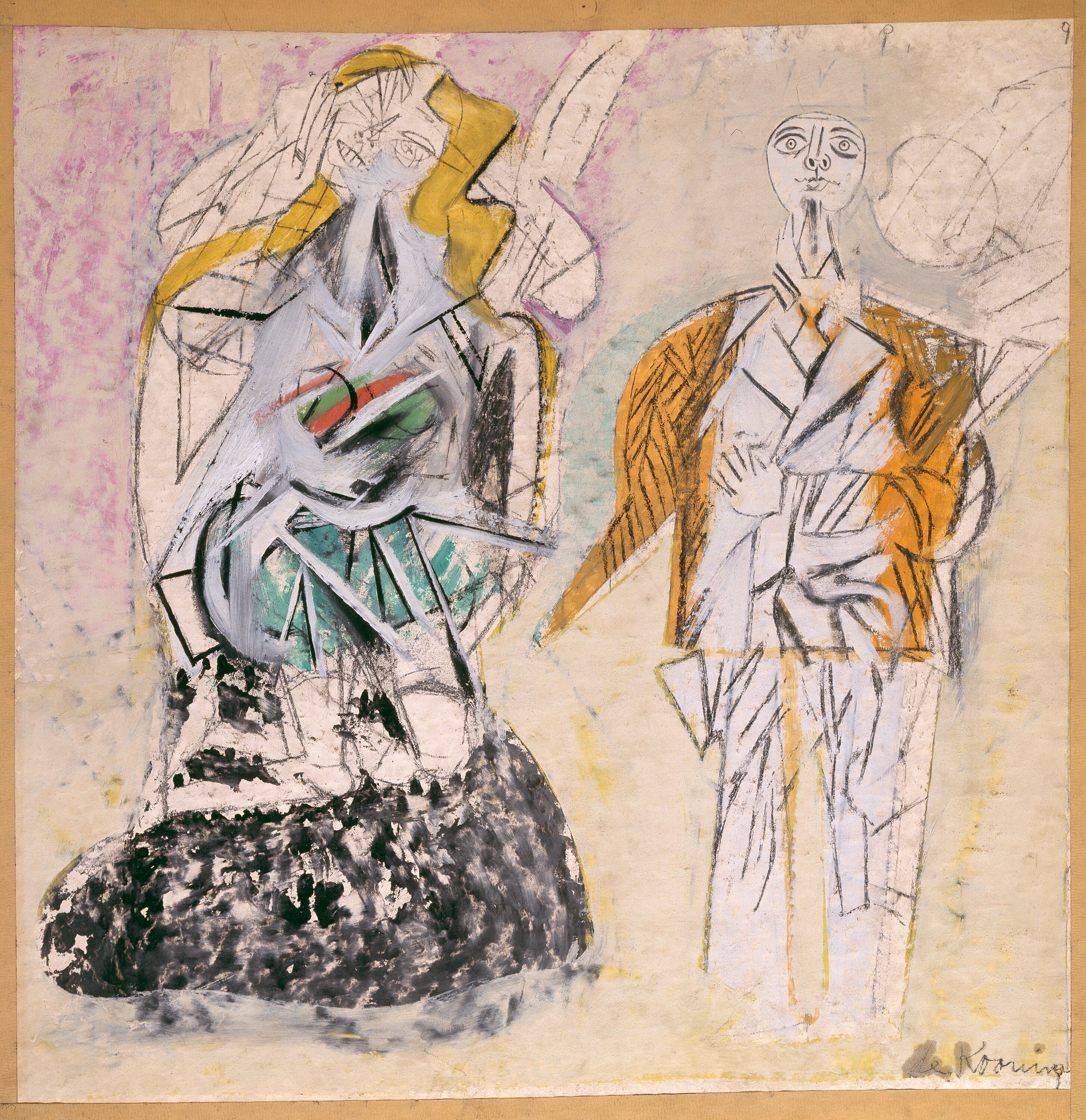
“Was she beautiful or not beautiful?” Daniel Deronda isn’t sure. He’s watching Gwendolen Harleth from across the foyer of a German casino, and can see that she’s striking, self-possessed and mesmeric, too. But it’s unclear whether her beauty is one of “good or evil”. Critics of Willem de Kooning’s paintings have tended to get hung up on the same thing. Does de Kooning love women, or hate them? Are these women hideous, trapped in the artist’s warped perception of femininity, or are they emancipated, beautiful in their rejection of tradition?
De Kooning’s representations of women, with their heavy breasts and pointed teeth (capable, I’m sure of incurring serious injury), are certainly startling, and often sites of turbulence, with savagery baked into their pink, distorted limbs. But I think we have been asking the wrong questions of the work. Whether these figures represent a celebration or denigration of women seems less interesting than considering the demands they are making for attention. His figures are expressive, active. The women beg to be looked at, touched, engaged with. They have a personality and—unlike Daniel Deronda, who can only conceptualise Gwendolen’s beauty in terms of character or form, keeping her body at a distance—de Kooning doesn’t seem bothered with moralising, or with asking whether a woman is beautiful or not. Instead, he opts for an exploration of sex and pleasure by engaging with the reality of flesh, skin and heat, evoking the specific alchemy that takes place when bodies touch.
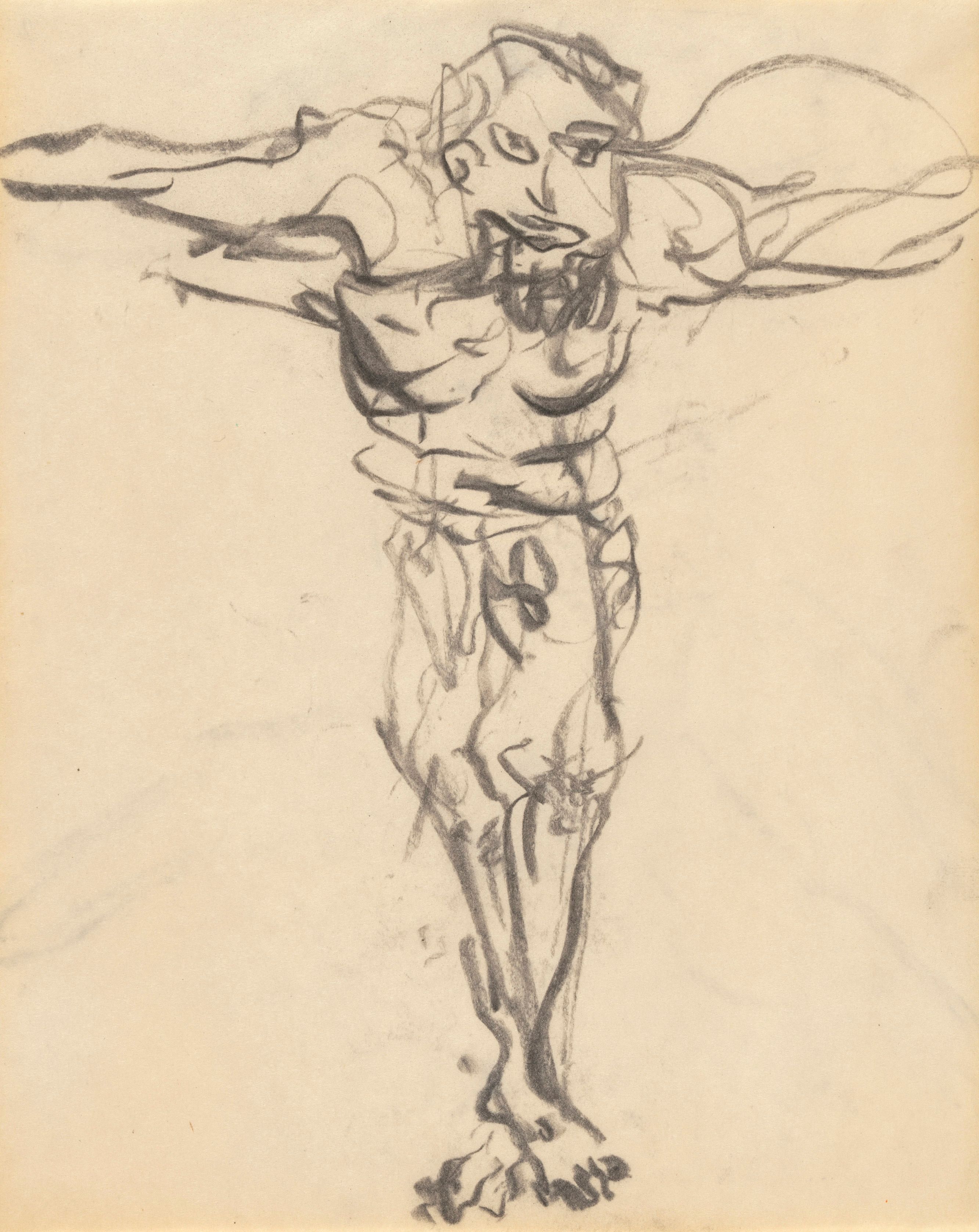
A retrospective of de Kooning’s work is currently on show at the Rijksmuseum in Amsterdam: more than 120 drawings, paintings and sculptures document the artist’s life and work, from his training at the Rotterdam Academy of Fine Arts and his arrival in the US in the late 1920s to the subsequent decades he spent in New York until his death in 1997. It reminds us that while he was a pillar of Abstract Expressionism, with an ongoing commitment to figurative painting, women were the enduring concern of his career, beginning with his depictions of his wife, Elaine de Kooning.
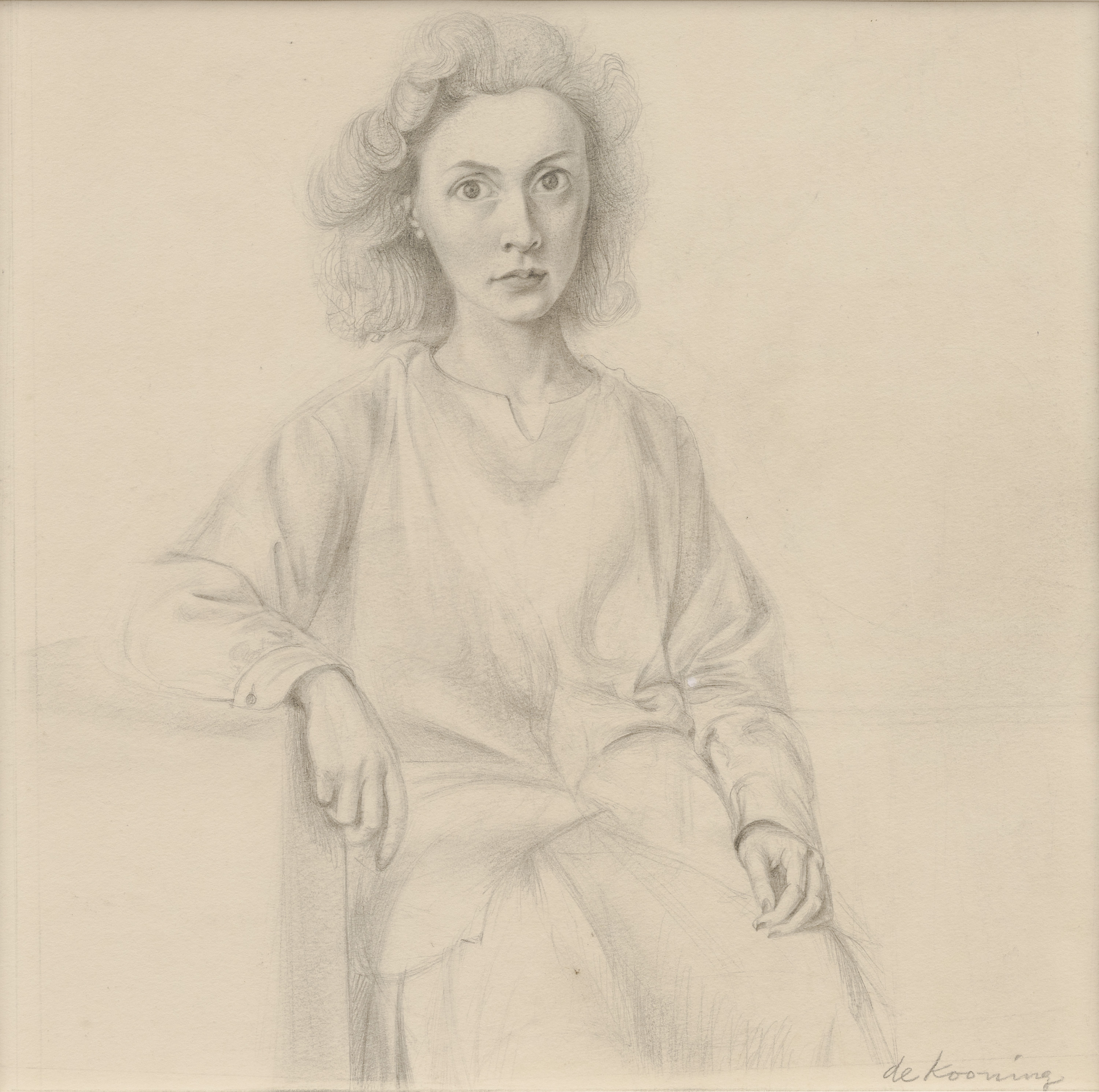
The drawing of Elaine at the Rijksmuseum was completed in 1941, two years before the couple got married. They had already moved in together by this point, sharing Willem’s studio apartment in Chelsea, and in the work, she’s seated, with one hand placed on her thigh, the other resting on the arm of her chair. She’s wearing a dress or a smock, the cuffs folded at her slender wrists, and her hair is soft, curling away from her face in diffuse, rolling waves. Her face is smooth and she’s very pretty. Delicate features and high cheekbones. Her appearance is chiselled, but feathery and weightless too, and her mouth is pursed, not at all slack. Her gaze is alert, as if silently confronting her husband as he sits, invisible, drawing her.
“He opts for an exploration of sex and pleasure by engaging with the reality of flesh, skin and heat”
It’s a quiet, intimate image. One of a couple alternating between peace, conversation and play. As husband and wife, the de Koonings’ relationship deviated from tradition; they both maintained a roster of sexual partners, and they lived separately for almost two decades without divorcing, but here at least the representation of Elaine is conventional. De Kooning seems to be following the rules in this drawing, somewhat unlike the painterly abandon of his later work, but there’s still something otherworldly about it. Elaine is characterful, her lips open as if she is about to speak, but she doesn’t look quite real, and the exaggerated depth of her pupils beneath the slanting brows prefigure the protruding eyes that stare out from his later paintings.
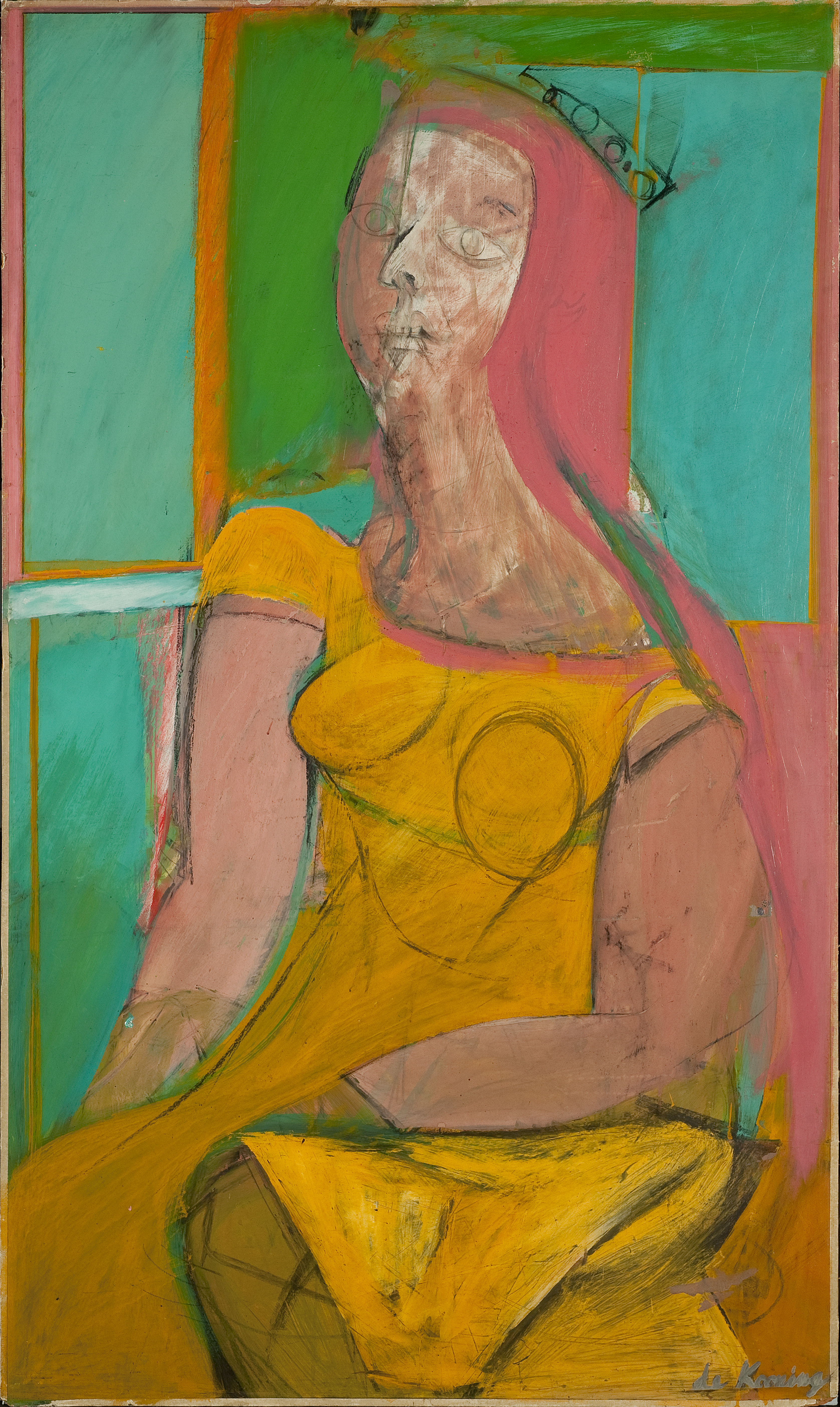
Queen of Hearts was begun two years later and finished three years after that. Like the subjects of de Kooning’s ‘Women’ series, this figure is conjured from a combination of memory, imagination and magazine ads. In the painting the woman looks to her right, seated in a chair, her face and torso partially in profile. Panels of orange, blue and green separate the background into windows of colour that dominate the image, while the face appears out of focus, slightly blurred by a chalky white foundation, so that her features emerge slowly, probably only after the viewer’s gaze has fallen below the woman’s neckline.
Here, it feels like de Kooning is giving the viewer permission to look, inviting them to take note of his revisions, and of the specific consideration he has afforded her chest. Beneath the figure’s ovate breasts, standing pert but lopsidedly to attention, an outline of an earlier pair is clear. These breasts are less regular; unstrapped from the support of an underwire bra, their drooping shadows almost poke through the fabric of the figure’s yellow dress.
Thoughtful, long-necked, a tiara balanced on her pink hair, she has elements in common with de Kooning’s pencil drawing of Elaine, of her poise and precision, but her body is more unruly, and there’s something almost Rubensian about the way the figure’s right breast nudges her arm.
The 17th-century Flemish painter Peter Paul Rubens evidently liked looking at women just as much as de Kooning. His plump figures are usually round and bright and spilling happily out of their dresses, but it isn’t just that his figures are unashamed of their own wobbling flesh, wrinkling, dimpling bottoms glittering in the daylight—they also delight in everyone else’s.
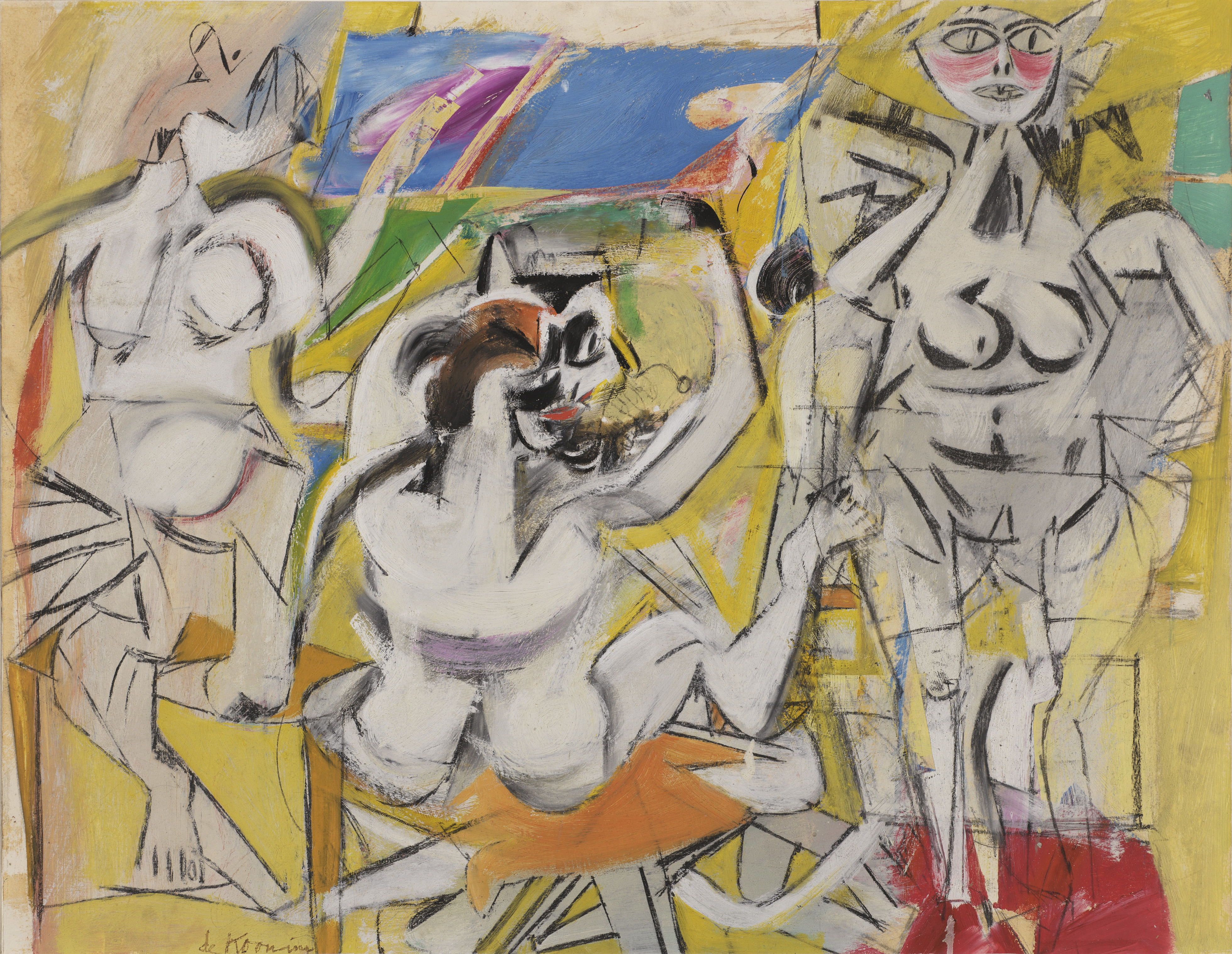
De Kooning said in a 1965 cover interview for Newsweek that he was “crazy about Rubens […] the ultimate of the Baroque period” and it’s interesting to consider the connective tissue between Rubens’ famous painting of the Three Graces (c 1635) and de Kooning’s (Untitled) Three Women (1948). In the Three Graces, Zeus’ voluptuous daughters gather in the garden, clasping one another in a way that reads more sensuous than sisterly, in a tender celebration of love, fertility, sexuality and reciprocity.
De Kooning’s composition echoes that of Rubens, both in the placement of the figures—the trio caught in motion, the pearly curvature of their breasts, thighs and hips glancing teasingly towards the viewer—as well as the patch of blue sky creeping through the trees, depicted in de Kooning’s painting through triangular scratches of green.
Viewed together, de Kooning’s admiration for Rubens’ work makes itself known, and so do the artists’ shared preoccupations: both men reveal a fixation with women’s bodies, enjoy them at any size or circumference, and seem to take seriously the mythic question of sex.
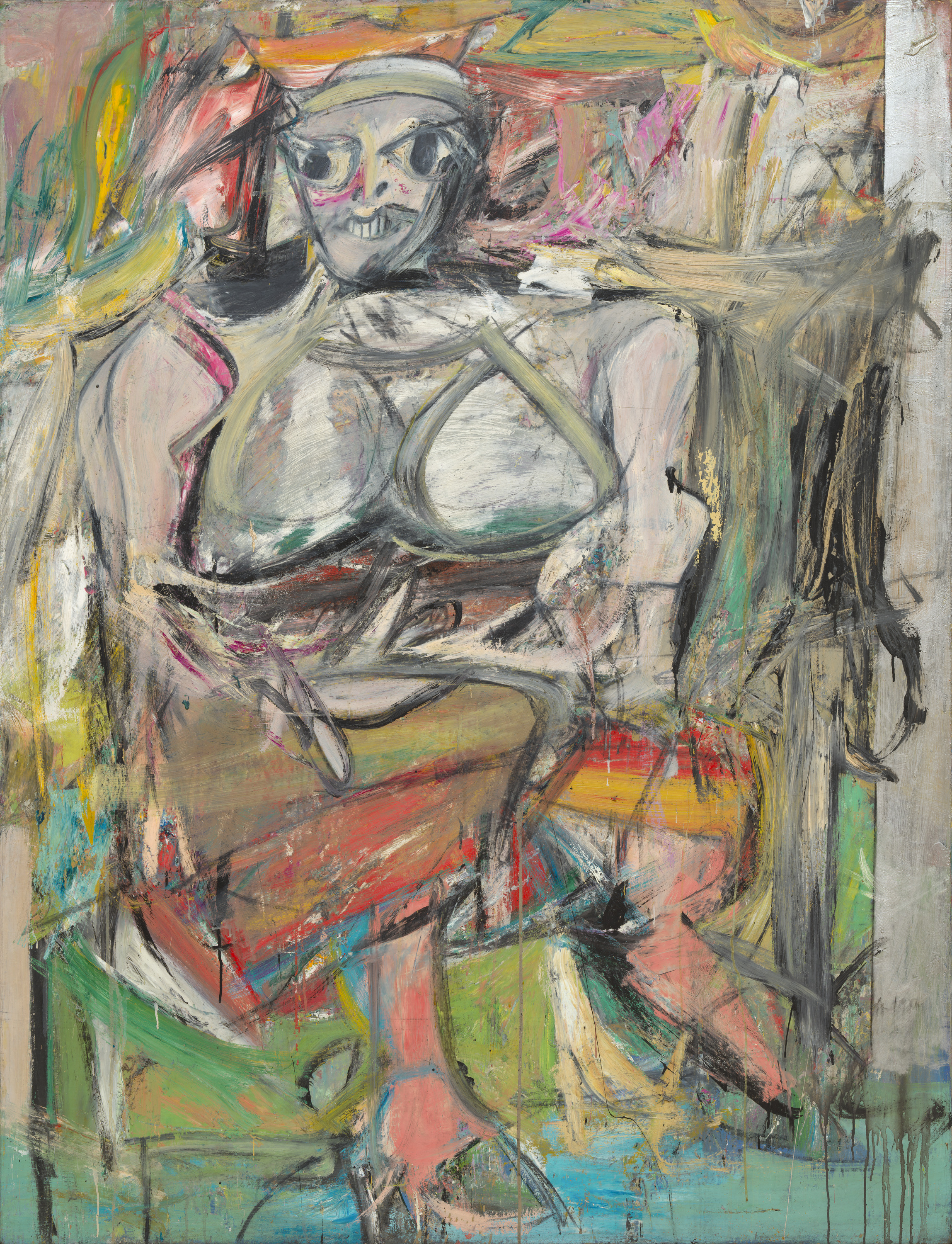
Woman I, (1950–1952), marks the beginning of a series that would consume de Kooning for more than a decade. The painting is a far cry from the drawing of his wife he worked on ten years previously. Unlike Elaine, this woman is not pretty. Looking at her, I wonder why her head is so small. She doesn’t seem to have a neck. In the space where her neck might be she simply has broad shoulders, arms that seem to be truncated at the joint, so the limb is composed purely of hand and bicep, with barely intelligible fingers splayed like two open penknives, their pale blades thrashing. Lower down, her legs are bent uncomfortably into a seated position, and her feet dangle beneath her skirt, reaching for the ground like the red toes of a fat, recently airborne pigeon.
There are milky brushstrokes enveloping each breast, hitching them higher up the figure’s chest, but, unlike in Queen of Hearts, where a brassiere was all that was required to counter each sagging breast, here the baskets struggle to even contain the Brobdingnagian orbs bunched between her upper arms. Her face isn’t particularly appealing, either. Bug-eyed, balding, with two slits for a nose and a doggish snarl where we might expect lips and teeth, it’s difficult to see her as beautiful, but she’s certainly got presence. Emerging from the collision of colour, of drips and jagged edges that make up the background of the canvas, she looks as if she’s been caught in the middle of getting undressed, or dancing, or striding towards the viewer, and even though she’s not nice to look at exactly, her posture suggests a kind of physical embodiment, of sexual fluency, that makes you pay attention.
De Kooning’s compulsive attitude towards painting women has led some to describe him as a fetishist. As if his rapturous gaze was somehow perverted. For Freud, the formation of a fetish in a man was an understandable response to the devastating discovery that one’s mother did not have a penis. The moment occurred during childhood, and in Freud’s case studies he illuminated his theory of the castration complex by describing the experience of a boy peering up his mother’s skirt.
The knowledge that grown women had been “castrated” was traumatic, and children dealt with it be attaching erotic significance to something else. For example: leather, velvet, women’s knickers. These materials and objects tended to be common among Freud’s patients, given that the last thing the child might have seen before peering up his mother’s skirt was her shoes, feet, her body hair or her underwear.
“De Kooning doesn’t make excuses. And why should he?”
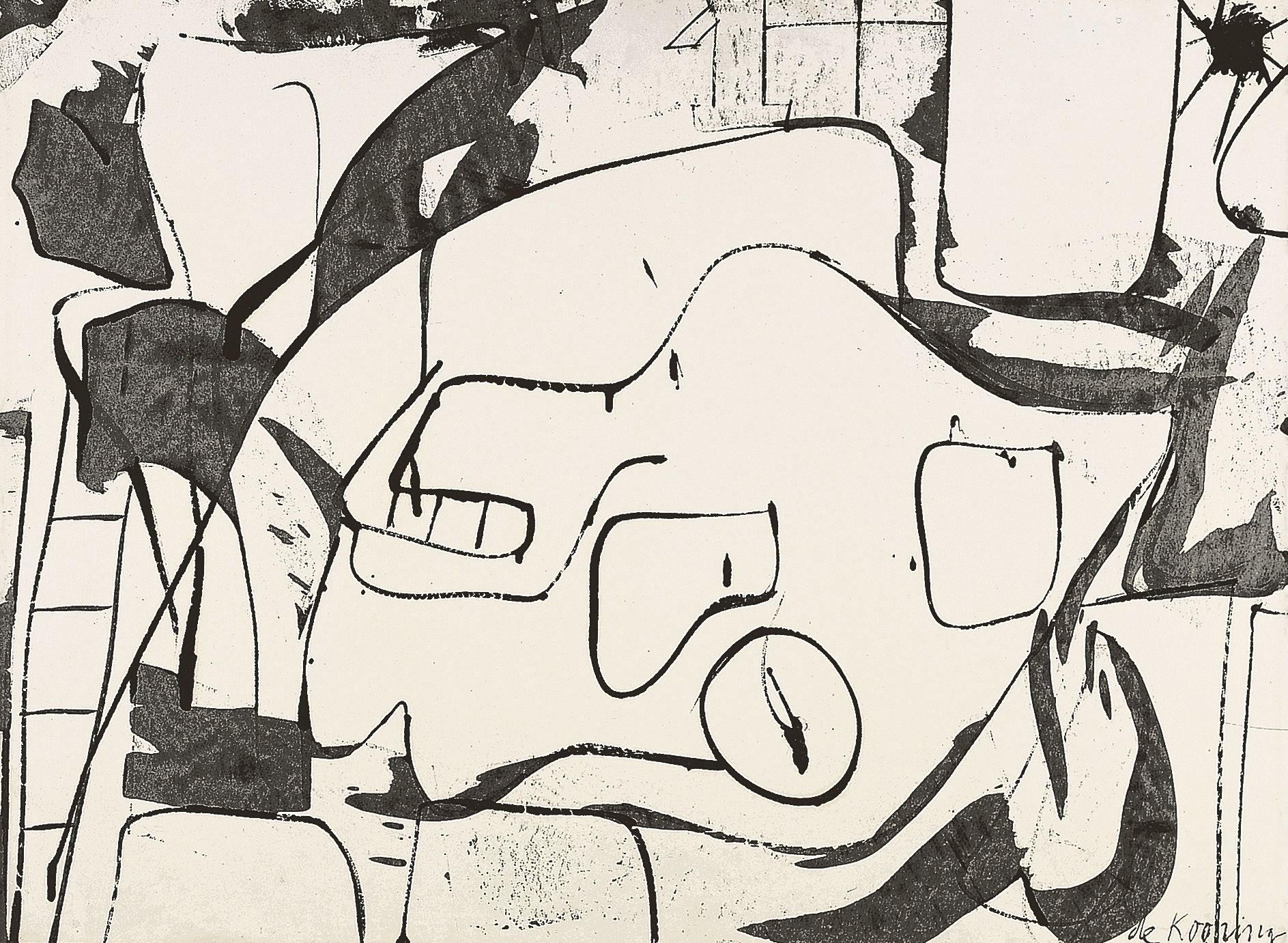
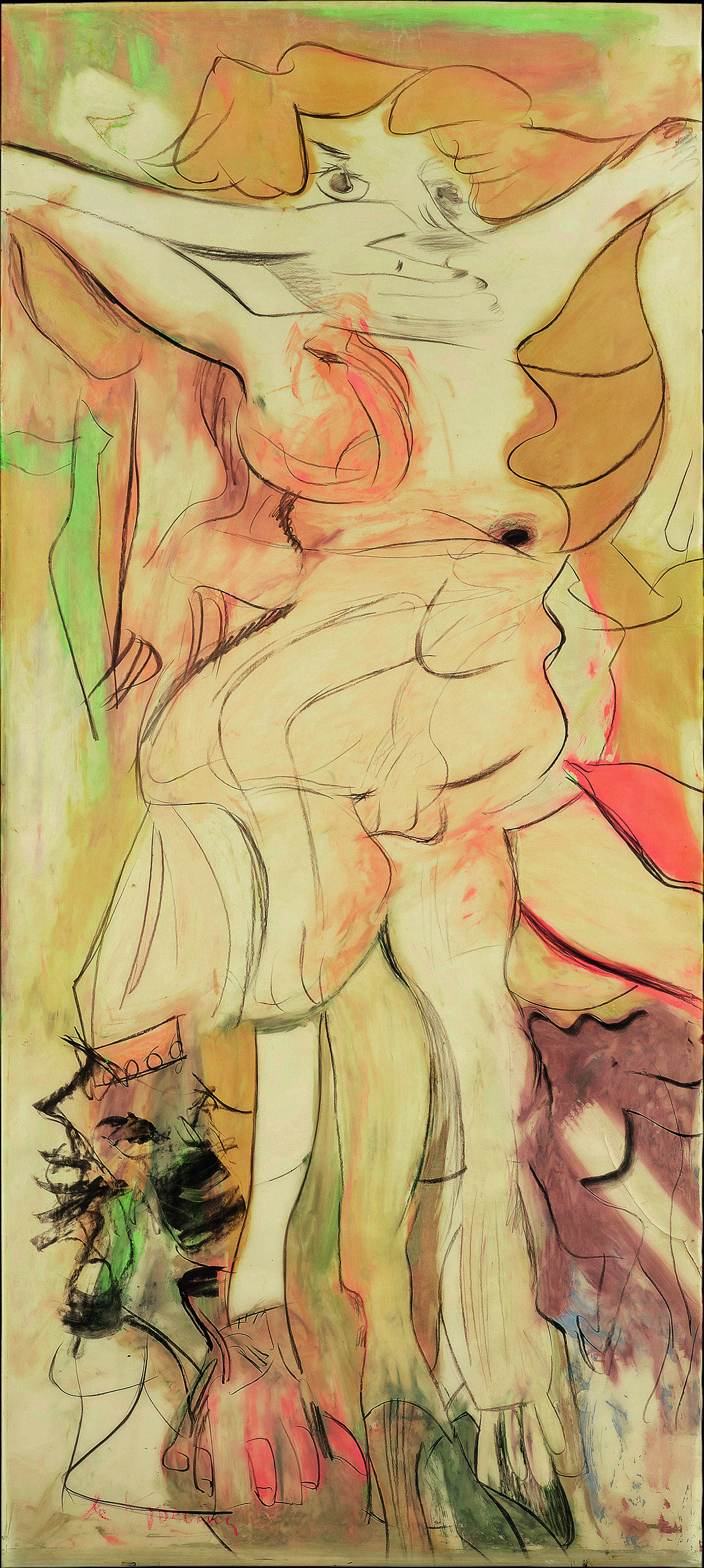
In Woman, painted in 1965, de Kooning seems to be smiling at the idea that this theory might be applied to him. In this image, the palette is softer, more playful. Executed in mauve, ochre, pale pinks and oranges, as well as the sporadic accent of mint, a woman emerges between swirling black lines. The effect is girlish, fun. She’s simultaneously regal and ethereal, with pretty eyelashes and a dark nipple peeping from beneath the floaty material of her dress. Her hands though, are clapped across her mouth, and, by her feet, a man’s head is scribbled in the left-hand corner. There’s a crown on his head and black smudges around his mouth.
The composition matches Freud’s narrative, of a boy, dwarfed by his mother, staring up her skirt. Here though, the boy isn’t innocent—he’s mature, hairy. The painting mimics Freud’s tale of infantile upskirting, but its psychoanalytic storyline is cartoonish, silly. De Kooning doesn’t make excuses. And why should he? Instead, he carries on as before, painting picture after picture of women’s breasts and legs.
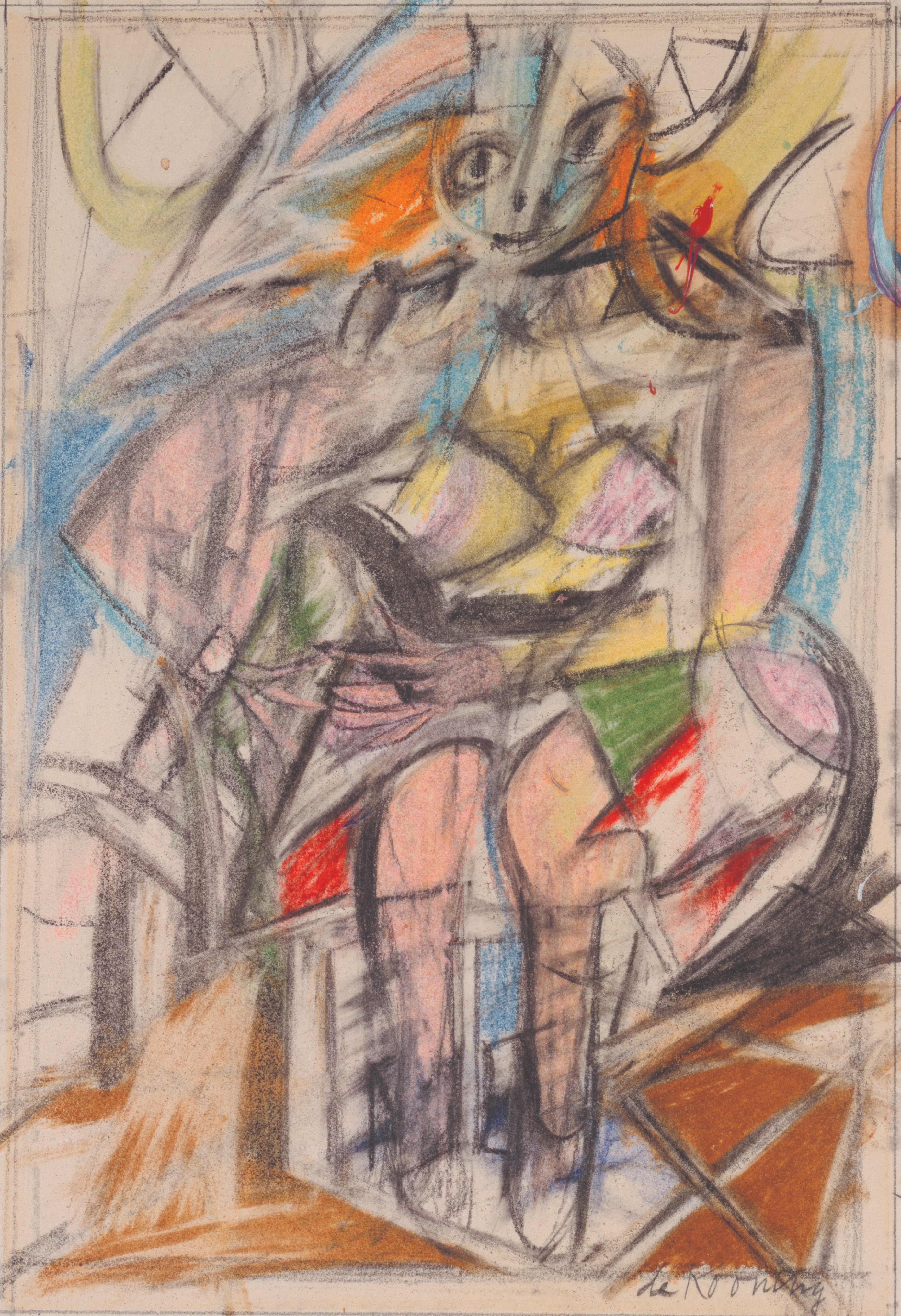
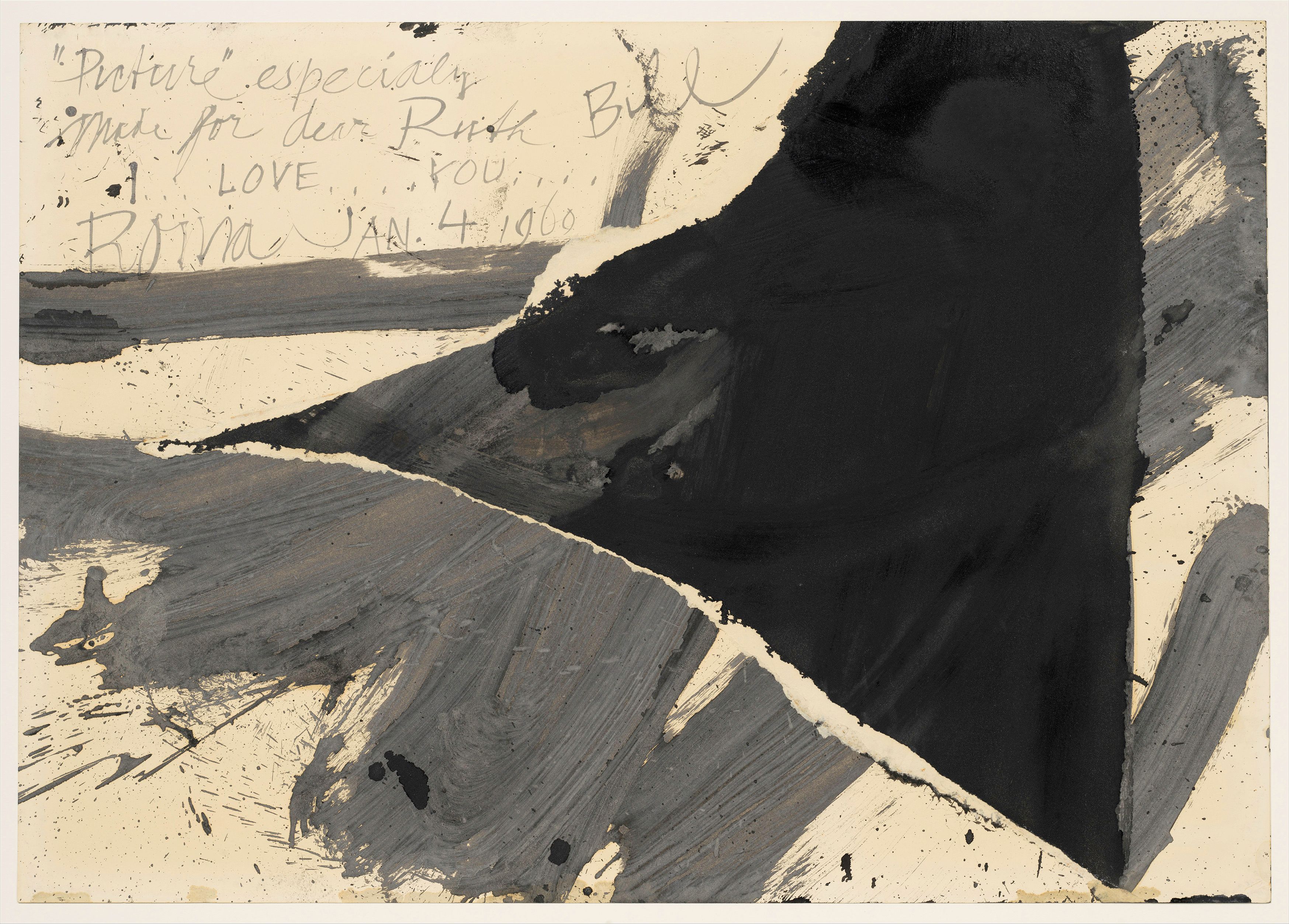
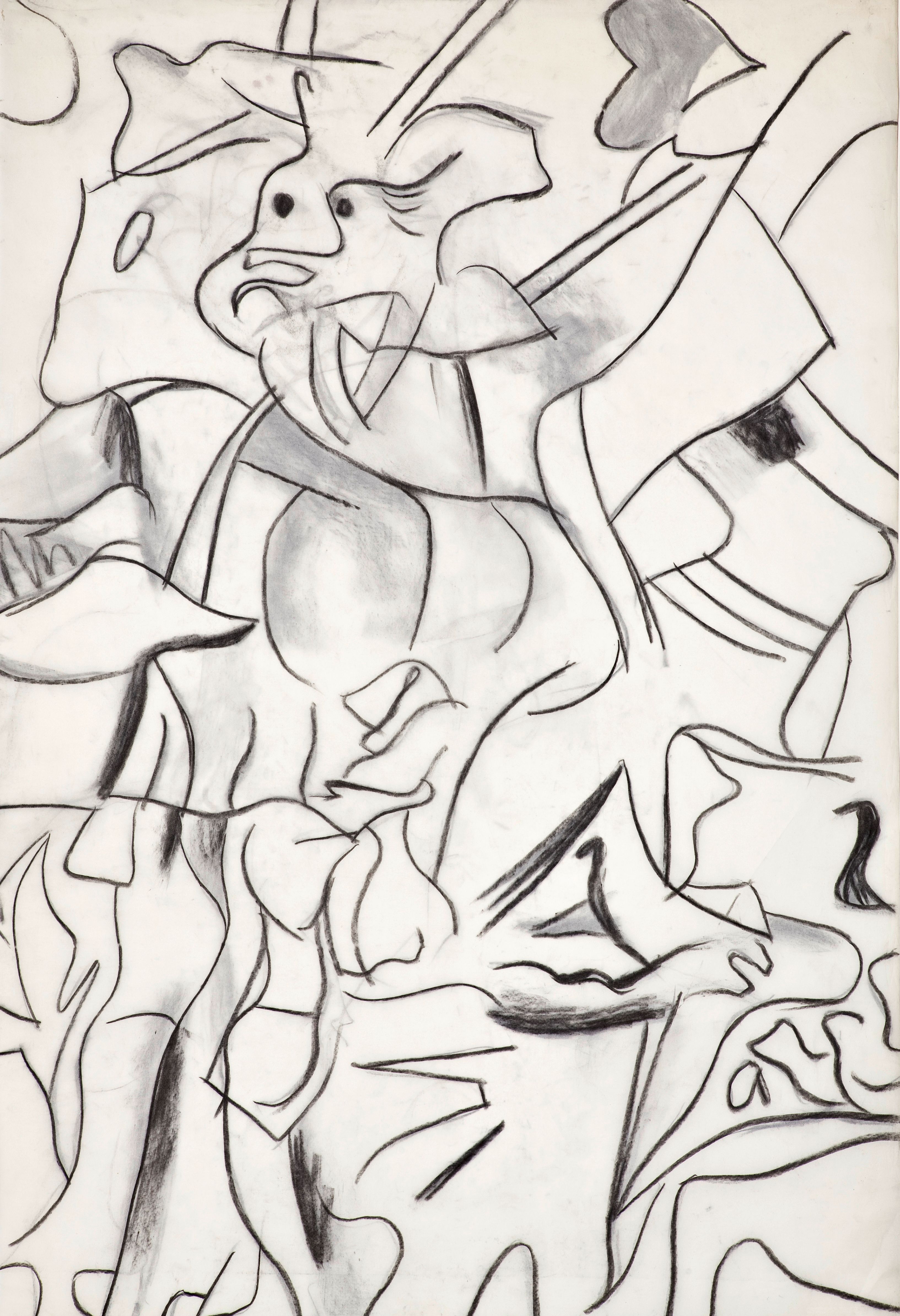
The impression I get from de Kooning’s paintings is that he liked women, that he enjoyed having sex with them, and that he wanted to feel desired in return. In his paintings the women seem to shout, lurch about, brandish their arms and legs and tear off their own clothes, and the effect of it all is a lot like sex. It’s unpredictable, hectic, sometimes gross, and beauty rarely, if ever, has much to do with it. In an interview, de Kooning described beauty as “petulant”, admitting that it was the “grotesque”, in all its “joyous” anarchy and mess, that attracted him.
I think it makes sense that the women in de Kooning’s line-up weren’t always nice to look at. Sex isn’t supposed to be pretty. What matters most is that you’re into it, and doing it with someone who’s into it, too. The paintings at the Rijksmuseum can’t confirm whether de Kooning was a fetishist or a pervert, but they do suggest that the artist liked having sex with women who liked having sex with him.—[O]



A respected voice in contemporary art discourse.
Focusing on ambitious storytelling and insightful art-world commentary. Ocula Magazine publishes in-depth interviews, critical essays and timely analysis on the artists, exhibitions and ideas driving the global art world.
Learn more about Ocula Magazine
Showcasing the best of the art world.
Ocula partners with galleries from around the world to highlight their artists, artworks and exhibitions. Gallery membership is by application and invitation, with each member vetted by an independent panel.
Learn more about Ocula Membership
Specialises in the sale of major artworks.
Led by a team with deep ties to the world’s leading auction houses, galleries and collectors. Ocula’s advisory team offers bespoke services to high-net-worth clients from around the world who are looking to acquire the best of contemporary and modern art.
Learn more about our team and services