Press Release

Goodman Gallery is pleased to present That particular morning, Sue Williamson’s first solo exhibition in Johannesburg since her prestigious survey Can’t Remember, Can’t Forget at the Apartheid Museum in 2017.
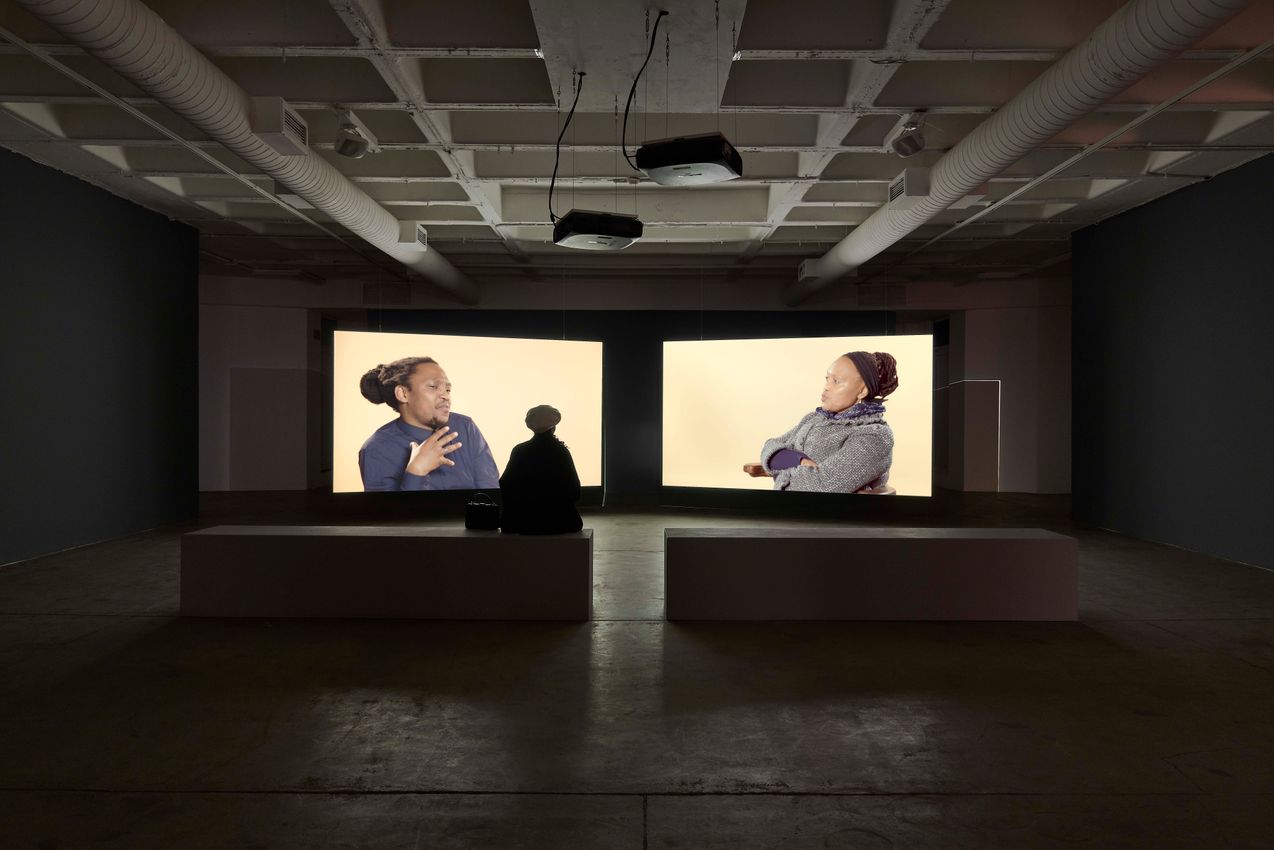
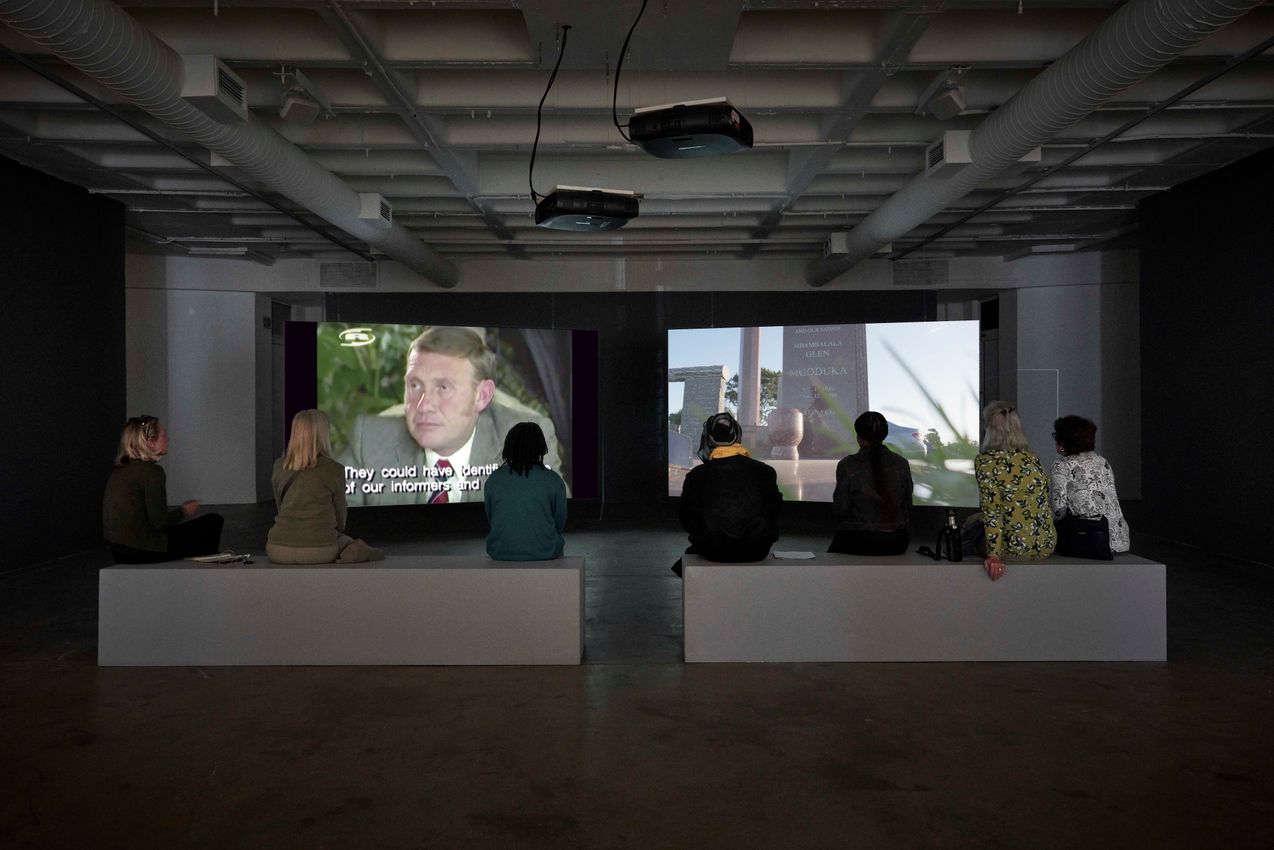
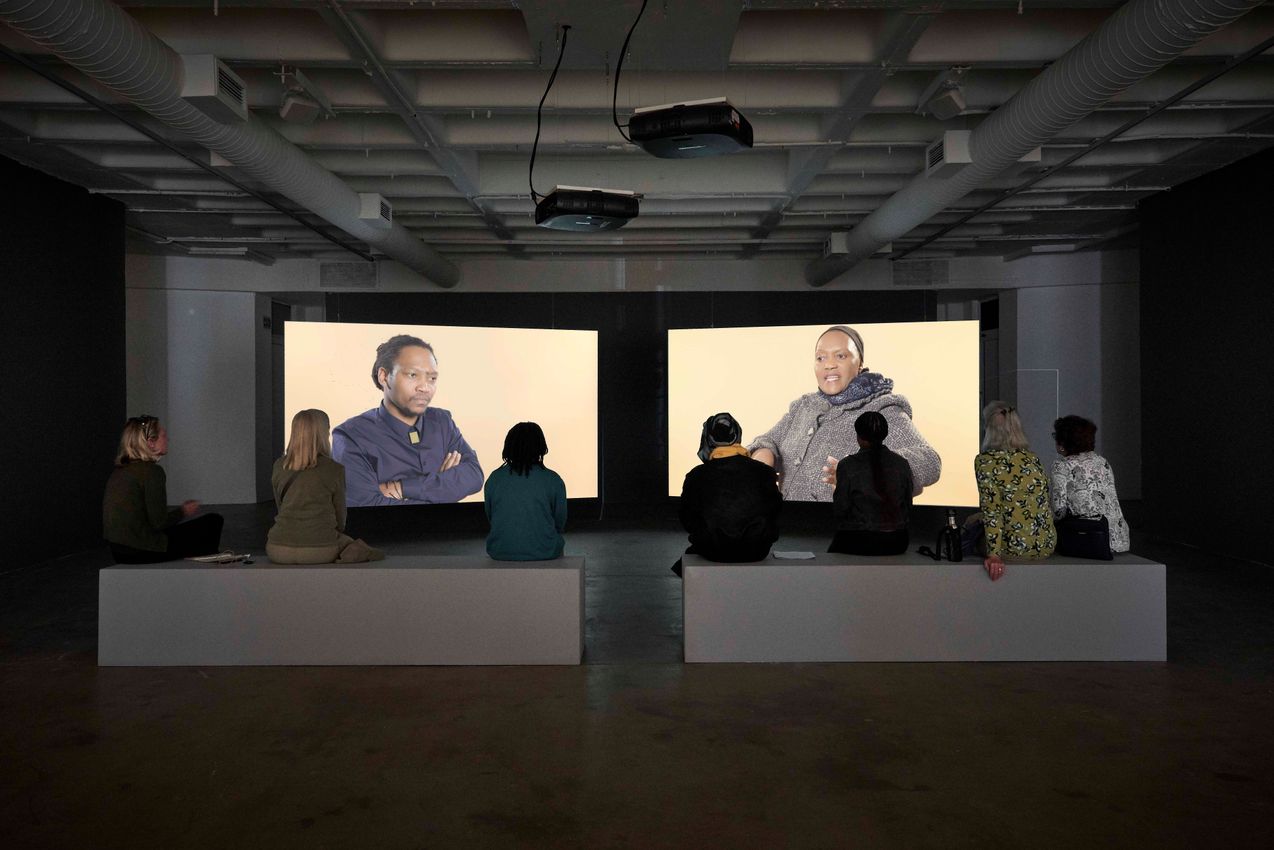
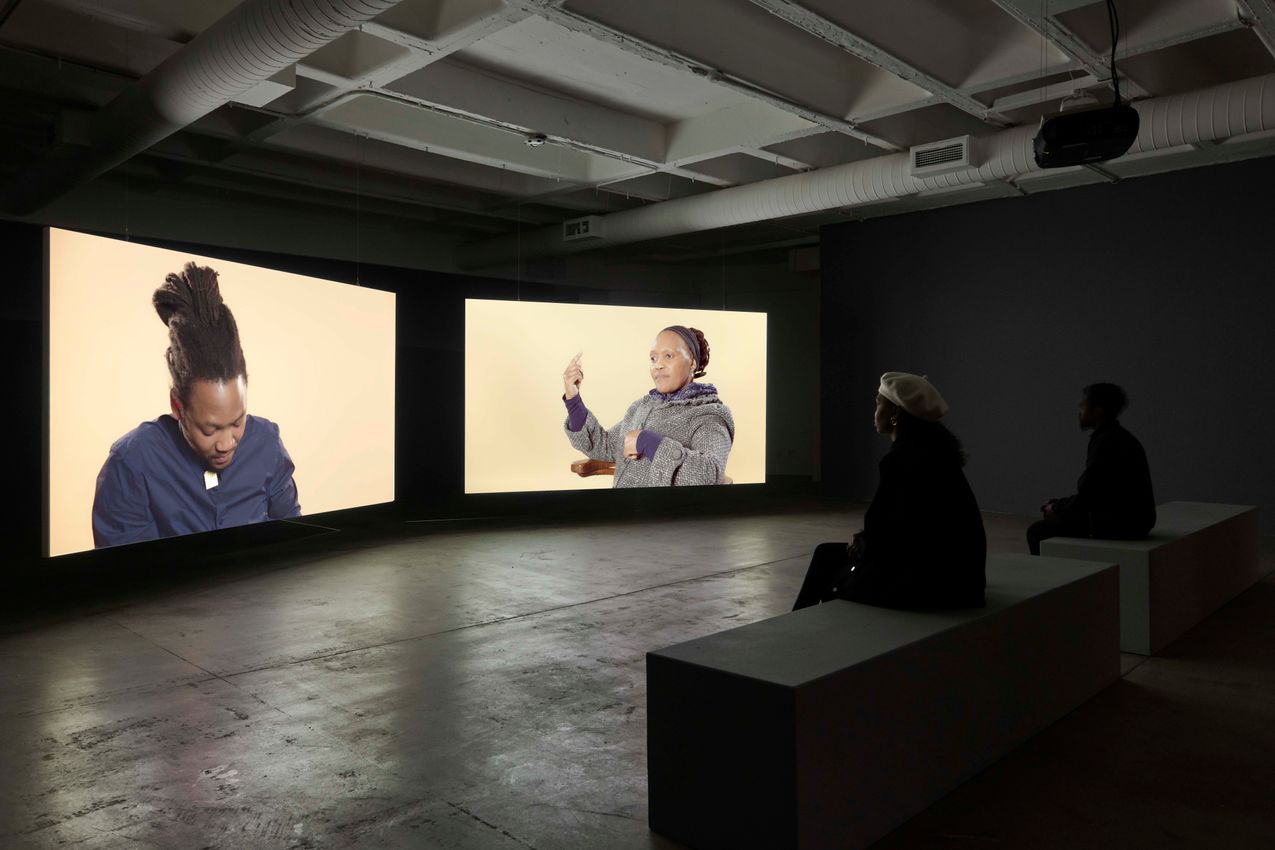
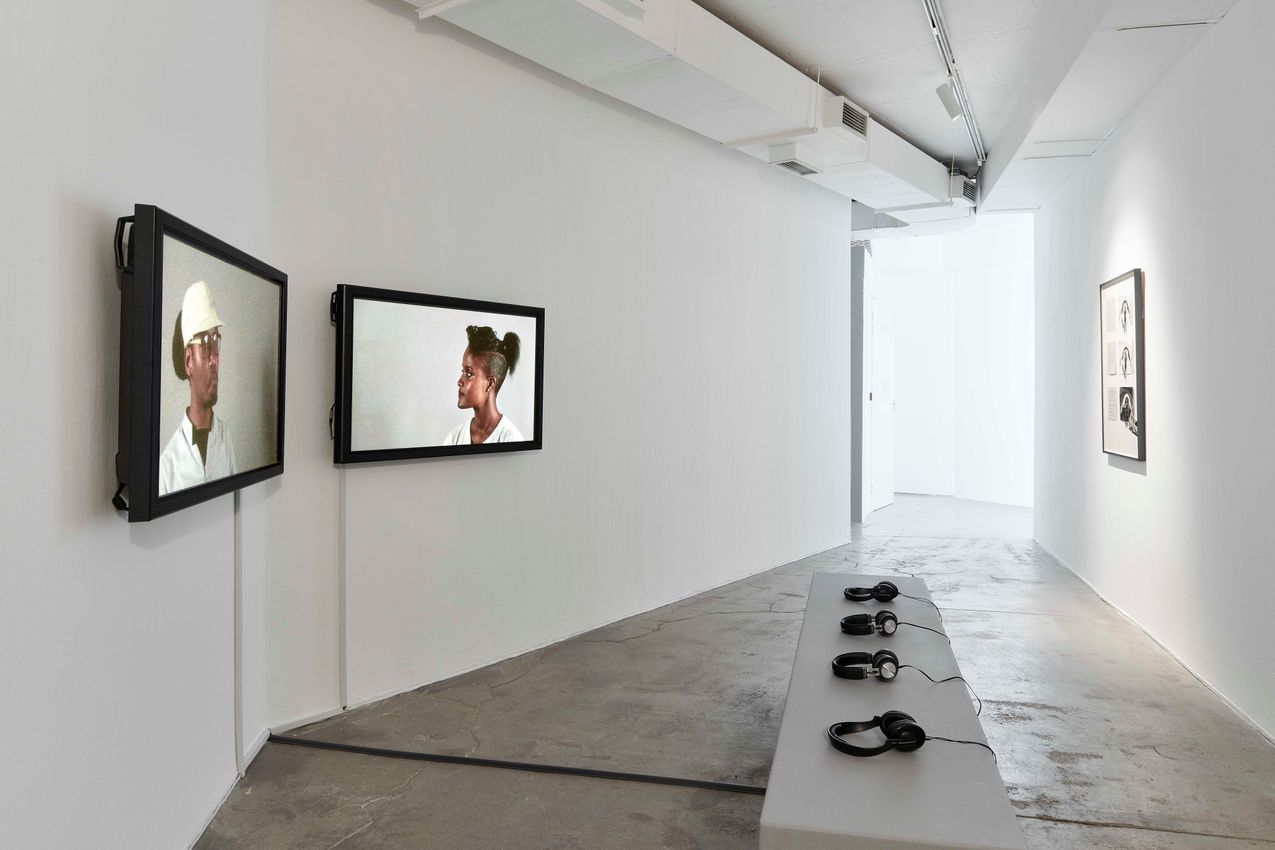
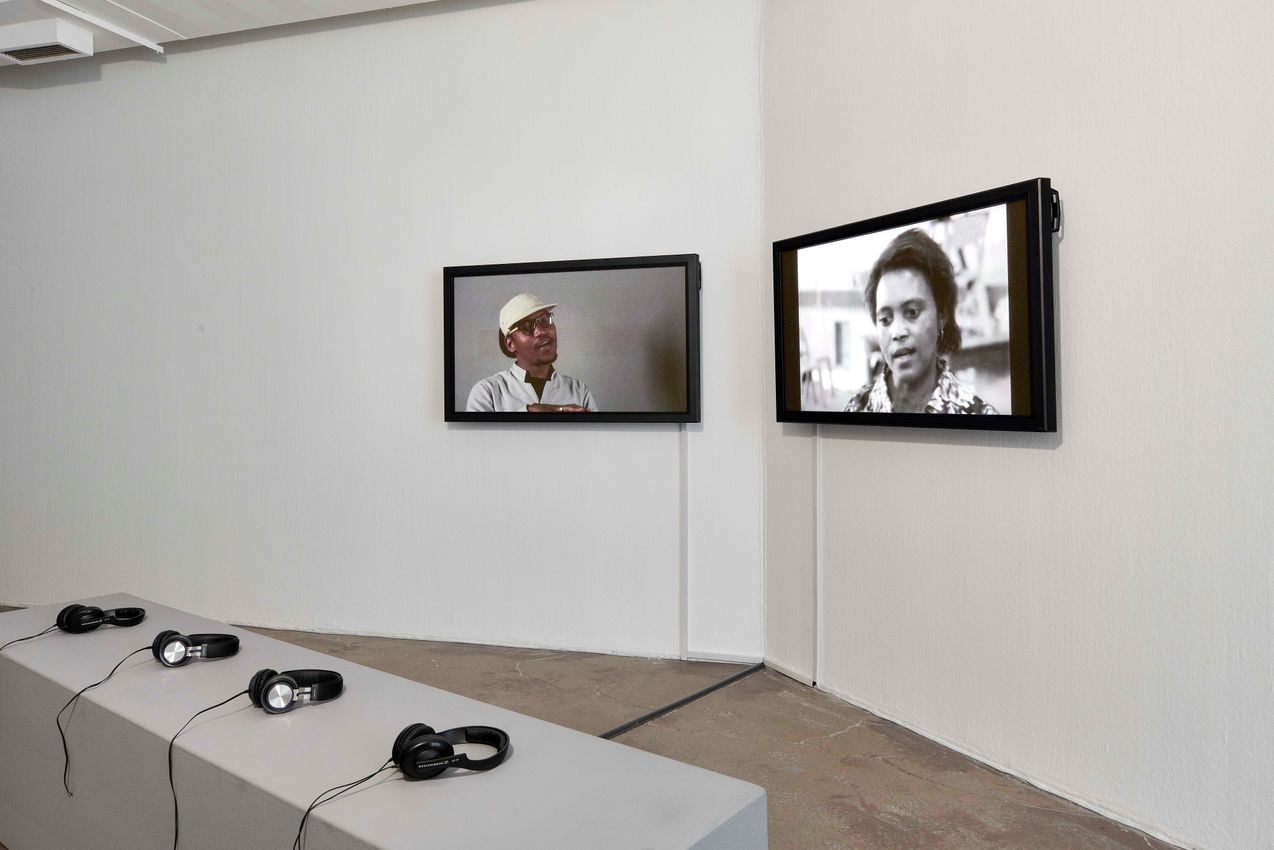
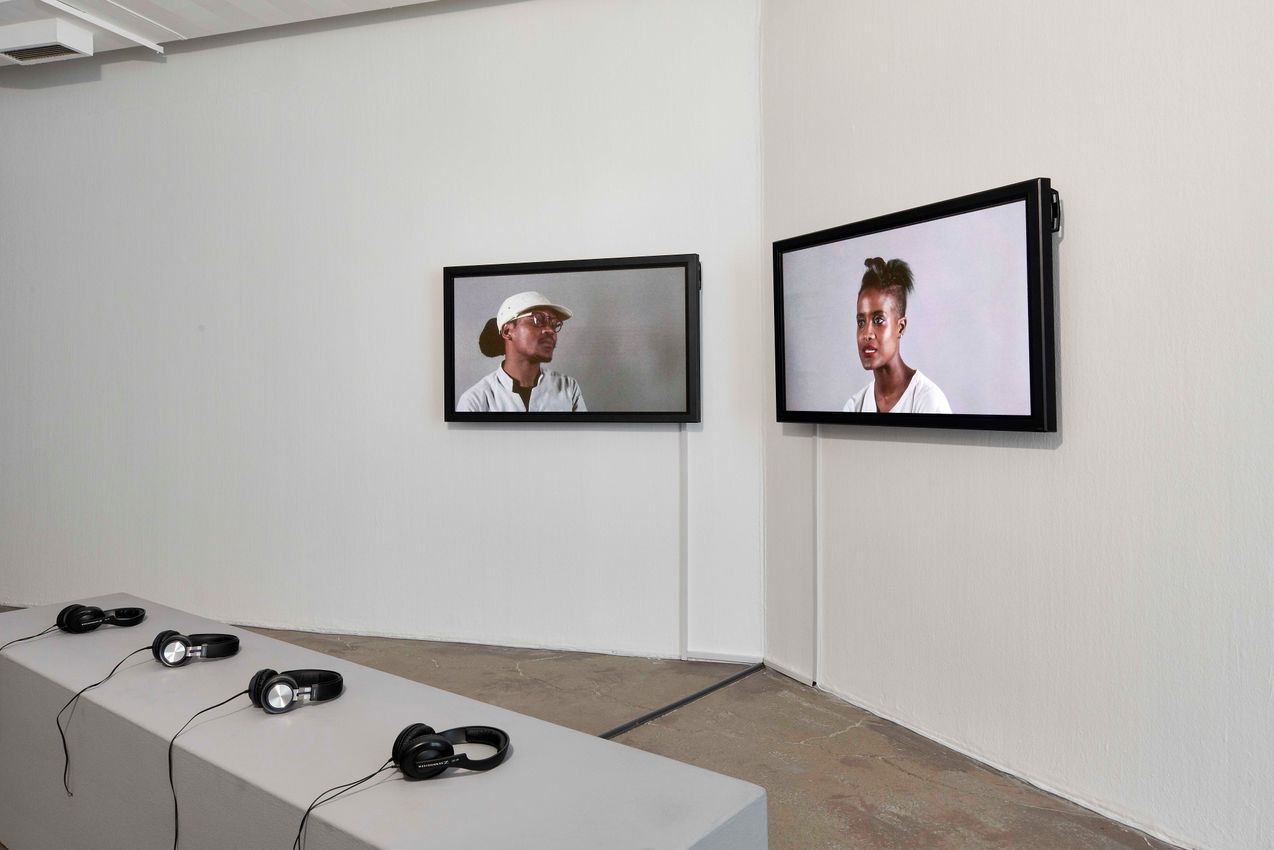
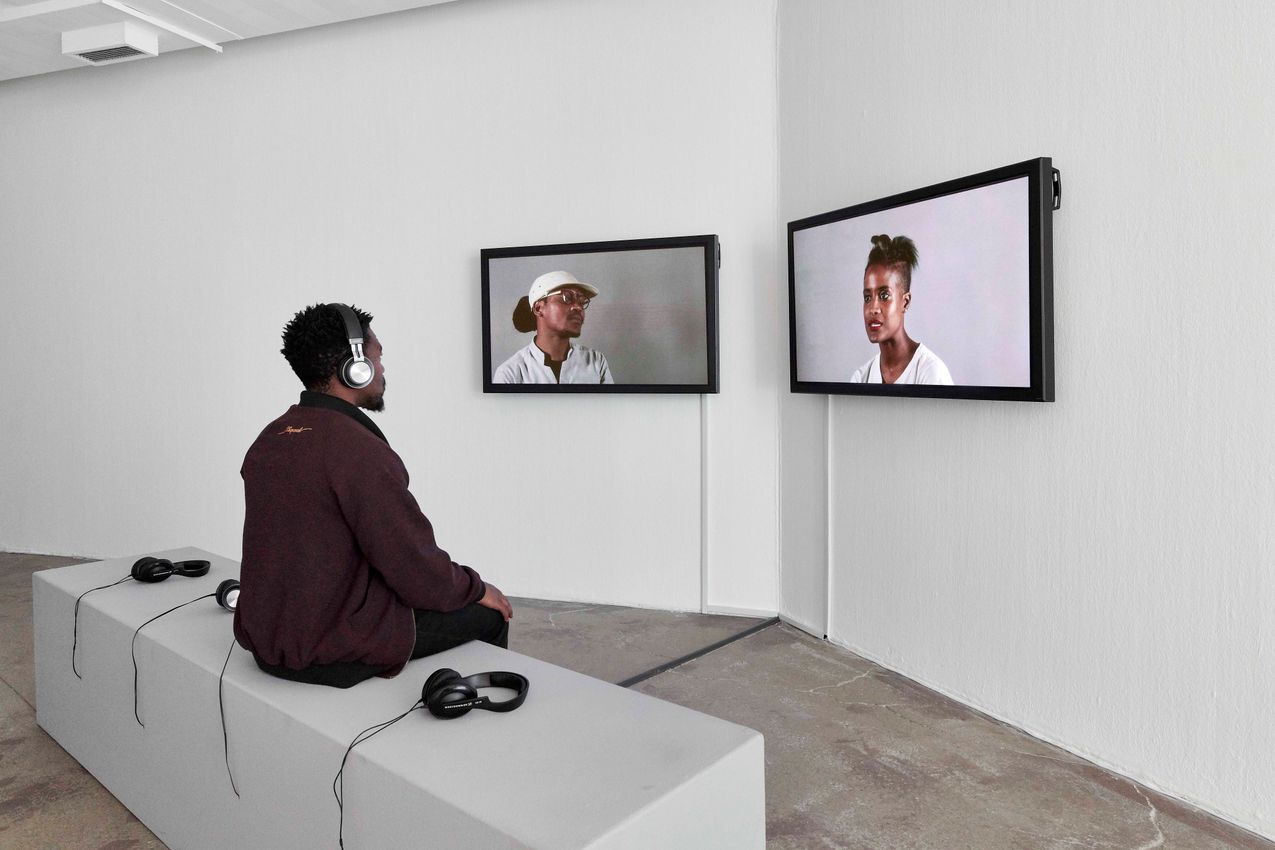
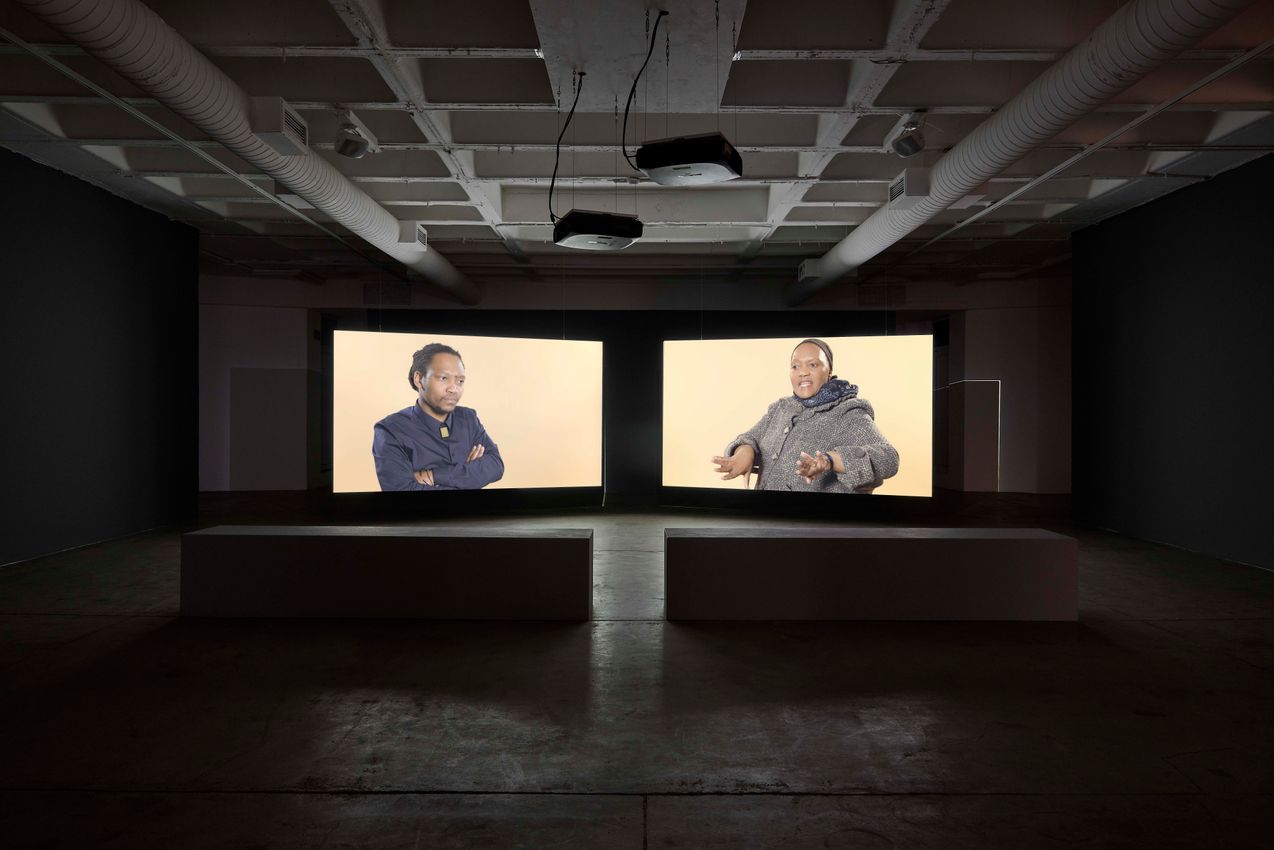
That particular morning brings together two dual-channel videos from ‘No more fairy tales’, a series of filmed conversations*, which highlight the reality of daily life in South Africa twenty years after the Truth and Reconciliation Commission (TRC).

The TRC was set-up in 1996 by the South African government with the aim of initiating a healing process within its grief-stricken society. Taking the form of a series of hearings, the commission’s mandate was to bear witness to, record, and in some cases grant amnesty to the perpetrators of crimes relating to human rights violations, while offering victims the chance to share their stories. In 2015, as student unrest swept across the country, it became apparent that many of apartheid’s wounds remained unhealed.

These events have subsequently sparked fierce debate in South Africa regarding the state of our society. That particular morning, Williamson’s most recent film in her ‘No more fairy tales’ series, is in collaboration with Siyah Ndawela Mgoduka. Mgoduka is the son of policeman, Mbambalala Glen Mgoduka, who was assasinated in December 1989 by a car bomb planted by the apartheid state. In this film, Mgoduka asks his mother Doreen questions he has carried for many years, bringing to light issues of forgiveness, loneliness, respect, and the differing attitudes of two generations toward the processes of the TRC hearings.

Mgoduka also appears in one of the first films from the series, It’s a pleasure to meet you. In this film, Mgoduka appears in conversation with Candice Mama, whose father was killed by apartheid assassin Eugene de Kock. The pair, who are both in their twenties, discuss their lives, what it has meant not to have a father, how it has affected their mothers and their family life, as well as delving further into the failures of the TRC’s process of forgiveness. The title of the film refers to the greeting apartheid assassin Eugene de Kock gave each member of the Mama family when they visited him in jail.

‘Postcards from Africa’, ‘Signs of the Lost District’ and ‘The Lost District’, shown alongside these films, help to contexualise their meaning.

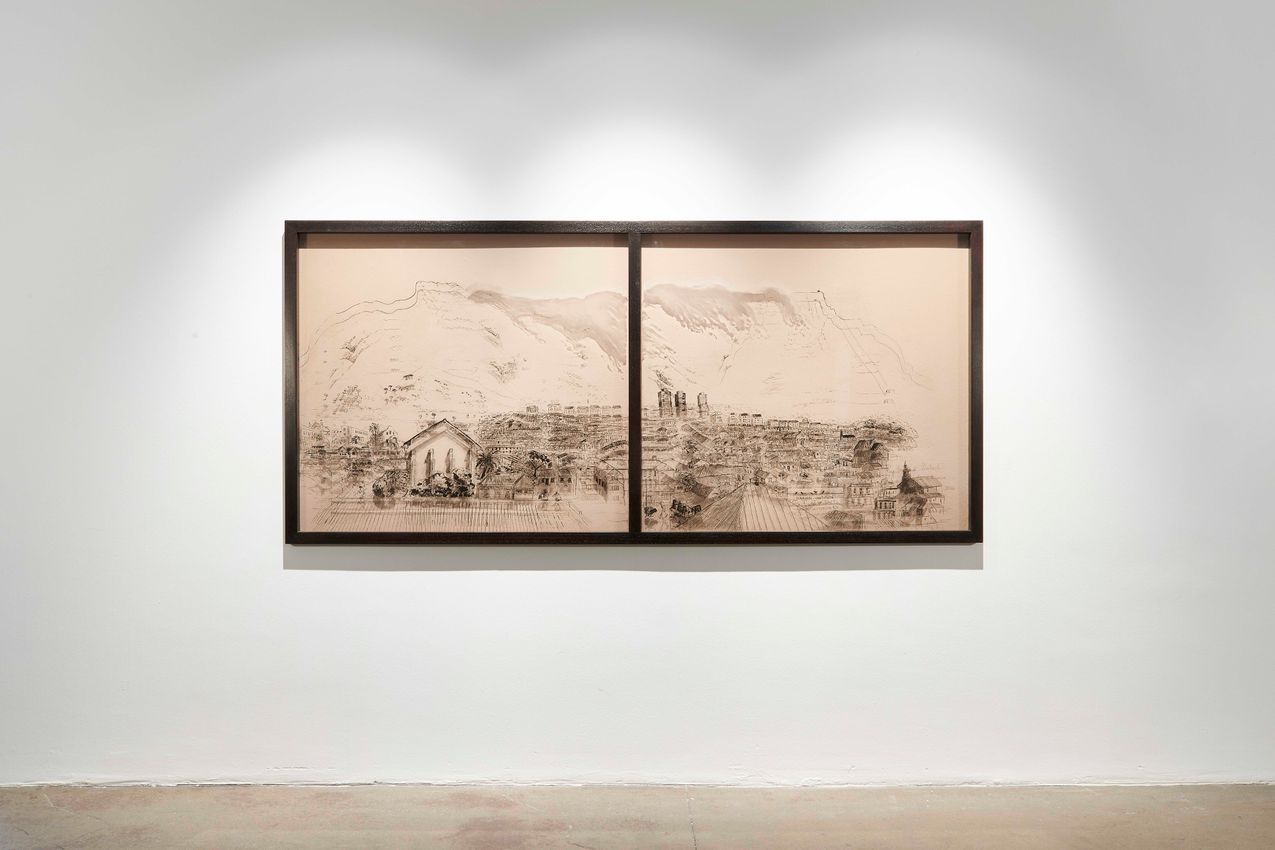
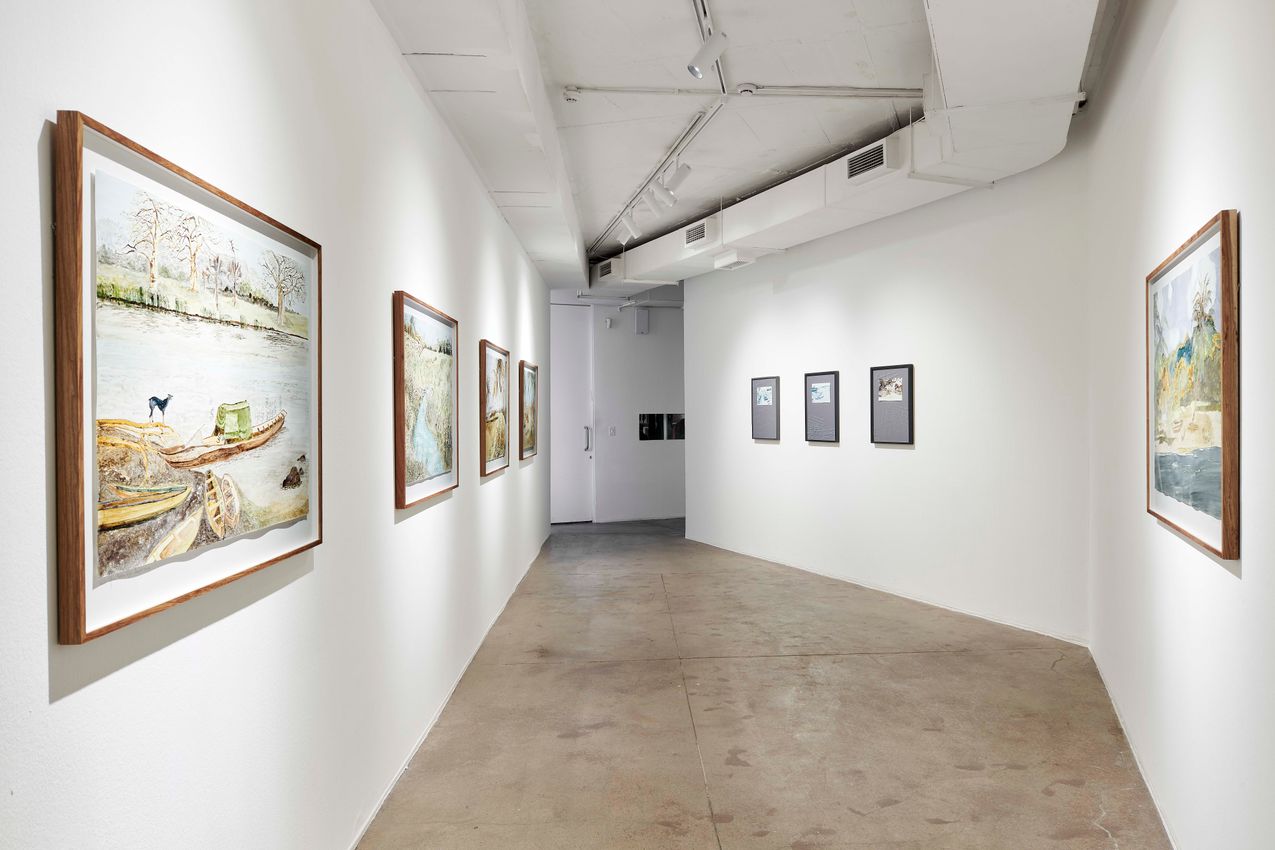
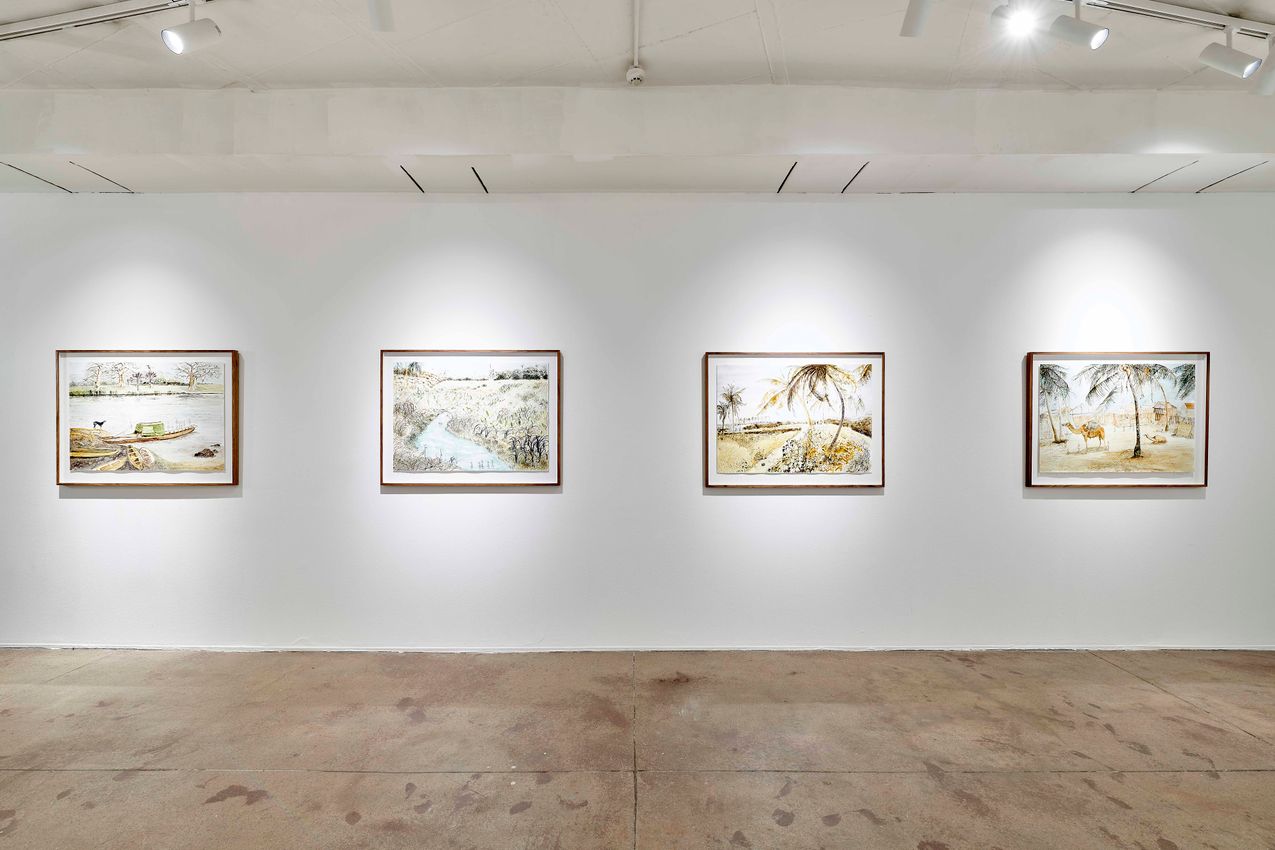
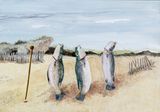
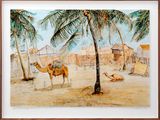
‘Postcards from Africa’ is a series of new ink drawings based on postcards from the early 1900s, produced for residents and travellers in Africa as well as for collectors who had never set foot on the continent. These postcards, which peaked in popularity at that time, now contribute to understanding political and cultural changes in Africa as the rise of the new medium coincided with the expansion and consolidation of colonial rule. In Williamson’s re-drawn scenes from these postcards, all the figures have been left out: a reference to the scourge of slavery, which saw 12.5 million people shipped from the continent to the Americas.

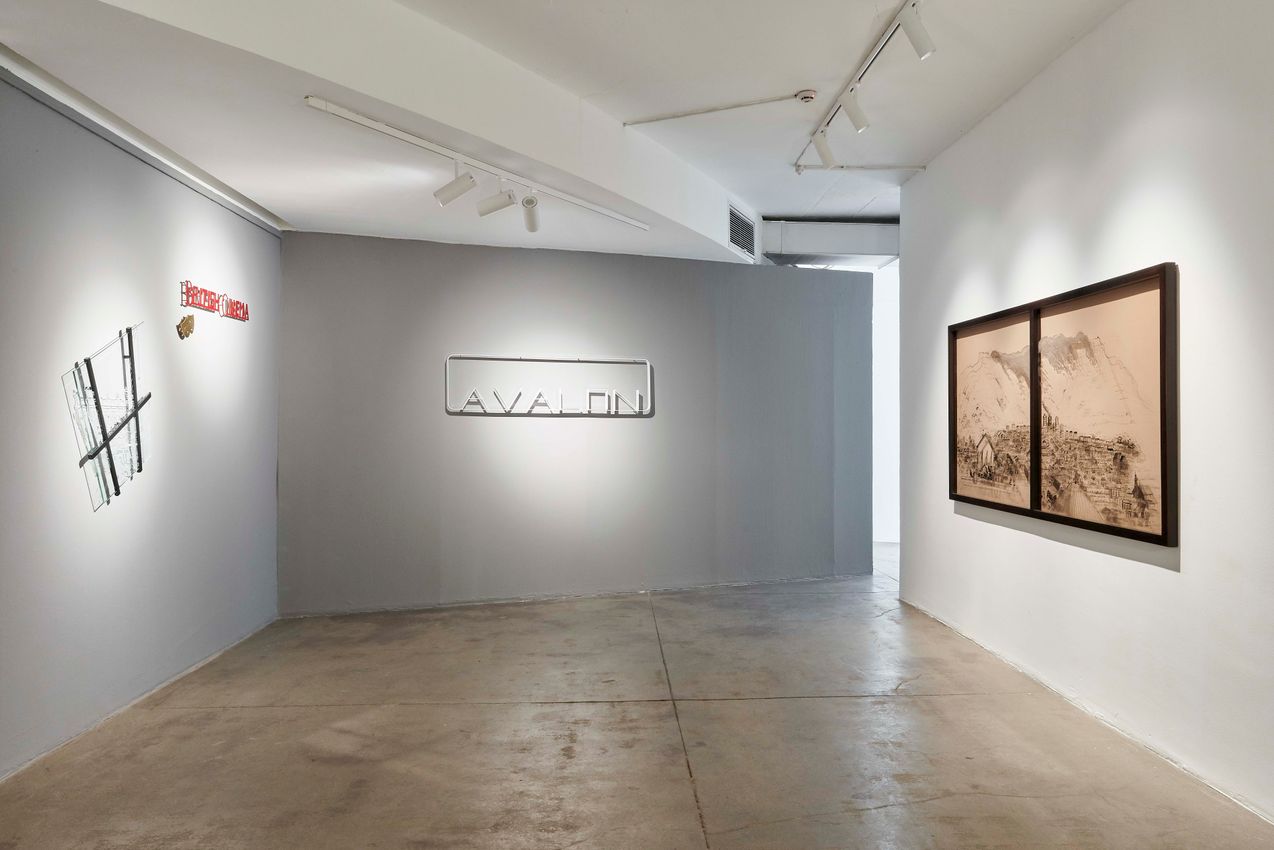
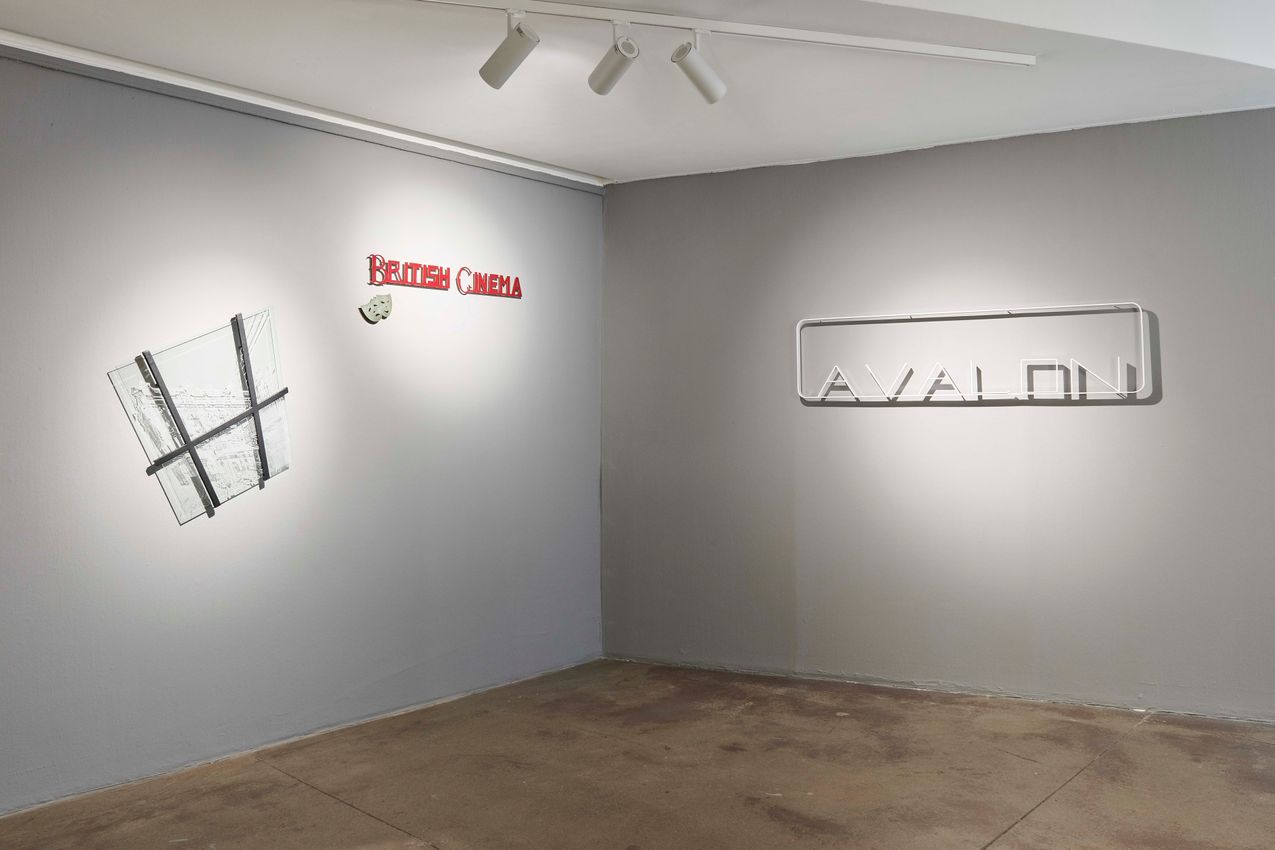
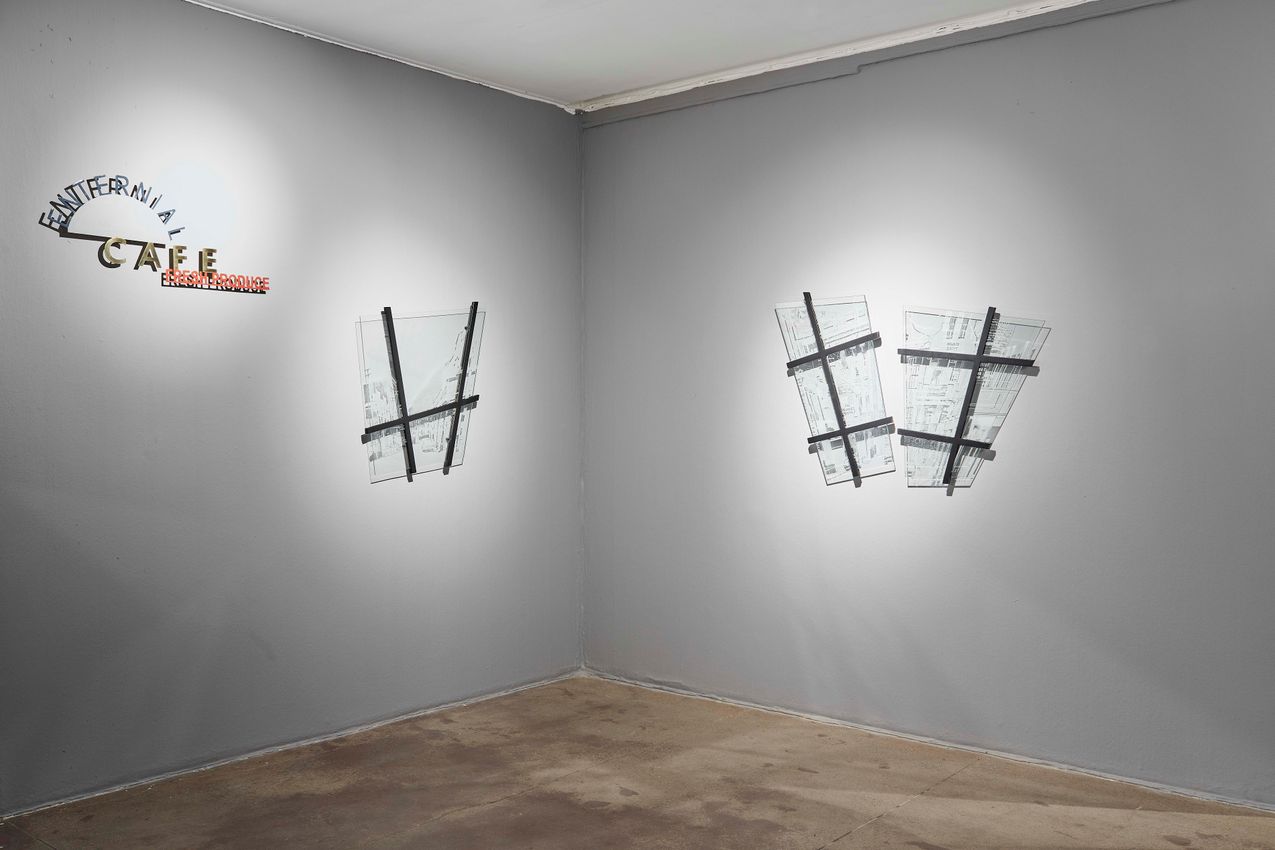
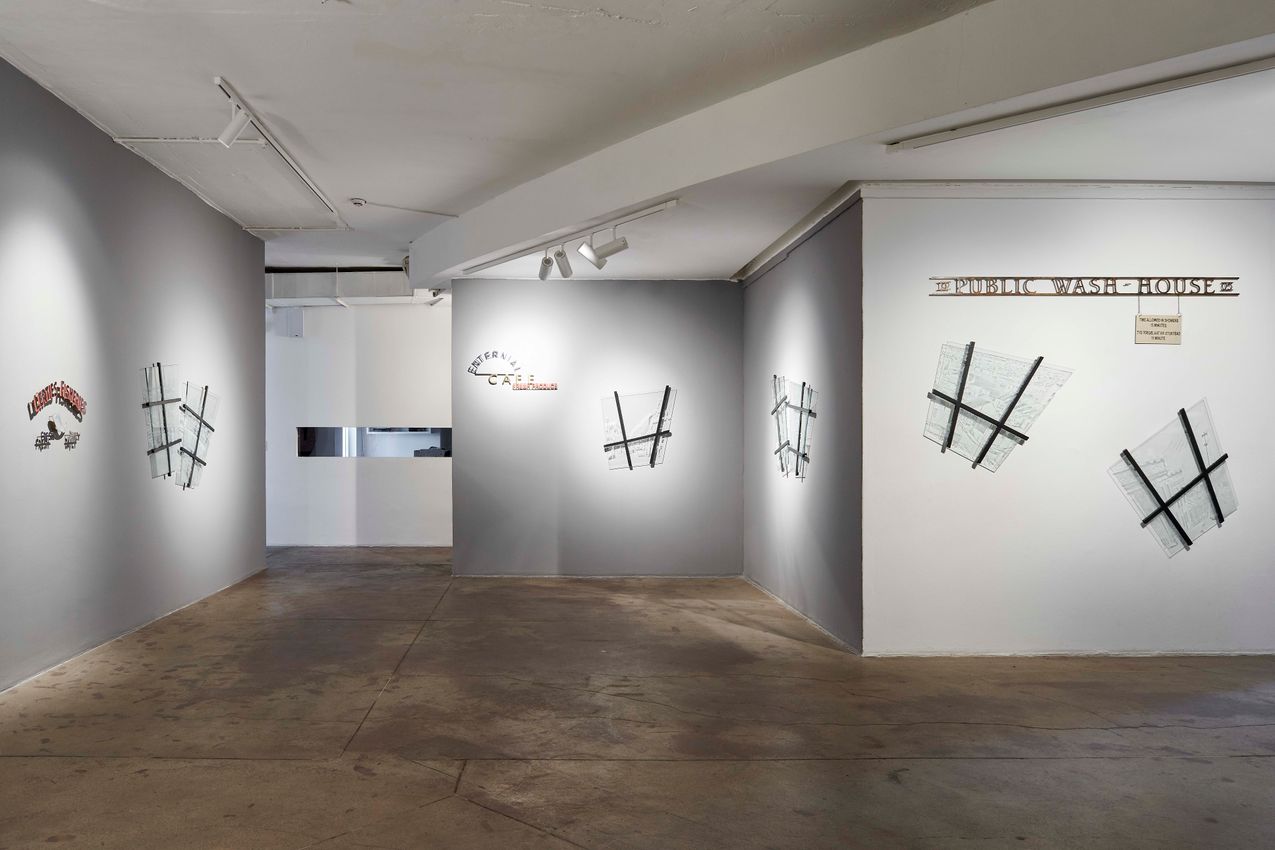
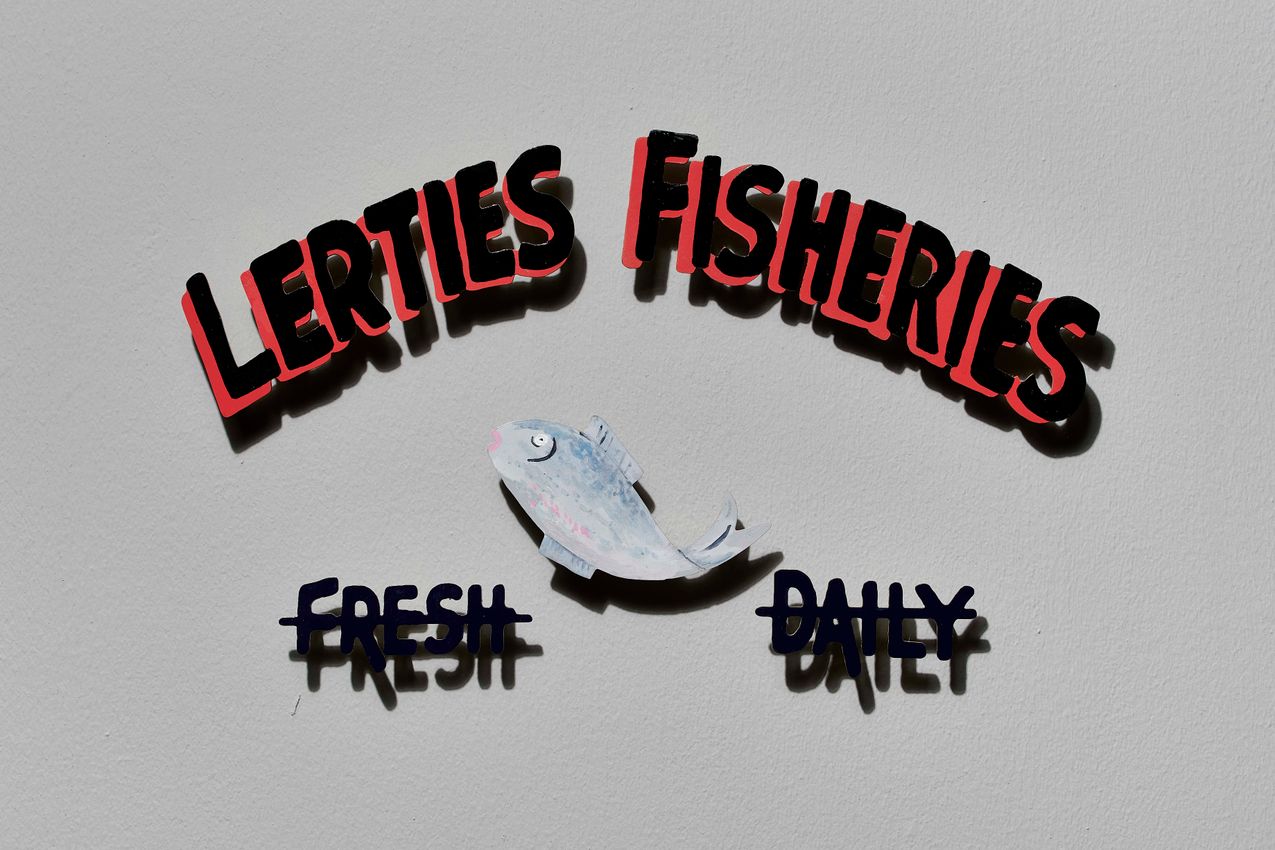
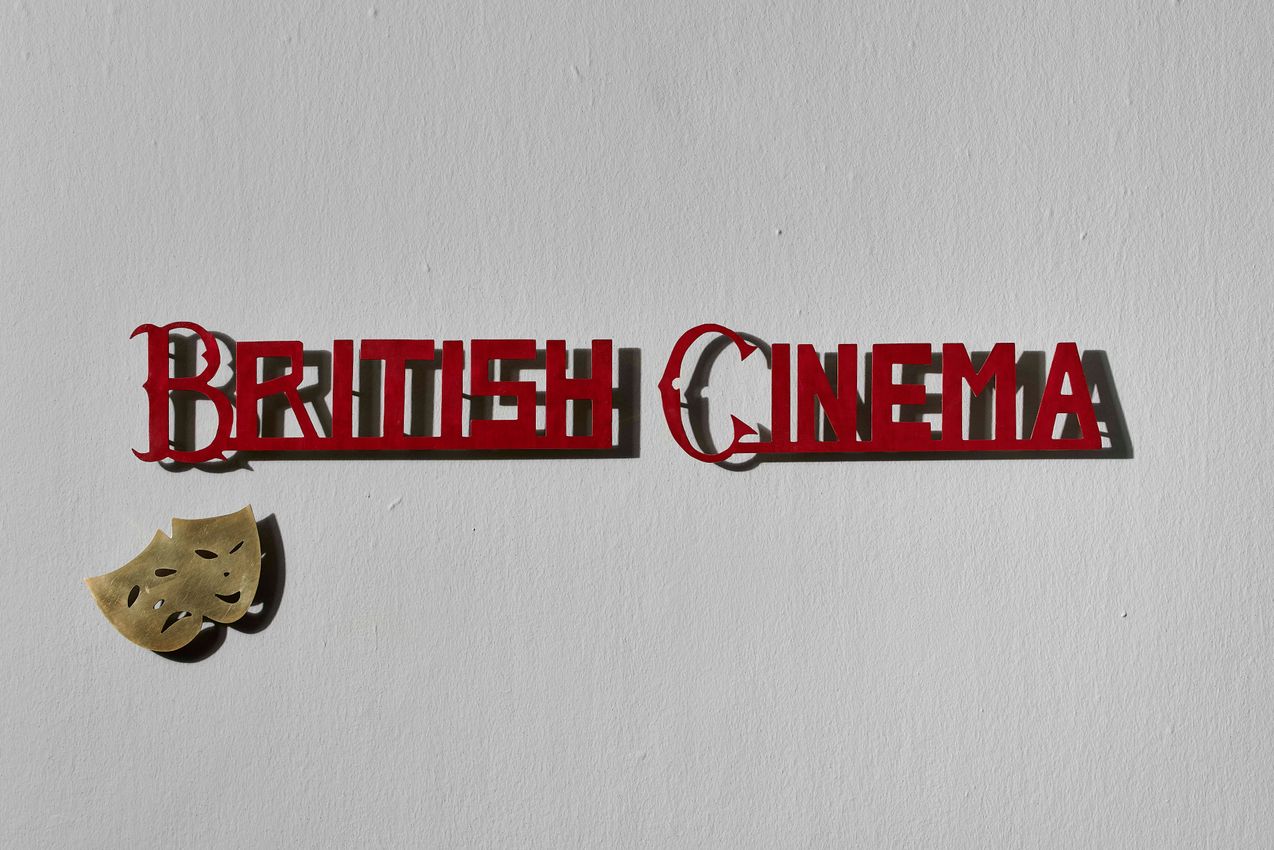
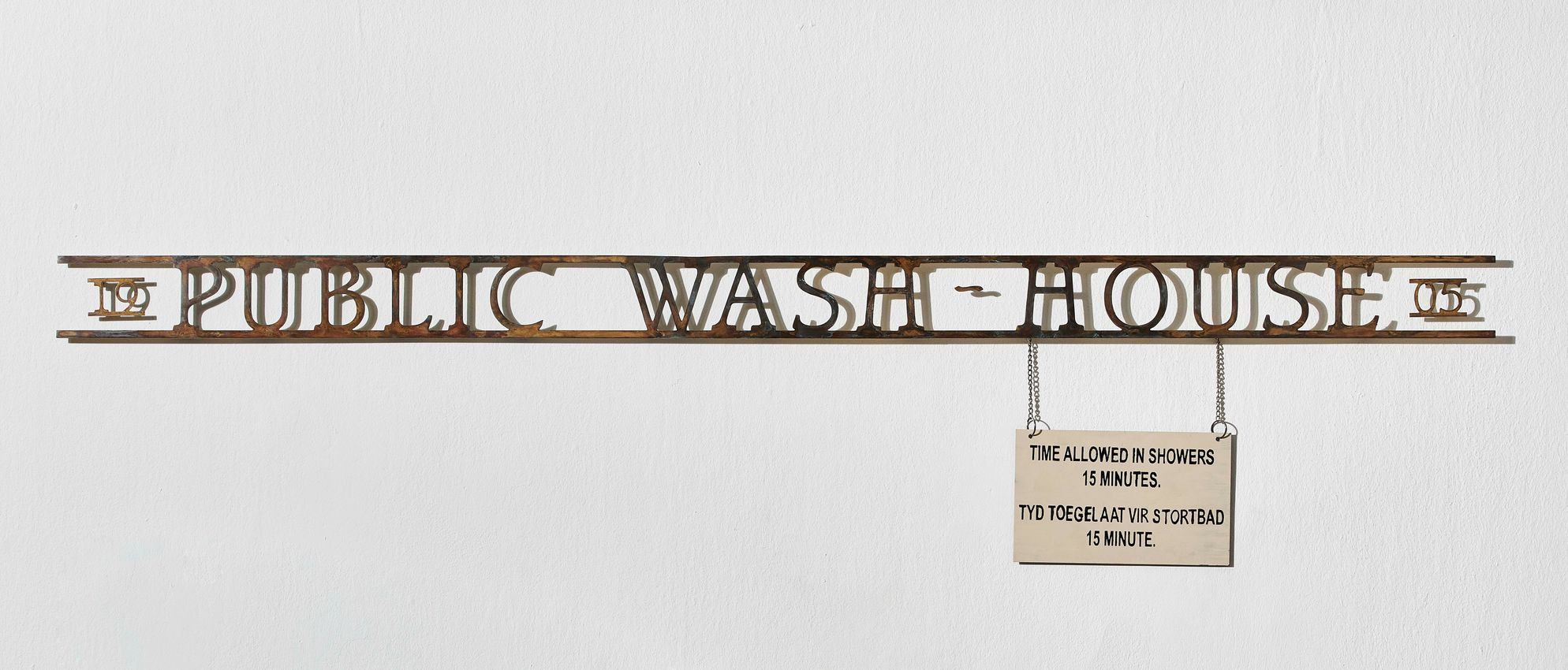
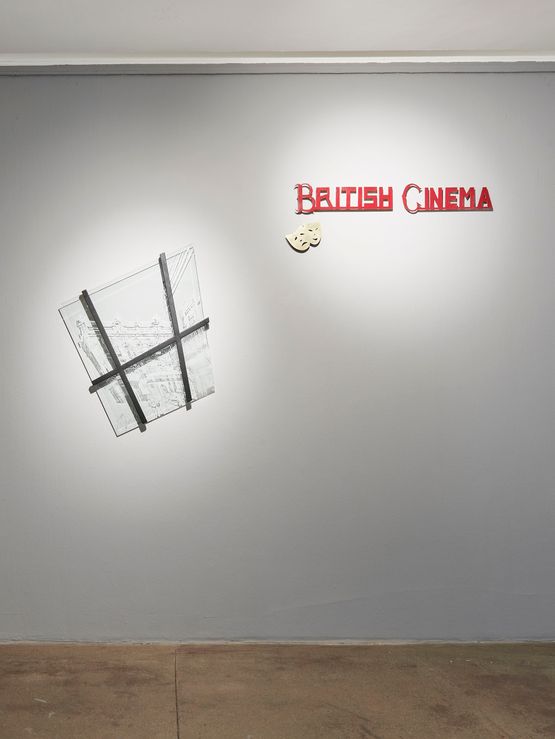
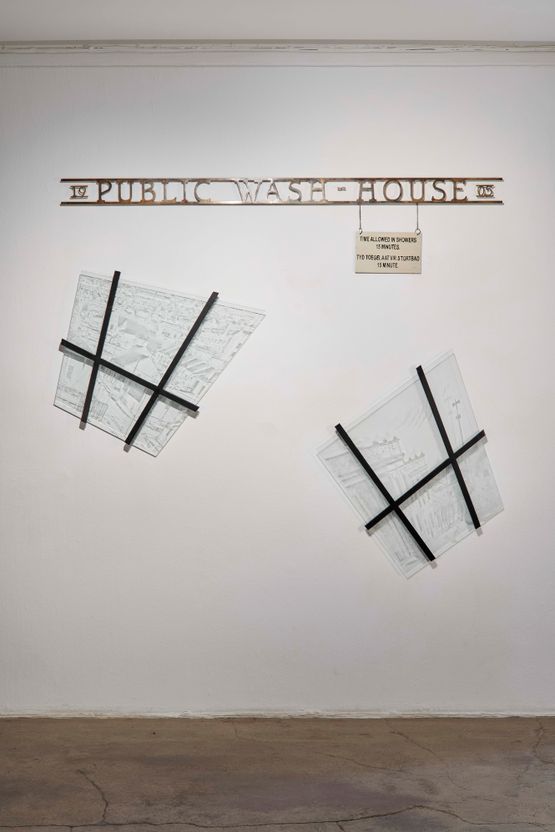
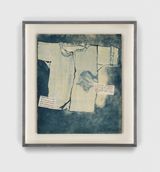
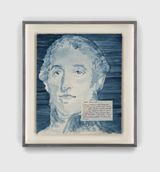
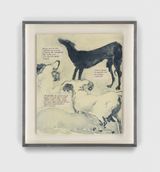
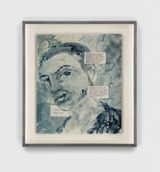
‘Signs of the Lost District’ is a new series of signage works derived from old photographs which recall the cinemas, the fish market, the public wash house and the cafes which once were part of the daily fabric of District Six. These works are made in laser cut metal and either powdercoated or handpainted. ‘The Lost District’ offers a similar archive-based, historical perspective in the form of eight works based on old photographs of District Six engraved on sheets of glass and perspex. Three of the panels were created for Williamson’s last solo exhibition in Cape Town, This Past Lies Ahead, in which the artist installed the works in the gallery overlooking the area where the old buildings, churches, mosques and schools, along with hundreds of cottages and terrace houses stood before being demolished by the apartheid state. In addition, five new panels from this series have been created for this exhibition.

The delicate lines of Williamson’s incised glass in these works are difficult to see, but show up clearly in the crisp grey shadows cast on the wall behind the work: the shapes of these buildings’ reinscribed presence—like the accounts of the collaborators in Williamson’s films–offering renewed clarity to a history not so far removed from our present.

*The series has been commissioned by research professor Dr Pumla Gobodo Madikizela, as acomponent of a larger project funded by the Mellon Foundation entitled Trauma, Memory andRepresentations of the Past: transforming scholarship in the humanities and the arts.

Read More

Installation Views

Other Works by Sue Williamson

Loading...
About the Artist

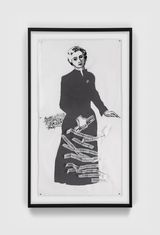
Sue Williamson (b. Lichfield, UK, 1941) emigrated with her family to South Africa in 1948. Trained as a printmaker, Williamson also works in installation, photography and video. In the 1970s, she started to make work which addressed social change during apartheid and by the 1980s Williamson was well known for her series of portraits of women involved in the country’s political struggle. A Few South Africans is one such a series where she celebrates women who had played roles in the fight for freedom.

View Artist Profile

Also Exhibiting at Goodman Gallery

About the Gallery

Goodman Gallery is an international contemporary art gallery with locations in Johannesburg, Cape Town and London. The gallery represents artists whose work confronts entrenched power structures and inspires social change.

View Gallery Profile
Address
163 Jan Smuts Avenue
Parkwood
Johannesburg
South Africa
Opening Hours
Tuesday - Friday
9am - 5pm

Saturday
9am - 2pm
(1)
Johannesburg 163 Jan Smuts Avenue, Parkwood
Goodman Gallery
163 Jan Smuts Avenue, Parkwood, Johannesburg, South Africa

Opening hours
Tuesday - Friday
9am - 5pm

Saturday
9am - 2pm
The art world in focus