The great Finnish artist Helene Schjerfbeck (1862–1946) created over forty self-portraits during her lifetime. From early images of herself as a young woman, earnestly gazing out from the canvas, to the increasingly existential works that chart her descent into old age and her confrontation with mortality, this body of work haunts us with a singular artist’s assertion of her complex humanity. Sardonic, intense, deadpan—the fury with which she painted herself toward the end of her life suggests a profound interior struggle. Yet the smudges of paint conceal her true feelings behind a mask of pigment formed by her distinctive brushwork. The differences from picture to picture, enacted through a repetitive act of self-representation, confront us, forcing us to look and contemplate the intricacies of this singular woman’s life.
Schjerfbeck is not alone in this compulsive repetition of the self. Many women artists have taken themselves as their primary subject, transcending the genre of self-portraiture to develop practices rooted in a multitude of self-directed gestures: inward exploration, outward performance, bodily emancipation, and at times acts of confrontation or repossession. Frida Kahlo. Claude Cahun. Pan Yuliang. Anita Rée. Maria Lassnig. Celia Paul. Catherine Opie. Laura Aguilar. In each of these artists’ returns to the self, they continually transform, asserting difference even as the subject remains the same.
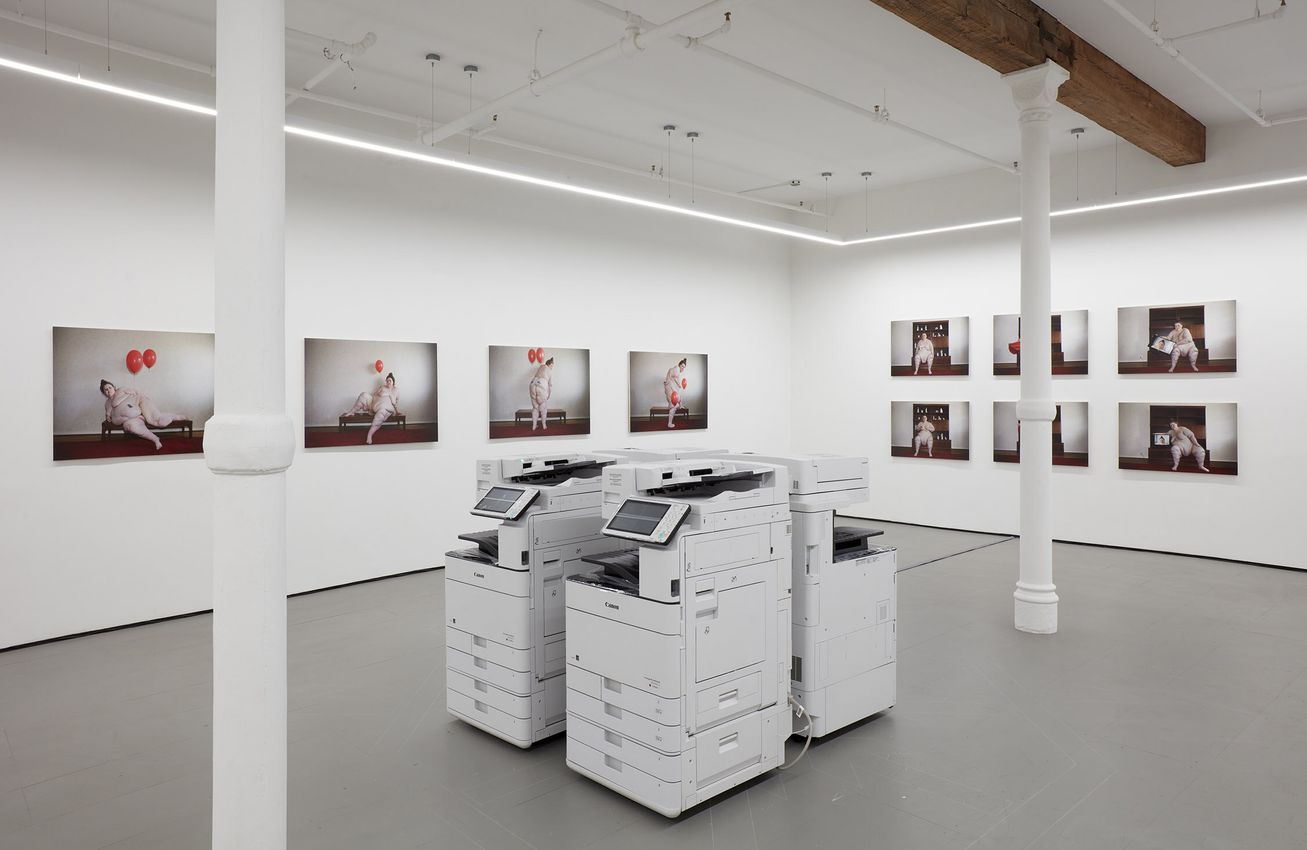
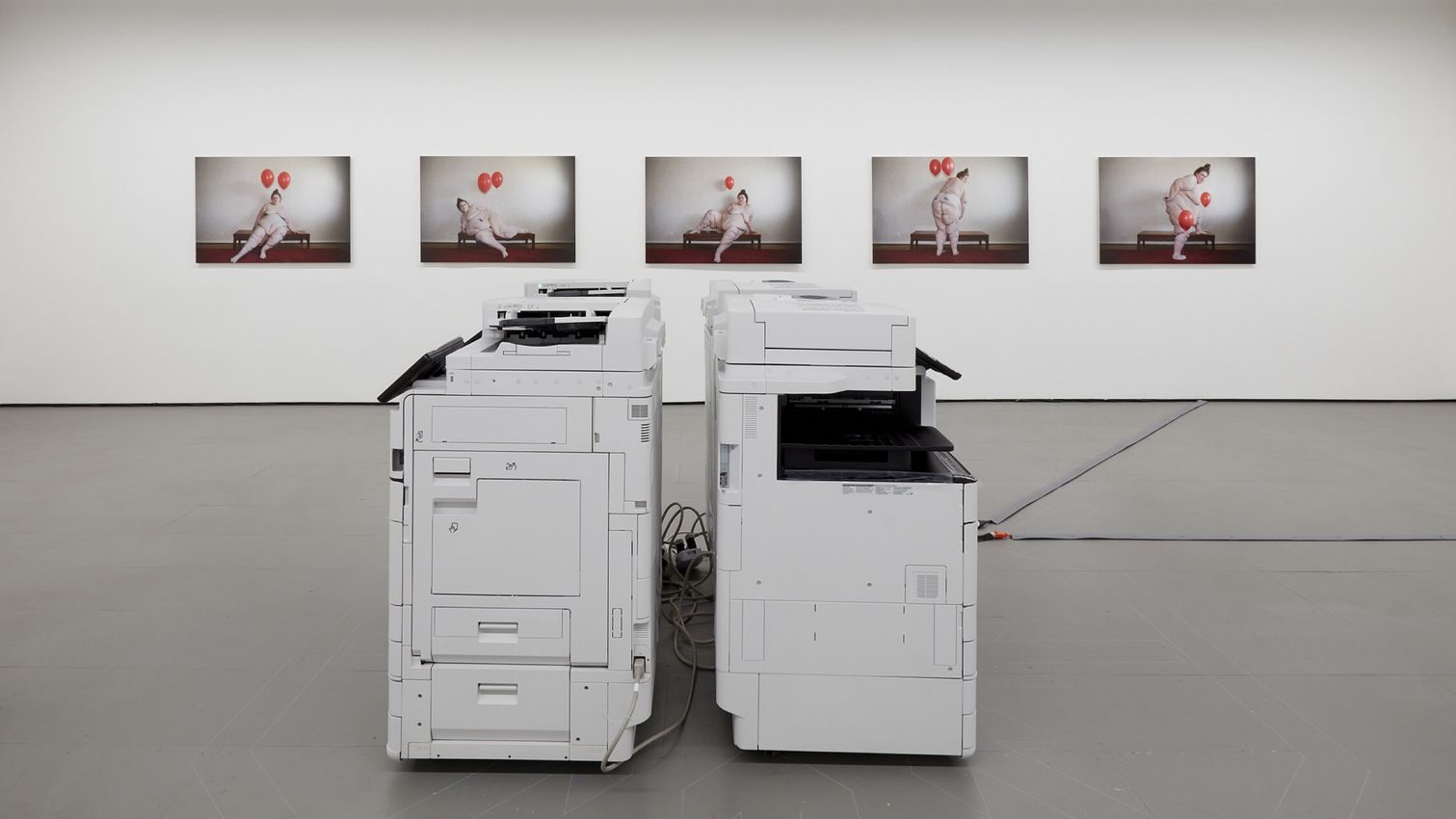
Since 2007, Iiu Susiraja has created more than a thousand self-portraits. Staging herself alone in front of a camera—whether still or moving—Susiraja’s images are almost always situated in domestic interiors and most often depict her full body rather than a cropped headshot. She deploys prosaic objects as props—food, toys, furniture, balloons, tape, pantyhose, lingerie—using them to activate her remarkable body. Each image compels the viewer to scrutinise that body: its departure from canonical female “norms,” its folds of skin, its massive presence in relation to the modest scale of the middle-class, homey interiors in which these mise-en-scènes unfold. At first glance, the soft corporeal transgressions in these images disarm through humour; ultimately, however, they release something much darker that lurks beneath the surface. “If a fat person behaves badly in an artistic context, then they are doubly misbehaving,” Susiraja explains. “Being fat is a transgression in itself... An obese person’s simple existence constitutes misbehaving.”
Hemmed in by the claustrophobia of kitchen cabinets and domestic appliances, Susiraja glances outward with her signature blank stare—never mind the red balloons gaffer-taped to her face with industrial-grade tape. Anyone familiar with the films of Finnish auteur Aki Kaurismäki will recognise this deeply Finnish mien. Deadpan and dry, this expression dissimulates emotion rather than reveals it. Known as tonnin seteli—literally “a thousand mark bill”—the term originates in a famous comedy sketch about this national “expressionless expression.” Even Schjerfbeck’s mysterious self-portraits, particularly the final eighteen made in the last two years of her life, exude a similar disquieting look, the same closely guarded silence. Deployed within Susiraja’s masterful stagecraft, the tonnin seteli becomes both armour and weapon. It shields her inner life from external judgment while simultaneously challenging the viewer to confront her presence and her difference. We cannot look away.
Finnish artist Iiu Susiraja is known for her still and moving image portraits, which capture the artist in her own home or her parents’ home, interacting with items such as housekeeping tools and pantry staples with prurient, deadpan humor. Her photographs and videos share what Hal Foster calls an anti-aesthetic, or the denial of an essentialist understanding of classical beauty and its delectation.

A respected voice in contemporary art discourse.
Focusing on ambitious storytelling and insightful art-world commentary. Ocula Magazine publishes in-depth interviews, critical essays and timely analysis on the artists, exhibitions and ideas driving the global art world.
Learn more about Ocula Magazine
Showcasing the best of the art world.
Ocula partners with galleries from around the world to highlight their artists, artworks and exhibitions. Gallery membership is by application and invitation, with each member vetted by an independent panel.
Learn more about Ocula Membership

Specialises in the sale of major artworks.
Led by a team with deep ties to the world’s leading auction houses, galleries and collectors. Ocula’s advisory team offers bespoke services to high-net-worth clients from around the world who are looking to acquire the best of contemporary and modern art.
Learn more about our team and services