




KANSUKE YAMAMOTO
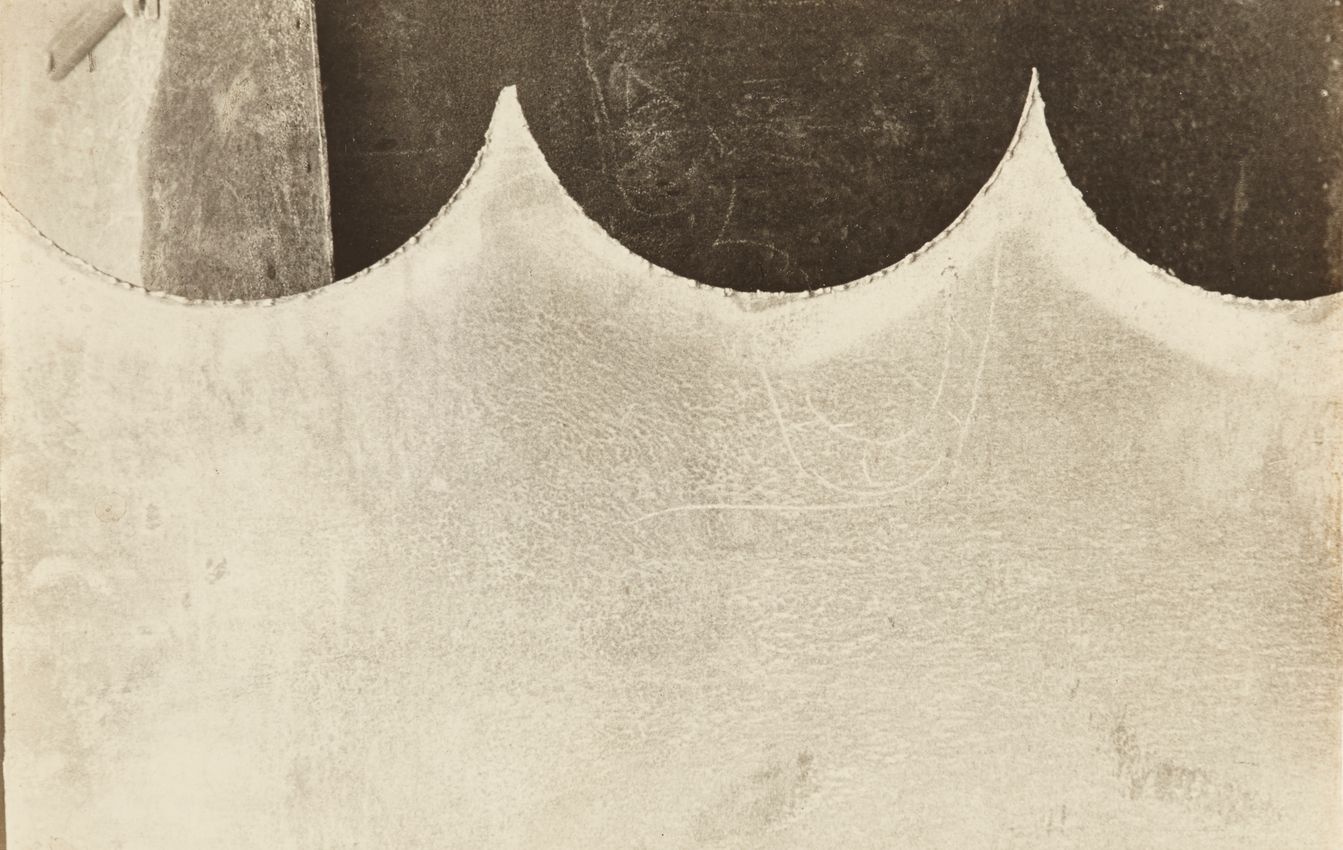
1914-1987, JapanKansuke Yamamoto (1914-1987) was a Japanese poet and photographer best known for his black and white Surrealist-inspired works and contributions to the avant-garde movement in Japan.
Yamamoto was introduced to photography at a young age by his father Goro Yamamoto, who was a founding member of Aiyu Photography Club and ran a photo studio and camera shop in Nagoya. Passionate also about writing, the younger Yamamoto studied French poetry and literature at Meiji University School of Arts and Letters in Tokyo.
Yamamoto was introduced to Surrealism around 1930 through CINÉ, a poetry magazine founded by Chiru Yamanaka. Yamamoto also encountered the works of René Magritte and André Breton at the Kaigai Chogenjitsushugi Sakuhinten (Exhibition of Overseas Surrealist Works) in Tokyo in 1937; the show inspired him to found a Surrealist poetry journal named Yoru no Funsui (The Night’s Fountain), which included his texts, drawings, and photographs. Because of the subversive nature of the Surrealist ideas, however, the journal was discontinued by the special police force after just four issues in 1939. This censorship arose from the complex political atmosphere of Yamamto’s lifetime: while Japan had experienced a liberal era during the Taisho period (1912-1926), the following Showa period (1926-1989) saw the introduction of laws that banned any form of political dissent and limited protests. Rejecting both the older pictorial-style photography and the new wave of documentary photography that was favoured by the Japanese government at the time, Yamamoto and his contemporaries embraced Surrealism as a liberating method of photographic expression.
The Surrealist movement’s influence on Yamamoto is evident in his recurrent use of symbols such as birdcages, which indicate imprisonment and the illusion of freedom; and bodies seeping into their surroundings, which point to the state’s oppression of the human form. Another pointed example is seen in his 1970 collage Butterfly, consisting of images ranging from butterfly wings to a gloved hand in a grid composition. By juxtaposing unrelated objects and taking certain figures apart—the butterfly into butterfly wings, for instance—the work makes familiar objects strange and demonstrates how meanings can be formed and altered.
Also typical of Yamamoto’s works are photographs of women and landscapes with dark, erotic undertones. For example, the jarring photograph Stapled Flesh (1949) depicts a bare female back with staples across it. Facing away from the viewer and seated amidst a dark background, the stapled figure’s pose and punctured skin evokes a sense of oppression. Scenery with Ocean (1949), another photograph, combines landscape and figuration by showing a body of water bordered by the torso of a reclining female nude. The naked body, with an upwards-pointing breast, is made to look as if it is a land mass with hills, thus eroticising both the female body and the landscape.
Throughout his career, Yamamoto was involved in several artist groups such as Nagoya Photo Avant-Garde (1938-1941), VIVI (1948-1950), Mado (1953-1958), Honoo (1955-1961), Subjective Photography Federation of Japan (1956), and Avantgarde Association of Poets. His work has been shown in notable galleries and contemporary art institutions including Taka Ishii Gallery, New York (2016); J Paul Getty Museum, Los Angeles (2013); Tokyo Metropolitan Museum of Photography (2008); and Ansel Adams Centre, San Francisco (2001). His work is also in the permanent collections of the Art Institute of Chicago; the Museum of Modern Art, New York; the Grand Palais, Paris; and the Tate Modern among others.
Perwana Nazif | Ocula | 2018




Explore and Follow Artists Shaping Contemporary Art
A respected voice in contemporary art discourse.
Focusing on ambitious storytelling and insightful art-world commentary. Ocula Magazine publishes in-depth interviews, critical essays and timely analysis on the artists, exhibitions and ideas driving the global art world.
Learn more about Ocula Magazine
Showcasing the best of the art world.
Ocula partners with galleries from around the world to highlight their artists, artworks and exhibitions. Gallery membership is by application and invitation, with each member vetted by an independent panel.
Learn more about Ocula Membership
Specialises in the sale of major artworks.
Led by a team with deep ties to the world’s leading auction houses, galleries and collectors. Ocula’s advisory team offers bespoke services to high-net-worth clients from around the world who are looking to acquire the best of contemporary and modern art.
Learn more about our team and services