






Indian Summer
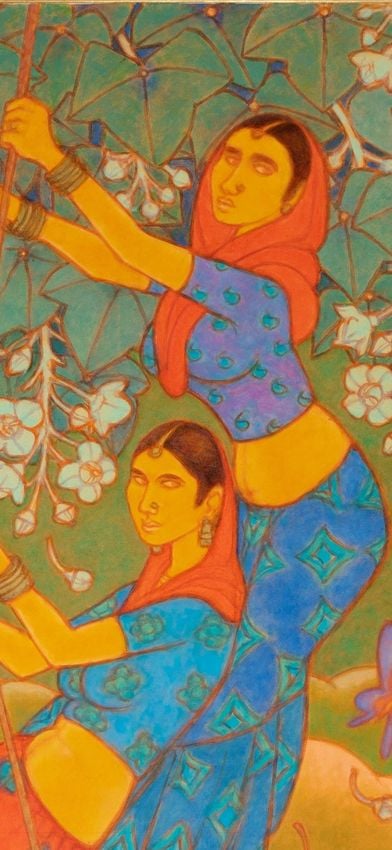
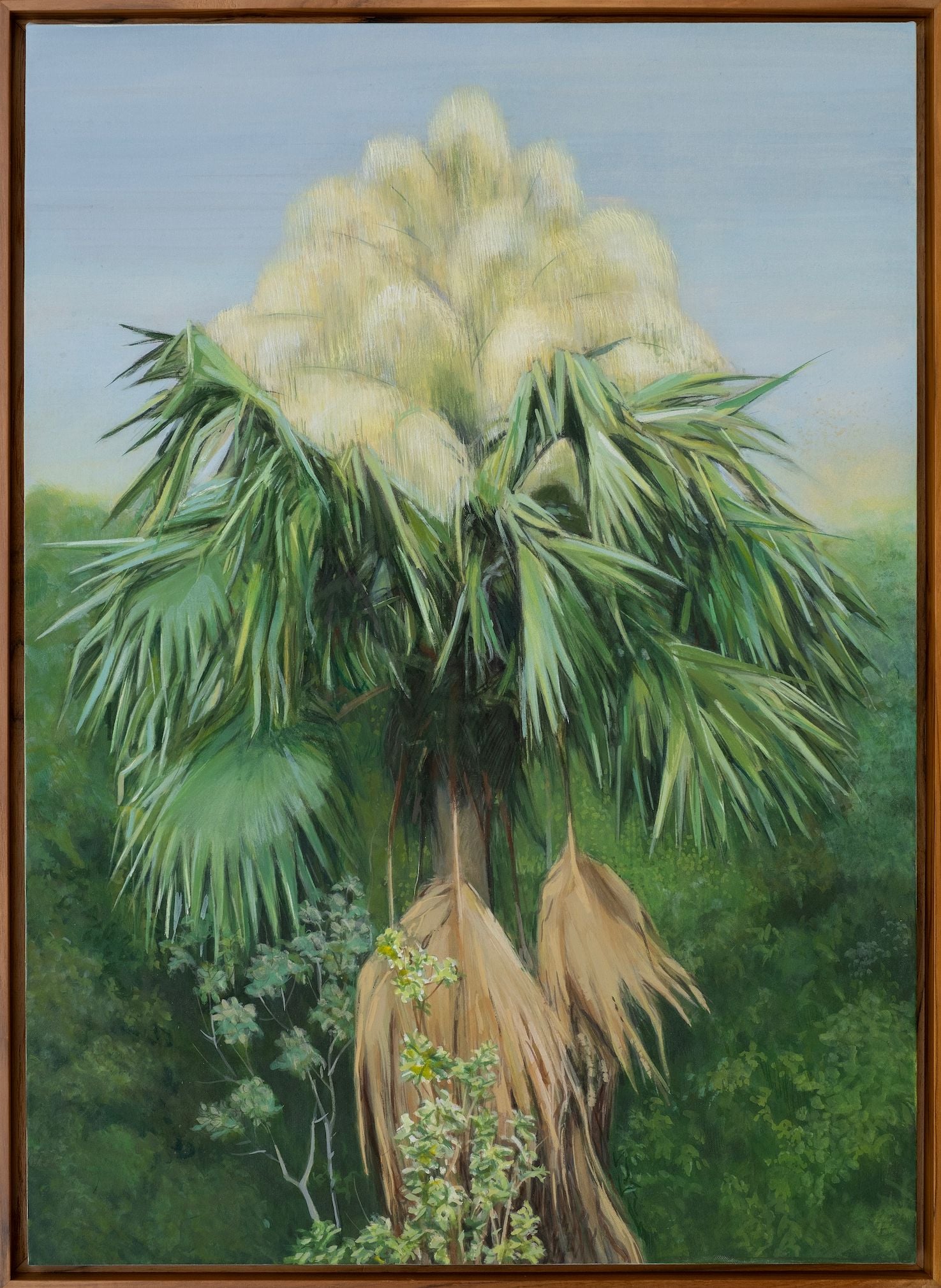
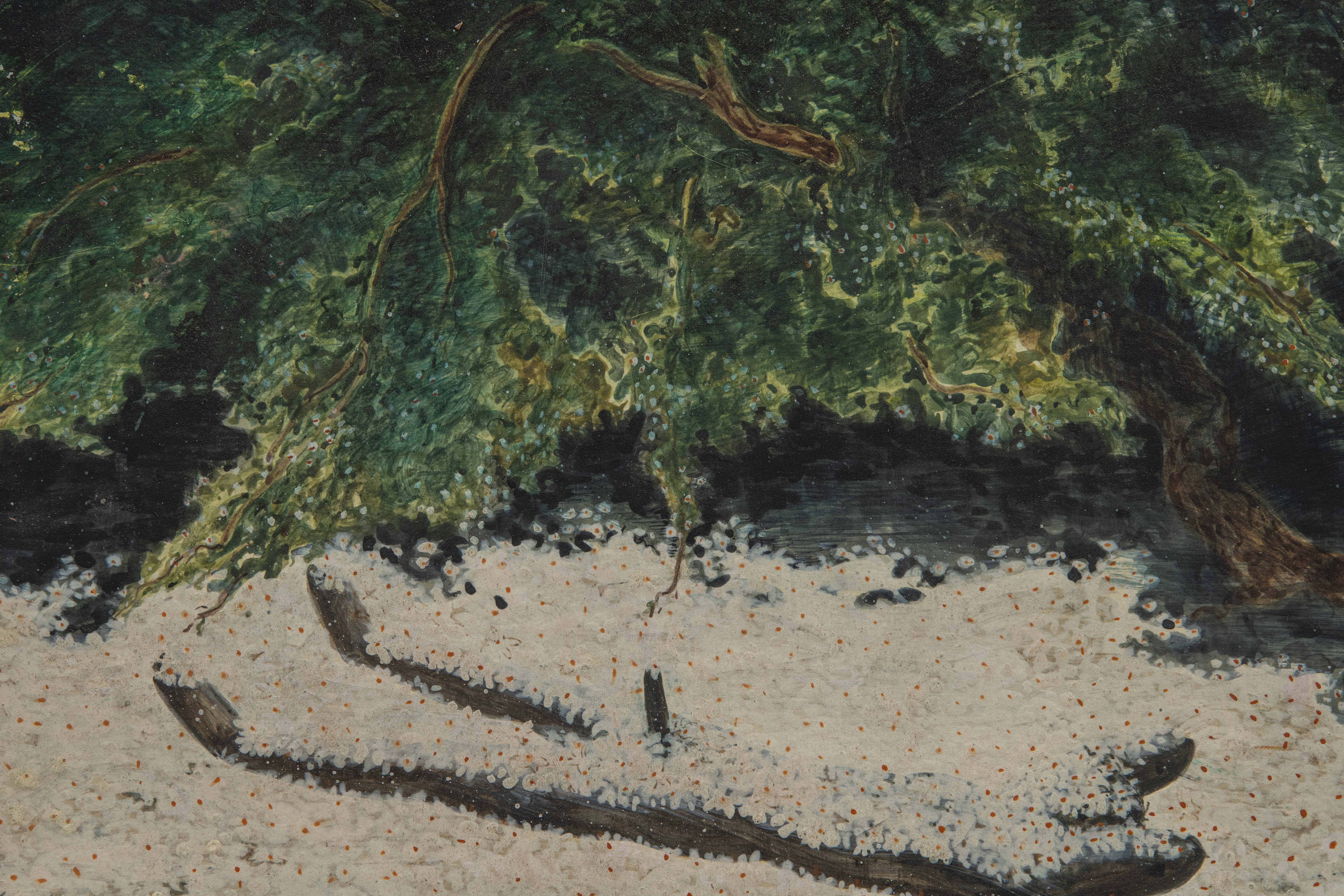
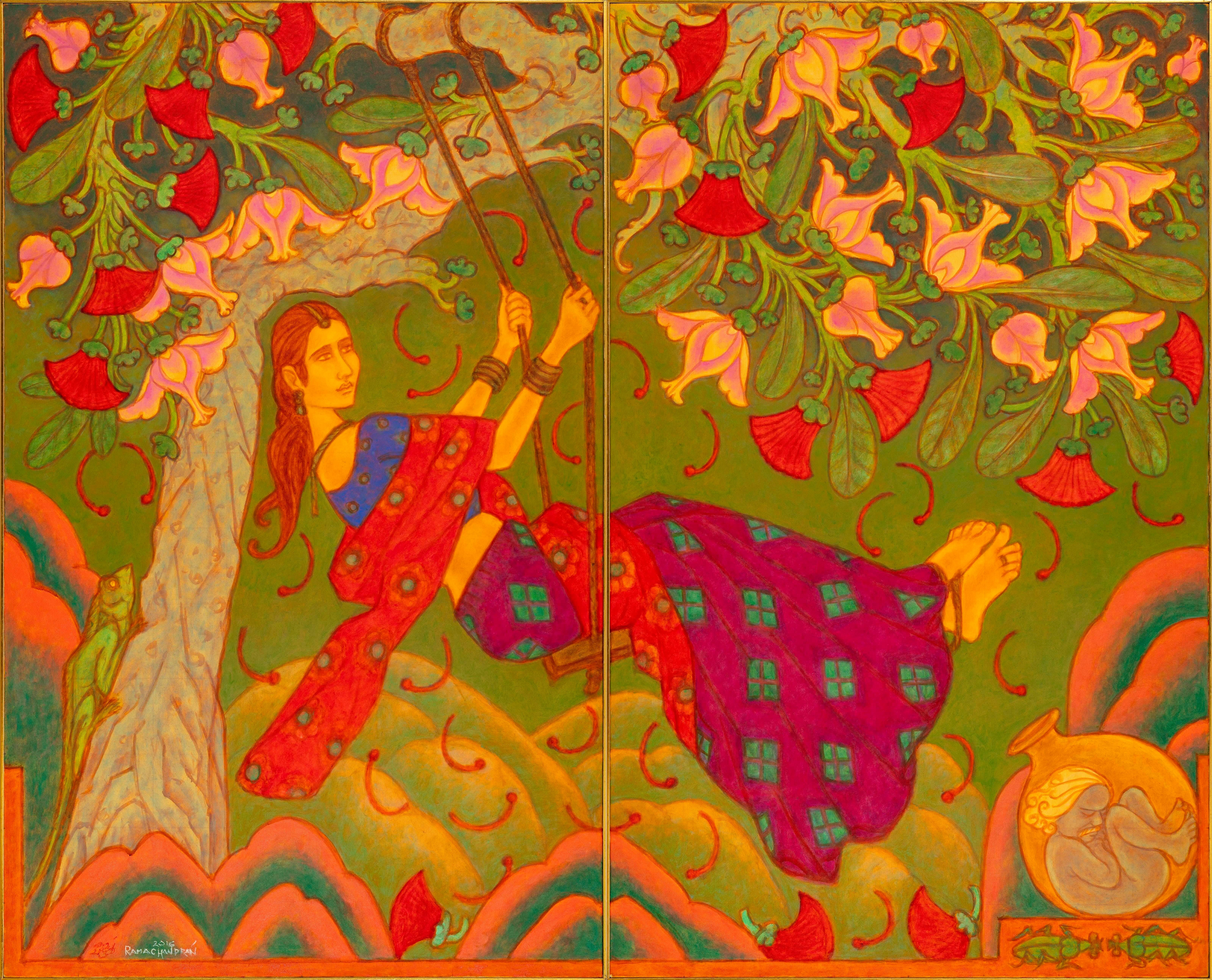
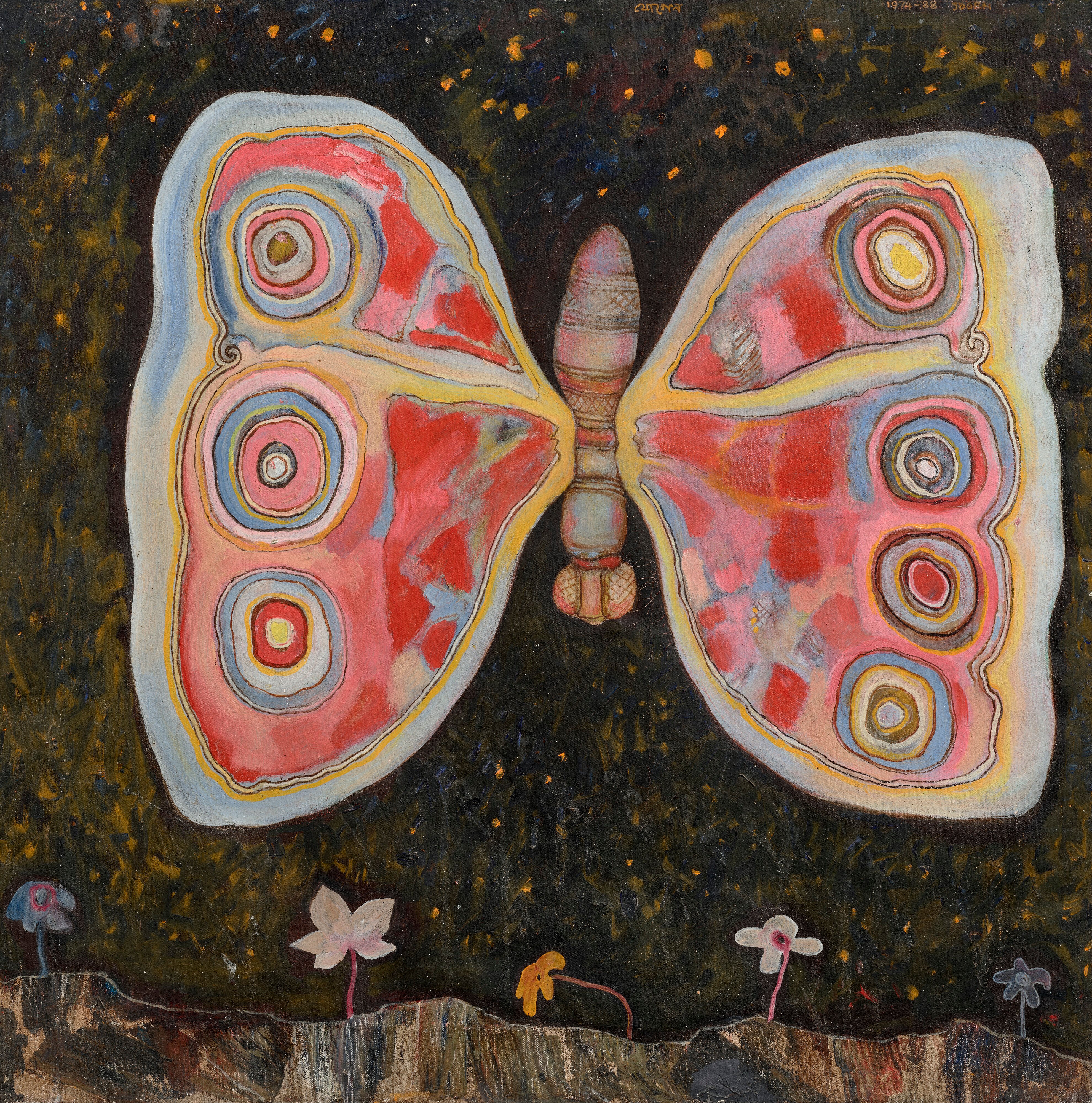
As regional tensions grow, South Asian artists make connections in London. Save to My OculaThis weekend, as London Gallery Weekend prompts a flurry of openings, events, talks and walk-throughs, No 9 Cork Street in Mayfair unveiled two exhibitions by Indian galleries. Delhi’s Vadehra Art Gallery is presenting a solo show of the late modernist painter A Ramachandran, spanning four decades of work across painting, sculptures and drawing and lithography. Mumbai-based gallery Project 88 brings together six artists for Treeish, an exhibition inspired by the power of trees. It includes Trupti Patel’s anguished terracotta sculpture Looking at a Mango Tree in Turmoil (1986–1987) and Mahesh Baliga’s luscious paintings of foliage.
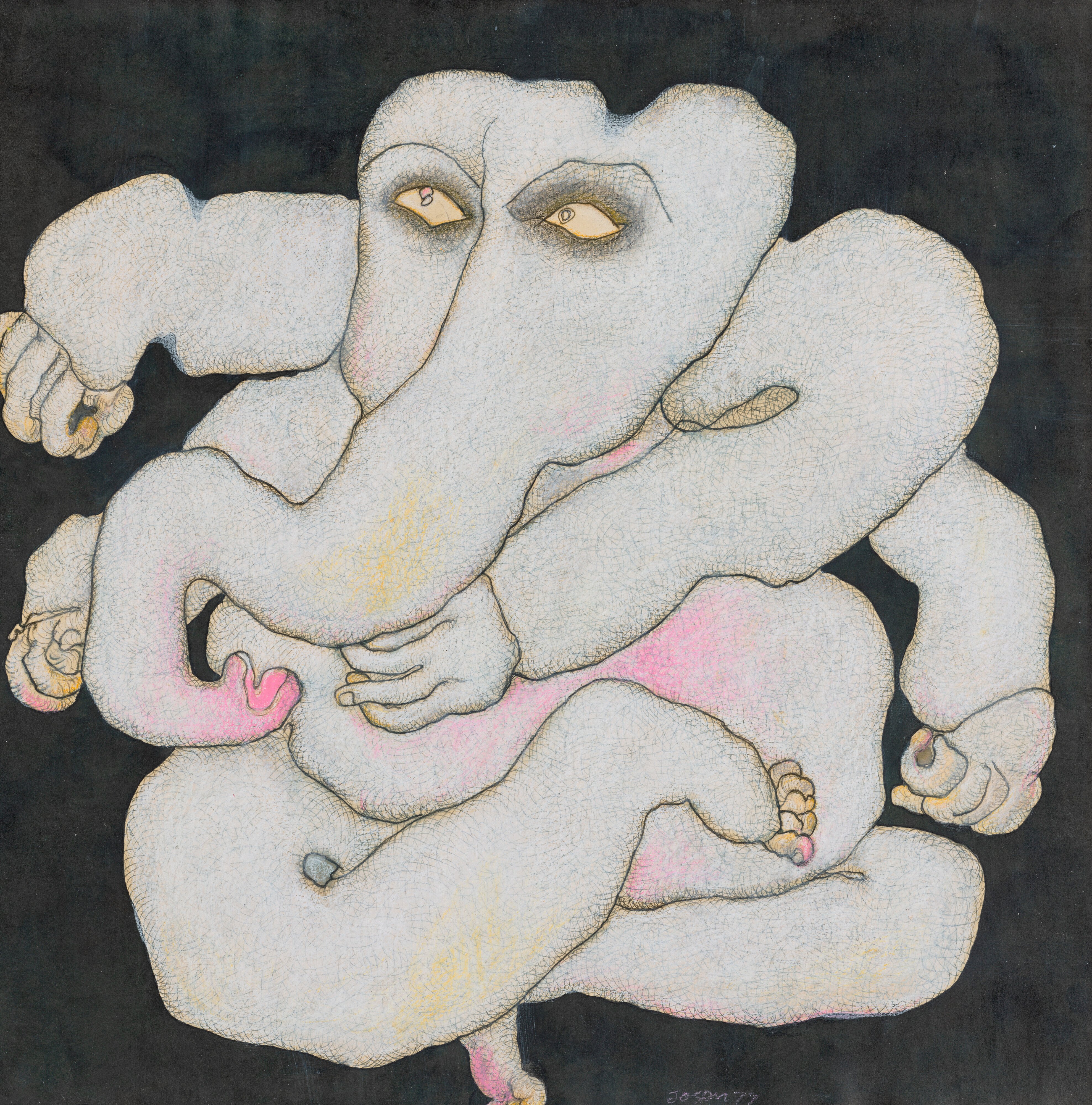
The Cork Street shows are just two among a multiplicity of exhibitions of South Asian art taking place in London this summer. Victoria Miro Gallery is showing both Indian multimedia artist NS Harsha and Pakistan American artist Shahzia Sikander. At Studio Voltaire, T. Venkanna is presenting his first solo institutional exhibition in London. Serpentine North will host a solo show by Delhi-based artist and filmmaker Amar Kanwar in September. Indigo+Madder, founded by India-born gallerist Krittika Sharma, is showing Indian, Pakistani and South Asian diasporic painters. New York City gallery Sundaram Tagore recently opened its London base with a show that features Bangladeshi sculptor Tayeba Begum Lipi, the late Indian poet, yogi and painter Sohan Qadri, and Pakistan American multidisciplinary artist Anila Quayyum. Christie’s, meanwhile, is preparing a major exhibition of more than 200 objects with India’s Kiran Nadar Museum of Art, alongside its first London auction of South Asian art after a seven-year pause.
This flurry of activity reveals that the art scene in India, Pakistan, Bangladesh and across South Asia is thriving, but also that London, with its historic colonial connection to the region, is becoming an outpost for South Asia’s artistic community, offering opportunities for encounter that aren’t always possible within it. “India is a large country and, being based in Bombay, we often don’t meet buyers from Delhi or elsewhere,” says Sree Goswami, director of Project 88. “London is a good place to meet them and the growing community of diaspora buyers from India, Bangladesh and Pakistan.” For Vadehra Art Gallery director Roshini Vadehra, who aims eventually to open a space in London, the timing of London Gallery Weekend in particular (5–7 June), is ideal, because many Indians are in London on holiday during their summer school holidays. “A lot of patron groups are doing their gallery walks, Americans are passing through to go to Art Basel and lots of South Asians are here on holiday, so we get support from our friends from home”.
At the centre of this is India’s rapid economic growth: the economy has nearly quadrupled in the years since the millennium. This has led to a “dramatic” expansion of the country’s collector base, according to Jaya Asokan, director of the India Art Fair. After the 2008 financial crisis, many collectors retreated to the relative safety of 20th-century modernists such as MF Husain, FN Souza and SH Raza. But gallerists now describe a more confident market for contemporary work, and the institutional landscape is strengthening, too, from non-profit spaces and biennales to museums. The Nita Mukesh Ambani Cultural Centre in Mumbai and MAP in Bangalore opened in 2023. Hampi Art Labs followed in 2024. The forthcoming Kiran Nadar Museum in Delhi is expected to become India’s largest cultural centre. India’s return to the Venice Biennale this year, after a seven-year hiatus, also indicates a new international ambition.
“London is becoming an external outpost for South Asia’s artistic community”
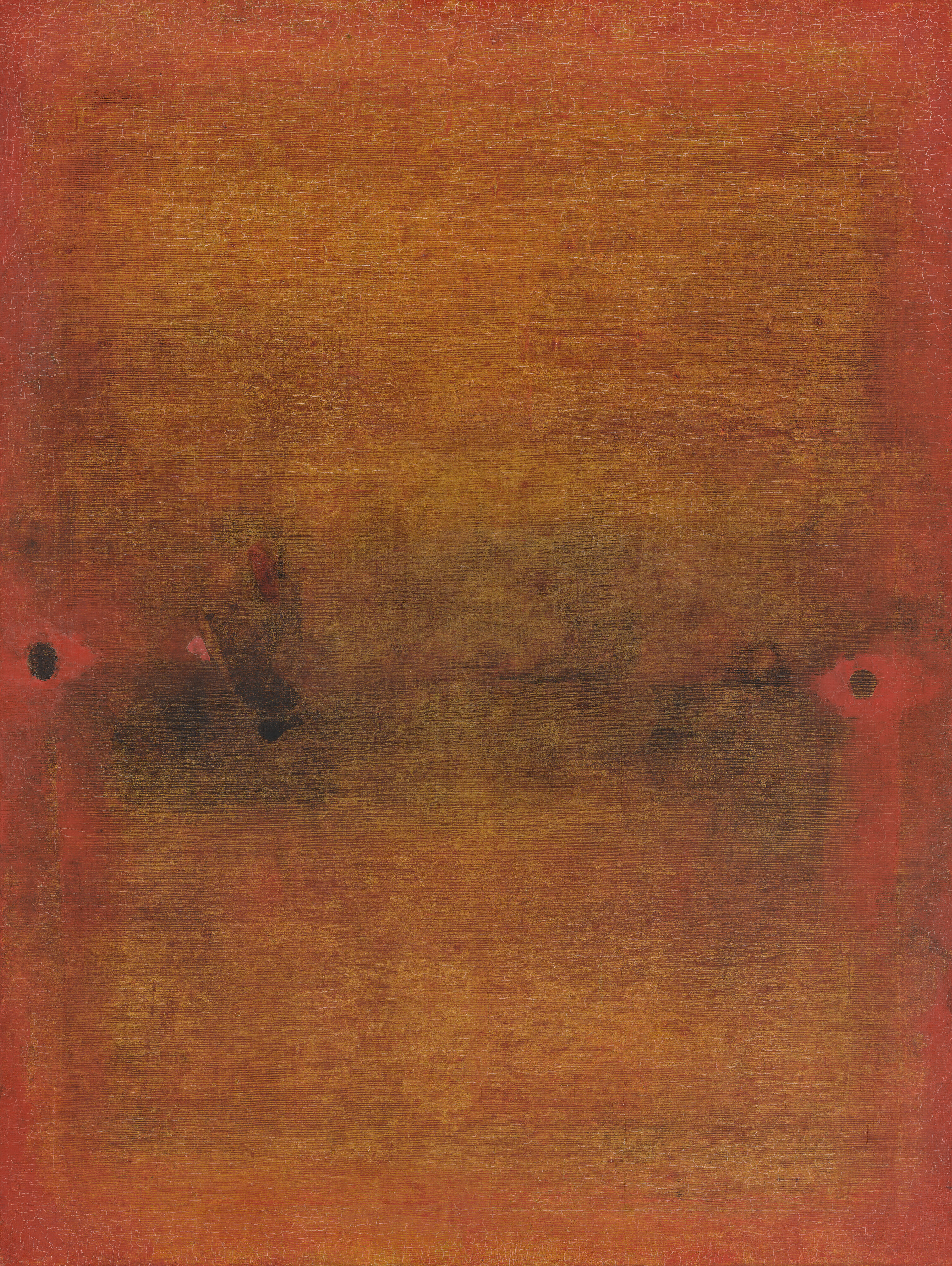
IAF’s Asokan is witnessing growth across the board. “We are seeing stronger engagement across generations of artists, across different mediums, and across a much wider range of price points.” Auction houses tell a similar story. Christie’s sold a work by M.F. Husain for $13.8 million USD (£10.2 million) in New York City last year – the highest price ever achieved for Indian modern art. This month, its London sale includes an untitled 1971 painting by Vasudeo Gaitonde estimated at up to £1.8 million. “You could pick up these works in the 1990s for slightly sad figures. If only we knew what the prices would be now,” says Damian Vesey, specialist in South Asian modern and contemporary art at Christie’s. Collectors are also diversifying. “We’re finding an influx of buyers who aren’t of South Asian descent, but are keen on India as the next big region to watch,” says Priya Singh, head of modern and contemporary South Asian art at Bonhams.
While the heft of India, which has the largest collector base and the most developed commercial infrastructure in the region, may be driving international visibility of South Asian art, the cultural scenes in other countries of the region are also thriving. Biennals, triennials and major exhibitions are taking place in Lahore and Karachi in Pakistan, Colombo in Sri Lanka, and Kathmandu in Nepal. The Samdani Foundation, which founded the Dhaka Art Summit (currently on pause owing to recent political upheaval in Bangladesh), is supporting the presence of two Bangladeshi artists in the UK at the moment: Kamruzzaman Shadhin, who has a residency at the Delfina Foundation, and Soma Surovi Jannat, whose exhibition at the Ashmolean in Oxford this summer is the first UK solo museum show by a Bangladesh-based artist. “It’s a major breakthrough, but we know there will be many more to come,” says Samdani Foundation co-founder Rajeeb Samdani.
Singh of Bonhams confirms that while collectors once tended to focus on Indian “celebrity” artists such as Husain, Souza and Raza, they are now more willing to consider lesser-known names, as well as artists from across the wider region. Bonhams’ auction in early June included works by Pakistani, Nepali, Sri Lankan and Bangladeshi contemporary artists. The widening of interest also exposes the fact that “Indian art” is not a clear category. Pakistan did not exist as a nation state until 1947, and Bangladesh was only recognised as an independent nation in late 1971. Many 20th-century artists are therefore very difficult to categorise accurately. “The broader landscape and the narrative is so similar that we don’t tend to make a distinction between the national identities of the artists – we integrate them all as one,” Singh says. A regional approach also reflects the approach of newer collectors. “They’re more open to just collecting good work, as opposed to work from their country”.
London plays a role beyond offering institutional opportunities and a diverse market of buyers. Britain’s colonial legacy means it has a complex relationship with the subcontinent, but the history of migration from the region means it also allows encounters that are harder within South Asia. Just as mid 20th-century artists such as Lain Singh Bangdel, M.F. Husain and Zainul Abedin were in London at a similar time, today London attracts artists from across the subcontinent who come to study and often stay on to work, and meet in a way that would not be possible otherwise. The English capital allows them to circumvent the significant travel and trade barriers that remain in the region. “It’s getting even harder by the year,” says London-based Amrita Jhaveri, co-founder of Mumbai based gallery Jhaveri Contemporary, which will exhibit a solo show of work by Mauritian artist Sabrina Tirvengadum at Radley Mews in west London later this month. “Originally there were issues between Pakistan and India, but now it’s between Bangladesh and India as well. The only places we can gather now are Sri Lanka or Nepal, or Dubai or London.”
She suggests, too, that London’s culture of openness also offers a certain freedom, pointing to Sculpture Garden, Studio Voltaire’s current exhibition of paintings by T. Venkanna: a carnal cornucopia of penises and breasts. “I don’t know if it could happen that easily in India—I think there’s certain kinds of practices that London is more accepting of.”
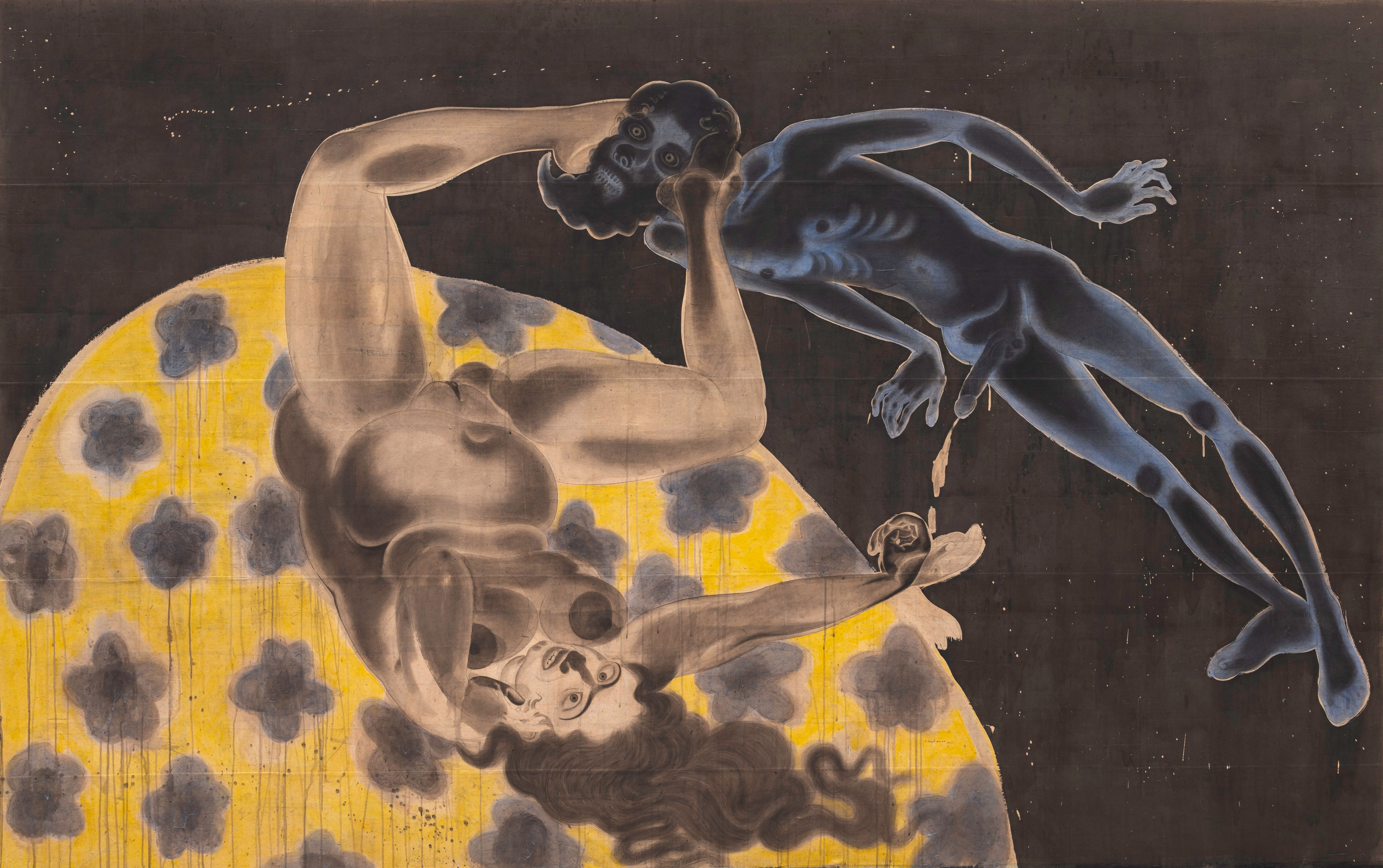
For Venkanna himself, whose first solo institutional exhibition in London follows a presentation at Frieze in 2025, London is attractive because it brings together audiences from many parts of the world. “But as an artist, I try not to think too much about markets,” he says. “Last year, I met collectors from Europe, the United States and Asia, as well as curators and museum professionals. The response gave me confidence that, while the work emerges from my own experiences and surroundings, the questions it asks are not limited to one place.” —[O]
Main image: A. Ramachandran, Girls on the Swing, 2017. CourtesyVadehra Art Gallery and the Ramachandran family.





A respected voice in contemporary art discourse.
Focusing on ambitious storytelling and insightful art-world commentary. Ocula Magazine publishes in-depth interviews, critical essays and timely analysis on the artists, exhibitions and ideas driving the global art world.
Learn more about Ocula Magazine
Showcasing the best of the art world.
Ocula partners with galleries from around the world to highlight their artists, artworks and exhibitions. Gallery membership is by application and invitation, with each member vetted by an independent panel.
Learn more about Ocula Membership
Specialises in the sale of major artworks.
Led by a team with deep ties to the world’s leading auction houses, galleries and collectors. Ocula’s advisory team offers bespoke services to high-net-worth clients from around the world who are looking to acquire the best of contemporary and modern art.
Learn more about our team and services