





‘There Is a Lot of Rich Detail in Everyday Life’: Sohrab Hura Captures a Lesser-Seen Kashmir
The Delhi‑based artist has garnered recognition in recent years for chronicling the “in between” moments of life. As Hura publishes a new book of photographs of Kashmir and exhibits in Venice, writer and editor Sharanya Deepak talks to him about unfixing meaning, bringing “sillyness” to the Biennale and the beauty of snow. Save to My Ocula

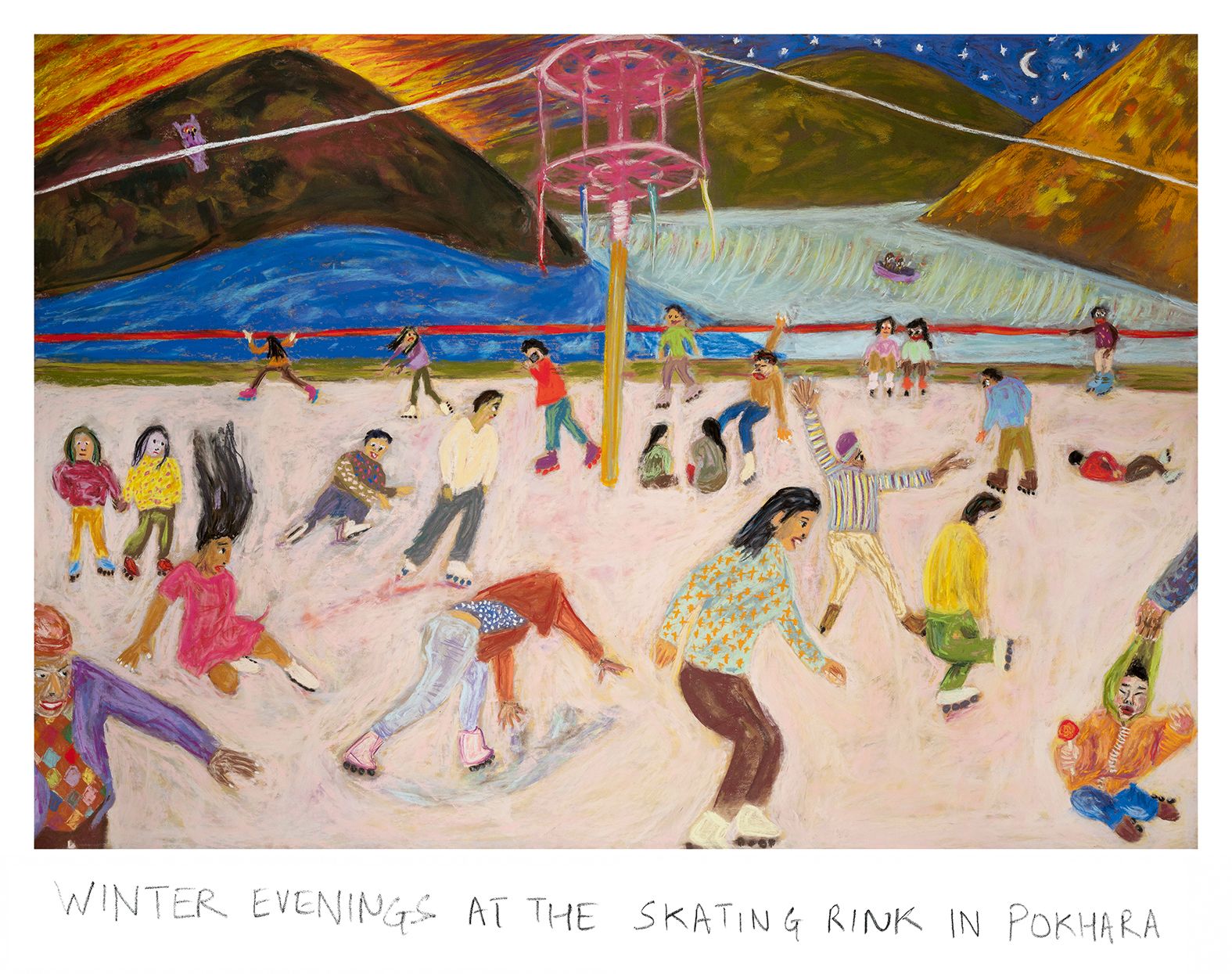
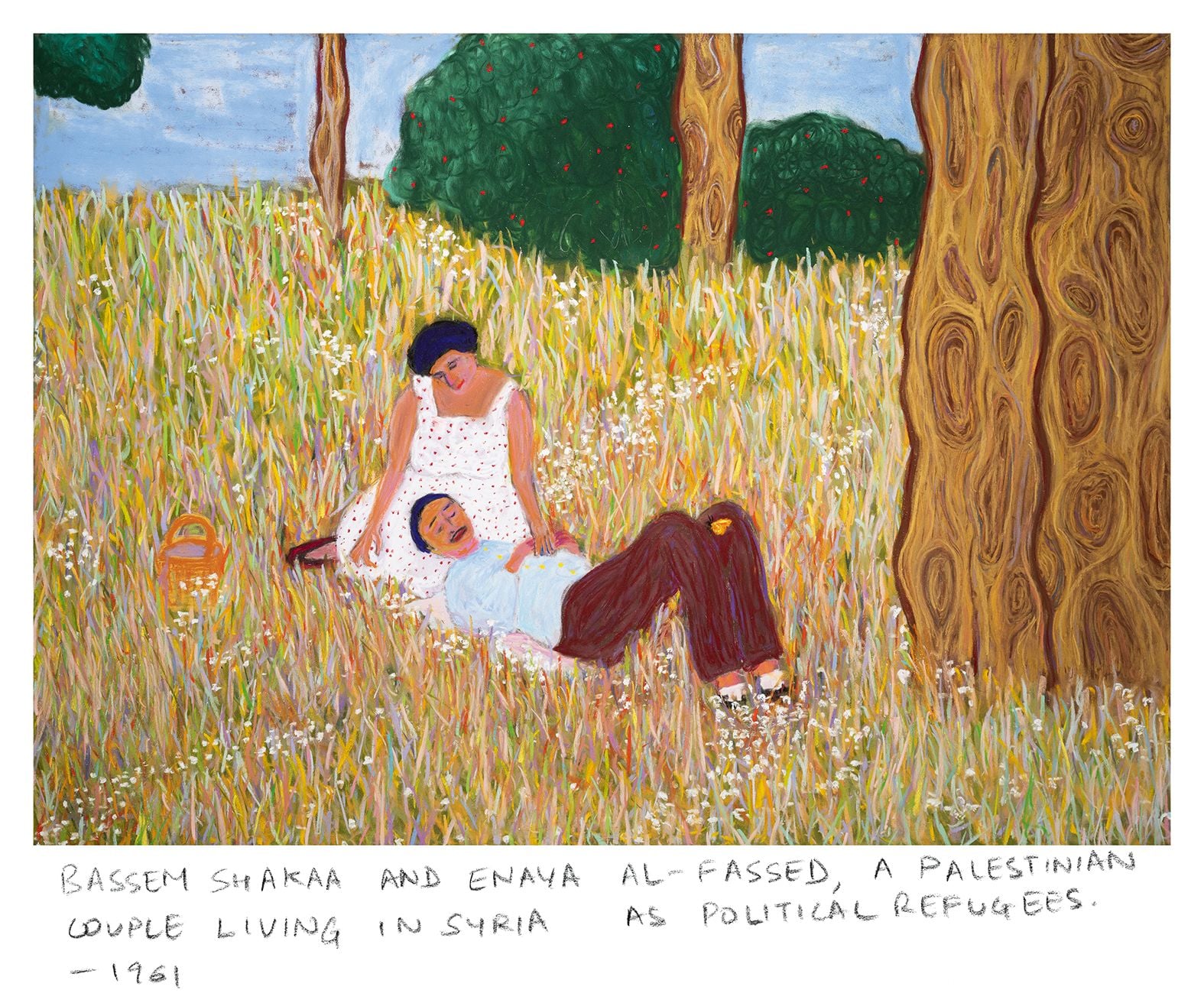
The drawings by Sohrab Hura in his book Things Felt but Not Quite Expressed (2024) traverse a scale from humorous to silly to audacious to pensive to solemn. He draws his mother applying her eyeliner, or ice skaters freewheeling around a rink on a winter’s evening in Nepal. On my first encounter with them, I was reminded of a scene in Ruth Ozeki’s 2002 novel All Over Creation, in which an earnest father waits outside his daughter’s bedroom door to hear her exclaim at the star-speckled ceiling he has created for her. And another in American writer Hua Hsu’s memoir of his university years, Stay True (2022), in which he describes the pleasure of driving his squabbling friends to the shop for cigarettes. In Hura’s drawings, there is a similar impulse towards something like tenderness. He shows us the in-between moments of daily life in which feeling is expressed.
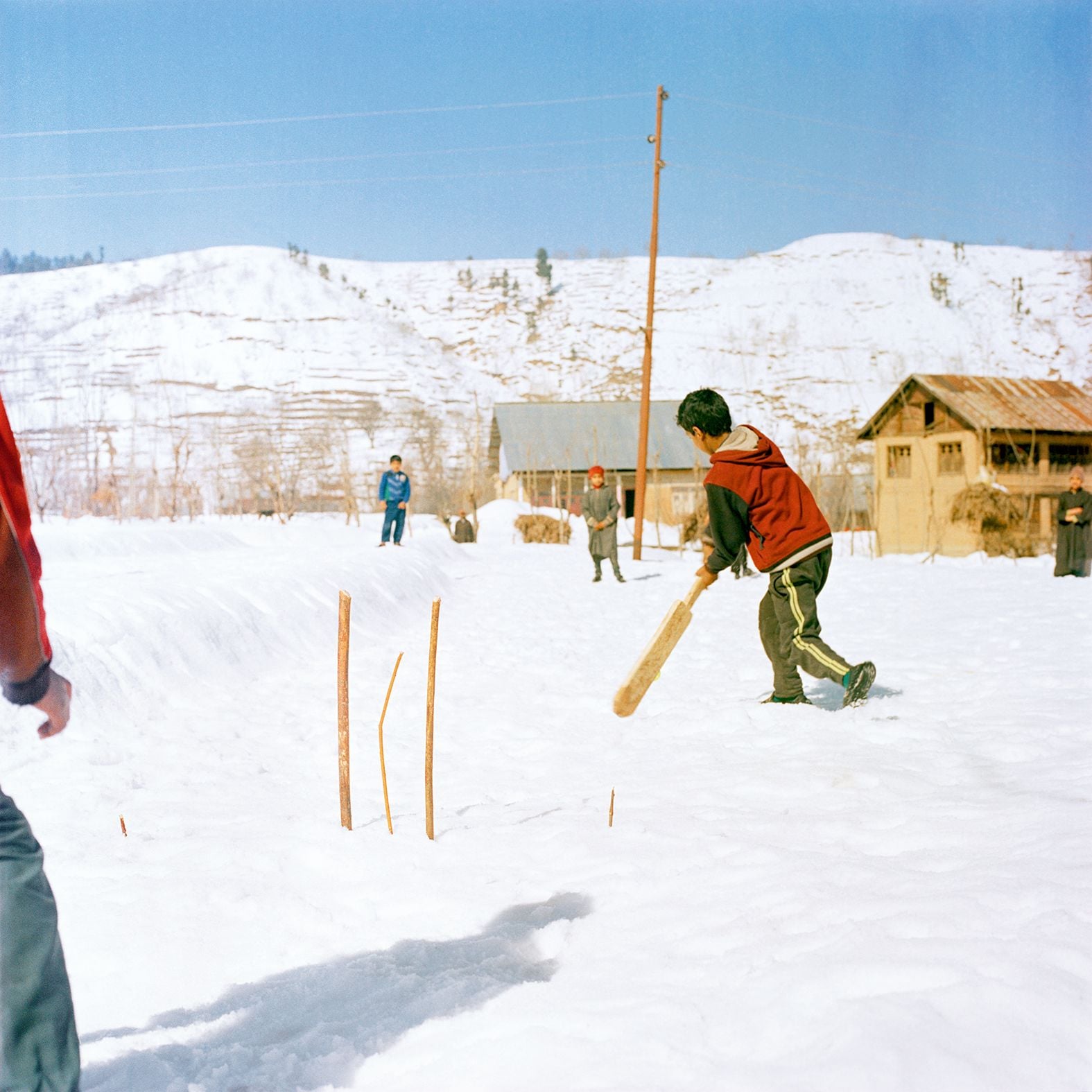
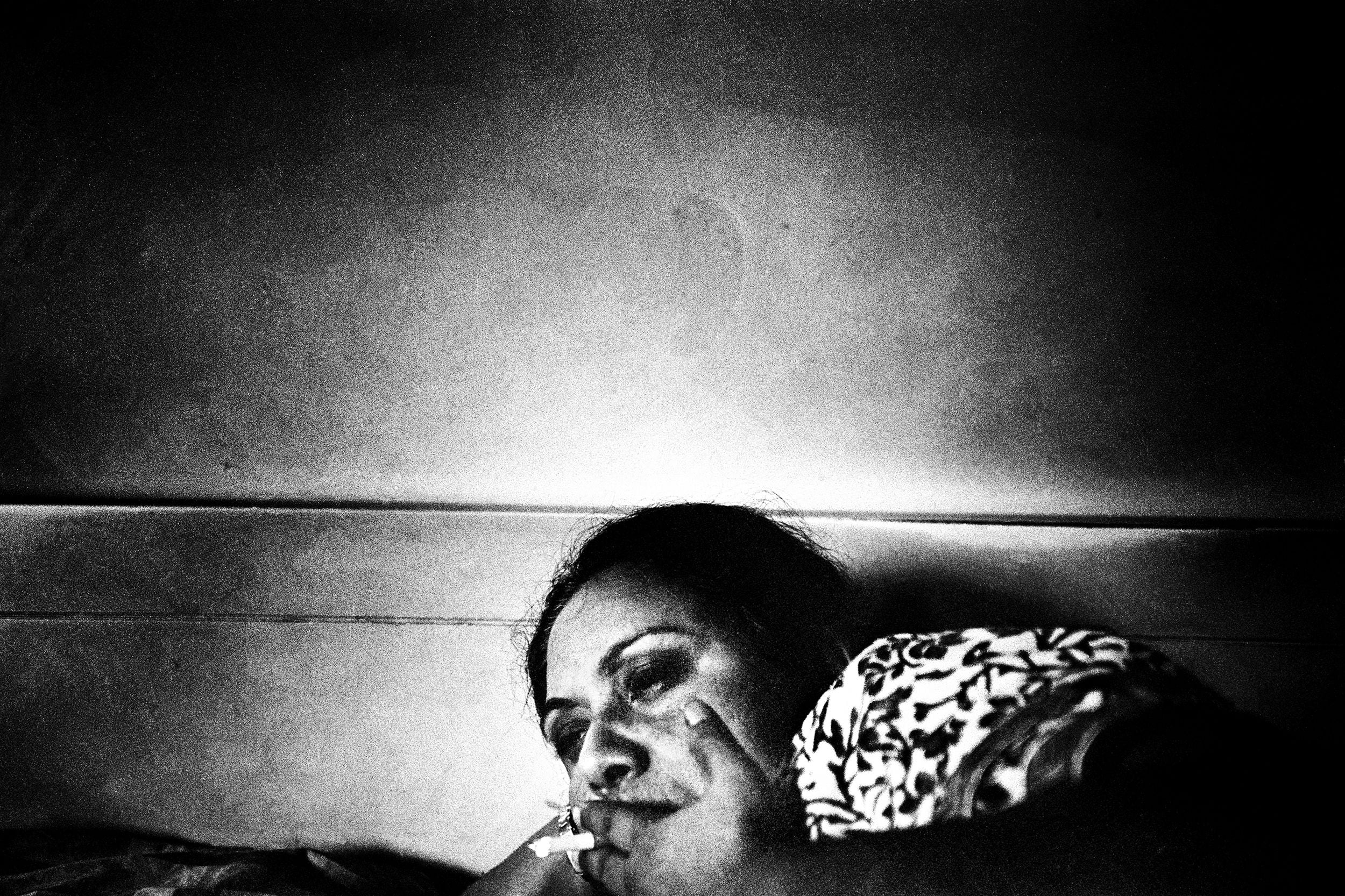
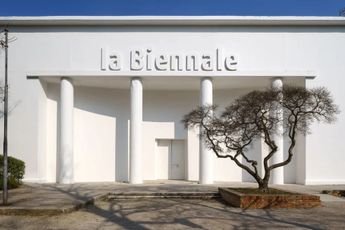
It’s this feeling which runs through Hura’s presentation at the Venice Biennale, where he is showing a film, 61 drawings from Things Felt but Not Quite Expressed and a body of work called Timelines, in which a tableau of images is shown on cardboard boxes. And it is evident in Hura’s new photobook, Snow (2026), which is made up of photographs of the winter season in Kashmir, a region in the northern reaches of the Indian subcontinent that is divided between India and Pakistan. In one photograph, three young Kashmiri men place a kangri (a portable fire-pot in an earthenware bowl) next to a snowman; in another, a woman places a cap on a little boy’s head; in a third, a child pulls a gas cylinder towards his home, his face solemn with duty.
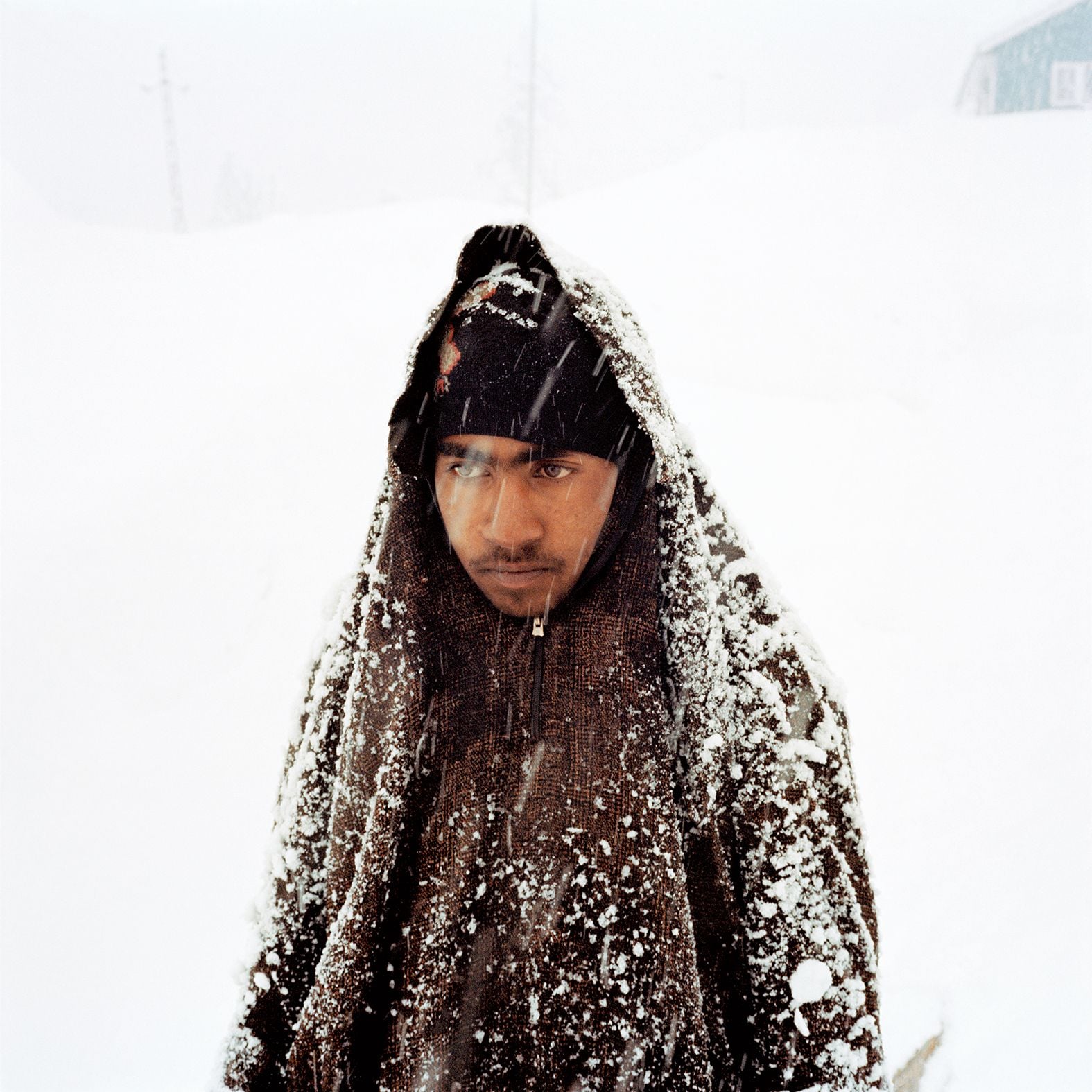
In India, Kashmir has been occupied by the military for almost four decades and, today, the government uses it as pawn for its nationalist agendas. The violence that not only exists in sporadic events can govern daily life. Military personnel can interrupt someone going to the market for tomatoes on the pretext of needless frisking; they can snatch away family members in the dead of the night.
During the past three decades, many Kashmiri artists, photographers and writers have made work about their land. Most recently, Zahid Rafiq’s short stories, The World with its Mouth Open, depicted Kashmiri life in granular detail: young boys who spend days worrying about punishment from towering, fearsome teachers; a young woman who has a drink with a man from her childhood in a perplexing and charged encounter. Even so, in the mainland, in whose capital both Hura and I live, images of Kashmir usually straddle either glossy utopia, all snow-capped mountains and tulip gardens, or scenes of strife seen reported in the news.
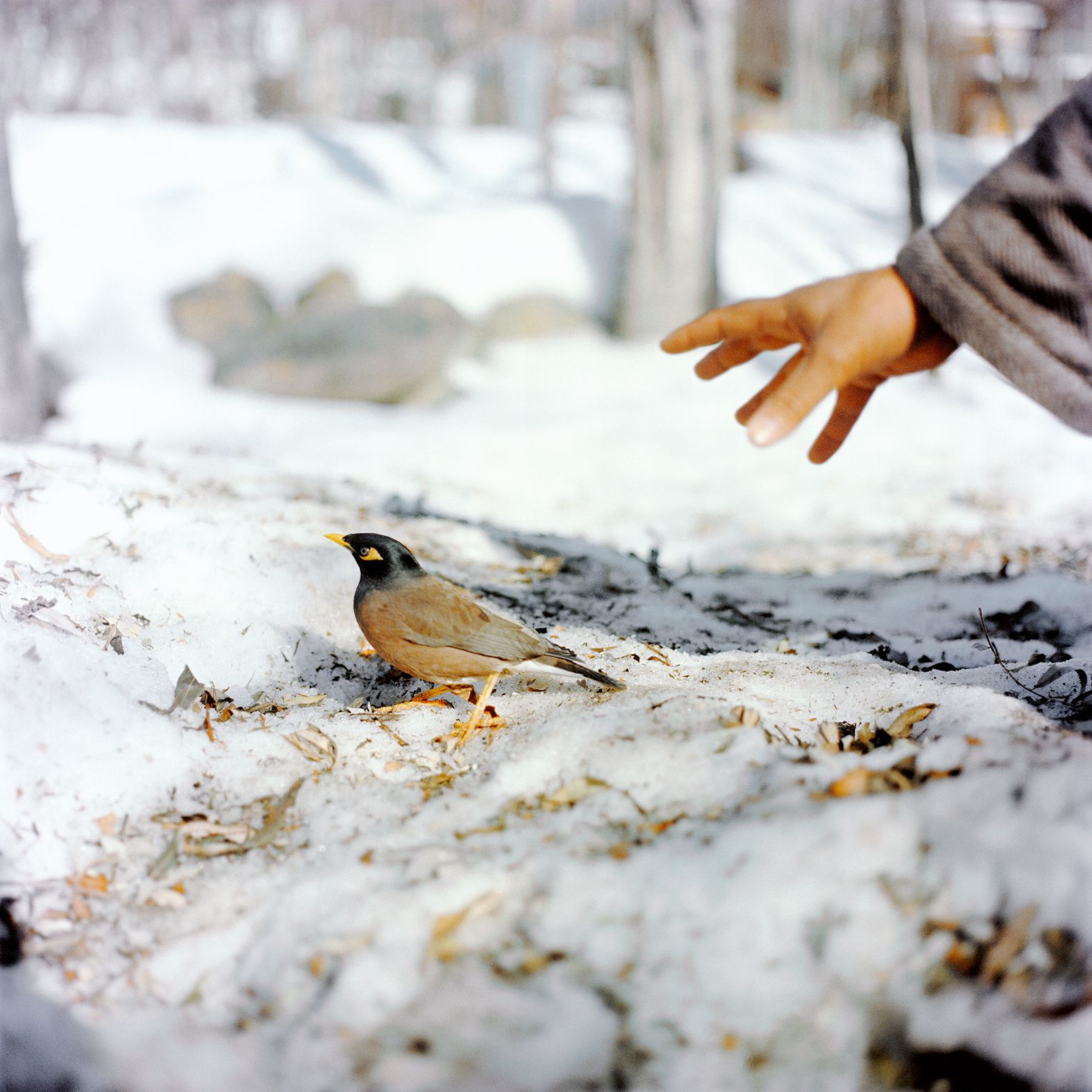
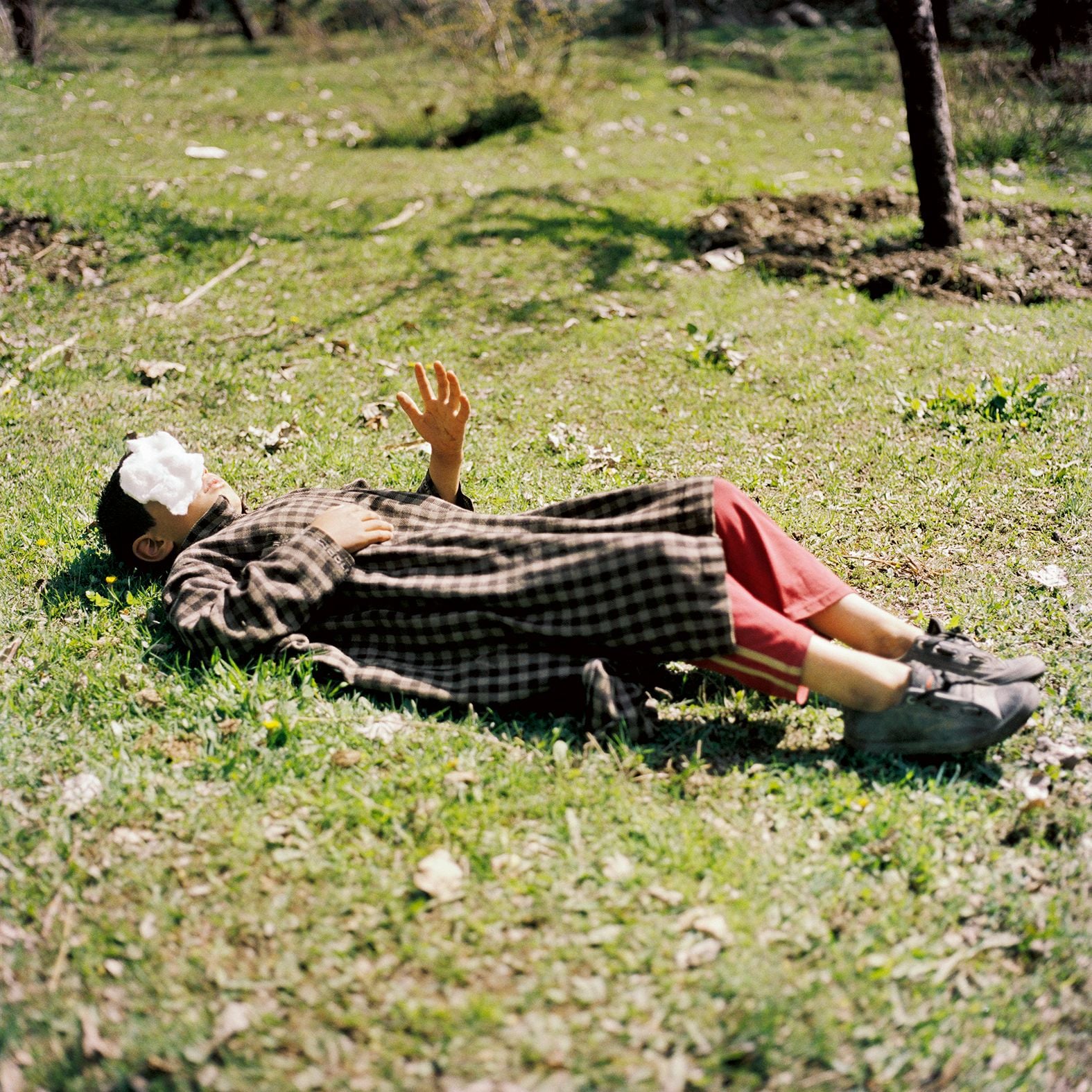
By contrast, in Snow, Hura’s photographs are not presented as evidence of anything. “The images in the book are everyday photographs,” he says. “They are not images that are illustrative of the idea of occupation, or anything else.” The occupation and its violence appear, instead, as allusions. Hura points to a photograph of someone folding a blanket: “One day, while preparing the bed, a friend was talking about how when he was growing up—the army segregated families—women and children would be put aside and the soldiers would feel any extra bedding in the house for warmth.” Among people in India, Hura continues, “there is a tendency to try and look for, not even the occupation, but ‘atrocity’ in works made about Kashmir”. Instead, he wanted to explore “the state of being that I felt in this place while I was there”. The result is a book “not about Kashmir but about the Indian in Kashmir”.
Hura was born in 1981 in Chinsurah, Bengal, to a merchant navy officer father and a full-time mother. When Hura was 17, his mother was diagnosed with schizophrenia. It was in the following years that he began making photographs in a more concerted way, partly as a means of processing what was happening. His first book, Life is Elsewhere (2015), was a fragmented photographic journal of his life during that time. Since then, much of his photographic work has been concerned with “unfixing meaning”. In 2024, Hura switched medium to pastels after a bout of illness put a strain on his photographic practice. The change was energising—pastels softened the harder limits of a photograph. “I wanted to make images that had certain gestures within them,” Hura says.
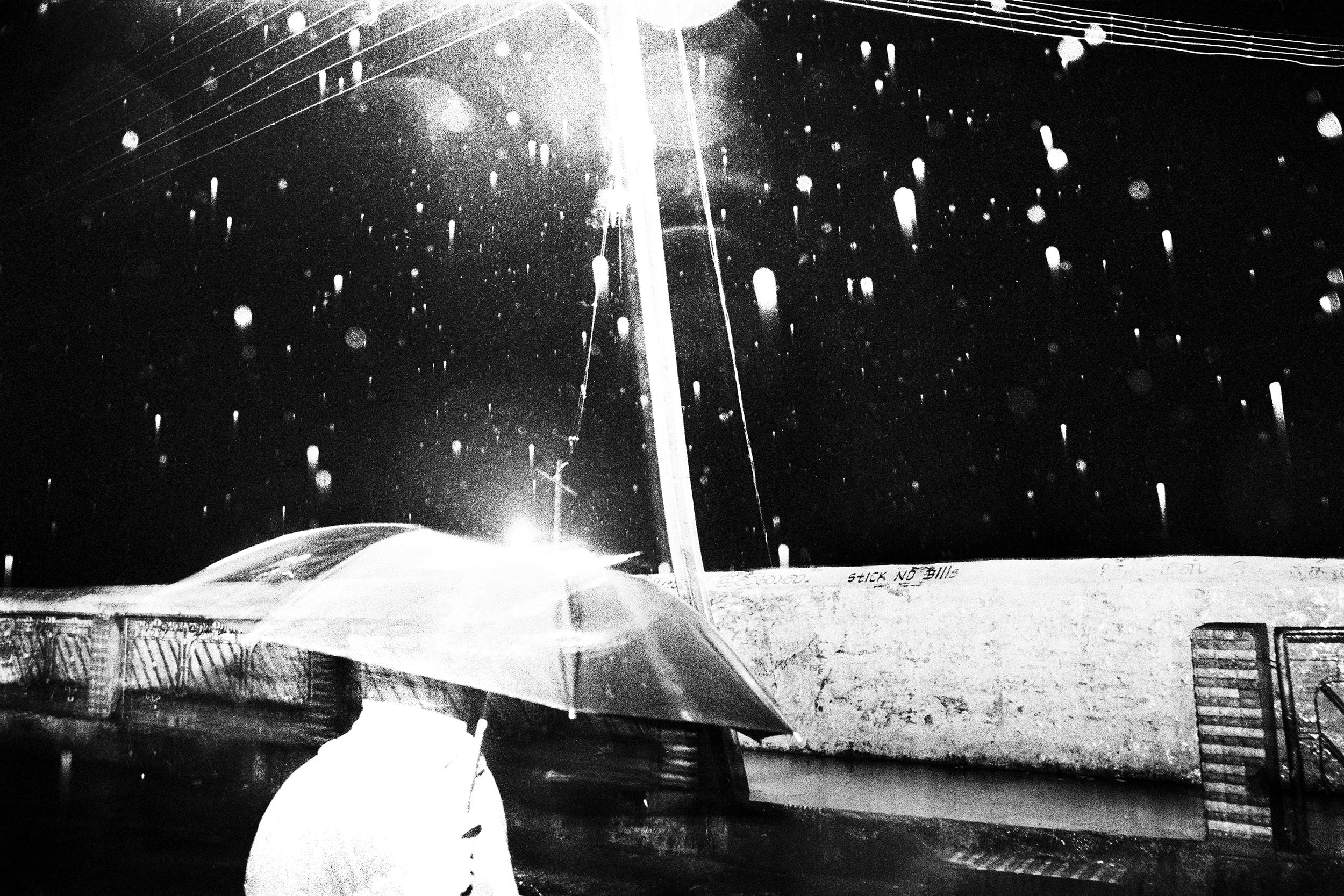
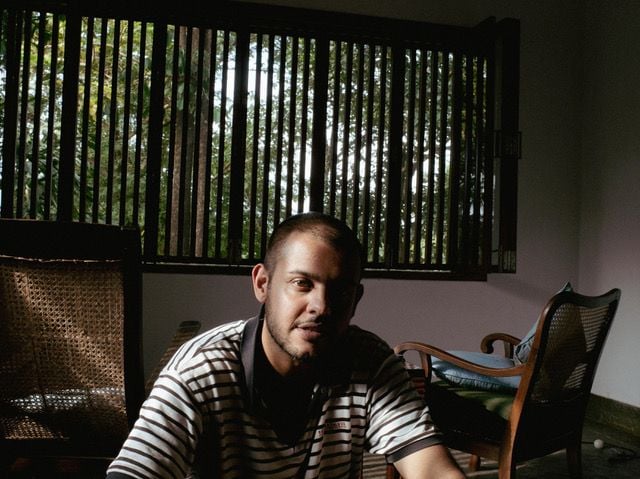
To speak to Hura, I take an autorickshaw ride from my neighbourhood in East Delhi to see him in his, where he lives in a flat with a view over one of Delhi’s largest urban forests. Our conversation is held in his living room, in front of a balcony filled with tall, lush plants. Outside, it is 44 degrees.
In the back of the autorickshaw, I re-read Snow. As I sped along the highway going over the river, I slowly flipped through the photographs and then looked out again at the city. As my attention sharpened, the carousel of my hometown, rippling from the heatwave, slowed down. The photographs had allowed me to find, in this most spirited of cities, a moment of stillness.
This conversation has been edited for clarity and length
Sharanya Deepak: What was your experience of the Venice Biennale?
Sohrab Hura: It was interesting for me to show three works because the curatorial team told me that they were aware of my practice in photography, but they were glad to see me venture into these other spaces. Also, it was fun because my work brought in some amount of silliness in a space like the Biennale, where otherwise there is a lot of reverence around the works. But at the same time… I was also looking at the protests around Palestine, the deaths of my grandparents, the demolition of Babri Masjid [a 16th-century mosque in Uttar Pradesh destroyed by Hindu nationalists in 1992]. It was interesting to be able to put forward this very kaleidoscopic assemblage of perspectives on life.
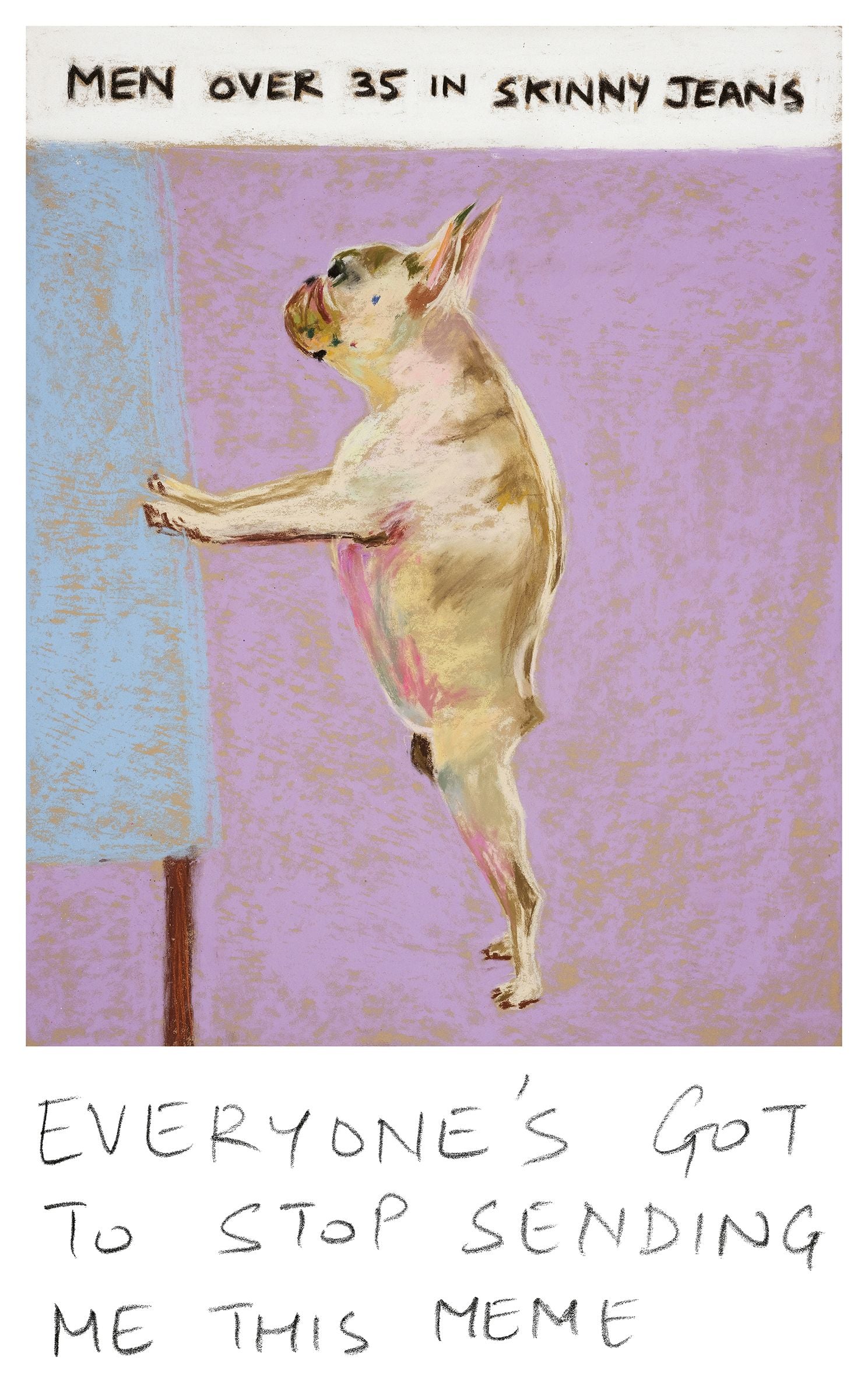
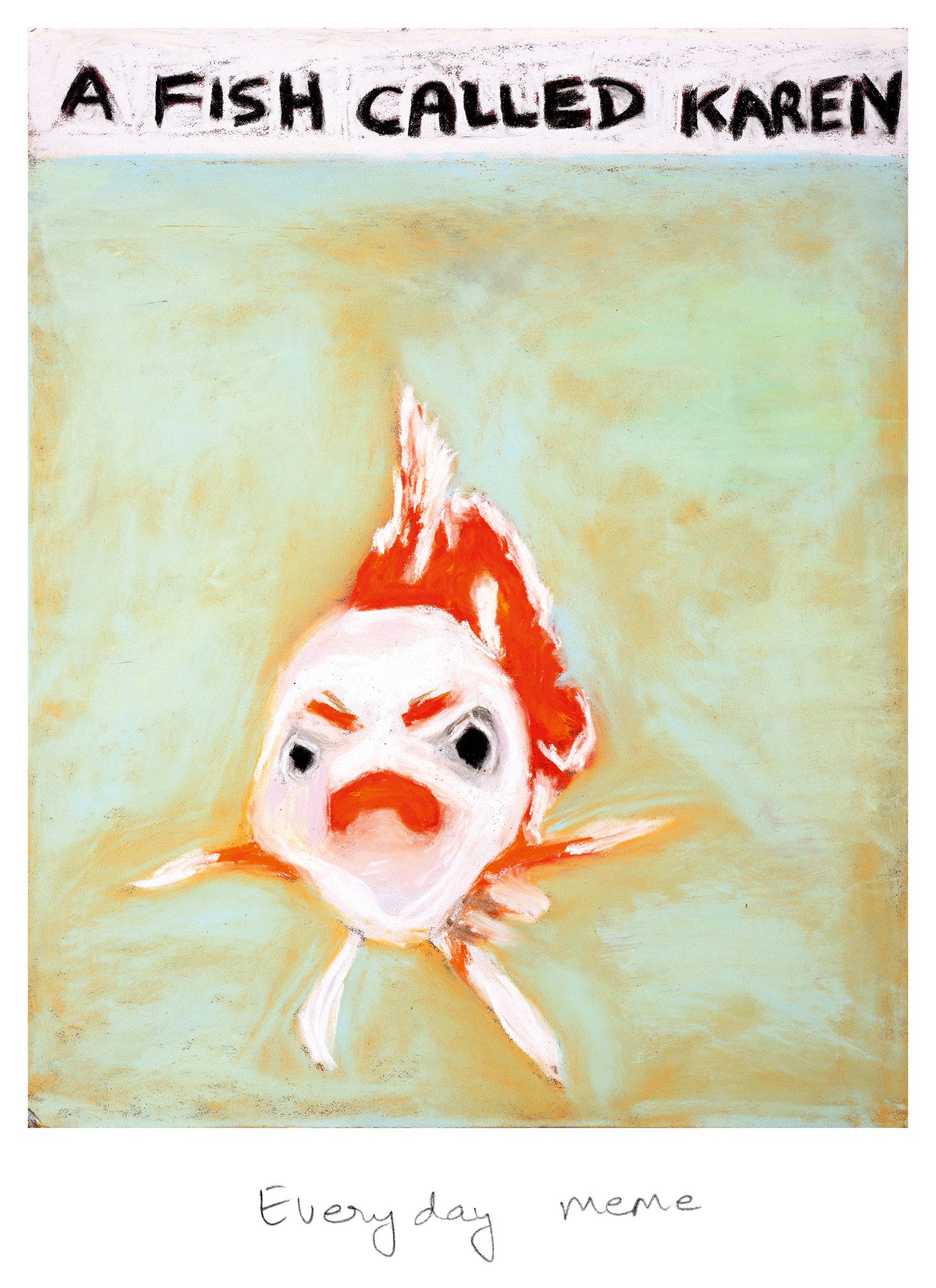
What was also important, and nice for me about Venice, was that many artists had come together to protest the inclusion of the Israeli pavilion and the Russian pavilion. A lot of artists shared the concern of sharing the space with the nation whose leader has been charged with war crimes by the International criminal court. This was, a lot of us felt, not really in line with what the curator had envisioned, before she passed. There was a bond amongst us that had formed, we came together there to wear T shirts of Palestinian artists; it felt like a way to carry an idea of a Palestinian pavilion with us. For me, the experience was not one of grandeur, it was something that felt grounded.
SD: Did you always plan to photograph winter, or snow, in Kashmir?
SH: I didn’t, no. When I went the first time, or even after, I wasn’t thinking about photography. I saw snow for the first time when I went on holiday to Gulmarg, a city in the Kashmir valley. And there something felt off; I thought: “Am I in Kashmir?” Because there were no Kashmiris anywhere. Indian tourists take the route from the airport in Srinagar to Gulmarg. So, to “see snow”, no one is actually seeing Kashmir. When I returned from that trip, I felt like I had been fooled by snow, or my idea of snow. It felt like something was incomplete, and I decided to go back.
And when I returned, I went back to see friends, to stay with them. Also, I walked. I was taking a route and walking through places in Kashmir. This was my process: to skip the tourist destinations but instead look at the places in between, and the photographs sort of happened to come about. And because I was walking, and evidently an outsider, an Indian in Kashmir, people would come up and ask me “Kahan ja rahe ho?” (“Where are you going?”) or what I was doing there. I also wanted the opportunity to be available for someone to decide that they wanted to talk to me. And from there, I sometimes got invited into their homes, for a meal, or a chai, or somebody wanted me to look at a family album. In a way, I became the object of their curiosity. And sometimes, when we said goodbye, they would ask me to return, saying: “We are both people—you are Indian and I’m Kashmiri.” Being identified that way, by them, stayed with me.
“Snow felt like a collaboration between the temper of the people and the temper of the land”
SD: Kashmir is weighed down by narratives (by Indians) and misread and denigrated for propaganda. In that light, I appreciated the everydayness of the images, as you said, and also that nothing felt evidential or denotative.
SH: I didn’t want to parachute in and make a book about a “topic”. When it comes to Kashmir, those were very initial acquaintances with the place, and I was mindful of having any preconceived ideas. Every time I would go back, I told myself that I was going on a recce—to not fall into the trap of projecting myself on to the place. I wasn’t looking for images. Aside from the vague idea that the passage of seasons was a structure the book could follow, I hadn’t decided on anything. And then my process was cut off with a jerk in August 2019.
SD: You mention in the book that Snow is an incomplete work, that it was cut off by the event of the abrogation in August 2019 (in which the BJP-led government under Narendra Modi revoked a constitutional article that gave Kashmir partial autonomy).
SH: That’s right. For many years after 2019, all of it felt a bit pointless. It was the process that had felt meaningful to me: revisiting a place, taking the photographs back to certain families after a year or two, seeing the kids grow up, I was very wrapped in those moments, and then there was a sudden end to that with the abrogation in August 2019. People I knew had been taken in for questioning; I wasn’t able to get in touch with many of them for months. My immediate feeling was: “What did all of what I had done culminate in?” So, I think the incompleteness makes sense to me. Sometimes, colleagues have told me: “Why don’t you go back and finish?” But if I go now, I will be looking for photographs, and it will become about a project.
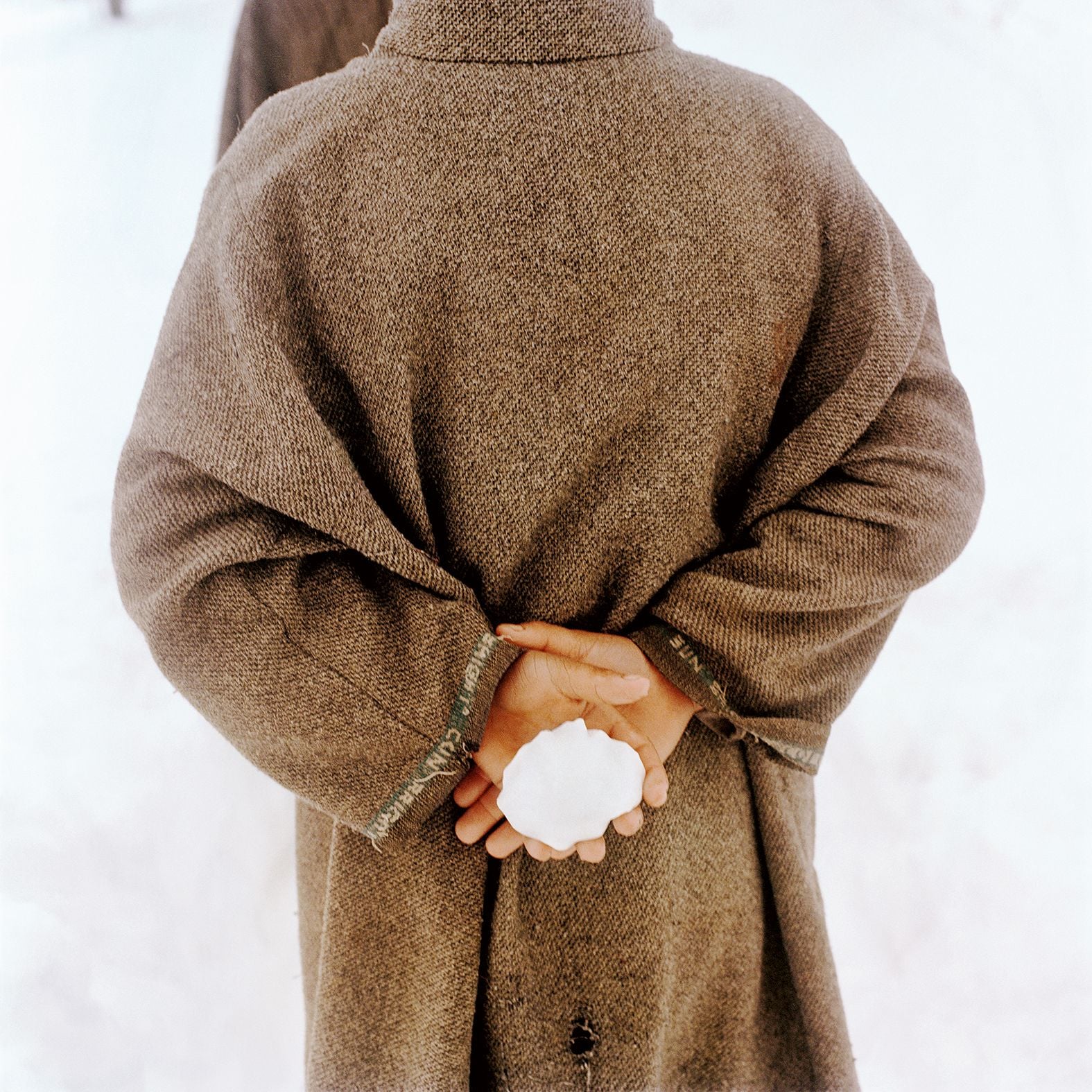
SD: Kashmiri winter can last for four months and it is important for farming and pastoral life. And still, as you have noted before, snow in Kashmir becomes a kind of flattened aesthetic that entices Indian tourists.
SH: Snow is many things in Kashmir. If you cut past the romanticisation of it, it is hardship. But at the same time if it doesn’t snow, people are worried, because they know it’s needed for the land, and the plants, the orchards. I’ve seen people get calls from Kashmir: chillai kalan [the period of intense cold] has happened, a good snowfall has occurred, and there is a sense of relief in those messages. Kashmir is primarily an agrarian society, and snow felt quite important culturally, too. And a lot of people talked to me about the deep winter being the one great moment of calm, though of late that seems to be changing. It’s the one moment where everything is a bit slow: the passes were all full, there’s not that many excursions, or tensions at the border that are taking place. In general, [there are fewer events] and I guess they were being metaphorical saying that as it starts to get hot, even life starts to get hot. When I listened to them, snow felt like a collaboration between the temper of the people and the temper of the land.
Thinking about snow today in this room, it does make me think about heat. After 2019 when people in Kashmir were arbitrarily arrested, many of them were taken to jails in UP, where it was very hot. Kashmiris were talking about this being a form of additional torture, that political prisoners were being taken to hot places.
“To ‘see snow’, no one is actually seeing Kashmir”
SD: Did making the drawings that are in Things Felt But Not Quite Expressed affect the way you saw the photographs you took in Kashmir? I wondered if a certain fluidity or gentleness worked its way into the book edit.
SH: It definitely made a difference, yes. Even with the working edit I made in 2019 of these photographs, the images were more “photographic” in that they did abide by some logic of the world of contemporary photography. For instance, the photographs I may have picked then did consider—for lack of better-suited words—“absurdity” over “gentleness”. Or there were more allusive images, or more of the army. When I started making the drawings, it was after Covid-19 and some consequential lung damage. But also because my relationship with photography was becoming strained, and the drawings allowed for softening any edges.
But crucially, I started editing and looking at the photographs for Snow sometime in 2024, some months after the genocide in Gaza began. I was, like everyone, witnessing so many images of parents looking for their children, children protecting their families, their animals. The images coming from Palestine made me want to go in a different direction. In Kashmir too, I felt protectiveness everywhere; they were protective about themselves, about me, about animals, about their land. Which is why a slightly different tone did enter this book—I think that I have gotten a lot more friends together, parents together; this feeling of touch is present in the book.
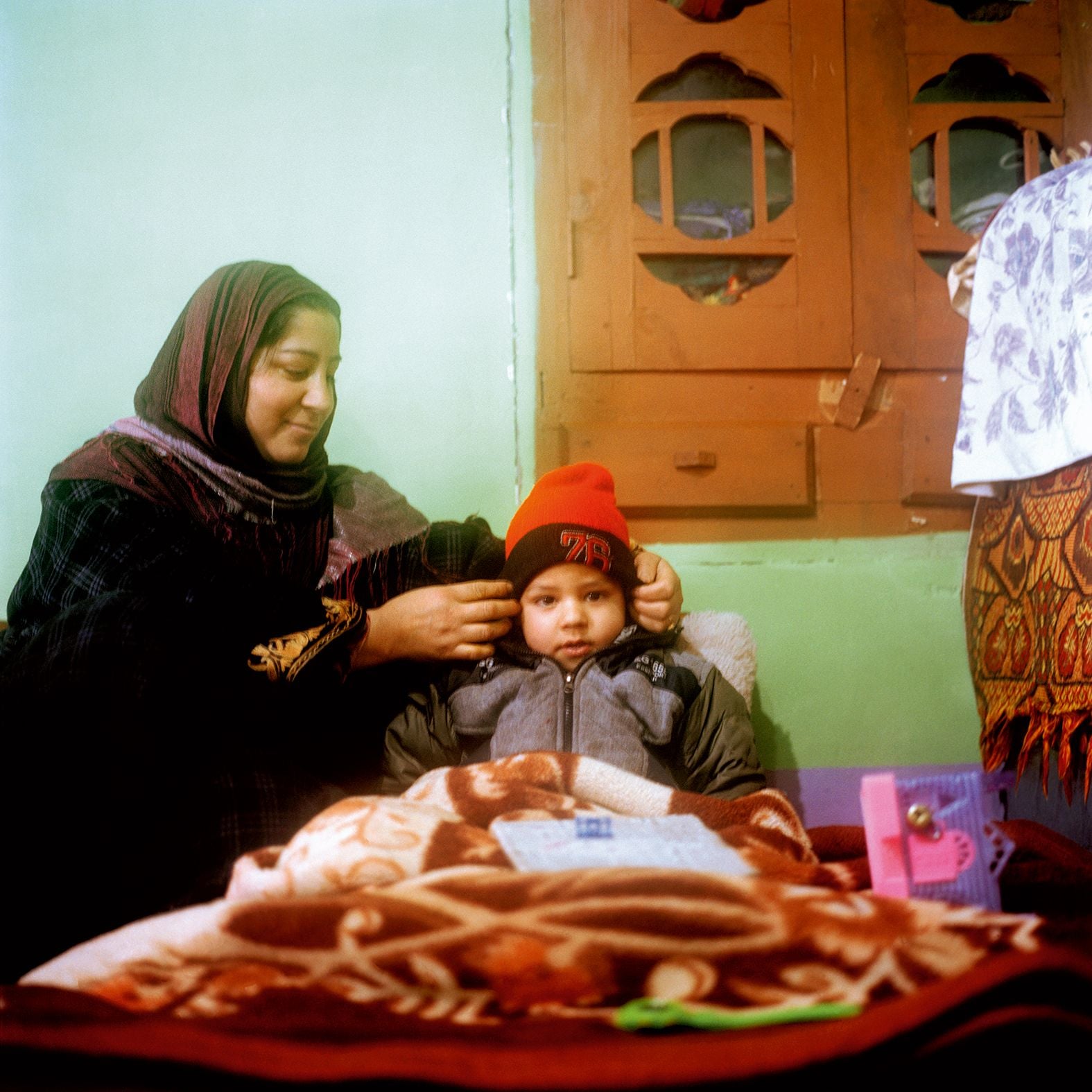
SD: There is the picture of the woman putting the cap on her son’s head, and also the one of three young Kashmiri men setting a kangri under their snow sculpture. That one stayed with me.
SH: There’s a sweetness to some of these photographs, which I brought in a more conscious manner after witnessing the genocide in Gaza and the West Bank. I felt like there was a need for that. Since, it is not just Palestine, in isolation. After the Pulwama attack in Kashmir [in which a car carrying explosives killed 40 military personnel], I saw how people reacted to it in India towards Kashmiris. How Hindu nationalists vilified the image of the Kashmiri man [driving the car] to further their propaganda, and violence. Things like that prompted me to include the photograph like the one of the three young men in front of the snowman, or that of fathers with their children.
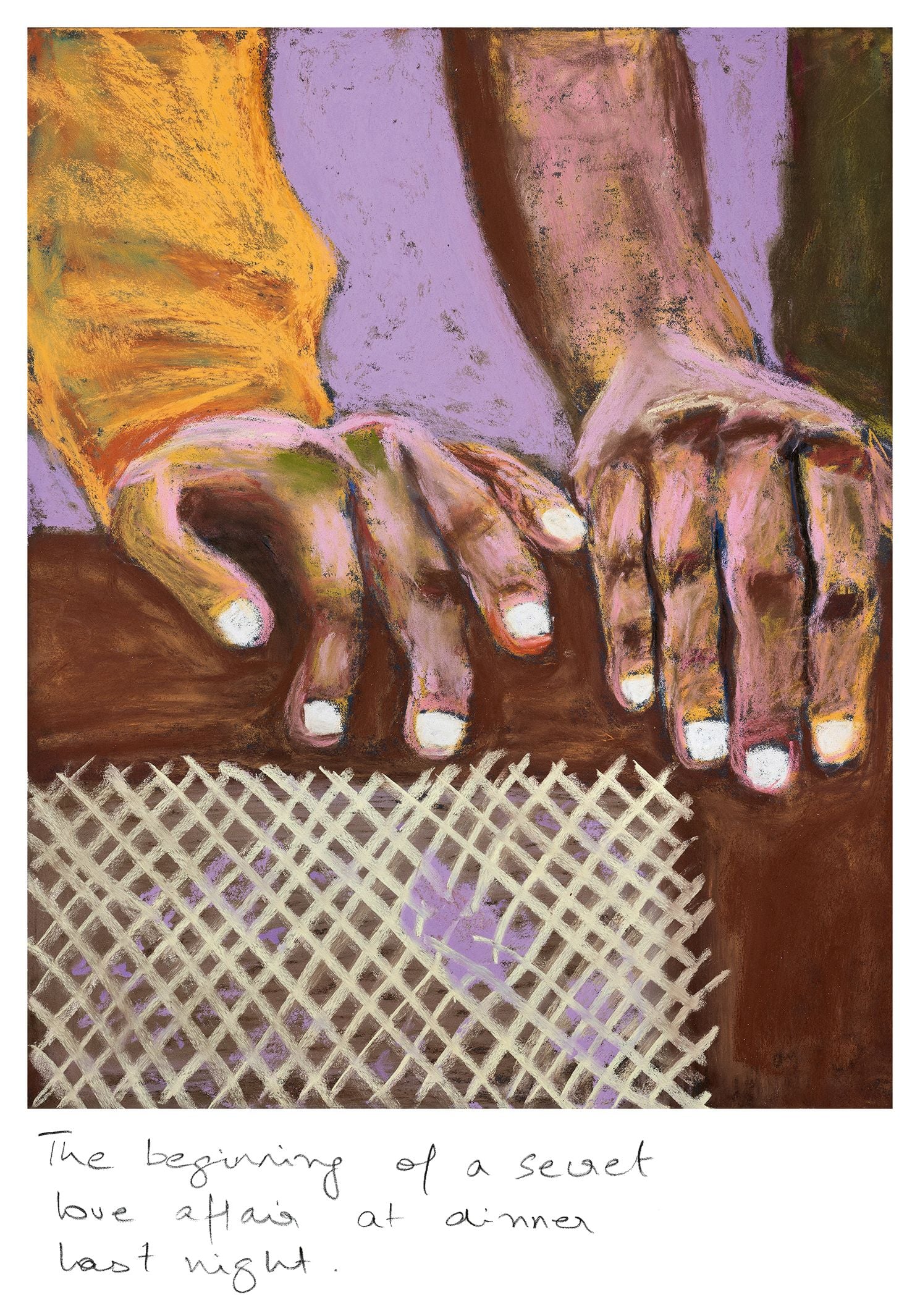
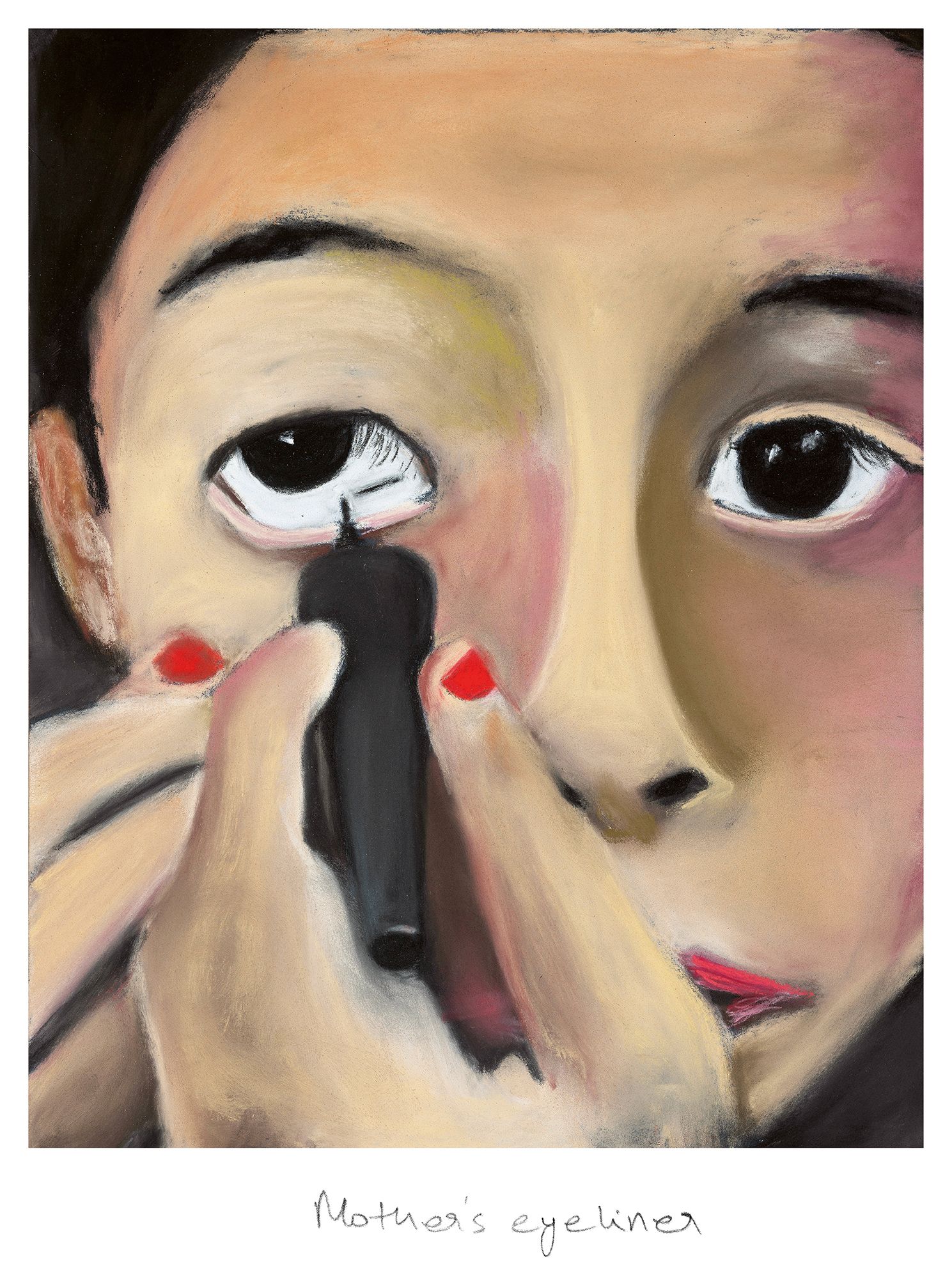
SD: There is a definite “emotional valve” in these photographs that I did appreciate. Maybe this too reminds me of your drawings, like Done, in which a boy dolefully sits on a couch as adults party around him. You show the details of how people communicate, or don’t communicate.
SH: To observe something is what artists (everyone, photographers, poets, paintings) are meant to do. However, in the last 10 years, I have been feeling like the world around me has become addicted to fixing meaning. For me, it’s been about unfixing meaning, even around what is expected from a photograph or an image of any kind. So, while there is a demand to be illustrative, I’d rather look at the space in between, which is where we live (or where life takes place). I think you asked me about the “domestic” in the photographs in Snow; there is a lot of rich detail in everyday life.
SD: Also, I think the communicative details stood out to me because, more and more, there is a kind of fatigue enveloping India, but also the whole world. A kind of “stuck with our government, with no way out” feeling of despair.
SH: The world does seem to be going through some kind of existential crisis and fatigue. There is a sense of hopelessness among people in general, and especially for younger people who have had to enter the world dealing with Covid-19, a livestreamed genocide, the rise of fascism across the world and now this AI-ridden, billionaire-owned era. In this climate, I am interested in the gestures within an image and what effect those may have. Except, of late, for the sake of contemporary art, there is this idea that one should not be emotional, or express feeling. In the art world, there is an economy attached to the notion that work [which] may feel emotional lacks intelligence. Somehow, we have forgotten about emotional lives altogether, which doesn’t sound too different from how tech corporations run.
This is also why I am interested in the idea of a broken image. I don’t trust a clean image—the kind that is pushed by technology, the social media. I’m interested in one that refuses to be illustrative or didactic but lives in an in-between space. I think a lot of communication happens there, in those grainy spaces. Today, when there is a lot of numbness, I’d rather someone feel affected by the work and then look to have further conversation about it.—[O]
Sohrab Hura at the Central Pavilion and Arsenale at the 2026 Venice Biennale. Snow (2026) and Things Felt But Not Quite Expressed (2024) are both published by Mack.
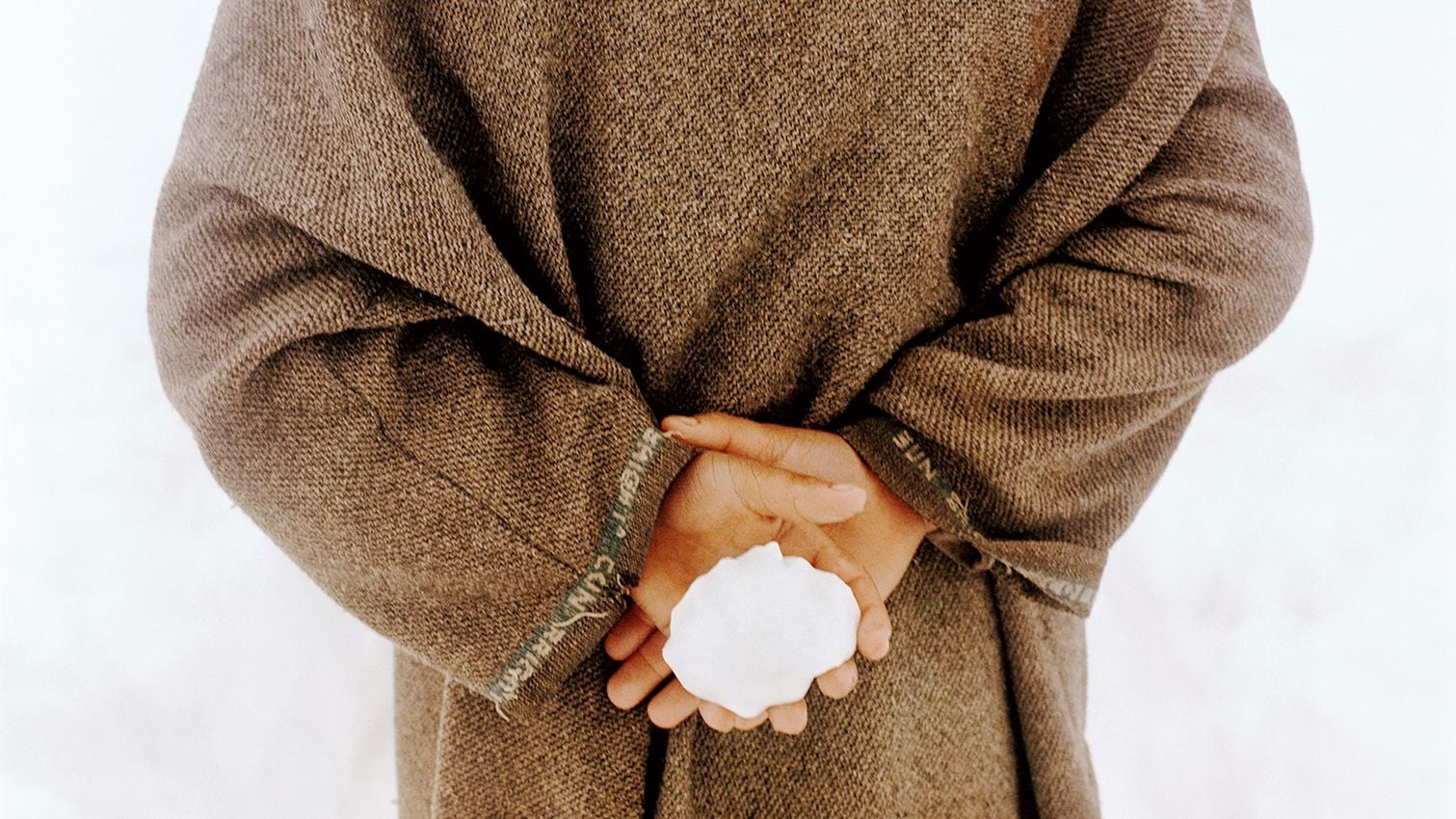
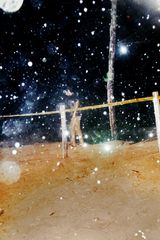
Main image: Sohrab Hura, from Snow (MACK, 2026). Courtesy the artist and MACK.










A respected voice in contemporary art discourse.
Focusing on ambitious storytelling and insightful art-world commentary. Ocula Magazine publishes in-depth interviews, critical essays and timely analysis on the artists, exhibitions and ideas driving the global art world.
Learn more about Ocula Magazine
Showcasing the best of the art world.
Ocula partners with galleries from around the world to highlight their artists, artworks and exhibitions. Gallery membership is by application and invitation, with each member vetted by an independent panel.
Learn more about Ocula Membership
Specialises in the sale of major artworks.
Led by a team with deep ties to the world’s leading auction houses, galleries and collectors. Ocula’s advisory team offers bespoke services to high-net-worth clients from around the world who are looking to acquire the best of contemporary and modern art.
Learn more about our team and services