





8 Exhibitions Not to Miss During Art Basel 2026
Save to My OculaAway from the contemporary art fair, our editors have selected an octet of the must-see shows in and around Basel, including a look at 19th Century queerness, paintings banned by the Nazis, and Morse code on the drums.
Helen Frankenthaler, curated by Anita Haldemann (until 23 August) at Kunstmuseum Basel New Building
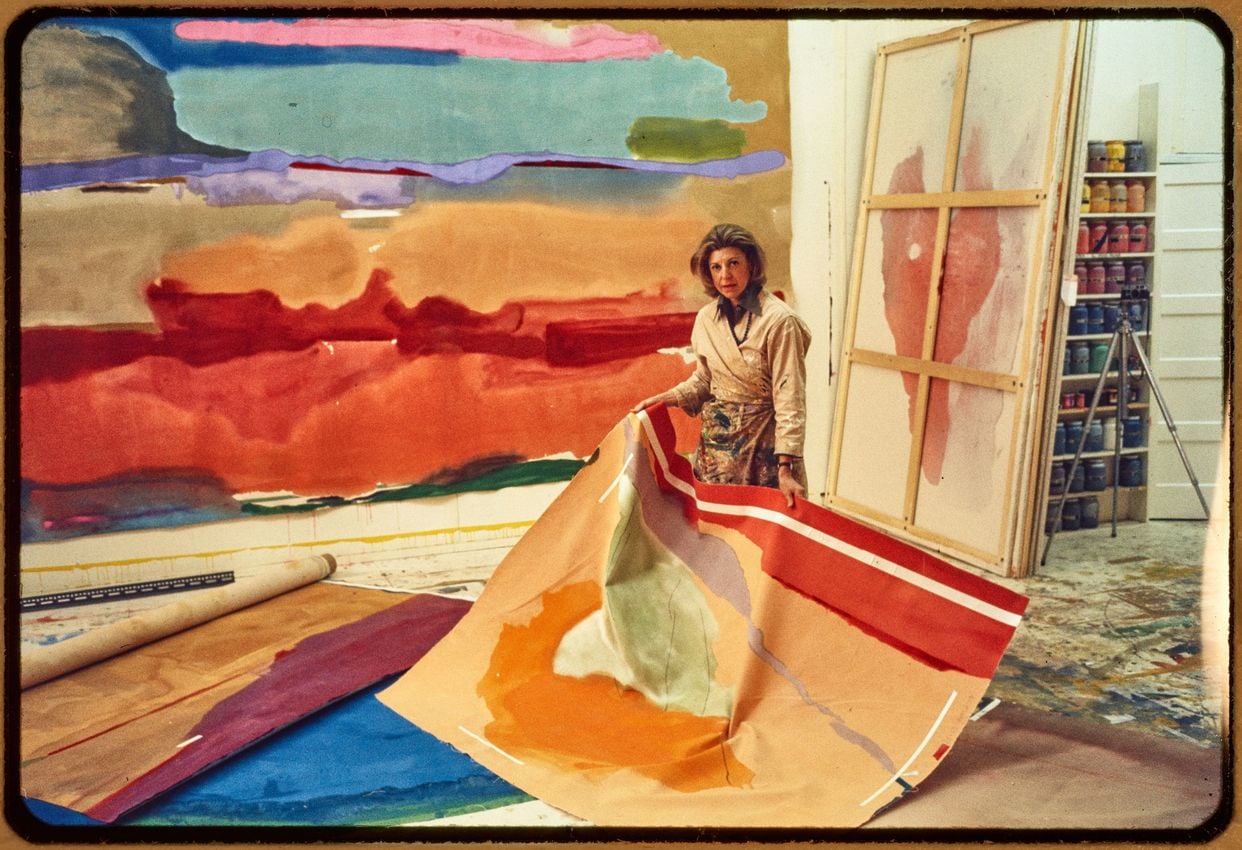
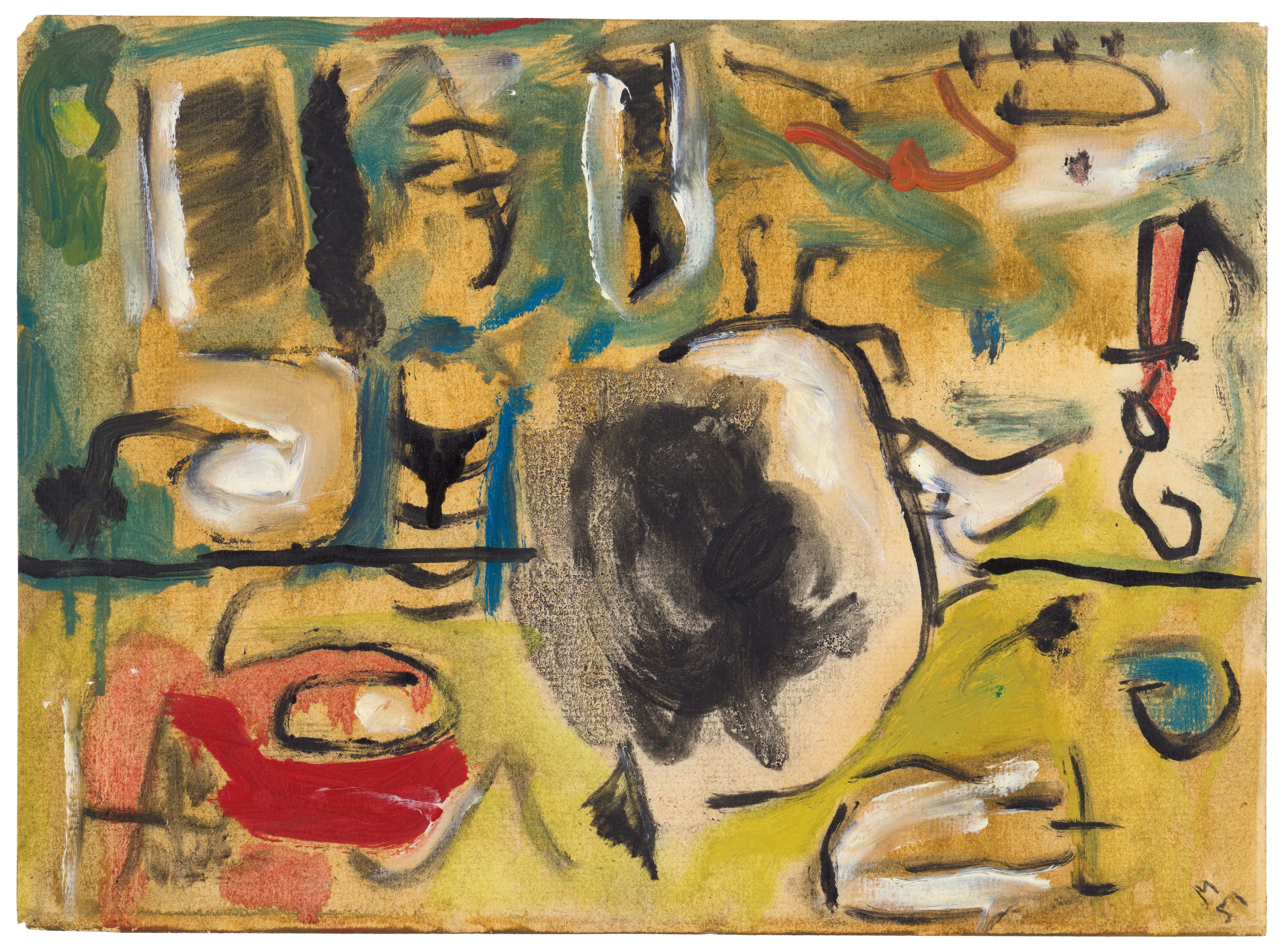
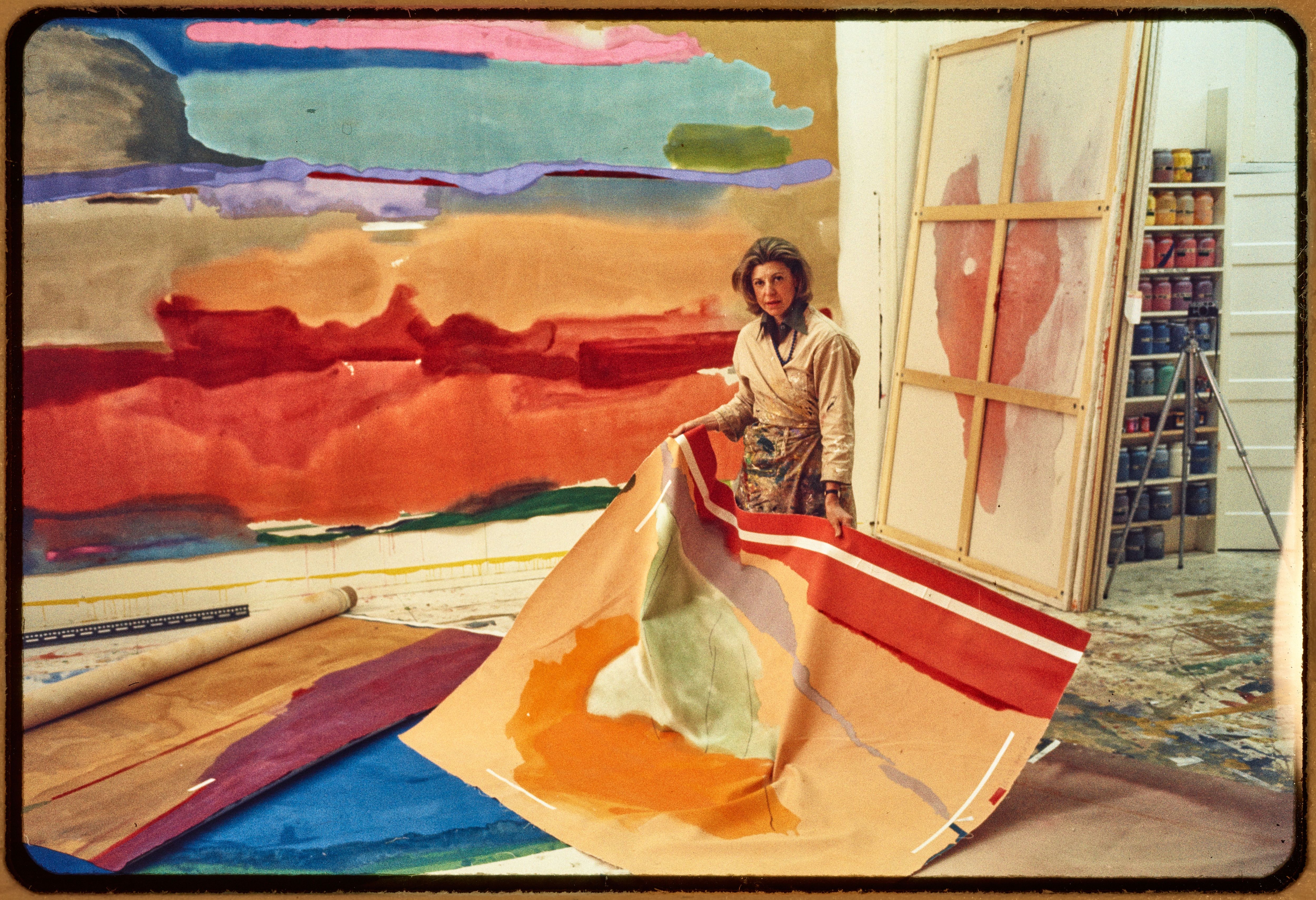
When Lise Motherwell and her sister visited stepmother Helen Frankenthaler’s studio, the American abstract artist gave them paper, paints and crayons to play with, but never colouring books. Frankenthaler wanted the pair to use their imagination, and never to feel they had to “colour within the lines”. This is a fitting ethos for an artist best known for a technique which, from the 1950s onwards, revolutionised the way we think about colour field painting. Frankenthaler was just 23 when she began to work with her soak-stain technique, using diluted paint alongside sponges, scrapers, household brushes and other tools to create intense, lyrical explorations of colour, presented at a monumental scale. Kunstmuseum Basel shows more than 50 such paintings, created across more than 60 years. Many are placed, for the first time, in dialogue with works from the 15th to the 20th centuries, presenting new opportunities to consider the many historical references within Frankenthaler’s work.—Philippa Kelly
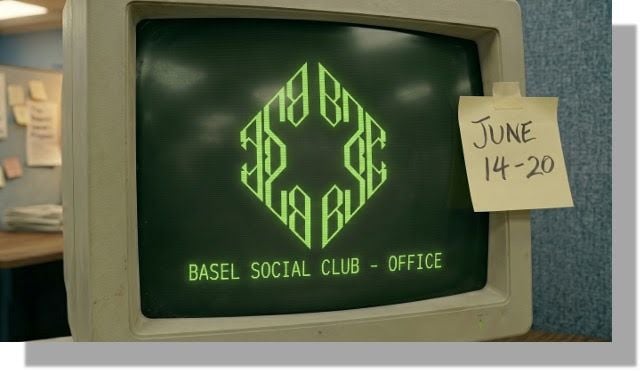
Basel Social Club: Office (14–20 June)
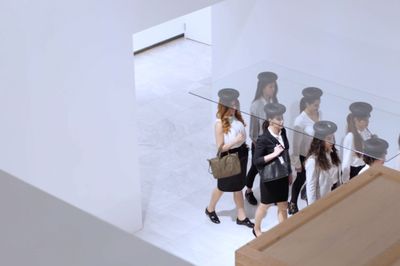
For those not purchasing art, Basel Social Club, an alternative fair and exhibition space, is a more exciting prospect than the main event. This edition’s offering sees the club taking over an abandoned open-plan workspace for an exhibition themed around “the office”. The space will be filled with archives, server rooms, a cafeteria, and an underground parking garage-nightclub open until 3am (which will doubtless become a hotspot in a city with a dearth of late-night bars). Basel Social Club is known for showing provocative, outsider work; true to form, this year, I am excited to see the installation of Japanese erotic illustrator Hajime Sorayama’s Sexy Robot (The Ghost in the Shell) (2026) a freestanding metallic sculpture of a robot-woman hybrid presented by Nanzuka, Tokyo. Otherwise, head to the office space for Valerie’s Snack Bar, a functioning café run by Jeremy Deller, an indoor golf installation, and 10 computers all streaming the first-person shooter game Counter-Strike: Source (2004).—Lydia Eliza Trail
Max Beckmann (until 11 July), Hauser & Wirth Basel
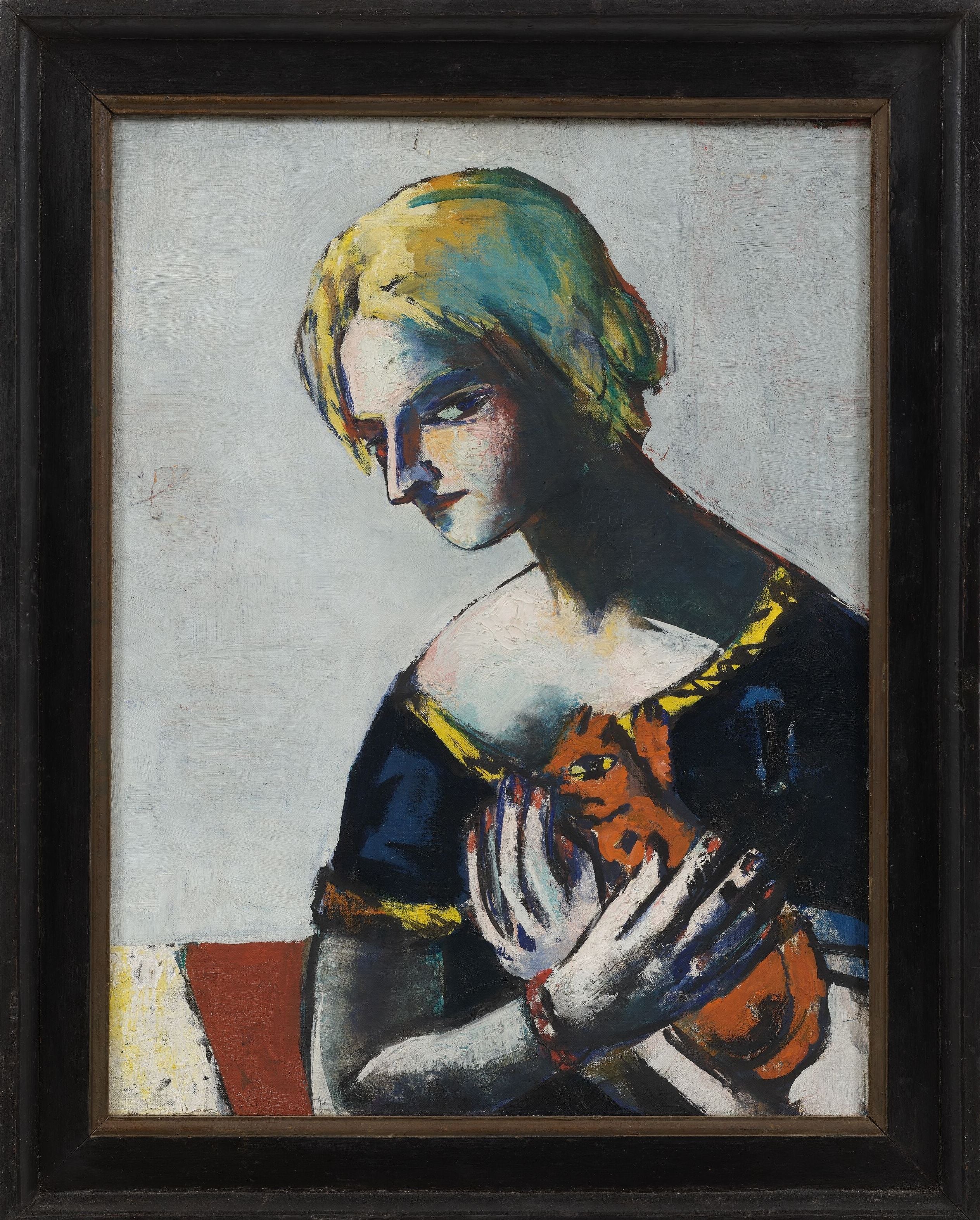
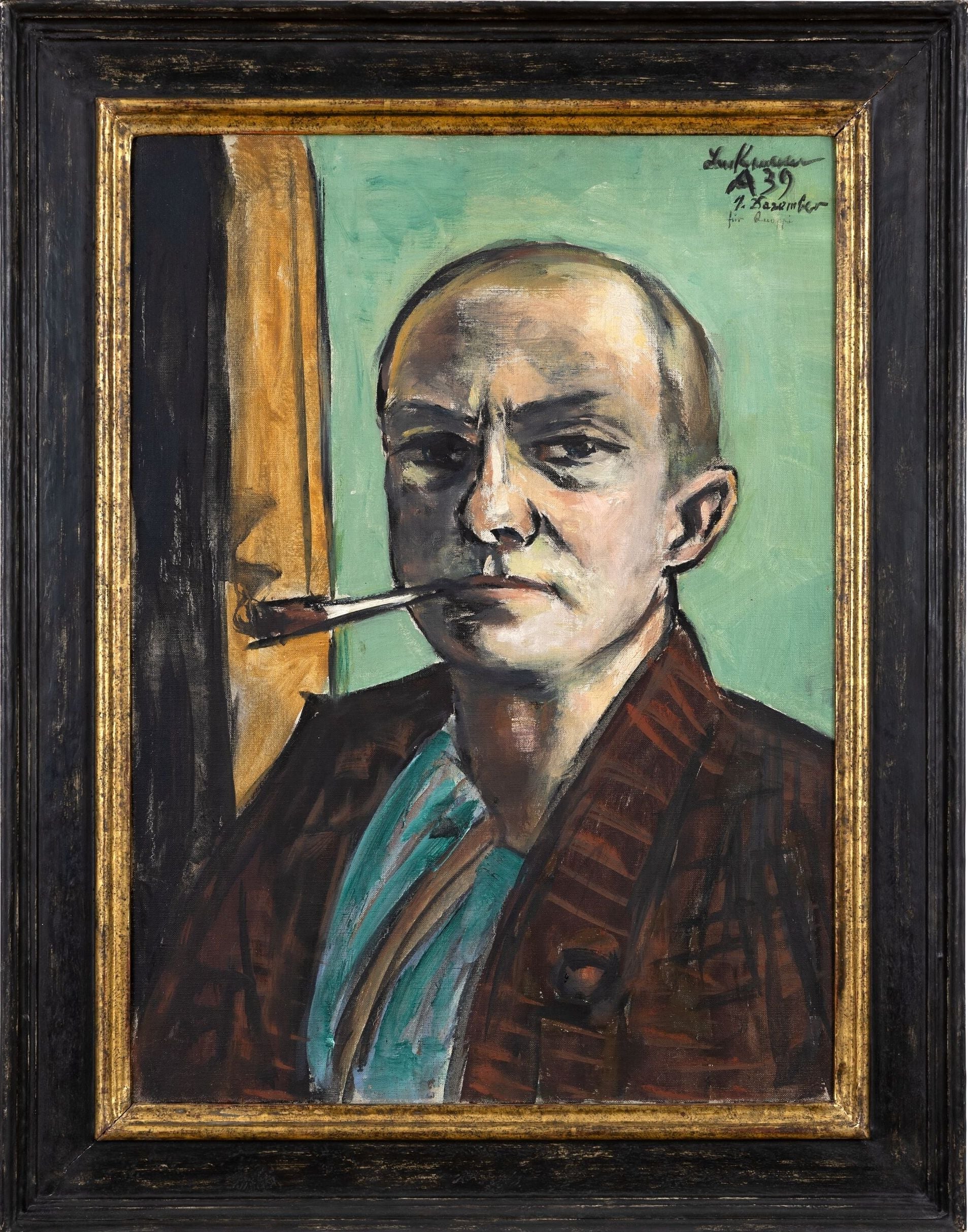
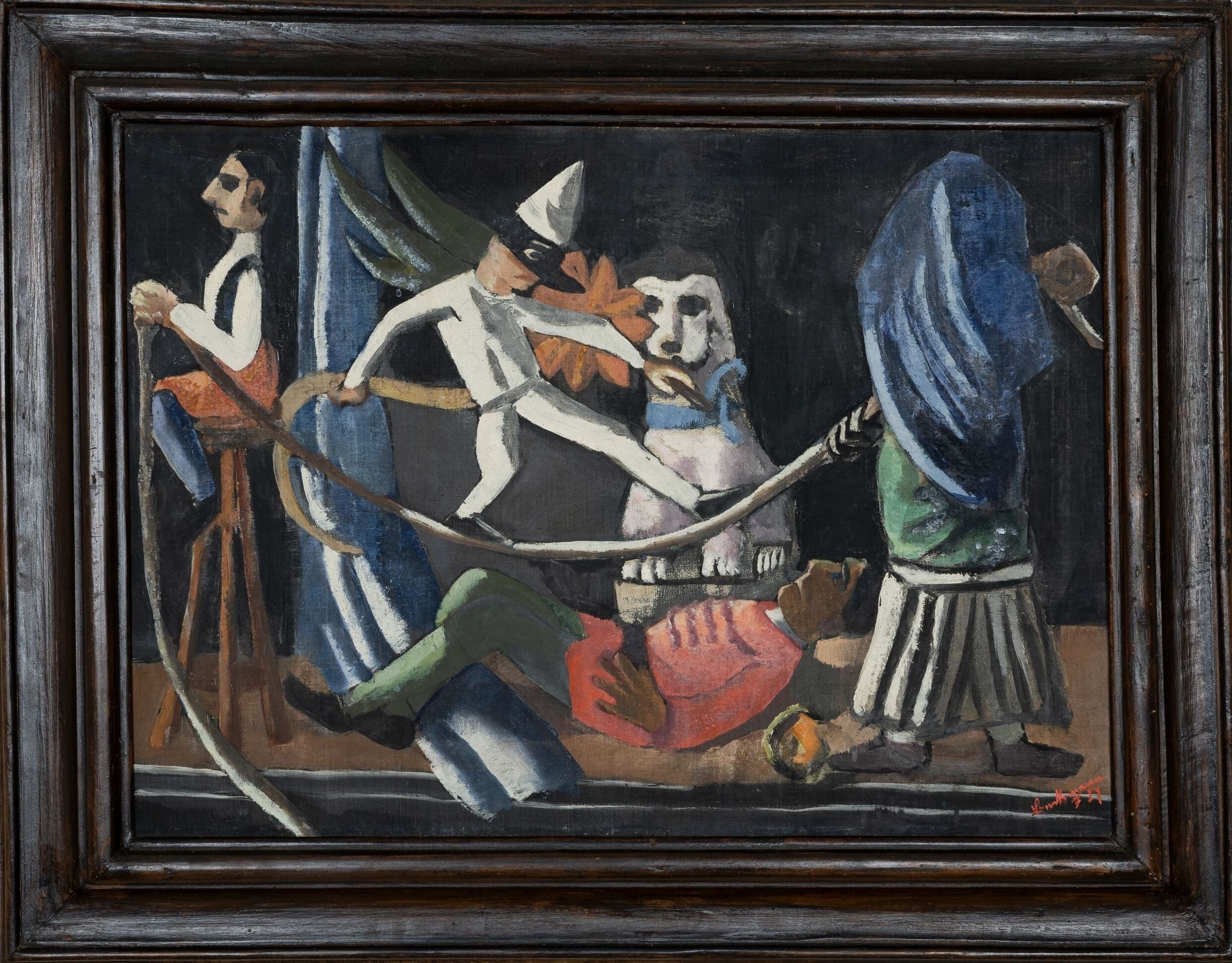
If ever an event revealed the unconscious kinks of a political movement, it was Nazi Germany’s 1937 Entartete Kunst (Degenerate Art) exhibition, featuring 650 confiscated Weimar-era works condemned for, among other crimes, “decadence” and “racial impurity”. Among the artists included was painter Max Beckmann, who fled Germany the day after the exhibition’s opening and lived in exile in Amsterdam for 10 years. While Beckmann is best known for his Expressionist outlines and psychological symbolism, Hauser & Wirth’s latest exhibition, curated with Beckmann’s granddaughter Mayen, highlights “a more intimate dimension of his practice”. Tracing Beckmann’s artistic evolution, the show brings together self-portraits, landscapes and portraits from across his career, notably the monumental Die Erschrockene (The Frightened Woman) (1947). Early works such as Self-Portrait with Soap Bubbles (c 1900) stand alongside Self-Portrait on Green with Green Shirt (1938), inviting viewers to compare a youthful face of bubbling optimism with one marked by the nascent horrors of the Third Reich.—Aimee Walleston
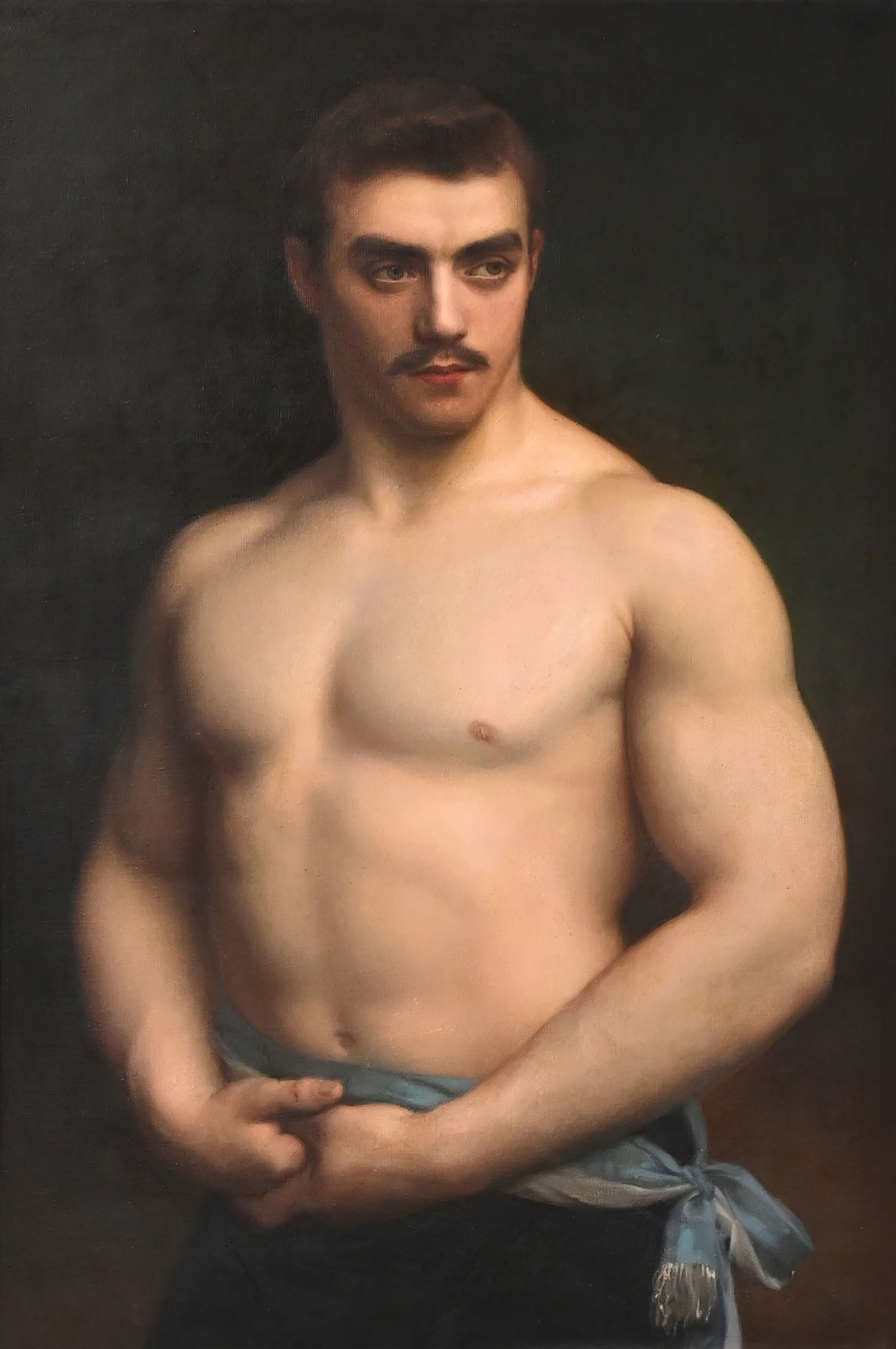
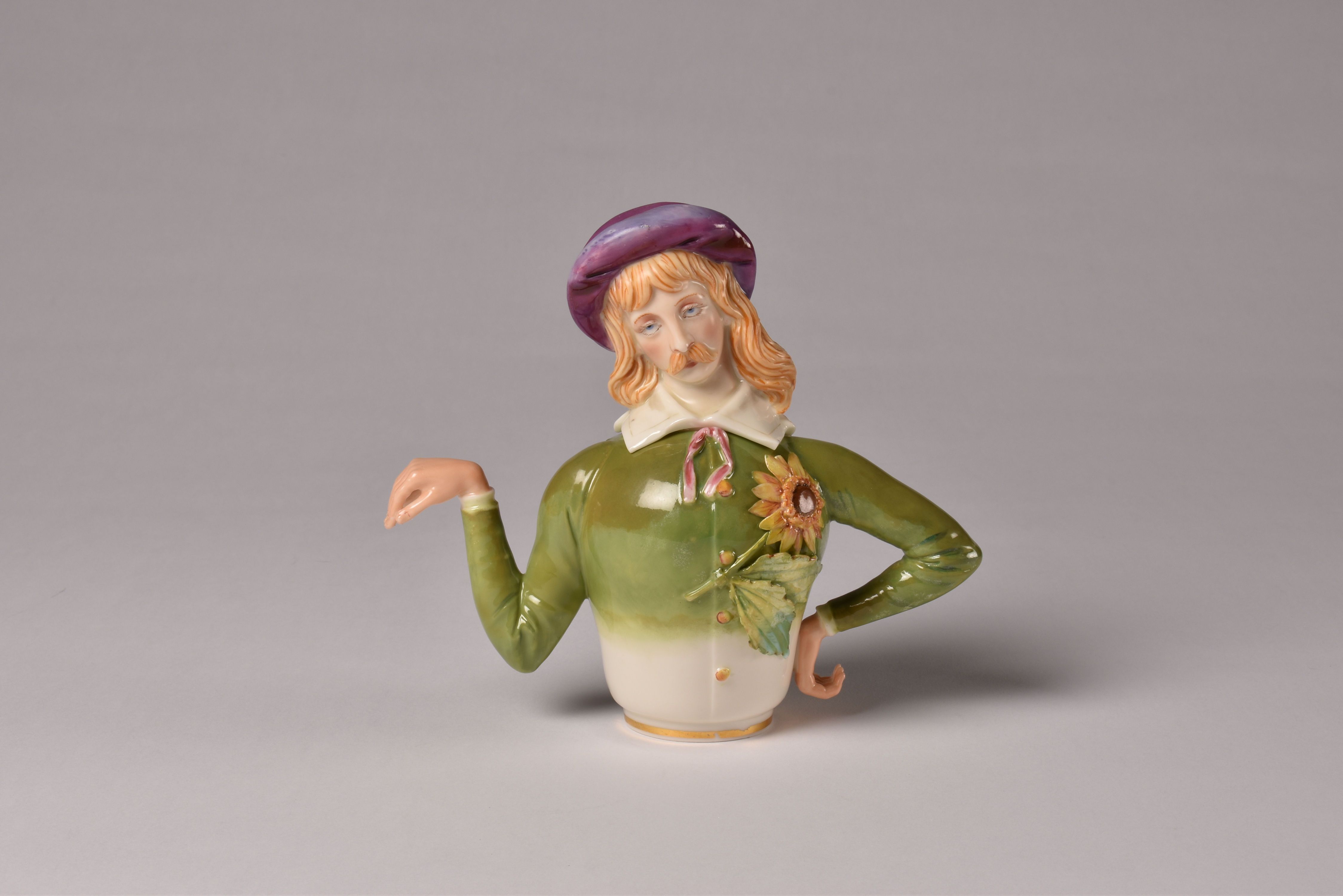
The First Homosexuals: the Birth of New Identities 1869–1939 (3 July–2 August) at Kunstmuseum
The First Homosexuals is an ambitious bit of curating. The exhibition traces the depictions of queerness in the visual arts from 1869 (the year that the word “homosexual” first appeared in print) to 1939 and the outbreak of the Second World War. It forms a study of the transformation of sexuality that began in the 19th century, building on Foucault’s thesis that the repression of the Victorian period catalysed discussions around sexuality and identity. Its chronology covers a vast geography, bringing together Peruvian painter Franciscio Fierro’s Hombres vestidos de mujer (1834–1841) depicting men dressed as women, with the playful, sapphic studio photography of American photographer Alice Austen, Tamara de Lempicka’s notorious, semi-cubist rounded forms of female nudes and the haunting, colonial-era imagery of Sri Lankan-born Lionel Wendt. The First Homosexuals is a century-spanning blockbuster exhibition examining the conditions under which “queer art” could be said to have first emerged.—Lydia Eliza Trail

Angelica Mesiti, Reverb (until 20 August) at Museum Tinguely
What does one piece of information feel like if it is played on percussions, danced, or signed? These are the transformations through which a single message goes Angelica Mesiti’s 2017 video work Relay League. The Paris-based Australian artist took the final message sent in Morse code by the French Navy in 1997, marking its transition to digital communications, and had it translated into a piece of music played on the drums. This is then translated into dance, and then into sign language. As in much of Mesiti’s work, Relay League forms a meditation on the essentialness of physical and human communication, exploring the different ways in which people can express themselves without speech. The exhibition also features her most recent work, The Rites of When (2024), which uses choreography, choirs, collective forms of physical sound production and electronic sounds to explore the winter and summer solstices and to imagine future forms of ritual-making.—Baya Simons
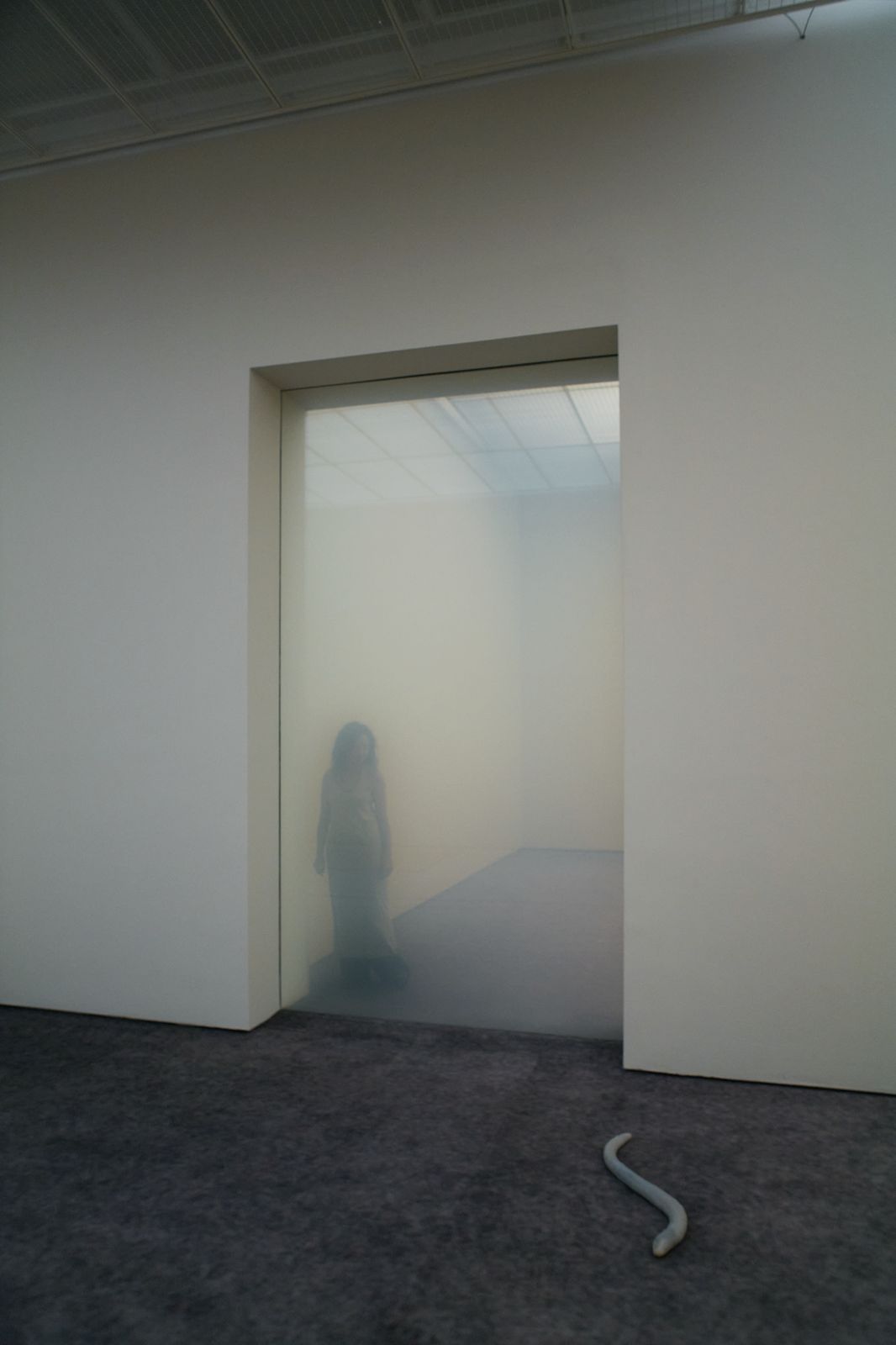
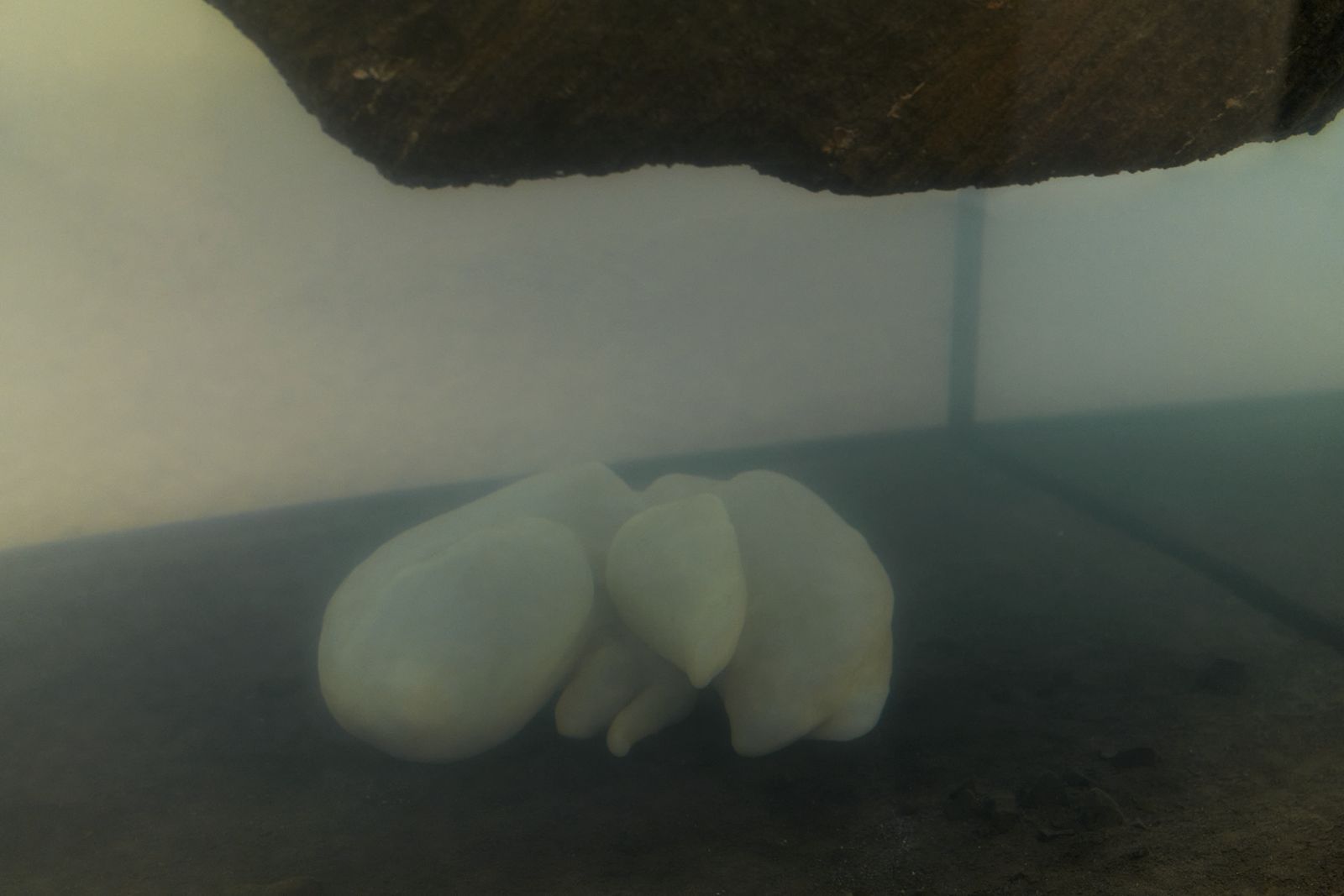
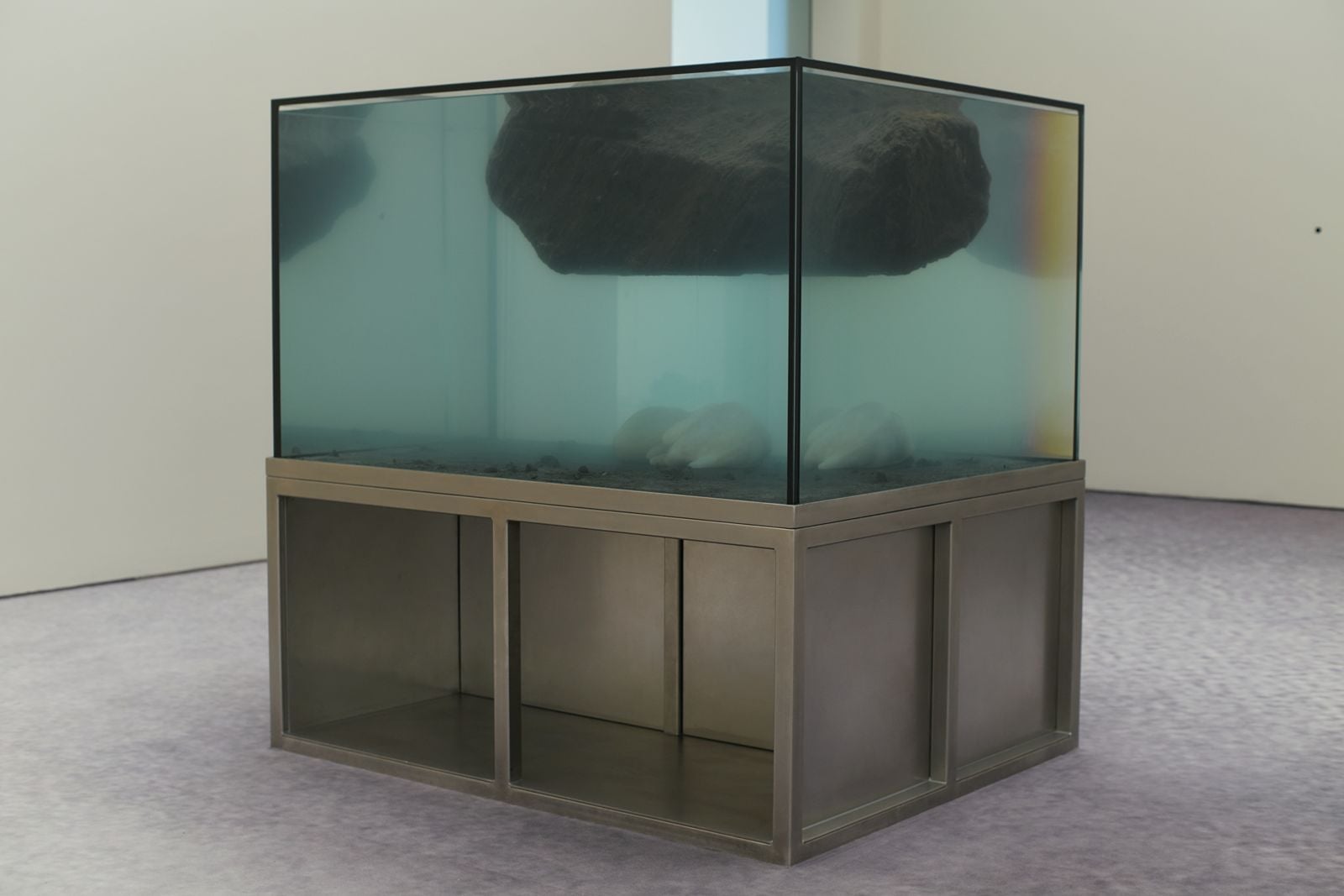
Pierre Huyghe (until 13 September) at Fondation Beyeler
French artist Pierre Huyghe’s first major solo museum exhibition in Switzerland is a paean, of sorts, to the concept of the “uncanny valley”, the phenomenon of entities appearing almost, but not quite, human. Huyghe’s seminal film Human Mask (2014) stars a monkey wearing a human face mask and performing tasks that toggle between human training and animal instinct. A newer work, Alchimia (2026) is composed of a faceless, worm-like kinetic sculpture animated by breath that makes it murmur and hum (when deprived of breath, it convulses). Huyghe’s Liminals (2025), a multimedia work featuring an AI-made film that tracks a female form with a C-section scar and a hole where her face should be, also makes an appearance. Recently shown at Halle am Berghain in Berlin, Liminals inspired an unusual degree of ire from critics, who did not enjoy looking at a bruised female form stumbling helplessly through a rocky landscape for 50 minutes. Perhaps Huyghe is inviting viewers to extend their empathic gaze to not just this faceless, fictional form, but also to the limits of his own understanding of humanity.—Aimee Walleston
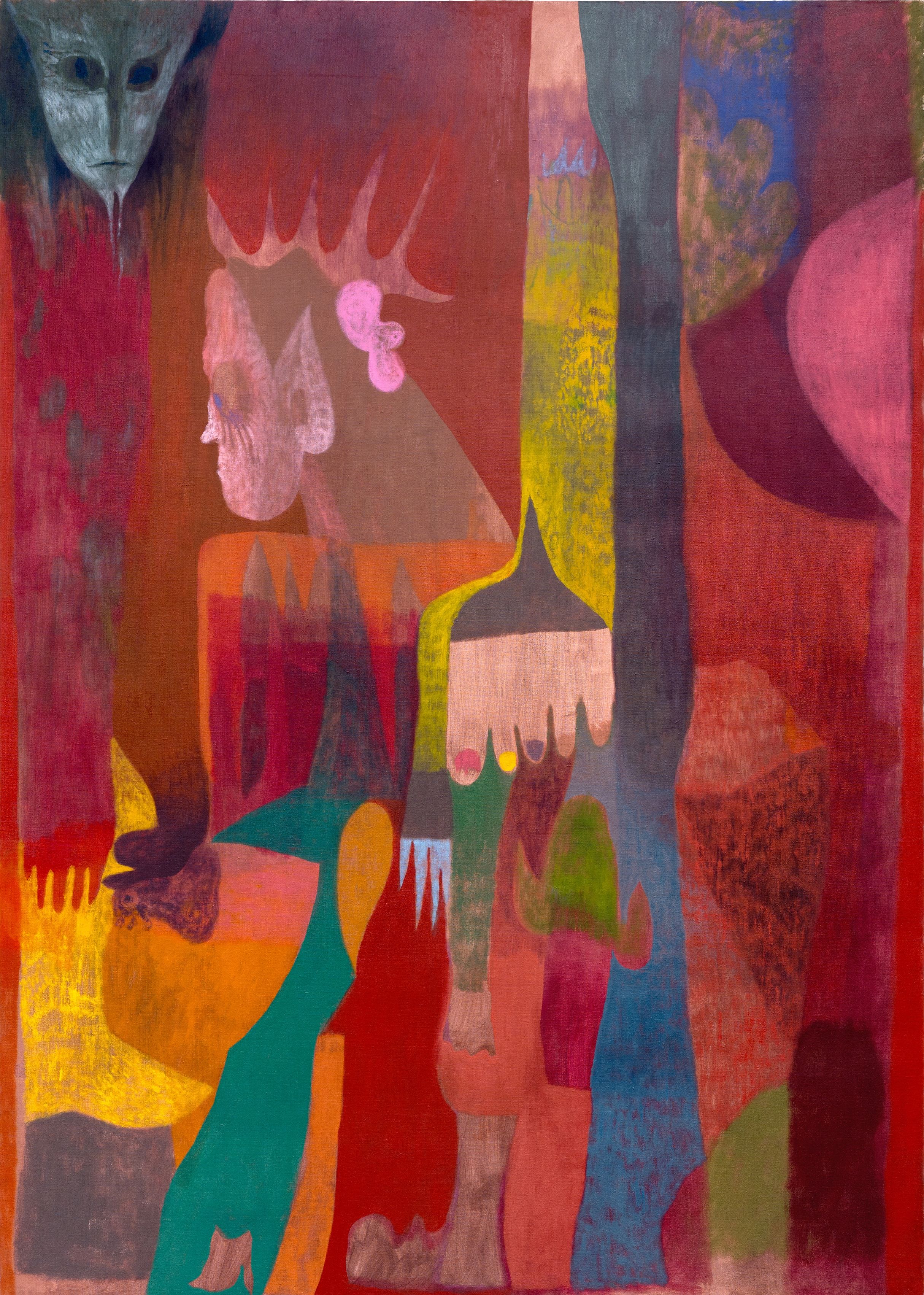
Maja Ruznic, Who Tastes Fire and Cannot Speak (14 June–25 July) at Contemporary Fine Arts, Basel
One of the most memorable presentations at last year’s Site Santa Fe International was Maja Ruznic’s suite of luminous paintings, created in response to a group of early 20th-century works glorifying the Spanish colonisation of New Mexico. Where the historical paintings projected a triumphalist vision of conquest, Ruznic’s spectral figures and shifting landscapes inhabited a more elusive territory of memory and the spiritual. Born in Bosnia and Herzegovina and displaced by the Bosnian War before settling in the US, the artist approaches history indirectly, filtering personal and collective experience through folklore, dreamlike imagery and the subconscious. Her Basel exhibition brings together richly layered paintings in which bodies dissolve into landscapes, faces emerge from washes of colour, and human and non-human forms seem caught in a constant state of metamorphosis. Through these unstable compositions, history appears less as a fixed record than as something carried through memory and emotion.—Shanyu Zhong
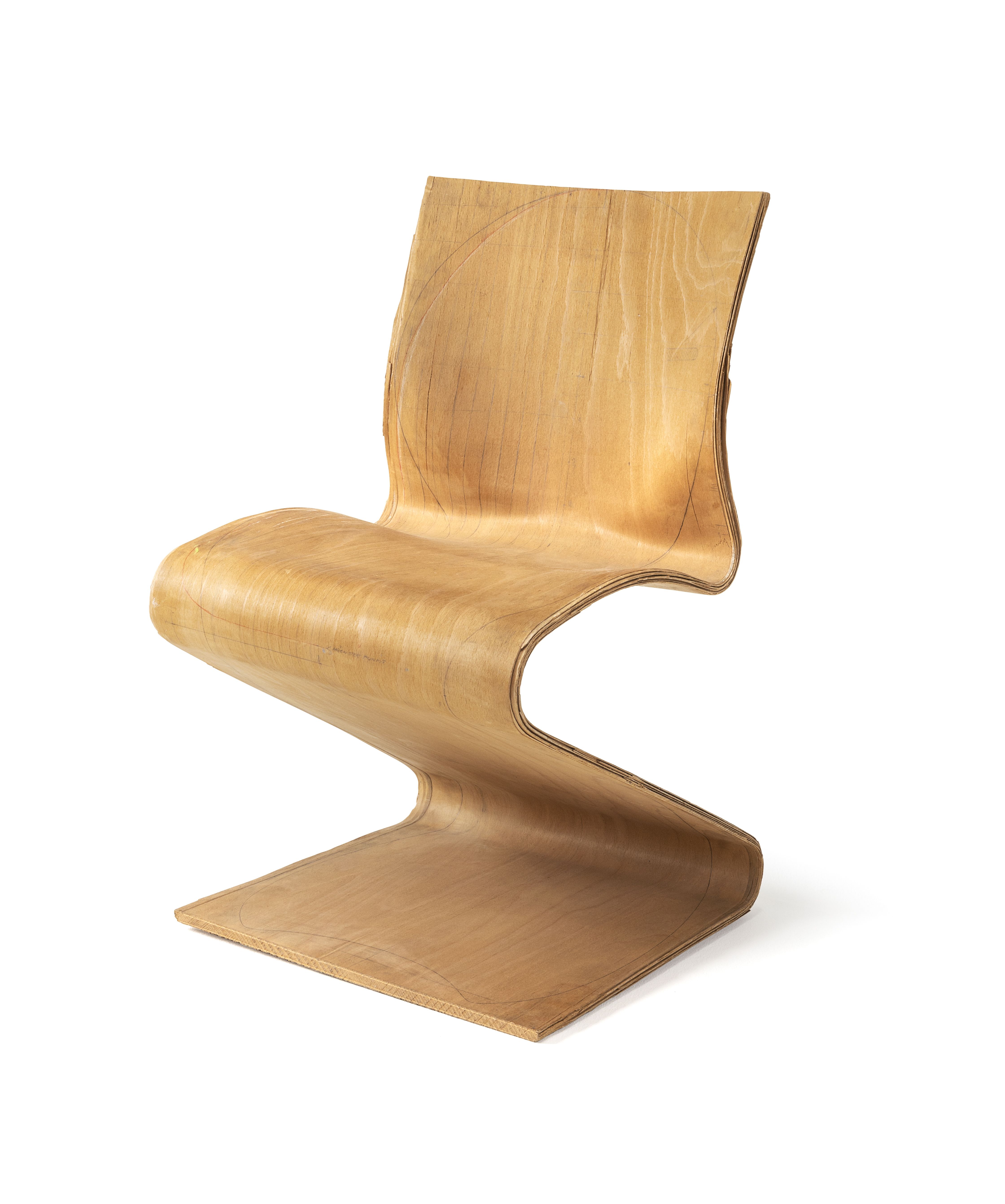

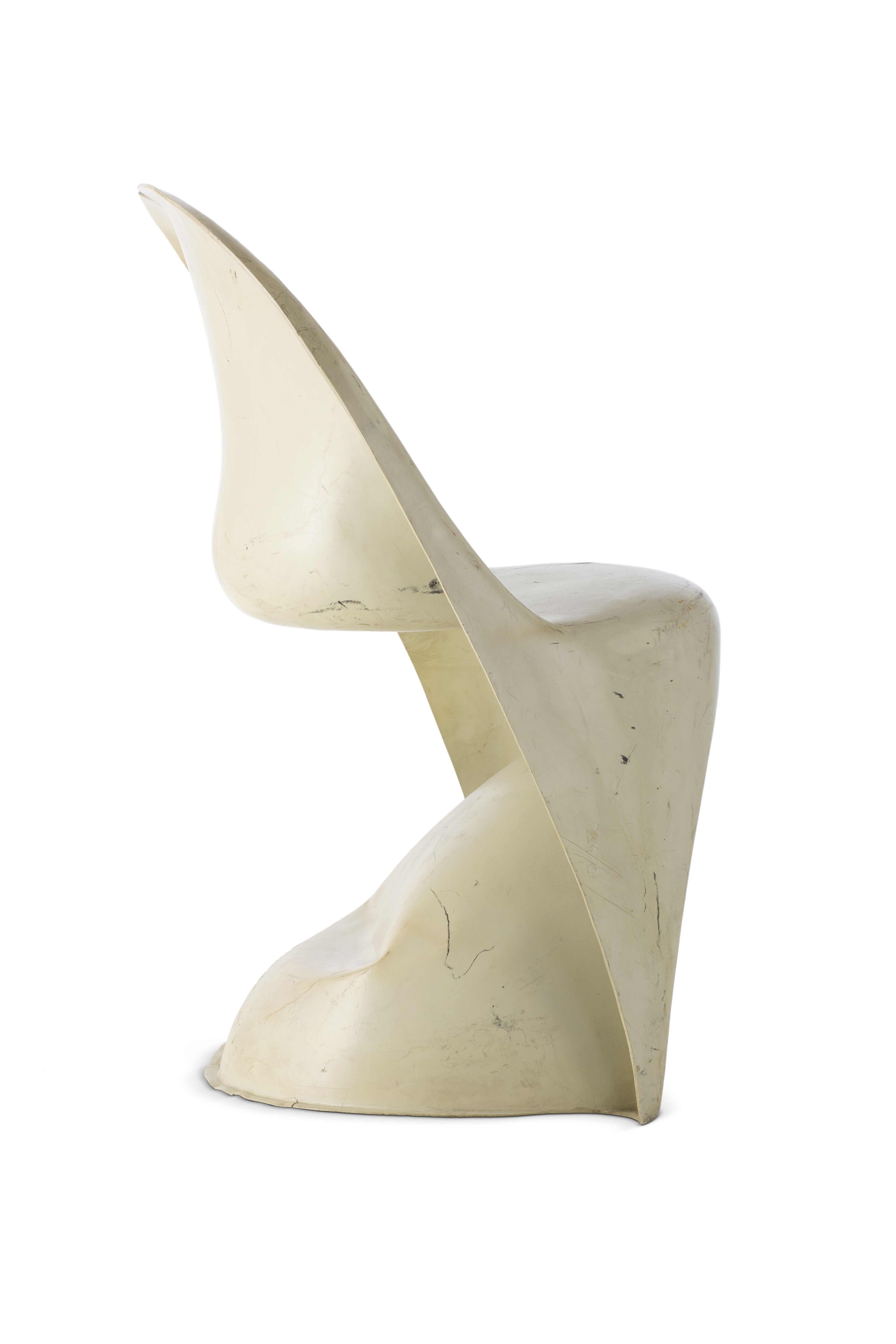
Verner Panton: Form, Colour, Space (until 5 September 2026) at Vitra Schaudepot.
Born in Copenhagen in 1926, as the city was in the flow of rejuvenation following the First World War, Verner Panton went on to become one of the most playful, creative and non-conventional of the Danish mid-century designers. He studded walls with coloured bubble lights and cast his interiors as playground-like spaces; his curvy plastic S-shaped chair is still being produced by Vitra today. This year marks a century since Panton’s birth and, to celebrate, the Vitra Design Museum is holding a retrospective of his work at Vitra Schaudepot. It will include his most famous designs—such as his cone-shaped chair and wave modular seating—and a walk-in recreation of his Fantasy Landscape from 1970, a topsy-turvy cave-like space that might have come from the imagination of Dr Seuss. As Panton said: “The main purpose of my work is to provoke people into using their imagination.”—Baya Simons
Main image: Helen Frankenthaler in her studio on East 83rd Street, New York, 1974. Photograph by Alexander Liberman, Getty Research Institute, Los Angeles (2000.R.19). Alexander Liberman, © J. Paul Getty Trust. Alexander Liberman, © J. Paul Getty Trust.




A respected voice in contemporary art discourse.
Focusing on ambitious storytelling and insightful art-world commentary. Ocula Magazine publishes in-depth interviews, critical essays and timely analysis on the artists, exhibitions and ideas driving the global art world.
Learn more about Ocula Magazine
Showcasing the best of the art world.
Ocula partners with galleries from around the world to highlight their artists, artworks and exhibitions. Gallery membership is by application and invitation, with each member vetted by an independent panel.
Learn more about Ocula Membership
Specialises in the sale of major artworks.
Led by a team with deep ties to the world’s leading auction houses, galleries and collectors. Ocula’s advisory team offers bespoke services to high-net-worth clients from around the world who are looking to acquire the best of contemporary and modern art.
Learn more about our team and services