




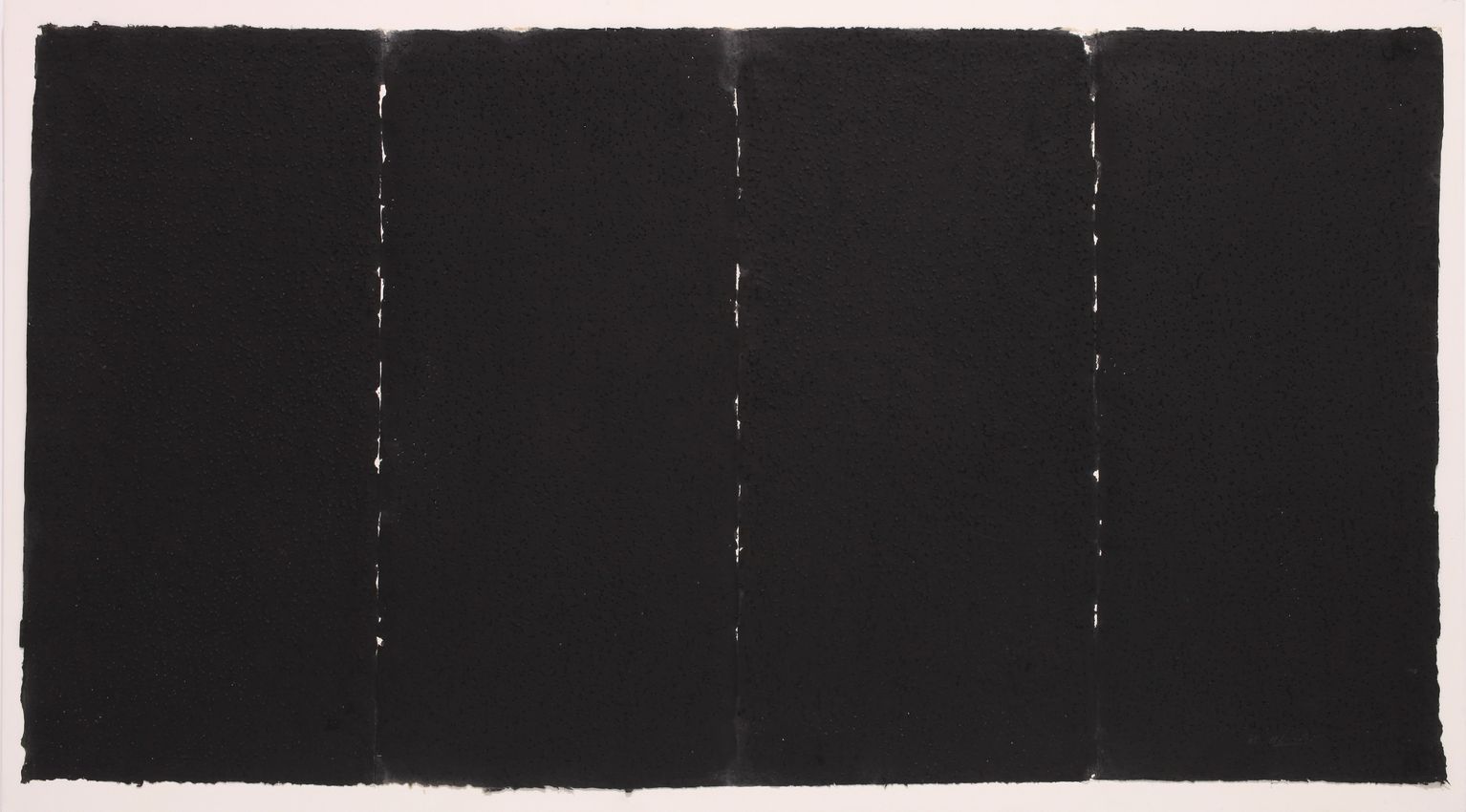
CHOI MYOUNG YOUNG
b. 1941, South KoreaBorn in Haeju, Hwanghae-do, in 1941, Choi defected to South Korea during the Korean War and grew up in Gunsan and Incheon. In 1957, he began studying art at Incheon National School of Education under master artist Chung Sanghwa after which he entered the Hongik University College of Fine Arts in 1960 to study painting.
After graduating college in 1964, Choi spent the remainder of the decade as a member of the art groups Origin Society (1963–1993), Korean Avant-Garde Association (A.G., 1970–1973), and École de Seoul (1975–1999), and participated in the likes of the Paris Biennale (1967) and São Paulo Biennale (1969) to set his foot in the art scene as an emerging artist.
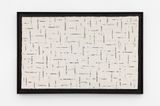
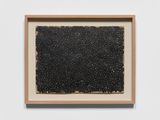
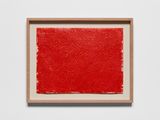
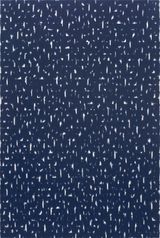
Since the mid-1970s, Choi has persistently explored using his body and the relationship between the canvas plane and the medium of paint under the theme of “conditional planes,” repeating and varying physical actions on top of the flat surface to understand painterly existence. In the mid-1970s, the artist produced what are known today as the “sandpaper” and ‘fingerprint’ series.
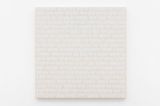
Throughout the mid-1980s and the 1990s, Choi’s repetitive movements took on vertical and horizontal orientations to settle as his unique methodology and style.
Choi often uses the expression ‘monotonous’ to describe his works. Creating superficial space composed of regular units—by performing repetitive actions within the frame of the blank, quadrilateral canvas—can be seen as a daily act of validating existence.
The canvas as a background no longer distinguishes or restrains art and life. Just as the body and the mind are no longer subjects for distinction, the conditional plane is now an existential ‘platform,’ an infinite space that serves to intertwine and reveal the artist’s repetitive actions. This is precisely why Choi’s creative world is a demonstration of ‘controlling monotony,’ something that ceaselessly flows toward infinite variations.
Courtesy Almine Rech

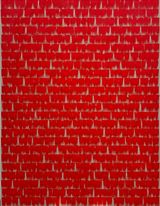
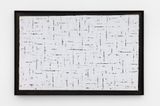
Works Elsewhere











Explore and Follow Artists Shaping Contemporary Art
A respected voice in contemporary art discourse.
Focusing on ambitious storytelling and insightful art-world commentary. Ocula Magazine publishes in-depth interviews, critical essays and timely analysis on the artists, exhibitions and ideas driving the global art world.
Learn more about Ocula Magazine
Showcasing the best of the art world.
Ocula partners with galleries from around the world to highlight their artists, artworks and exhibitions. Gallery membership is by application and invitation, with each member vetted by an independent panel.
Learn more about Ocula Membership
Specialises in the sale of major artworks.
Led by a team with deep ties to the world’s leading auction houses, galleries and collectors. Ocula’s advisory team offers bespoke services to high-net-worth clients from around the world who are looking to acquire the best of contemporary and modern art.
Learn more about our team and services