





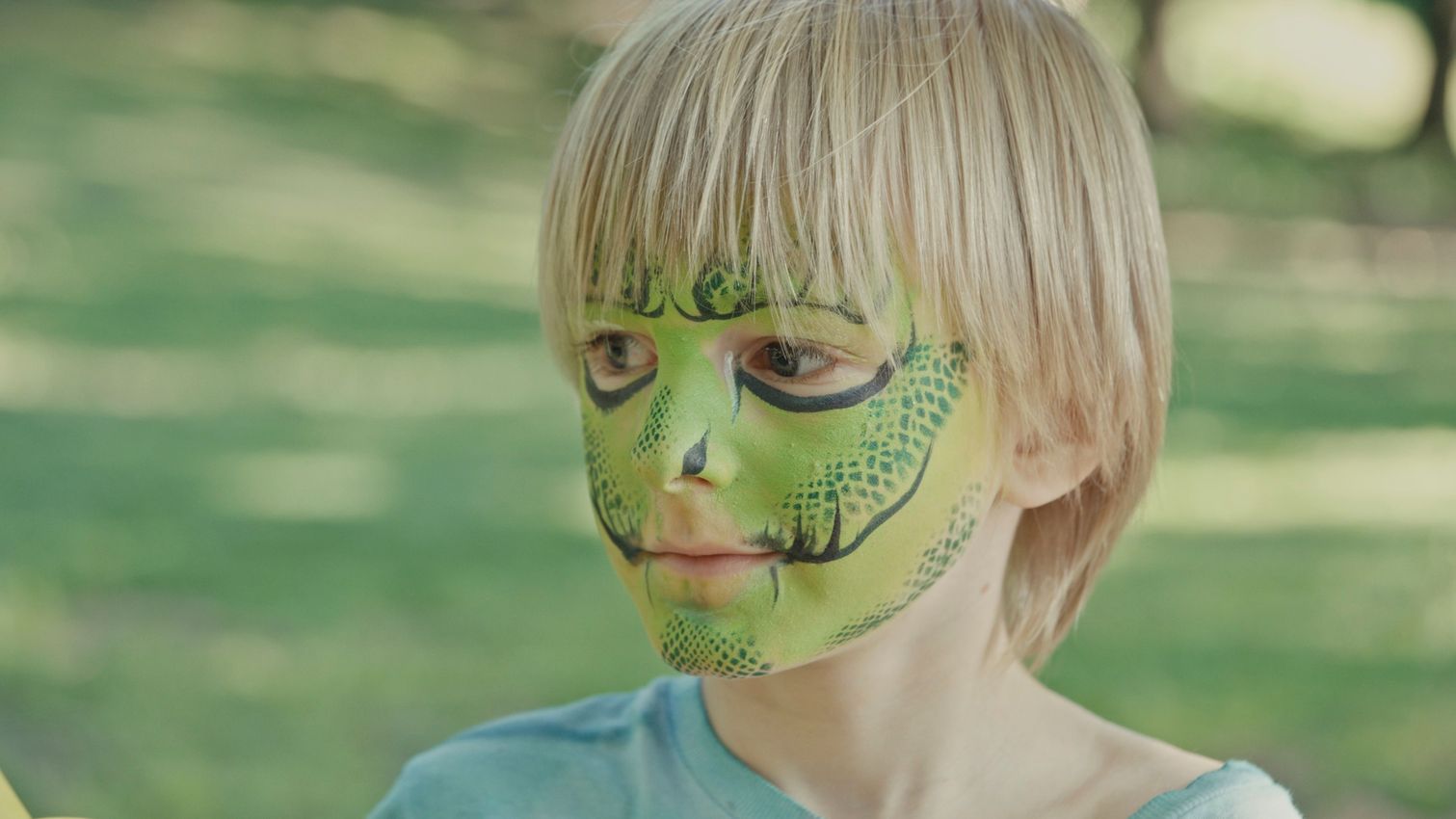
A Sense of Wonder
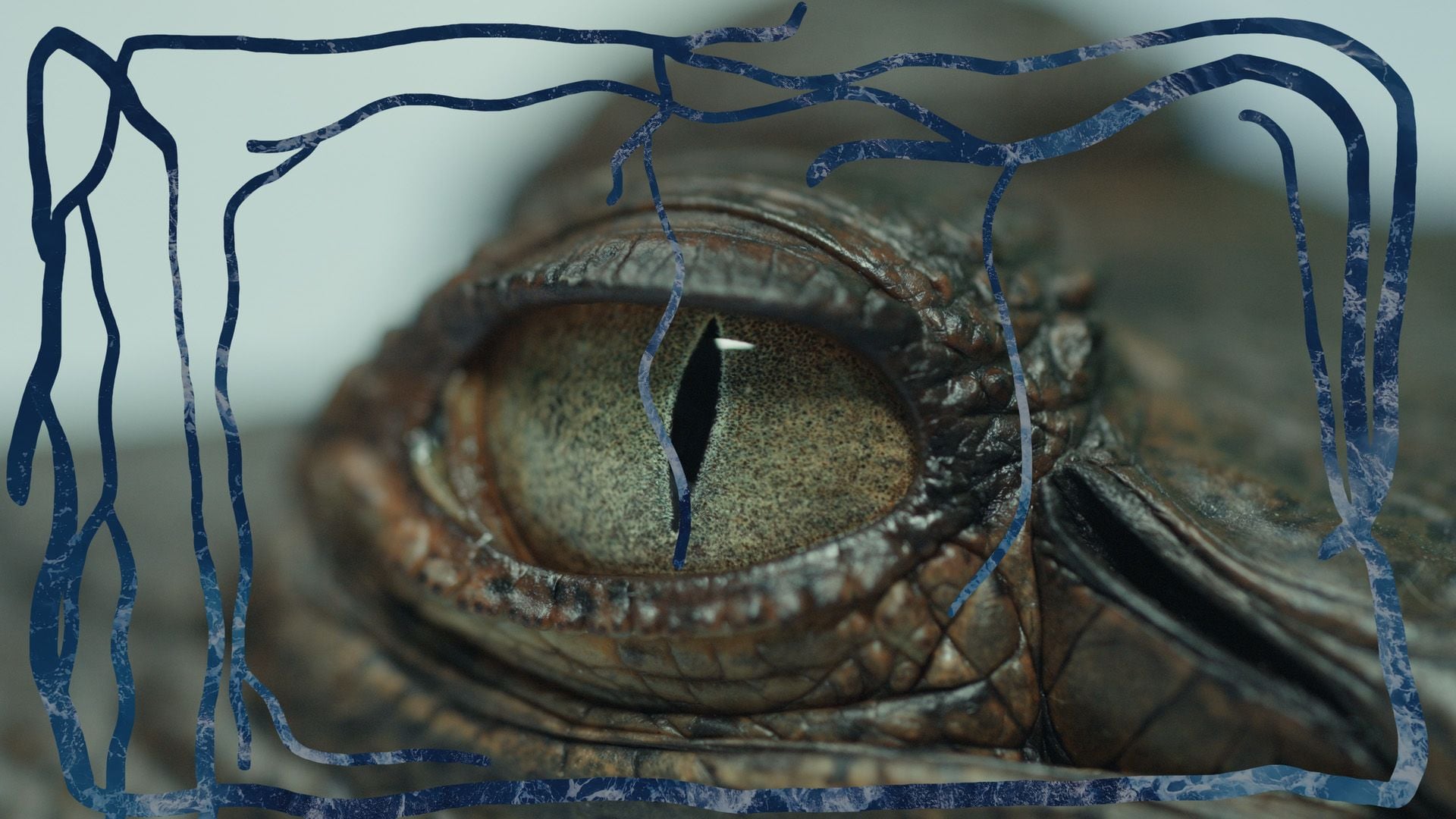
What kind of joy is truly meaningful, and what kind of joy have capitalist constructs encouraged us to believe is acceptable? French artist Camille Henrot and novelist Rachel Connolly reflect on our relationship with our origins, and the expectations society has of women. Save to My OculaThere is a scene in Camille Henrot’s latest film, In the Veins, that shows a baby crocodile receiving acupuncture following spinal surgery. The camera scans across the crocodile’s body, pausing on its teeth, its reptilian eyes and its slick scales: all the qualities we, as humans, have learned to view as monstrous. The crocodile flinches and the vet whispers, with great tenderness: “I know baby, calm down.”
The strangeness of seeing an animal we generally fear in such a vulnerable state made me think about our relationship with monstrosity, with animals who look prehistoric, and the extent to which this relationship is characterised by our fear of our own origins. In general, the experience of watching In the Veins is something like this. Henrot has expertly crafted a sequence of images that invite the mind to wander to the strange places it generally tries to avoid.
The film explores the reality of raising children in our time of ecological collapse. The starting point was a simple contradiction: animals are everywhere in childhood yet this diversity is disappearing in real life. An alphabet book using “J is for Jaguar” is presenting a fantastical impression of the present time.
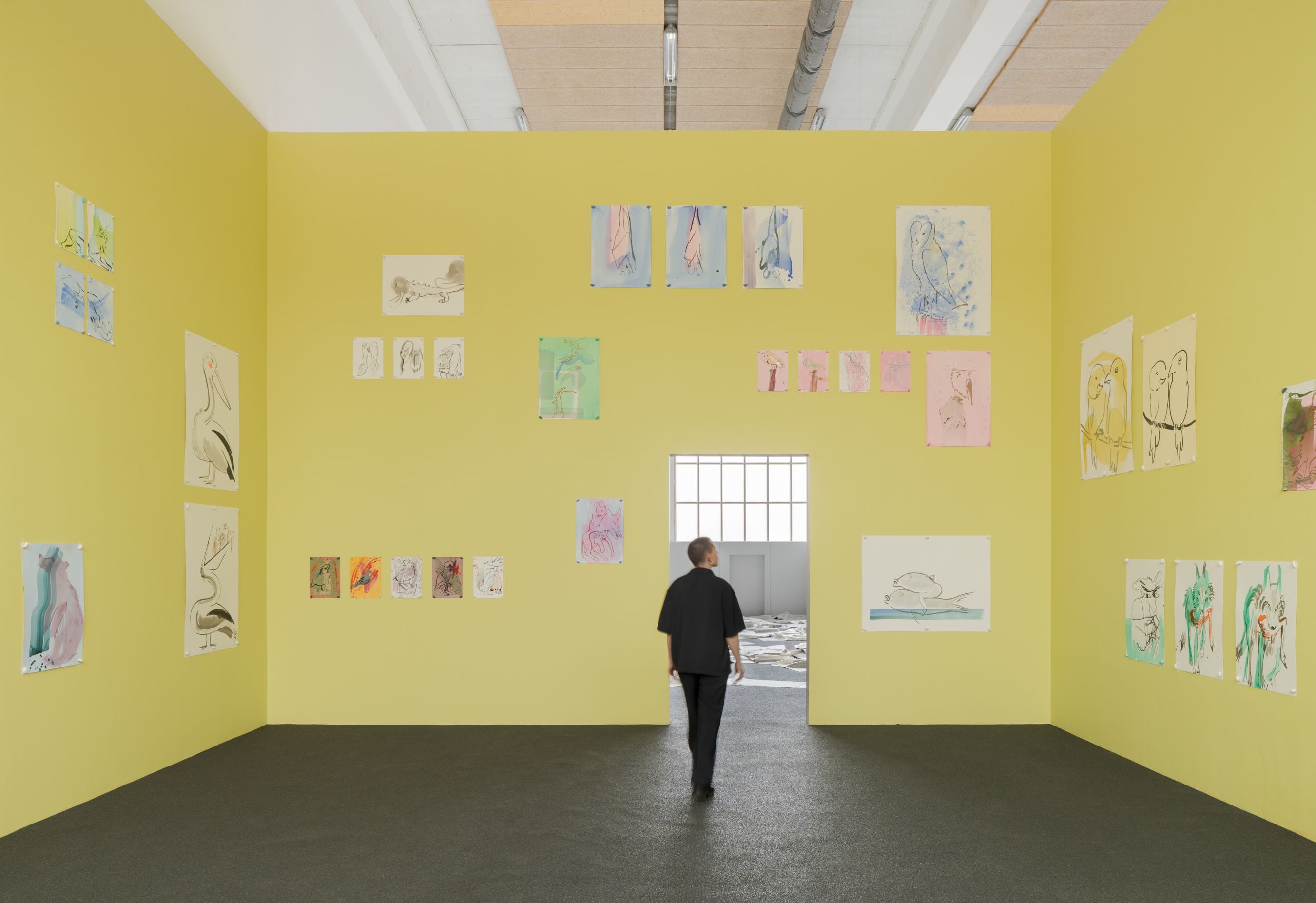
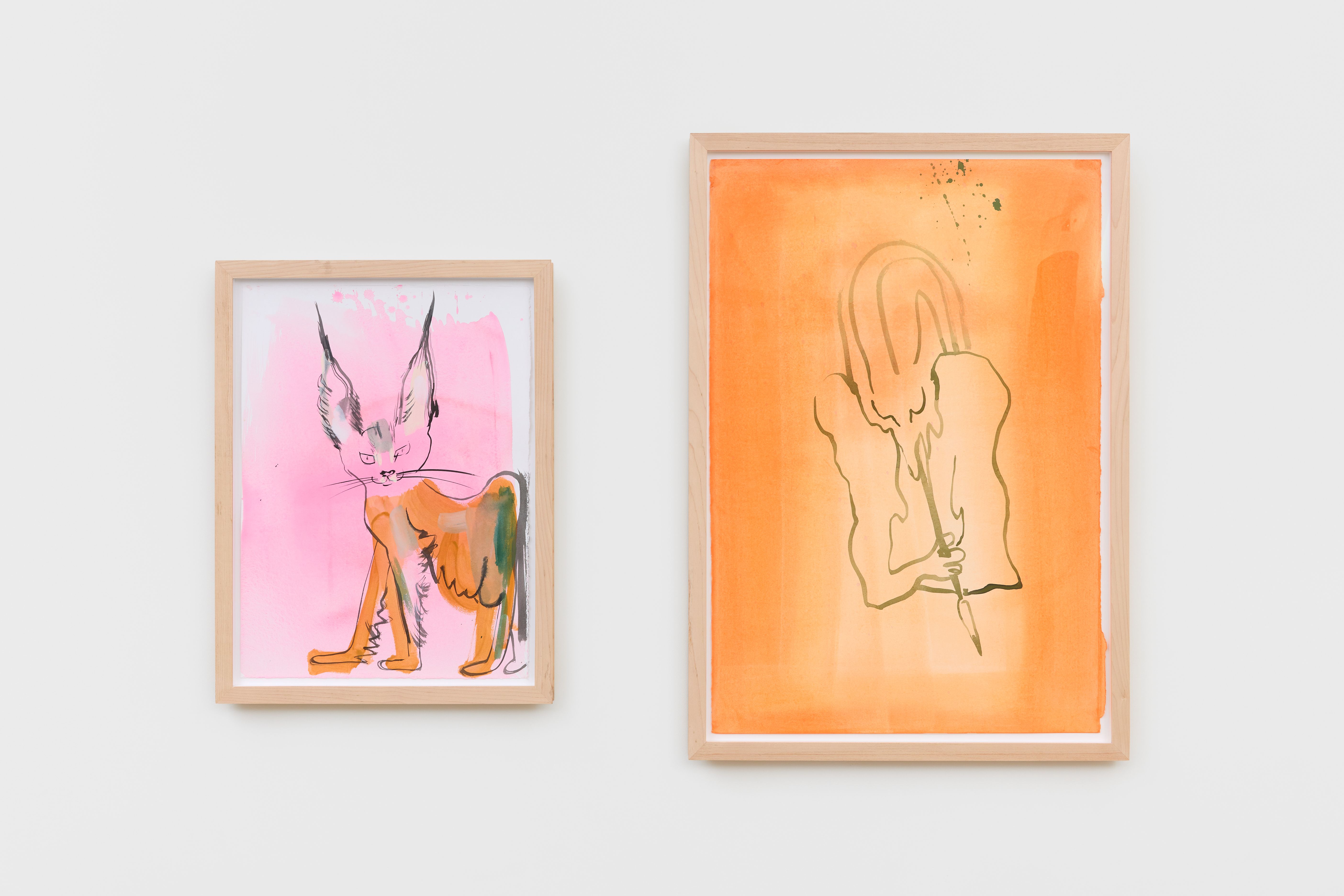
There are scenes exploring the joy and weirdness of caring for small children, ticking clocks that reinforce the idea of finite time, and rescue workers caring for animals threatened by the environmental devastation wrecked by humans. But the film is not solely an exploration of climate grief: it also celebrates intimacy and the kinds of work and joy devalued by capitalism. Similarly, Don’t, a recent show of her drawings and paintings at The Perimeter in London, was an exploration of some of the most intimate moments of our lives—the moments that actually constitute a human life.
Henrot was born in Paris in 1978. Her breakout film Grosse Fatigue (2013) won the Silver Lion at the Venice Biennale. That film explored the birth of the universe, but it was also about the narratives we have constructed, as humans, to make sense of that story and thus to make sense of ourselves. In The Veins is similarly concerned with the narratives we have constructed around our own origins. It slyly holds a mirror up to our fear of, for example, acknowledging our own evolution, but also the cultural devaluation of mothers and care work. It draws parallels between the capitalist devaluation of care and the destruction of the planet, and so invites the viewer to think beyond capitalist constructions of what kind of work is valuable, and what kind of joy is truly meaningful.
Rachel Connolly: I found In the Veins to be a very emotional work. There is a lot of grief in it, but I also experienced joy and wonder. How did you feel while you were making it?
Camille Henrot: The point of departure was a specific kind of grief, and the fact that I was not seeing a mirror for that specific grief anywhere. And it made me think about the representation of the climate crisis. I feel we don’t just need texts and analysis and data to understand the climate crisis. We need emotional objects, cultural objects. We need narrative. We need the reality of biodiversity loss and climate change to be integrated into fiction. That’s how it becomes culture, and that’s how it becomes a reality for a society, for us as a group.
At the beginning, I was aware that I had this particular grief every time I felt a sense of wonder. So I thought your question was really interesting because I had never put my finger on it. But it’s true: this kind of grief is intrinsically connected with a sense of wonder and joy. It is what you feel with small children, or with nature and animals. When you feel joy connected to the spectacle of life, whether it’s watching the veins of your newborn baby while he’s being breastfed, whether it’s a butterfly landing on a flower, or a glimpse of a raccoon, even, in a trash can in New York City.
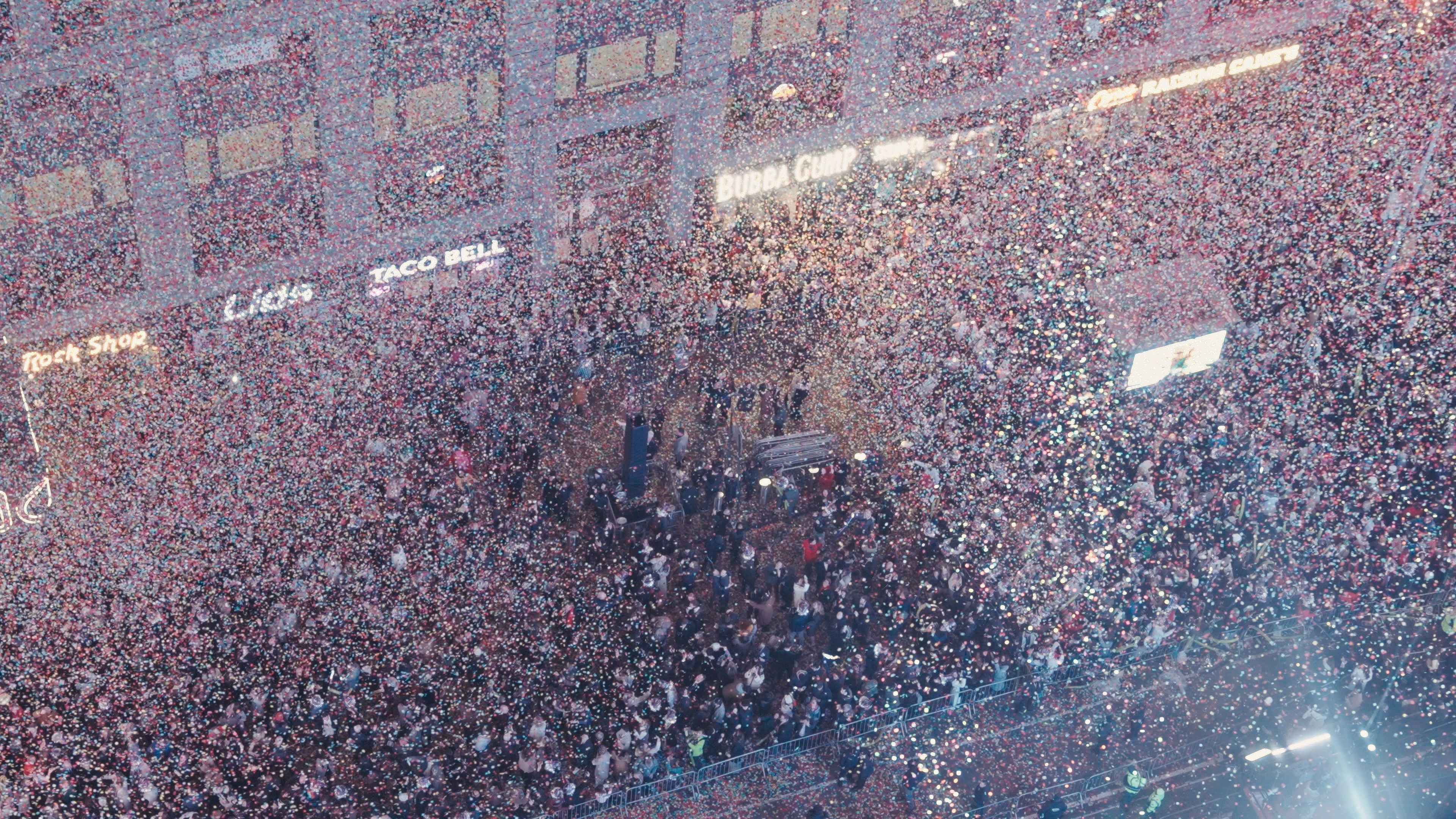
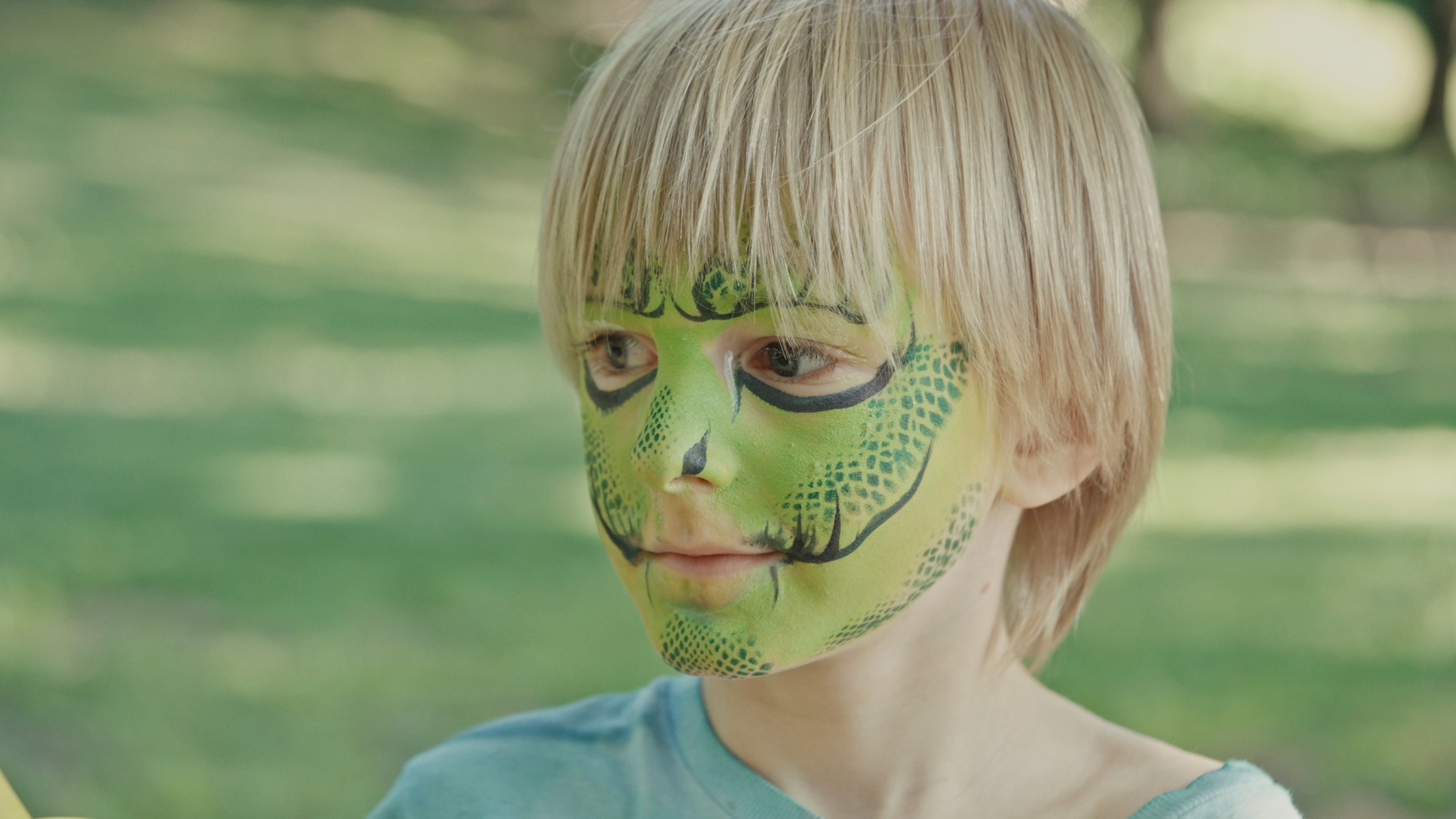
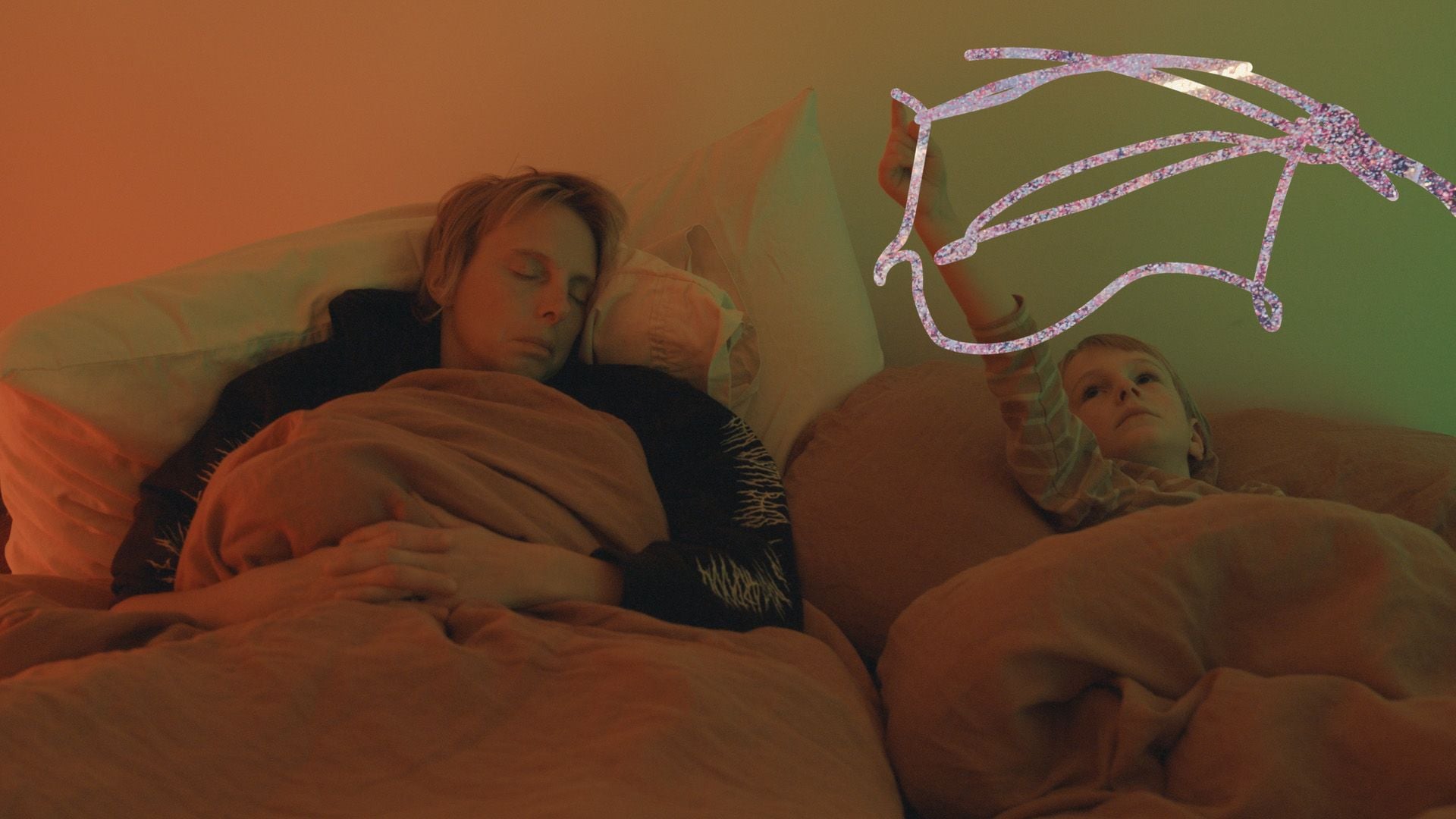
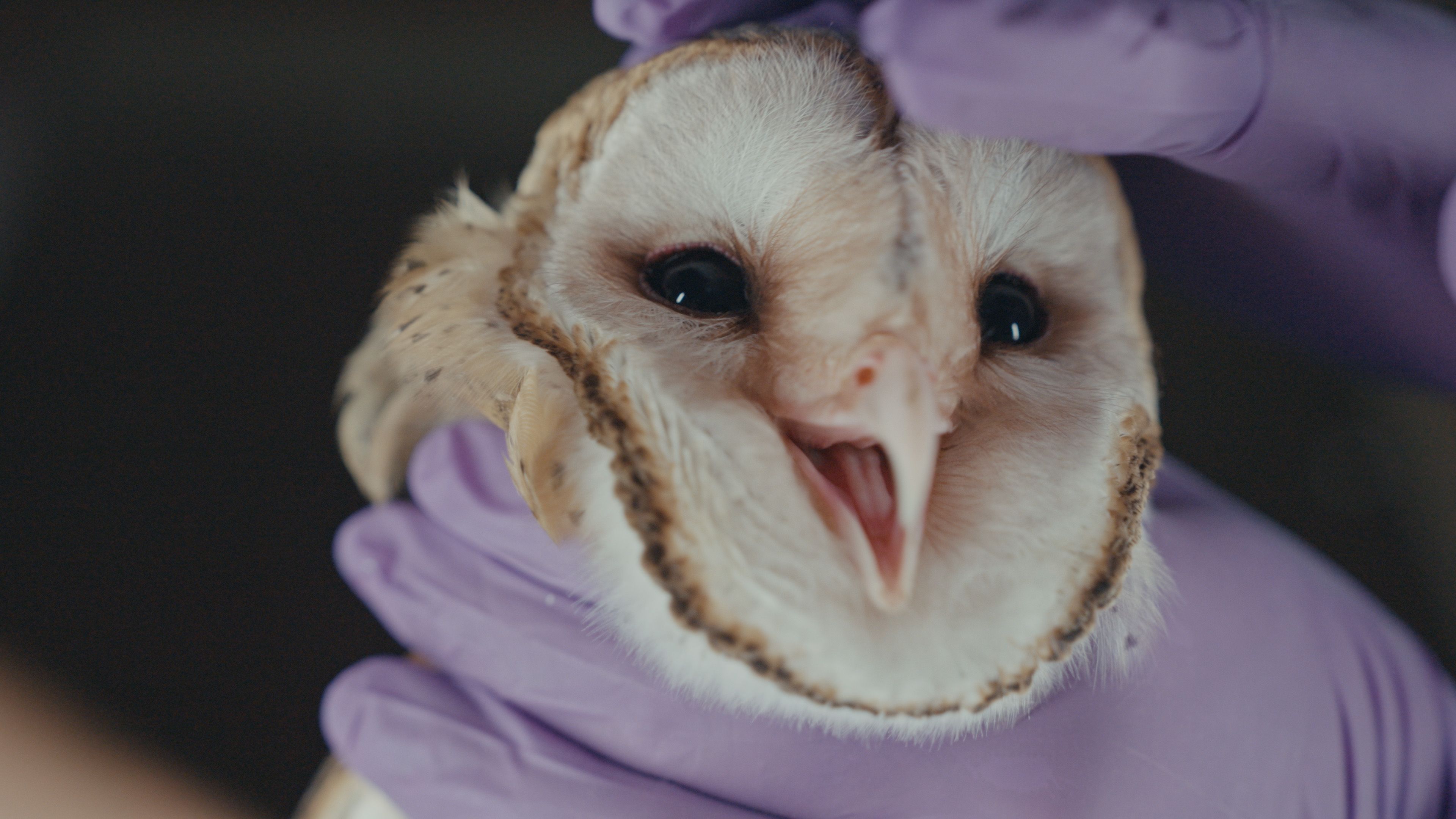
RC: I think what I found so striking about In the Veins, and one way it felt very different to other work I’ve seen that deals with these themes, is that it wasn’t just grief or horror.
CH: I was asking myself: “Why is it that we have all the data… we all love animals—on Instagram, videos of wild animals always get millions of likes—everybody loves to go on a picnic, everybody loves to go on a hike, yet we’re not able to protect those things that we love?” So what’s missing?
And so I kept asking myself those questions—and because I’m not in the government, I’m not a lawyer—I was asking myself specifically: “What in the communication of those facts is missing?”
So it’s true: I was very aware that if I was just straightforwardly communicating rage or sadness and despair, I would not be able to keep any kind of audience.
“I feel that in the capitalist culture there is a lot of effort to degrade joy, because it makes us feel self-sufficient”
RC: Something I also thought a lot about while watching the film was—and I think a lot about this in general—as humans, our destruction of the planet relates to our alienation from our own nature.
We have this system, capitalism, which encourages us to neglect the natural world, but also our own health, our happiness, our families. I think a lot about the fact that we’re losing the natural world, and the system that’s making us lose that is also making all of us, every day, lose something of ourselves. There’s a coldness and a hardness to this.
One of the things that really struck me about In the Veins was that there’s so much softness in it. Can you talk about that quality?
CH: I don’t know if “softness” would be the right word for me, but I’m really interested in one of the things you just said: the idea that the same force that is destroying nature is also pushing us away from joy and from the possibility to be happy.
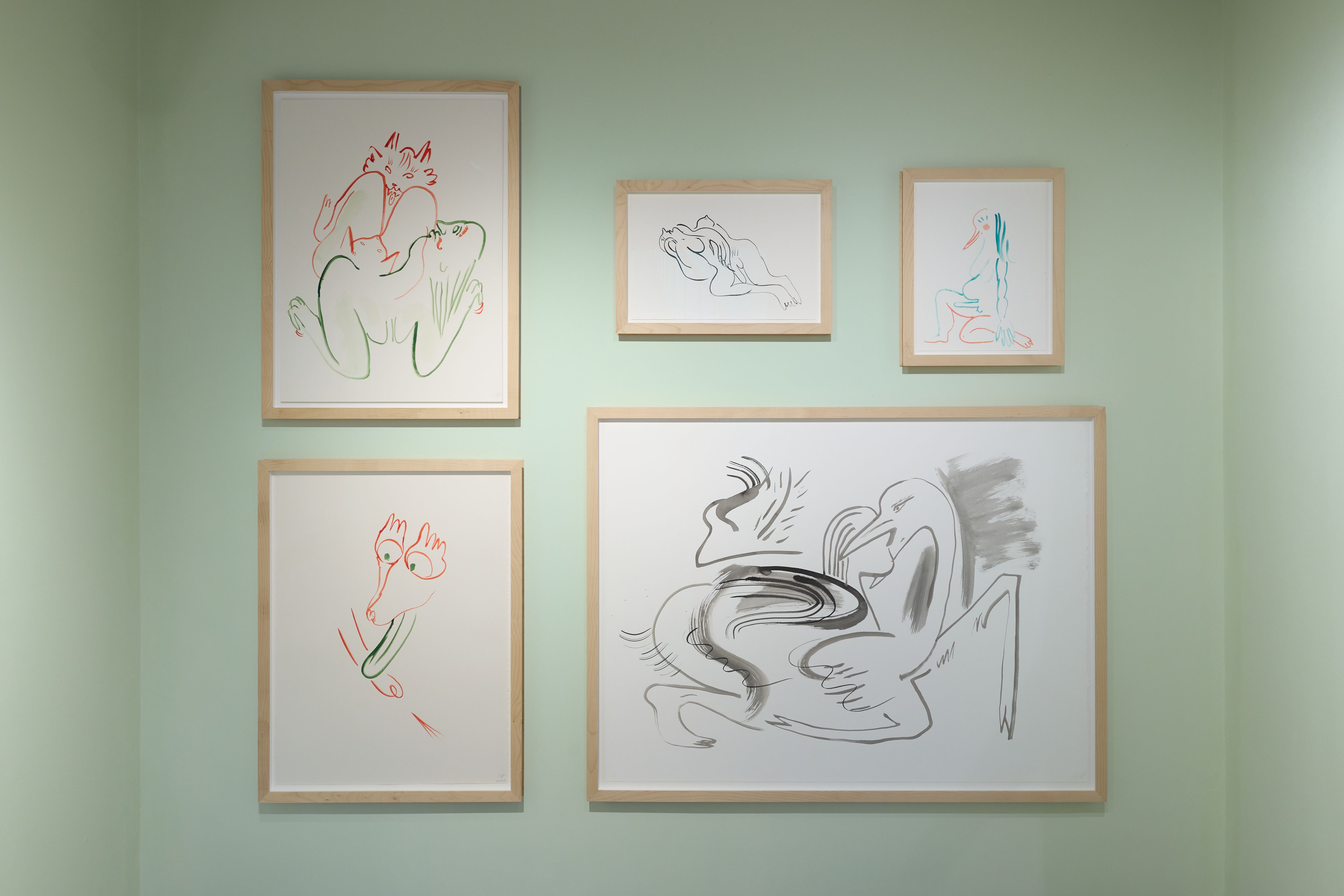
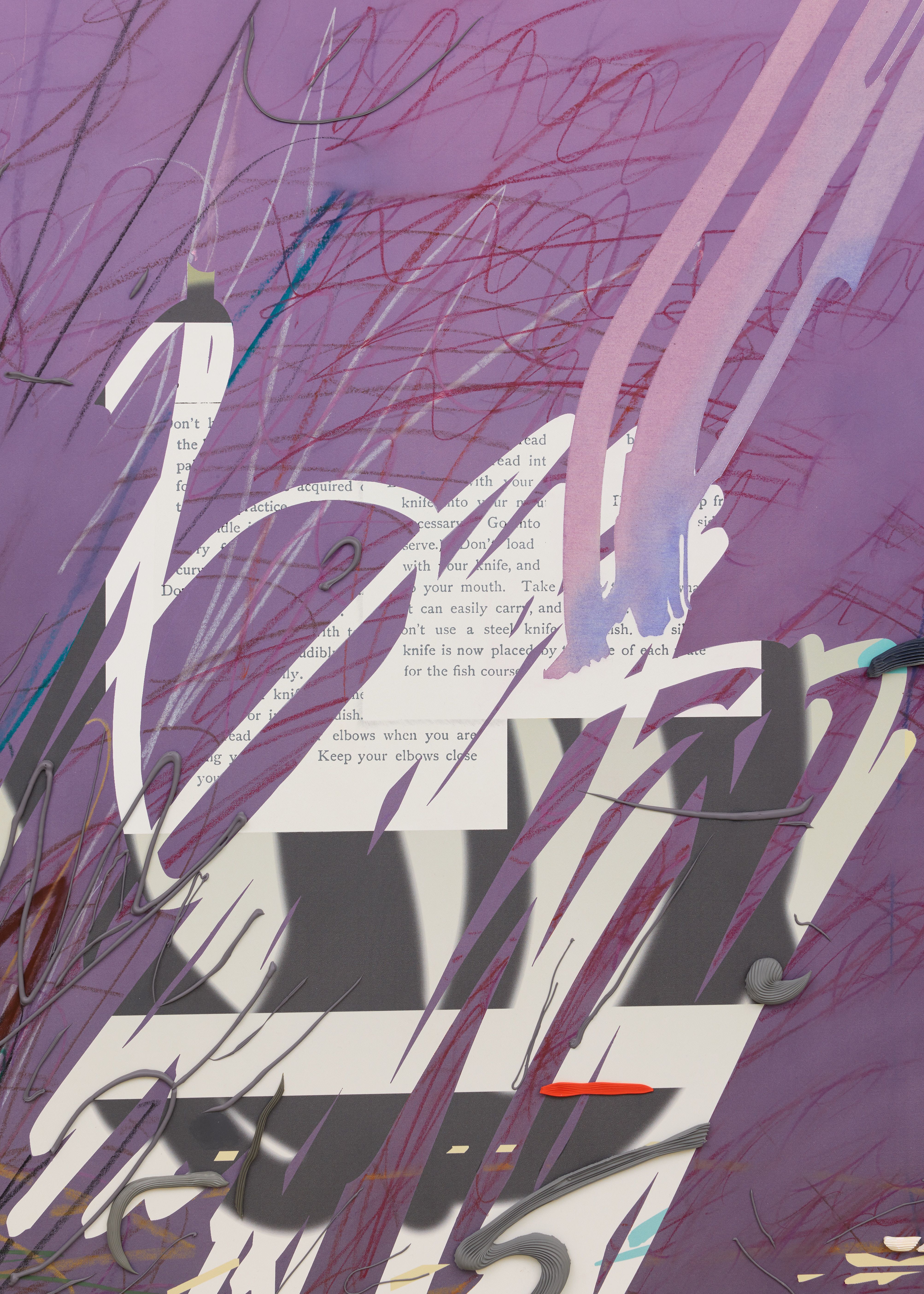
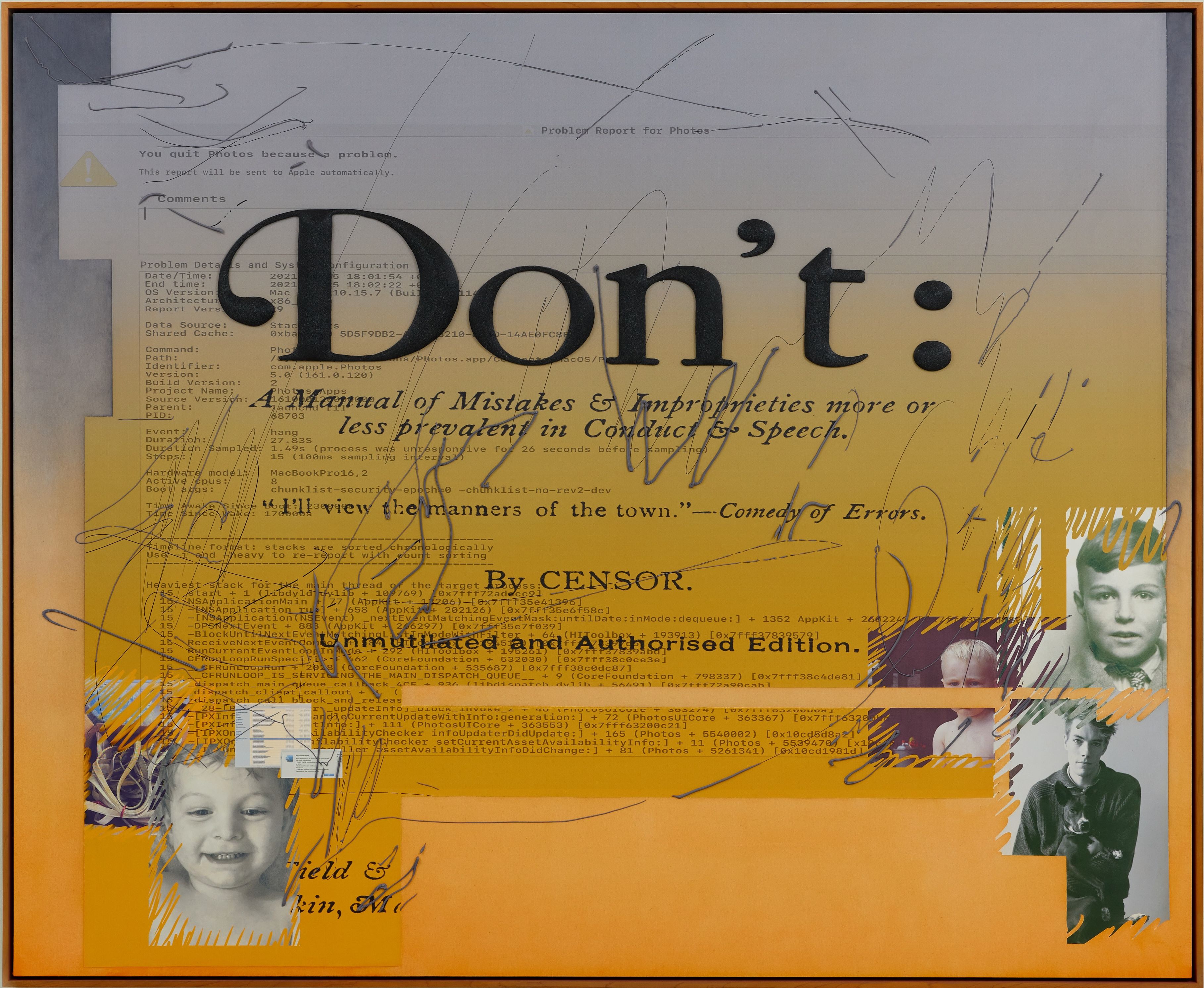
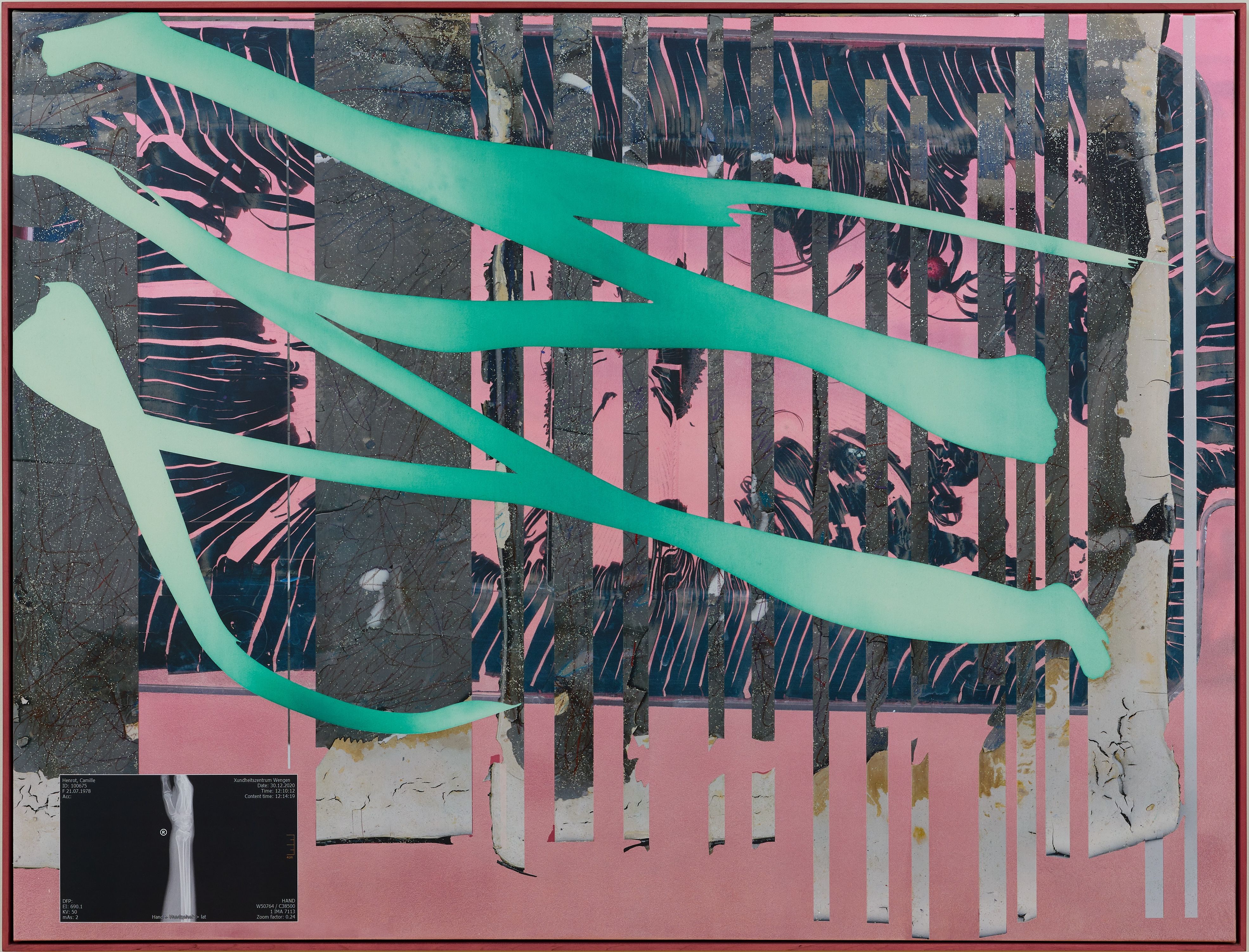
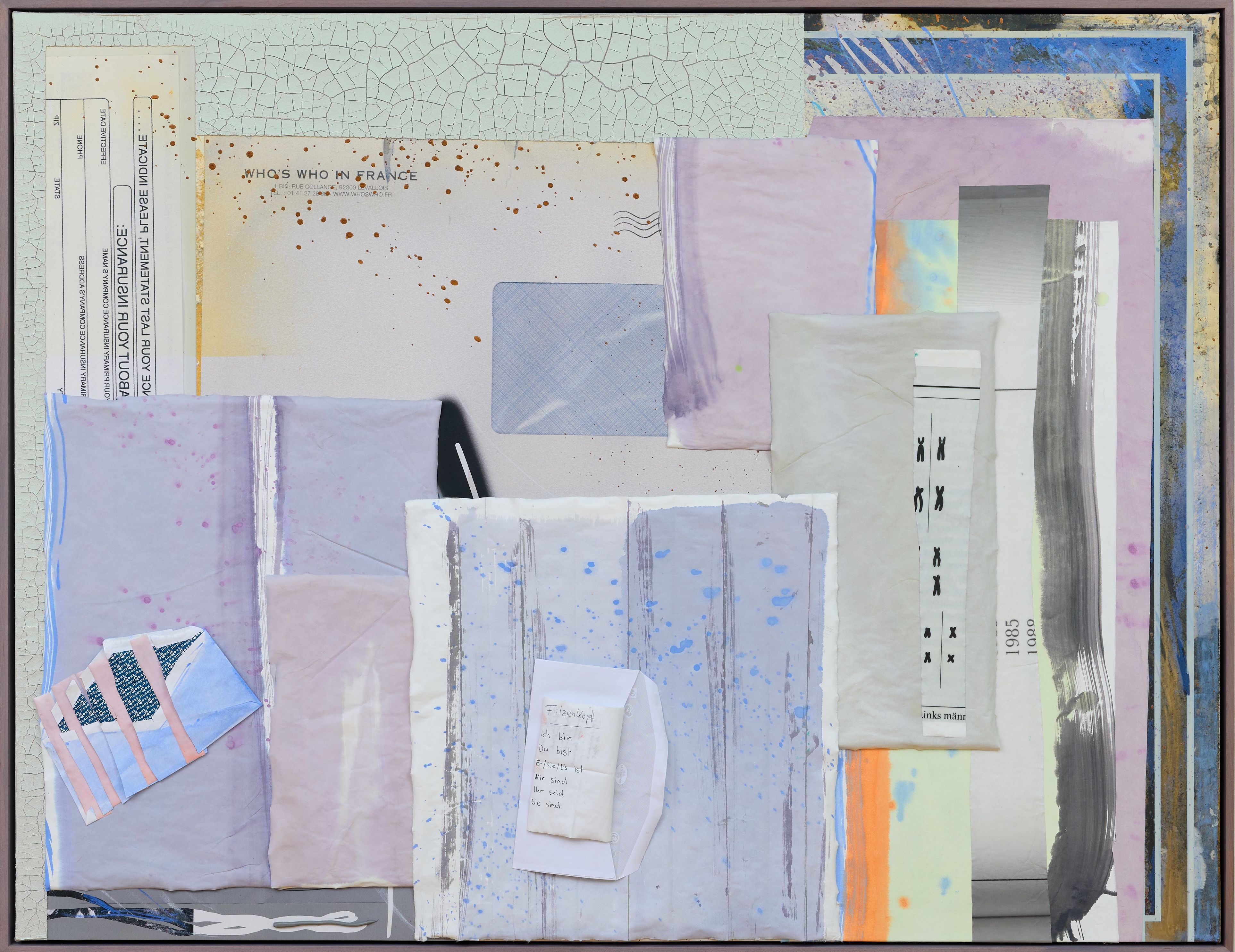
I feel that in the capitalist culture there is a lot of effort to degrade a specific kind of joy, because it makes us feel self-sufficient. This kind of joy is, for example, the sense of pleasure we take from small sensations, such as touching your child’s cheek, the feel of the sun on your skin. This type of joy is very simple: it doesn’t require having a partner or having kids, it’s even things like noticing the funny expression on a dog’s face. I would call it meditative joy or a sense of wonder. I think the uber-capitalist society we are living in is really—especially with social media—trying to destroy all these little sources of joy, so that all we’re left with is the feeling of joy you get when you buy something new.
“We need the reality of biodiversity loss and climate change to be integrated into fiction”
RC: I actually think about this sometimes in the context of how hard it is now to have a new experience. With music, the way it used to work, you would go to a gig, that would probably be the first time you heard it. Now we’re so submerged in content that it’s very hard for any one thing to have the same impact. The bombardment makes it harder for us to tune in to any particular thing. The newness or the uniqueness of experience has been totally depleted.
CH: I notice it, too. I guess that’s why the format of the film in a dark room is still something I believe in. People have said: “Oh, you should present your film on different screens because it will look more artsy.” But for me, it has never been interesting to use different screens or to put the film into an installation. I feel like the power of film is the power to captivate us, as if we were dreaming. This is extremely precious. It’s almost like a drug, and we can go deep into that experience by being in the dark, by focusing only on the moving image. This is why I feel like I’ve always had a quite traditionalist approach to showing my films, because I have such a true belief in the power of the moving image. I feel anything that you add is kind of distracting and not actually doing anything.
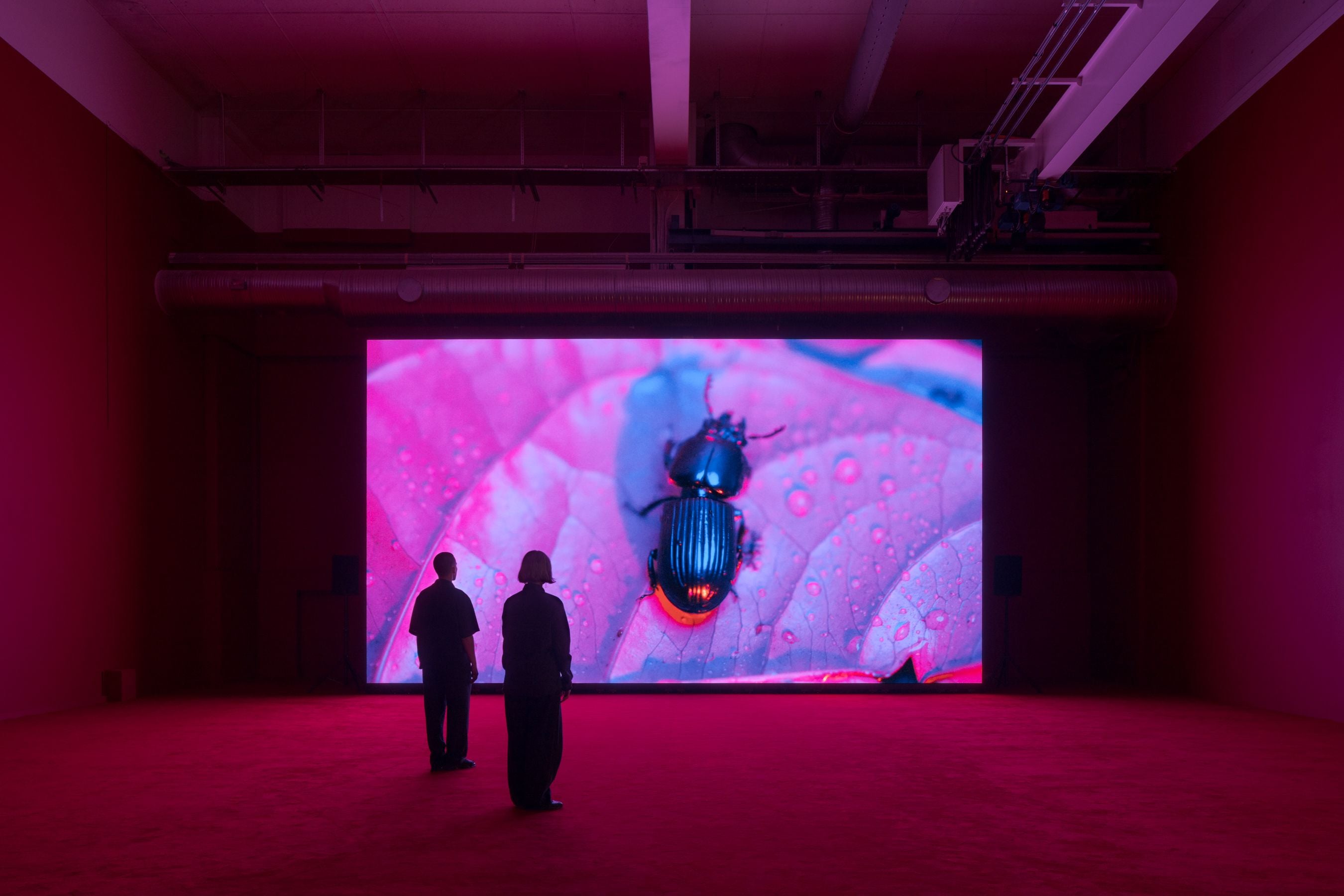
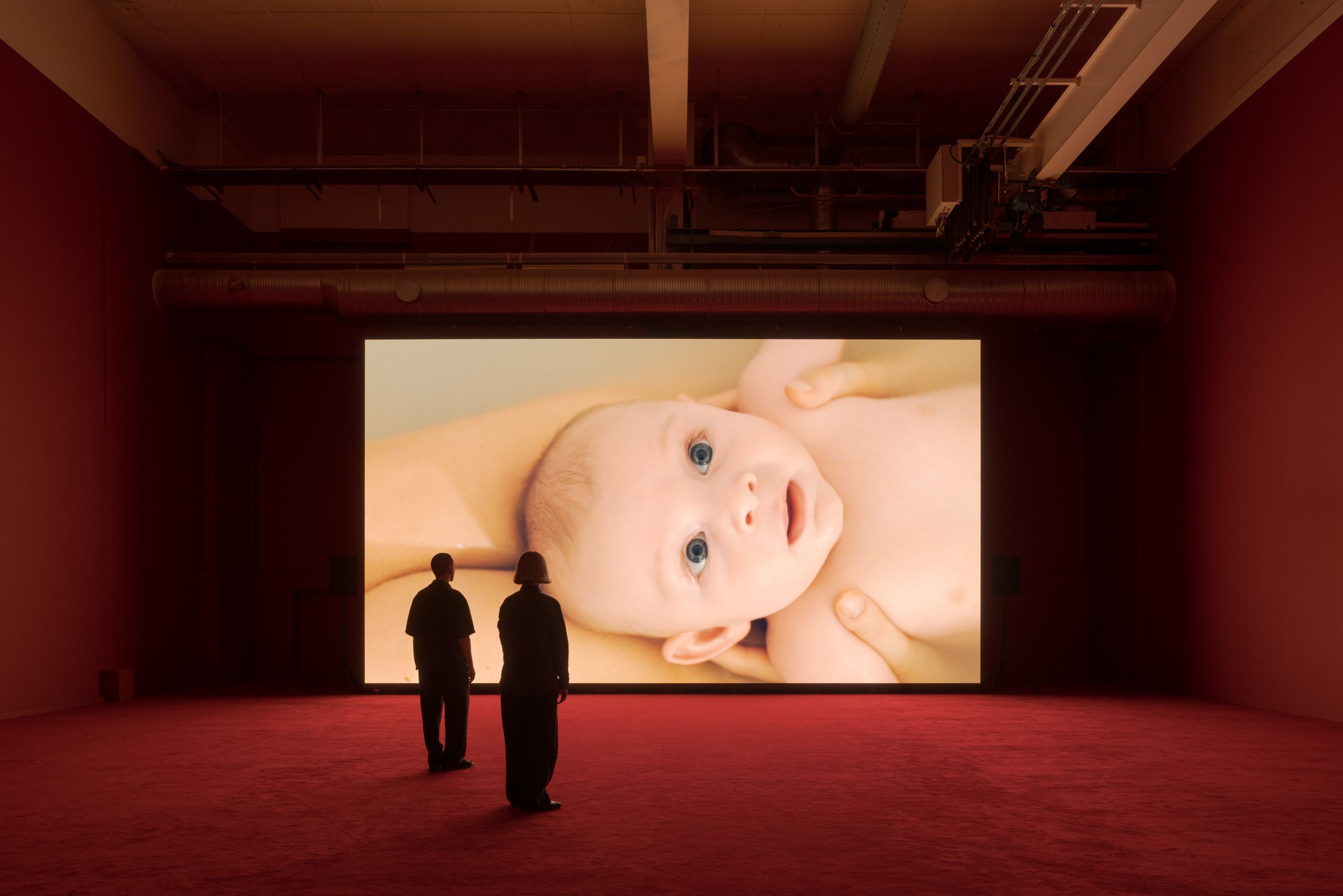
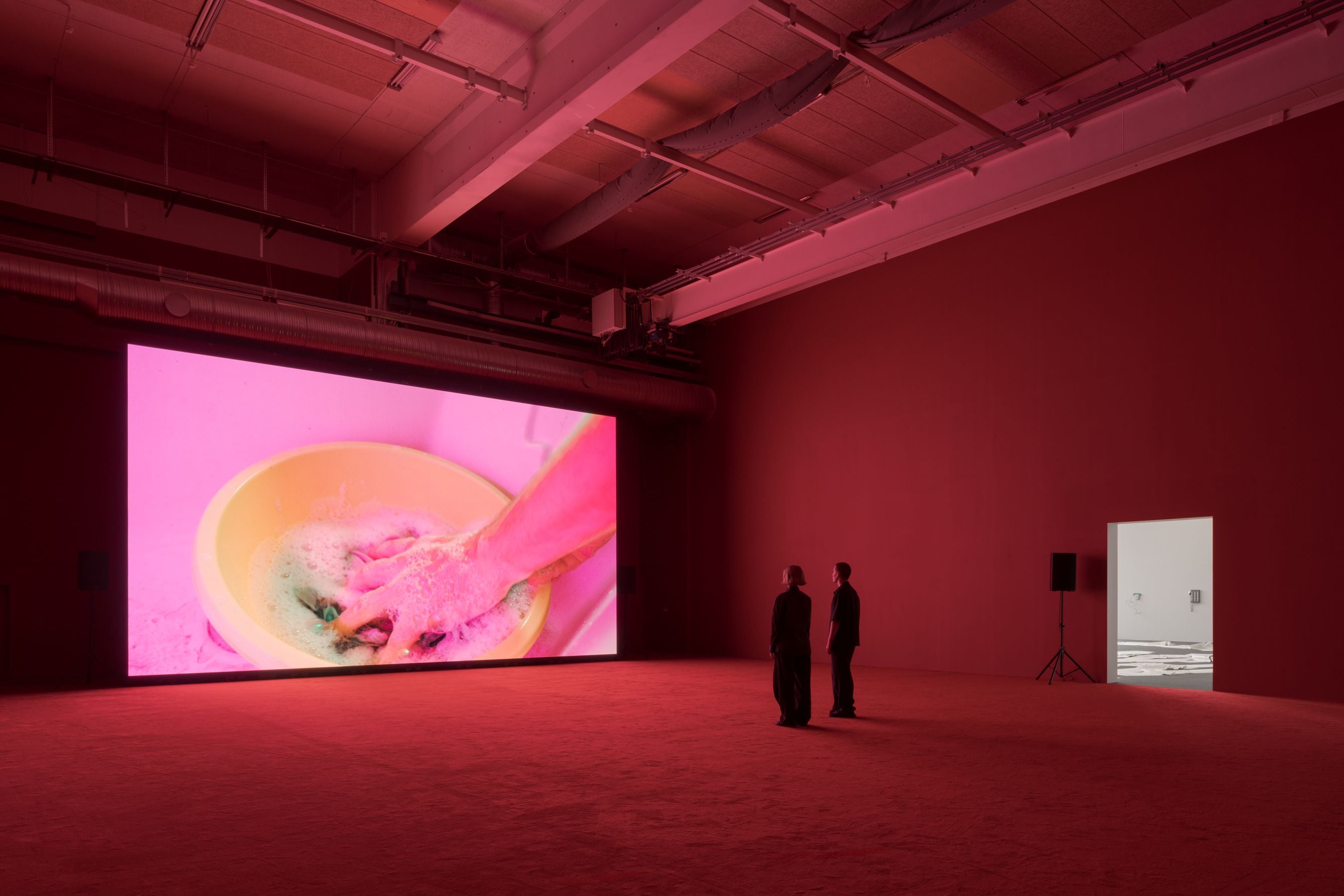
RC: Something I really loved about In the Veins is that it has animals that are generally viewed as monstrous, but they’re presented in a very vulnerable way. I loved the scene with the little crocodile having surgery. He’s so monstrous, in terms of how we’re trained to see him, and then you realise how small he is.
I felt like it held up a mirror to the way that we monster other things, and the way that we need to take away their vulnerability. Can you talk a bit about that?
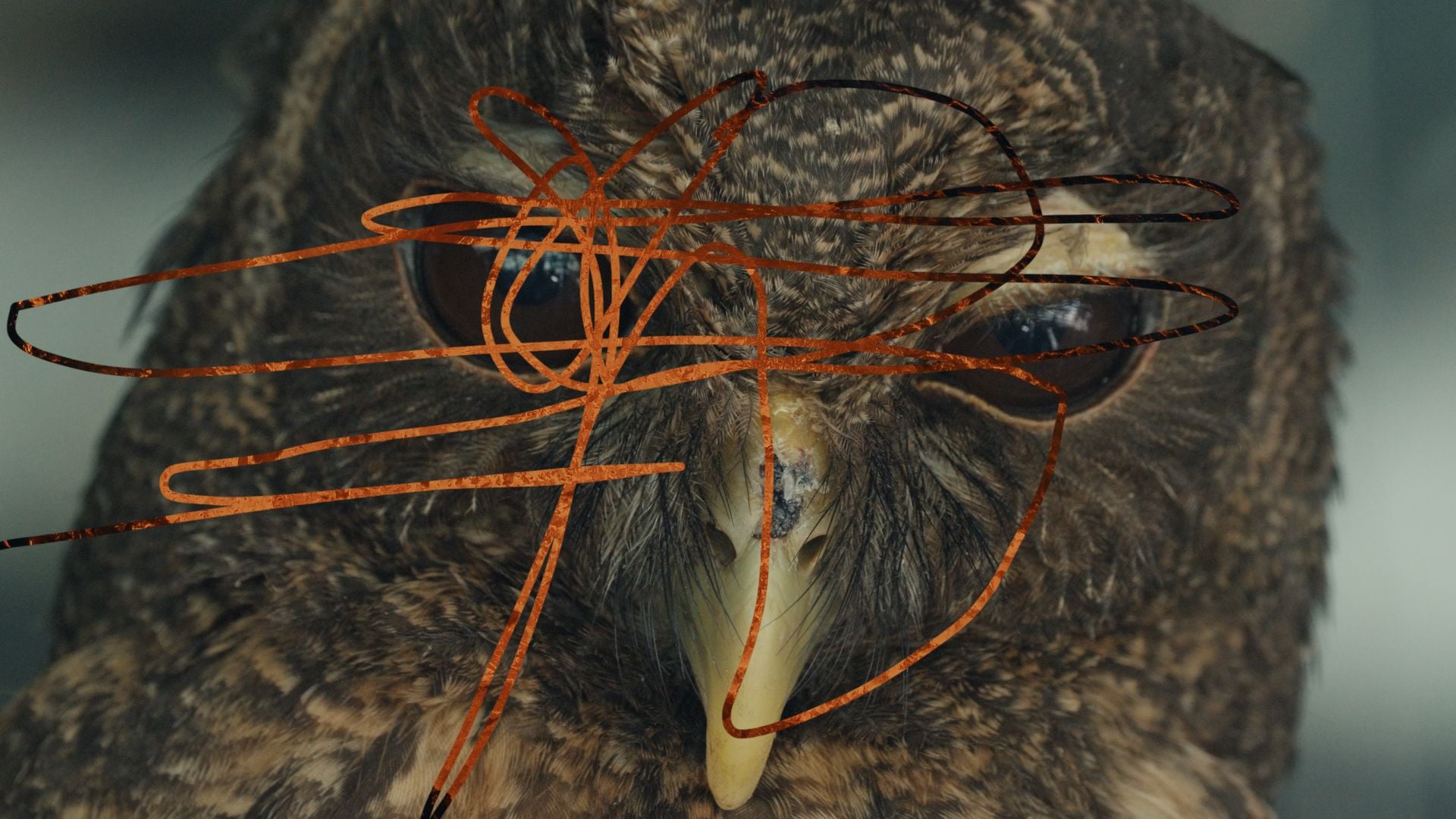
CH: Yes. It’s interesting you noticed that. In terms of shooting, it’s difficult to organise exactly what you can shoot, because the rescue shelter doesn’t know what kinds of animals will come in on certain weeks. I was trying to understand what is the most interesting animal for me to film. I realised that animals which are not too cute and which are not mammals are actually more interesting to me.
“You should present your film on different screens because it will look more artsy”
It was more convenient for the rescue shelter too, because mammals, and especially dogs and foxes, are impacted by human presence very quickly. So if they have a positive experience with a human, they will try to seek human interaction, which can be dangerous for them in the wild. It’s very important that they don’t see you, but the problem is they also smell. To hide yourself from them, and not leave any imprint at all, is very complicated. The rescue people were very happy that I was mostly interested in the reptiles and the birds.
With the birds and the reptiles, they are much more indifferent to us. It is less obvious, the connection. But that doesn’t mean they don’t feel. I thought it was more interesting because it would trigger empathy to a wider group of animals. And also the way the man was talking to the baby crocodile was so touching.
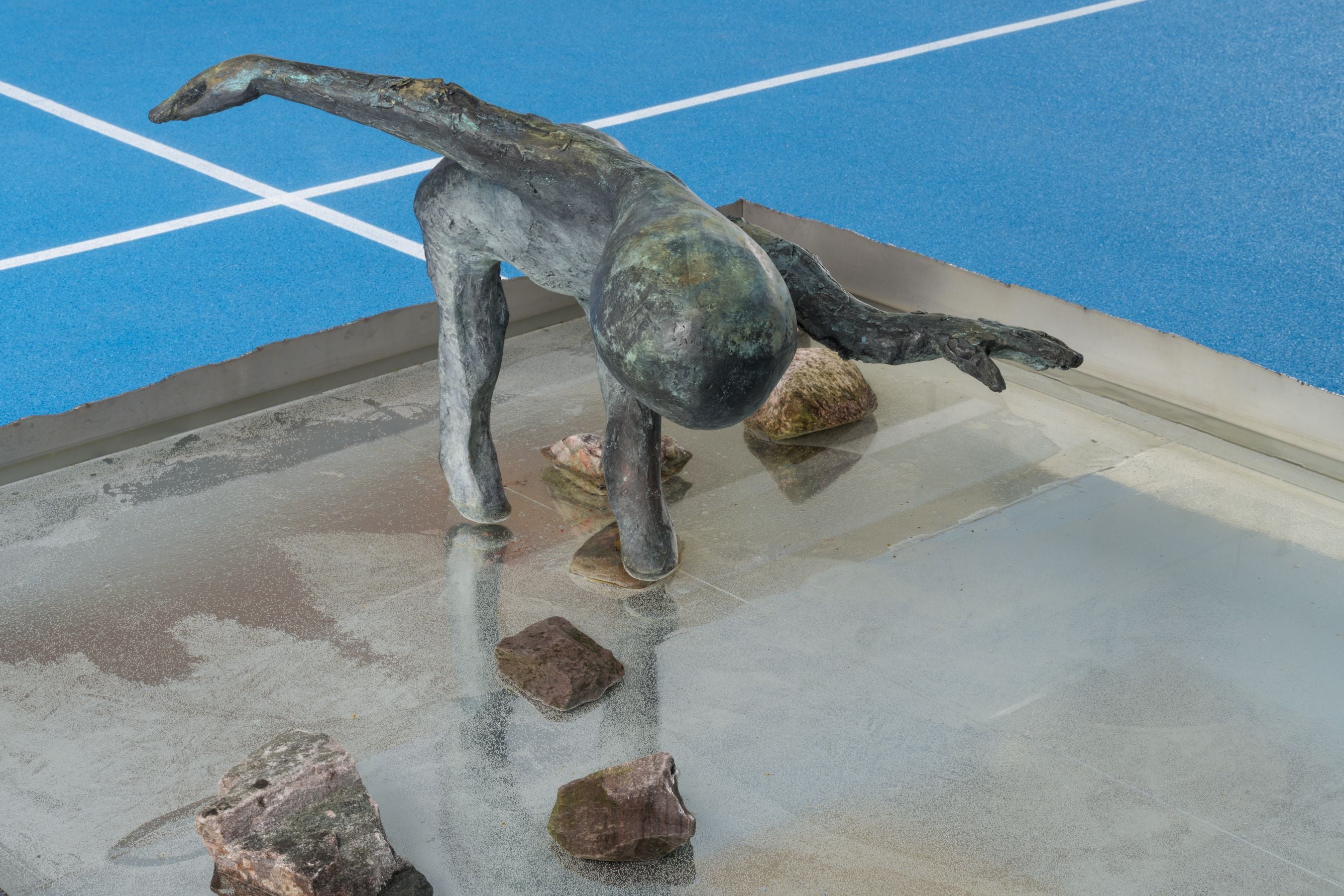
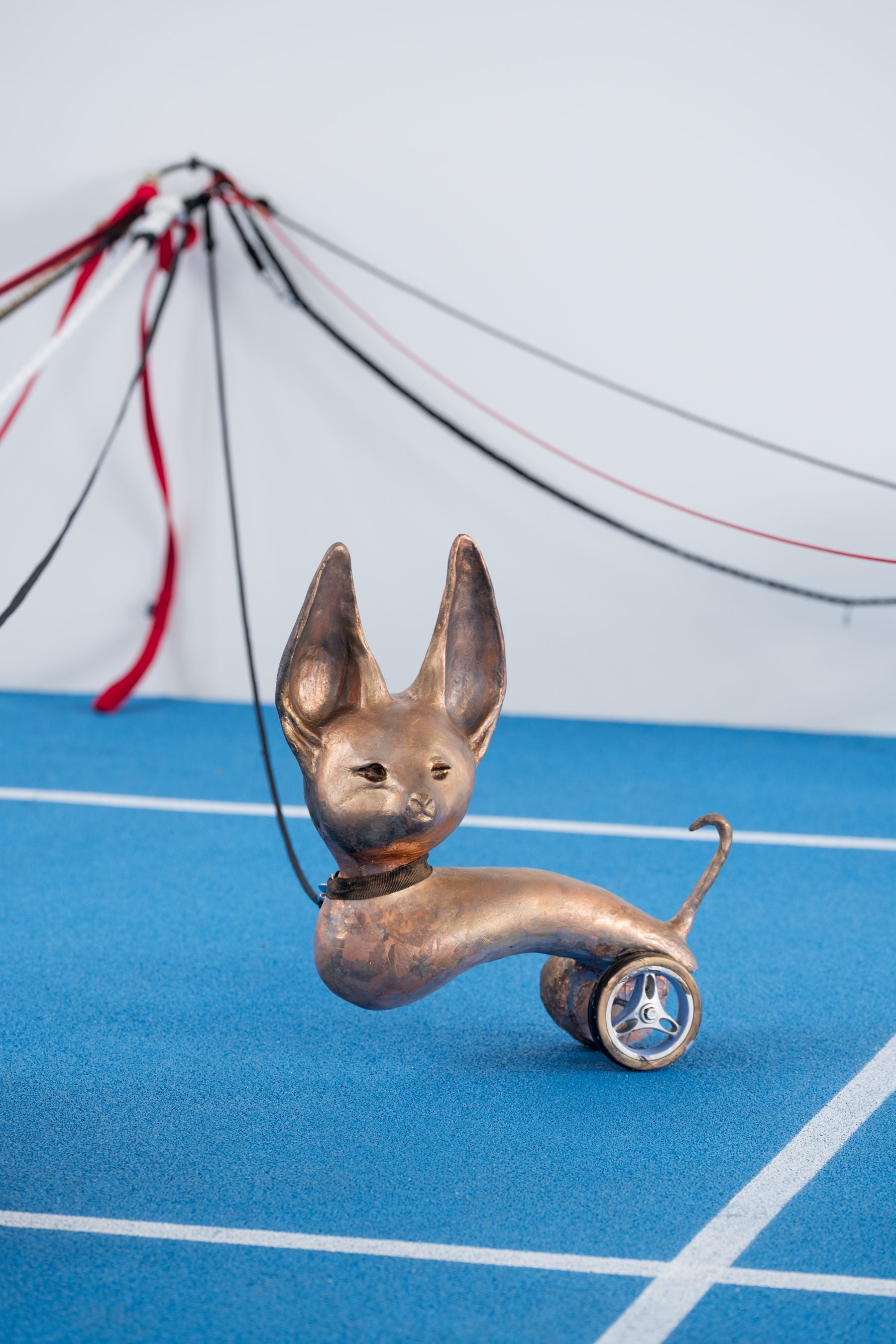
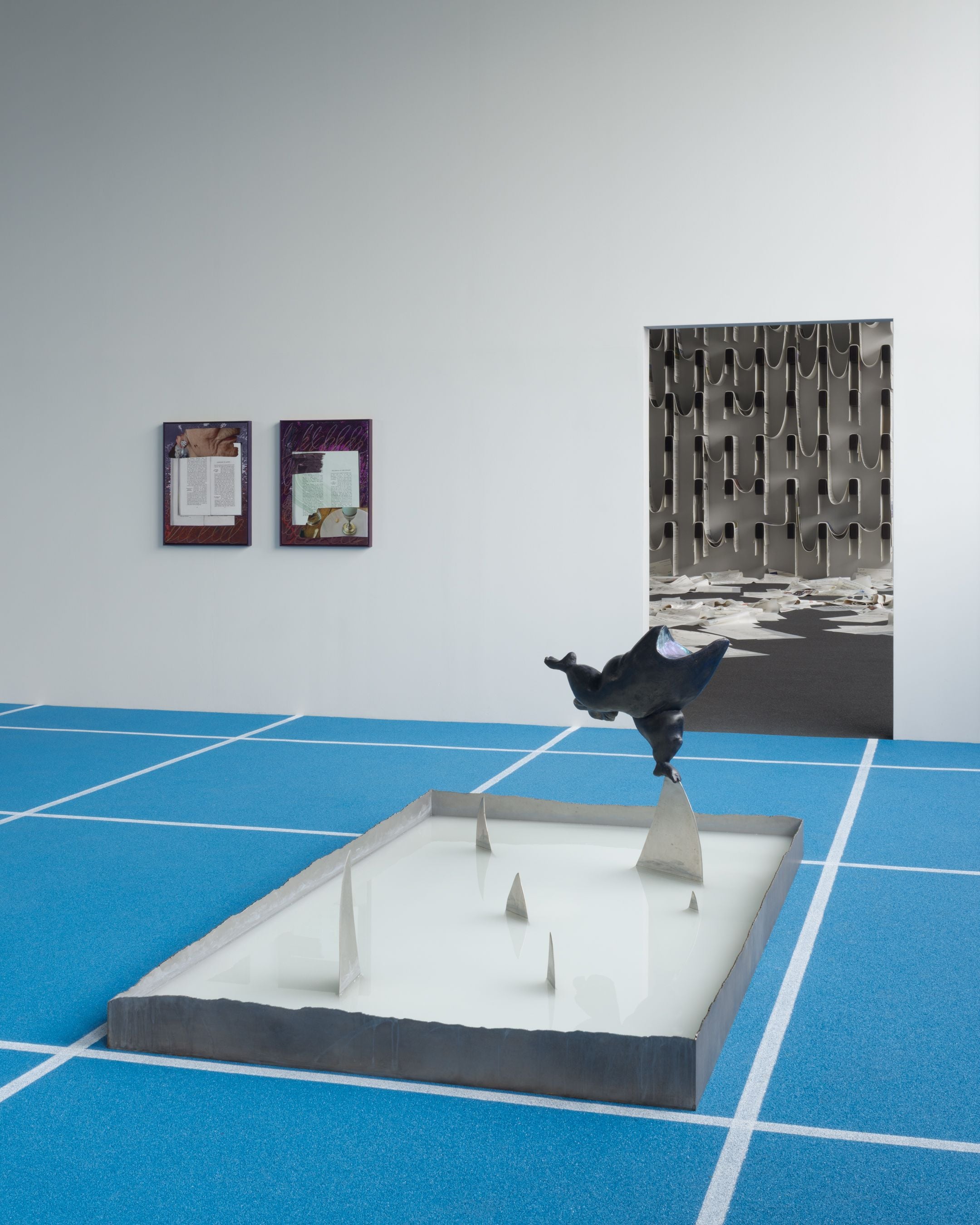
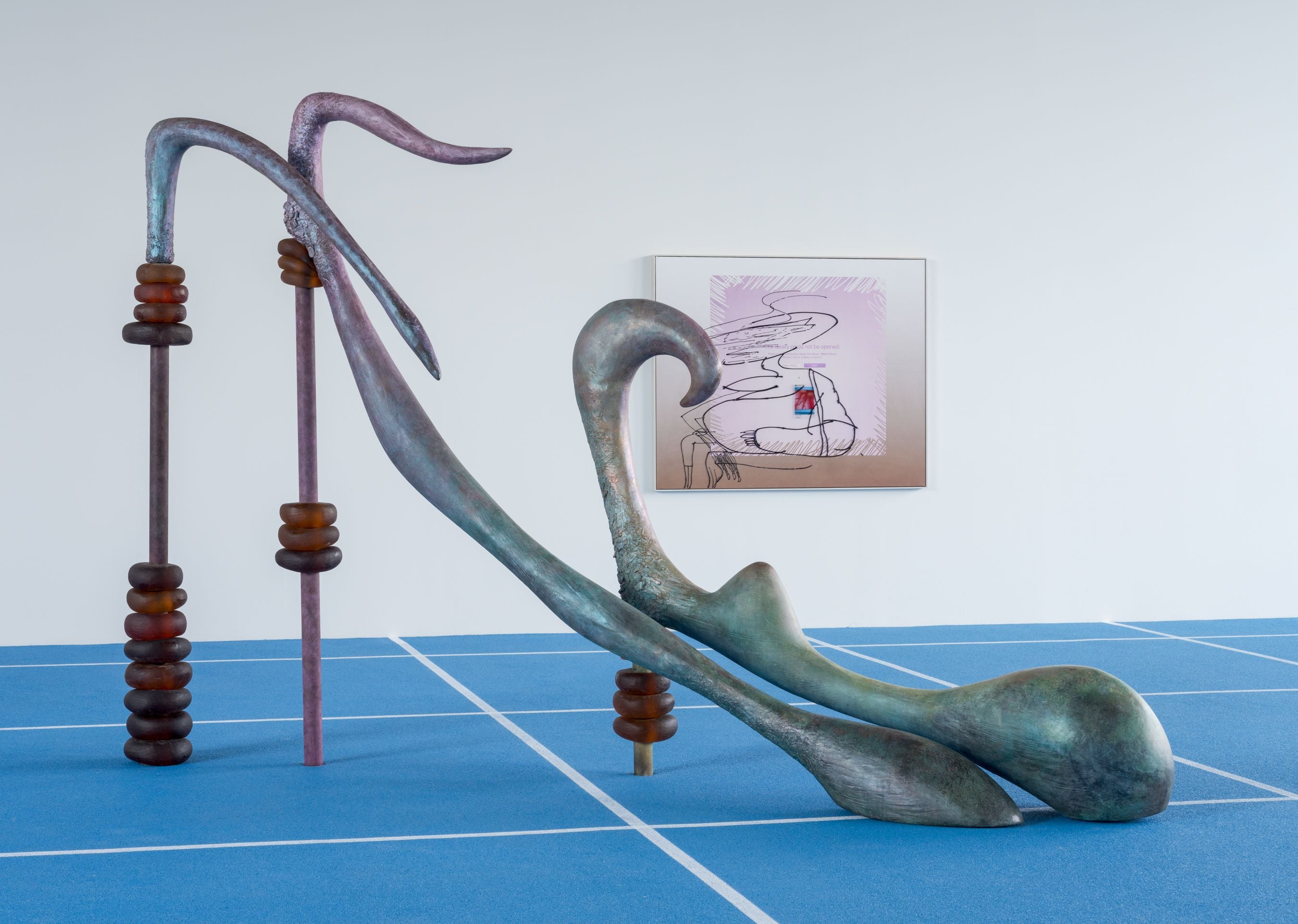
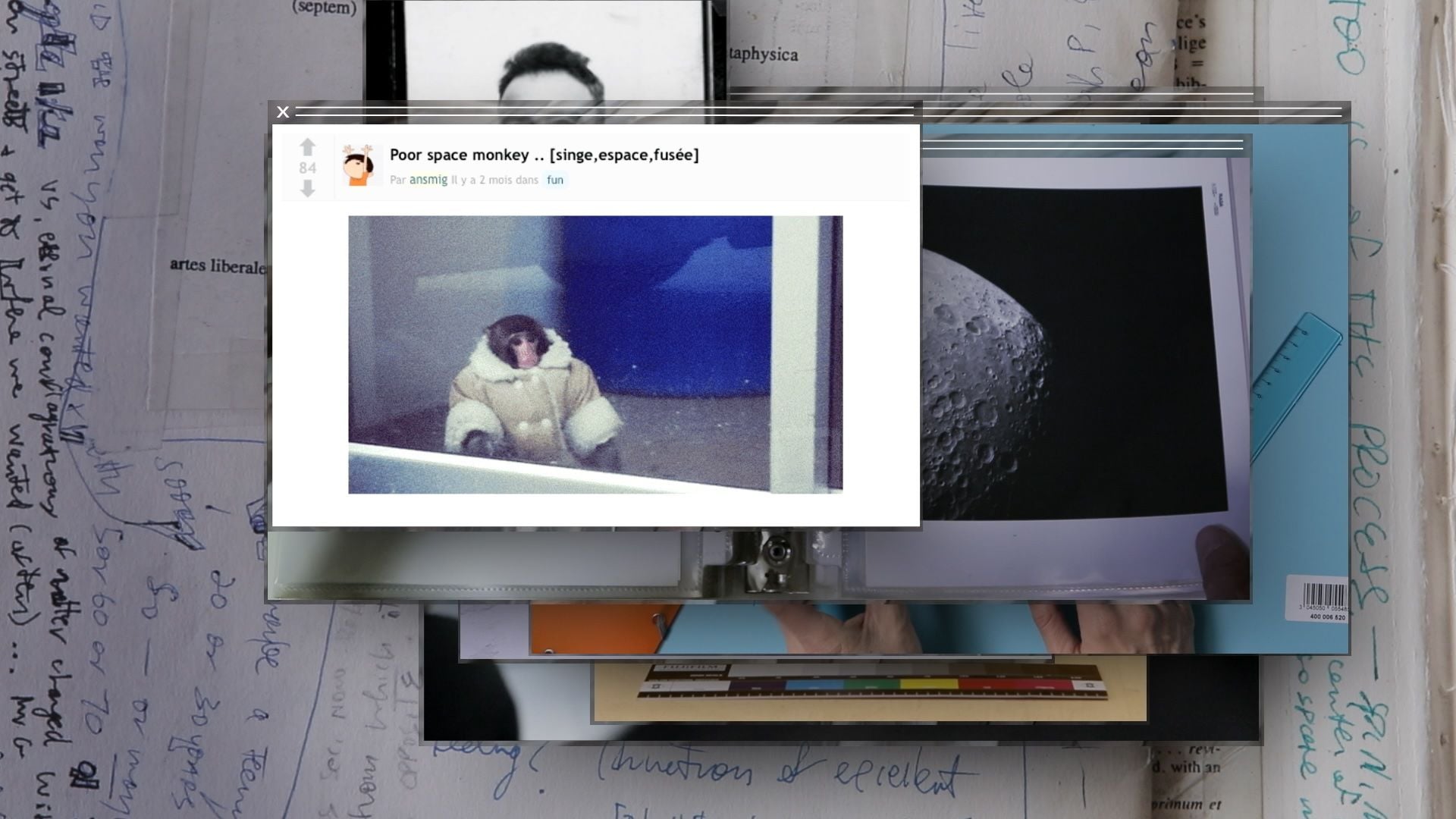
RC: I agree. The delicacy was really striking. I thought it was a brilliant scene. I also think some of our relationship with those animals that look prehistoric—lizards, and so on—is partly about our relationship with our own origins. We have this fear of where we have come from. It is a kind of knowledge which I think we work to keep very far away. But I actually felt really emotional watching it because it was almost like watching the darkest part of yourself be treated in this very gentle way.
CH: Yeah! I love what you say there: “We have fear about where we come from.” I think that phrase connects everything, because we are afraid of animals, and at the same time we’re afraid of embracing the fact that we’ve been vulnerable, we’ve been babies too. And we’re also afraid of women, mothers. We’re afraid of care, and so it’s the whole experience. It’s not just where we come from, but how we came about, that we are afraid of.
Ecofeminism is connected to the environment because it’s the same logic that disregards women and the energy which goes into care for children that also disregards care for the Earth. In order to have enough fish you need to not fish for a certain time. The same philosophies that make us able to care for children make us able to care for the Earth, and understand that the future we have is the product of the care we put into the present.
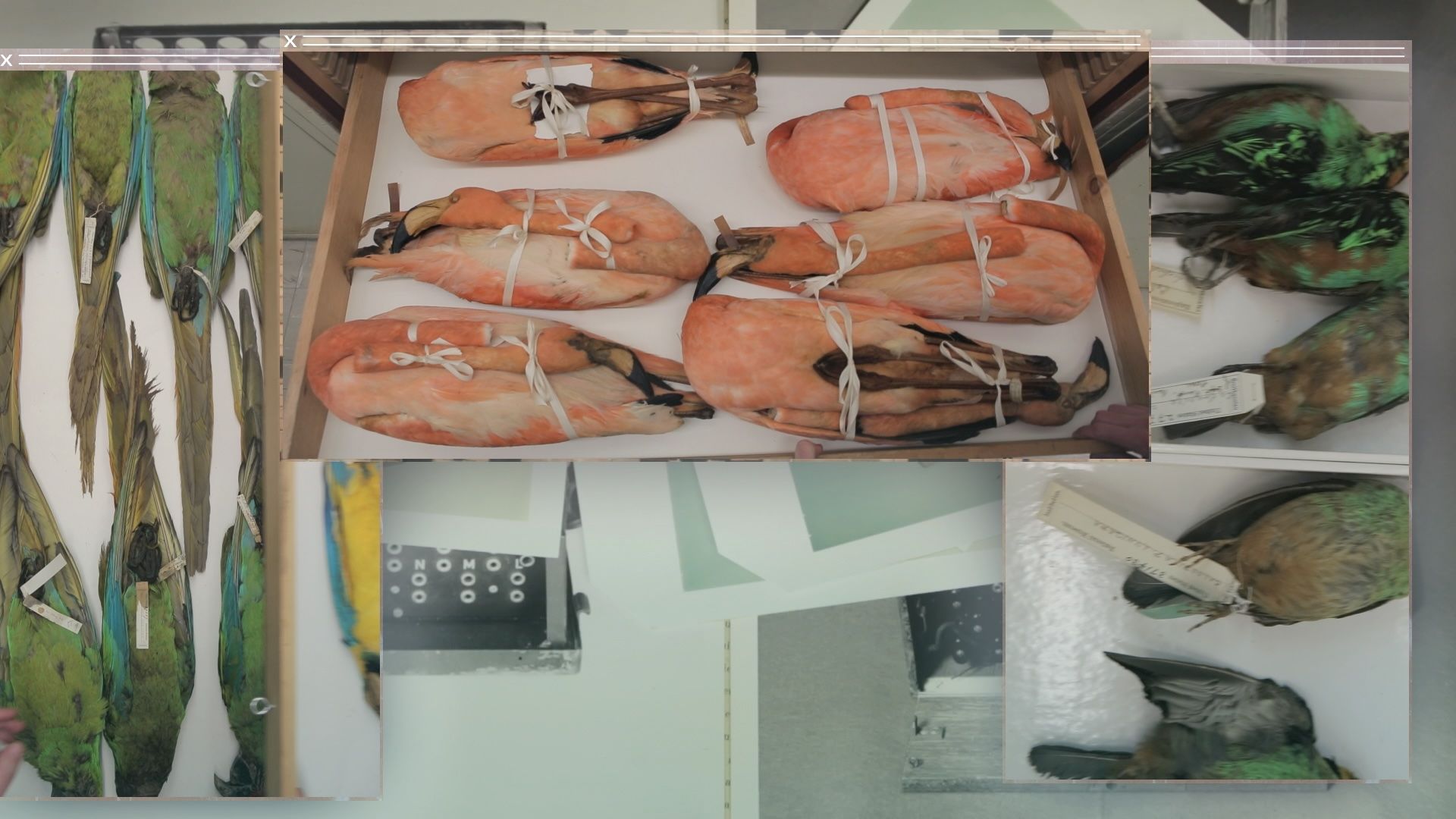
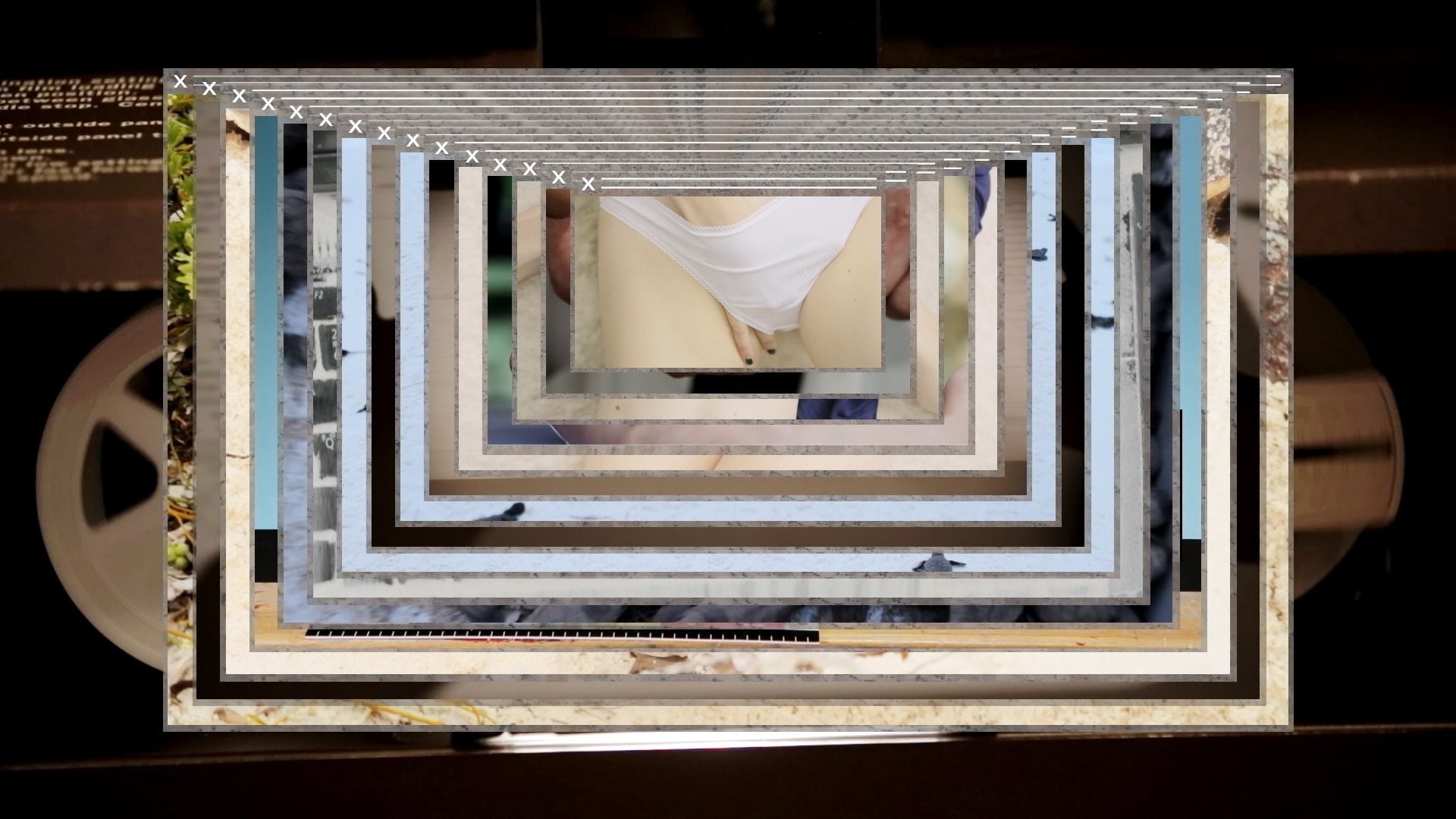
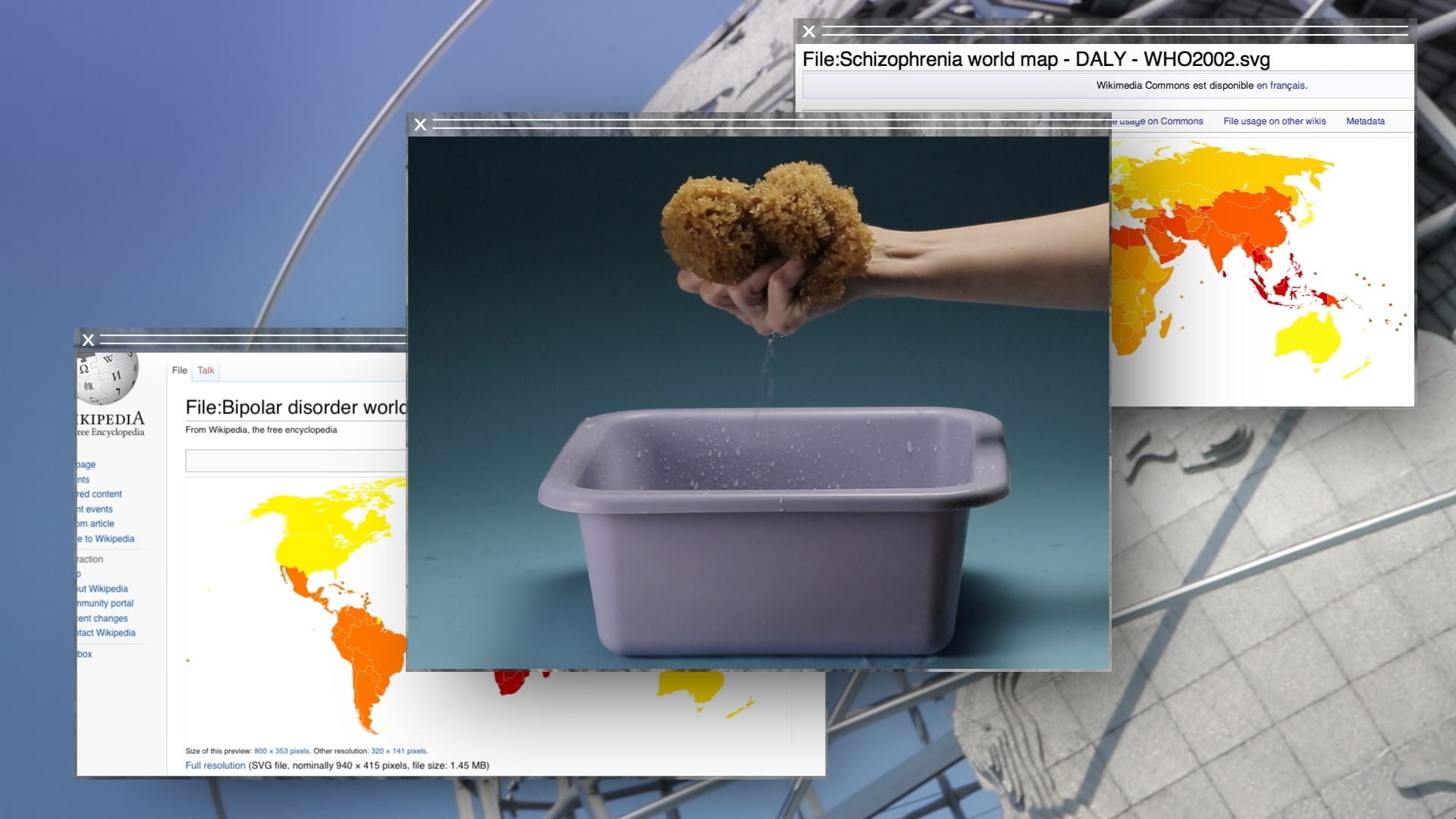
That’s also why the film is ridden with actions that are very repetitive and unglamorous: dressing and undressing a child, doing the bathtime, preparing the food, cleaning the dog. The structure of the film is seasons. For me it was really important for people to feel that the rhythm of the season is that philosophy of care. The summer that you have is the product of what you decide to do in the winter. All these fires we are seeing in Europe right now are the product of the absence of policy and corruption.
It’s not just understanding that there is a logic. It’s also understanding that the future is not a God-given thing. We are owed nothing. The future is a product of what we’re doing right now, and I think we need to understand that generation (for example having a baby, cultivating herbs, taking care of animals) is opposed to production. We have a society that thinks that life is the same thing as technology.
RC: I felt that the film really highlighted how unglamorous caretaking work is often very joyful.
Looking after other people is work that we’re repeatedly told has no value, and yet while you’re participating in it, that is not your relationship with it. When you’re looking after a child or cooking for someone that you care about, you don’t feel that this is worthless or pointless. I suppose it’s another way in which the film made me think about how much we are instructed to deny our own nature.
CH: In a way it was a discovery for me. I was not a very caring person. As a child I never played with dolls. I always thought I would never have children. I was only interested in animals, and I wanted to be a vet. My mom was not very motherly. She was an artist. I didn’t have a bad childhood. We would do lots of crafts and stuff together; I had a really marvellous, magical childhood. But I didn’t experience that joy of care before I had children.
In a way I felt a sense of discovery and newness, like: Oh, putting socks on a super chubby foot is such an operation. Also, the body shape of children is so weird… It’s like animals. You look at the teeth of the crocodile and you look at the ear of a bat, and it looks like something from another planet. With a small human it’s very similar. If you look at the foot of a baby that has never walked, how fat it is, and there is no ankle, it’s kind of monstrous and there is a sense of wonder to that. And I felt this is something that I had never seen in a movie or even very rarely in books: that sense of joy observing the weirdness of the beginning of life.
RC: Women are so aware of being put into the box of the caregiver and the caretaker that some of us react to that by wanting to have as much distance from it as possible. And obviously I would never say women are uniquely disposed to caregiving work or anything like that, but I think sometimes, we’re so aware of being forced into that box that we rebel quite strongly against it. Because the world has constructed it as a box—as in if you’re that type of person, the caring person—you’re not able to do all the other things you want to do and can do.
CH: Which is a lie we’re told. But it’s true, I did feel that way. That’s 100 percent the reason I didn’t want to have children, and when I had my first child I was very secretive about it. I was reluctant to put it into my work. I was so reluctant, I was battling it so much.
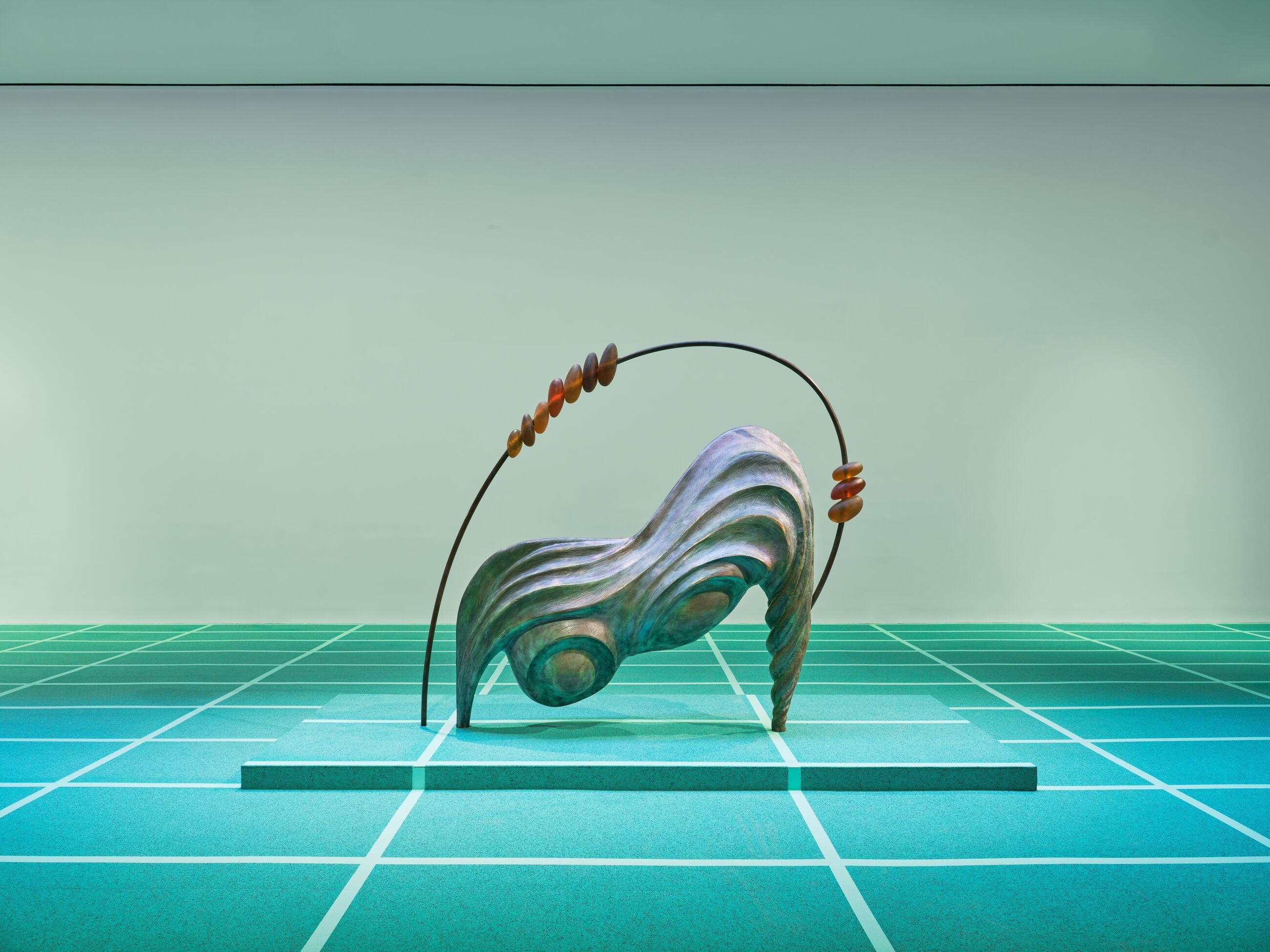
But then I met women like Manuela Moscoso, who was curating the Liverpool Biennial, and it was all about the belly. [Moscoso curated the 11th Liverpool Biennial: The Stomach and the Port.] She was making connections between the belly and colonisation and the port. And I felt: “It’s true. There are so many interesting concepts connected with the experience of caring for children.” It might be the concept of perspective, how big things seem, the concept of cannibalism, the fear of cannibalism, the origins of sexuality, the link between food and sexuality, anger, racial dynamics, the way I thought about gender changed. I remember when I was pregnant, I felt very masculine. Some people say: “Oh, you become a woman when you have children.” But I felt like: “Oh, I’m becoming a man. Actually, I’m becoming a very bourgeois man. I’m finally taking space in the bus. People are finally noticing me. They move aside to make space for me.”
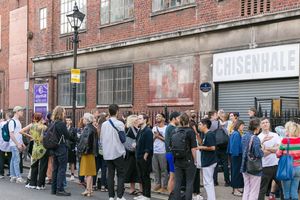
RC: I was reading a review of Don’t and one line made me laugh: “Her 2014 show at the Chisenhale in London was about the origins of humanity and Darwinism, and her film Grosse Fatigue is about the creation of the universe. But in her latest work, the French artist has turned towards the introspective, the quiet, small and mundane.”
I found that such a false dichotomy, the idea that the origins of humanity have nothing to do with what humans do while they’re alive. I think as humans we’re very scared of how small we are.
CH: I think it’s very related to what you said earlier about being afraid of our own origins. I think it’s a masking image. The big bang! This grand narrative about the beginning of the universe, it is a mask. You know in psychoanalysis when you fabricate an object to distract you from the object you’re afraid of? It’s almost like a fetish.
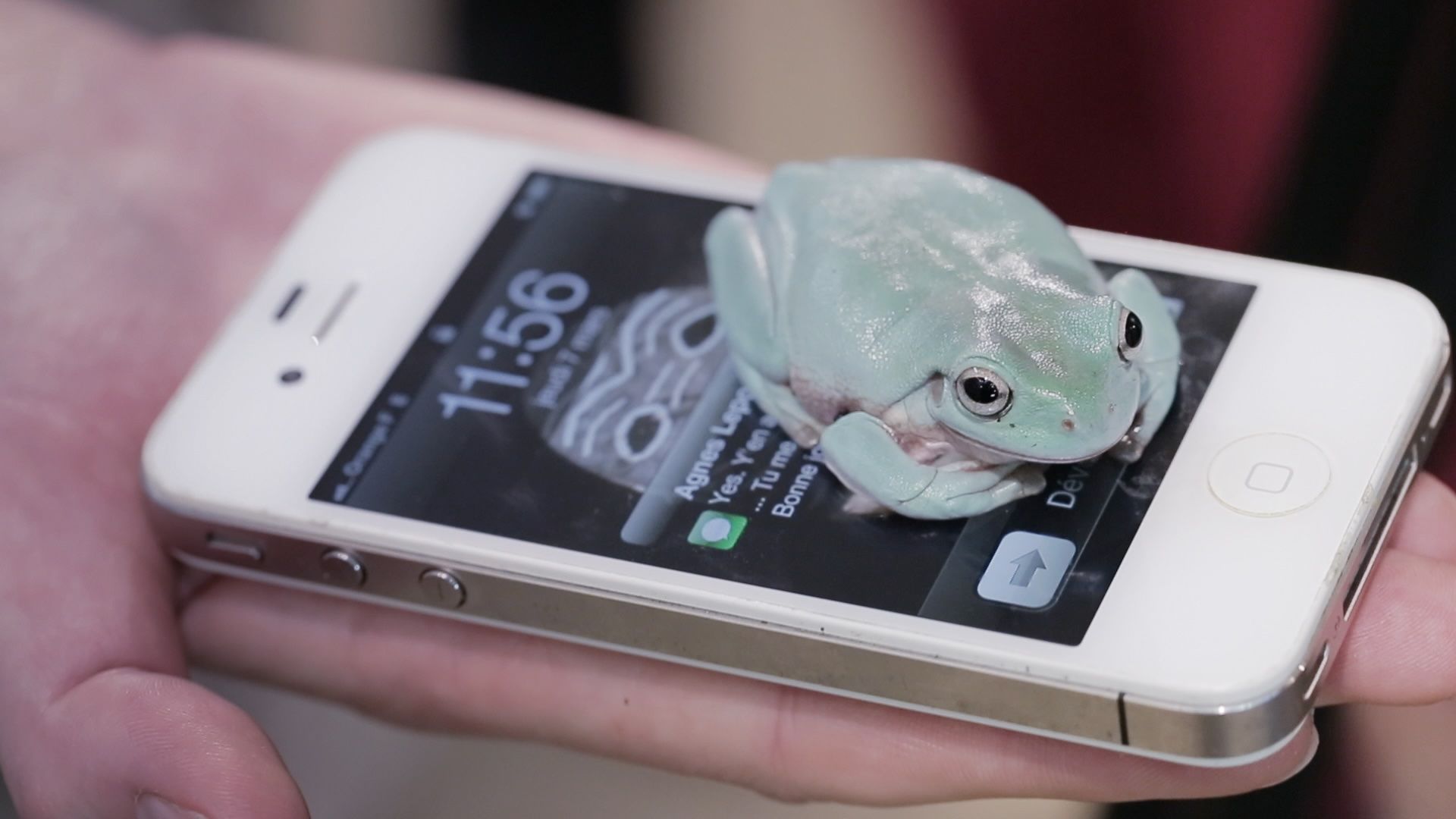
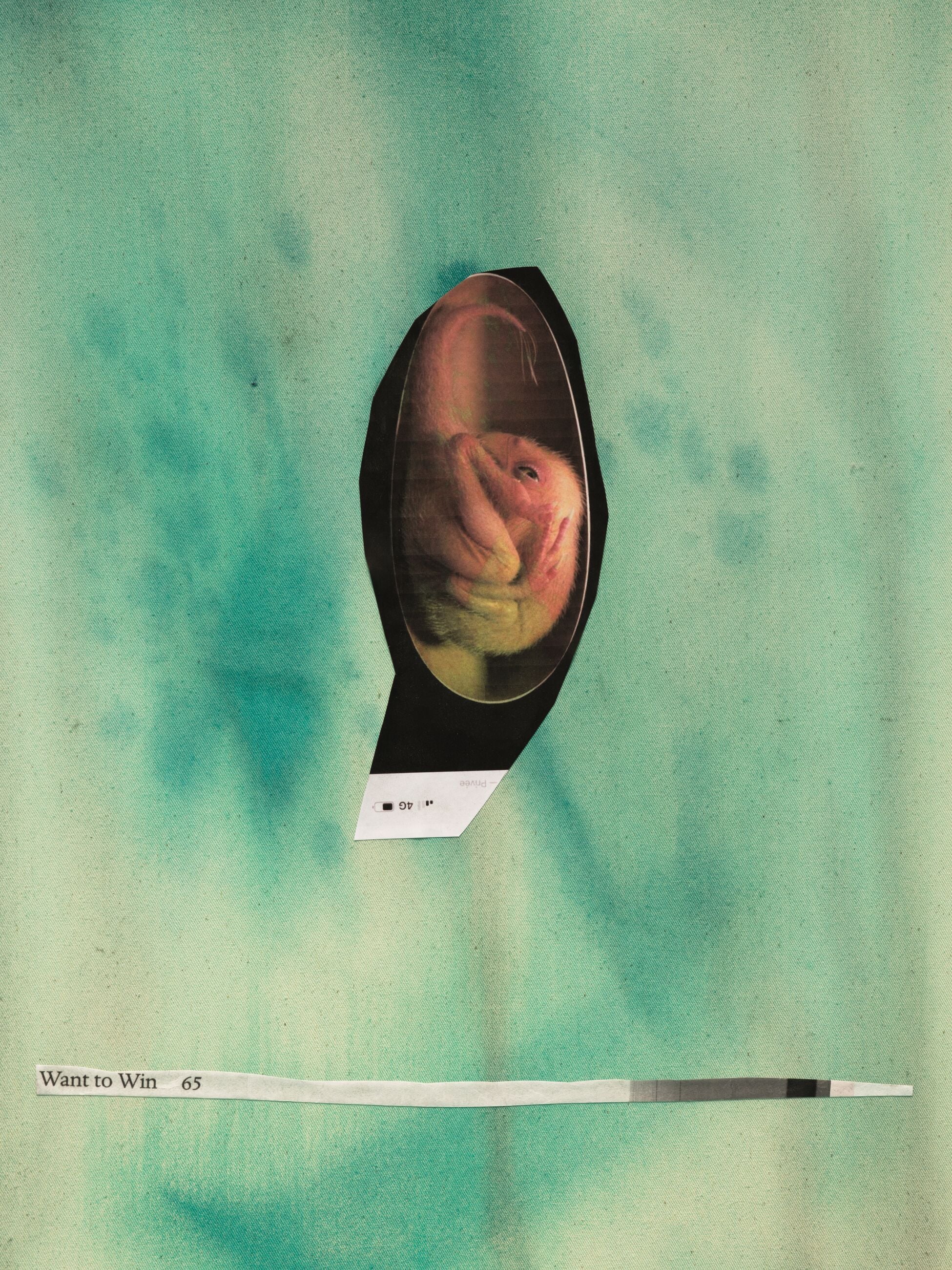
We all know that we start as micro invertebrate things that are just in a cloak of mud. We know we, as humans, start during a sex act, we start as this tiny frog. We know this, but we don’t want to think about it.
So it’s very convenient to have this idea that biological life is something mundane, but the history of the universe is something very important. I think what made you laugh is that sentence carries the weight of the patriarchal vision where the concepts of history and humanity are completely disconnected from the experience of intimacy.
We need to put intimacy and sex and gestation and generation into a box of “women”, and that box really needs taping up. It needs to be completely separate. And then the other box, which is actually about the exact same thing, but instead we call that one “history of the universe”, the “beginning of mankind”. That box is ruled by men, and the narrative is shaped by men, and everything that men feel a bit uncomfortable about, like blood, danger, extinction, ending, limits, death. That all gets put instead in the box called “women stuff”.
RC: A film I thought of while watching In the Veins was Cow (2021) by Andrea Arnold, which follows the life of a cow who lives on a normal farm. Her calves are taken away and milked, and it’s basically about the cow’s relationship to that process. But it also feels like an analogy for how little control you have as a person. There’s a moment when the cow’s baby is taken away. I think this is her third baby which has been taken away. And she really tries to rebel against it. She doesn’t really have a way to rebel, but she just stops participating.
CH: I haven’t seen it but it’s possible I heard about it. I saw a film with a similar perspective but with a pig. You follow the pig; you see his expressions. It’s filmed in a way which has a lot of empathy. But then at the end, the pig is being brought to the slaughterhouse. It’s a tough film. The images are mind-blowing.
“I was aware that I had this particular grief every time I felt a sense of wonder”
RC: The older man at the wildlife sanctuary in In the Veins said something like: “When animals come in and they’re fatal, we have to train ourselves not to bond with them emotionally.” I was thinking of the role of the pet. It’s almost as if the pet becomes a safe place to put all the emotions we have about animals. You can keep the pet safe; you can have a level of control. I think that’s playing a role for people which is a deep need.
CH: Yes. It was very striking to me. A lot of the people who work in rescue centres have pets. Also these people don’t have just one cat. One person in the bird rescue centre has five or six cats. It’s actually impractical because cats are a predator to birds. The cats create these logistical hurdles. I put that in the film as well. There’s an image of a sign saying: “Don’t open this door. Be careful of the cat.” There is another moment, in a different rescue centre, where there’s this young woman giving a bottle to a wild pig. And there’s a cat coming in to sniff the pig. They’re interacting very closely. It was a strange image. The presence of the domestic animals was very moving to me.
Also, the emotions of the caregivers. I cried myself as I was shooting. I don’t know if you remember the moment in the film where they put fish skin on the wound of a sloth. That sloth was pregnant and grabbed an electric wire. Then she lost her arm and she lost her baby. When they told me that story I was in tears. I think my tears actually triggered their emotions, too. But all of a sudden they were saying: “Oh you shouldn’t worry because sloths can completely survive in the wild with only three arms, and she will be able to have other babies.” But I could tell they were a bit in denial of their own emotions.
RC: Yes, they need that mechanism. Because if they’re in touch with their emotions all the time it would not be possible to do the work.
CH: Yeah, yeah. I think they are all battling, the same way as doctors in hospitals are, to find the right balance of empathy and detachment, so you still feel joy in your work but without becoming completely devastated by all of the loss. But you can tell they’re walking this line. —[O]
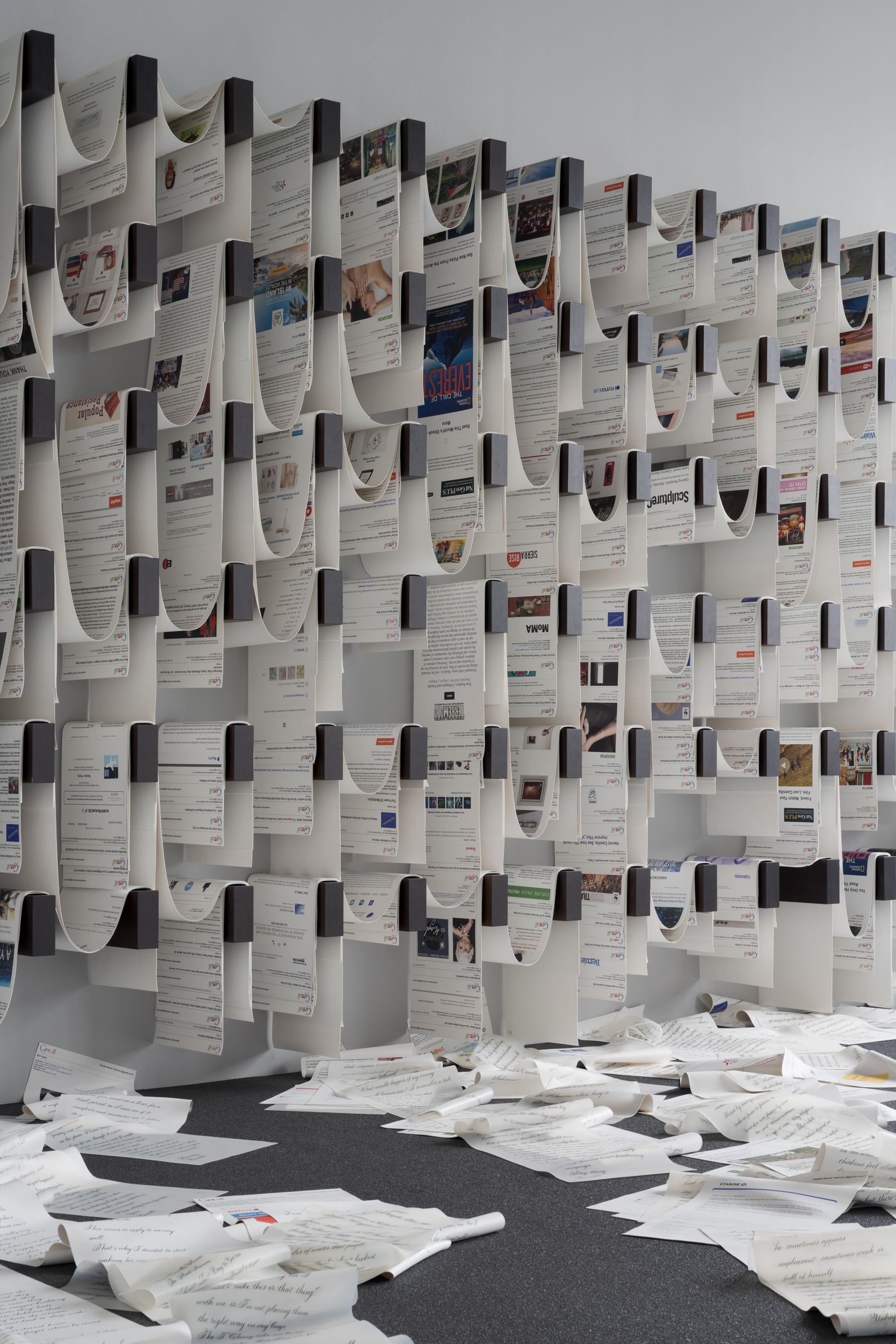
Camille Henrot, Paper Planes (until 31 December 2026) at Copenhagen Contemporary, and In the Veins (until 10 January 2027) at Luma Arles.
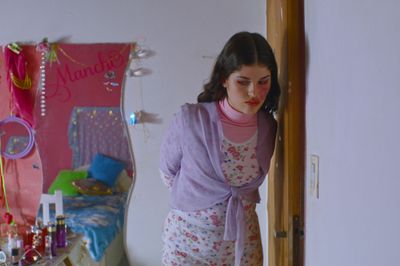
Main image: Still,_In the Veins _(2026) © ADAGP Camille Henrot. Courtesy the artist, Mennour and Hauser & Wirth.






A respected voice in contemporary art discourse.
Focusing on ambitious storytelling and insightful art-world commentary. Ocula Magazine publishes in-depth interviews, critical essays and timely analysis on the artists, exhibitions and ideas driving the global art world.
Learn more about Ocula Magazine
Showcasing the best of the art world.
Ocula partners with galleries from around the world to highlight their artists, artworks and exhibitions. Gallery membership is by application and invitation, with each member vetted by an independent panel.
Learn more about Ocula Membership
Specialises in the sale of major artworks.
Led by a team with deep ties to the world’s leading auction houses, galleries and collectors. Ocula’s advisory team offers bespoke services to high-net-worth clients from around the world who are looking to acquire the best of contemporary and modern art.
Learn more about our team and services